Every year, Americans throw away about 40% of their food. That’s almost 133 billion pounds of unused ingredients. This shows us a big chance in our kitchens. We can turn what we thought was trash into tasty meals with zero-waste cooking.
We’re starting a tasty journey that changes how we use our kitchens. Zero-waste cooking is more than saving the planet. It’s also a fun way to make delicious meals from scraps, saving money and helping the environment.
Our goal is to do more than just recycle. We’ll learn how to make gourmet dishes from potato peels, veggie stems, and other often-wasted foods. It’s amazing to think we can make great meals and help the planet at the same time.
Whether you’re a pro chef or a home cook, you can join this food revolution. We’ll share easy, tasty ways to use every part of your ingredients. This shows that being green can also be super delicious.
Turning Kitchen Scraps into Culinary Gold

Zero-waste cooking turns kitchen scraps into amazing meals. We aim to change how we see food waste. We turn trash into tasty, healthy dishes. Root-to-stem recipes are more than a trend; they’re a new way to cook.
Repurposing vegetable scraps is an art. It’s about making tasty dishes from parts we usually throw away. Chefs around the world are finding ways to use every part of vegetables. This shows that being creative in the kitchen can really cut down on waste.
- Carrot tops become vibrant pestos
- Broccoli stems transform into crunchy slaw
- Citrus peels craft aromatic marinades
Our method is more than just changing recipes. It’s a complete plan that saves money and helps the planet. By using these new cooking methods, home cooks can:
- Reduce food waste at home
- Save money on groceries
- Make more eco-friendly meals
| Food Scrap | Potential Use | Nutritional Benefit |
|---|---|---|
| Vegetable Stems | Stocks, Soups | High in Fiber |
| Herb Leaves | Garnishes, Sauces | Rich in Antioxidants |
| Fruit Peels | Teas, Marinades | Vitamin C Source |
By seeing the value in every ingredient, we can change how we cook and eat. Join us in making kitchen scraps into culinary wonders.
Why Zero-Waste Cooking Matters Today
Food waste is a big problem worldwide, affecting every kitchen and community. Our daily cooking choices can greatly impact the environment and our economy. Using resourceful cooking methods is crucial for our planet’s future.
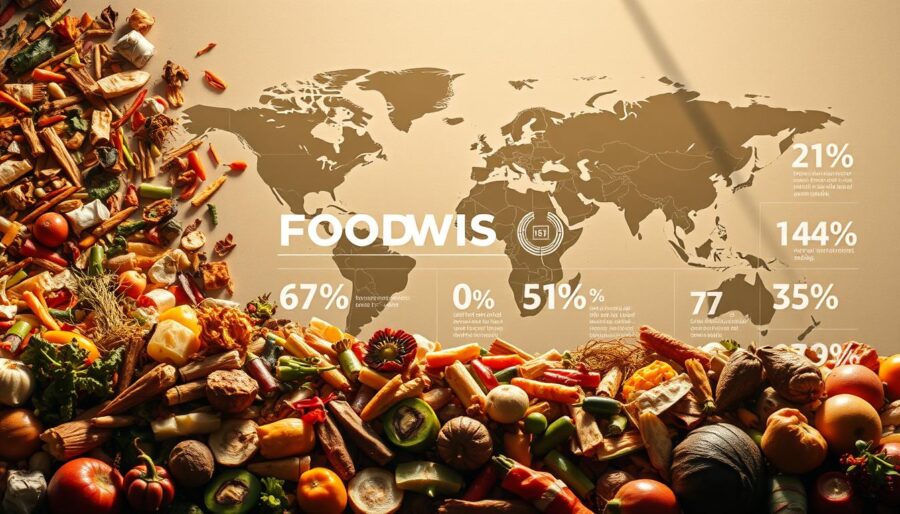
The Global Food Waste Crisis in Numbers
In the United States, about 30-40% of food is wasted each year. This means:
- 133 billion pounds of food are thrown away annually
- $161 billion worth of food is wasted
- 22% of municipal solid waste comes from food
Environmental Impact: From Landfills to Greenhouse Gases
Discarding food harms the environment. Composting kitchen scraps can cut down methane emissions from landfills. Food waste in landfills generates about 11% of global greenhouse gas emissions. This shows how our kitchen choices can fight climate change.
Budget Benefits: How Reducing Waste Saves Money
Using leftovers is good for the planet and your wallet. The average American family wastes about $1,500 in food each year. By adopting zero-waste cooking, we can:
- Save money on groceries
- Make multiple meals from one ingredient
- Buy food less often
Our kitchen can be a key place for living sustainably. Small changes can make a big difference.
Core Principles of Zero-Waste Cooking

Starting to cook without waste begins with knowing the basics. Zero-waste cooking is more than a trend. It’s a way to cut down on food waste and use every bit of what we buy.
Shop & Plan Smart: Buy Only What You Need
Smart shopping is key to using kitchen scraps wisely. We suggest making meal plans and lists to avoid buying too much. Here are some tips for better shopping:
- Check your pantry before shopping
- Buy produce in smaller quantities
- Choose flexible ingredients for multiple recipes
- Purchase seasonal and local produce
Store Ingredients Properly to Extend Freshness
Storing food right is vital to reduce waste. Each item needs a special way to stay fresh and avoid going bad.
| Food Category | Best Storage Method |
|---|---|
| Leafy Greens | Damp paper towel in sealed container |
| Herbs | Stored like fresh flowers in water |
| Root Vegetables | Cool, dark place with good air circulation |
Root-to-Stem & Nose-to-Tail: Using Every Edible Part
We aim to use every part of what we buy. Root-to-stem cooking turns veggie scraps into tasty dishes. Nose-to-tail cooking means using all parts of meat.
- Use carrot tops in pesto
- Transform broccoli stems into slaw
- Create stock from vegetable peels
- Use meat bones for rich broths
Essential Zero-Waste Cooking Techniques
Turning kitchen scraps into tasty meals is an art. It saves money and cuts down on waste. Our zero-waste method turns trash into culinary gems, using every bit of food.

Homemade Stocks from Vegetable Peels & Bones
Making rich stocks is key in using up food scraps. We save vegetable scraps like onion skins and carrot tops in a freezer. When it’s full, we make a nutritious stock from it.
- Collect clean vegetable scraps
- Store in freezer bag or container
- Simmer with water for 4-6 hours
- Strain and use in soups, sauces, and grains
Fermentation & Pickling to Preserve Produce
Fermentation keeps produce fresh and adds flavor. Pickling vegetables turns old veggies into tasty, healthy snacks.
| Vegetable | Fermentation Time | Flavor Profile |
|---|---|---|
| Carrots | 5-7 days | Tangy, slightly sweet |
| Cabbage | 7-10 days | Sharp, acidic |
| Radishes | 3-5 days | Spicy, crisp |
Creative Uses for Stale Bread, Overripe Fruit & Coffee Grounds
Stale bread makes great breadcrumbs or croutons. Overripe fruits are perfect for smoothies or baked goods. Coffee grounds are great for meat marinades or garden compost.
Composting Non-Edible Scraps to Close the Loop
Composting turns waste into soil. We compost vegetable scraps, eggshells, and coffee grounds. It completes our zero-waste cooking cycle.
Delicious Zero-Waste Recipes to Try
Reducing kitchen waste is not just good for the planet. It also lets you get creative in the kitchen. We turn what’s usually thrown away into tasty dishes that amaze.
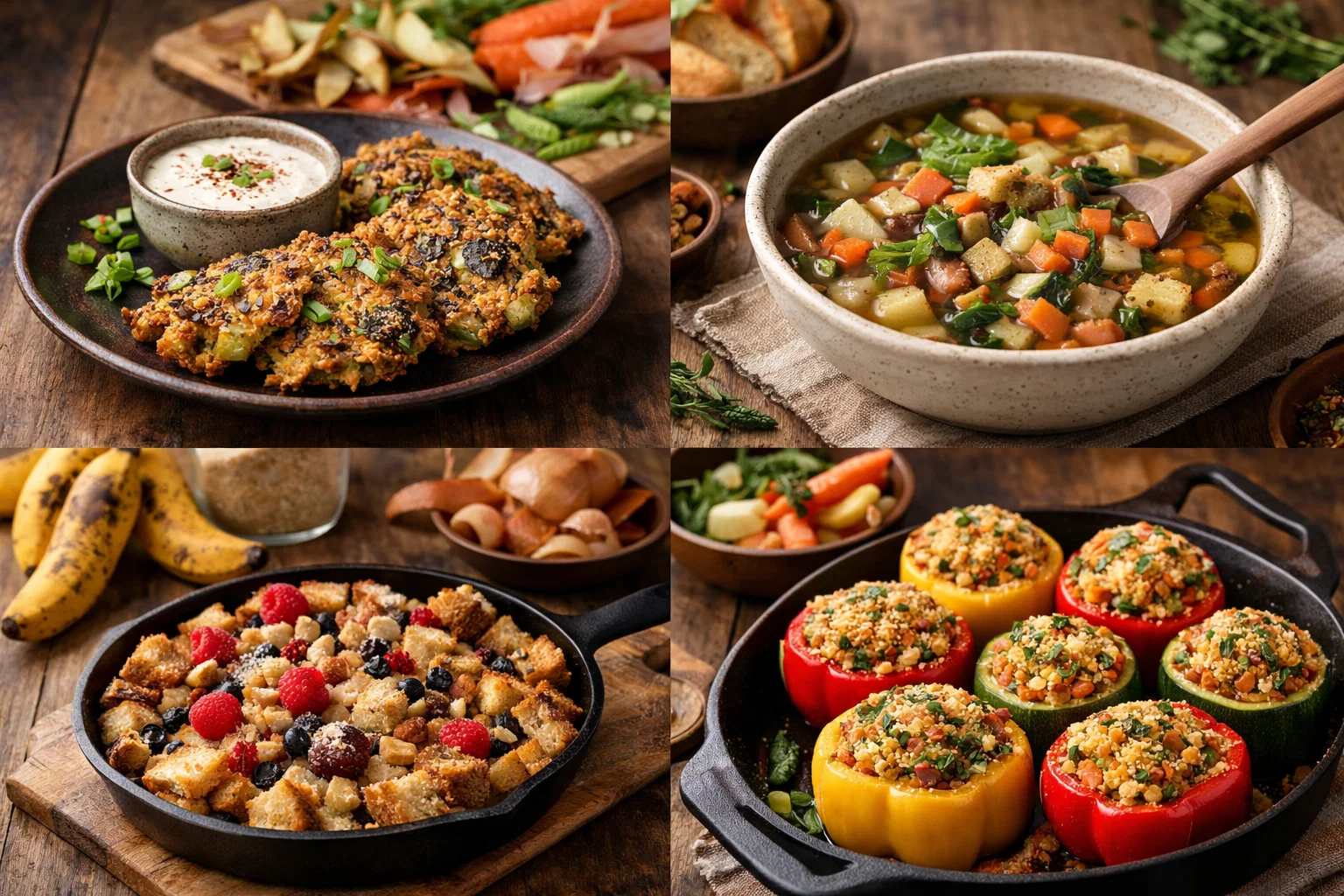
Eco-friendly cooking changes how we make food. We’ll look at recipes that use every bit of an ingredient. This shows that making do with leftovers can be tasty and green.
Carrot-Top Pesto: A Green Revolution
Most people toss out carrot tops, but they’re full of flavor. Our easy carrot-top pesto recipe turns these greens into a tasty spread:
- Blend carrot tops with garlic
- Add olive oil and parmesan
- Season with salt and pepper
Citrus Peel Magic: From Waste to Wonderful
Citrus peels are a treasure waiting to be used. Our marmalade recipe makes these scraps into a sweet, tangy spread. It’s perfect for breakfast or baking.
Transformative Broths from Kitchen Scraps
Vegetable ends and herb stems make great broths. Max La Manna’s way of using whole vegetables, like his spicy baked cauliflower wings, inspires us. It makes us think differently about kitchen waste.
By using these zero-waste cooking methods, we help the environment. We also find new flavors in our kitchen.
Tools & Pantry Staples for a Zero-Waste Kitchen
Turning your kitchen into a waste-free zone is all about the right tools and smart choices. We focus on essential equipment and pantry items that help you cook with whole ingredients.
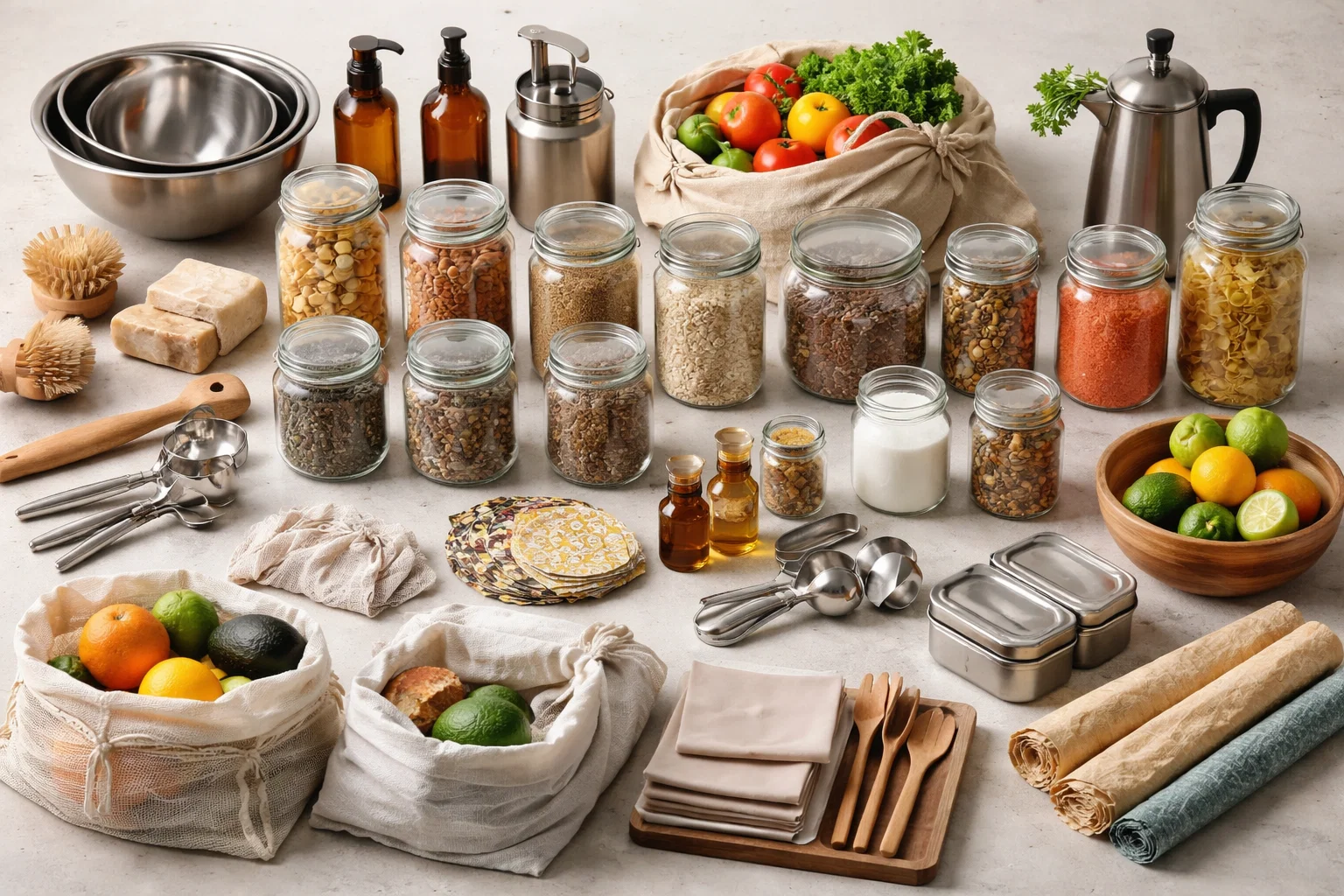
You don’t need to overhaul your kitchen to cook without waste. Instead, choose versatile tools that make the most of your ingredients and cut down on waste.
Must-Have Gadgets for Waste-Free Cooking
- High-powered blender for turning veggie scraps into smooth sauces
- Compact compost bin for handling food that can’t be eaten
- Reusable silicone containers for storing food
- Beeswax wraps for keeping food fresh without plastic
Essential Pantry Items for Flexible Cooking
Our zero-waste cooking methods depend on a pantry full of versatile items. Stock up on staples that can give new life to food that might otherwise go to waste.
- Versatile grains: Quinoa, rice, and couscous for mixing with leftovers
- Dried herbs and spices for adding flavor
- Nutritional yeast for enhancing veggie dishes
- Vinegars and oils for quick sauce making
By using these waste-free cooking methods, you’ll not only reduce waste but also discover new ways to cook. Sustainable cooking can be tasty, creative, and very rewarding.
Modern Innovations & Global Inspiration
Zero-waste cooking has grown from a small idea to a big movement worldwide. It’s changing how chefs and home cooks think about cooking in an eco-friendly way. The food world is moving towards using less waste and being more creative.
Top chefs are changing how we see whole-food cooking with new ideas. Michelin-starred restaurants are making menus that cut down on food waste. They show how amazing ingredients that are usually thrown away can be.
Michelin-Starred Chefs Embracing Zero-Waste Menus
- Transforming vegetable scraps recipes into gourmet dishes
- Creating stunning plates using typically overlooked ingredients
- Developing techniques that maximize every part of produce
Tech Solutions Revolutionizing Food Management
New technology is making it easier to cook sustainably. Smart apps and smart kitchen tools help keep track of food, check when it expires, and cut down on waste.
Packaging-Free Shopping & Bulk Buying Trends
More people are choosing to buy food without packaging and in bulk. Local markets, specialty stores, and online sites are giving eco-friendly shoppers ways to buy food sustainably.
These new trends show that zero-waste cooking is more than just a trend. It’s a way to make tasty, responsible meals that help us and the planet.
Tips for Beginners to Build the Habit
Starting a zero-waste cooking journey can seem daunting. But, we’re here to make it easy and fun. Root-to-stem cooking is about small steps to reduce waste and change your kitchen habits.
To begin your minimalist meal planning, you need some smart strategies. We’ve got practical tips to help you cut down on waste and get the most out of your kitchen.
Conduct a Weekly “Fridge Audit”
A weekly fridge audit is your key to sustainable meal planning. Spend 10-15 minutes each week to:
- Check expiration dates
- Identify ingredients nearing their prime
- Plan meals around those ingredients
- Remove any spoiled items
Save & Freeze Scraps for Later Use
Don’t throw away vegetable ends and herb stems! Set up a scrap collection system in your freezer:
- Collect vegetable peels for homemade stock
- Store herb stems in freezer bags
- Freeze overripe fruits for smoothies
- Save meat bones for rich, flavorful broths
Regrow Veggies from Kitchen Leftovers
Turn kitchen scraps into a mini garden adventure! Many vegetables can be regrown from their base or stems, including:
- Green onions
- Lettuce
- Celery
- Garlic
Remember, zero-waste cooking is a skill that grows over time. Stay patient, try new things, and celebrate each small win in your sustainable cooking journey!
Zero-Waste Cooking for Families & Communities
Turning eco-friendly kitchen habits into a family activity can make reducing food waste exciting. Zero-waste cooking is more than saving money. It’s about making connections and teaching important skills to the next generation.
Getting kids involved in sustainable cooking is both fun and educational. We’ve found ways to make reducing food waste interactive. It sparks curiosity and teaches about the environment.
Fun Ways to Get Kids Involved in Reducing Food Waste
- Create a vegetable stock from scraps challenge where kids collect vegetable ends and learn about zero-waste cooking
- Design a “kitchen detective” game to identify foods nearing expiration
- Start a family composting project in the backyard or kitchen
- Host cooking competitions using leftover ingredients
Hosting Zero-Waste Dinner Parties & Potlucks
Community events are great for showing off sustainable cooking. Simple steps can turn potlucks into eco-friendly food experiences.
- Request guests bring reusable containers
- Plan menus using seasonal, local ingredients
- Encourage creative use of leftovers
- Share zero-waste cooking tips during the event
Working together to reduce food waste can make a big difference. Every meal is a chance to teach, inspire, and build a greener future. One delicious dish at a time.
Conclusion: Small Steps to Big Impact
Our journey into zero-waste meal prep shows that we can all make a difference. By using kitchen scraps and organizing our pantries, we can change how we cook. Every small action, like saving vegetable peels or using leftovers, helps the environment.
The key to zero-waste cooking is not being perfect. It’s about making small, thoughtful changes. Starting with simple actions like freezing herb stems or using vegetable tops can make a big difference. These steps help us feel more confident and change how we see food waste.
Our actions together have a huge impact. When we cook sustainably, we inspire others to do the same. Imagine if millions of kitchens started reducing waste, one meal at a time. This is how we make a real difference.
Let’s see zero-waste cooking as a fun adventure. Every time we use a rescued ingredient or try a new recipe, we’re doing more than saving money. We’re joining a global effort to cook more responsibly. Our small actions today will lead to big changes tomorrow.