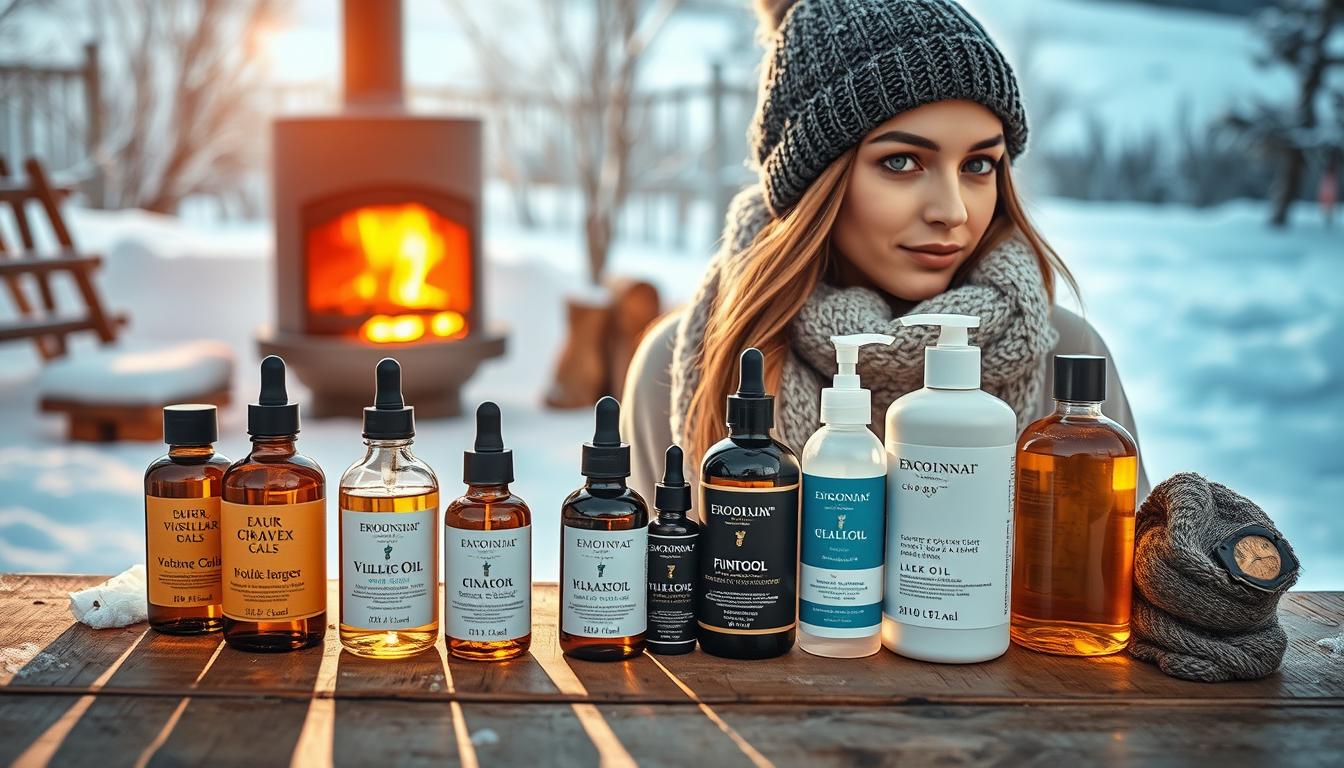
Did you know that the average person loses up to 100 hair strands daily? But this number can spike by 30% during winter months. Winter can turn your beautiful locks into a dry, brittle nightmare if you’re not prepared. As someone who has battled harsh cold weather hair damage for years, I’m here to share my ultimate guide to winter hair protection.
Cold weather creates a perfect storm for hair damage. Freezing temperatures, low humidity, and indoor heating systems work together to strip your hair of essential moisture. Winter hair health isn’t just about looking good—it’s about maintaining the strength and integrity of your hair during the most challenging season.
My seasonal hair care routine has been a game-changer for protecting locks during winter. Through years of trial and error, I’ve discovered that understanding cold weather hair damage is the first step to prevention. This comprehensive guide will walk you through ten essential secrets to keep your hair healthy, hydrated, and gorgeous all winter long.
From choosing the right hair care tips to protect your locks during winter to learning about specialized treatments, you’ll discover practical strategies that really work. Whether you have curly, straight, or color-treated hair, these winter hair protection techniques will help you maintain beautiful, resilient locks even in the harshest conditions.
Why Winter Is Tough on Your Hair

Winter can be tough on your hair. As temperatures drop, your hair faces many challenges. These can cause serious damage. Knowing how cold weather affects your hair is key to preventing winter hair problems.
Cold air makes your hair lose moisture, making dry hair remedies crucial in winter. The mix of low humidity, harsh winds, and indoor heating is bad for your hair. You need a good plan to prevent winter hair damage.
Understanding Cold Weather’s Impact on Hair
When winter comes, your hair faces many stressors:
- Extreme temperature changes make hair cuticles brittle
- Low humidity greatly reduces hair moisture
- Static electricity causes frizz
- Indoor heating dries out your hair and scalp
Common Winter Hair Problems
Frizz control is key in winter as hair struggles to keep its moisture. The main issues are:
- Dryness: Hair becomes rough and loses shine
- Breakage: Strands break more easily
- Static: Hair becomes electrically charged and hard to manage
- Scalp Irritation: Dry conditions cause itching and flaking
Importance of Seasonal Hair Care
To prevent hair breakage, you need to act early. Keeping your hair hydrated is your best defense against winter’s harsh weather. By understanding these challenges, you can create a hair care routine that protects and nourishes your hair during the coldest months.
Dealing with dry hair is not just about looks. It’s about keeping your hair healthy. Your winter hair care plan should focus on keeping it moist, protected, and gently treated.
1. Hydration is Key: Moisturize from Root to Tip
Winter can be tough on your hair, taking away moisture and making it dry and brittle. To keep your hair healthy in the cold, focus on hydrating it from root to tip.
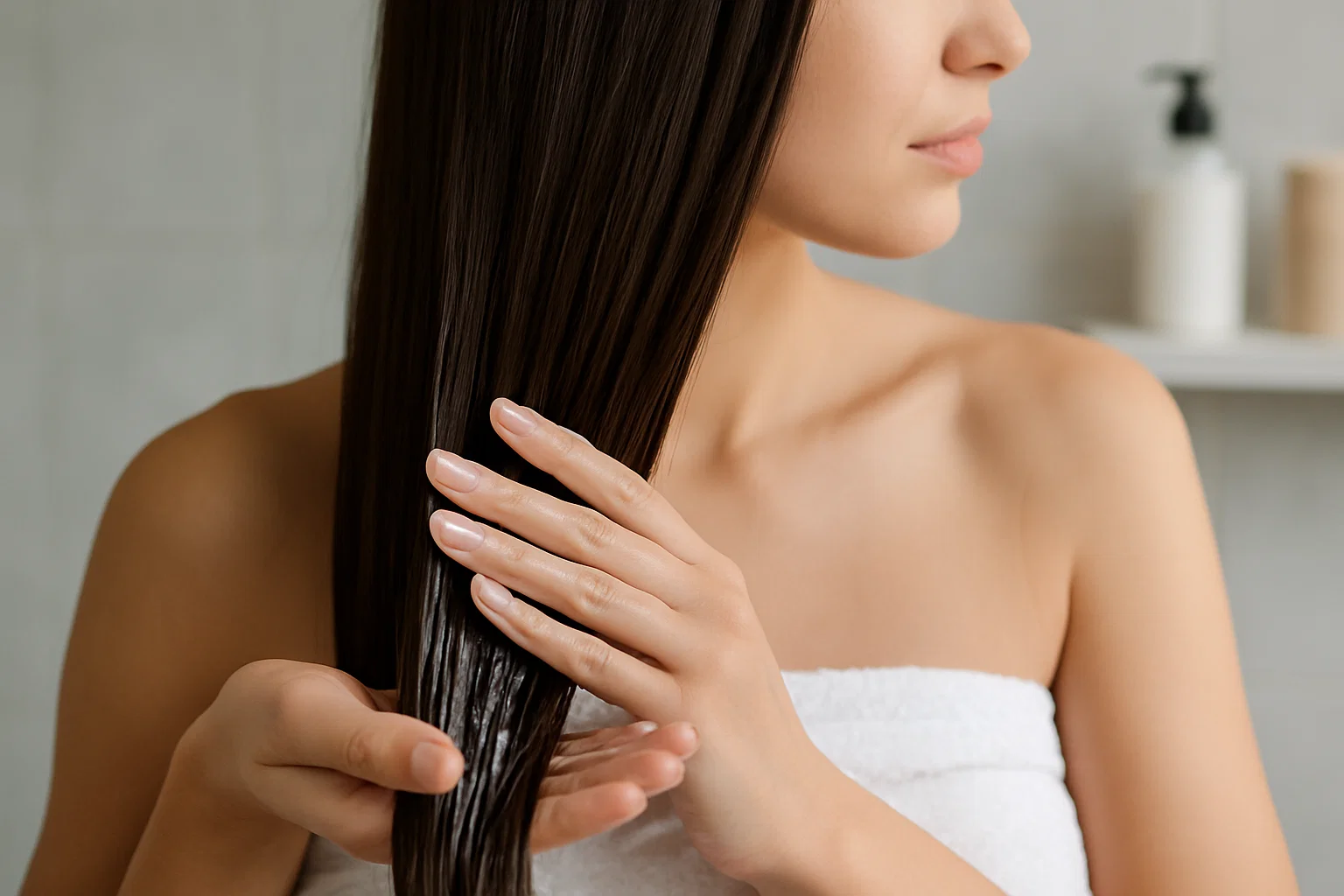
Start by picking the right hydrating hair products for winter. Here are some changes to make in your hair care routine:
Switch to a Nourishing, Sulfate-Free Shampoo
Sulfates harm your hair in winter by taking away oils. Hydrating hair treatments start with a gentle, sulfate-free shampoo. It cleanses without losing moisture.
- Choose shampoos with natural moisturizers
- Avoid alcohol and harsh chemicals
- Find formulas made for winter hair care
Deep Conditioning Treatments to Restore Moisture
Deep conditioning is key for hair health in winter. Moisturizing hair masks can make dry, damaged hair soft and strong.
- Use hydrating hair masks weekly
- Focus on ends and mid-lengths
- Choose masks with shea butter and argan oil
The Role of Hair Oils and Leave-in Conditioners in Winter
Hydrating hair oils are essential for winter hair care. Moisturizing hair products like leave-in conditioners protect against winter’s harsh elements.
- Argan oil provides deep hydration
- Coconut oil seals in moisture
- Jojoba oil mimics natural scalp oils
By following these hydration tips, your hair will stay healthy, shiny, and protected all winter long.
2. Protect Your Hair from Harsh Weather Elements
Winter can be tough on your hair, making protective styles a must. It’s not just about looks; it’s about keeping your hair healthy all season.

Preventing static hair starts with the right accessories. Look for winter hair gear that does more than keep you warm:
- Choose hats with silk or satin linings to reduce friction
- Select scarves made from smooth, gentle materials
- Opt for protective hairstyles that minimize exposure to harsh elements
Selecting Hair-Friendly Winter Accessories
Static hair control begins with the right materials. Silk and satin are key for winter hair care. They prevent static and reduce breakage. When buying winter accessories, find items with soft, slippery linings that won’t harm your hair cuticles.
DIY Protective Sprays for Winter Hair Care
I’ve found amazing static-free hair tips for winter. A simple DIY spray using argan oil or leave-in conditioner can protect your hair. Mix a few drops of oil with water in a spray bottle for a quick, protective shield that keeps your hair smooth.
Styling Strategies for Static-Free Hair
Protective hairstyles are your best defense against winter hair damage. Braids, low buns, and wrapped styles are chic and protective. Use soft hair ties and avoid tight styles that can cause breakage.
3. Minimize Heat Damage During the Cold Months
Winter can be tough on your hair, making it important to take care of it. The mix of dry air from heaters and cold outside air can harm your hair. It’s key to protect your hair from heat styling to avoid breakage.
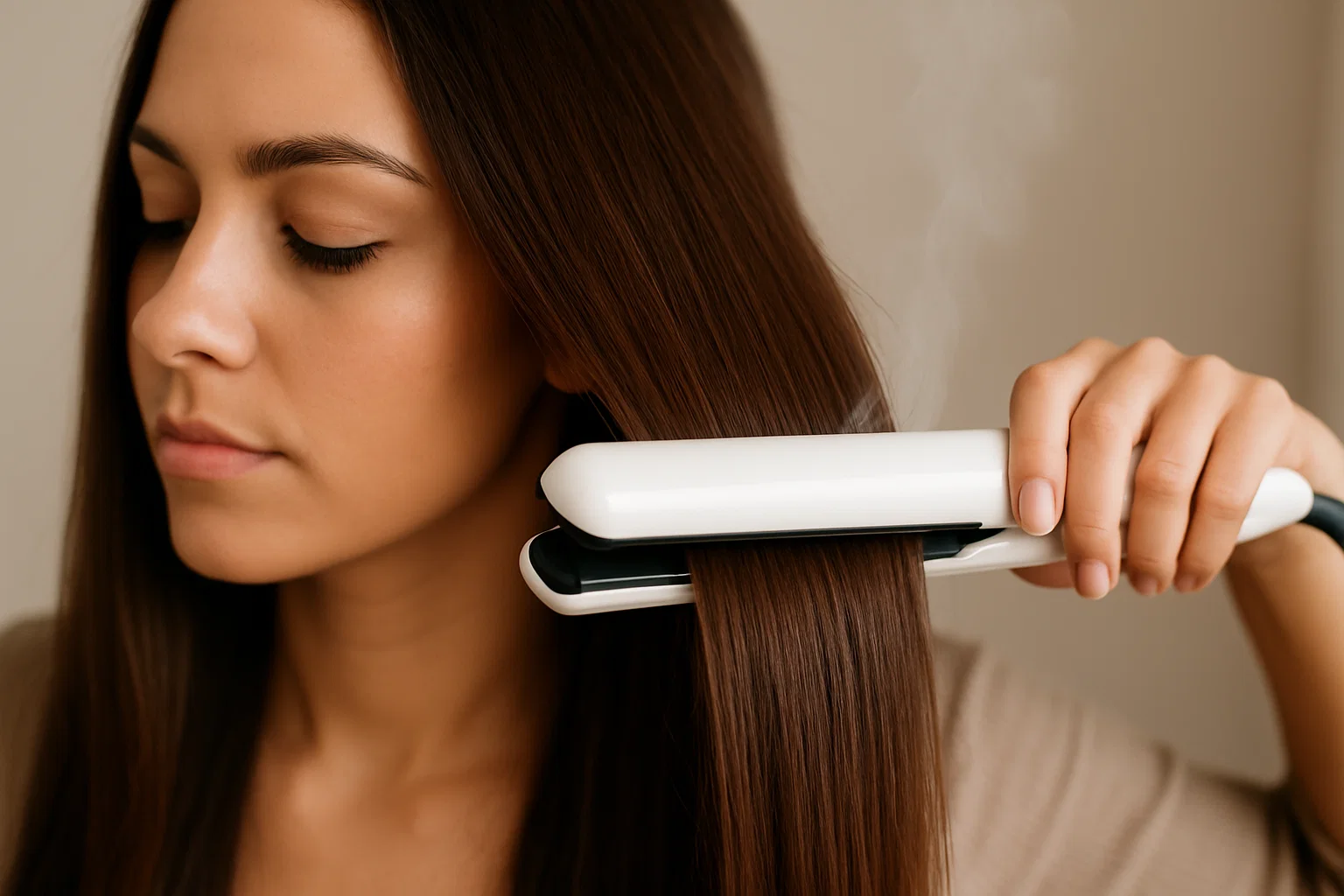
When it gets colder, your hair is more at risk. Heat styling tools can take away moisture, making your hair dry and breakable. Try to use heat styling less in winter to keep your hair strong and moisturized.
Why Limit Heat Styling in Winter
- Cold air depletes hair’s natural moisture
- Heat tools cause additional water loss
- Increased risk of winter hair damage prevention
- Weakened hair structure from repeated heat exposure
Best Heat Protectant Products for Winter Styling
| Product Type | Key Benefits | Recommended Use |
|---|---|---|
| Thermal Protection Spray | Creates protective barrier | Before any heat styling |
| Leave-in Conditioner | Moisturizing treatments for winter | Daily hair hydration |
| Serum | Locks in moisture | After styling |
Alternative Styling Ideas
Try heatless styling to protect your hair and look great. Braids, loose buns, and overnight wave techniques are stylish and gentle on your hair. These methods keep your hair healthy and offer trendy looks.
Remember, your hair needs extra care in the cold months. By reducing heat damage and using moisturizing treatments, your hair will stay beautiful all winter.
4. Wash Smarter, Not Harder
Winter can be tough on your hair, especially when washing. I’m here to guide you through winter hair care. We’ll focus on smart washing to keep your hair from getting dry and damaged.
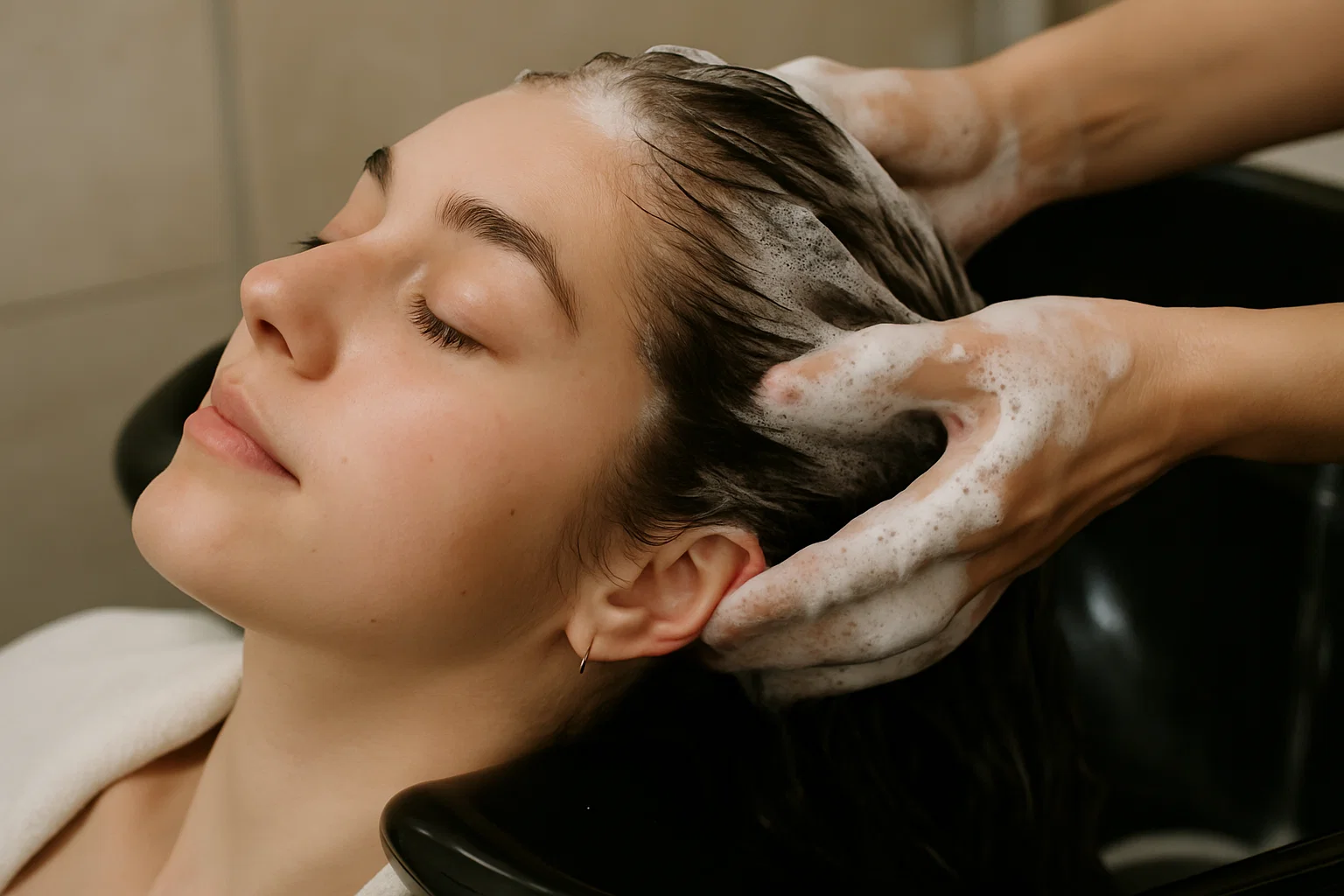
Ideal Washing Frequency for Winter Hair
It’s key to wash your hair less in winter. Different hair types need different care:
- Curly hair: Wash 1-2 times per week
- Straight hair: Wash 2-3 times per week
- Oily hair: Every other day with dry scalp remedies
Use Lukewarm Water — Not Hot!
Hot water might feel good in cold weather, but it’s bad for your hair. Lukewarm water is your best friend for winter scalp care. Hot water takes away natural oils, making hair dry and prone to breakage.
| Water Temperature | Hair Impact |
|---|---|
| Hot Water | Damages hair cuticles, increases dryness |
| Lukewarm Water | Preserves moisture, maintains hair health |
Co-Washing: A Game-Changer for Dry Hair Types
Co-washing is a game-changer for winter hair care. It involves using conditioner between washes to keep hair moist and protect natural oils.
- Gently cleanse without stripping natural moisture
- Ideal for curly and dry hair types
- Helps prevent winter scalp dryness
By using these tips, you can make your winter hair care routine better. Your hair will stay healthy, hydrated, and beautiful all winter long.
5. Trim and Treat: Prevent Split Ends Before They Spread
Winter can be tough on your hair, making it key to stop split ends. Split ends aren’t just about looks; they can lead to serious hair breakage. I’ll show you how to protect your hair during the coldest months.
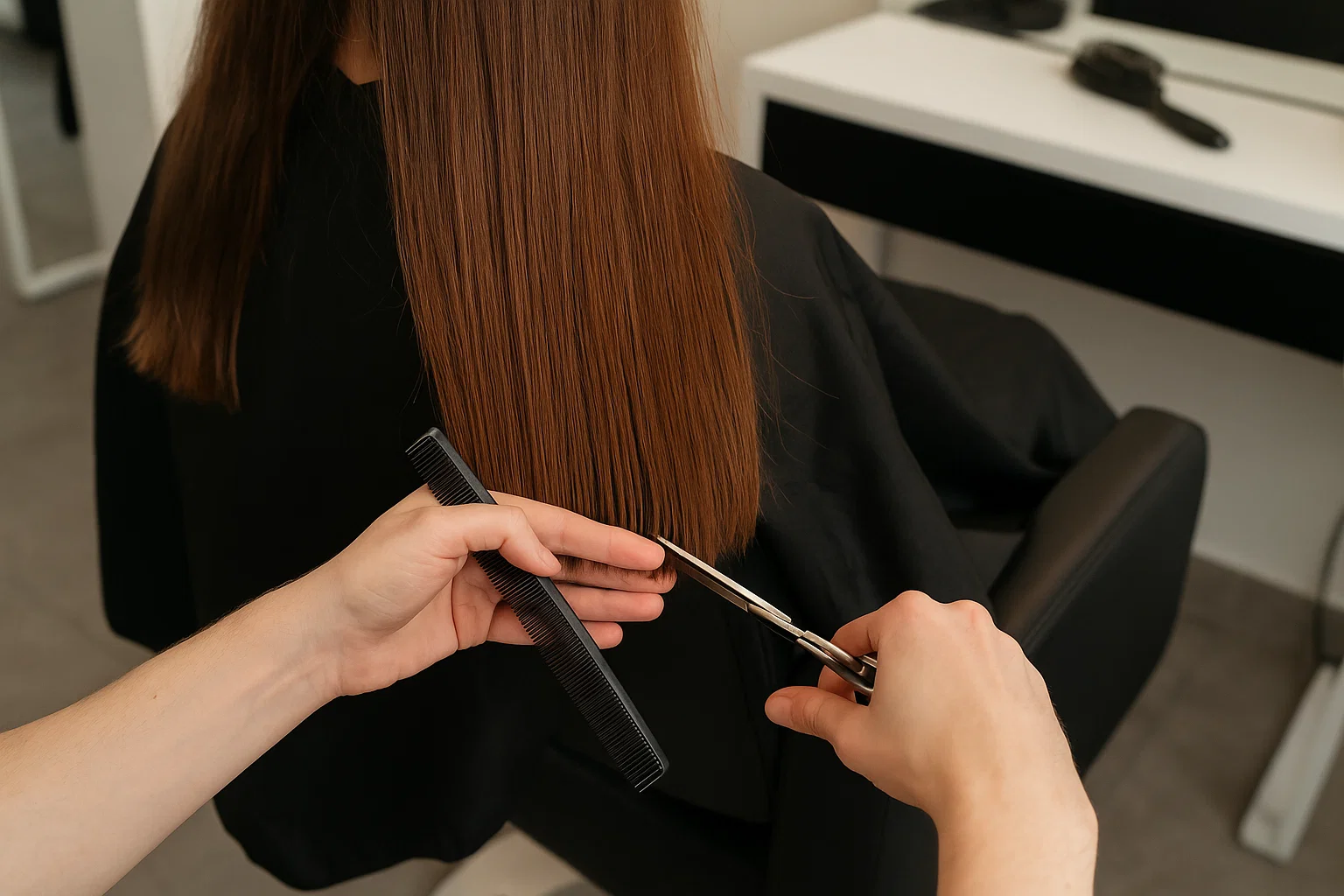
Regular trims are your first defense against hair breakage. Here’s why trimming is important in winter:
- Removes damaged ends before they split further
- Maintains hair’s healthy shape and structure
- Prevents breakage from traveling up the hair shaft
- Keeps your winter hair looking fresh and vibrant
Easy At-Home Moisturizing Hair Masks for Damaged Ends
When you can’t get to the salon, DIY hair masks can help. Try these easy recipes to moisturize your hair:
- Avocado Honey Mask: Mash one ripe avocado with 2 tablespoons of honey for deep conditioning
- Coconut Oil Treatment: Warm coconut oil and apply to ends for intense moisture
- Egg Protein Mask: Blend an egg with olive oil to strengthen damaged ends
When to Get a Professional Trim
Pay attention to your hair. You might need a salon trim if you see:
- Excessive tangling at the ends
- Visible split ends
- Hair feels rough or brittle
- Ends look frayed or uneven
Try to trim every 6-8 weeks in winter. This keeps your hair healthy, stops more damage, and keeps it strong through the cold.
6. Nighttime Care: Protect While You Sleep
Winter can be tough on your hair, making nighttime care key for healthy locks. My hair journey showed me how important it is to protect your hair while you sleep.
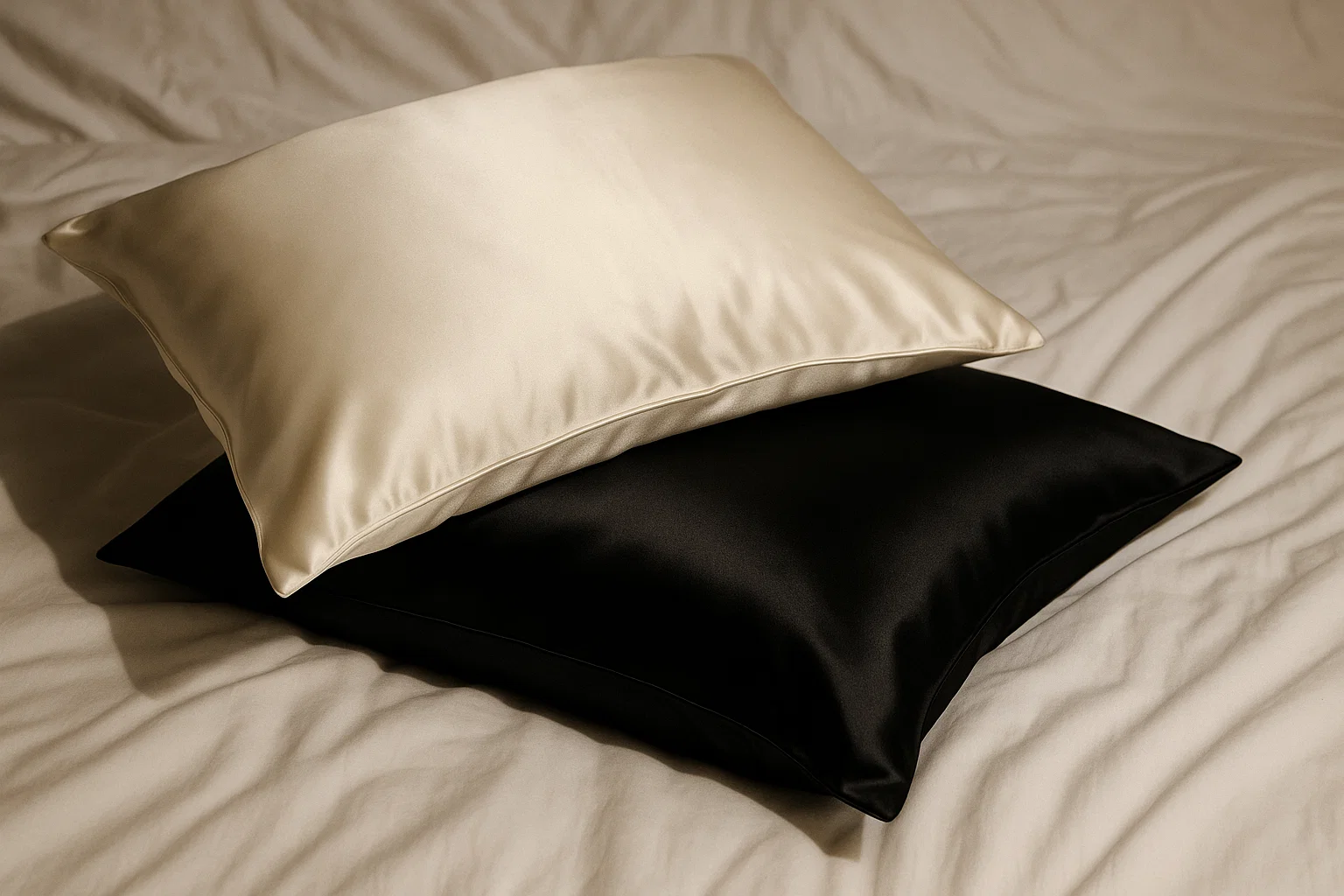
Cotton pillowcases harm your hair quietly. They soak up moisture and cause friction, leading to breakage and frizz. Switching to silk or satin pillowcases can change how you care for your hair in winter.
Benefits of Silk and Satin Pillowcases
- Reduce hair friction
- Prevent moisture loss
- Minimize winter frizz
- Protect delicate hair strands
Overnight Moisture-Locking Treatments
Using moisturizing hair treatments before bed can greatly improve your hair’s health. I suggest using lightweight oils like coconut or jojoba for deep hydration. Gently massaging these oils into your scalp boosts circulation and gives your hair the nutrients it needs.
Protective Hairstyles for Winter Sleep
Choose gentle, protective styles to prevent tangling and breakage. Loose braids, silk-wrapped buns, and soft ponytails fight winter frizz and keep your hair safe.
Remember, your nighttime routine is vital for winter hair care. Invest in silk pillowcases, apply nourishing treatments, and try protective styles to wake up with beautiful, hydrated hair.
7. Boost Hair Health from the Inside Out
Winter hair health starts with what you eat. Eating right is key to keeping your hair strong and shiny. I’ll show you how to use nutrition and hydration to fight winter’s damage.
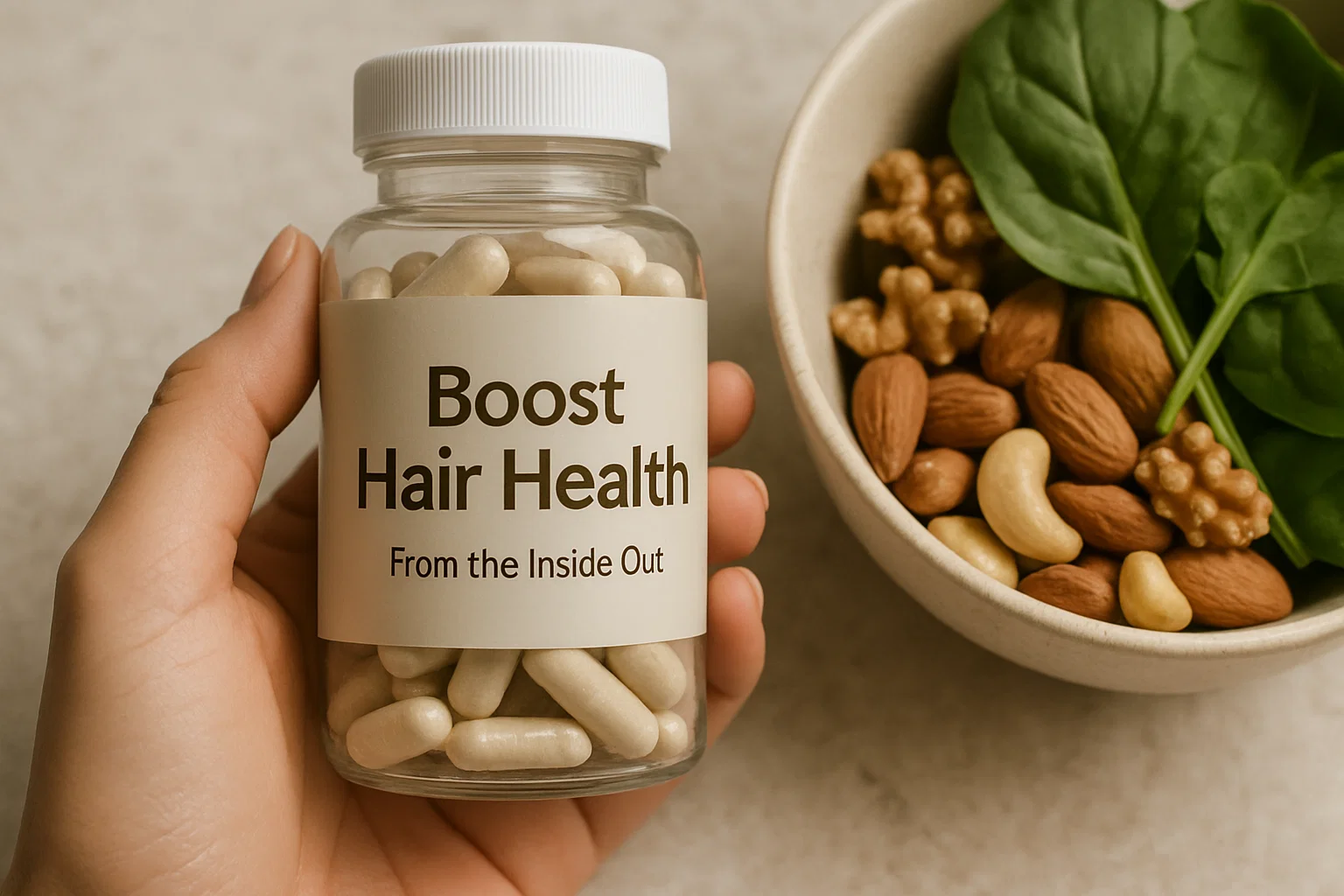
Foods That Promote Strong, Shiny Hair During Winter
Start by eating foods that help prevent hair breakage. Here are some good ones:
- Salmon: Full of omega-3 fatty acids for hair health
- Walnuts: Good for proteins and minerals
- Spinach: Rich in iron and vitamins for hair growth
- Eggs: Give hair protein and biotin for strength
Essential Vitamins and Supplements for Hair Growth
Winter hair care isn’t just about creams and oils. Supplements can also help:
- Biotin: Makes hair strong and helps it grow
- Vitamin D: Important when it’s dark outside
- Omega-3 supplements: Keep hair moist and shiny
Importance of Staying Hydrated — Inside and Out
Drinking water is key to preventing dry hair. Aim for 8 glasses a day. Your hair’s health shows how well your body is hydrated.
For great hair in winter, care for your body inside and out. Eat well, drink plenty of water, and use supplements. This way, your hair will stay beautiful all winter.
8. Adjust Your Routine to Your Hair Type
Your winter hair care plan should fit your hair type. It’s important to know what your hair needs during the cold months.
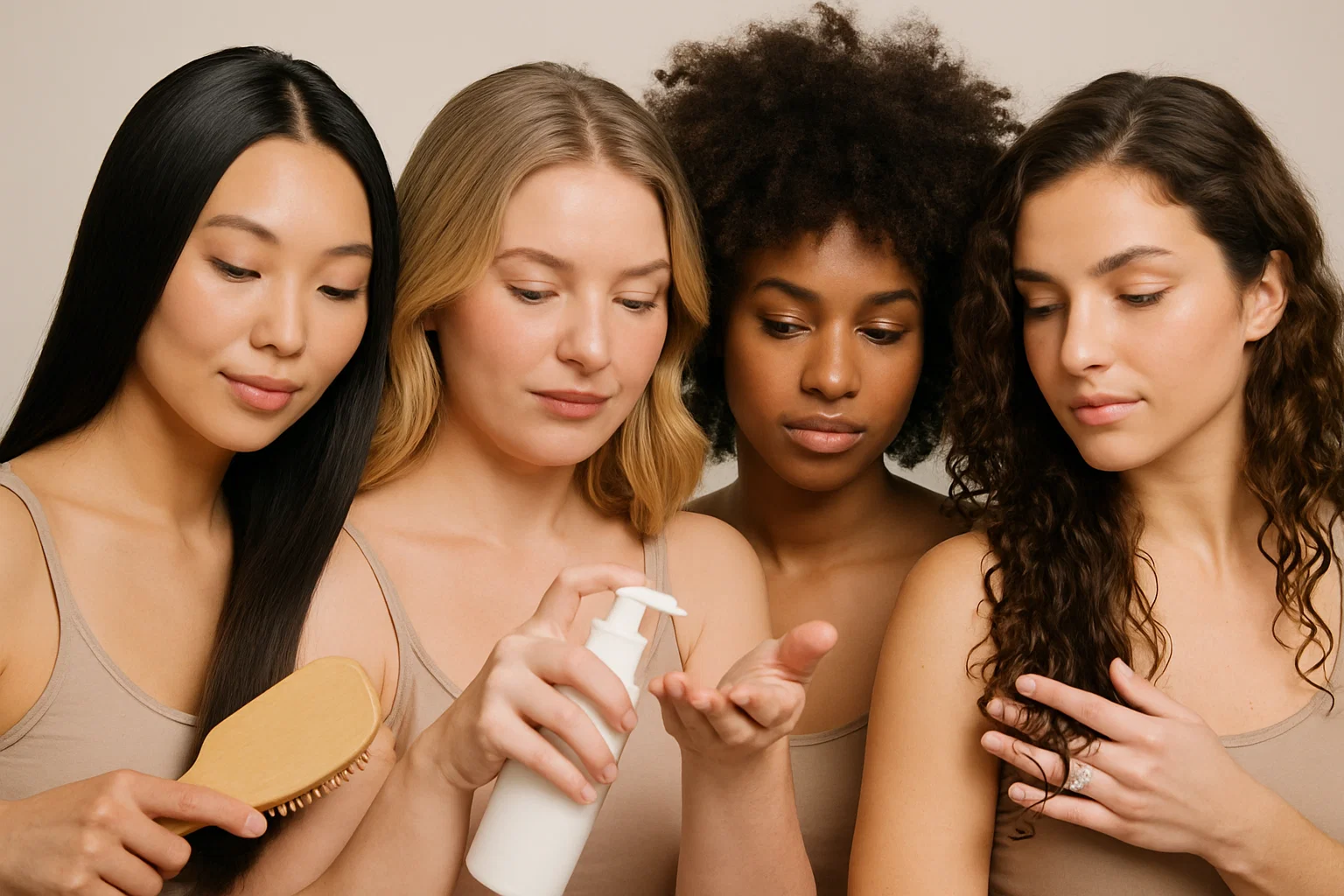
Every hair type reacts differently to winter. So, it’s key to have a hair care plan that’s just right for you.
Curly Hair Winter Care
Curly hair needs extra care in winter. The dry air can make it frizzy and lose its curl. Here’s how to fight these problems:
- Use sulfate-free, moisturizing shampoos made for curly hair
- Apply deep conditioning treatments with shea butter or argan oil
- Try to use less heat styling to avoid damage
- Wear silk-lined hats or bonnets to protect curls
Straight and Fine Hair Maintenance
Fine hair gets static and flat in winter. Here’s how to keep it looking good:
- Choose lightweight, volumizing products
- Use dry shampoo to avoid washing too much
- Apply leave-in conditioners with anti-static properties
- Avoid heavy oils that can make fine hair look weighed down
Color-Treated and Damaged Hair Protection
Colored or damaged hair needs the most care in winter. Here’s how to protect it:
- Use color-safe, hydrating shampoos
- Do weekly deep conditioning treatments
- Use less heat styling
- Get regular trims to stop split ends
Knowing your hair’s special needs is the first step to keeping it healthy all winter.
9. Indoor Care: Managing the Effects of Heating Systems
Winter can be tough on your hair, especially inside. Indoor heaters make your home a place where hair damage can happen. The dry air from heaters takes moisture from your hair and scalp, causing winter hair problems.
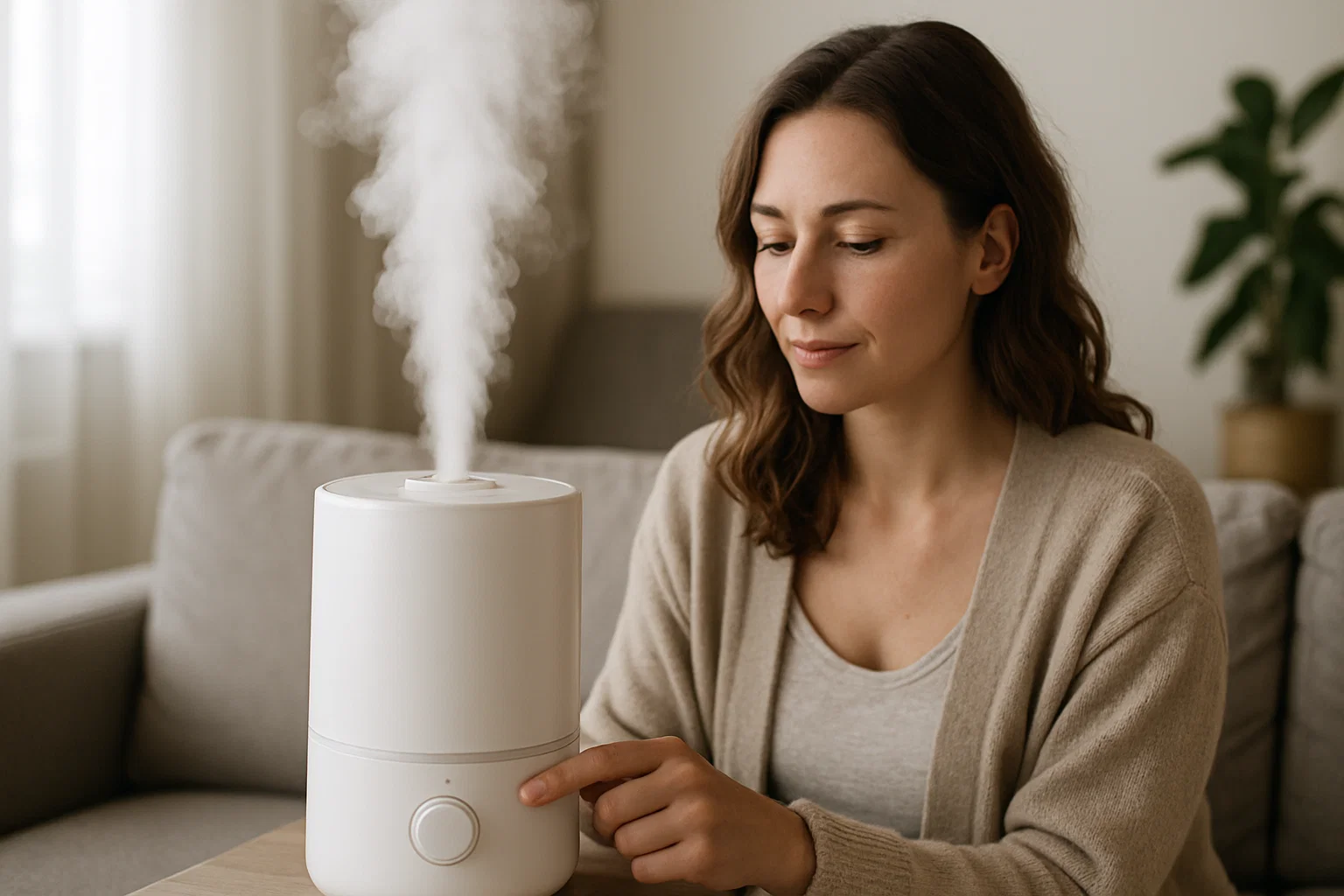
It’s important to know how indoor air affects your hair. Dry indoor air is a big problem for scalp care in winter. It leads to hair challenges that can make you feel frustrated.
How Dry Indoor Air Damages Hair
Indoor heating causes several hair health issues in winter:
- Increases static electricity
- Reduces natural hair moisture
- Causes scalp itchiness and flaking
- Triggers frizz control challenges
Benefits of Using a Humidifier at Home
A humidifier is a great tool for winter scalp health. It adds moisture to the air, helping:
- Reduce static-free hair challenges
- Prevent dry scalp remedies from becoming necessary
- Maintain optimal indoor humidity levels
- Protect hair from artificial heat damage
Anti-Static and Frizz-Fighting Products
Use products made for indoor environments to fight winter frizz. Look for lightweight serums and leave-in treatments that:
- Provide instant moisture
- Reduce static electricity
- Protect hair from dry indoor air
- Maintain hair’s natural shine
My top advice is to get a good humidifier and the right hair care products. These steps can make your winter hair care routine better. They help keep your hair healthy and shiny, even when indoor heating tries to dry it out.
10. Winter Hair Care Myths You Should Stop Believing
Winter hair care can be confusing, and wrong info can harm your hair. I’m here to clear up common myths that might hurt your hair in the cold. Let’s find out what’s true and keep your hair safe from winter damage.
Myth 1: “You Don’t Need Conditioner in Winter”
This is a big lie. Keeping your hair moist is key in winter. Conditioner is your shield against dry, brittle hair. Without it, your hair is more likely to split and get damaged by the cold.
- Conditioner locks in essential moisture
- Helps prevent split ends
- Protects hair from winter’s dry environment
Myth 2: “Frequent Washing Keeps Hair Clean and Healthy”
Washing your hair too much is bad for winter hair care. Each wash takes away natural oils that protect your hair. Try washing less and use dry hair remedies to keep your hair healthy.
- Wash less frequently in winter
- Use dry shampoo between washes
- Focus on gentle, moisturizing cleansing
Myth 3: “Cold Air Helps Hair Grow Faster”
Spoiler alert: Cold air actually slows down hair growth. Winter’s cold and dry air can harm your hair. Instead, focus on keeping your hair and body hydrated to help it grow.
Knowing these myths helps you create a better winter hair care plan. This way, your hair stays healthy, strong, and beautiful all winter long.
Bonus Section: Expert-Approved Winter Hair Care Products
Winter can be tough on your hair, making it dry and damaged. That’s why you need the right hydrating hair products. I’ve picked out the best moisturizing hair products to keep your hair healthy and shiny during winter.
Choosing the right products is key to protecting your hair. Deep conditioning treatments and hair masks are your best allies against winter’s cold. Here are my top picks for keeping your hair looking great.
Best Shampoos & Conditioners for Winter 2025–2026
| Product | Hair Type | Key Benefits |
|---|---|---|
| Moisture Rescue Sulfate-Free Shampoo | All Hair Types | Intense hydration, prevents dryness |
| Hydrating Hair Oil Conditioner | Dry/Damaged Hair | Repairs split ends, adds shine |
| Protein-Infused Winter Rescue Conditioner | Brittle/Weak Hair | Strengthens, reduces breakage |
Top Leave-in Treatments & Serums Worth Trying
- Argan Oil Hydrating Hair Serum
- Coconut Milk Leave-in Conditioner
- Keratin Moisture Lock Treatment
Must-Have Tools for Gentle Winter Styling
Invest in hydrating hair oils and protective tools to minimize winter damage. Silk scrunchies, wide-tooth combs, and microfiber towels can make a big difference. They help keep your hair healthy during the cold months.
These moisturizing treatments for winter hair will change your hair care routine. They’ll keep your hair soft, smooth, and protected against winter’s harsh conditions.
Conclusion: Keep Your Hair Happy and Hydrated All Winter Long
Protecting your hair in winter doesn’t have to be hard. A good seasonal hair care routine can keep your hair safe from cold weather. It’s important to give your hair extra care during these months.
Creating a winter hair routine is about using the right products and protecting your hair from the environment. The right tips can make your hair look healthy and strong again.
Being consistent is more important than being perfect. Start with a few hair care tips that you like. This could be using deep conditioning treatments, wearing protective styles, or changing your indoor environment. Every small step helps your hair stay healthy.
Winter doesn’t have to mean bad hair. With the right care and understanding of your hair’s needs, you can keep your hair looking great all season. Your hair needs your attention, and with these tips, you’re ready to give it.