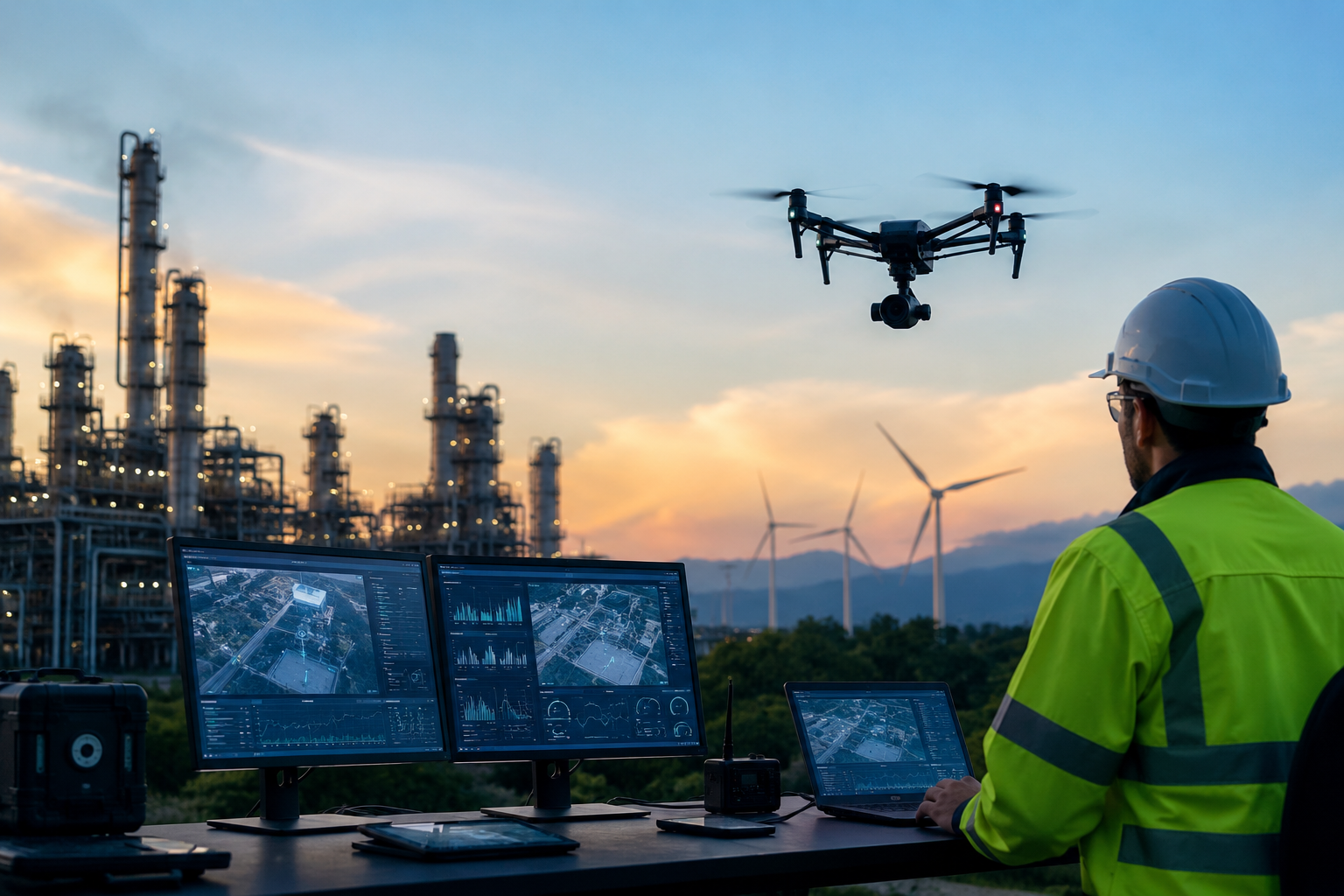
UAV technologies are becoming an important part of modern business operations across industries such as logistics, infrastructure management, finance, agriculture, and construction. Companies increasingly use UAV systems to automate inspections, collect operational data, and improve decision-making through real-time analytics.
As enterprise adoption grows, businesses are also realizing that generic drone applications often cannot support complex operational requirements. This is driving demand for UAV software development services that help organizations build scalable and secure platforms tailored to their business processes. Companies such as Wezom work with enterprises to create custom UAV ecosystems that integrate with existing digital infrastructure and support long-term automation strategies.
Why Generic UAV Platforms Create Limitations
Many businesses initially adopt ready-made UAV applications because they appear affordable and easy to implement. While these platforms may work for smaller operations, enterprise environments typically require much greater flexibility and scalability.
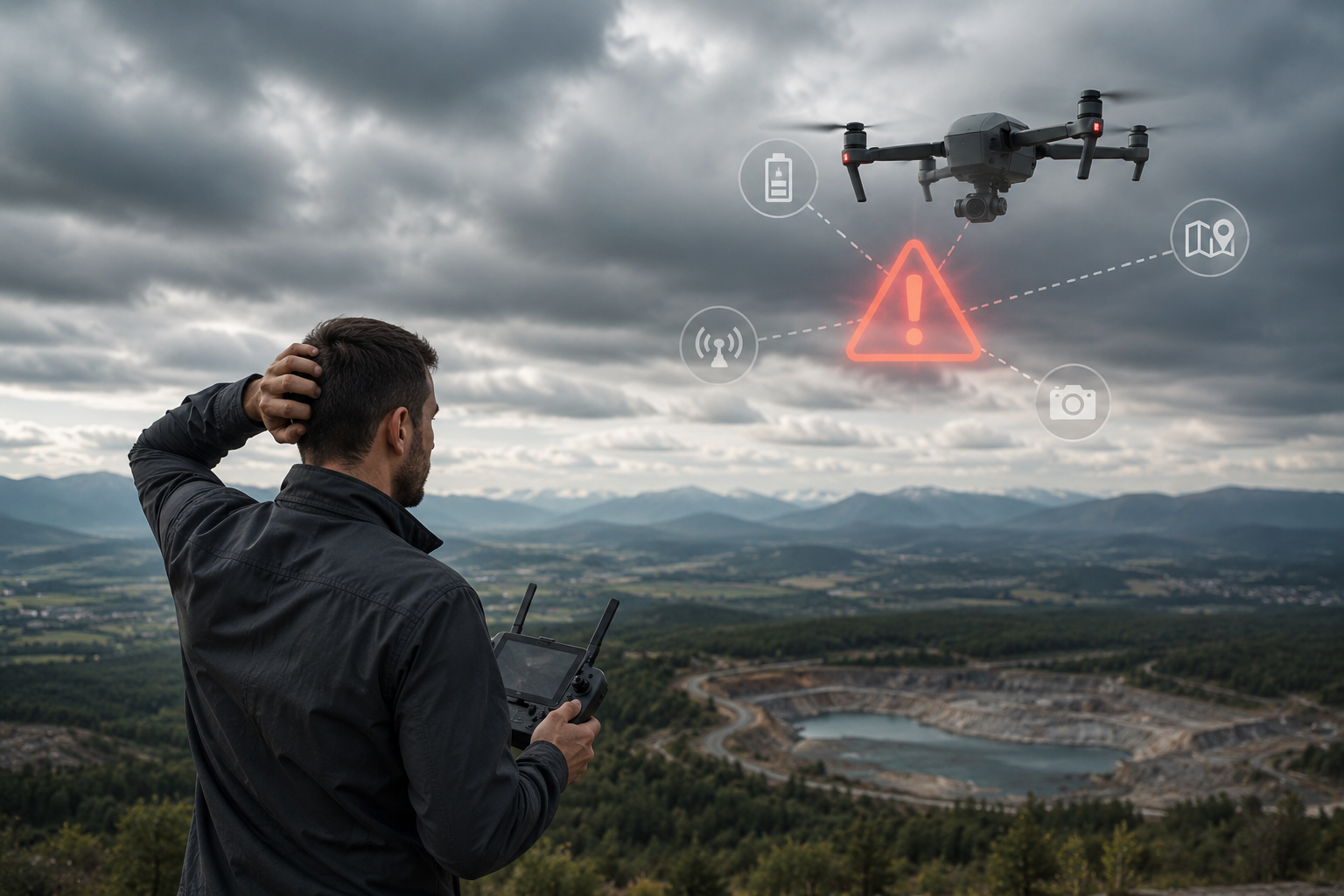
Generic software is usually designed for broad use cases rather than industry-specific operational needs. As businesses scale operations, they often encounter limitations related to integrations, analytics capabilities, security, and workflow customization.
For example, a logistics company may need UAV software connected directly to warehouse management systems and real-time inventory tracking platforms. An insurance provider may require AI-powered image analysis and automated reporting tools for property inspections and claims processing.
Off-the-shelf solutions rarely support these types of advanced enterprise requirements effectively.
The Importance of Customization for Enterprise Operations
Custom UAV software development allows businesses to create platforms aligned with their operational goals instead of adapting workflows to software limitations.

This becomes especially important for enterprises managing large infrastructure networks, distributed operations, or complex compliance requirements. Custom platforms can support industry-specific workflows, advanced reporting systems, and integrations with internal business software.
Modern enterprise UAV systems often include features such as:
- Real-time operational monitoring
- AI-powered analytics
- Automated inspections
- Predictive maintenance tools
- Cloud-based fleet management
These capabilities help businesses improve efficiency while reducing manual workloads and operational delays.
Custom development also provides greater flexibility for future scaling. As operational needs evolve, businesses can expand functionality without replacing their entire software ecosystem.
Why AI Is Expanding the Value of UAV Technologies
Artificial intelligence has significantly increased the business value of UAV systems. Instead of functioning only as aerial monitoring tools, drones are now becoming intelligent operational platforms capable of analyzing data automatically and identifying operational risks in real time.

AI-powered UAV software can process large amounts of visual and sensor-based information much faster than manual teams. This allows businesses to identify structural issues, maintenance risks, or operational anomalies before they become major problems.
Predictive analytics is becoming especially valuable for industries managing critical infrastructure or high-cost assets. Businesses can use UAV systems to monitor infrastructure continuously and schedule maintenance proactively rather than reacting to failures after they occur.
This improves operational reliability while reducing downtime and maintenance expenses.
Enterprise Integration Is Becoming Essential
One of the biggest advantages of custom UAV software development is the ability to integrate drone operations with broader enterprise systems.
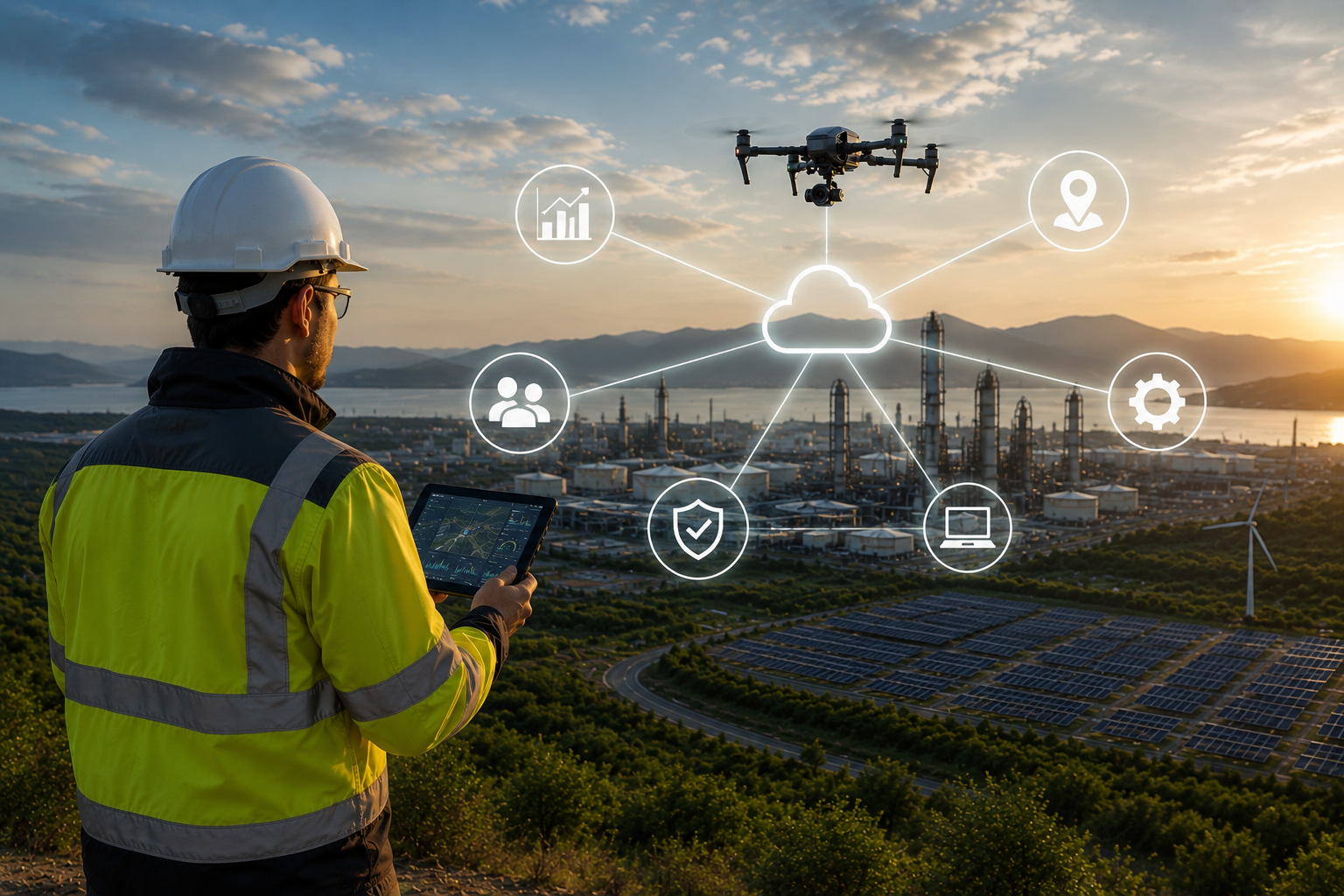
Modern businesses often rely on interconnected digital ecosystems that include ERP platforms, CRM systems, cloud infrastructure, IoT devices, and operational analytics tools. UAV platforms become significantly more valuable when they can exchange data seamlessly with these systems.
Without proper integration, drone-generated information often remains isolated and underutilized.
Custom software allows organizations to centralize operational intelligence and improve collaboration across departments. This creates better visibility into operations and supports faster, more accurate decision-making.
Security and Compliance Challenges
As businesses automate more operational processes, cybersecurity and compliance become increasingly important concerns.
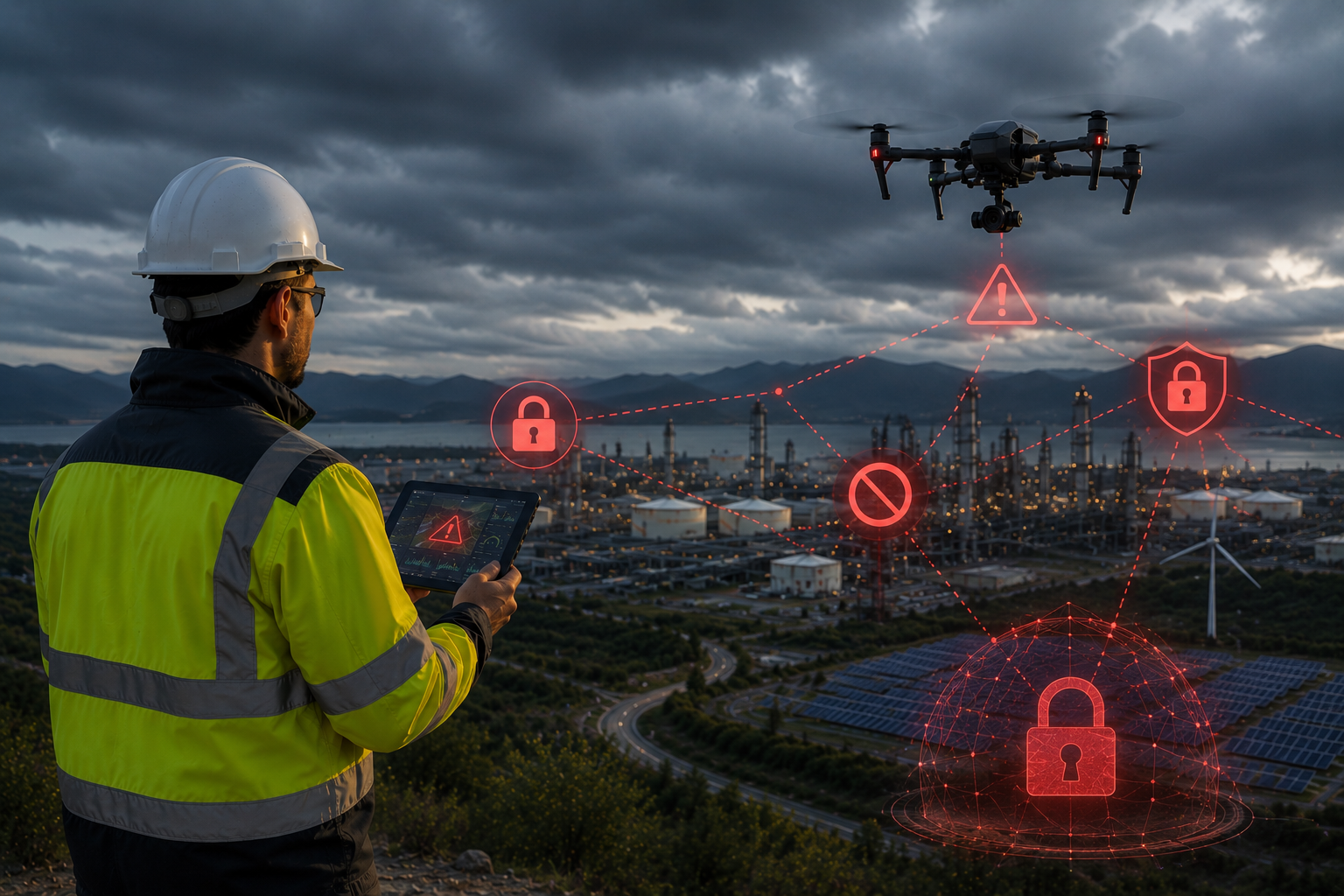
UAV systems frequently process sensitive operational and infrastructure data that must be protected from unauthorized access. Industries such as finance, logistics, and infrastructure management often operate under strict regulatory requirements related to data security and operational transparency.
Custom UAV platforms provide businesses with greater control over:
- Data storage
- User access management
- Encryption standards
- Audit tracking
- Compliance reporting
This level of control is difficult to achieve with generic cloud-based applications designed for mass-market use.
As enterprise drone adoption continues growing, secure software architecture is becoming a critical competitive advantage.
The Growing Role of Cloud Technologies
Cloud infrastructure plays a major role in modern UAV software development. Enterprises generate large amounts of operational data through drone systems, and cloud-native platforms allow businesses to process, store, and analyze this information efficiently.

Cloud technologies also improve scalability by enabling centralized management of UAV operations across multiple facilities or geographic regions.
For enterprise organizations, this creates several important advantages:
- Faster access to operational data
- Improved collaboration between teams
- Real-time analytics capabilities
- Simplified infrastructure scaling
Cloud-native UAV ecosystems are especially valuable for businesses operating large infrastructure networks or distributed operations.
The Future of Enterprise UAV Software
The demand for custom UAV software solutions is expected to continue growing as businesses invest more heavily in automation and AI-driven operational management.

Future enterprise platforms will likely focus on greater autonomy, advanced predictive analytics, and deeper integration with enterprise ecosystems. Technologies such as edge computing, AI-assisted navigation, and digital twin systems will further expand the capabilities of UAV platforms.
As competition increases, businesses will increasingly rely on intelligent UAV systems to improve efficiency, reduce operational costs, and gain better visibility into real-time operations.
Companies that invest early in scalable UAV ecosystems will be better positioned to adapt to future technological and operational changes.
Conclusion
Enterprise adoption of UAV technologies is accelerating because businesses increasingly need scalable automation, real-time operational intelligence, and more efficient infrastructure management. While generic UAV applications may support basic use cases, they often fail to meet the demands of complex enterprise environments.
Custom UAV software development provides organizations with greater flexibility, stronger security, advanced analytics capabilities, and seamless integration with larger business ecosystems. As automation and AI continue reshaping enterprise operations, tailored UAV platforms will become an increasingly important part of long-term digital transformation strategies.