So Many Masks, So Little Clarity
You’ve probably been there: standing in the skincare aisle, staring at jars and packets with words like detoxifying, hydrating, brightening, and glow-boosting. You pick one up, read the back, sigh, and put it down again. How do you know which one will actually work for you?
It’s not just you—face masks have exploded in popularity over the last decade. The global market for facial masks is expected to hit $11.3 billion by 2030 according to Allied Market Research. From Korean sheet masks to luxurious overnight formulas, there’s a mask for everything—and everyone. But that abundance can make the simple act of choosing feel oddly overwhelming.
That’s where goop’s guide to the best face masks steps in. Known for its clean-beauty philosophy and science-meets-wellness approach, goop’s editors and experts sift through the noise to highlight what actually deserves a spot on your shelf. They’ve made it their mission to help readers understand why certain formulas work—and how to pick one that genuinely complements your skin type.
So let’s peel off the confusion (pun intended) and talk about what really matters in finding your perfect face mask.
Why Face Masks Deserve a Spot in Your Routine
Face masks aren’t a new invention. Cleopatra reportedly used clay and honey on her skin long before skincare became an industry. Fast forward a few thousand years, and we’re still masking—just with fancier packaging and better research behind it.
And people are doing it often. Around 45 percent of U.S. women use a face mask at least once a week according to Statista. There’s a reason for that consistency: masks deliver concentrated ingredients faster and deeper than a regular moisturizer or serum.
How Masks Work Their Magic
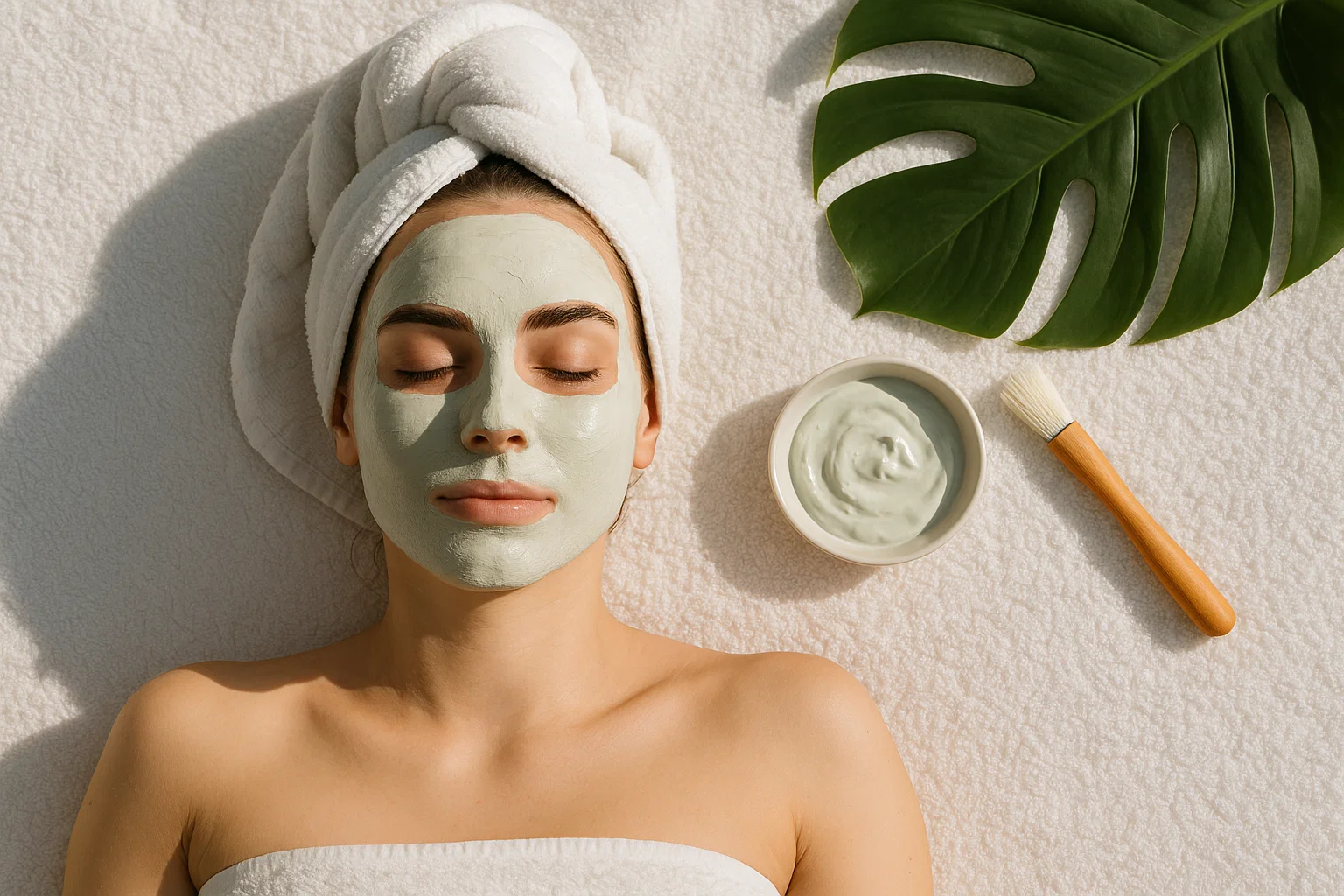
Think of a mask as a brief “time-out” for your skin. For 10 to 20 minutes, the formula sits on the surface, allowing actives to soak in while locking out air. This creates a micro-environment that helps skin absorb nutrients better and hold onto hydration longer.
Here’s what adding a mask can do for you:
- Deep cleanse: Clay and mud pull out excess oil and impurities.
- Hydrate: Gel or sheet masks flood skin with moisture.
- Brighten: Enzyme or acid masks exfoliate dull, dead cells.
- Calm: Cream or soothing formulas reduce redness and irritation.
- Repair: Overnight masks strengthen your skin barrier while you sleep.
Still, not every mask works for every skin type. A charcoal clay mask that leaves oily skin feeling clean might make dry skin feel like sandpaper. Understanding your skin’s personality is the first step to getting the glow you want.
Step 1: Understand Your Skin’s Personality
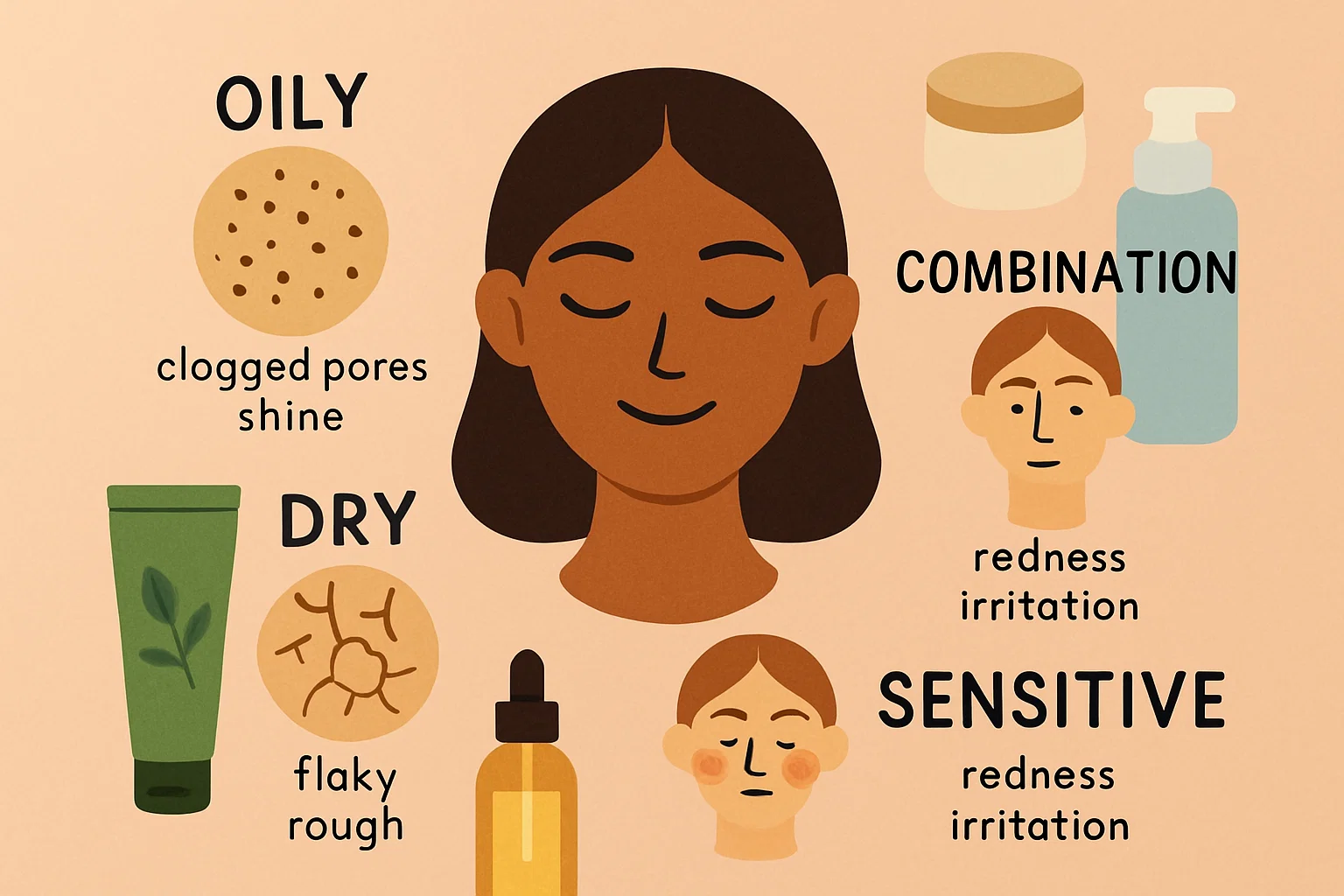
The Four Main Skin Types (and How to Know Yours)
| Skin Type | Common Signs | What It Needs |
|---|---|---|
| Oily | Shiny T-zone, enlarged pores, breakouts | Oil-control and clarifying masks |
| Dry | Tightness, flaking, dullness | Deep hydration and barrier repair |
| Combination | Oily forehead/nose, dry cheeks | Balancing, dual-action formulas |
| Sensitive | Redness, irritation, reactive patches | Gentle, fragrance-free, soothing ingredients |
Here’s an easy way to tell: after cleansing, wait about 30 minutes before applying anything. If your skin feels tight—dry type. If it’s shiny—oily. If both—combination. If it’s prickly or red—sensitive.
Remember, your skin type isn’t a fixed label. Seasons, hormones, and lifestyle can shift it. That’s why having a small “wardrobe” of masks can make sense—one for deep cleaning, another for moisture, another for calming.
Step 2: Meet the Main Mask Types — Explained Simply
Let’s simplify the skincare jungle. Masks usually fall into one of five broad categories, each serving a specific skin mood.
Clay & Mud Masks: The Detoxers
If your face feels like an oil slick by noon, these are your allies. Clay and mud masks use minerals such as kaolin, bentonite, and charcoal to draw out impurities. They help refine pores and reduce shine. Tip: Don’t let the mask dry to cracking point—once it starts feeling tight, rinse. Over-drying can dehydrate the skin and trigger even more oil.
Best for: oily, acne-prone, or congested skin. Pro ingredient picks: sulfur, charcoal, zinc oxide.
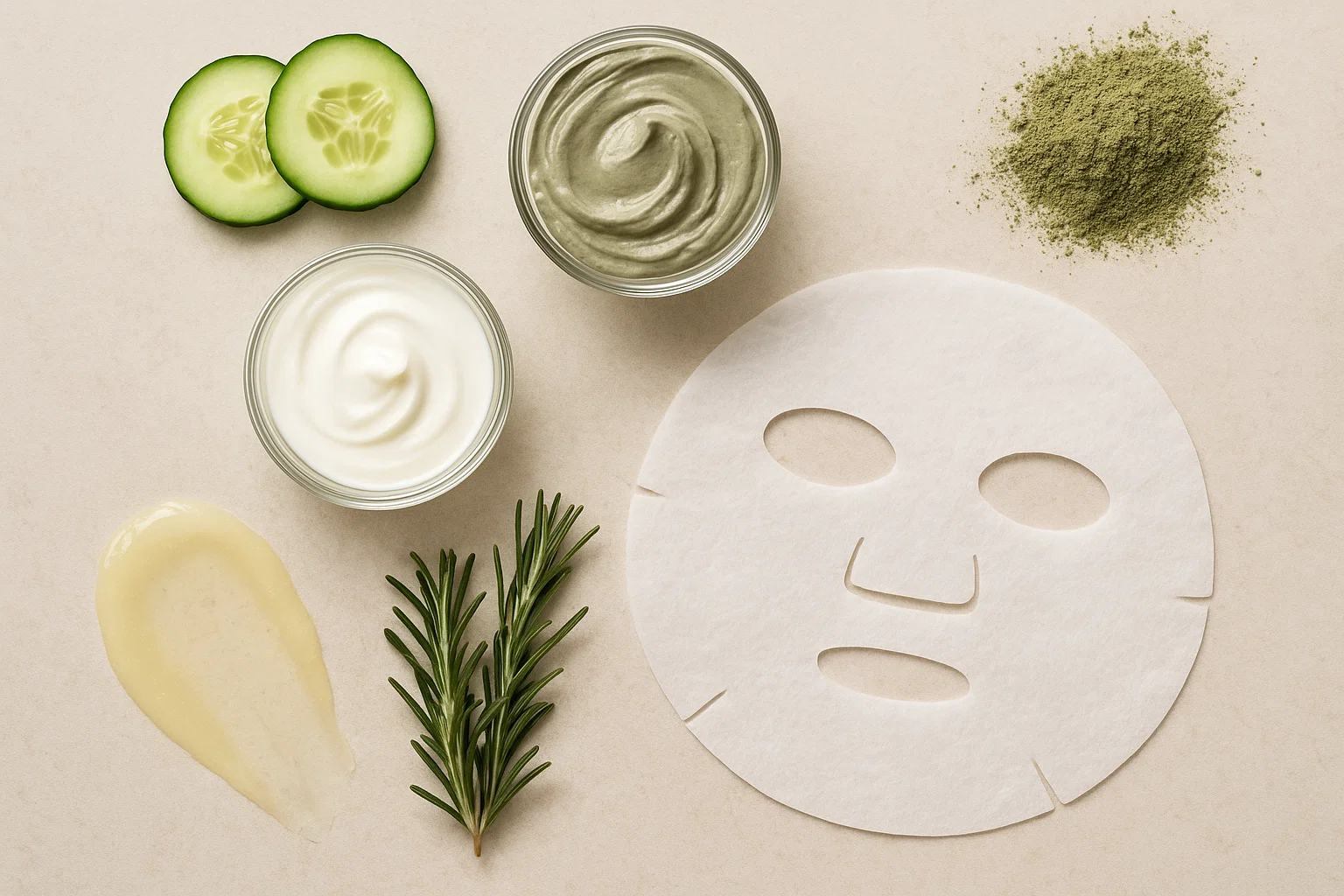
Sheet Masks: The Hydration Heroes
Born from Korean skincare innovation, sheet masks are soaked in a serum that hugs your face like a second skin. They’re ideal for a quick pick-me-up before events or flights. The sheet mask market is booming—expected to grow at an 8.5 percent CAGR through 2030, according to Grand View Research.
Best for: dry, dull, or tired skin. Look for: hyaluronic acid, niacinamide, vitamin C, aloe vera.
They’re single-use, which is convenient but not always eco-friendly—so check for biodegradable options (goop frequently curates those).
Gel or Cream Masks: The Comfort Blankets
If your skin acts like a drama queen—tight, red, reactive—gel and cream masks are your peacekeepers. Cooling textures calm inflammation while rich creams rebuild moisture.
Pro tip: Keep gel masks in the fridge for extra soothing effect post-sun exposure or after exfoliation.
Best for: sensitive or dry skin. Hero ingredients: aloe, cucumber, oat extract, ceramides.
Exfoliating or Peel Masks: The Radiance Boosters
Think of these as mini chemical facials. They use fruit acids (AHAs, BHAs) to dissolve dead cells and boost glow. Just don’t go overboard—once or twice a week is plenty.
Best for: dullness, rough texture, or uneven tone. Actives to try: glycolic acid, lactic acid, papaya enzymes.
You’ll feel a slight tingle—that’s normal. Burning? Wash it off immediately.
Overnight Masks: The Lazy Skincare Lover’s Secret
Too tired for a full routine? Slather on an overnight mask and let it work while you dream. These formulas focus on deep hydration and barrier repair.
Best for: dry, mature, or stressed skin. Look for: peptides, squalane, hyaluronic acid.
A thin layer is enough; think of it as an upgraded night cream.
Step 3: Ingredient Intelligence — What to Look For (and Avoid)
Here’s where skincare turns into detective work. Reading ingredient lists can be confusing, but a few basic rules make it easier.
| Concern | Ingredients to Seek | Avoid These |
|---|---|---|
| Acne / Oily | Clay, salicylic acid, charcoal, zinc | Heavy oils, paraffin, waxes |
| Dryness | Hyaluronic acid, ceramides, shea butter | High alcohols, clays |
| Sensitivity | Aloe vera, oat extract, centella asiatica | Fragrance, acids |
| Dullness | Vitamin C, AHAs, fruit enzymes | Harsh scrubs |
| Aging | Retinol, peptides, antioxidants | Over-exfoliants |
Nearly 70 percent of skincare consumers check ingredient labels before buying, according to the McKinsey Beauty Report 2024. That’s a good habit—ingredients tell the truth faster than marketing claims.
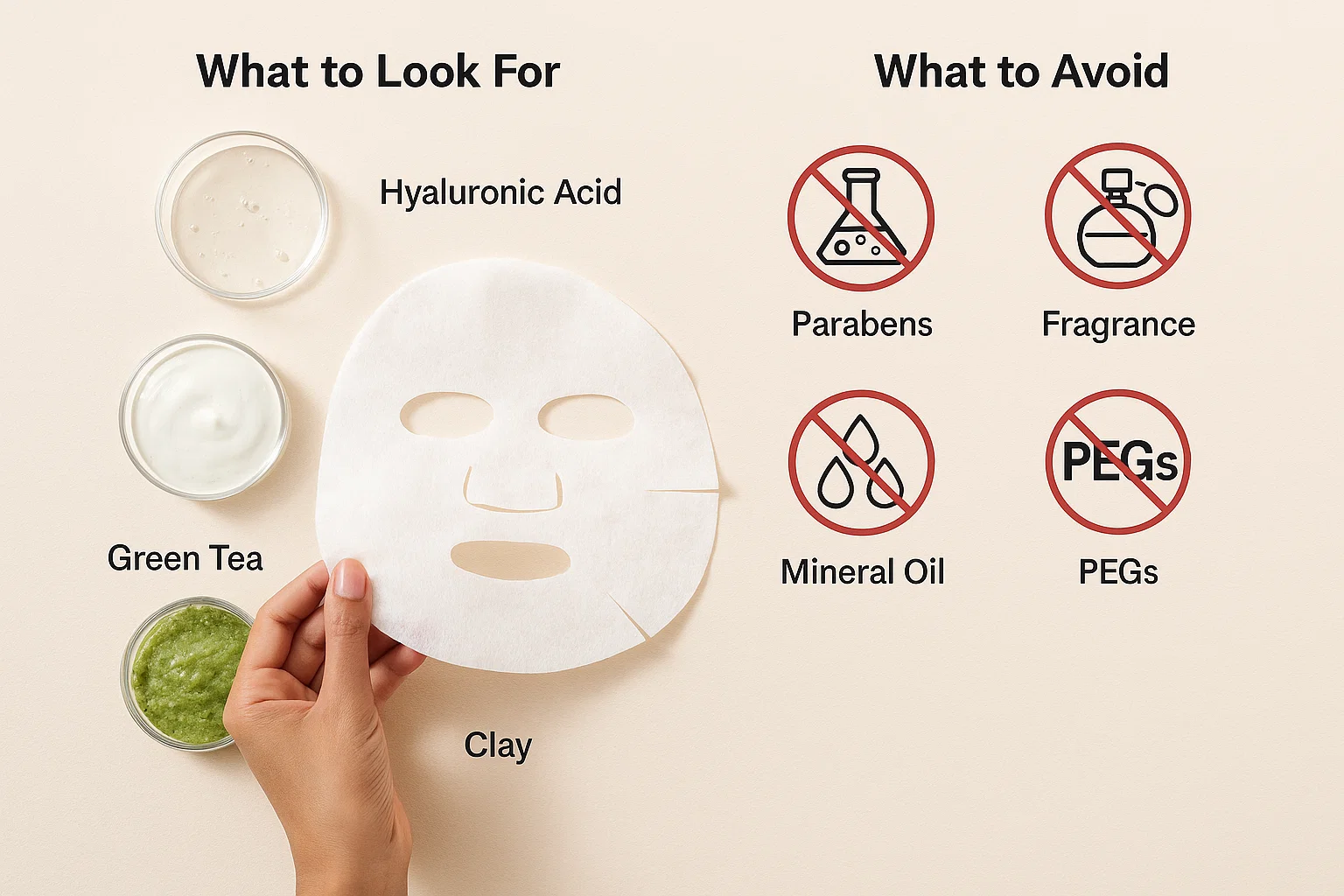
Goop’s clean-beauty filter makes this process simpler. The brand bans thousands of controversial ingredients and focuses on formulations that balance safety with results.
A quick anecdote: I once tried a “hydrating” mask that left my cheeks squeaky-dry. The first ingredient? Alcohol denat. Lesson learned—names can deceive, but labels don’t lie.
Step 4: The Right Way to Use Your Mask
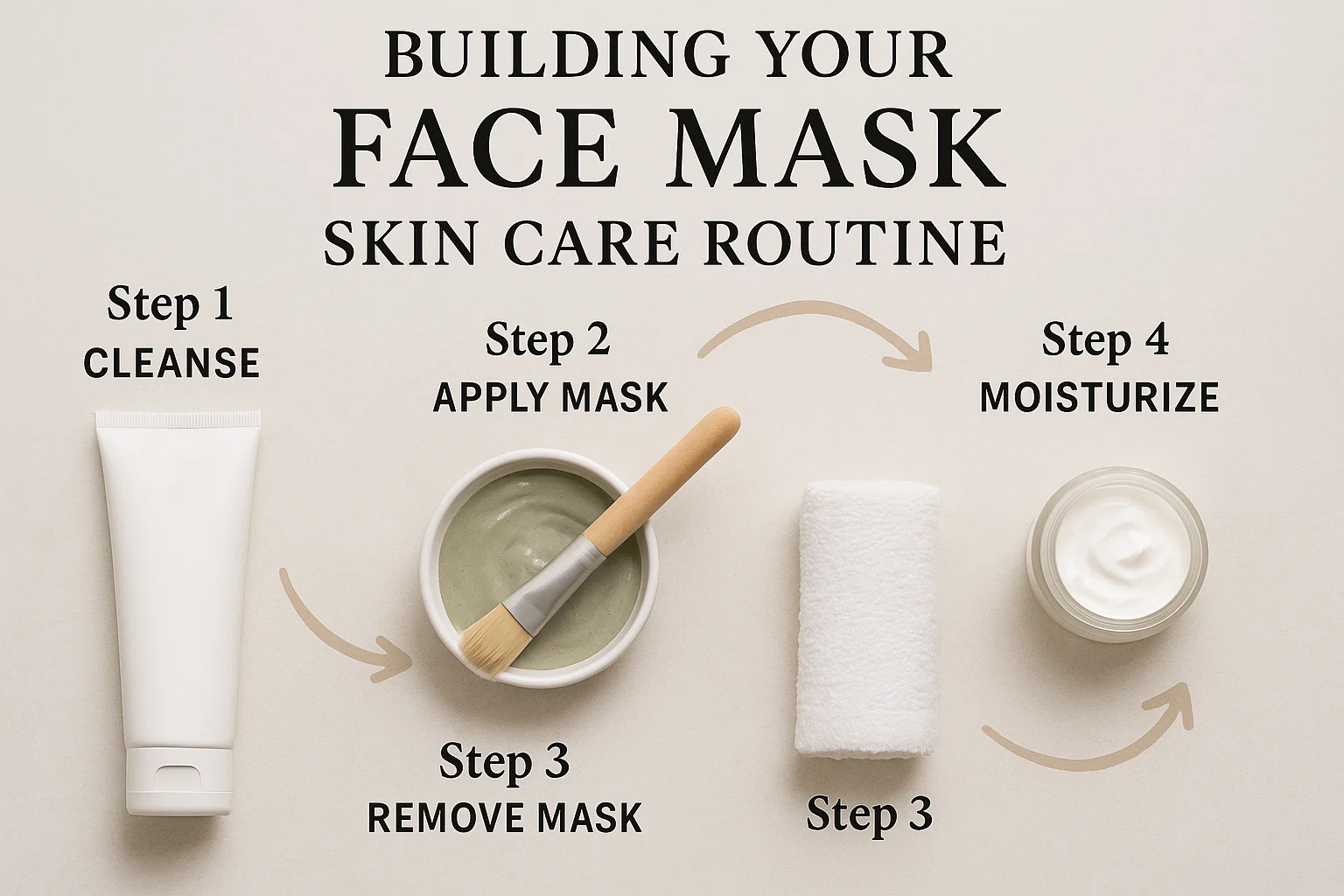
Masking is part art, part science. The right product used the wrong way won’t deliver much. Here’s a routine that works for every skin type.
Pre-Mask Prep
- Cleanse thoroughly. A clean base helps ingredients penetrate.
- Exfoliate lightly if needed. It removes the dead-cell barrier.
- Pat dry—don’t rub.
Optional: do a brief steam for a minute or two to open pores (a warm towel works too).
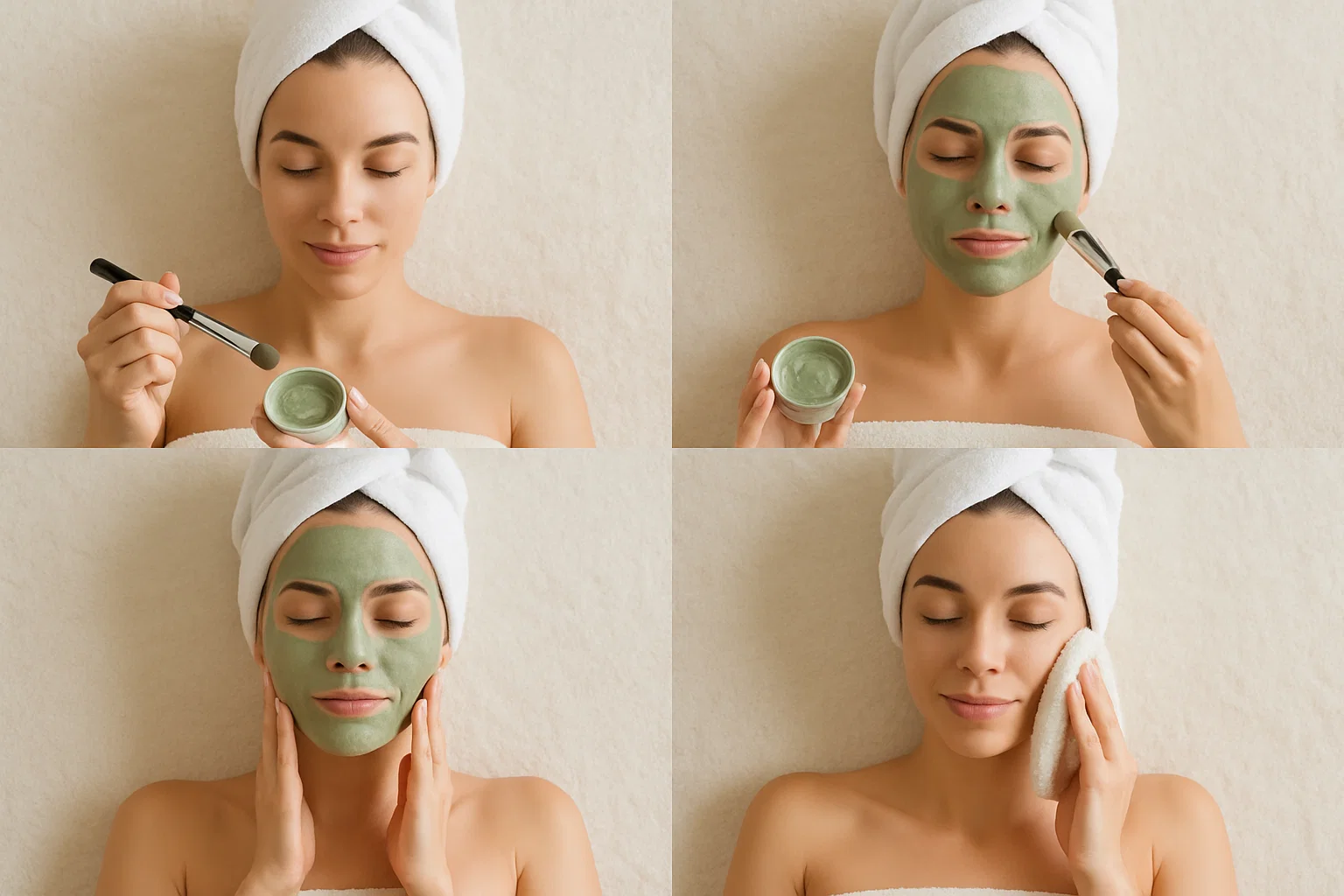
During Application
- Apply evenly—thin layer, not thick frosting.
- Set a timer. More time doesn’t mean more results.
- Use the pause as self-care: sip tea, meditate, scroll through goop’s beauty section for inspiration.
Aftercare
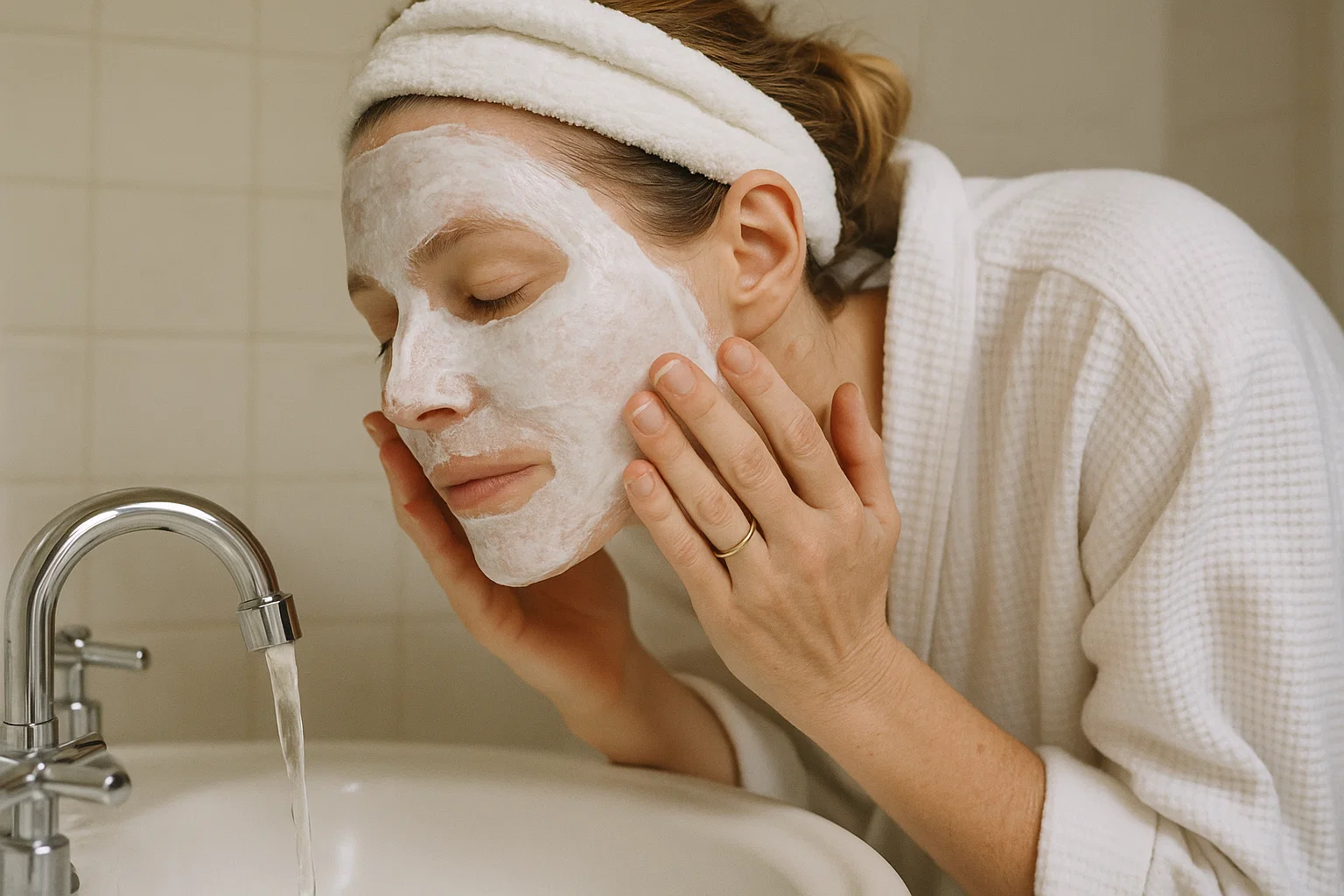
- Rinse with lukewarm water.
- Follow with toner and moisturizer to seal hydration.
- Avoid direct sun if your mask included exfoliating acids.
Pro Tips
- Multi-mask: oily T-zone + dry cheeks? Use two formulas.
- Patch test: dab a small area first if trying actives.
- Frequency chart:
- Oily skin → 2× a week
- Dry skin → 1–2×
- Sensitive → 1× only
- Combination → alternate weekly
Masking is supposed to feel enjoyable, not like a science experiment. Once it becomes part of your rhythm, it’s oddly relaxing—almost meditative.
Step 5: Goop’s Philosophy — Curating What Actually Works
Goop’s approach to skincare stands apart because it’s both editorial and evidence-driven. They blend dermatological insight with wellness sensibility, creating a space where clean beauty feels credible, not gimmicky.
Their Beauty Clean Standard bans over 2,000 questionable ingredients—from parabens to synthetic fragrances. Products featured on goop pass both internal review and expert evaluation. In short, they’ve done the homework for you.
As goop’s editors like to say, skincare should feel good, smell good, and do good for your skin. Their picks focus on results without compromising on transparency.
Clean beauty isn’t just a trend either. Sales of clean skincare grew 35 percent year-over-year according to NPD Group. That reflects a shift toward conscious consumerism—people want products that align with their health and values.
Imagine scrolling through goop’s curated skincare page—it feels like shopping with a trusted friend who happens to know ingredient chemistry. You can browse by concern, texture, or even mood (yes, that’s a thing now).
Step 6: Building Your Mask Routine Like a Pro
Once you’ve identified your skin type and found a few mask favorites, the next step is building a routine that actually fits your lifestyle. Skincare shouldn’t feel like a second job—it should feel like a ritual that you look forward to.
Start with Consistency
Masks work best when used regularly but not excessively. Most formulas are designed for 1–3 uses per week. Overdoing it can irritate your skin, especially if you’re using exfoliating ingredients.
Here’s a simple guide:
| Skin Type | Weekly Mask Routine |
|---|---|
| Oily / Acne-Prone | 2x clay masks + 1x hydrating mask |
| Dry | 2x hydrating masks + 1x gentle exfoliating mask |
| Sensitive | 1x soothing gel or cream mask |
| Combination | Alternate clay (T-zone) and hydrating (cheeks) |
| Mature | 2x firming or overnight masks + 1x brightening |
Layering Without Overlapping
Some people love “multi-masking,” where different masks are applied to different zones. For example: a detox mask across the nose and forehead, and a soothing mask on the cheeks. It’s like personalized skincare in one session.
Another strategy is mask cycling—rotating types throughout the week to balance exfoliation, hydration, and barrier repair. It’s smarter than sticking with one product all the time, and your skin stays responsive rather than overloaded.
The Goop Way
Goop often frames skincare as part of a holistic wellness approach. Their editors remind readers that glowing skin isn’t just about topical products—it’s about balance. That means hydrating from within, eating antioxidants, and getting proper sleep.
Your mask can be the cherry on top of that self-care sundae.
Common Myths About Face Masks (Debunked)
Even with all the information available, myths about face masks persist. Let’s clear the fog with some straight talk.
Myth 1: “Masks Don’t Really Work.”
This one’s persistent—and false. Face masks have been scientifically shown to enhance hydration, improve absorption of actives, and create a temporary occlusive effect that helps ingredients penetrate deeper. Dermatologists often recommend masks as part of targeted treatments, especially for dehydration and dullness.
Myth 2: “Leaving It On Longer Gives Better Results.”
In truth, more time doesn’t mean more magic. Most masks are formulated with optimal exposure limits—usually 10–20 minutes. Going beyond that can cause dryness or irritation. Think of it like cooking pasta: perfect for a few minutes, mushy disaster if you forget the timer.
Myth 3: “DIY Masks Are Always Safer.”
Not necessarily. While kitchen ingredients like honey or oatmeal can be soothing, some DIY recipes are risky. Lemon juice, baking soda, or vinegar can disrupt your skin’s pH or cause burns. A dermatologist-developed mask has controlled concentrations and pH balance—your blender doesn’t.
Myth 4: “You Can Use Any Mask on Any Skin Type.”
This is the quickest way to an irritated complexion. Each skin type reacts differently to actives. What’s soothing for dry skin may be too heavy for oily skin, and what’s clarifying for oily skin may sting sensitive skin.
The solution? Learn your skin’s mood swings and rotate products accordingly.
Myth 5: “Masks Are Just for Women.”
Men have skin too, and it benefits the same way. In fact, increased oil production and larger pores make clarifying masks especially useful for men. The trend toward gender-neutral skincare is making this conversation far more inclusive than it used to be.
Expert Insights: Dermatologists on What Really Matters
To cut through marketing claims, it’s worth hearing from the experts. Dermatologists agree that masks are effective—when chosen wisely.
According to Healthline, Dr. Ava Shamban explains that the biggest mask mistake is using formulas mismatched to your skin type. “It’s not about how trendy a mask is—it’s about what your skin actually needs that week,” she notes.
Here are a few dermatologist-approved pointers:
- Watch your frequency. Even hydrating masks can overwhelm your barrier if used daily.
- Mind the ingredients. Sensitive skin should avoid fragrance and high acid content.
- Rinse thoroughly. Residue can clog pores and cause breakouts.
- Store properly. Heat or sunlight can degrade actives, especially vitamin C or enzymes.
- Listen to your skin. If it tingles pleasantly, that’s fine. If it stings or burns, it’s a red flag.
Science Meets Experience
Clinical studies back up what dermatologists have long said: consistent mask use improves visible skin texture and hydration. For example, research published in the Journal of Cosmetic Dermatology found that a bi-weekly clay mask improved sebum balance and reduced pore visibility within four weeks.
That’s the beauty of masks—they offer visible results fast, but the real magic lies in long-term consistency.
Conclusion: Find Your Perfect Mask — and Make It a Ritual
Choosing the right face mask doesn’t have to feel like a chemistry exam. It’s more like matching energy—your skin speaks, you just need to listen.
If it’s feeling dull, it’s asking for a brightening formula. If it’s tight, it’s begging for hydration. If it’s angry, it needs soothing, not scrubbing. And once you find your perfect fit, masking becomes less about “fixing flaws” and more about giving yourself ten minutes of calm.
That’s the heart of goop’s philosophy—skincare as self-care. Their curated selections, backed by ingredient transparency and clean-beauty standards, simplify decision-making without sacrificing results. You don’t have to sift through thousands of options; you just need a guide you can trust.
So next time you’re staring at a shelf of shiny jars, remember this: your skin isn’t complicated—it’s communicative. All it needs is the right listener.
Light a candle, press play on your favorite playlist, and apply that mask like you’re giving your skin a quiet conversation. With a little help from goop, you’ll soon learn that radiant skin isn’t about perfection—it’s about harmony.
Frequently Asked Questions
1. How often should I use a face mask?
For most people, one to three times a week is ideal. Overusing can lead to sensitivity, especially with exfoliating or clay-based masks.
2. Can I combine different masks?
Yes—multi-masking lets you address various zones at once. For example, use a clay mask on the T-zone and a hydrating mask on the cheeks.
3. What’s the best mask for acne-prone skin?
Look for formulas with salicylic acid, clay, or charcoal. Avoid heavy creams or pore-clogging oils.
4. Are clean beauty masks really better?
Clean masks skip questionable additives like parabens, synthetic fragrances, and phthalates. Brands like goop focus on clean yet effective ingredients, which many dermatologists agree can be gentler on the skin.
5. Can I sleep in any mask?
No—only overnight masks are formulated for extended wear. Regular masks may dry out or irritate your skin if left on too long.
Key Takeaways
| Goal | Mask Type | Frequency | Star Ingredients |
|---|---|---|---|
| Deep cleanse | Clay / Mud | 1–2× per week | Charcoal, kaolin |
| Hydration | Sheet / Gel / Cream | 2–3× per week | Hyaluronic acid, aloe |
| Brightening | Exfoliating / Peel | 1× per week | AHAs, fruit enzymes |
| Soothing | Gel / Cream | 1–2× per week | Oat, centella, cucumber |
| Repair | Overnight | 1–2× per week | Peptides, ceramides |
Final Thought
Your face mask should feel like a treat, not a chore. It’s that rare skincare step where instant gratification meets long-term benefit. By choosing wisely—and leaning on goop’s expertise—you give your skin the attention it deserves, without the confusion.
So go ahead, uncap that jar, smooth it on, and take a breath. Skincare doesn’t have to be complicated. Sometimes, it just starts with one mask and ten quiet minutes to yourself.