Embark on a comprehensive journey into the world of phytoestrogens, natural compounds found in plants that mimic estrogen in the human body.
This guide will explore their potential health benefits, how they interact with our bodies, and the science-backed information you need to make informed decisions about including them in your diet.
Understanding Phytoestrogens in Modern Nutrition
Why Phytoestrogens Are Gaining Attention in Health Discussions
Phytoestrogens are attracting significant attention due to growing interest in natural health solutions. As people seek alternatives to synthetic estrogen, the potential health benefits of dietary phytoestrogens are becoming increasingly appealing. The effect of phytoestrogens on conditions like menopause is a key area of focus.
The Connection Between Phytoestrogens and Hormonal Health
The link between phytoestrogens and hormonal health is a central aspect of their appeal. Because these compounds can influence estrogen levels, they may offer support for conditions related to hormonal imbalance. Their potential role in mitigating menopausal symptoms is a particularly compelling area of study.
What This Guide Will Cover (Science, Benefits, and Practical Use)
This guide is designed to provide a thorough understanding of phytoestrogens. We will explore the science behind their effects, discuss the documented health benefits, and offer practical advice on incorporating them into your diet. We’ll delve into whether phytoestrogens may play a role in cancer prevention and bone health.
What Are Phytoestrogens? Definition and Core Concepts
Phytoestrogens Explained in Simple Terms
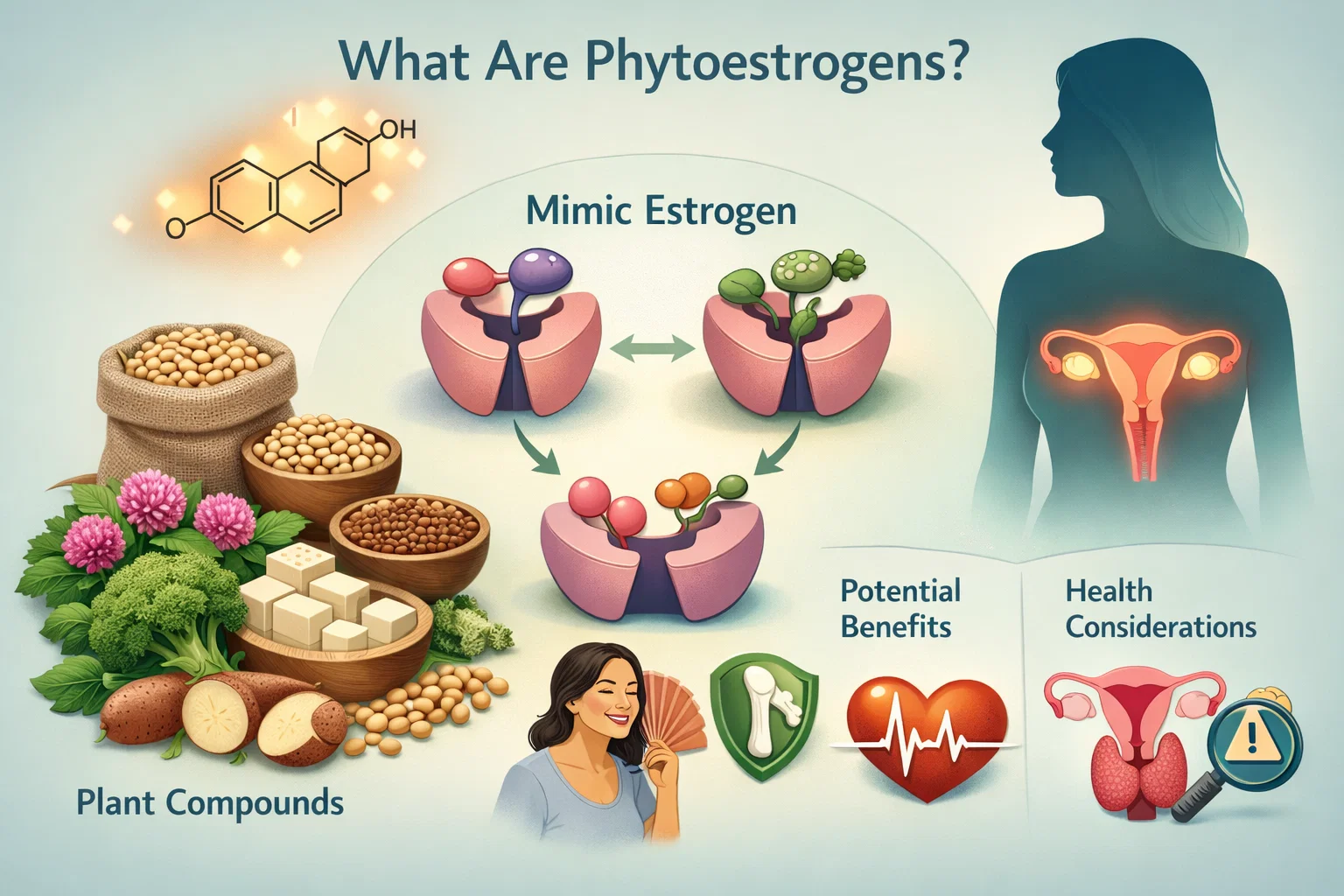
In simple terms, phytoestrogens are naturally occurring plant compounds that have a chemical structure similar to estrogen, the primary female sex hormone. Because of this similarity, they can bind to estrogen receptor sites in the human body and exert estrogenic or anti-estrogenic effects. These compounds are found in many common foods.
How Plant Compounds Can Interact With Human Hormones
Plant compounds, like phytoestrogens, can interact with human hormones by mimicking their effects or blocking their action. Phytoestrogens act by binding to estrogen receptors, influencing estrogen levels, and potentially modifying hormonal responses. This interaction can have various health effects, both positive and negative, depending on the individual and the specific compound.
Phytoestrogens vs. Human Estrogen (Key Differences)
While phytoestrogens and human estrogen both interact with estrogen receptors, they are distinctly different. Human estrogen is a powerful hormone produced by the body, while phytoestrogens exert a weaker estrogenic effect. These differences influence their impact on the body, with phytoestrogens generally having milder and potentially more selective effects.
Myths and Misconceptions About Phytoestrogens
Many myths and misconceptions surround phytoestrogens. Some believe they are dangerous artificial hormones, while others overestimate their potency. It’s crucial to base our understanding on scientific evidence, separating fact from fiction to avoid unnecessary fear or unrealistic expectations regarding their effects.
How Do Phytoestrogens Work in the Body?
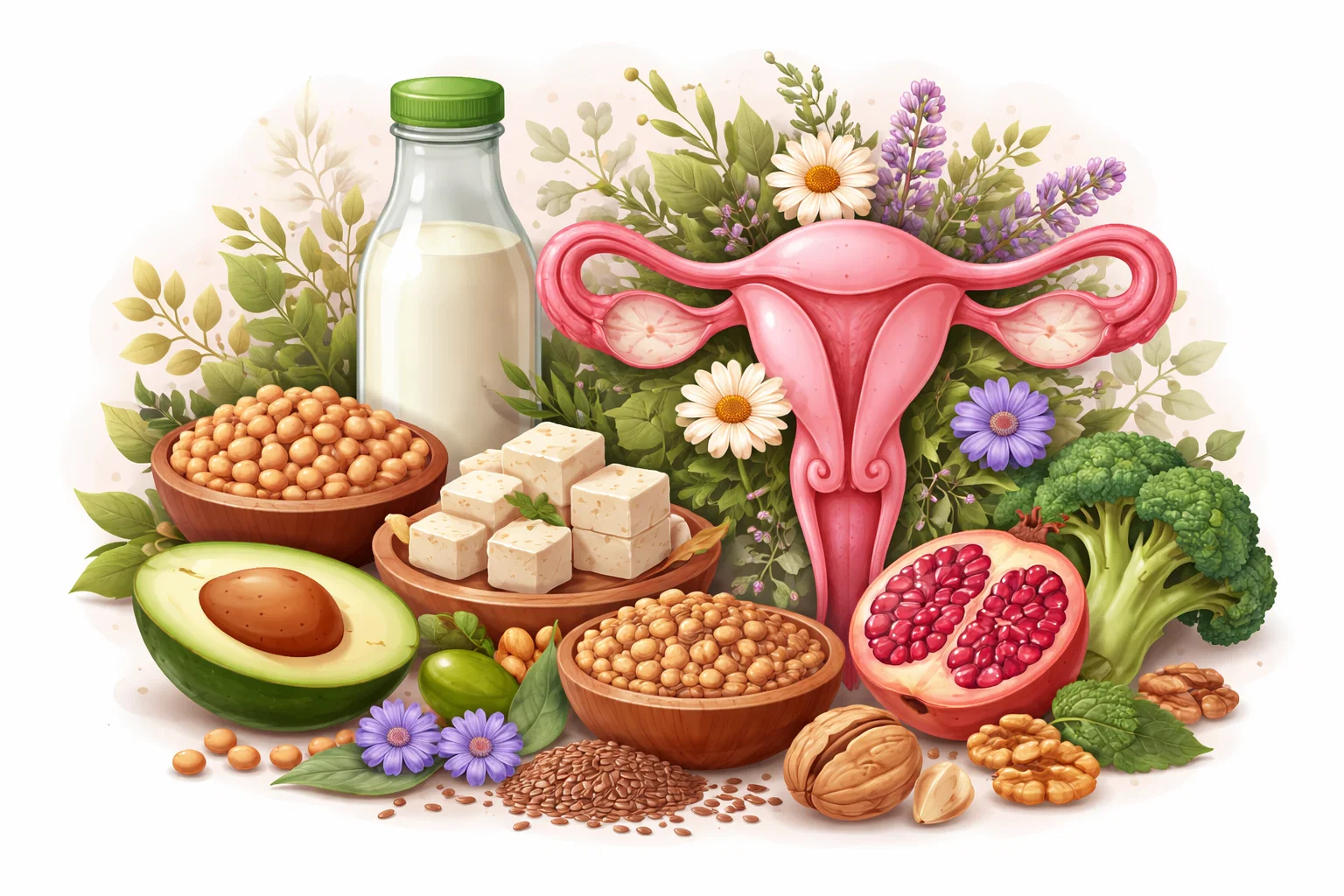
The Role of Estrogen Receptors and Hormonal Signaling
Phytoestrogens work by binding to estrogen receptors, which are present throughout the body. This binding can trigger hormonal signaling pathways, leading to various cellular responses. The effects of isoflavones and other phytoestrogens depend on the type of receptor, the tissue involved, and the concentration of the phytoestrogen.
Weak Estrogenic Effects (Why They Are Not Hormones)
Phytoestrogens are not hormones themselves but exhibit weak estrogenic effects due to their ability to bind to estrogen receptors. This weaker interaction means they don’t exert the same powerful influence as the body’s natural estrogen or synthetic estrogen. Consequently, they may produce milder and potentially more targeted effects.
Selective Estrogen Receptor Modulation (SERM-Like Activity)
Some phytoestrogens exhibit selective estrogen receptor modulation (SERM)-like activity. This means they can act as estrogen agonists in some tissues while acting as antagonists in others. This selective action could explain why phytoestrogens may have beneficial effects in certain areas, such as bone density, while having minimal effects on others.
Individual Differences in Phytoestrogen Responses
Individual responses to phytoestrogens vary widely due to genetic factors, gut microbiota composition, and estrogen levels. Factors such as age, diet, and overall health influence how effectively someone processes and responds to dietary phytoestrogens. This variability highlights the importance of personalized approaches to nutrition.
Types of Phytoestrogens and Their Sources
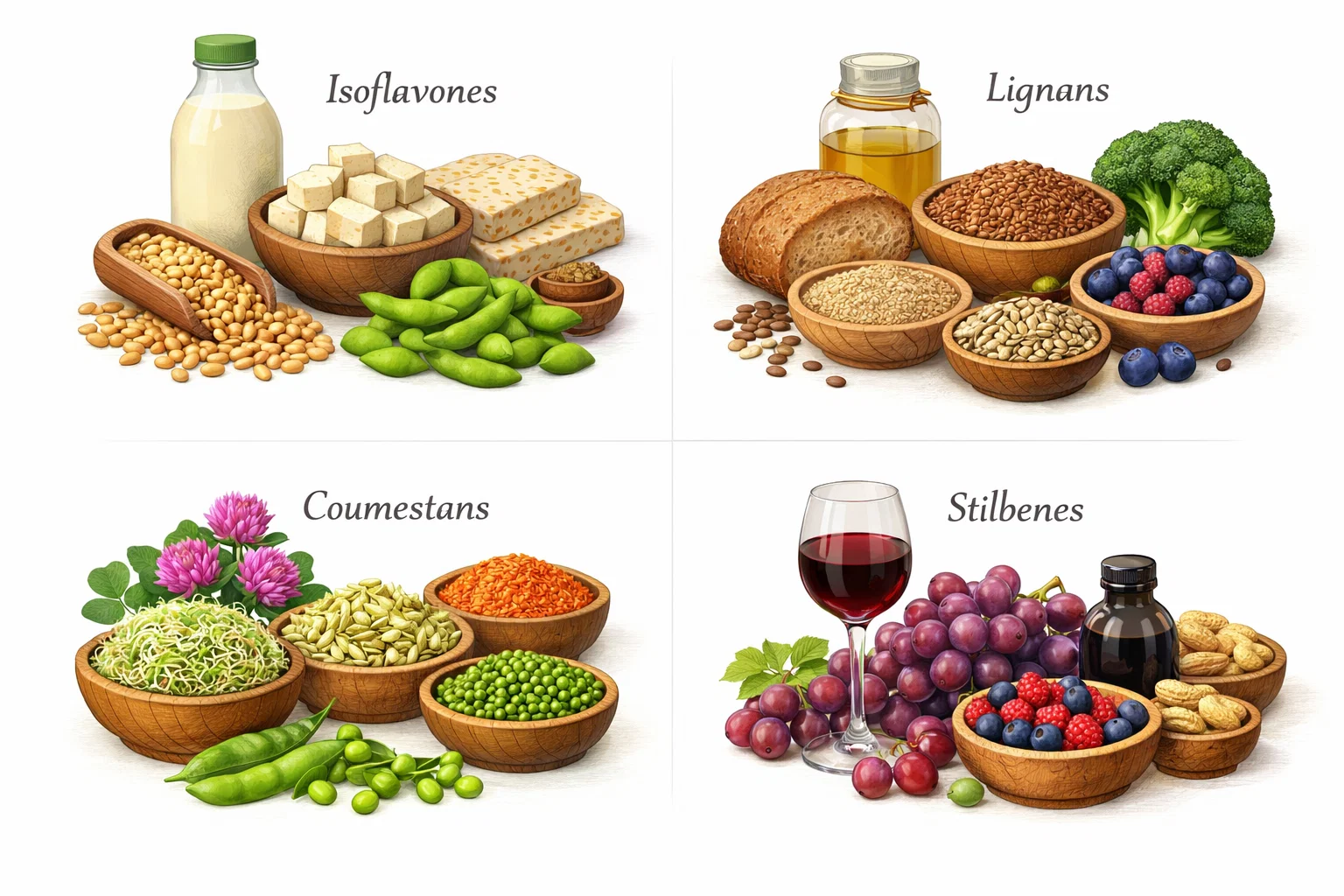
Common Phytoestrogens: Isoflavones and Lignans
Two of the most common types of phytoestrogens are isoflavones and lignans. Isoflavones are abundant in soy products like tofu and soy milk and are recognized for their estrogen receptor affinity. Lignans, found in flaxseeds and whole grains, are converted by gut bacteria into compounds with estrogenic effect, potentially offering health benefits.
Sources of Phytoestrogens: Soy, Flaxseeds, and More
Phytoestrogens are found in a variety of plant-based foods, with soy foods like edamame being a well-known source of soy isoflavone. Flaxseeds are rich in lignans, while other sources include sesame seeds, whole grains, and certain vegetables. Incorporating these dietary phytoestrogen sources can offer potential health benefits.
Everyday Foods Rich in Phytoestrogens
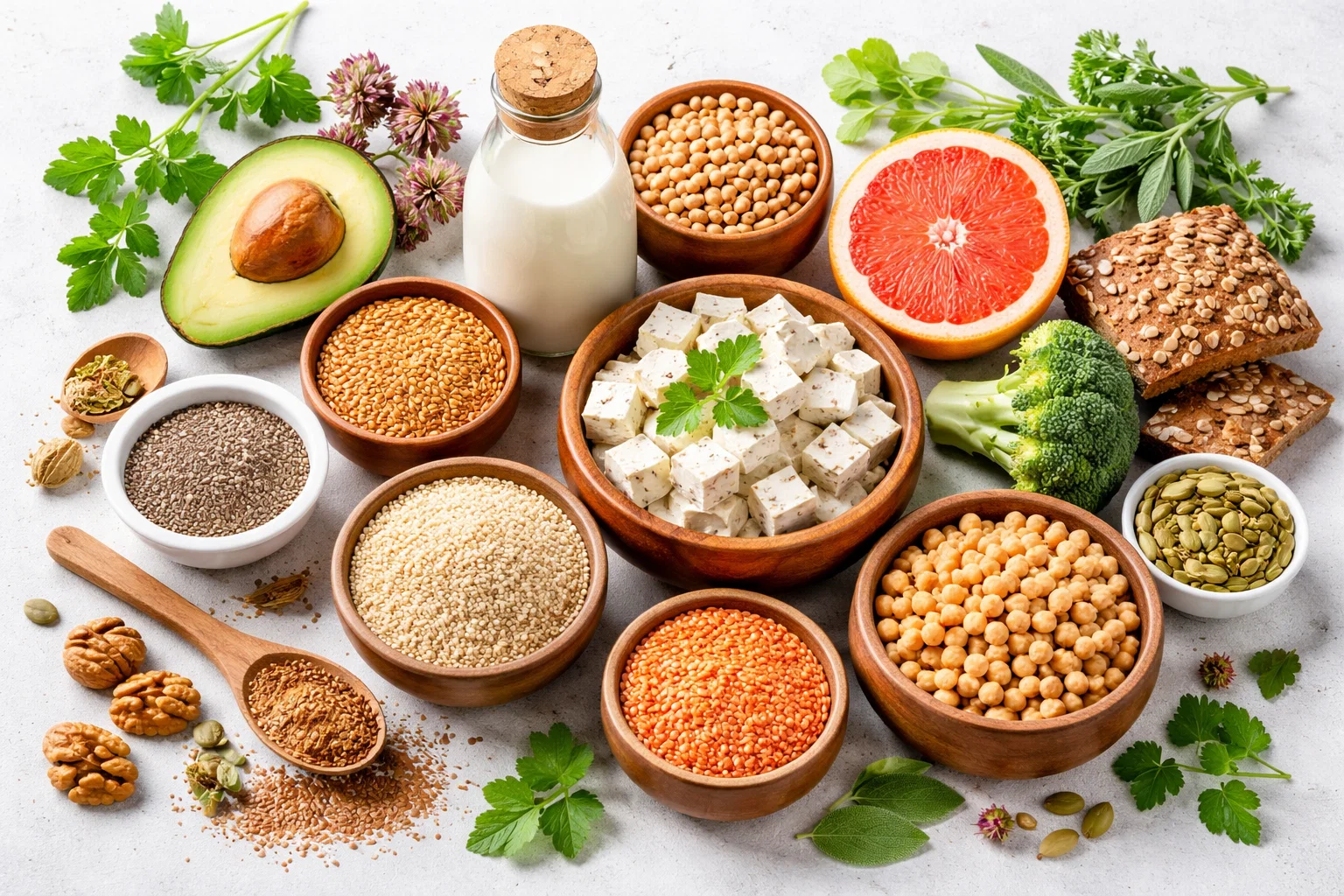
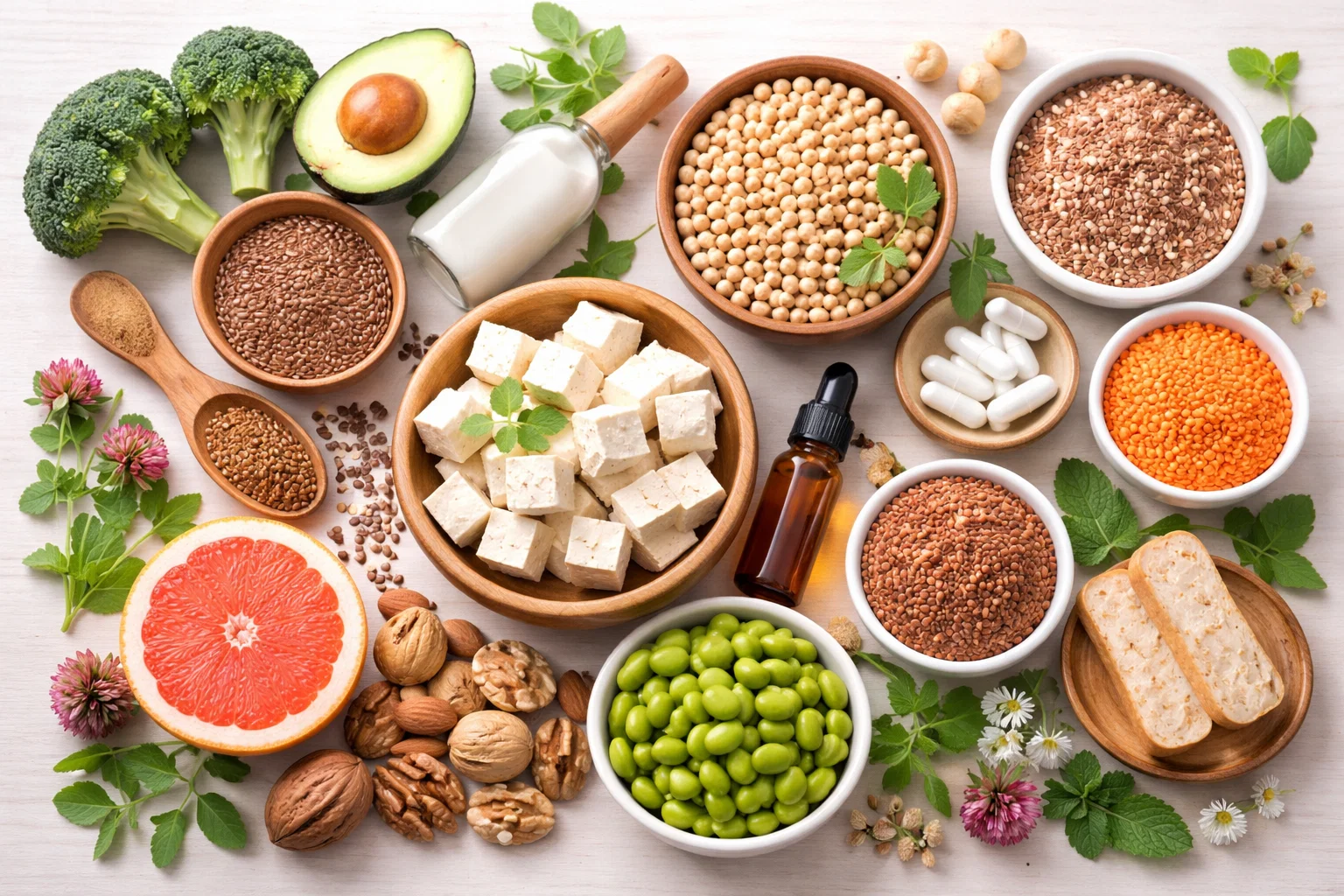
Many everyday foods contain phytoestrogens, making it relatively easy to include them in your diet. Excellent sources include:
- Soy products like tofu, soy milk, and edamame
- Flaxseeds, lentils, and chickpeas
Even some fruits and vegetables contain smaller amounts, contributing to overall dietary intake and breast cancer survival.
Potential Health Benefits of Phytoestrogens
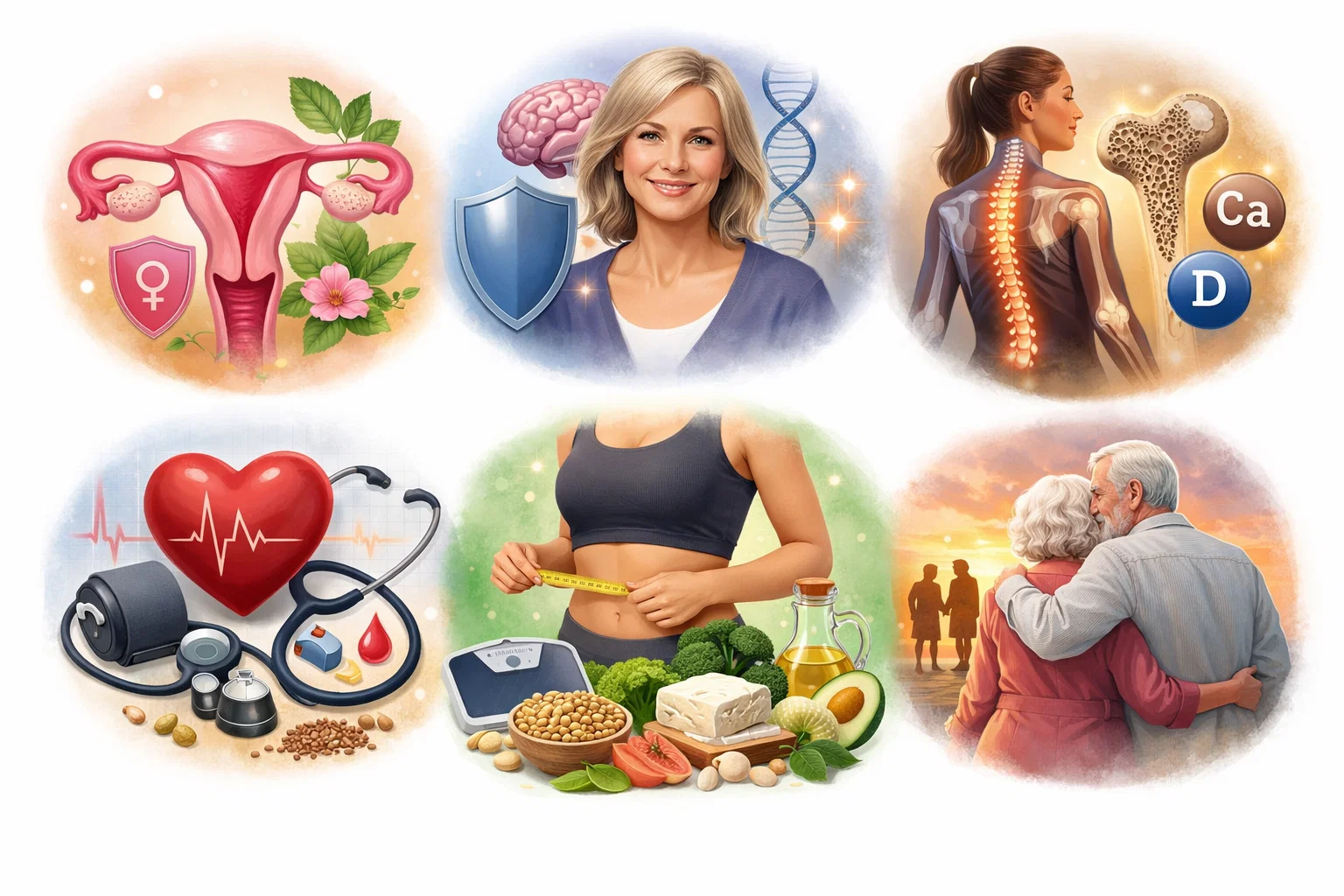
Hormonal Balance and Menopausal Support
One of the most discussed benefits of phytoestrogens is their potential to support hormonal balance, particularly in menopausal women. As estrogen levels decline during menopause, phytoestrogens may help alleviate symptoms like hot flashes and bone loss. However, the effects of isoflavones can vary from person to person.
Heart Health and Cholesterol Management
Phytoestrogens may contribute to heart health through various mechanisms. Some studies suggest that soy protein and other phytoestrogen sources can help lower LDL cholesterol levels, reducing the risk of heart disease. Their antioxidant properties may also protect against oxidative stress, further supporting cardiovascular well-being.
Bone Health and Long-Term Wellness
Emerging research indicates that phytoestrogens could play a role in maintaining bone health, particularly in postmenopausal women. By interacting with estrogen receptors, they may help prevent bone loss and increase bone density. This is especially important for long-term wellness, as strong bones reduce the risk of fractures and osteoporosis.
Antioxidant and Anti-Inflammatory Properties
In addition to their estrogenic effects, phytoestrogens exhibit antioxidant and anti-inflammatory properties. These properties help protect cells from damage caused by free radicals and reduce inflammation throughout the body. By combating oxidative stress and inflammation, phytoestrogens may contribute to overall health and cancer prevention.
Are Phytoestrogens Safe? Risks and Considerations
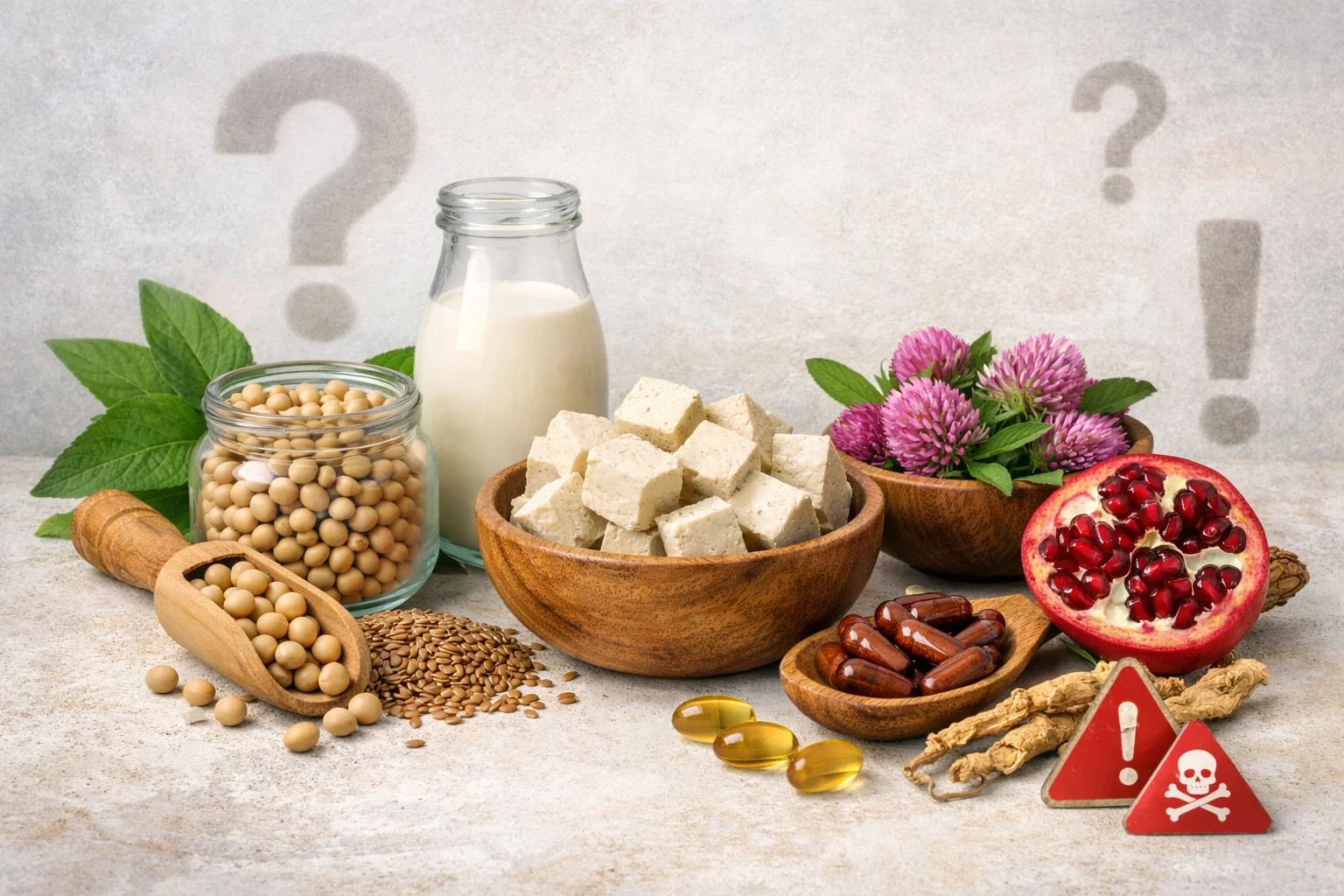
Safety in Dietary Amounts (Scientific Consensus)
The scientific consensus generally supports the safety of phytoestrogens when consumed in dietary amounts. Most studies indicate that moderate intake of soy foods and other phytoestrogen-rich foods does not pose significant adverse effects for the general population. However, concerns have been raised about high-dose phytoestrogen supplements.
Who Should Be Cautious About High Intake
While dietary phytoestrogens are generally safe, certain individuals should exercise caution with high intake. People with a history of estrogen-sensitive conditions, such as certain types of breast cancer, may need to monitor their consumption. Consulting with a healthcare provider is advisable for those with specific health concerns.
Individual Hormonal Responses and Variability
Individual responses to phytoestrogens can vary significantly due to genetic factors, gut microbiota, and overall health. Some individuals may experience noticeable benefits, while others may not see any effect. This variability underscores the importance of personalized approaches to nutrition and considering individual hormonal responses.
Moderation vs. Excess Consumption
As with many dietary components, moderation is key when it comes to phytoestrogens. While including phytoestrogen-rich foods in your diet can offer health benefits, excessive consumption, particularly through supplements, may lead to unintended consequences. Balancing nutrient-rich foods is a more sustainable and safer approach.
Phytoestrogens and Women’s Health
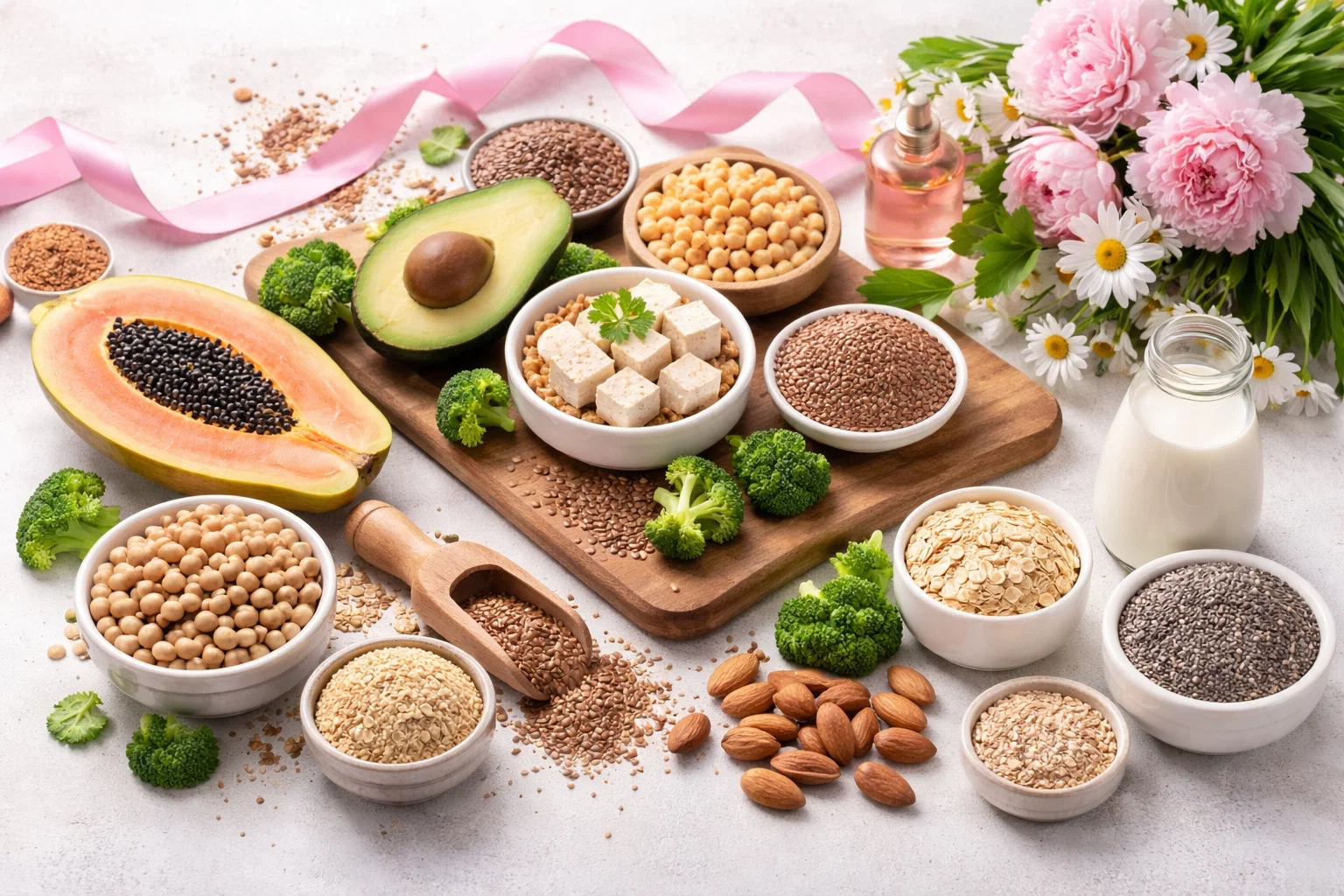
Menopause and Symptom Management
For menopausal women, phytoestrogens may offer relief from symptoms like hot flashes and night sweats. The effect of phytoestrogens on estrogen levels during menopause can help balance hormonal fluctuations. While not as potent as synthetic estrogen, dietary phytoestrogens from soy isoflavone may provide a gentle, natural alternative, but the beneficial effect varies.
Hormonal Balance and Natural Nutrition
Phytoestrogens could be part of a natural nutrition strategy for hormonal balance. By incorporating soy foods and other phytoestrogen-rich foods, women can support their estrogen levels. This approach is especially relevant during menopause, where the effects of isoflavones can help alleviate symptoms. Balancing phytoestrogen intake with other nutrients is crucial for overall health.
What Science Says About Long-Term Effects
The long-term effects of dietary phytoestrogens on women’s health are still being studied. Some research suggests a protective effect against bone loss in postmenopausal women, while other studies explore their potential impact on breast cancer risk. More research is needed to fully understand the effects of dietary phytoestrogens over extended periods.
Phytoestrogens and Men’s Health (Addressing Common Concerns)
Do Phytoestrogens Affect Testosterone?
One common concern is whether phytoestrogens affect testosterone levels in men. Studies indicate that soy food intake, a major source of phytoestrogens, does not typically lower testosterone levels. While some studies have raised concerns, the effects of soy isoflavone on testosterone are generally minimal, especially at typical dietary levels.
Scientific Evidence and Research Findings
Scientific evidence suggests that the health effects of phytoestrogens on men are limited. Research findings generally do not show a significant impact on testosterone or other hormonal markers. Some studies even indicate that soy protein may have a beneficial effect on heart health, further supporting the safety of soy phytoestrogens for men.
Practical Dietary Considerations
For men, practical dietary considerations involve including phytoestrogen-rich foods in moderation. Soy products and other plant-based foods can be part of a balanced diet without causing hormonal disruptions. Avoiding excessive phytoestrogen supplements is advisable, as the effects of dietary phytoestrogens are generally safe and well-tolerated.
Best Food Sources of Phytoestrogens
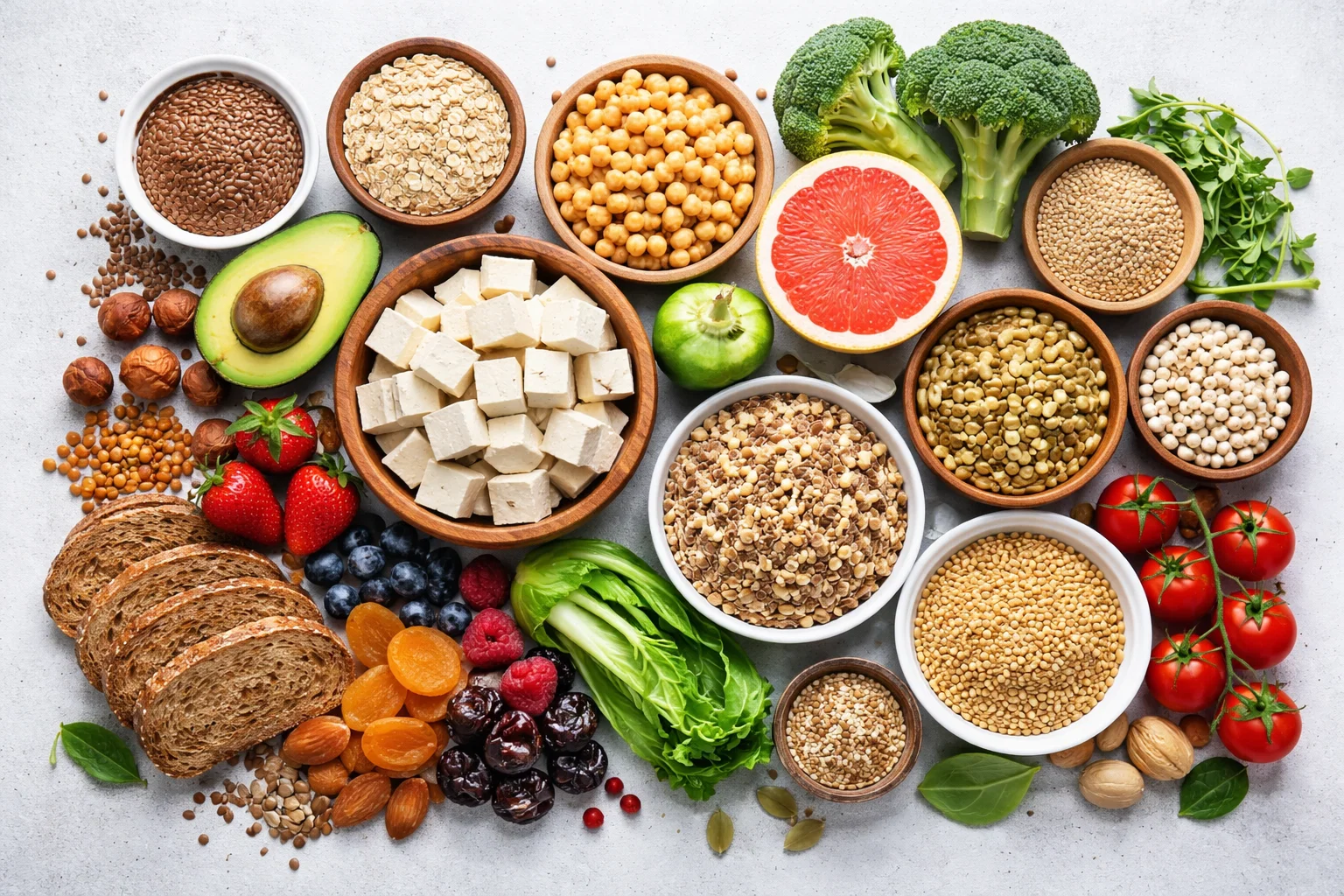
Soy Products (Tofu, Soy Milk, Edamame)
Soy products are excellent sources of phytoestrogens, particularly soy isoflavone. Examples of these soy-based foods include:
- Tofu
- Soy milk
- Edamame
These products can be easily incorporated into various meals, offering a convenient way to increase phytoestrogen intake. The estrogen receptor affinity of soy isoflavones makes these products a beneficial addition to the diet.
Flaxseeds and Sesame Seeds
Flaxseeds and sesame seeds are rich in lignans, another type of phytoestrogen. To boost your phytoestrogen intake, consider adding these seeds to:
- Smoothies
- Cereals
- Baked goods
Lignans are converted by gut bacteria into compounds with estrogenic effect, contributing to their potential health benefits.
Lentils, Chickpeas, and Legumes
Lentils, chickpeas, and other legumes are good sources of phytoestrogens, providing a variety of nutrients along with these beneficial plant compounds. These foods contain phytoestrogens that can be incorporated into soups, salads, and other dishes. Regular consumption of legumes can contribute to overall health and well-being.
Whole Grains and Plant-Based Foods
Whole grains and other plant-based foods also contain phytoestrogens, though in smaller amounts compared to soy and seeds. These foods contain phytoestrogens that contribute to a balanced diet and provide additional health benefits. Including a variety of whole grains and plant-based foods ensures a diverse intake of phytoestrogens and other essential nutrients.
How Much Is Enough? Recommended Dietary Intake
Daily Dietary Guidelines (No Exact Requirement)
There isn’t a specific daily requirement for phytoestrogens, but rather, incorporating phytoestrogen-rich foods into a balanced diet is advised. The effect of phytoestrogens varies between individuals, with dietary phytoestrogens from sources like soy foods offering potential health benefits, especially for menopausal women. Focus on food intake and breast cancer survival.
Balancing Nutrient-Rich Foods
Achieving a balance of nutrient-rich foods is key when including phytoestrogen sources. Prioritize a diverse diet containing various fruits, vegetables, whole grains, and lean proteins, rather than solely focusing on foods containing phytoestrogens. This approach ensures a well-rounded intake of essential vitamins, minerals, and beneficial compounds. The estrogen receptor needs balance.
Avoiding Overemphasis on Single Nutrients
Avoiding overemphasis on single nutrients, like phytoestrogens, is crucial for overall health. While foods containing phytoestrogens offer health benefits, relying too heavily on them can lead to an imbalanced diet. Maintain a diverse food intake, considering that the effects of isoflavones and the benefits of phytoestrogens vary.
Scientific Evidence: What Studies Say About Phytoestrogens
Human Studies and Hormonal Effects
Human studies have explored the hormonal effects of phytoestrogens, especially regarding menopause and breast cancer risk. Some research suggests that phytoestrogens may alleviate menopausal symptoms and potentially reduce the risk of certain cancers. However, the effect of soy on estrogen levels can be affected by several other factors.
Benefits and Limitations of Current Research
Current research highlights both the benefits and limitations of phytoestrogens. While some studies indicate positive effects on bone health and heart health, others show mixed results. The limitations of current research include small sample sizes, varying study designs, the long-term effects of dietary phytoestrogens, and the effects of isoflavones.
What Experts Agree On
Experts generally agree that dietary phytoestrogens are safe for most people when consumed in moderation. They acknowledge the potential health benefits of phytoestrogens, particularly from soy foods. However, experts emphasize the importance of a balanced diet and advise against relying solely on phytoestrogen supplements to obtain dietary estrogen.
Common Myths About Phytoestrogens (Debunked)
Myth: They Cause Hormonal Disruption
One common myth is that phytoestrogens cause hormonal disruption. In reality, phytoestrogens have a weaker estrogenic effect than the body’s natural estrogen. Studies indicate that moderate intake of dietary phytoestrogen-rich foods, such as soy foods, does not typically lead to hormonal imbalances or adverse effects.
Myth: They Are Artificial Hormones
Another myth is that phytoestrogens are artificial hormones. Phytoestrogens are natural compounds found in plants, not synthetic substances created in a lab. They are consumed through soy protein in soy-based food and are similar to estrogen, but are not an artificial estrogen.
Myth: They Are Dangerous in Normal Diets
The myth that phytoestrogens are dangerous in normal diets is largely unfounded. Scientific evidence suggests that dietary phytoestrogens, from sources like soy products and flaxseeds, are safe and can be part of a healthy eating pattern. As with any dietary component, moderation is essential to consider to avoid adverse effects. Maintain a normal food intake for breast cancer survival.