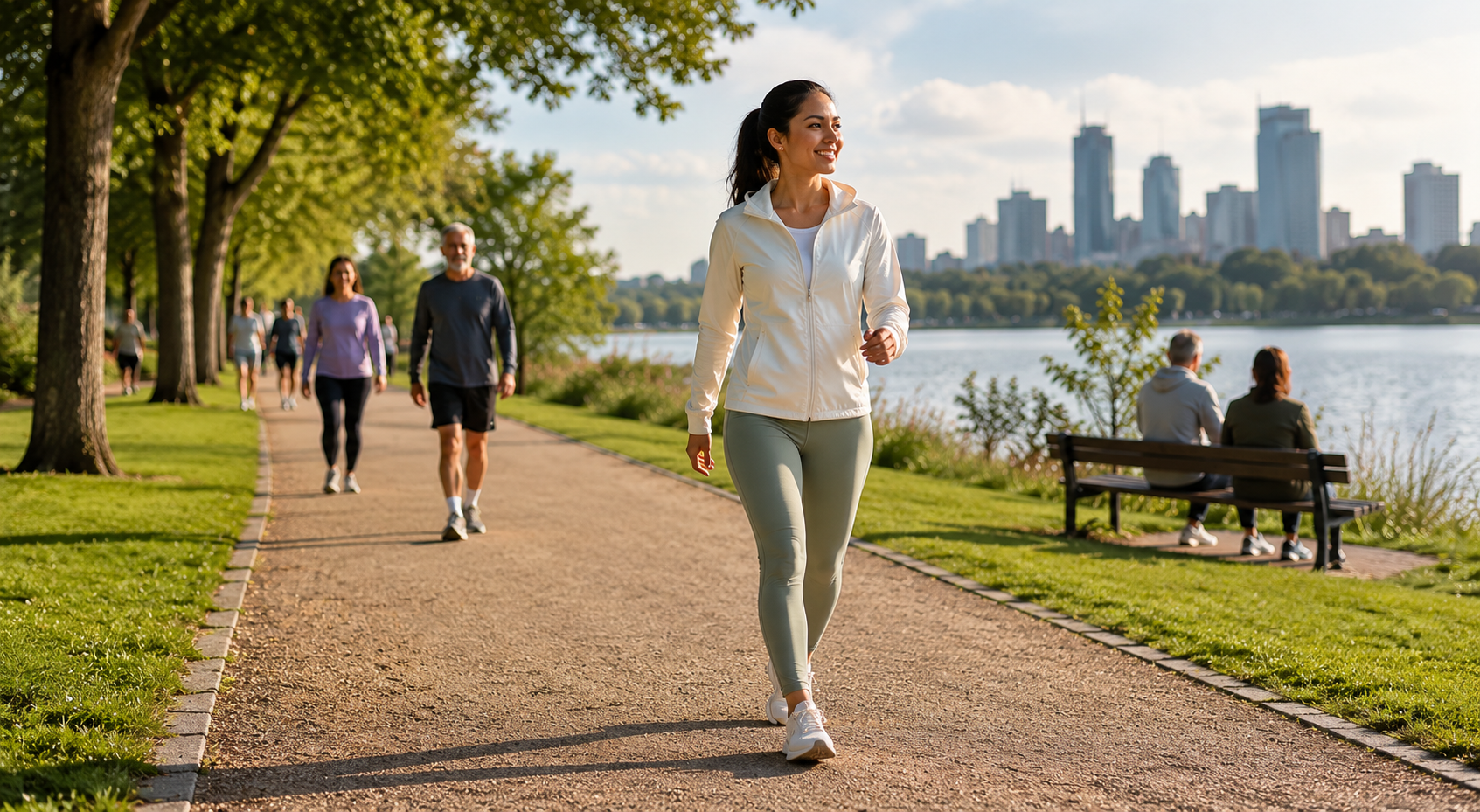
In a world often dominated by high-intensity, complex fitness regimens, a refreshing shift has brought a classic form of exercise back into the spotlight: walking. This seemingly simple activity is reclaiming its status as a premier workout choice.
The Return of Walking in Modern Fitness Culture
The fitness landscape is undergoing a remarkable transformation, with people increasingly recognizing the profound health benefits of walking, making it a go-to for improving overall well-being. This re-evaluation of simple physical activities is truly reshaping our approach to daily movement and exercise.

Why Walking Is Suddenly Trending Again in 2026
Walking is experiencing a major resurgence in popularity, especially in 2026, as individuals increasingly seek accessible and sustainable ways to incorporate regular physical activity into their daily routines. The widespread desire to improve your health without the complexities of traditional gym memberships contributes significantly to this trend.
The Shift From Intense Workouts to Simple Movement
There’s a palpable shift away from grueling, high-impact workouts towards simpler, more intuitive forms of movement, with walking being a prime example. This change reflects a growing understanding that consistent, moderate activity, such as a daily walk, can offer substantial health benefits without the associated stress or risk of injury often seen with more intense exercise.
How Wellness Culture Redefined “Effective Exercise”
Wellness culture has played a pivotal role in redefining what constitutes “effective exercise,” moving beyond the sole focus on burning maximum calories to embrace holistic well-being. This broader perspective emphasizes activities like walking, which not only contribute to physical fitness but also support mental health and overall life balance, making the benefits of walking more widely appreciated.
Why Walking Became the Go-To Workout for Everyone
Walking has cemented its position as the universal workout due to its unparalleled ease and broad appeal, welcoming individuals of all fitness levels. Its simplicity and effectiveness truly make it an ideal choice for nearly everyone.
Accessibility: No Equipment, No Cost, No Barriers
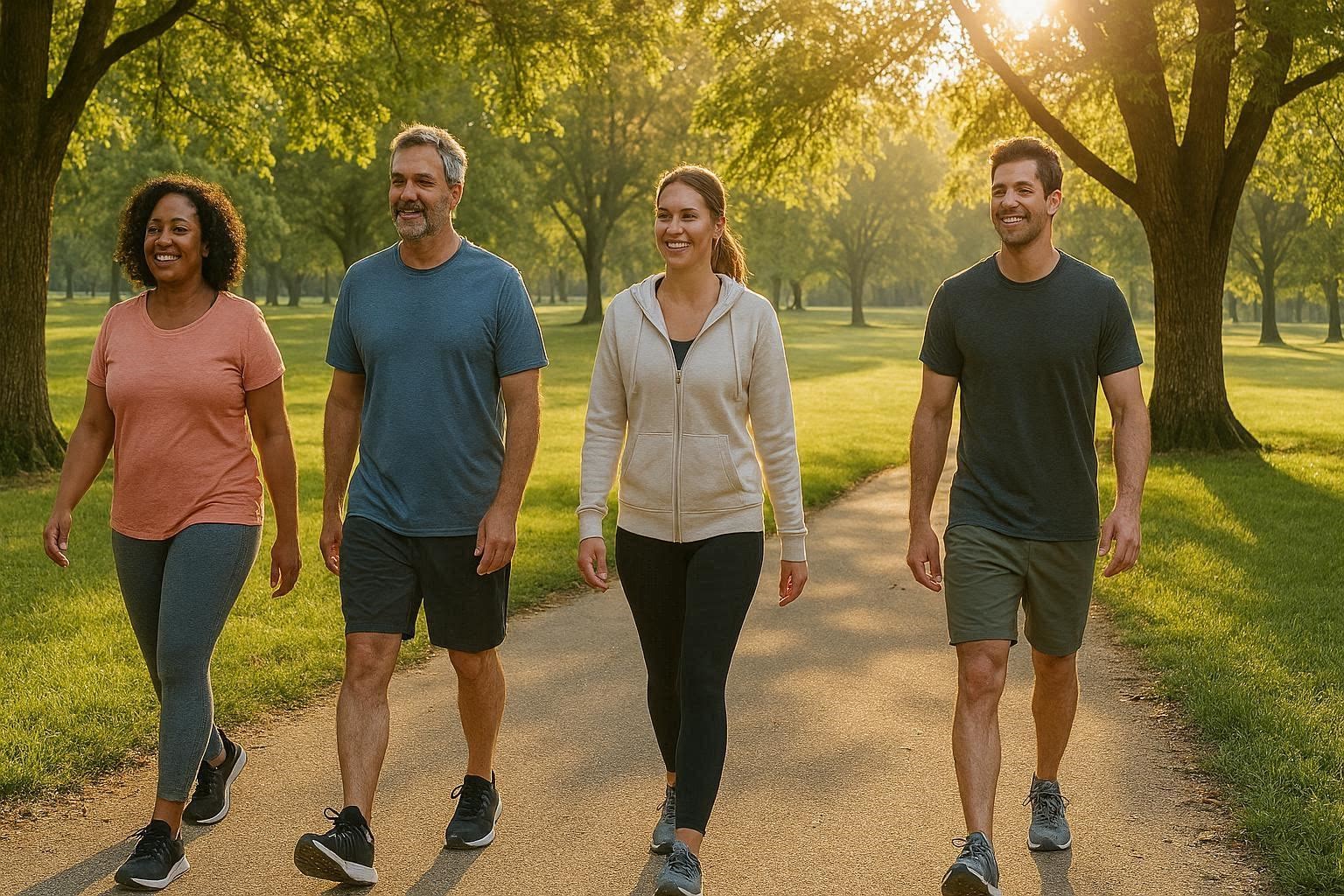
The remarkable accessibility of walking makes it an unrivaled form of physical activity. Anyone can begin a regular walking routine immediately, simply by stepping out their front door for a brisk walk. This is due to several factors:
- It requires absolutely no specialized equipment.
- It incurs no costs.
- It effectively eliminates many common barriers to exercise.
Consistency Over Intensity in Modern Fitness Goals
Modern fitness goals are increasingly prioritizing consistency over raw intensity, recognizing that regular walking offers a sustainable path to long-term health improvements. Adopting a daily routine that includes at least 150 minutes of moderate-intensity activity, spread across several days, proves more beneficial than sporadic, high-effort workouts.
Why Simplicity Wins in Busy Lifestyles
In the whirlwind of busy modern lifestyles, simplicity often triumphs, and walking perfectly embodies this principle by offering an uncomplicated yet profoundly effective way to stay active. Integrating a daily walk into one’s schedule is far more manageable than coordinating complex gym visits, allowing individuals to consistently achieve their physical activity goals.
The Science-Backed Health Benefits of Walking
Extensive scientific research consistently underscores the myriad health benefits of walking, solidifying its reputation as a potent tool for enhancing physical well-being. From cardiovascular health to metabolic function, walking truly offers a holistic approach to fitness.

Heart Health, Circulation, and Metabolism Support
Regular walking significantly bolsters heart health, improves circulation, and supports a robust metabolism, all crucial components for preventing chronic diseases. Engaging in at least 150 minutes of moderate-intensity aerobic exercise, like a brisk walk, each week can help achieve important health benefits, according to the American Heart Association:
- Lowering the risk of heart disease
- Lowering the risk of type 2 diabetes
Weight Management and Fat-Burning Effects
Walking is an excellent, low-impact method for weight management and effectively promoting fat-burning without placing undue stress on the body. A consistent walking routine, particularly one that includes a brisk walking pace, can contribute to a healthy caloric deficit, helping individuals achieve and maintain a healthy weight over time.
Joint Health and Low-Impact Movement Benefits
The low-impact nature of walking makes it uniquely beneficial for joint health, providing gentle movement that strengthens muscles supporting the joints without excessive strain. This makes it an ideal physical activity for individuals concerned about back pain or seeking to maintain mobility as they age, promoting long-term joint integrity.
Walking and Mental Health: The Hidden Power
Beyond its well-documented physical advantages, walking holds a hidden power in profoundly enhancing mental health, offering a natural and accessible pathway to emotional well-being. This simple activity provides an often-underestimated boost to our psychological state.

Stress Reduction and Anxiety Relief Through Movement
Engaging in regular walking serves as a powerful antidote for stress reduction and provides significant anxiety relief through consistent physical activity. A stroll, especially outdoors, allows individuals to clear their minds, breaking the cycle of anxious thoughts and fostering a sense of calm and perspective.
How Walking Improves Mood and Emotional Balance
Walking demonstrably improves mood and fosters greater emotional balance by stimulating the release of endorphins, natural mood elevators. This form of aerobic exercise helps regulate neurotransmitters, leading to a more positive outlook and enhanced emotional resilience, making a daily walk a valuable tool for mental well-being.
Walking as a Tool for Mental Clarity and Creativity
Many individuals find walking to be an invaluable tool for achieving mental clarity and boosting creativity, as the rhythmic motion and change of scenery can stimulate new ideas and perspectives. Whether it’s a quiet neighborhood walk or a nature walk, this activity provides a conducive environment for reflection and problem-solving, fostering innovative thought processes.
The Rise of “Low-Stress Fitness” Culture

Why People Are Rejecting High-Intensity Burnout Workouts
There is a growing rejection of high-intensity burnout workouts, as people increasingly seek fitness regimens that offer sustainable health benefits without the extreme physical and mental toll. Many are realizing that while intense exercise can yield quick results, it often leads to injury, exhaustion, and a diminished enjoyment of physical activities, prompting a shift towards more gentle, yet equally effective, approaches like regular walking.
Recovery-Based Fitness and Active Rest Trends
The rise of recovery-based fitness and active rest trends highlights a crucial understanding that rest and moderate movement are as vital to health as intense training, with walking being a prime example of active recovery. Incorporating a brisk walk or even a leisurely stroll into a daily routine allows the body to recover, reduces muscle soreness, and supports overall well-being, proving that consistent, lower-impact physical activities can significantly contribute to long-term health.
The “No Pressure Exercise” Movement Explained
The “no pressure exercise” movement champions physical activity that feels enjoyable and sustainable, rather than a chore, with walking perfectly embodying this philosophy as a highly accessible health benefit. This approach encourages individuals to engage in movement without strict performance expectations or the need to constantly push their limits, promoting regular walking as a natural and intuitive way to improve your health and maintain physical fitness over time.
Social Media’s Role in the Walking Trend

Viral Trends Like Step Challenges and Walking Routines
Social media has amplified the walking trend through viral phenomena, inspiring millions to embrace this simple yet effective form of exercise. Platforms play a key role in this by:
- Showcasing people achieving their 10,000 steps a day, or even longer walking distances.
- Making the health benefits of walking visible and motivating.
This transforms a simple daily walk into a community-driven movement that improves health and encourages physical activities among diverse groups.
Aesthetic Walking Content and Lifestyle Influencers
Aesthetic walking content, often featuring picturesque routes and stylish activewear, has become a staple for lifestyle influencers, further cementing the perception of walking as a desirable and beneficial activity.
This visually appealing content highlights not just the physical benefits of walking, but also the mental and emotional advantages of a daily walk outdoors, encouraging followers to incorporate regular walking into their lives for better health and a more balanced lifestyle.
How Fitness Content Changed Public Perception of Walking
Fitness content on social media has profoundly changed the public perception of walking, transforming it from a mundane activity into a celebrated workout that offers significant health benefits, including improved heart health and stress reduction.
By showcasing individuals achieving fitness goals through consistent walking, the benefits of walking are now widely recognized as a legitimate and highly effective form of aerobic exercise, challenging the long-held belief that only high-intensity workouts yield substantial results.
Walking vs Traditional Workouts: Why Simplicity Wins

Walking vs Running: Sustainability and Recovery
When comparing walking vs running, walking often emerges as the superior choice for sustainability and recovery, particularly for individuals seeking consistent, long-term health benefits without excessive strain.
While running can offer intense cardiovascular benefits, a brisk walk provides excellent aerobic exercise with lower impact, reducing the risk of injury and making it easier to maintain a regular walking routine for 150 minutes of moderate-intensity activity each week, ultimately promoting better heart health and overall well-being.
Walking vs Gym Workouts: Accessibility and Consistency
In the debate of walking vs gym workouts, walking undeniably wins on accessibility and consistency, making it a more practical choice for many to improve your health.
Unlike gym memberships that can be costly and require travel, a daily walk requires no special equipment or location, making it incredibly easy to integrate 150 minutes of moderate physical activities into any busy schedule, ensuring a consistent and achievable path to lasting health benefits and lower the risk of chronic diseases.
Why Long-Term Adherence Matters More Than Intensity
The emphasis in modern fitness is shifting towards long-term adherence over short bursts of high intensity, underscoring why regular walking is often more effective than sporadic, strenuous workouts for achieving sustainable health benefits.
Consistent daily walking, even for just 30 minutes a day, provides continuous cardiovascular support and metabolic benefits, accumulating the recommended 150 minutes of moderate physical activity weekly, which is crucial for reducing the risk of heart disease and diabetes more effectively than intense, yet inconsistent, exercise.
How Walking Supports Modern Lifestyle Needs

Walking for Remote Workers and Sedentary Lifestyles
Walking is an essential health tool for remote workers and those with sedentary lifestyles, offering a crucial antidote to prolonged sitting and a simple way to incorporate physical activities into the day.
A brisk walk during breaks or a dedicated walking program before or after work can significantly combat the negative health effects of inactivity, helping to improve your health, boost energy levels, and contribute to the recommended 150 minutes of moderate-intensity aerobic exercise each week.
Walking as a Break From Screen Overload
Utilizing walking as a vital break from screen overload allows individuals to disconnect from digital devices and reconnect with their physical environment, offering profound mental and physical health benefits.
Stepping away for a daily walk, especially walking outdoors, provides a refreshing change of scenery, reduces eye strain, and encourages mindfulness, making it an excellent way to improve your health and support overall well-being in an increasingly digital world.
Integrating Walking Into Daily Routines Easily
The simplicity of integrating walking into daily routines easily makes it an unparalleled method for consistent physical activity, requiring minimal planning and no specialized resources.
Whether it’s opting for a brisk walk to the store, taking the stairs instead of an elevator, or scheduling a 30-minute power walk during lunch, these small, consistent efforts add up to meet the recommended 150 minutes of moderate-intensity activity a week, ensuring you consistently reap the many benefits of walking for improved health and a lower risk of heart disease.
The “10,000 Steps” Culture Explained

Origins of the Step Goal Trend
The “10,000 steps” goal, a widely adopted benchmark for daily physical activity, originated in Japan in the mid-1960s with the introduction of a pedometer called “Manpo-kei,” which translates to “10,000 steps meter.” This catchy target was largely a marketing initiative, but it quickly gained traction as a simple and measurable way to encourage people to engage in more walking, promoting the idea that a daily walk of this magnitude could significantly improve your health and reduce the risk of chronic diseases.
Is 10,000 Steps Necessary for Health?
While 10,000 steps has become a popular health goal, research suggests that significant health benefits, including a lower risk of heart disease and improved cardiovascular health, can be achieved with fewer steps, often starting around 7,500 steps per day or even less for older adults.
The key is consistent physical activity, such as a brisk walk for at least 30 minutes a day, which contributes to the recommended 150 minutes of moderate-intensity aerobic exercise per week, highlighting that the benefits of walking are attainable even without hitting an arbitrary number.
Personalized Step Goals Based on Lifestyle
Recognizing that one size does not fit all, personalized step goals based on individual lifestyle, fitness level, and specific health objectives are gaining importance, moving beyond the universal 10,000-step target. For someone with a sedentary job, aiming for an initial increase of 2,000 steps per day could be a substantial improvement, while a more active individual might challenge themselves with an incline walk or incorporate longer, more vigorous walking sessions to achieve their desired health benefit and maintain a consistent walking pace.
Walking for Weight Loss and Body Health
How Walking Supports Fat Loss Without Stress
Walking is an exceptionally effective method for supporting fat loss without the added stress often associated with high-intensity workouts, making it a sustainable choice for long-term weight management.
Engaging in a regular walking routine, especially at a brisk pace, helps to create a caloric deficit, which is essential for fat loss, while simultaneously improving your health and reducing the risk of chronic diseases such as type 2 diabetes and heart disease, without overtaxing the body.
Metabolic Benefits of Regular Walking Habits
Adopting regular walking habits offers profound metabolic benefits, including improved insulin sensitivity and a more efficient metabolism, which are crucial for overall health and weight management.
Consistent walking, even for just 30 minutes a day, contributes to the recommended 150 minutes of moderate-intensity physical activities each week, helping your body burn calories more effectively, stabilize blood sugar levels, and lower the risk of developing metabolic syndrome and other chronic diseases.
Why Walking Works Better Than Extreme Diet-Exercise Cycles
Walking often proves more effective than extreme diet-exercise cycles because it promotes sustainable lifestyle changes rather than temporary fixes, yielding lasting health benefits.
While intense, short-term regimens can lead to rapid weight loss, they are frequently unsustainable and can result in burnout; in contrast, a daily walk provides consistent aerobic exercise that gradually improves your health, supports a healthy weight, and instills a long-term commitment to physical activities without the pressure of drastic changes.
Emotional and Lifestyle Benefits of Walking
Walking for Reflection, Mindfulness, and Creativity
Walking offers a unique opportunity for reflection, mindfulness, and boosting creativity, providing a gentle yet powerful mental escape from daily pressures.
A simple stroll allows individuals to clear their minds, observe their surroundings, and engage in introspective thought, fostering a sense of calm and opening pathways for new ideas to emerge, truly leveraging the benefits of walking beyond just physical fitness to enhance overall mental well-being and emotional balance.
Nature Walks and Their Psychological Impact
Engaging in nature walks has a profound psychological impact, significantly reducing stress, improving mood, and enhancing feelings of tranquility compared to urban environments. The serene settings of natural landscapes, whether a forest trail or a park, offer a powerful antidote to daily anxieties, promoting a deeper connection with the environment and reinforcing the health benefits of walking outdoors as a form of therapeutic physical activity that supports both mental and physical health.
Building a Healthy Daily Rhythm Through Walking
Incorporating a daily walk into one’s routine is an excellent way to build a healthy daily rhythm, establishing consistent physical activities that positively impact overall well-being.
Whether it’s a morning brisk walk to energize the day or an evening stroll to unwind, this structured movement provides a reliable anchor, improving sleep quality, boosting heart health, and contributing significantly to the recommended 150 minutes of moderate-intensity aerobic exercise, thereby supporting a balanced and healthy lifestyle.
Common Mistakes People Make With Walking Workouts
Overestimating Step Goals Without Consistency
A common mistake in walking workouts is overestimating step goals without prioritizing consistency, leading to sporadic efforts that fail to deliver sustained health benefits.
While aiming for 10,000 steps a day is ambitious, achieving 7,000 consistent steps daily is often more effective than hitting 10,000 once a week, as regular walking, even at a moderate pace, is crucial for improving heart health, managing weight, and meeting the recommended 150 minutes of moderate-intensity physical activities, which genuinely lower the risk of chronic diseases.
Poor Posture and Ineffective Walking Habits
Many walkers overlook the importance of maintaining good posture and adopting effective walking habits, which can diminish the benefits of walking and even lead to discomfort or injury, such as back pain. Slouching or shuffling reduces the efficiency of your stride, meaning you get less aerobic exercise for your effort; instead, focusing on an upright posture, engaging your core, and using a deliberate walking pace can maximize your health benefits, making each daily walk a more effective physical activity for heart health and overall well-being.
Ignoring Intensity, Pace, and Variation
A frequent error in walking routines is ignoring intensity, pace, and variation, which can limit the cardiovascular and metabolic benefits of walking. Simply going for a leisurely stroll might not elevate your heart rate sufficiently to count as moderate-intensity aerobic exercise; incorporating a brisk walk, incline walking, or varying your walking pace and route challenges your body more, helping you reach the recommended 150 minutes of moderate-intensity physical activities and truly improve your health and endurance.
How to Build a Sustainable Walking Routine
Morning vs Evening Walk Benefits
Deciding between a morning vs evening walk depends on individual preference and lifestyle, as both offer distinct health benefits for building a sustainable walking routine.
A morning brisk walk can boost metabolism and energy for the day, while an evening stroll helps de-stress and can improve sleep quality; the key is choosing a time that allows for consistent physical activities, ensuring you meet your 150 minutes of moderate-intensity walking a week and reap the many benefits of walking for heart health and overall well-being.
Walking Plans for Beginners and Busy People
Effective walking plans for beginners and busy people prioritize gradual progression and flexibility, making it easy to integrate regular walking into any schedule and meet health guidelines. Starting with shorter, manageable brisk walk sessions, like 10-15 minutes a day, and gradually increasing duration or intensity helps build endurance without burnout; the goal is to consistently achieve 150 minutes of moderate-intensity physical activities each week, ensuring lasting health benefits and establishing walking as a fundamental part of your daily routine.
Turning Walking Into a Long-Term Lifestyle Habit
Turning walking into a long-term lifestyle habit involves consistent commitment, setting realistic goals, and finding ways to make each daily walk enjoyable and engaging. Incorporating a walking group, listening to music or podcasts, or exploring new walking outdoors routes can keep the activity fresh and motivating, helping you to consistently achieve the recommended 150 minutes of moderate-intensity aerobic exercise each week, thus solidifying walking as a sustainable and integral part of improving your health and reducing the risk of heart disease.
The Future of Walking in Fitness Culture
The future of walking in fitness culture looks incredibly bright, as its accessibility, myriad health benefits, and low-impact nature continue to resonate with individuals seeking sustainable and holistic well-being.
As awareness grows about the importance of consistent physical activities and active rest, walking is poised to remain a cornerstone of public health recommendations, with innovations in activity trackers and walking programs further enhancing its integration into daily life, making it a timeless and essential exercise.
Conclusion: Why Walking Is More Than Just Exercise
In conclusion, walking is undeniably more than just exercise; it is a powerful, accessible tool for holistic health, encompassing profound physical, mental, and emotional benefits. From bolstering heart health and aiding weight management to reducing stress and fostering creativity, the simple act of a daily walk offers a sustainable pathway to a better quality of life, proving that sometimes, the most effective path to well-being is the simplest one we take by foot.