Ancient Indian artifacts offer an extraordinary window into some of the world’s earliest civilizations. They reveal how people lived, what they believed, how they traded, and the remarkable artistic and technological skills they developed thousands of years ago. From finely crafted bronze sculptures and mysterious engraved seals to prehistoric rock paintings and monumental sandstone carvings, these treasures preserve stories that written history alone cannot tell.
Many of the most fascinating discoveries come from the Indus Valley Civilization, which flourished across parts of present-day India and Pakistan more than 4,000 years ago. Other remarkable objects belong to later ancient Indian kingdoms and prehistoric communities, demonstrating the extraordinary cultural diversity of the Indian subcontinent.
In this article, we explore 10 of the most remarkable ancient Indian artifacts ever discovered, examining their estimated ages, artistic features, historical importance, and the fascinating mysteries that still surround some of them.
Top 10 Most Ancient Indian Artifacts Ever Discovered
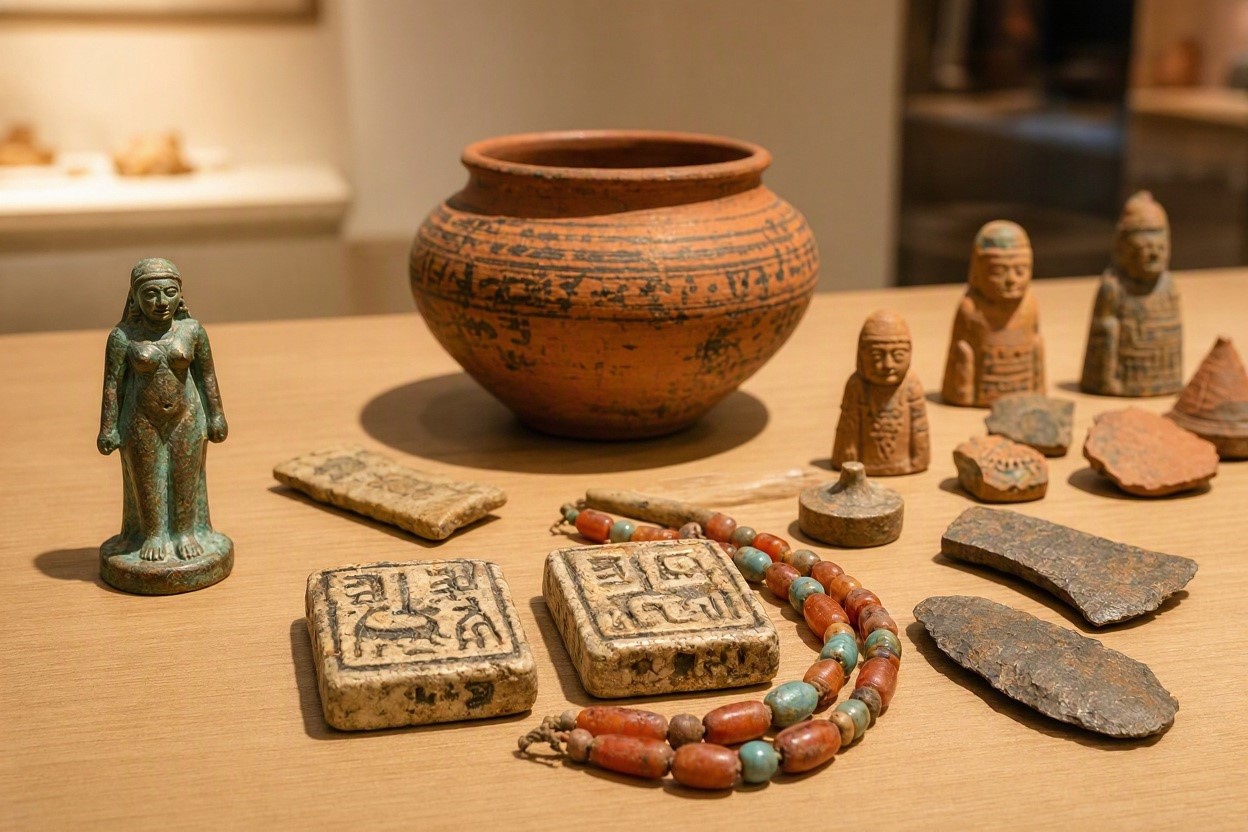
India’s ancient artifacts offer an extraordinary window into some of the world’s earliest civilizations. They reveal how people lived, what they believed, how they traded, and the remarkable artistic and technological skills they developed thousands of years ago. From finely crafted bronze sculptures and mysterious engraved seals to prehistoric rock paintings and monumental sandstone carvings, these treasures preserve stories that written history alone cannot tell.
Many of the most fascinating discoveries come from the Indus Valley Civilization, which flourished across parts of present-day India and Pakistan more than 4,000 years ago. Other remarkable objects belong to later ancient Indian kingdoms and prehistoric communities, demonstrating the extraordinary cultural diversity of the Indian subcontinent.
In this article, we explore 10 of the most remarkable ancient Indian artifacts ever discovered, examining their estimated ages, artistic features, historical importance, and the fascinating mysteries that still surround some of them.
Why Ancient Indian Artifacts Are Historically Important
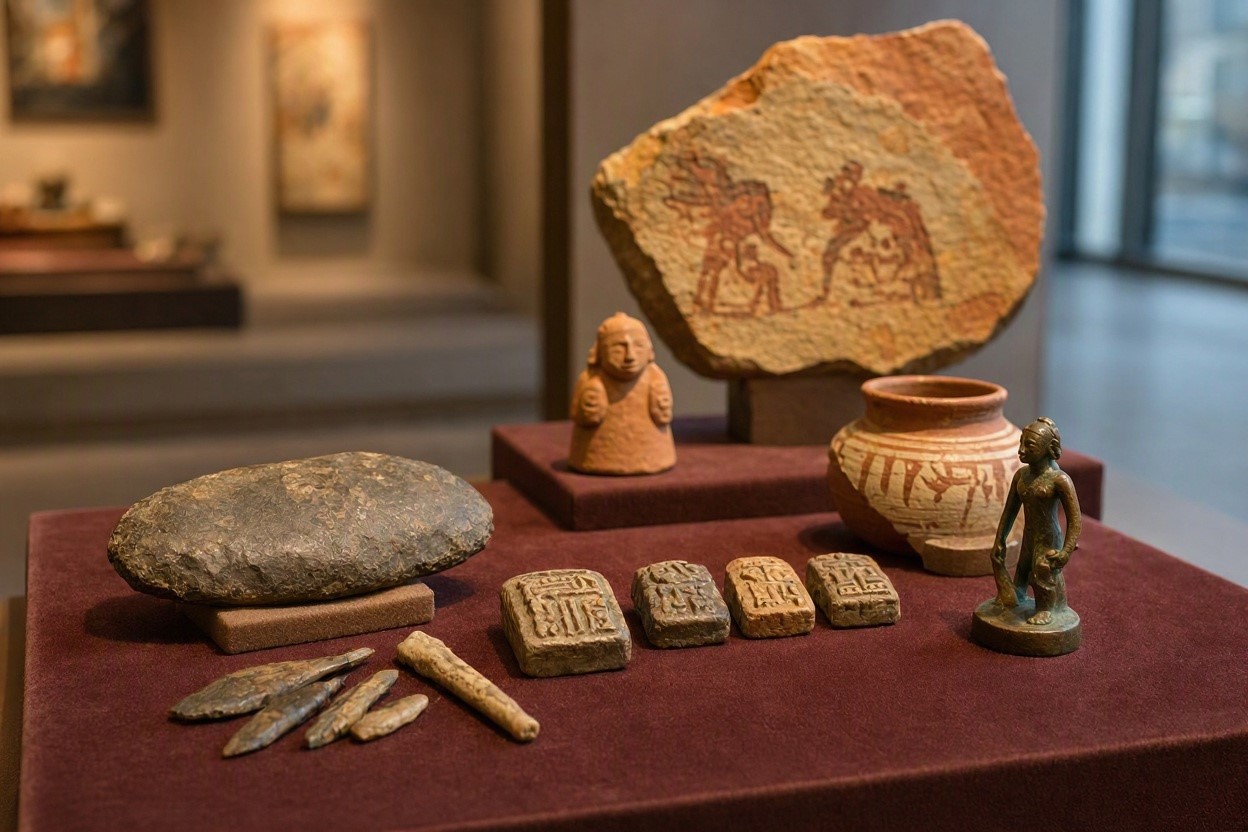
Ancient Indian artifacts are important because they provide physical evidence of civilizations that existed long before many modern countries and political boundaries were established. They help archaeologists reconstruct early societies, understand technological developments, and explore the cultural traditions of different communities.
The Indus Valley Civilization, also known as the Harappan Civilization, is particularly significant. Its inhabitants developed carefully planned cities, sophisticated drainage systems, standardized weights, specialized crafts, and extensive trading networks.
Artifacts discovered at archaeological sites such as Mohenjo-daro, Harappa, and other ancient settlements reveal impressive achievements in sculpture, pottery, metalworking, and engraving.
These discoveries also remind us that ancient history is not always completely understood. The Indus script, for example, remains undeciphered, leaving many questions about the civilization’s language, political organization, and religious beliefs unanswered.
Top 10 Most Ancient Indian Artifacts Ever Discovered
1. The Dancing Girl of Mohenjo-daro – A Bronze Masterpiece of the Indus Valley
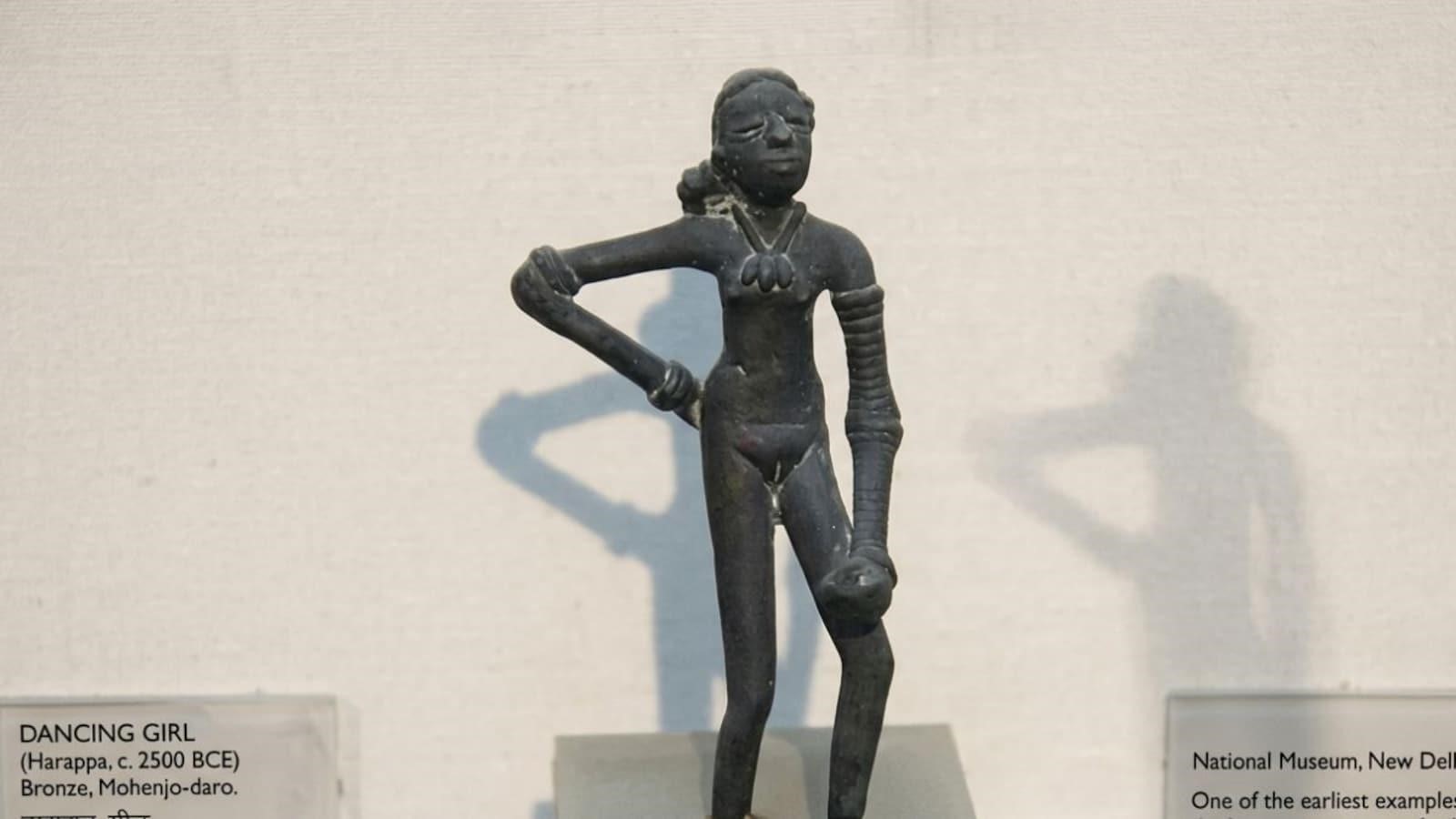
Estimated date: Around 2500 BCE
The Dancing Girl of Mohenjo-daro is one of the most recognizable masterpieces of ancient South Asian art. This small bronze figurine was discovered at Mohenjo-daro, an important urban center of the Indus Valley Civilization, and dates to approximately 2500 BCE.
Measuring only about 10.5 centimeters tall, the sculpture depicts a young female figure standing confidently with one hand resting on her hip and the other hanging naturally at her side. Her relaxed posture, carefully modeled body, and numerous bangles create a surprisingly expressive appearance.
The figurine was produced using the lost-wax casting technique, an advanced metalworking method that allowed artisans to create detailed bronze objects. Its natural pose demonstrates an impressive understanding of human movement and artistic composition.
Today, the Dancing Girl is preserved at the National Museum in New Delhi. It remains an extraordinary example of the technical and creative abilities of Indus Valley craftspeople.
2. The Priest-King Sculpture – A Mysterious Harappan Portrait
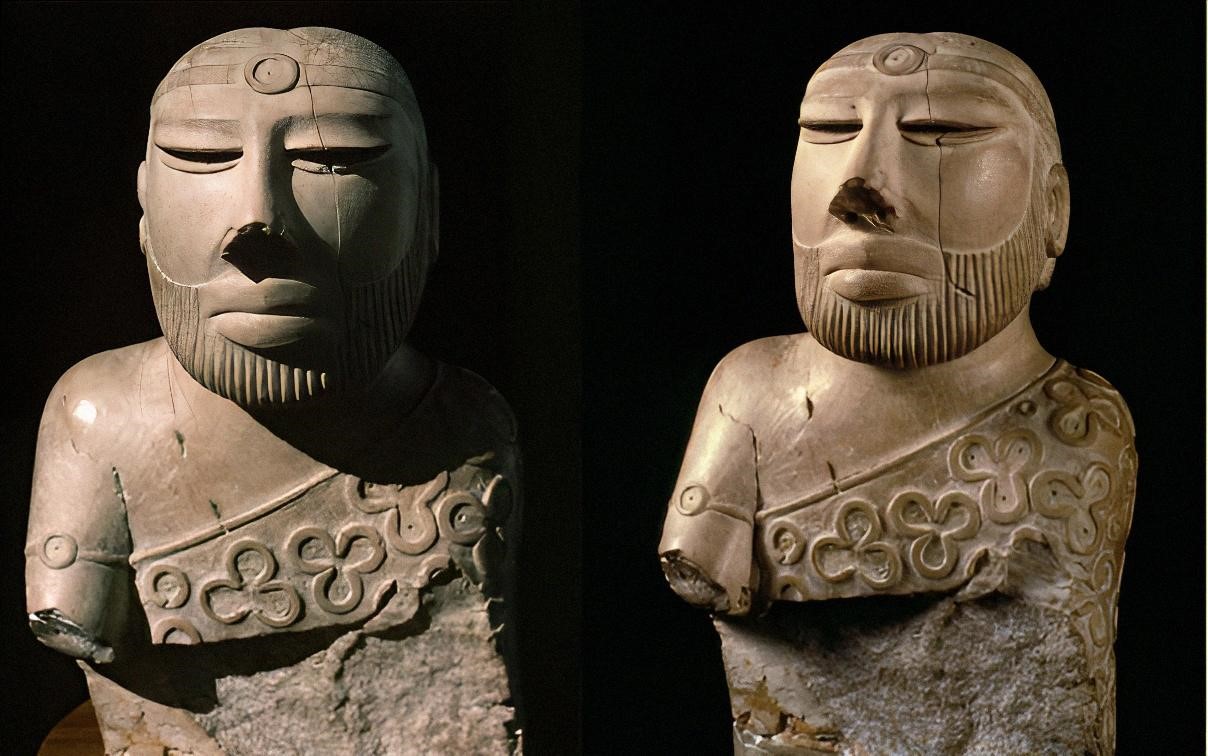
Estimated date: Around 2000–1900 BCE
The Priest-King is another famous discovery from Mohenjo-daro. This small carved steatite bust depicts a bearded man wearing a decorated garment that covers one shoulder.
The figure features carefully arranged hair, a patterned headband, and a distinctive facial expression. Its detailed decoration and composed appearance make it one of the most interesting examples of Indus Valley stone sculpture.
Despite its famous name, archaeologists have not established that the individual was actually a priest or king. The title was given because of the sculpture’s dignified appearance, but the person’s identity and social position remain unknown.
The sculpture is particularly valuable because it demonstrates the Harappan artists’ ability to create detailed human portraits using relatively small pieces of stone.
Its mysterious identity also raises fascinating questions about leadership, social hierarchy, and the representation of important individuals in ancient Indus society.
3. The Pashupati Seal – One of the Most Fascinating Indus Valley Discoveries
Estimated date: Around 2500 BCE
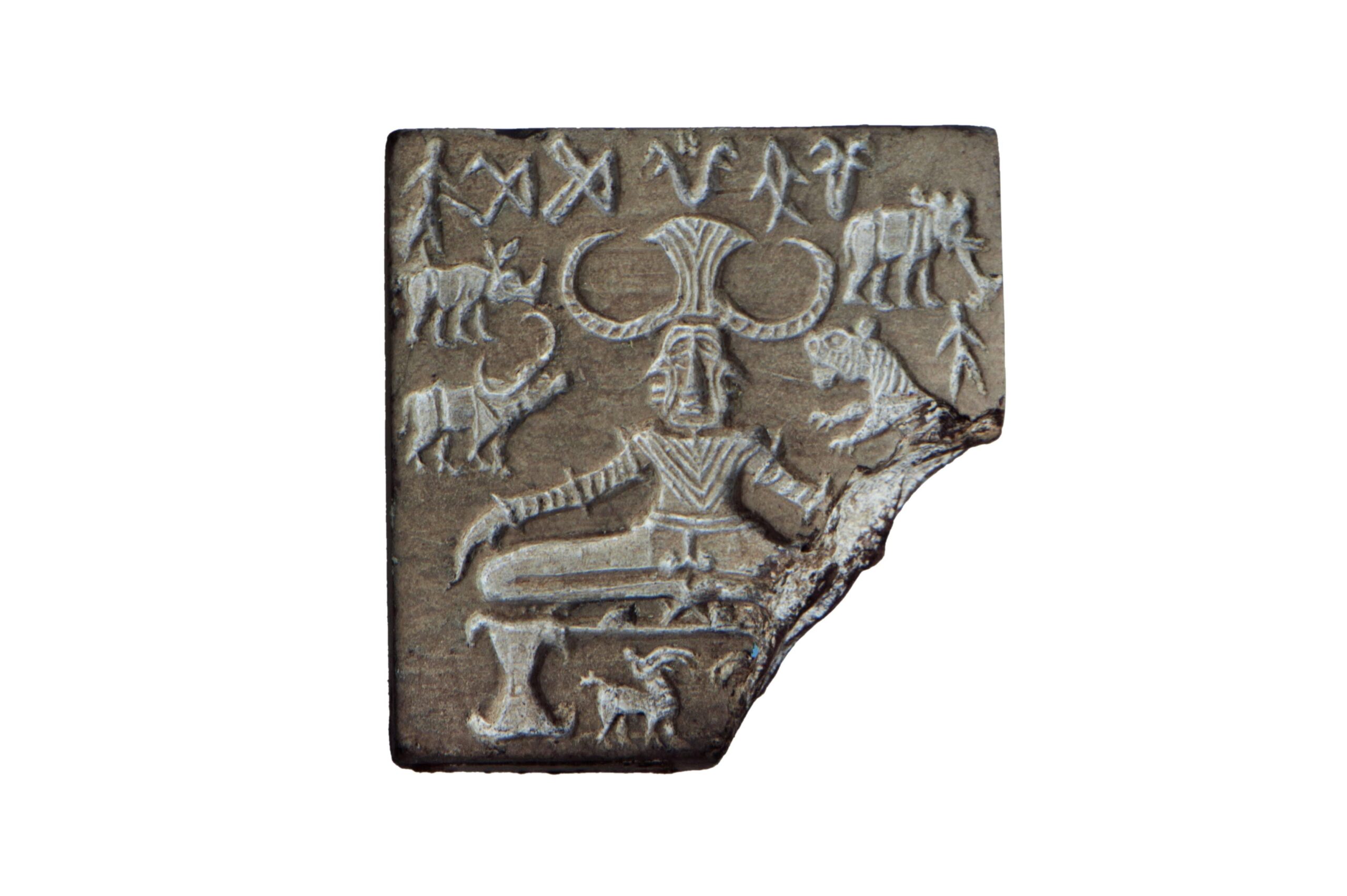
The Pashupati Seal is one of the most intriguing archaeological discoveries associated with the Indus Valley Civilization. Made from steatite, this small square seal features a horned human-like figure sitting in a cross-legged position and surrounded by several animals.
The surrounding creatures include an elephant, tiger, rhinoceros, and buffalo, while additional animal figures appear beneath the central figure.
Some researchers have interpreted the seated figure as an early representation of Shiva in his Pashupati, or Lord of Animals, aspect. However, this identification remains debated because the religious beliefs of the Indus Valley people are not fully understood.
The seal also contains several characters from the still-undeciphered Indus script.
Its importance extends beyond religious interpretations. Seals were widely used in Harappan society for identification, trade, and administrative purposes, making this object valuable evidence of the civilization’s organization and symbolic traditions.
4. The Indus Valley Unicorn Seals – Ancient Symbols of Trade and Administration
Estimated date: Around 2600–1900 BCE
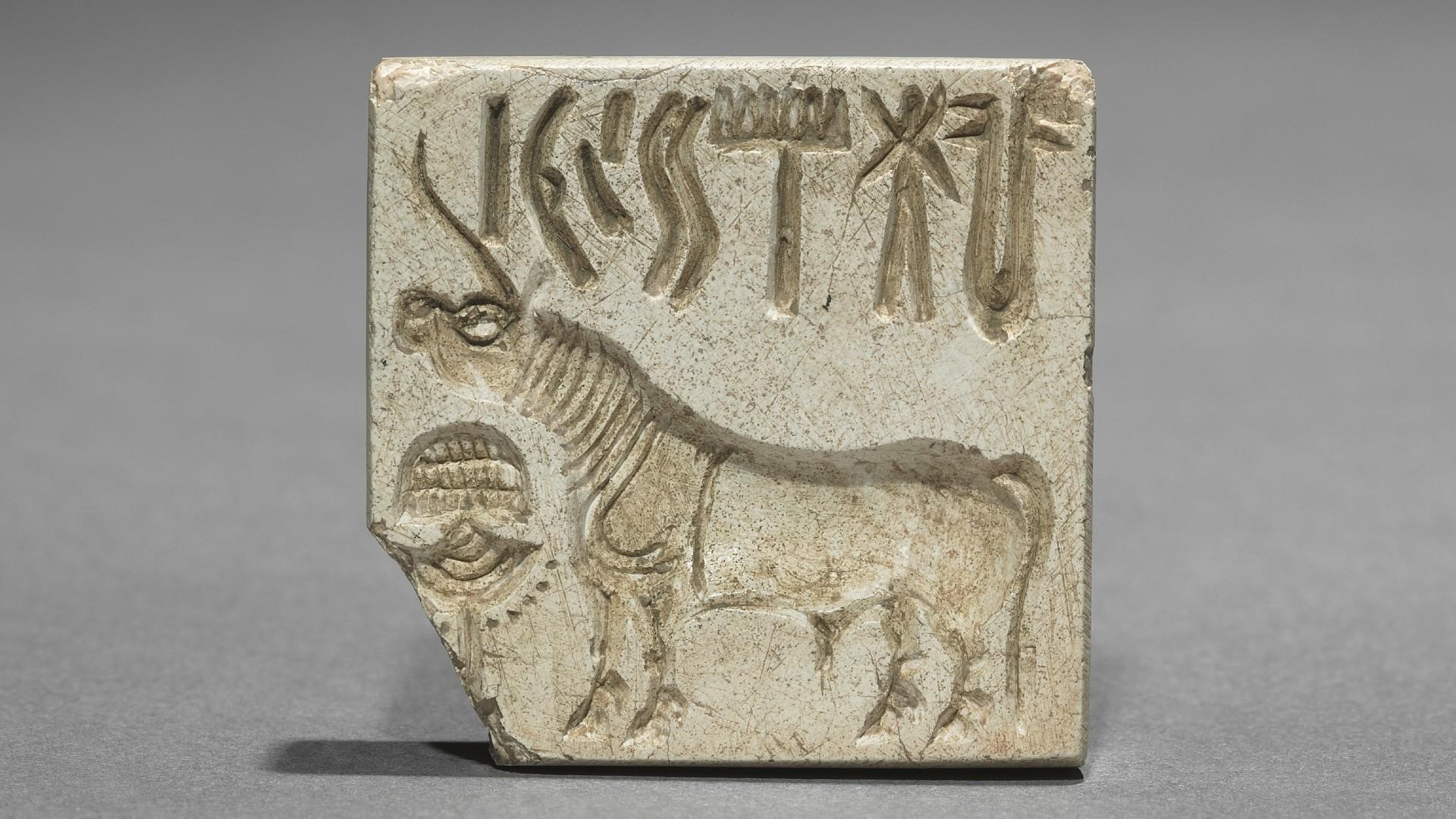
The Indus Valley unicorn seals are among the most recognizable objects produced by the Harappan civilization. These small square stone seals typically feature a mysterious one-horned animal accompanied by short inscriptions in the Indus script.
Although the creature is traditionally called a unicorn, it is not necessarily the mythical animal known from later European traditions. Its appearance is part of a distinctive artistic style that frequently included carefully carved animals and symbolic objects.
Most of these seals were made from steatite, which artisans shaped, engraved, and treated to create durable surfaces.
Archaeologists believe such seals were used to mark merchandise, identify individuals or groups, and manage commercial transactions. Their impressions could be pressed into clay attached to packages and containers.
The repeated appearance of the unicorn motif across different Harappan settlements suggests that it held considerable cultural or administrative importance.
These artifacts provide fascinating evidence of the Indus civilization’s organized trade networks and sophisticated craftsmanship.
5. Harappan Terracotta Female Figurines – Glimpses of Ancient Beliefs
Estimated date: Around 2700–2100 BCE
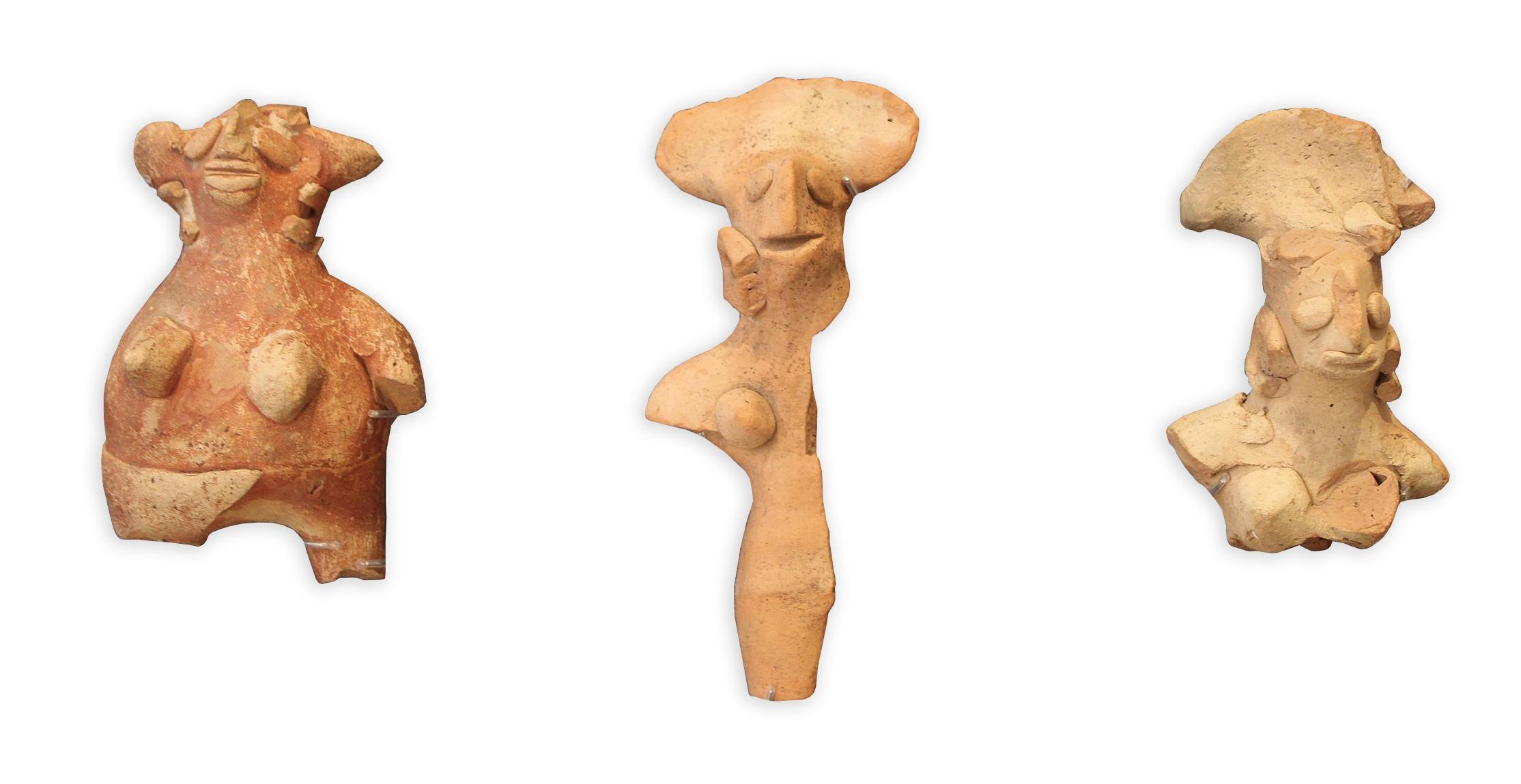
Terracotta female figurines are among the fascinating discoveries made at Indus Valley archaeological sites. These handmade clay sculptures often feature elaborate headdresses, decorative necklaces, and carefully modeled facial and body details.
Some examples have been traditionally described as Mother Goddess figures, leading to suggestions that they may have been connected with fertility, motherhood, or household religious practices.
However, their exact purpose remains uncertain. Not every female figurine necessarily represented a goddess, and researchers continue to examine their possible domestic, symbolic, and ritual functions.
Their construction also reveals the impressive skills of ancient pottery workers. Artisans shaped the clay, added decorative elements, and fired the finished figures to make them more durable.
These figurines offer valuable insights into the artistic traditions and possible belief systems of one of the earliest urban civilizations in South Asia.
6. The Harappan Bronze Animal Figurines – An Example of Early Metalworking
Estimated date: Third millennium BCE
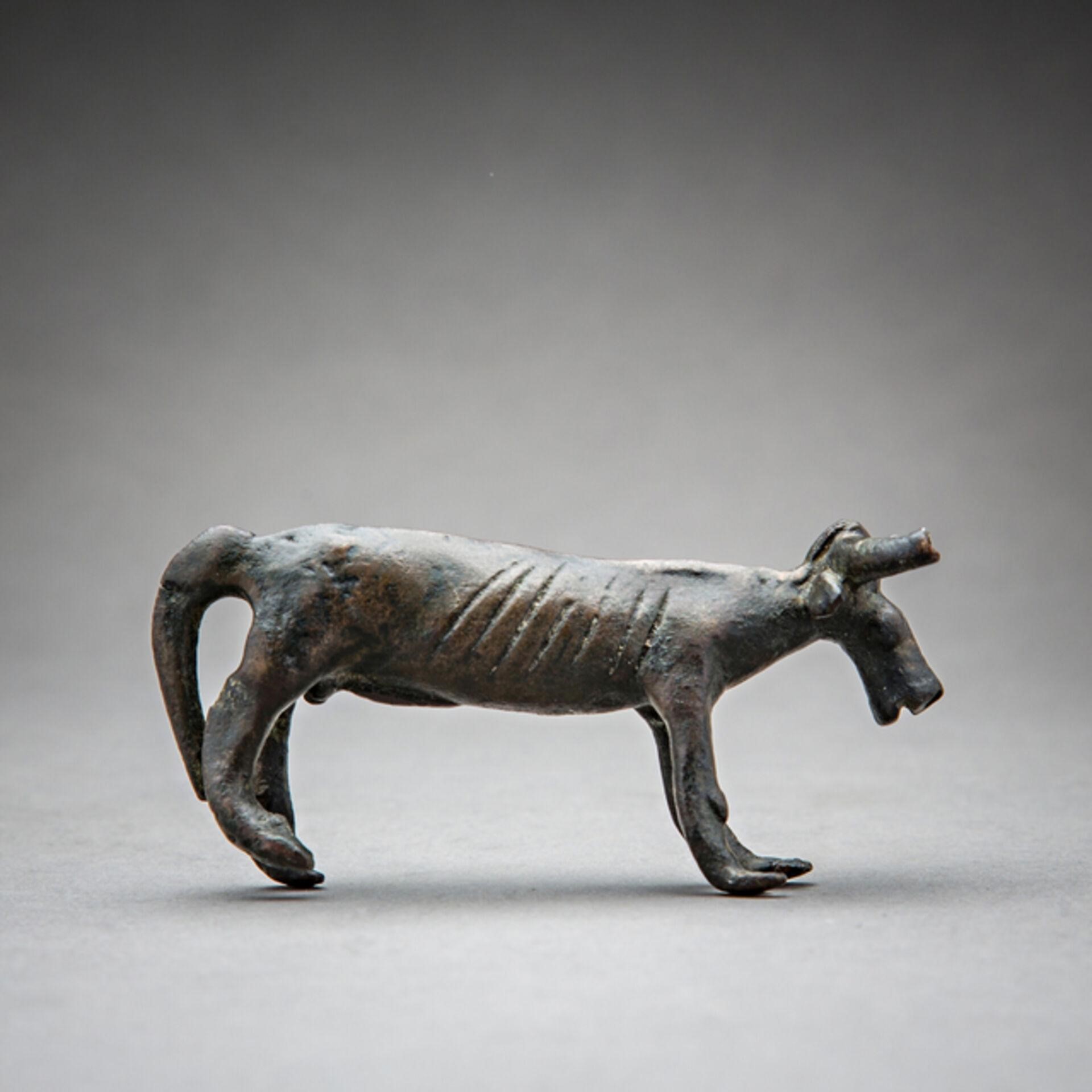
Bronze animal figurines are another remarkable example of the artistic achievements of the Indus Valley Civilization. Harappan craftspeople produced small animal sculptures that demonstrate their ability to work with metal and reproduce recognizable natural forms.
Bulls were particularly important in Indus Valley imagery, appearing frequently on seals, pottery, and other objects. Their strong bodies, distinctive horns, and recognizable shapes made them popular subjects for ancient artists.
Creating bronze objects required considerable technical knowledge. Artisans needed to understand how to prepare metal, construct molds, and control the casting process to produce the desired shape.
These animal representations are valuable because they provide clues about the relationship between ancient communities and their surrounding environment. They also demonstrate that Harappan metalworkers were capable of producing more than practical tools and household objects.
Their craftsmanship reflects the specialization and artistic sophistication that characterized this ancient civilization.
7. The Daimabad Bronze Chariot – A Remarkable Prehistoric Discovery
Estimated date: Approximately 1800–1200 BCE; the exact chronology remains debated
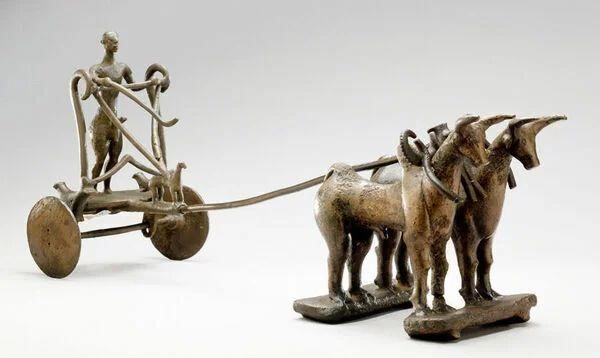
The Daimabad bronze chariot is one of the most extraordinary prehistoric metal discoveries in India. It belongs to a remarkable collection of copper and bronze objects discovered at Daimabad, an archaeological site in Maharashtra.
The famous composition depicts a human figure standing in a wheeled vehicle pulled by two bulls. Other objects in the same hoard include representations of an elephant, rhinoceros, and buffalo.
What makes this discovery particularly interesting is its size and artistic construction. Unlike the small seals and figurines commonly associated with the Indus Valley, these objects demonstrate a different level of metalworking and sculptural ambition.
The chariot-like vehicle has simple circular wheels, while the bulls are represented with strong bodies and carefully modeled forms.
The precise function of these objects remains uncertain. They may have served as ceremonial objects, symbolic representations, or possibly toys, although their original purpose has not been conclusively established.
The Daimabad discoveries are important because they reveal the diversity of prehistoric cultures and metalworking traditions across the Indian subcontinent.
8. The Lion Capital of Ashoka – A Symbol of Ancient Indian Power
Estimated date: Around 250 BCE
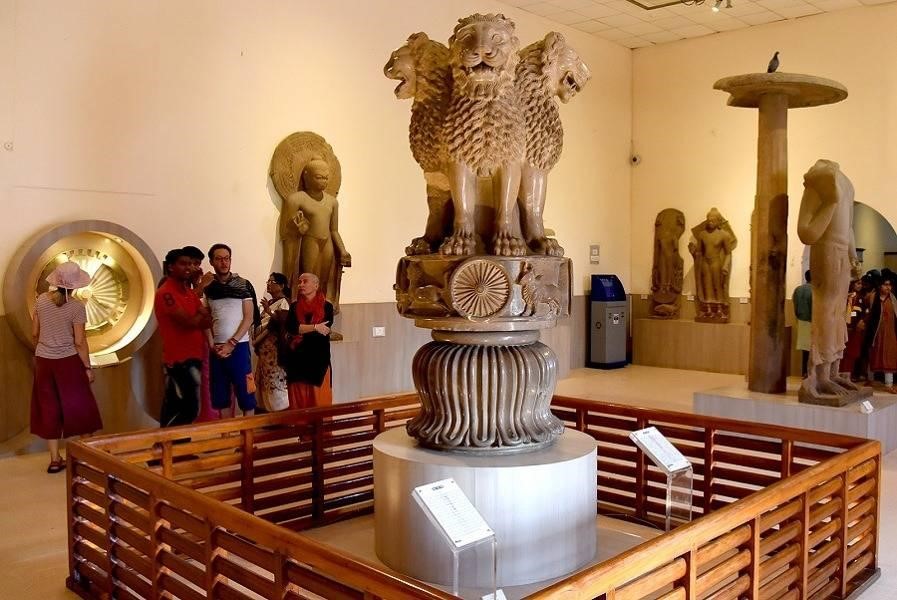
The Lion Capital of Ashoka is one of the most celebrated masterpieces of ancient Indian sculpture. Created during the reign of Emperor Ashoka in the third century BCE, it originally crowned an Ashokan pillar at Sarnath, near Varanasi.
The sculpture features four magnificent lions standing back-to-back, facing the four cardinal directions. Beneath them is a circular abacus decorated with animals, including a horse, bull, elephant, and lion, separated by representations of the Dharma Chakra.
The lions symbolize strength, authority, and the spread of Buddhist teachings. The sculpture’s highly polished sandstone surface demonstrates the remarkable technical abilities of Mauryan artisans.
The Lion Capital has enormous historical and cultural importance because it became the inspiration for India’s national emblem. The Ashoka Chakra also appears at the center of the Indian national flag.
Today, the original sculpture is preserved at the Archaeological Museum in Sarnath. It remains one of the finest surviving examples of Mauryan art and an enduring symbol of India’s ancient heritage.
9. The Didarganj Yakshi – An Extraordinary Sandstone Sculpture
Estimated date: Traditionally associated with the Mauryan period; its exact dating is debated
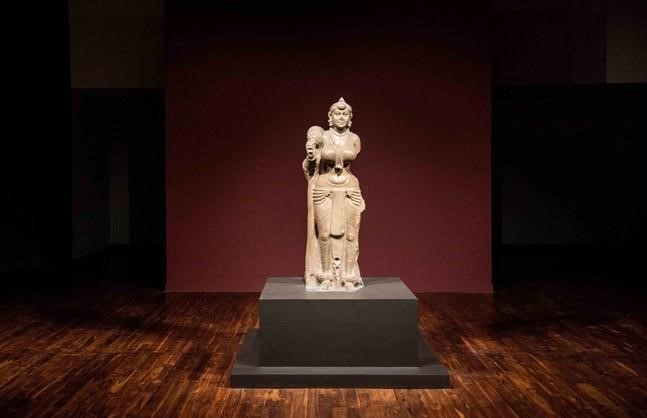
The Didarganj Yakshi is one of the most impressive examples of ancient Indian stone sculpture. Discovered in Didarganj, near Patna in Bihar, this magnificent female figure is carved from polished sandstone and holds a fly-whisk in her right hand.
The sculpture is admired for its elegant proportions, carefully modeled body, decorative jewelry, and remarkably smooth surface. Its polished finish is particularly striking because it reflects the sophisticated stone-working techniques developed by ancient Indian artisans.
The figure is traditionally associated with the Yakshi tradition, which represents female nature spirits connected with fertility, abundance, and prosperity in ancient Indian religious and artistic traditions.
Its dating, however, has been the subject of scholarly debate. Although it has traditionally been assigned to the Mauryan period, some researchers have suggested a later date.
Regardless of its precise chronology, the Didarganj Yakshi remains an extraordinary artistic achievement and an important example of India’s early sculptural heritage.
10. The Bhimbetka Rock Paintings – Windows into Prehistoric Life
Estimated dates: Prehistoric paintings extending from the Mesolithic period into later historical times
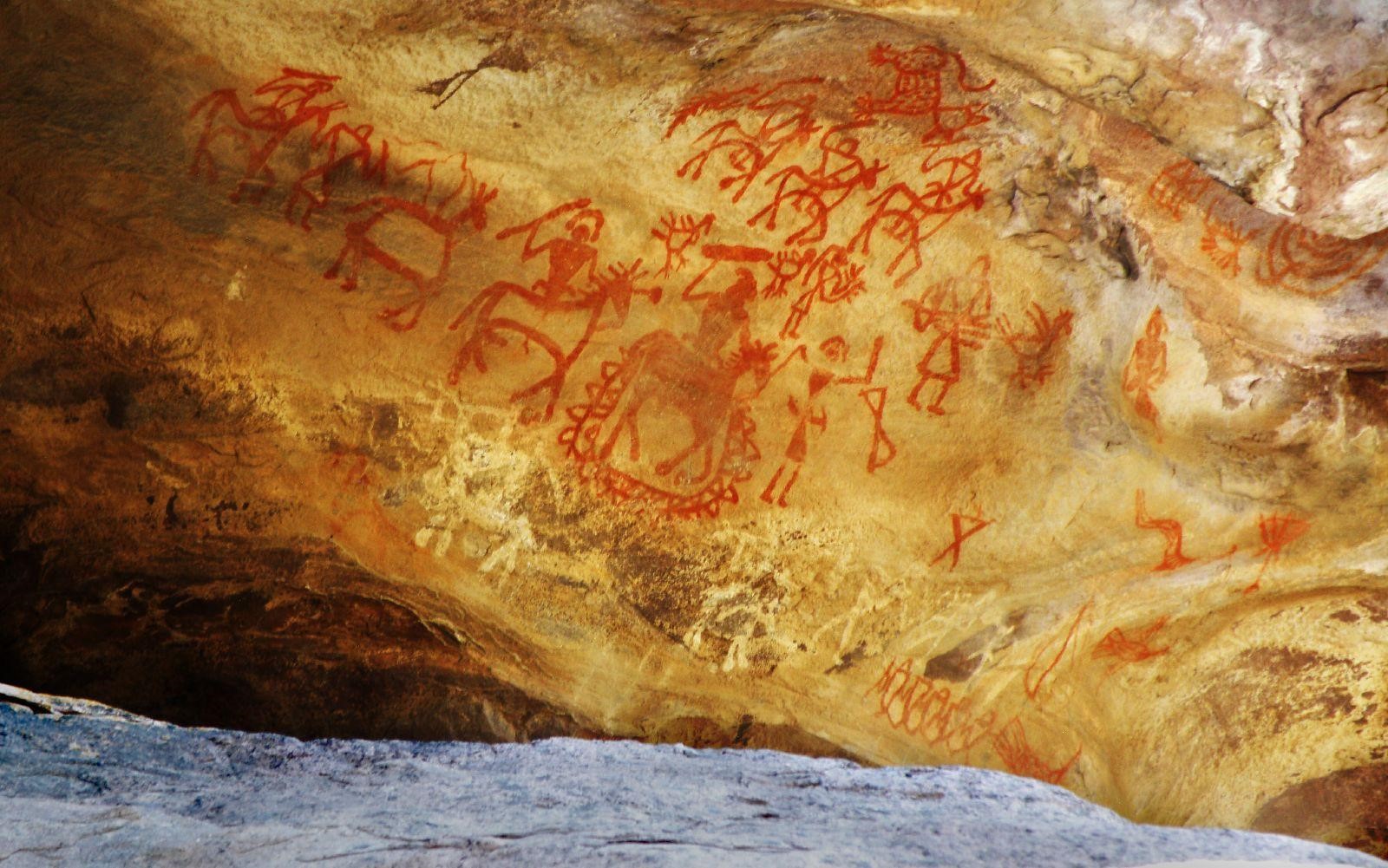
The Bhimbetka Rock Paintings are among the most fascinating examples of prehistoric artistic expression in India. Located in Madhya Pradesh, the Bhimbetka Rock Shelters contain hundreds of painted rock surfaces that preserve scenes from different periods of human history.
These paintings depict animals, hunting activities, group dances, musical performances, and everyday community life. Their subjects provide a fascinating glimpse into the experiences, interests, and surroundings of prehistoric people.
Artists used natural pigments, particularly red and white, to create images that have survived for remarkable lengths of time.
One of the most interesting aspects of Bhimbetka is the variety of artistic styles found across its shelters. The paintings were created over many different periods rather than during a single historical moment.
The site is recognized as a UNESCO World Heritage Site because of its exceptional archaeological and cultural significance. It demonstrates the long relationship between humans and their natural environment while preserving some of the most important prehistoric rock art in South Asia.
What Ancient Indian Artifacts Reveal About Early Civilizations
These extraordinary discoveries reveal much more than the artistic abilities of ancient craftspeople. They provide valuable evidence about how early communities organized their societies, developed technologies, and expressed their cultural identities.
Art, Craftsmanship, and Ancient Technology
Ancient Indian artifacts demonstrate impressive technological achievements. The Dancing Girl, for example, highlights the use of sophisticated bronze-casting techniques, while Harappan seals reveal the precision of stone engraving.
The polished surfaces of Mauryan sculptures demonstrate advanced stone-working skills, while the Daimabad bronze objects reflect the development of metalworking traditions beyond the major Indus Valley cities.
These discoveries show that ancient Indian artisans possessed specialized knowledge and developed different techniques to create objects for practical, decorative, and symbolic purposes.
Religion, Culture, Trade, and Everyday Life
Artifacts also provide clues about ancient beliefs and social practices. The Pashupati Seal and terracotta figurines have encouraged researchers to investigate the possible religious traditions of the Indus Valley people.
Meanwhile, animal sculptures, pottery, and decorative objects reveal the importance of nature, craftsmanship, and everyday activities.
The widespread discovery of Indus seals and their impressions also provides evidence of organized commercial exchanges. Archaeological findings demonstrate that Harappan communities participated in trade networks extending beyond their immediate settlements, including connections with Mesopotamia.
Together, these discoveries help historians understand the complexity and diversity of early South Asian societies.
Where Are These Ancient Indian Artifacts Preserved Today?
Many remarkable ancient Indian artifacts are preserved in museums and archaeological institutions, where specialists study, conserve, and display them.
Some important examples include:
National Museum, New Delhi: Preserves famous Indus Valley objects, including the Dancing Girl and Pashupati Seal.
Archaeological Museum, Sarnath: Houses the original Lion Capital of Ashoka.
Bihar Museum and other Bihar museum collections: Preserve important examples of ancient sculpture and archaeological heritage, including material associated with the Didarganj Yakshi.
British Museum, London: Holds several Indus Valley seals, including examples featuring the famous unicorn motif.
Metropolitan Museum of Art, New York: Preserves important Indus Valley stamp seals and other ancient South Asian objects.
These institutions help protect archaeological treasures and make them accessible to researchers, students, and visitors interested in ancient history.
How Archaeologists Determine the Age of Ancient Artifacts
Determining the age of an ancient artifact is an important part of archaeological research. Experts use several scientific and historical methods to establish when an object was created and how it relates to other discoveries.
One common method is radiocarbon dating, which can estimate the age of organic materials such as charcoal, wood, and bone. Although it cannot directly date most stone or metal artifacts, associated organic remains can help establish the chronology of an archaeological site.
Archaeologists also use stratigraphy, which involves examining the different layers of soil and archaeological deposits where objects are discovered. Objects found in deeper, undisturbed layers are generally older than those found above them.
Other techniques include studying pottery styles, inscriptions, manufacturing methods, and comparisons with objects from securely dated archaeological sites.
Using several methods together allows researchers to develop more reliable historical timelines while acknowledging that some discoveries, such as the Didarganj Yakshi, still have debated dates.
Final Thoughts on India’s Extraordinary Ancient Heritage
The most remarkable ancient Indian artifacts are valuable reminders of the creativity, knowledge, and cultural achievements of early civilizations. From the expressive bronze Dancing Girl and mysterious Pashupati Seal to the monumental Lion Capital of Ashoka and prehistoric Bhimbetka paintings, each discovery tells a different story about the past.
These treasures reveal the development of artistic techniques, early trade networks, religious traditions, and sophisticated technologies across the Indian subcontinent.
Although many questions remain unanswered, particularly about the Indus Valley script and the precise purpose of certain objects, archaeological discoveries continue to expand our understanding of ancient history.
Preserving these extraordinary artifacts ensures that future generations can explore and appreciate the remarkable heritage of one of the world’s oldest cultural regions.