
In an increasingly interconnected yet often turbulent world, a noticeable shift is occurring in how individuals navigate their daily lives and relationships. This article explores the growing societal preference for tranquility over confrontation, examining why a drama-free existence is becoming a highly valued aspiration.
The Surprising Shift Toward a Drama-Free Life
Modern society is witnessing a surprising pivot, with many individuals actively choosing calm over conflict, leading to a palpable decline in the tolerance for unnecessary drama. This profound cultural change reflects a collective desire for greater emotional stability and personal well-being.

Why “Protecting Your Peace” Has Become a Modern Motto
The phrase “protecting your peace” has evolved into a powerful modern motto, signifying a deliberate and conscious effort to minimize turmoil and emotional strain in one’s life. People are increasingly recognizing the profound impact of constant drama on their mental health.
How Society’s Relationship With Conflict Is Changing
Society’s relationship with conflict is undergoing a significant transformation, moving away from a culture that might have once tolerated or even inadvertently celebrated dramatic people or the creation of drama. There’s a growing understanding that not all conflict is productive.
The Growing Appeal of Emotional Stability in an Uncertain World
In a world characterized by uncertainty, the appeal of emotional stability has never been stronger, making a drama-free existence a highly sought-after state. Individuals are actively seeking ways to quell the emotional abuse and constant strain that unnecessary drama can bring.
What Does “Drama” Really Mean in Today’s Society?
While many people say they hate drama, its precise definition in contemporary society often remains nebulous, encompassing everything from minor misunderstandings to major crises. Understanding its nuances is crucial for fostering healthier interactions.
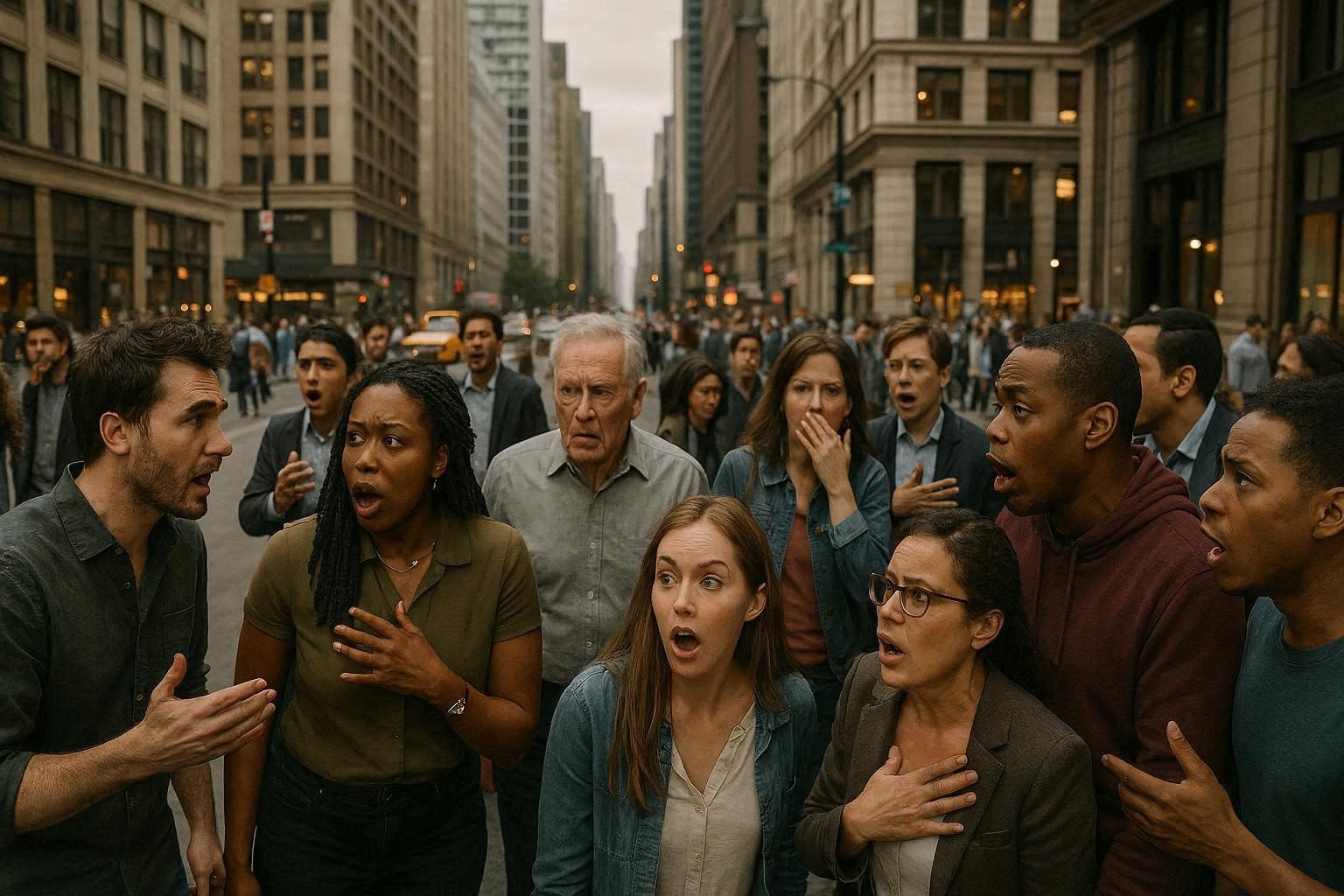
The Difference Between Healthy Conflict and Unnecessary Drama
It’s crucial to differentiate between healthy conflict, which involves constructive disagreement, and unnecessary drama, which often serves no purpose beyond creating tension and fueling gossip. Healthy discussions can lead to growth, unlike the latter.
Common Sources of Personal, Workplace, and Online Drama
Drama often arises from various sources, creating complex situations.
| Environment | Common Sources of Drama |
|---|---|
| Personal | Personality disorder traits |
| Workplace | Power struggles, gossip |
| Online | Misunderstandings |
Why Drama Feels More Exhausting Than Ever Before
The relentless pace of modern life, coupled with information overload, makes drama feel more exhausting than ever, as people have less mental bandwidth to tolerate constant emotional turmoil. Many are no longer willing to walk on eggshells to avoid upsetting others.
The Rise of the Calm-First Mindset
A “calm-first” mindset is rapidly gaining traction, prioritizing tranquility and emotional equilibrium above all else. This approach encourages individuals to proactively manage their emotional states and interactions, stepping back from potential sources of drama.

Why People Are Prioritizing Peace Over Being Right
In a significant shift, more people are prioritizing peace over the need to always be right, recognizing that constantly engaging in arguments, even when justified, can lead to unnecessary stress. This involves a conscious choice to disengage from trivial disputes.
The Shift From Reactive Living to Intentional Living
There is a noticeable shift from reactive living, where individuals often found themselves caught in other people’s problems, to intentional living, where they actively choose their emotional landscape. This means making deliberate choices to avoid a former friend or setting boundaries.
How Emotional Self-Control Became a Modern Strength
Emotional self-control has emerged as a crucial modern strength, allowing individuals to navigate complex social situations without escalating into unnecessary drama. This involves the ability to regulate one’s reactions and avoid being addicted to drama.
Mental Health Awareness and the Decline of Drama Culture
Increased mental health awareness has significantly contributed to the decline of drama culture, as individuals become more attuned to the psychological impact of constant emotional upheaval. Society is collectively recognizing that engaging in or being subjected to drama carries a substantial emotional toll.
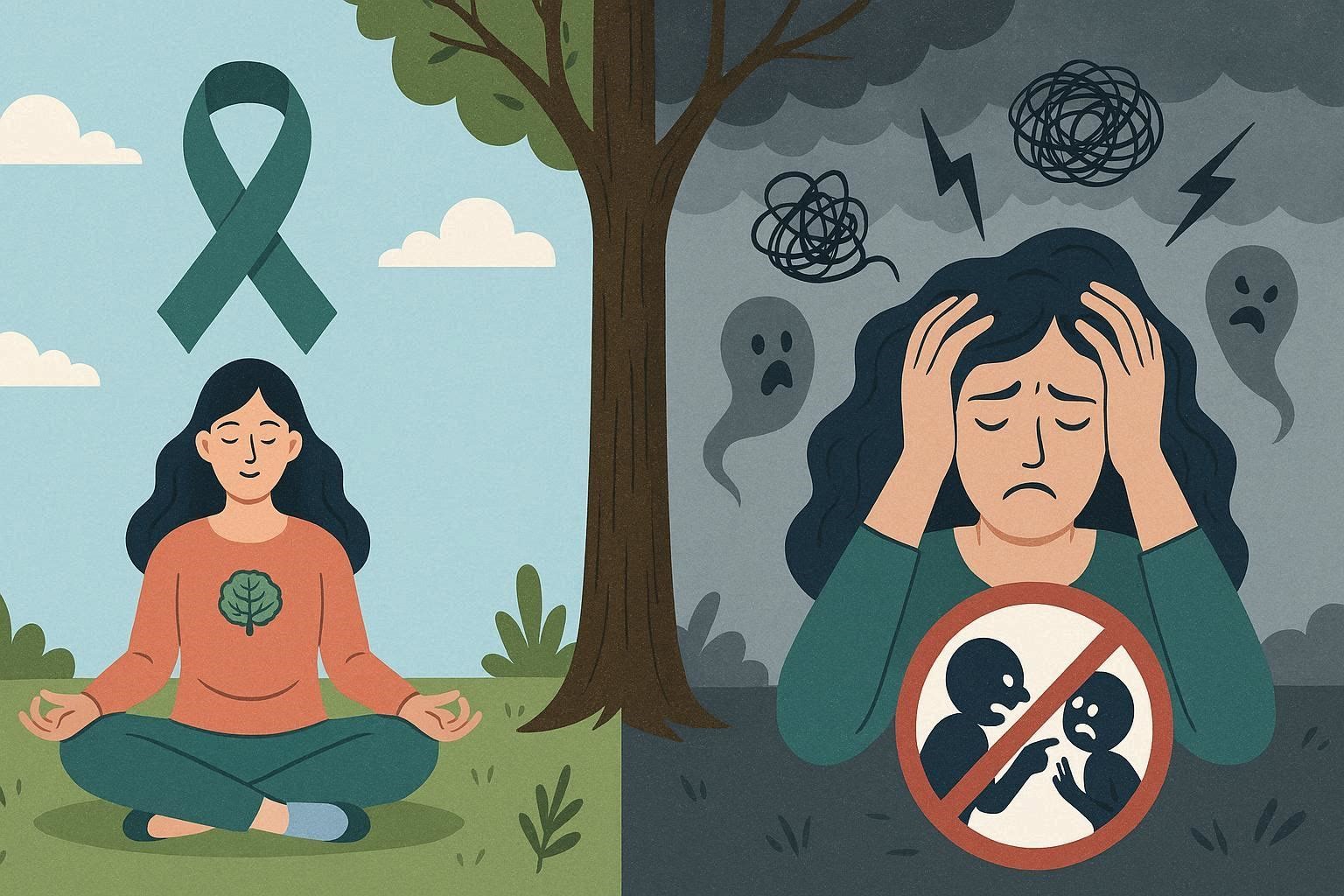
Understanding the Emotional Cost of Constant Conflict
Understanding the emotional cost of constant conflict is paramount; it can lead to chronic stress, anxiety, and even depression, making people increasingly unwilling to tolerate unnecessary drama in their lives. The toll on mental well-being is a powerful motivator for seeking peace.
How Therapy and Self-Development Changed Public Attitudes
Therapy and self-development have profoundly changed public attitudes, encouraging individuals to identify and address unhealthy patterns, including being addicted to drama or inadvertently creating drama. This focus on personal growth helps people step back from chaotic situations.
The Link Between Stress Reduction and Drama Avoidance
The clear link between stress reduction and drama avoidance is evident, as minimizing exposure to conflict directly improves mental and physical health. Many individuals are now prioritizing a drama-free environment to achieve a more calm and steady state.
Why Younger Generations Are Redefining Relationships
Younger generations are actively redefining relationships, placing a strong emphasis on emotional well-being and clear boundaries, which naturally leads to less tolerance for people’s drama. This shift prioritizes authentic connection over superficial interactions.

The Rise of Emotional Boundaries and Self-Respect
The rise of emotional boundaries and self-respect is a hallmark of younger generations, who are less inclined to allow others to create drama or engage in emotional abuse. They understand that protecting their peace is a non-negotiable aspect of healthy relationships.
Why Toxic Friendships and Relationships Are Losing Acceptance
Toxic friendships and relationships are rapidly losing acceptance because younger individuals recognize their detrimental impact on mental health, making them less willing to walk on eggshells. They are actively disengaging from sources of drama and prioritizing genuine connections.
Choosing Emotional Safety Over Social Obligation
Choosing emotional safety over social obligation means younger people are more willing to cut ties with a former friend or disengage from situations that fuel drama, even if it means defying traditional social pressures. They refuse to validate unhealthy dynamics.
The Role of Social Media in Changing Attitudes Toward Conflict
Social media plays a dual role in changing attitudes toward conflict; while it can sometimes escalate misunderstandings, it has also highlighted the sheer exhaustion of public feuds, pushing users toward content that promotes peace.

From Public Feuds to Digital Fatigue
The transition from public feuds to widespread digital fatigue signifies that the spectacle of online drama no longer holds the same appeal, with many users feeling overwhelmed by constant negativity. People are increasingly weary of watching others spiral into complex arguments.
Why Online Arguments No Longer Feel Worth the Energy
Online arguments no longer feel worth the energy for many, as the fleeting satisfaction of being “right” is outweighed by the stress and mental drain of constant digital conflict. People say they hate drama, especially when it spills into their digital lives.
The Popularity of Content Focused on Healing, Growth, and Peace
The surging popularity of content focused on healing, growth, and peace reflects a collective yearning for positive engagement, a direct counter to the pervasive drama that once dominated online spaces. This trend shows a clear desire to step back from conflict.
How Burnout Is Making People Less Tolerant of Drama
Widespread burnout, exacerbated by the demands of modern life, is significantly reducing people’s tolerance for drama, as their mental bandwidth for managing additional stress is severely limited. Individuals simply lack the energy to engage with or quell unnecessary emotional turmoil.

The Emotional Impact of Information Overload
The emotional impact of information overload leaves individuals with less capacity to process or engage with people’s drama, leading to a heightened desire for simplicity and calm. Their minds are already saturated, making any additional complexity undesirable.
Work Stress, Economic Pressures, and Limited Mental Bandwidth
Compounded by work stress and economic pressures, people have limited mental bandwidth, making them particularly sensitive to any source of drama. They simply cannot afford to invest emotional energy into situations that don’t contribute positively to their lives.
Why People Are Conserving Their Emotional Energy
People are actively conserving their emotional energy, strategically choosing to disengage from situations or individuals who tend to create drama, viewing it as a precious resource in their already demanding lives. The idea of being a drama queen is less acceptable.
The Psychology Behind Avoiding Unnecessary Conflict
The psychology behind actively avoiding unnecessary conflict reveals a deep-seated human desire for stability and peace, driven by an understanding of how drama impacts well-being. This shift reflects a move towards more conscious emotional regulation.

Emotional Intelligence and Better Decision-Making
Emotional intelligence plays a pivotal role in fostering better decision-making, enabling individuals to recognize the futility of unnecessary drama and choose a more constructive path. It helps in stepping back from situations that could escalate into major crises or perpetuate people’s problems.
The Science of Stress Responses and Conflict Avoidance
The science of stress responses clarifies why conflict avoidance is a natural, often healthy, mechanism; constant exposure to drama triggers fight-or-flight, draining mental and physical resources. People are learning to quell these responses by removing sources of drama, leading to a more calm and steady state.
Why Calm Communication Produces Better Outcomes
Calm communication consistently produces better outcomes than dramatic confrontations, fostering mutual understanding and respect rather than fueling gossip or misunderstandings. This approach helps individuals avoid being addicted to drama, encouraging responsible interaction and reducing emotional abuse.
The New Status Symbol: Peace of Mind
Peace of mind has emerged as the new status symbol, surpassing material wealth or social standing in its desirability, signifying a profound cultural shift. It reflects a choice for a drama-free life, prioritizing inner tranquility above all else.

How Success Is Being Redefined Beyond Wealth and Status
Success is being redefined beyond mere wealth and status, with an emphasis on emotional richness, mental clarity, and the absence of unnecessary drama. Individuals increasingly validate their worth through internal calm, rather than external accolades.
Why Mental Clarity Is Becoming a Measure of Quality of Life
Mental clarity is increasingly becoming a core measure of quality of life, as people seek to minimize the cognitive load imposed by people’s drama and external pressures. A drama-free existence allows for clearer thought and a greater sense of purpose, ensuring individuals don’t spiral into self-deception.
The Growing Value of a Low-Drama Social Circle
The growing value of a low-drama social circle underscores a preference for authentic, supportive relationships free from the chaos that dramatic people can introduce. People actively choose to prune old friendships if they become a consistent source of drama.
How Boundaries Are Transforming Modern Relationships
Boundaries are transforming modern relationships by establishing clear expectations and limits, which are non-negotiable for maintaining emotional health and preventing the creation of drama. This ensures that personal peace is actively protected.

Learning to Say No Without Guilt
Learning to say no without guilt is a powerful tool in managing relationships, preventing over-commitment and protecting oneself from people’s problems or individuals who like drama. It’s about taking responsibility for one’s own well-being, rather than trying to please everyone.
Recognizing and Avoiding Emotional Manipulation
Recognizing and avoiding emotional manipulation is critical for fostering healthy connections, as manipulation often lies at the heart of much relationship drama. Being able to spot these tactics helps individuals step back from potentially harmful dynamics, protecting their calm and steady state.
Building Relationships Based on Respect and Trust
Building relationships based on respect and trust inherently reduces the likelihood of drama, as genuine connections are less prone to misunderstandings or the need to fuel gossip. These foundations are essential for a drama-free and supportive social environment.
The Workplace Shift Toward Less Conflict and More Collaboration
The workplace is undergoing a significant shift toward less conflict and more collaboration, as organizations recognize the detrimental impact of internal drama on productivity and employee well-being. This fosters an environment where a drama queen is not tolerated.

Why Emotional Intelligence Matters More Than Ever at Work
Emotional intelligence matters more than ever at work because it equips employees to navigate complex interpersonal dynamics without escalating into unnecessary drama or allowing minor issues to become major crises. It promotes understanding and effective conflict resolution.
The Rise of Healthy Communication in Professional Environments
The rise of healthy communication in professional environments actively mitigates the potential for people’s drama, fostering clarity, respect, and mutual understanding. This proactive approach helps to quell misunderstandings before they spiral out of control.
How Companies Benefit From Reducing Workplace Drama
Companies benefit significantly from reducing workplace drama through improved morale, increased productivity, and a more positive organizational culture. A drama-free environment ensures employees can focus on their tasks, rather than being distracted by office politics or gossip.
The Hidden Risks of Avoiding All Conflict
While the pursuit of a drama-free life offers significant benefits, it’s crucial to acknowledge the hidden risks associated with completely avoiding all conflict. Not every disagreement is a source of drama; some are necessary for growth.

When Peacekeeping Becomes People-Pleasing
Peacekeeping can inadvertently morph into people-pleasing, where individuals suppress their own needs and opinions to avoid confrontation, creating drama internally rather than externally. This can lead to resentment and a lack of authentic connection over time.
Why Difficult Conversations Are Still Necessary
Difficult conversations are still necessary because they address underlying issues, prevent misunderstandings from festering, and allow for healthy relationship development, even if they initially feel like they could escalate into major crises. Avoiding them can perpetuate people’s problems.
Finding the Balance Between Boundaries and Avoidance
Finding the delicate balance between setting healthy boundaries and outright avoidance is key; boundaries protect your peace, while complete avoidance can lead to unresolved issues and a reluctance to take responsibility when needed, creating a different type of drama.
Lifestyle Trends Fueling the Move Away From Drama
Several contemporary lifestyle trends are actively fueling the societal move away from drama, emphasizing personal well-being, intentional living, and a conscious reduction of external stressors. These trends provide practical frameworks for a calmer existence.

Minimalism, Mindfulness, and Intentional Living
Minimalism, mindfulness, and intentional living are powerful trends that encourage individuals to declutter their lives—both physically and emotionally—reducing external pressures that could otherwise create drama. This deliberate approach fosters a calm and steady state of being.
The Wellness Movement and Emotional Regulation
The burgeoning wellness movement strongly advocates for emotional regulation, providing tools and practices like meditation and therapy that help individuals manage their responses to potential sources of drama, allowing them to effectively quell emotional turmoil.
Digital Detox Habits and Mental Clarity Practices
Digital detox habits and mental clarity practices, such as limiting social media use, are essential for reducing exposure to online drama and preventing information overload, thus preserving mental bandwidth for more constructive engagements and a drama-free mind.
Practical Strategies for Creating a Drama-Free Life
Creating a drama-free life requires proactive and practical strategies, from setting clear boundaries to mindful communication, enabling individuals to navigate complex social landscapes without succumbing to unnecessary conflict or gossip.
Is Society Becoming More Emotionally Mature?
The observable shift toward valuing peace over conflict raises the question: Is society becoming more emotionally mature, collectively learning to manage emotions better and prioritize constructive interactions over unnecessary drama?
Conclusion: Why Calm Is Becoming More Valuable Than Conflict in Modern Life
In conclusion, the modern world increasingly values calm over conflict, recognizing that emotional stability and a drama-free existence are not luxuries, but necessities for well-being. This profound societal transformation reflects a collective desire to step back from unnecessary turmoil and embrace intentional peace.