Navigating the world of jewelry can be challenging, especially when trying to distinguish between genuine articles and their counterfeit counterparts. This guide aims to equip you with the essential knowledge and practical tips to confidently authenticate your precious pieces, ensuring you can tell if jewelry is real and protect your investments.
Why It Matters to Know If Your Jewelry Is Real
Knowing whether your jewelry is real or fake is incredibly important, not only for financial reasons but also for sentimental value. Authenticating your pieces ensures you understand their true worth and can make informed decisions about their care and insurance.
The Importance of Authenticity
The authenticity of a piece of jewelry directly correlates to its intrinsic value, making it crucial to discern real from fake. Genuine jewelry, made from precious metals and real gemstones, retains its worth and often appreciates over time, unlike costume jewelry or fake gold, which are essentially valueless in comparison. Understanding the hallmark and purity of the metal is key to verifying if the jewelry is real.
Common Scenarios for Jewelry Authentication
You might find yourself needing to authenticate jewelry in various situations, such as when inheriting a family heirloom, purchasing a vintage piece, or selling an item. Identifying a genuine gold piece or sterling silver can prevent you from being scammed by fake jewelry and ensure you get fair value. Knowing ways to spot fake jewelry is a valuable skill for any jewelry owner, especially when considering:
- Preventing scams from fake jewelry
- Ensuring you get fair value for items
Understanding the Value of Genuine Jewelry
Genuine jewelry offers lasting value, both monetarily and emotionally. Real gold, platinum, and diamonds possess an inherent beauty and durability that imitations simply cannot replicate. Recognizing authentic jewelry helps you appreciate its craftsmanship and ensures you invest in pieces that will endure for generations.
How to Tell If Gold Jewelry Is Real
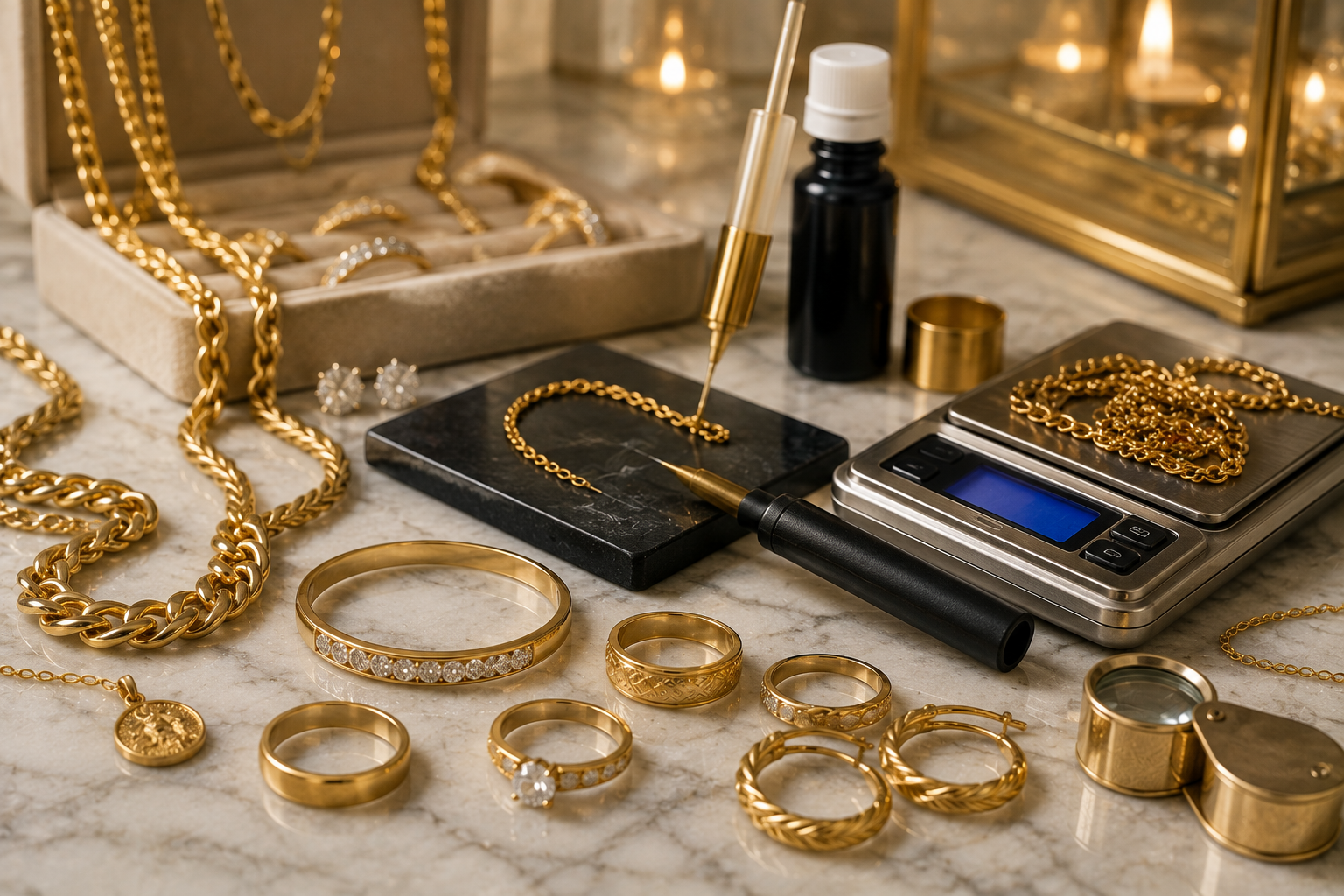
Determining if your gold jewelry is real requires a keen eye and a few simple tests. It’s important to differentiate solid gold from gold plate to accurately assess the value of your piece. Genuine gold jewelry will always have a consistent quality and specific markings.
Check the Hallmark and Gold Purity
One of the most reliable ways to tell if gold jewelry is real is by examining its hallmark or stamp, which indicates the purity of the metal. For example, 14k gold and 18k gold are common markings, signifying 58.5% and 75% pure gold, respectively. A reputable jeweler can help interpret these markings, ensuring you can spot fake gold and verify if your gold piece is genuine.
Try the Magnet and Weight Tests
Performing a magnet test is a simple way to spot fake gold, as pure gold is not magnetic. If your gold jewelry is attracted to a strong magnet, it’s likely made of a base metal with only a thin gold plate, indicating fake jewelry. Additionally, real gold feels heavier than most base metals, so a weight test can also provide clues about its authenticity.
Look for Signs of Plating or Discoloration
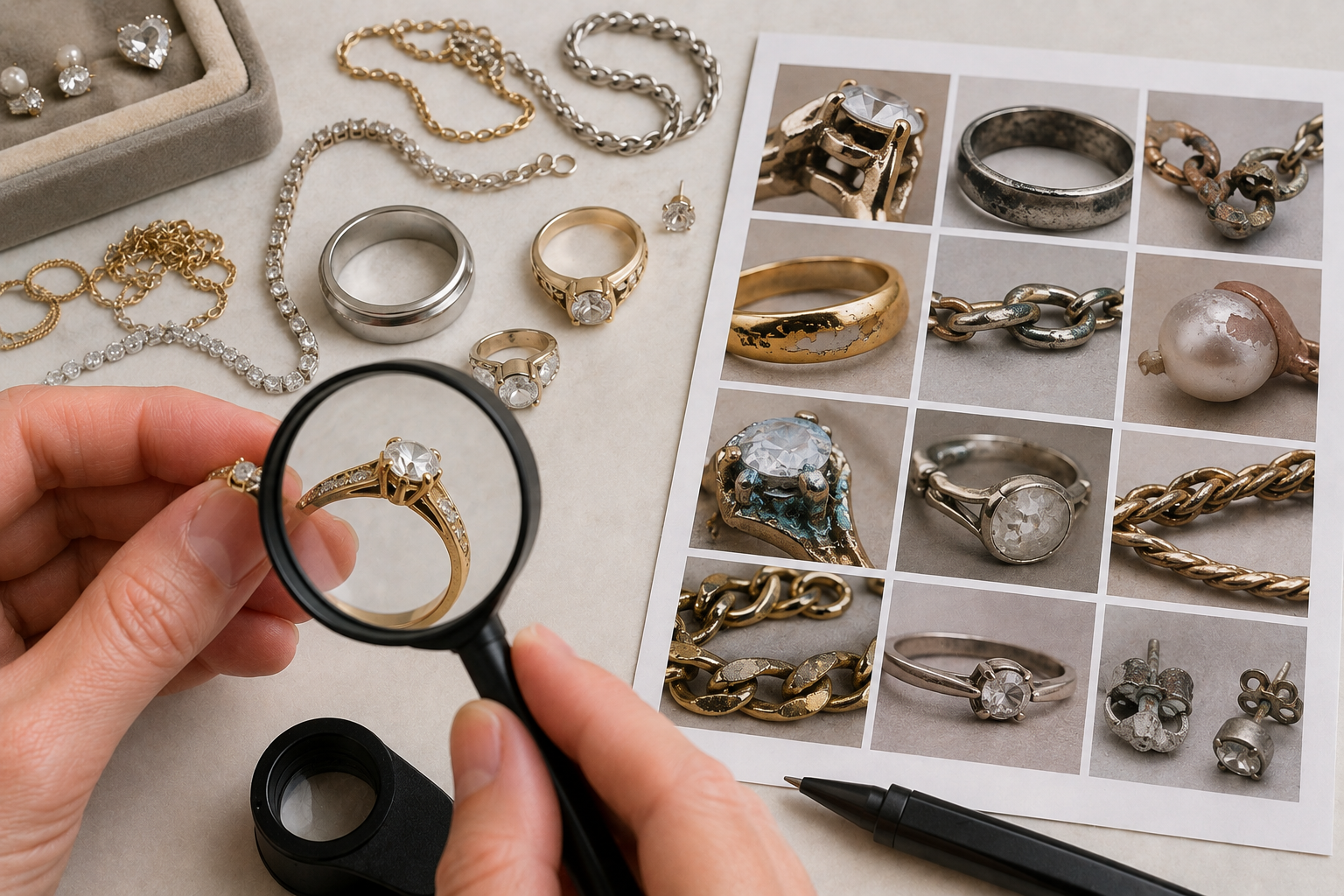
Examine your gold jewelry for any signs of plating wearing off, especially around edges or clasps, which would reveal a different base metal underneath. Discoloration or green spots are strong indicators that the piece is not solid gold, but rather gold-plated or costume jewelry. Genuine gold jewelry maintains its consistent color and luster over time.
How to Tell If Silver Jewelry Is Real
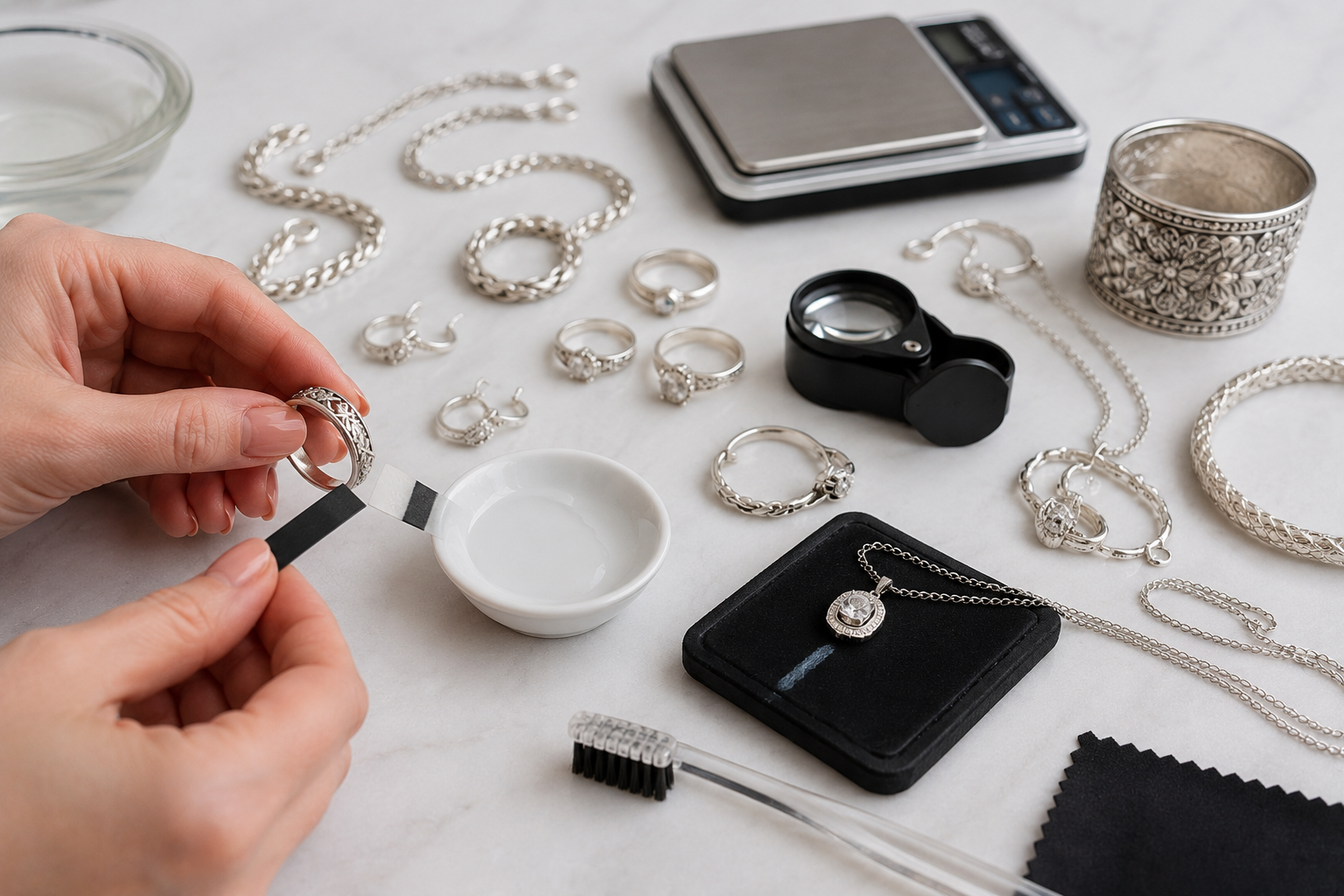
Authenticating silver jewelry is often straightforward, especially when looking for specific markings. Understanding the common stamps and characteristics of real silver can help you distinguish it from silver-plated items or other base metals.
Understanding the 925 Sterling Silver Mark
The most common way to tell if silver jewelry is real is by checking for the “925” stamp, which signifies sterling silver. This marking indicates that the metal is 92.5% pure silver, with the remaining 7.5% typically being copper to enhance durability. An authentic 925 marking is a strong indicator of genuine sterling silver, distinguishing it from lower quality alloys.
Checking for Tarnishing and Other Signs
Real sterling silver naturally tarnishes over time, developing a dark patina due to oxidation when exposed to air and moisture. While tarnishing might seem like a negative, it’s actually a good sign that your silver is real and not merely plated. Fake silver or base metals may not tarnish at all, or they might exhibit different forms of discoloration.
How to Tell If Platinum Jewelry Is Real
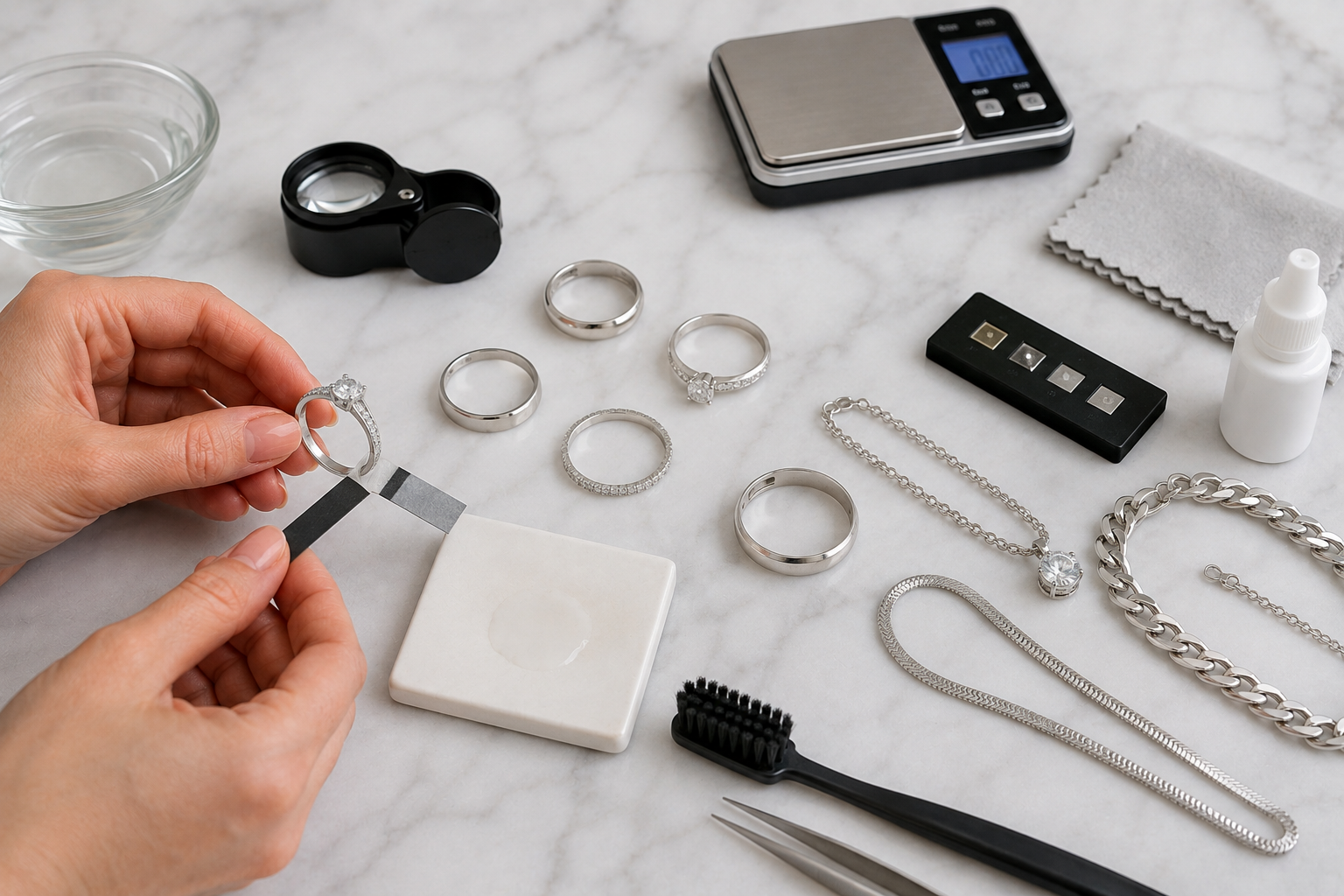
Check Platinum Hallmarks and Weight
To determine if platinum jewelry is real, always look for specific hallmarks indicating its purity, such as “950 Plat” or “PT950,” which means 95% pure platinum. Platinum is a dense precious metal, so a genuine piece will feel significantly heavier than other metals of the same size. These markings and its distinct weight are primary indicators that your platinum jewelry is real.
How to Tell If a Diamond or Gemstone Is Real
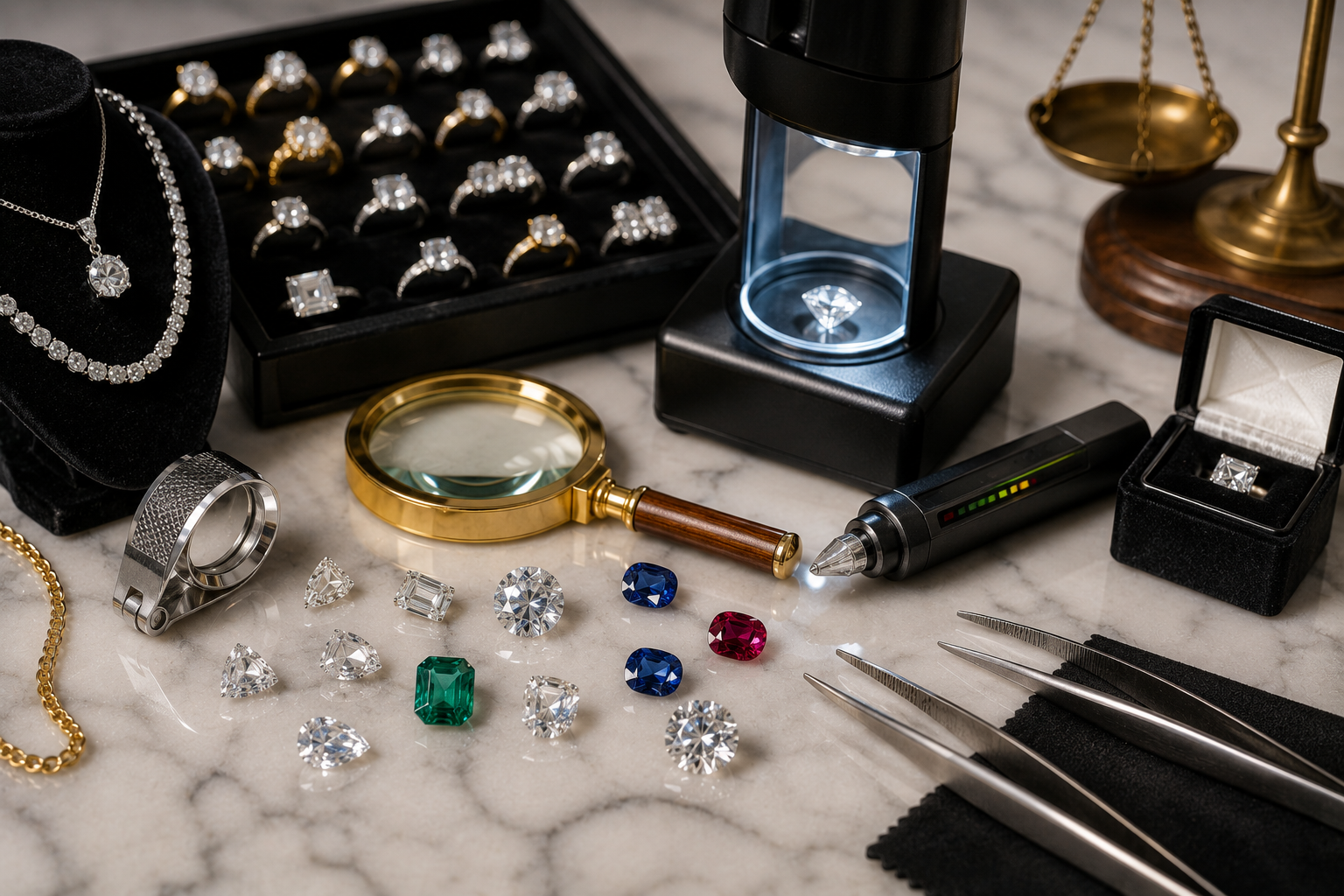
Examine the Stone Carefully
When assessing if a diamond or other gemstones are real, a careful visual examination is crucial. Look for imperfections, known as inclusions, within the stone, as perfectly flawless natural gemstones are exceedingly rare. Additionally, observe how the stone reflects light; a real diamond, for instance, exhibits exceptional brilliance and fire, unlike most fake jewelry.
Check Certificates and Professional Grading
For valuable diamonds and gemstones, the most reliable way to confirm if a diamond is real is by checking for a reputable grading certificate from organizations like GIA or AGS. These certificates provide detailed information about the stone’s characteristics and authenticity. A professional jeweler can also offer expert grading and verification, ensuring your piece of jewelry is genuine.
How to Read Jewelry Hallmarks and Stamps
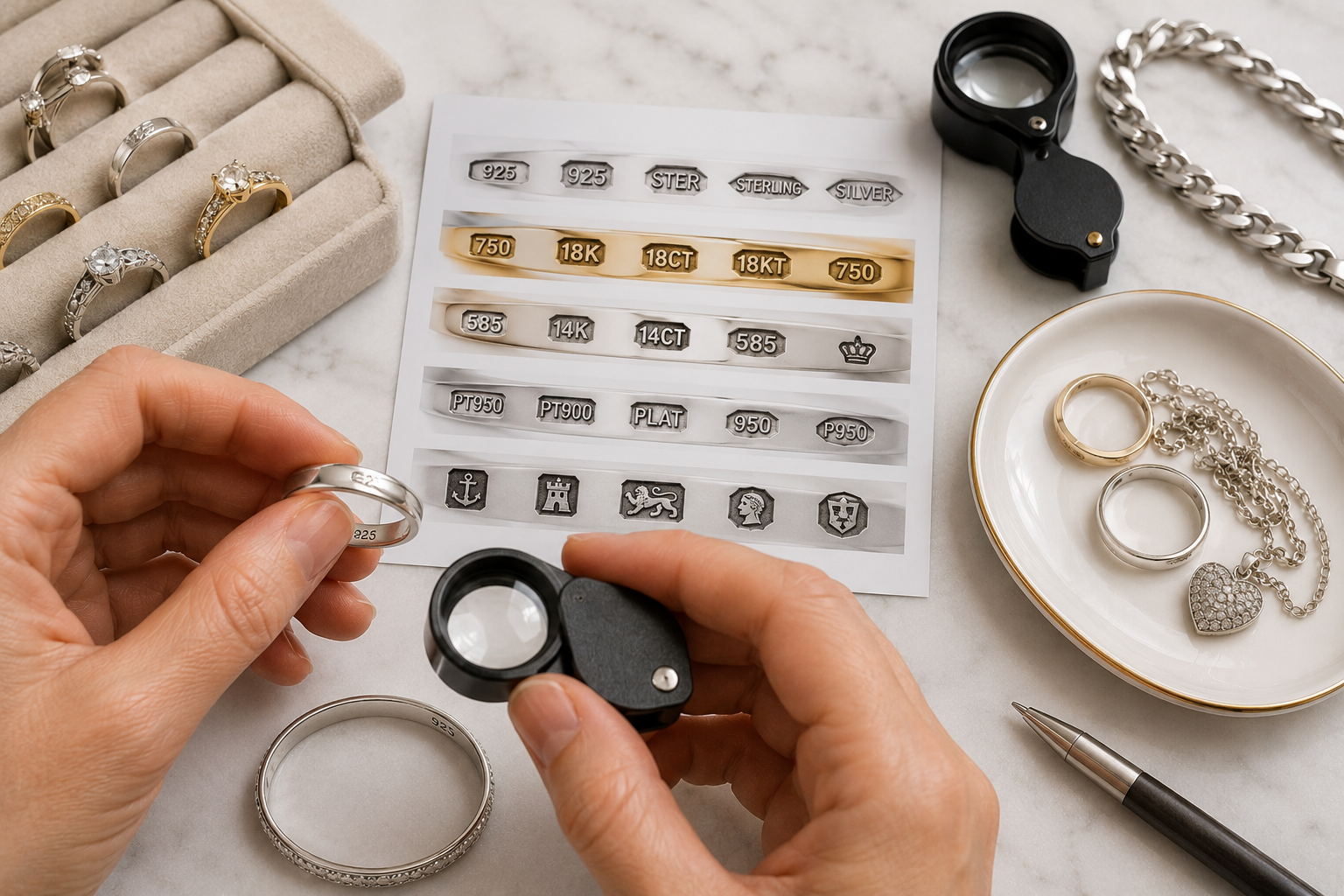
Common Gold, Silver, and Platinum Marks
Understanding common hallmarks and stamps is fundamental to knowing if your jewelry is real. These stamps are vital for authenticating precious metals and distinguishing them from fake jewelry.
| Metal Type | Common Markings |
|---|---|
| Gold | 10k, 14k, 18k, 24k |
| Sterling Silver | 925 |
| Platinum | PT950, 950 Plat |
Maker’s Marks and Serial Numbers
Beyond purity marks, many pieces of fine jewelry also feature a maker’s mark, which identifies the manufacturer or designer, and sometimes a unique serial number. These additional stamps can provide valuable provenance, especially for designer or antique pieces. While not direct indicators of metal purity, they help authenticate the piece of jewelry and ensure it’s not fake.
Best At-Home Tests for Real Jewelry
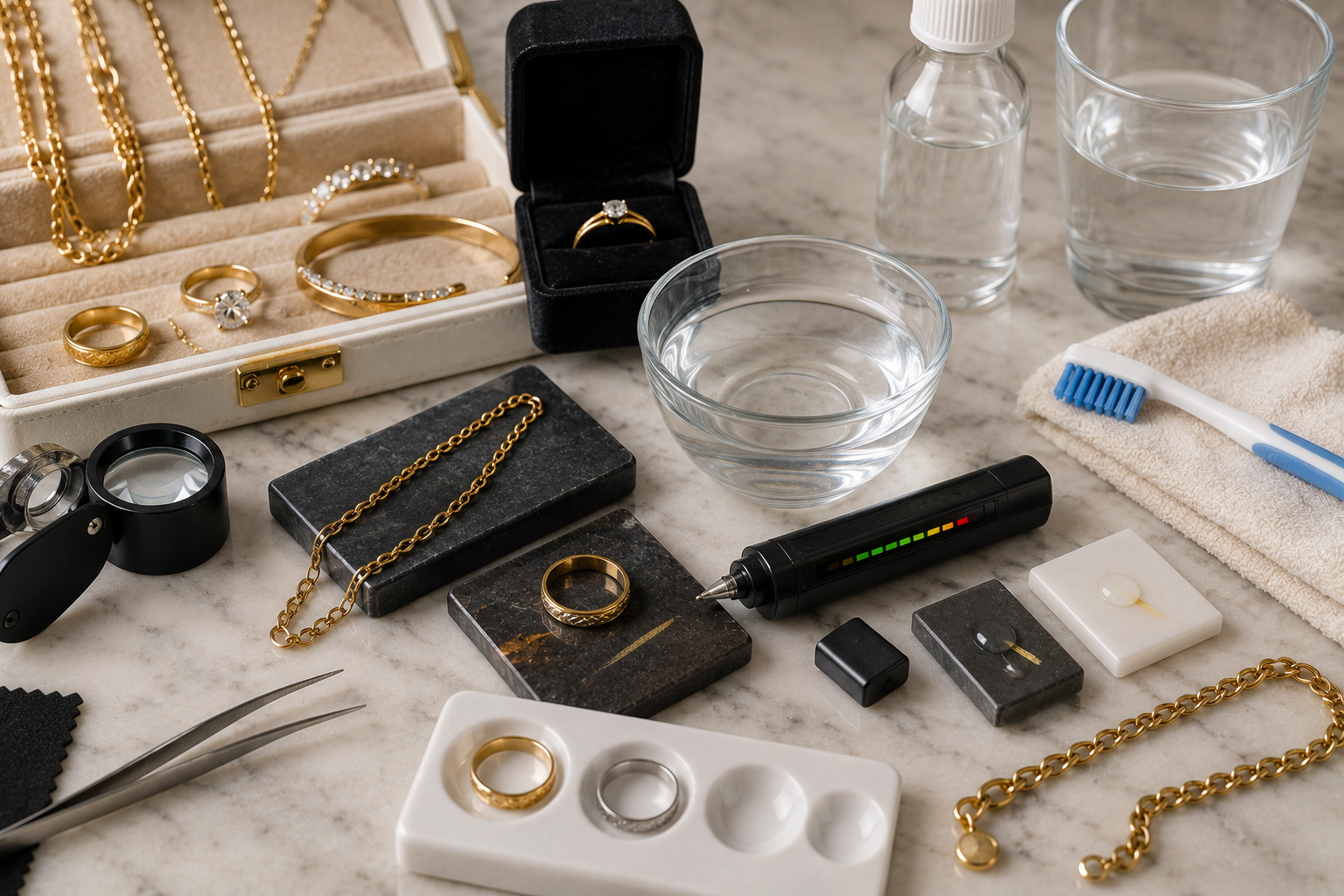
Magnet, Loupe, and Weight Tests
Several at-home tests can help you determine if your jewelry is real. The magnet test is simple: if gold jewelry is attracted to a strong magnet, it’s likely fake, as pure gold is not magnetic. A jeweler’s loupe allows you to examine hallmarks and potential flaws in gemstones, while comparing the weight of a piece to known standards can indicate if your gold jewelry is real.
Why Some DIY Tests Can Be Unreliable
While at-home tests like the magnet test can offer preliminary clues, it’s important to understand why some DIY methods can be unreliable. For instance, some fake jewelry might use non-magnetic base metals, making the magnet test ineffective in those specific cases. For definitive authentication of precious metals and gemstones, professional assessment by a trusted jeweler is always recommended.
Warning Signs That Jewelry May Be Fake
Suspiciously Low Prices
One of the most immediate and telling warning signs that jewelry may be fake is a suspiciously low price, especially for items advertised as real gold, platinum, or genuine gemstones. True precious metals and real diamonds carry an inherent value, and significantly discounted prices often indicate that you are looking at fake jewelry or costume jewelry. Always be wary of deals that seem too good to be true, as they usually are, pointing to a potential scam.
Poor Craftsmanship or Missing Hallmarks
Poor craftsmanship and the absence of clear hallmarks or stamps are strong indicators that a piece of jewelry might be fake. Authentic jewelry, especially fine jewelry, is meticulously crafted with attention to detail and will typically feature clear markings indicating its metal purity, such as “14k” for gold or “925” for sterling silver. If a piece feels flimsy, shows uneven finishes, or lacks any form of stamp, it’s a significant red flag suggesting it’s not real gold or genuine silver.
How to Authenticate Expensive or Designer Jewelry
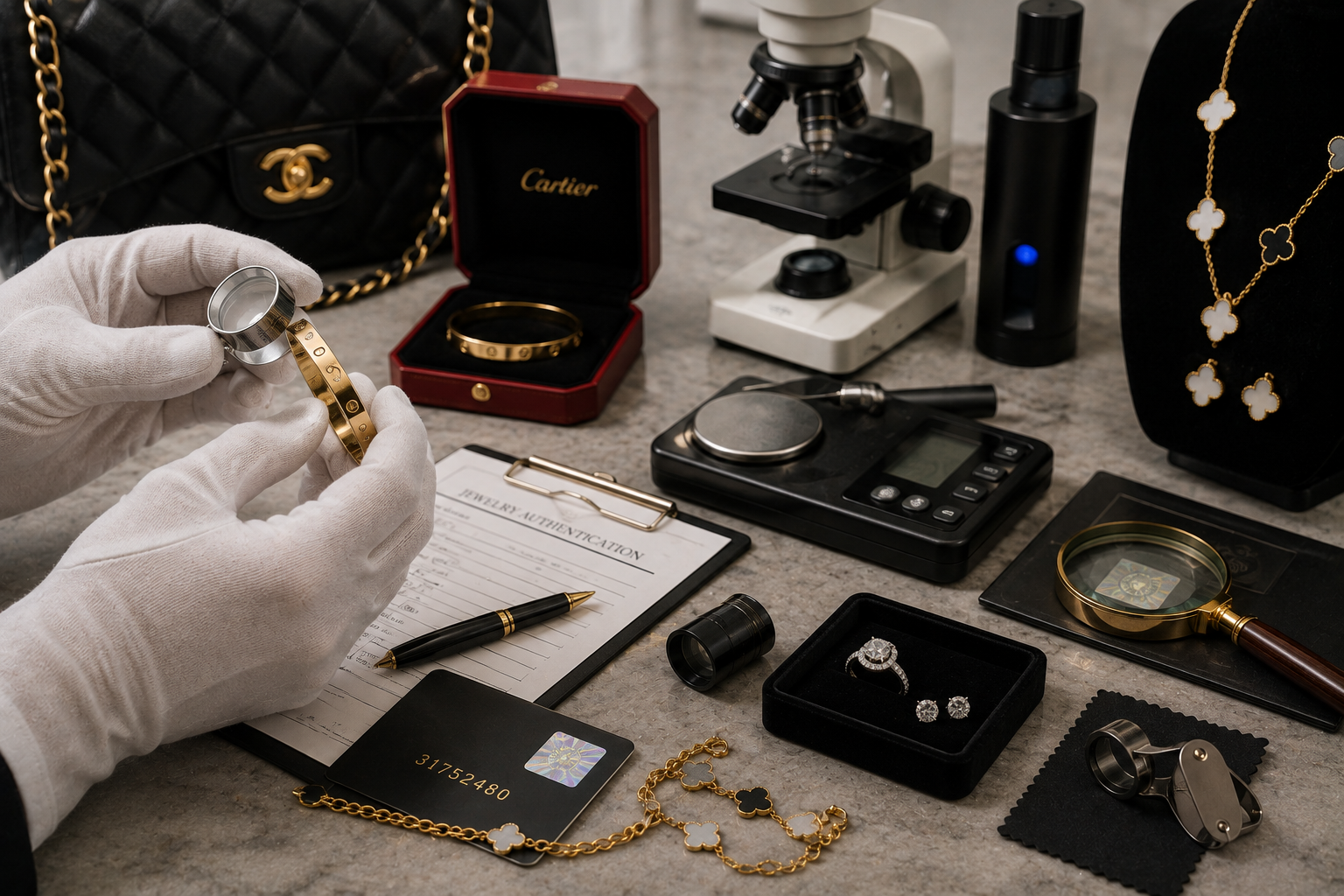
Check Receipts, Certificates, and Provenance
For expensive or designer jewelry, checking receipts, official certificates, and the item’s provenance is paramount to confirm if the jewelry is real. Reputable jewelers and high-end brands always provide detailed documentation, including diamond grading certificates (like GIA or AGS) for real diamonds and authenticity cards for designer pieces. These documents serve as irrefutable proof of the item’s genuine nature, helping to spot fake jewelry that often lacks such verifiable history.
Get Professional Testing When Necessary
When dealing with valuable or antique pieces, or if you still have doubts after your own checks, getting professional testing is the most reliable way to authenticate expensive jewelry. A certified jeweler possesses the expertise and specialized equipment, such as an acid test kit or X-ray fluorescence (XRF) machine, to accurately determine the metal purity and identify genuine gemstones. This professional assessment ensures your piece of jewelry is indeed authentic and not fake.
Real vs. Fake Jewelry: Quick Comparison Checklist
To quickly determine if your jewelry is real or fake, use a comparison checklist. The absence of these key indicators suggests you might have fake jewelry.
| Jewelry Type | Indicators of Authenticity |
|---|---|
| Gold |
|
| Silver |
|
| Diamonds |
|
Final Thoughts: How to Make Sure Your Jewelry Is Genuine
Ultimately, ensuring your jewelry is genuine comes down to a combination of diligent observation, basic at-home tests, and, for valuable pieces, professional verification. Always look for clear hallmarks, understand the characteristics of real gold, sterling silver, and precious gemstones, and be wary of suspiciously low prices. Educating yourself on ways to spot fake jewelry and knowing when to consult a trusted jeweler will safeguard your investments and ensure you possess authentic jewelry.