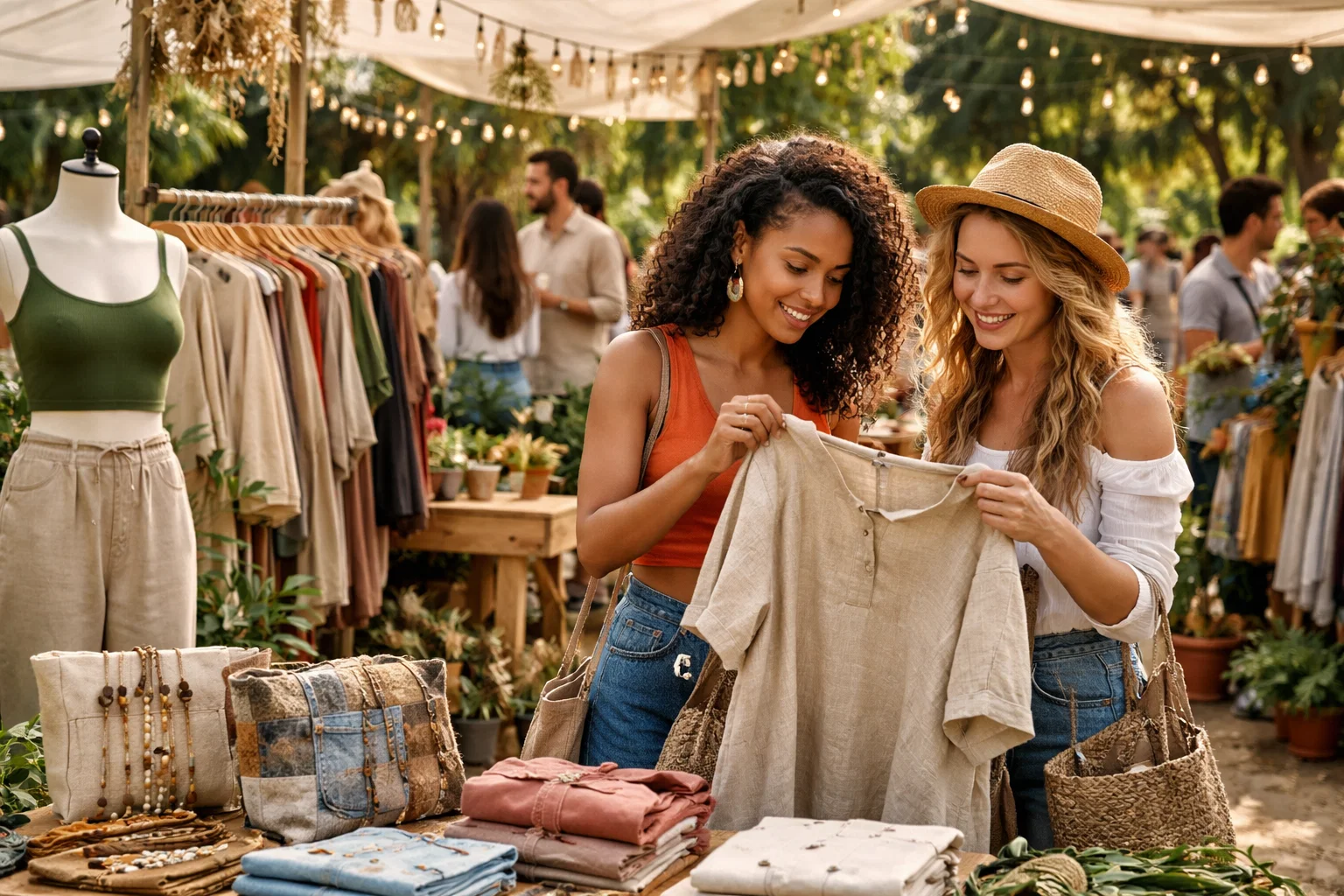
In 2026, sustainable fashion has transcended being a mere trend to become a global movement reshaping the fashion industry. This shift is driven by increased consumer awareness, technological advancements, and a pressing need for sustainability.
This article explores how sustainable fashion has evolved, the key factors contributing to its rise, and what the future holds for the fashion market.
Understanding Sustainable Fashion: More Than a Trend
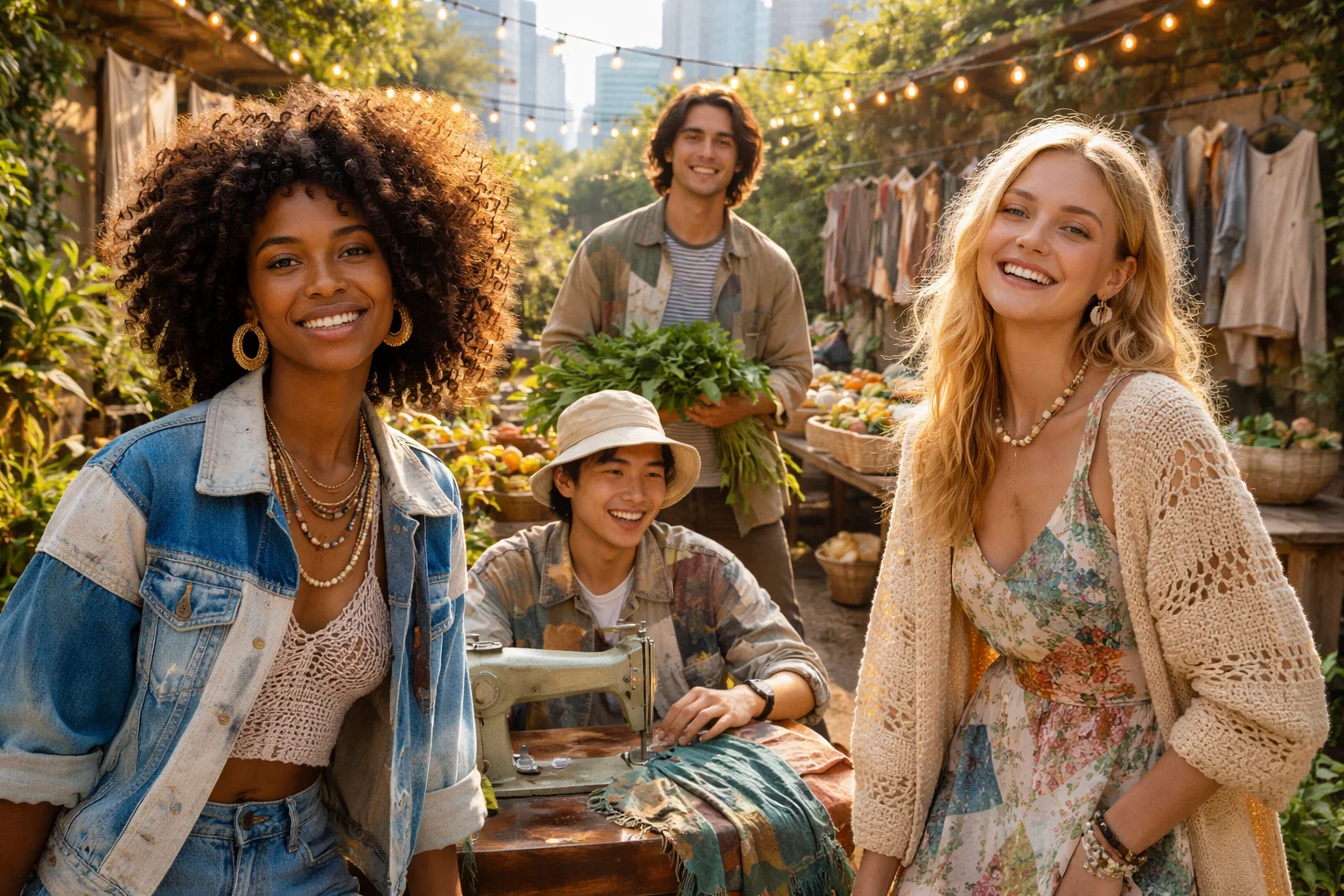
What Sustainable Fashion Really Means in 2026
In 2026, sustainable fashion redefines how apparel is designed, produced, and consumed. It encompasses sustainable practices that minimize environmental impact, ensuring that the fashion industry becomes more sustainable. The goal is to reduce waste, use eco-friendly materials like linen, and promote ethical labor practices throughout the supply chain.
Key Differences Between Sustainable, Ethical, and Slow Fashion
Here’s a breakdown of some related terms often used in the fashion industry:
- Sustainable fashion centers around minimizing environmental harm through the use of sustainable fabrics and production processes.
- Ethical fashion prioritizes fair labor practices and the well-being of workers.
Furthermore, slow fashion offers a counterpoint to the fast fashion industry, championing quality, durability, and enduring design principles.
The Environmental Urgency Driving the Movement
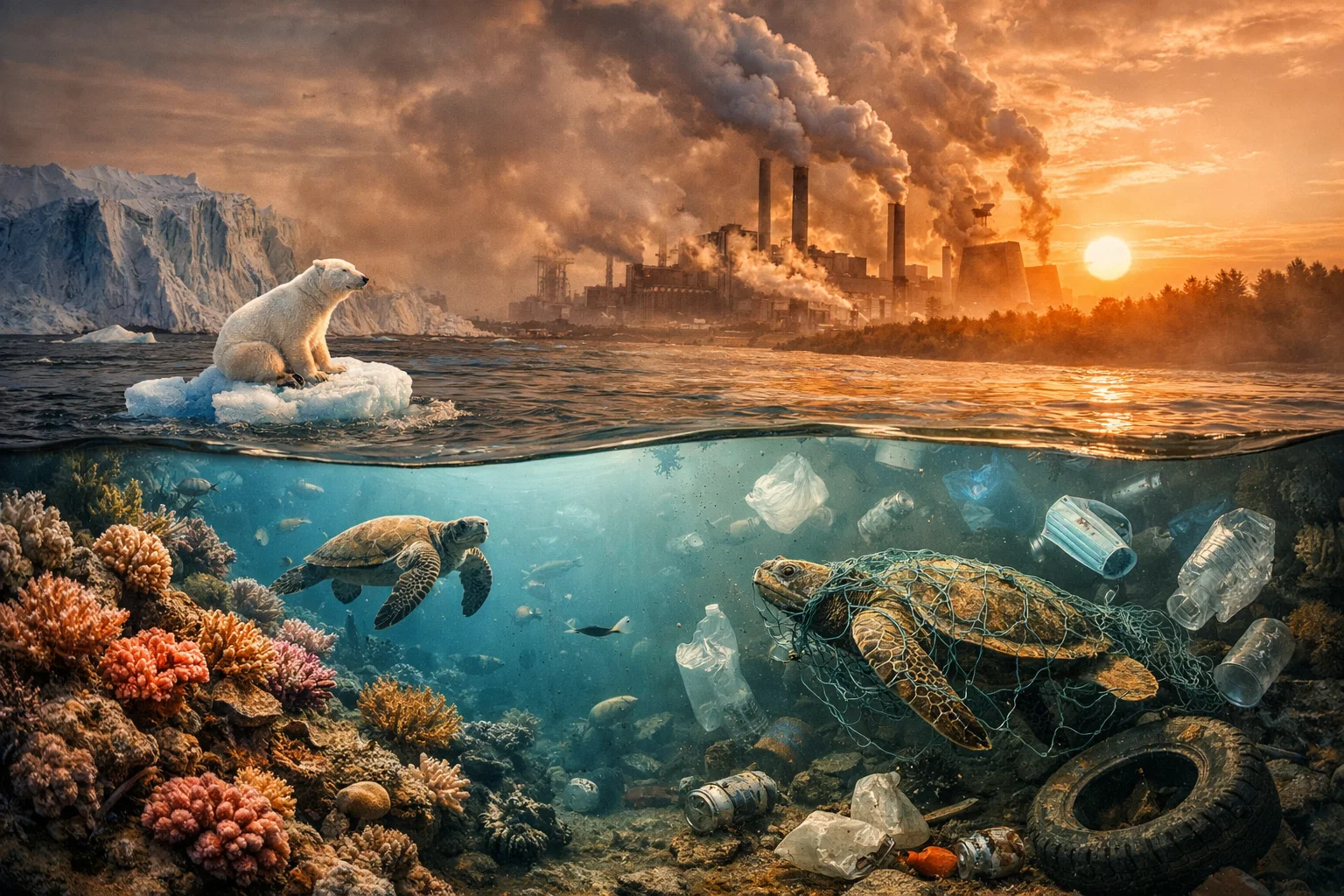
Fashion’s Impact on Climate Change and Pollution
The fashion industry is a significant contributor to climate change and pollution. Fashion production processes, particularly dyeing and textile manufacturing, release harmful greenhouse gases and pollutants. Addressing this requires fashion brands to adopt sustainable practices and invest in technologies that reduce their carbon footprint, thus making the fashion industry more sustainable.
The Role of Textile Waste and Overconsumption
Textile waste is a critical issue, with millions of tons of garments ending up in landfills each year. Overconsumption, fueled by fast fashion brands, exacerbates the problem. To combat this, the industry must adopt strategies that include:
- Promoting recycling
- Encouraging the use of second-hand clothing
- Designing for durability
These actions can significantly reduce waste and promote circularity.
How Consumers Are Responding to Eco-Concerns
Consumers are increasingly aware of the environmental impact of their fashion choices. Shoppers are demanding transparency from fashion companies and seeking out sustainable fashion brands.
This shift in consumer mindset is accelerating the adoption of sustainable practices across the fashion industry, pushing fashion executives to rethink business models. 2026 and beyond will see even more accentuation of those trends.
Consumer Demand and the Shift in Mindset
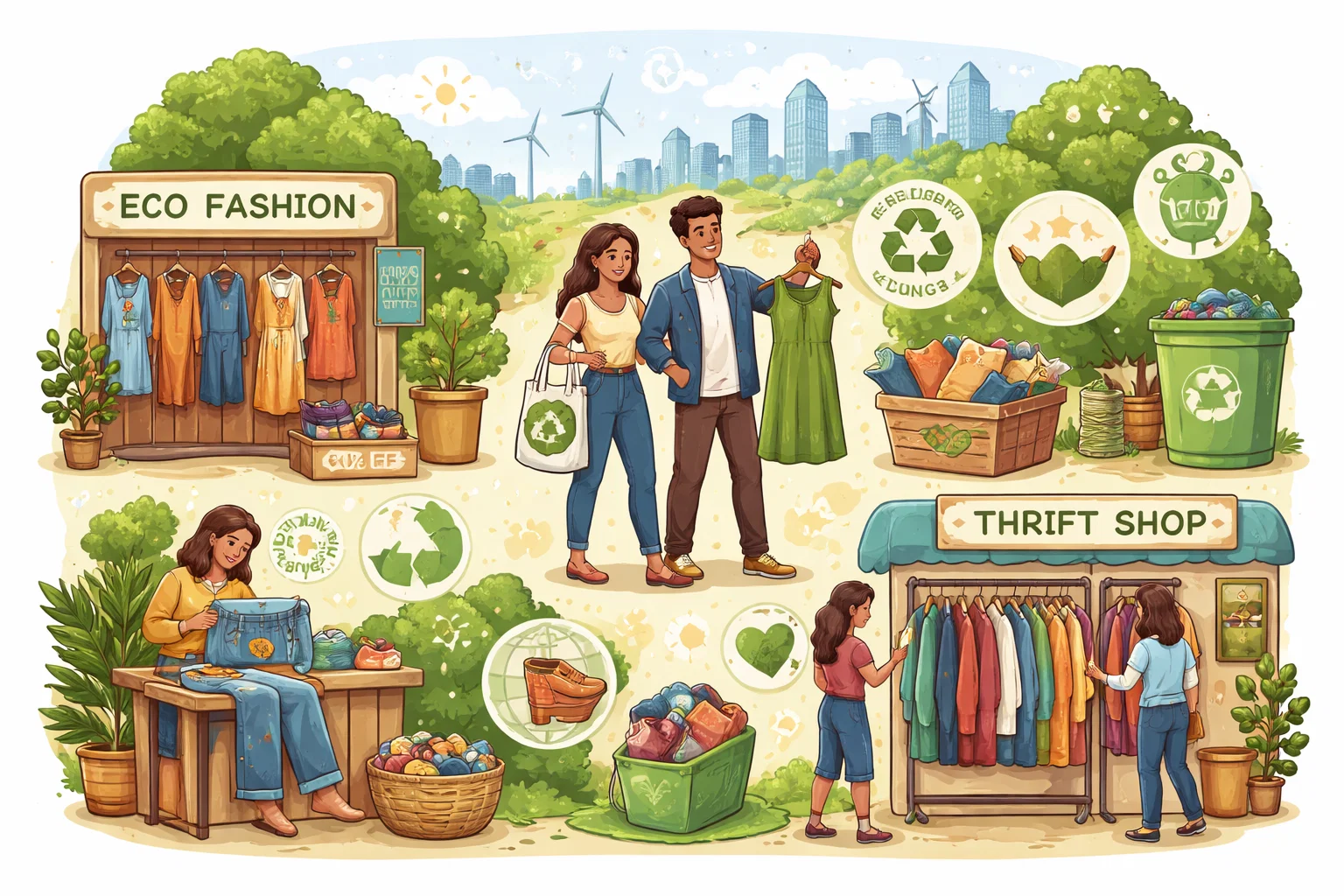
Millennials and Gen Z Leading the Sustainability Charge
Millennials and Gen Z are at the forefront of driving change in the fashion industry, prioritizing sustainability and ethical considerations when making purchases. They are more likely to support fashion brands that embrace sustainable fashion and are vocal about their expectations for transparency and traceability. This demographic shift is reshaping the fashion market in 2026.
Transparency and Traceability: What Shoppers Want
Shoppers are increasingly demanding transparency and traceability from fashion companies. They want to know where their apparel comes from, how it’s made, and what impact it has on the environment and communities involved. Brands that can provide this level of detail are gaining a competitive edge in the sustainable fashion market, building trust and loyalty among consumers in 2026.
Conscious Consumerism: Choosing Quality Over Quantity
Conscious consumerism is on the rise, with shoppers prioritizing quality over quantity and investing in durable, timeless pieces that will last. This shift away from fast fashion and ultra-fast fashion is driving demand for sustainable fabrics and sustainably made garments. Consumers are seeking apparel that embodies their values of sustainability in fashion in 2026.
Technological Innovation and Sustainable Materials
AI, Data, and Smart Production to Reduce Waste
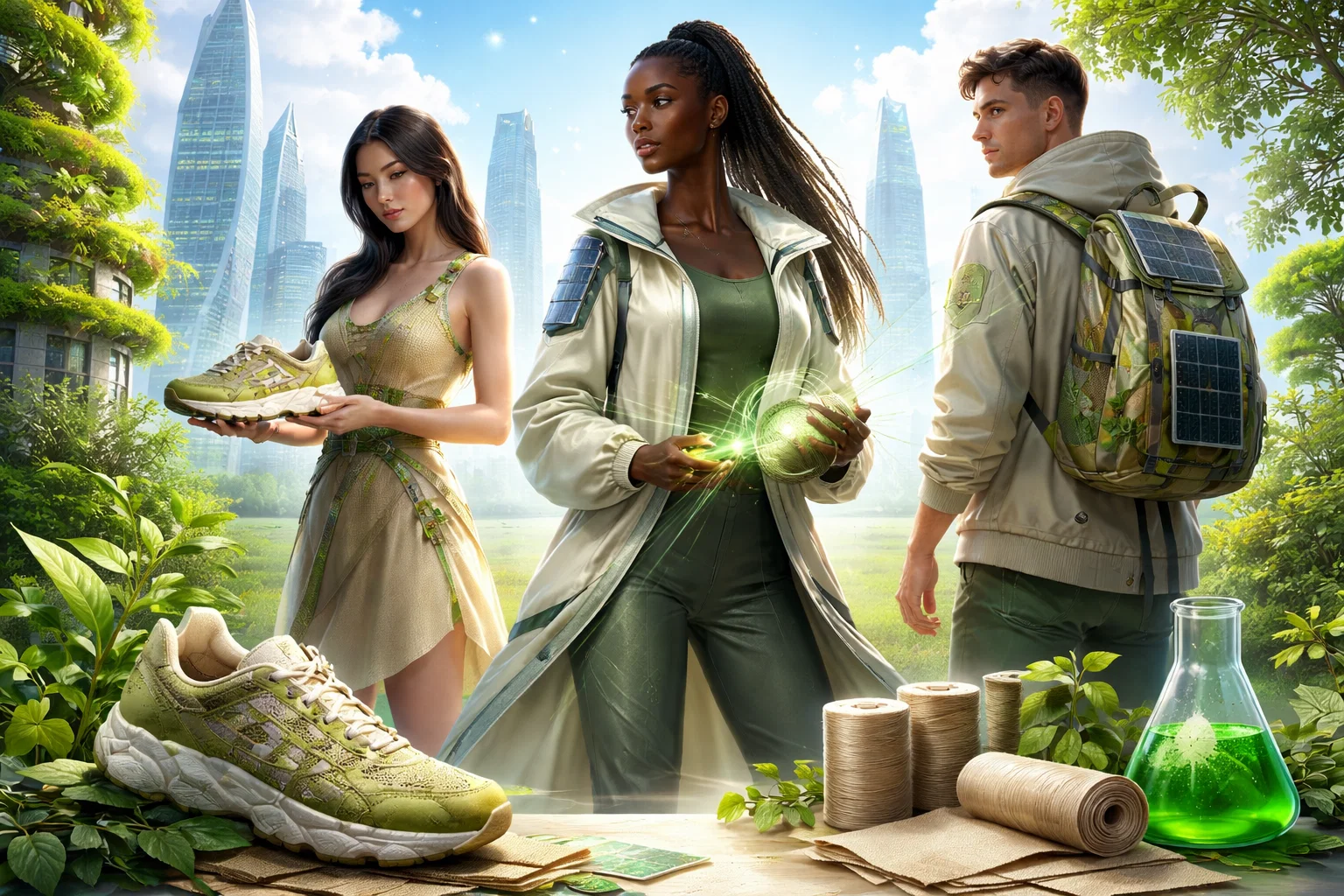
AI, data analytics, and smart production technologies are revolutionizing the fashion industry, enabling companies to reduce waste and optimize resource use. These tools help fashion brands forecast demand, minimize overproduction, and streamline supply chain processes.
By leveraging automation, fashion executives can make more informed decisions and improve overall sustainability. This trend will be more prominent in 2026 and beyond.
Innovations in Eco-Friendly Materials (Recycled, Lab-Grown, Plant-Based)
Innovations in eco-friendly materials are transforming the fashion industry, providing alternatives to conventional textiles that have a lower environmental impact. Recycled materials, lab-grown fabrics, and plant-based textiles such as linen are gaining popularity as sustainable options. These advancements are making it easier for fashion companies to create sustainable apparel and reduce reliance on harmful processes in 2026.
How Technology Makes Sustainable Fashion More Accessible Globally
Technology is playing a key role in making sustainable fashion more accessible globally. E-commerce platforms, digital product passports, and online marketplaces are connecting consumers with sustainable fashion brands from around the world.
This increased accessibility is accelerating the adoption of sustainable practices and driving the growth of the sustainable fashion market in 2026.
Circular Fashion: Resale, Rental, and Upcycling Trends
The Growth of Second-Hand and Vintage Markets
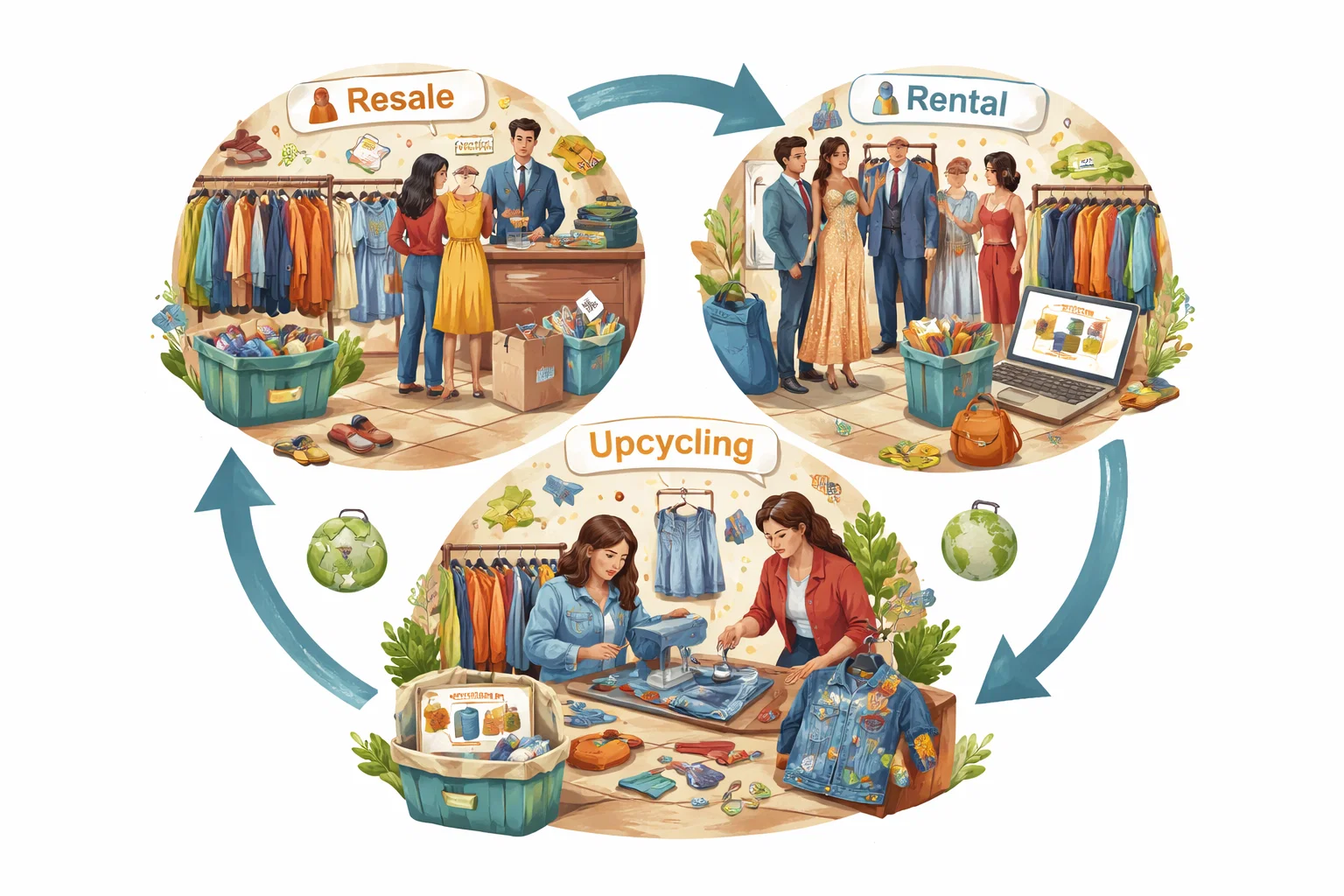
The second-hand and vintage markets are experiencing significant growth as consumers embrace circular fashion models. Shopping for pre-owned clothing reduces textile waste and extends the lifespan of garments. This trend is fueled by increasing awareness of the environmental impact of fast fashion brands and a desire for unique, timeless pieces from other eras. It will continue to thrive in 2026.
Clothing Rental Services and Subscription Models
Clothing rental services and subscription models are gaining traction as consumers seek more sustainable ways to access fashion. These services allow individuals to rent clothing for special occasions or subscribe to a rotating wardrobe, reducing the need for constant purchasing.
This is helping to reshape the fashion industry, minimizing waste and promoting responsible consumption for fashion players, brands and fashion executives in 2026.
Upcycling and DIY: Turning Old into New
Upcycling and DIY fashion are empowering consumers to transform old clothing into new, stylish pieces. By repurposing and creatively altering existing garments, individuals can reduce textile waste and express their personal style. This trend is fueled by a desire for unique, one-of-a-kind items and a commitment to sustainability in fashion and reducing waste in 2026.
Cultural and Social Influence on Sustainability
Celebrity Endorsements and Influencer-Led Eco Movements
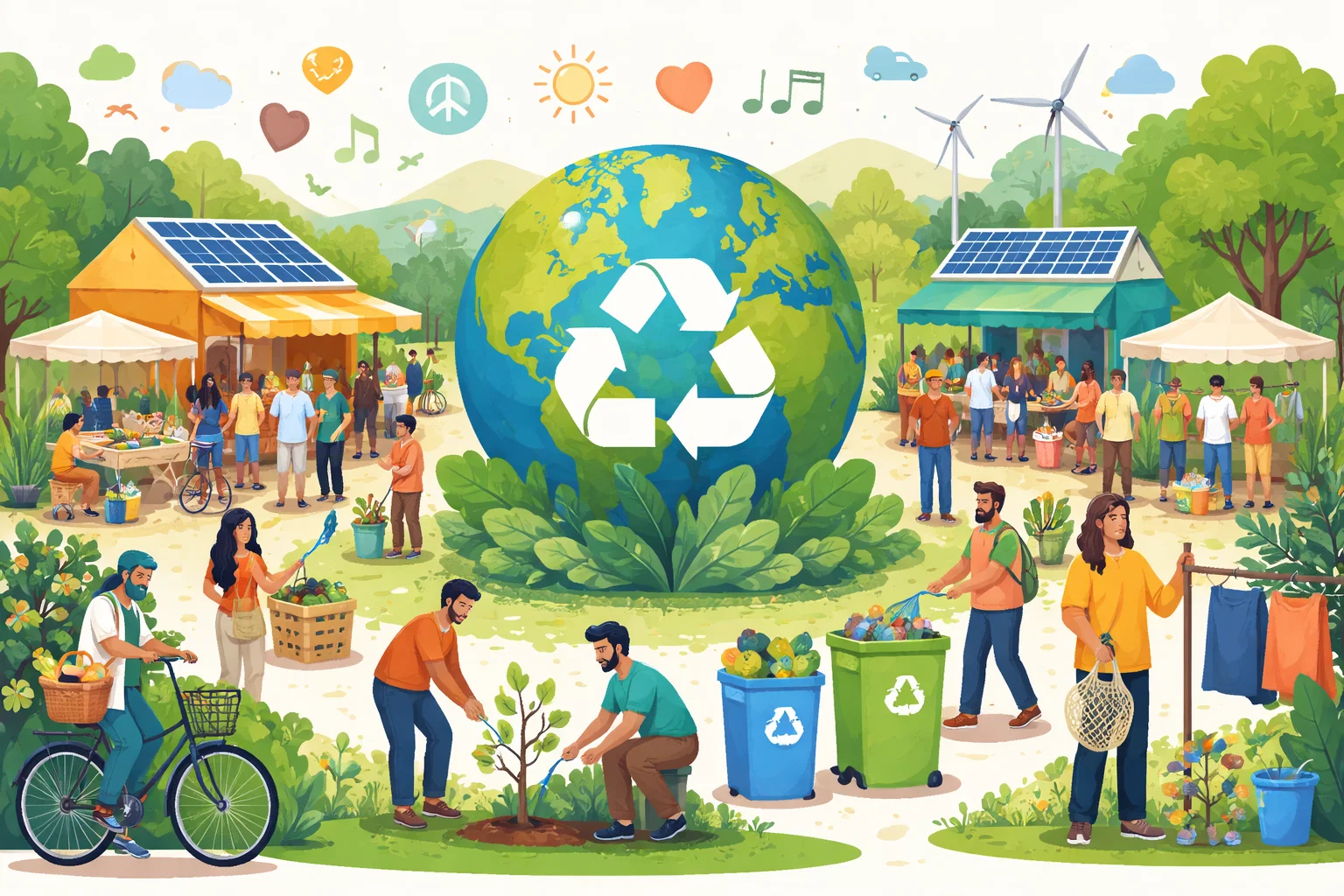
Celebrity endorsements and influencer-led eco movements significantly amplify the reach of sustainable fashion. By promoting sustainable fashion trends and sustainable practices, these figures reshape consumer perceptions and drive demand for sustainably made apparel. Their influence encourages consumers to embrace sustainable fashion brands, which will be prominent in 2026.
Social Media Platforms Amplifying Sustainable Fashion Trends
Social media platforms play a crucial role in amplifying sustainable fashion trends. Platforms like Instagram and TikTok enable fashion brands and fashion players to showcase eco-friendly garments and share information about sustainable practices. This increased visibility accelerates the adoption of sustainable fashion among consumers, which reshape the fashion industry and will be prominent in 2026 and beyond.
Community and Lifestyle Integration: Fashion as a Statement
Integrating sustainability into community and lifestyle choices positions fashion as a statement. Consumers are increasingly viewing their apparel choices as a reflection of their values. By supporting fashion companies committed to sustainability in fashion, individuals can express their commitment to environmental responsibility. This trend is reshaping the fashion market by 2026.
Corporate and Government Initiatives Driving Change
Brands Committing to Net-Zero and Ethical Supply Chains
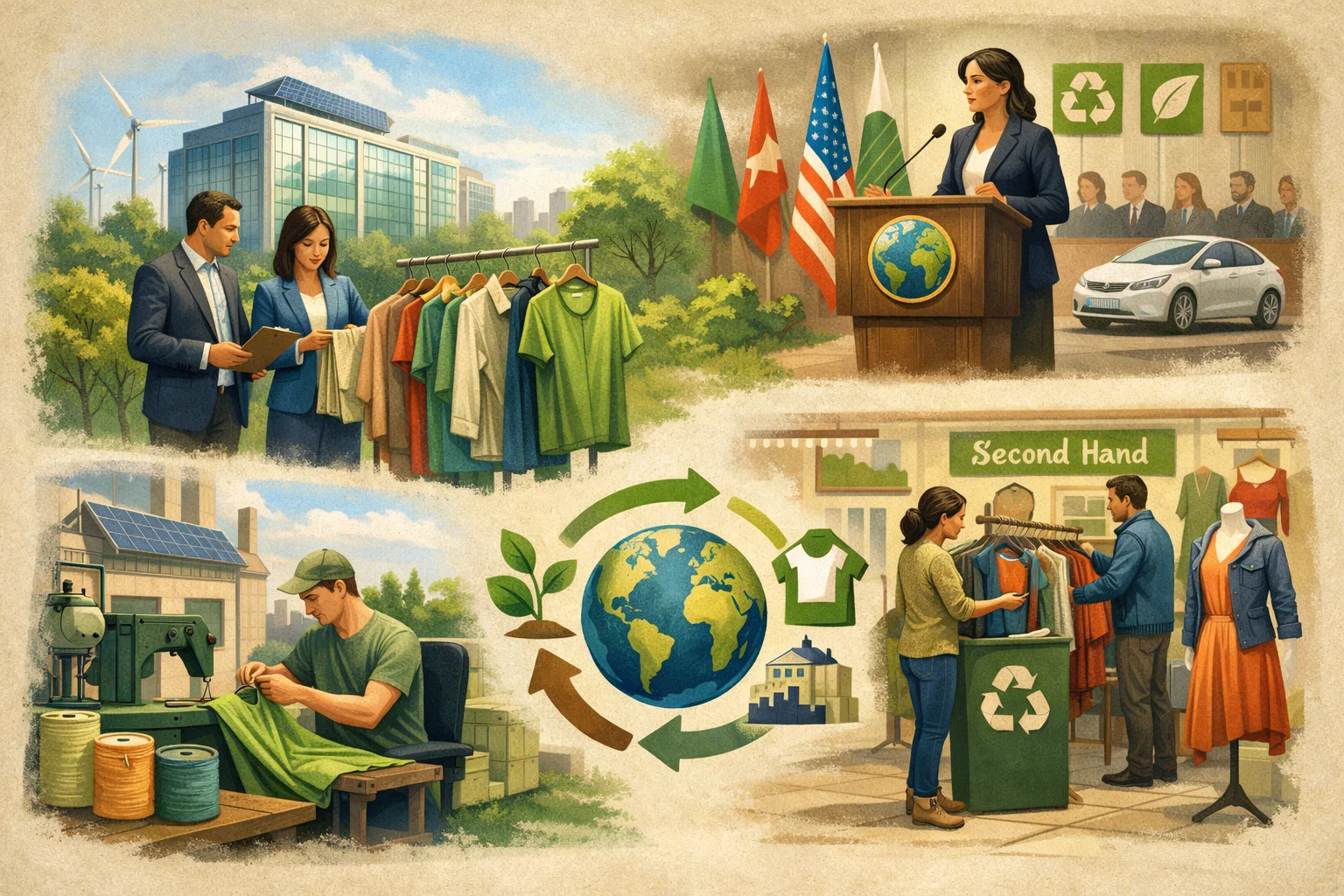
Fashion brands are increasingly committing to net-zero emissions and ethical supply chains to enhance sustainability. These commitments involve reducing carbon footprints, using sustainable fabrics, and ensuring fair labor practices throughout their textile supply chain. These initiatives are critical for transforming the global fashion industry by 2026 and ensuring more sustainable production.
Policy and Regulations Supporting Sustainable Fashion Worldwide
Government policies and regulations play a vital role in supporting sustainable fashion worldwide. By implementing stricter environmental standards and promoting recycling initiatives, governments can encourage fashion companies to adopt sustainable practices. These regulatory measures are essential for accelerating the shift towards a more sustainable fashion industry by 2026.
Global Collaborations for a Greener Fashion Industry
Global collaborations are essential for fostering a greener fashion industry. International partnerships between fashion players, fashion brands, and organizations are crucial for sharing knowledge, resources, and best practices. These collaborations help drive innovation, promote sustainable production, and address global challenges related to textile waste, which will be prominent in 2026.
Key Sustainable Fashion Trends Dominating 2026
Minimalism, Capsule Wardrobes, and Timeless Pieces
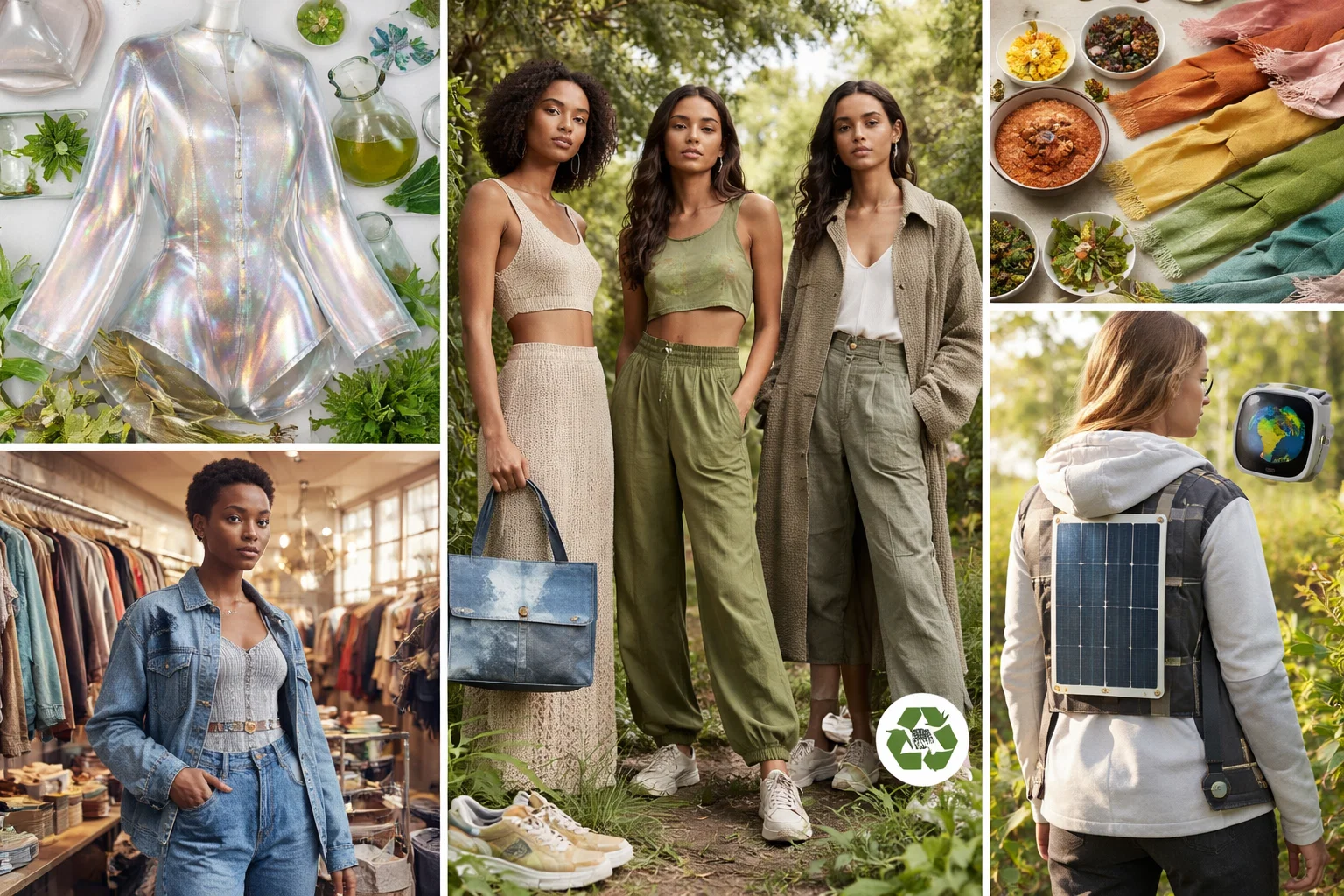
Minimalism, capsule wardrobes, and timeless pieces are key sustainable fashion trends dominating 2026. By investing in versatile, high-quality garments, consumers can reduce their consumption and minimize textile waste. This approach promotes a more conscious and sustainable approach to fashion, reducing the impact of fast fashion brands.
Retro and Vintage Styles as Eco-Friendly Alternatives
Retro and vintage styles are gaining popularity as eco-friendly alternatives to new clothing. Shopping for second-hand and vintage garments reduces the demand for new apparel production, conserving resources and minimizing environmental impact. This trend aligns with the principles of circular fashion and promotes a more sustainable approach to fashion and consumption in 2026.
Gender-Neutral and Inclusive Fashion Movements
Gender-neutral and inclusive fashion movements promote diversity and reduce the environmental impact associated with producing separate lines for different genders. By embracing unisex designs and inclusive sizing, fashion brands can streamline production and minimize waste. This aligns with sustainable practices and fosters a more equitable and sustainable fashion industry by 2026.
How Individuals Can Participate in the Movement
Tips for Building a Sustainable Wardrobe
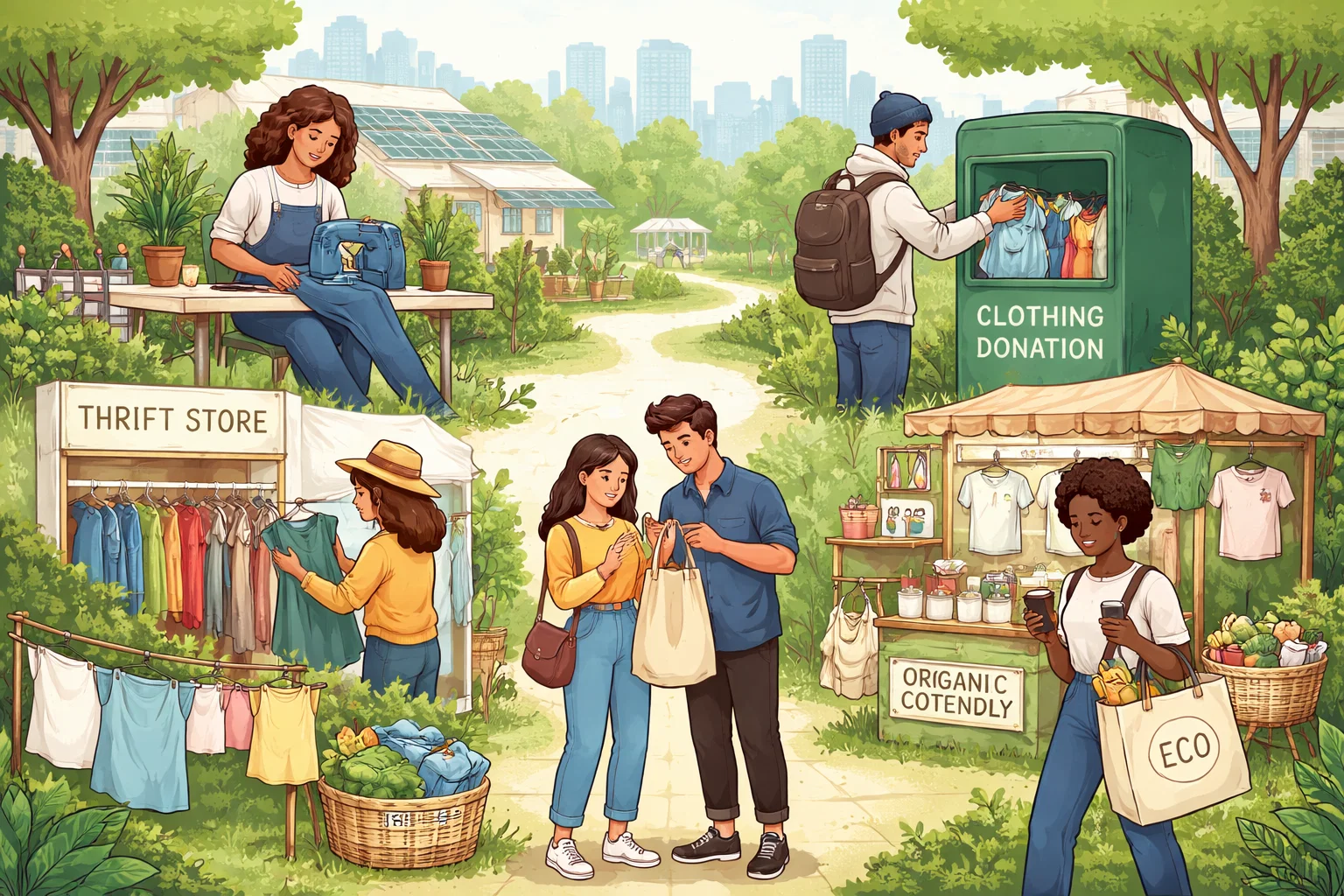
Building a sustainable wardrobe in 2026 starts with mindful consumption and investing in high-quality, durable pieces. Prioritize timeless designs over fast fashion trends to reduce textile waste. Research fashion brands committed to sustainability and consider versatile apparel that can be mixed and matched. Embrace slow fashion principles and avoid the trap of ultra-fast fashion by making informed choices.
Choosing Brands, Materials, and Practices That Matter
Selecting fashion brands that prioritize sustainability and ethical practices is crucial. Look for transparency in the supply chain and choose garments made from sustainable fabrics like recycled cotton or linen.
Support companies that implement sustainable production methods, reduce water usage, and minimize dye pollution. By supporting these fashion companies, you are actively contributing to a more sustainable fashion industry in 2026.
DIY, Upcycling, and Mindful Shopping Habits
Embrace DIY and upcycling to transform existing garments into new, stylish pieces. This reduces textile waste and promotes creativity. Cultivate mindful shopping habits by avoiding impulse purchases and considering the environmental impact of each apparel item.
Prioritize second-hand shopping and resale platforms to extend the lifespan of clothing and reduce the demand for new production, fostering sustainability in fashion.
Real-Life Examples of the Global Impact
Brands Leading the Charge: Case Studies and Innovations
Several fashion brands are leading the charge in sustainable fashion with innovative approaches. These case studies demonstrate that fashion companies can successfully integrate sustainability into their business models.
| Brand | Sustainability Approach |
|---|---|
| Patagonia | Uses recycled materials and promotes garment repair to reduce waste. |
| Eileen Fisher | Focuses on creating timeless pieces and offers a resale program. |
Influencers and Movements Making Sustainability Trendy
Influencers and social media movements are playing a significant role in making sustainability trendy. Eco-conscious influencers promote sustainable fashion brands and share tips for building a sustainable wardrobe. Hashtags like #SustainableFashion and #EcoFashion amplify the message, reaching a wider audience and reshaping consumer perceptions. These trends in 2026 are accelerating the adoption of sustainable practices in the fashion market.
Regional Initiatives Showing the Worldwide Spread of Sustainable Fashion
Regional initiatives around the world showcase the growing adoption of sustainable fashion. In Europe, governments are implementing policies to reduce textile waste and promote recycling. In Asia, initiatives focus on improving working conditions and promoting sustainable production practices. These regional efforts demonstrate the worldwide commitment to creating a more sustainable fashion industry and reducing textile waste.
Conclusion: Sustainable Fashion as a Lifestyle, Not Just a Trend
In 2026, sustainable fashion has evolved from a fleeting trend to an integral part of a conscious lifestyle. The increasing awareness of environmental impact, coupled with technological advancements and changing consumer behaviors, has fueled this transformation. Sustainable fashion is not merely a choice but a commitment to responsible consumption, ensuring a healthier planet and a more ethical fashion industry. It’s about reshaping the fashion industry, reducing waste, embracing sustainable fabrics, and making mindful choices that resonate with the values of sustainability in fashion and a better future. Therefore, it is not just a trend.