
Embark on a transformative journey with the 30-day challenge. This guide introduces simple, manageable daily habit changes that can lead to significant, positive impacts in various areas of your life. Discover how small habits can create lasting change and boost your overall well-being, setting you on a path to a better life.
Why Small Habits Create Big Life Changes

The Science of Habit Formation and Compounding Growth
Understanding the science behind habit formation reveals why small changes yield significant results. By focusing on the neurological processes that drive behavior, we can harness the power of compounding growth. These tiny daily habits, when repeated, create lasting neural pathways. Change your life with focused effort.
Why 30 Days Is Enough to Notice Meaningful Change
The 30-day timeframe is ideal for establishing new habits. This period allows sufficient time for small changes to become ingrained in your daily routine. You can see tangible improvements and experience the positive impact of your focused effort. Experience a better life in 30 days straight.
Small Habits vs. Big Resolutions: Why Small Wins Work Better
Small habits outperform big resolutions because they are easier to sustain. Instead of trying to overhaul your life, focus on small enough daily habits. This approach makes success more attainable and less overwhelming. These small wins contribute to sustained progress in 30 days.
The Power of Small Habits (How Tiny Actions Create Big Results)

The Compound Effect: How Small Actions Add Up Over Time
The compound effect illustrates how small, consistent actions lead to exponential results. By embracing small habits, such as 10 minutes each day of mindfulness, the cumulative effect transforms life. These small changes add up over time, creating significant improvements in various areas of your life.
Psychological Benefits of Small Wins
Achieving small wins through small habits yields significant psychological benefits. These successes release dopamine. This reinforces positive behavior and enhances motivation. Consistently achieving these small goals improves mood and builds confidence, enhancing personal growth and leading to a better life.
Why Consistency Matters More Than Perfection
Consistency is the cornerstone of habit formation, surpassing the need for perfection. Practicing a daily habit regularly, even imperfectly, reinforces the behavior and integrates it into your routine. Prioritizing consistency ensures lasting change, making the most of your small enough focused effort.
What Makes a Habit Life-Changing? (Key Principles)

Simplicity: Habits That Are Easy to Do Daily
Life-changing habits are characterized by their simplicity and ease of integration into your daily routine. Select small habits that require minimal effort and time, ensuring they can be consistently maintained. Habits to change should be simple enough to make them easier to implement daily.
Consistency: Repetition Over Intensity
Consistency is more crucial than intensity when establishing life-changing habits. Repetition solidifies new habits into your daily routine, making them automatic over time. Focus on performing a small habit daily to build a lasting habit and routine, making the most of the 30 days.
Identity-Based Habits: Becoming the Person You Want to Be
Identity-based habits align your actions with your desired self-image. Focus on small habits that reinforce the qualities and values you aspire to embody. By consistently performing these actions, you reinforce your new identity and transform your life with a focused effort in 30 days.
The Best Small Habits That Change Your Life in 30 Days

Mornings for Energy and Productivity
Kickstart your day with small morning habits to boost energy and enhance productivity. These habits should be integrated into your daily routine. This enables you to make the most of your mornings and set a positive tone for the rest of the day. These are habits to change your life.
Health Habits for Physical and Mental Well-Being
Prioritize health habits to enhance both physical and mental well-being. Simple activities like going for a walk and eating nutritious foods are the most important. These small changes can significantly improve your overall health and happiness. You can embrace the habits to change.
Productivity Habits for Focus and Discipline
Implement productivity habits to sharpen focus and improve discipline. By adopting effective time management techniques and minimizing distractions, you can enhance your ability to concentrate on tasks and achieve your goals. These are the habits and routines to make a change.
Financial Habits for Long-Term Stability
Establish financial habits to build long-term stability and security. Small actions, such as tracking expenses and saving a tiny amount each day, can accumulate over time, leading to significant financial improvements and habits and routines. You can change your life in 30 days.
Mindset Habits for Personal Growth
Cultivate mindset habits to foster personal growth and resilience. By practicing gratitude, reframing negative thoughts, and embracing a growth-oriented mindset, you can enhance your emotional well-being. You will also be able to enhance your ability to navigate life’s challenges. Learn a new skill to help.
Morning Habits That Create a Strong Start

Drink Water First Thing in the Morning
Start your day with a refreshing glass of water first thing in the morning. Hydrating upon waking helps rehydrate your body. It also boosts metabolism and enhances alertness. These small changes have a positive impact on your overall health and well-being. It can change your life.
Make Your Bed for a Quick Win
Making your bed first thing in the morning is a quick and simple habit that provides a sense of accomplishment. It sets a positive tone for the day. It also instills a sense of order and control. These habits to change should be integrated to create routine.
5 Minutes of Mindfulness or Deep Breathing
Dedicate just five minutes each day to mindfulness or deep breathing exercises. This habit helps reduce stress, improve focus, and promote a sense of calm and well-being. It’s a small investment of time that yields significant mental and emotional benefits. Try to embrace the habits.
Plan One Goal for the Day
Before diving into your day, take a moment to plan one primary goal you want to achieve. By identifying a clear objective, you provide direction and purpose to your actions. This also increases your likelihood of productivity and success. A better life in 30 days.
Health and Wellness Habits for Daily Improvement

Walk 10–20 Minutes a Day
Incorporate a 10–20 minute walk into your daily routine to improve both physical and mental health. Walking is a low-impact exercise that boosts cardiovascular health, reduces stress, and enhances mood. This small habit can significantly impact your overall well-being. Take these small habits.
Eat One Balanced Meal Daily
Commit to eating at least one balanced meal each day, comprising lean protein, whole grains, fruits, and vegetables. Nourishing your body with wholesome foods provides sustained energy, supports overall health, and promotes a sense of well-being. It will improve life in 30 days.
Reduce Processed Foods Gradually
Gradually reduce your consumption of processed foods to improve your health and vitality. Processed foods are often high in added sugars, unhealthy fats, and artificial additives, which can negatively impact your energy levels and overall health. Try the habits to change.
Sleep Consistently for Better Energy
Prioritize consistent sleep patterns to optimize energy levels and enhance overall well-being. Aim to go to bed and wake up around the same time each day, even on weekends, to regulate your body’s natural sleep-wake cycle. It helps to achieve a better life. You can change your life.
Productivity Habits That Boost Focus and Results

Use the 2-Minute Rule for Quick Tasks
Boost your productivity with the 2-Minute Rule, a simple yet effective technique for tackling quick tasks. If a task takes less than two minutes, do it immediately. This prevents small tasks from piling up and overwhelming you, freeing up time and mental space for more significant projects. It is a small habit that can change your life in 30 days.
Set One Micro-Goal Each Day
Focus your efforts each day by setting one micro-goal. These habits to change are small enough and achievable. This approach simplifies your daily routine and makes progress feel more manageable. Consistently reaching these small goals builds momentum and enhances your sense of accomplishment over the next 30-day challenge.
Limit Distractions and Screen Time
Enhance your focus and productivity by limiting distractions and screen time. Designate specific periods for focused work. During those periods, turn off notifications and minimize interruptions. Reducing screen time can significantly improve concentration and allow for more mindful engagement with tasks to improve your life in 30 days.
Reflect on Progress at Night
End each day with a brief reflection on your progress. Take a few minutes each day for 30 days straight to review what you accomplished, what you learned, and what you can improve upon. These habits and routines of self-assessment foster self-awareness and help you fine-tune your approach for continued growth, leading to a better life.
Financial Habits That Build Long-Term Stability

Track Small Daily Expenses
Achieve financial clarity by tracking your small daily expenses. Use a notebook, spreadsheet, or budgeting app to monitor where your money goes. This habit to change helps you identify areas where you can cut back and save, setting the foundation for long-term financial stability for a better life.
Save a Tiny Amount Every Day
Make saving a daily priority by setting aside a tiny amount each day. Even small contributions can accumulate significantly over time through the power of compounding. Automate this process by setting up a recurring transfer to a savings account to ensure consistency and build a new habit for better life in 30 days.
Avoid Impulse Purchases
Cultivate financial discipline by avoiding impulse purchases. Before making a non-essential purchase, pause and ask yourself if it aligns with your financial goals and values. Delaying gratification can prevent unnecessary spending and help you stay on track with your savings goals in 30 days, so you can change your life.
Plan Monthly Financial Goals
Establish clear monthly financial goals to provide direction and motivation for your saving and spending habits. Whether it’s paying off debt, increasing savings, or investing for the future, having specific goals keeps you focused and accountable throughout the month. Achieve financial freedom with these habits.
Mindset Habits for Emotional and Mental Growth
Practice Gratitude Daily
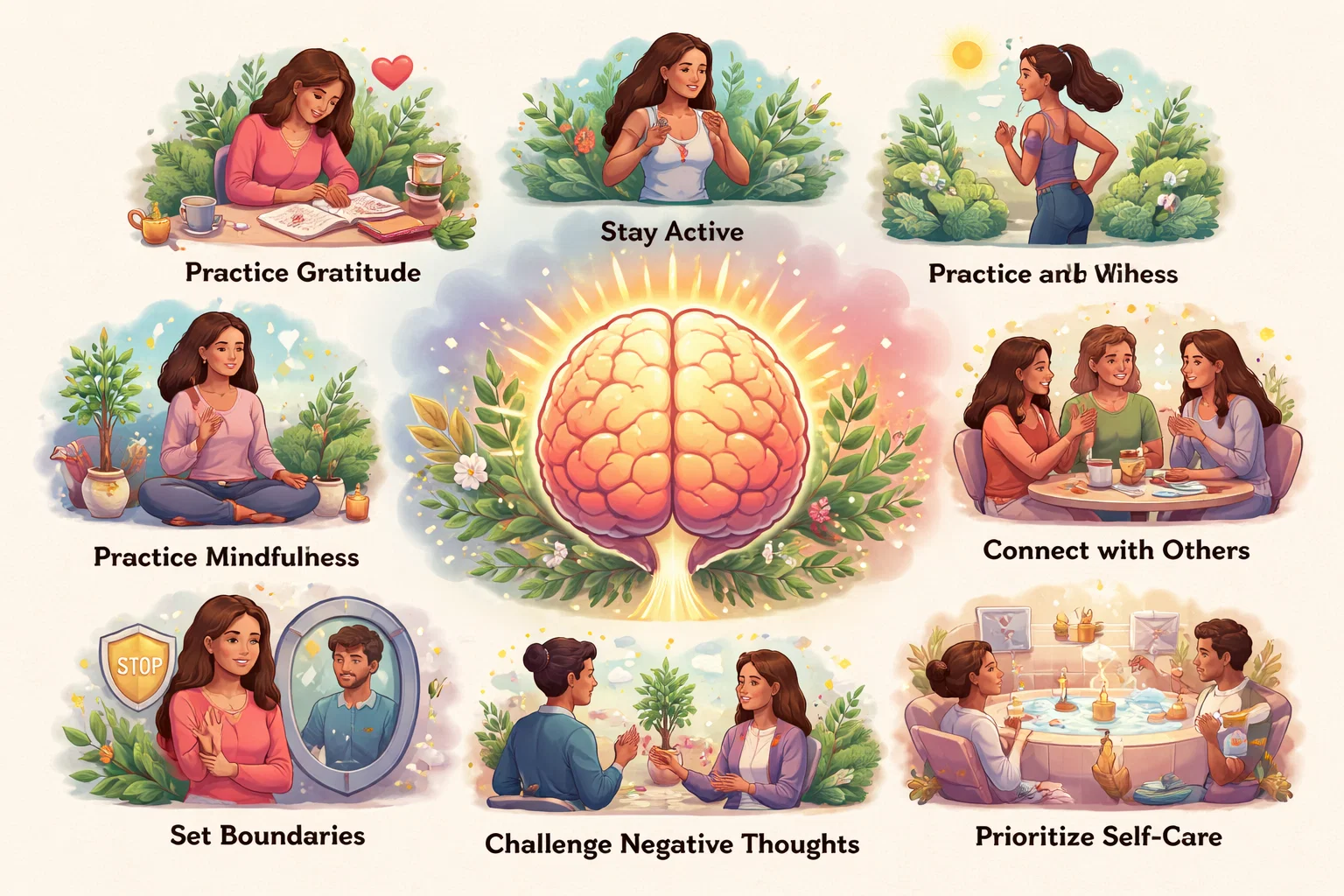
Enhance your emotional well-being by practicing gratitude daily. Take a few minutes each day for the next 30 days to reflect on the things you’re grateful for. This simple practice shifts your focus from what you lack to what you have, fostering a sense of contentment and appreciation to improve your life in 30 days.
Reframe Negative Thoughts
Challenge and reframe negative thoughts to cultivate a more positive mindset. When a negative thought arises, question its validity and look for alternative, more constructive perspectives. This cognitive restructuring can reduce stress, improve resilience, and enhance your overall mental well-being. Try these habits to change your life.
Celebrate Small Wins
Acknowledge and celebrate your small wins along the way. Recognizing your accomplishments, no matter how minor, reinforces positive behavior and boosts your motivation to continue making progress. Celebrating small victories creates a positive feedback loop that supports long-term habit formation and personal growth. These are simple habits to change.
Focus on Progress, Not Perfection
Embrace a growth mindset by focusing on progress rather than perfection. Accept that setbacks and mistakes are a natural part of the learning process. Rather than striving for flawlessness, concentrate on consistently moving forward and learning from your experiences and embrace the habits and routines. Simplify things.
How to Build Habits That Actually Stick (30-Day Strategy)

Start Small and Easy
To ensure that your new habit sticks within 30 days, start with something small and easy to incorporate into your daily routine. Don’t try to overhaul your life all at once. Select small habits that require minimal effort, making it more likely that you’ll maintain consistency and make a change.
Track Progress Daily
Tracking your progress daily is essential for building habits that stick. Use a journal, app, or spreadsheet to monitor your daily habit and new skill. Seeing your progress motivates you to continue, reinforcing the habits to change. It helps you make adjustments and stay focused to improve your life in 30 days.
Use Reminders and Environmental Cues
Leverage reminders and environmental cues to support your habit formation. Set alarms on your phone or leave visual cues in your environment as reminders. These small changes in your surroundings prompt you to take action, reinforcing the new habit and helping it become an automatic part of your daily life. You can change your life.
Reward Consistency
Celebrate your consistency to reinforce positive behavior. When you stick to your new habit consistently, reward yourself with something enjoyable. This positive reinforcement encourages you to continue the behavior and solidifies the small habits. Make sure to celebrate the milestones and positive impact of these habits.
Common Mistakes That Prevent Habit Success
Trying Too Many Habits at Once
One common mistake that prevents habit success is trying to incorporate too many habits at once. Focus on one or two small habits at a time rather than trying to overhaul your entire life, which often leads to overwhelm and burnout. You can’t change your life in 30 days completely.
Expecting Immediate Results
Expecting immediate results can be a major pitfall in habit formation. Understand that building new habits takes time, patience, and consistent effort. Don’t get discouraged if you don’t see significant changes right away. Focus on the process, trust in the compound effect, and recognize that small changes and daily routine add up over time to improve your life in 30 days.
Relying on Motivation Instead of Systems
Relying solely on motivation is another common mistake. Motivation fluctuates, so create systems and routines to support your habits. Design your environment, set reminders, and make your new habits as easy as possible to do, even when motivation wanes. Simplify your life with habits.
Not Tracking Progress
Failing to track your progress can undermine your efforts to build new habits. Without tracking, you miss valuable insights into your consistency, identify areas for improvement, and lose the motivational boost of seeing your advancements. You can’t change your life for 30 days if you lose sight of progress.
Realistic Expectations: What to Expect in 30 Days
Week 1: Building Awareness
During week 1 of your 30-day challenge, focus on building awareness of your current habits and identifying opportunities for small changes. Journaling can help in making a change. This is about understanding your baseline and setting the stage for habit formation to change your life in 30 days with effort.
Week 2: Forming Consistency
In week 2, concentrate on forming consistency with your chosen habits. Implement strategies to reinforce your new daily habit, such as setting reminders, creating routines, and minimizing distractions. The goal is to make the small habits a reliable part of your routine to change your life in 30 days. Focus on small changes.
Week 3: Gaining Momentum
By week 3, you should start to experience the momentum of your new habits. The daily routine becomes more automatic, and you begin to notice the positive impact of your small changes on your energy, productivity, or overall well-being. You can embrace the daily routine to change your life.
Week 4: Seeing Meaningful Change
In the final week of your 30-day challenge, you’ll likely see meaningful changes resulting from your consistent efforts. These changes might be subtle. Small habits have become ingrained, and you’re experiencing the compound effect of your actions to change your life. By practicing mindfulness, you can improve.
Conclusion: Small Habits, Big Results
In conclusion, embracing small habits can lead to big results in just 30 days. By focusing on simplicity, consistency, and aligning your actions with your desired identity, you can create lasting change and transform various areas of your life. Embrace the power of small enough, make a change and commit to your focused effort.