
In today’s interconnected world, the traditional pillars of branding are being reshaped by an undeniable force: the collective voice of consumers. This article explores why customer reviews matter more than ever, fundamentally shifting how businesses build trust and attract potential customers in the age of digital trust.
The Shift From Branding to Real-World Trust
The landscape of consumer decision-making has undergone a profound transformation, moving away from an exclusive reliance on carefully crafted brand images towards a greater emphasis on authentic, real-world experiences shared by others. This evolution means that the traditional marketing strategy, centered solely on branding, is gradually losing its dominant influence in guiding purchasing decisions.

Why Traditional Branding Is Losing Influence
Traditional branding, once the sole arbiter of a product or service’s perceived value, is experiencing a decline in influence as consumers increasingly seek genuine validation beyond corporate messaging. The pervasive skepticism towards overt advertising and marketing assets means that polished brand narratives alone are no longer sufficient to build trust or sway purchasing decisions, necessitating a shift in how businesses approach their online presence and credibility.
How Digital Behavior Changed Consumer Decision-Making
Digital behavior has fundamentally reshaped how consumers make purchasing decisions, granting them unprecedented access to information and peer perspectives.
Before making a purchase, potential customers now routinely consult online reviews and seek social proof, transforming their journey from discovery to decision into one heavily influenced by the collective customer experience shared by real people, making digital marketing strategies that prioritize reviews directly influence sales outcomes.
The Rise of Trust-Based Buying in Modern Markets
Modern markets are witnessing a significant rise in trust-based buying, where the credibility of a product or service is predominantly established through authentic reviews and verifiable customer feedback.
This paradigm shift means that consumers are more inclined to trust the experiences shared by real people than polished marketing campaigns, making a strong review strategy an indispensable component for businesses aiming to build trust and ensure their online presence thrives.
What Is “Digital Trust” and Why It Matters Today
Digital trust has emerged as the cornerstone of success in the online marketplace, signifying the confidence consumers place in a business’s credibility, transparency, and the authenticity of its digital interactions.
Understanding and cultivating digital trust is paramount today because it directly impacts purchasing decisions, customer loyalty, and a brand’s overall online reputation, making it an essential element of any effective digital marketing strategy.

Definition of Digital Trust in Online Consumer Behavior
Digital trust in online consumer behavior refers to the confidence a potential customer places in a brand’s legitimacy, security, and integrity when interacting with its digital presence. This encompasses their belief in the authenticity of product or service information, the reliability of customer reviews, and the security of their personal data, making it a critical factor that can make or break purchasing decisions and impact your bottom line.
How Trust Became the New Marketing Currency
Trust has unequivocally become the new marketing currency, surpassing traditional branding in its ability to influence consumer purchasing decisions and foster loyalty. In an era saturated with advertising, authentic reviews and transparent customer feedback act as social proof, providing the validation that potential customers crave, thereby making credibility and trust invaluable assets that directly impact your online reputation and overall business success.
The Role of Transparency in Purchasing Decisions
Transparency plays an indispensable role in influencing purchasing decisions, as consumers increasingly seek open and honest information about products and services. Providing clear insights into the customer experience through authentic reviews, readily available customer feedback, and a willingness to address negative reviews builds a stronger sense of digital trust. This openness reassures potential customers, validating their choices and enhancing their confidence in a brand.
Why Reviews Are More Powerful Than Branding
Online reviews are unequivocally more powerful than traditional branding because they offer genuine, unbiased insights directly from real people who have experienced a product or service.
This raw, unfiltered feedback resonates deeply with potential customers, providing the social proof and validation that glossy marketing messages simply cannot replicate, making reviews directly influence purchasing decisions and overall online presence.

Real User Experience vs Marketing Messaging
The authentic real user experience, articulated through detailed customer reviews, holds significantly more sway than polished marketing messaging in influencing purchasing decisions.
While branding attempts to shape perception, it is the unfiltered insights from real people sharing their customer experience that build trust and credibility. Potential customers seek this validation, recognizing that authentic reviews provide a transparent look at a product or service beyond curated advertisements.
Social Proof and Psychological Influence on Buyers
Online reviews act as powerful social proof, leveraging psychological influence to guide buyers’ purchasing decisions by demonstrating that others have already made a similar choice and found satisfaction.
A high volume of positive reviews, particularly those accompanied by a strong star rating, provides tangible evidence of a product or service’s quality and reliability. This collective validation reduces perceived risk and significantly boosts a potential customer’s confidence.
Why People Trust Strangers More Than Ads
People inherently trust strangers sharing their genuine customer experience through online reviews more than carefully crafted advertisements because they perceive these reviews as unbiased and authentic. Unlike marketing messages, which are designed to persuade, authentic reviews provide real insights from real people.
This makes them highly effective social proof, building credibility and trust that directly influences purchasing decisions and enhances a brand’s online presence, far surpassing the impact of traditional branding.
The Psychology Behind Review-Driven Decisions

Fear of Making the Wrong Purchase Decision
The fear of making the wrong purchase decision is a powerful psychological driver that compels potential customers to seek out online reviews before committing to a product or service.
This inherent human aversion to buyer’s remorse means that authentic reviews provide a crucial layer of validation and reassurance. Real people sharing their customer experience help alleviate this anxiety, making reviews directly influence purchasing decisions by offering insights that traditional branding often lacks.
The Power of Collective Opinions (Crowd Effect)
The power of collective opinions, also known as the crowd effect, significantly amplifies the impact of customer reviews on purchasing decisions. When a high volume of positive reviews is present, it creates a sense of social proof, signaling to potential customers that a product or service is trustworthy and widely accepted.
This collective validation from real people sharing their customer experience makes reviews matter more than ever, establishing credibility and trust that traditional marketing assets struggle to match.
How Reviews Reduce Uncertainty and Risk
Online reviews effectively reduce uncertainty and risk for potential customers by providing a transparent look into the actual customer experience with a product or service. Authentic reviews from real people offer practical insights, often addressing common concerns and questions that marketing messages overlook.
This crucial validation helps build trust, making it easier for customers to make informed purchasing decisions and minimizing the perceived risk associated with a new purchase, thereby enhancing a brand’s online presence and credibility.
How Social Media Amplified the Power of Reviews

TikTok, YouTube, and Real-Time Product Feedback
Platforms like TikTok and YouTube have dramatically amplified the power of reviews by enabling real-time product feedback and dynamic visual demonstrations of the customer experience.
This user-generated content, from unboxing videos to in-depth product tests by real people, offers a level of authenticity and immediacy that static reviews cannot. These platforms allow for instant social proof, where positive reviews can quickly go viral, making reviews directly influence purchasing decisions for a massive audience.
Viral Reviews and Their Impact on Buying Behavior
Viral reviews, fueled by the rapid sharing capabilities of social media, have an unparalleled impact on buying behavior, transforming niche products into global phenomena overnight.
A single authentic review from a real customer can generate immense social proof, leading to spikes in demand and widespread consumer interest. This phenomenon demonstrates how quickly positive reviews, or even a compelling bad review, can shape perceptions and directly influence purchasing decisions, highlighting why reviews matter more than ever.
The Rise of “Unboxing” and First-Impression Content
The rise of “unboxing” and first-impression content on social media has become a powerful form of review, offering potential customers a genuine, unvarnished look at a product’s initial customer experience.
These videos, created by real people, provide a direct and transparent form of social proof, helping to build trust and credibility. Unlike polished marketing assets, this user-generated content showcases authentic reactions, allowing reviews to directly influence purchasing decisions by offering compelling visual validation.
Why Traditional Branding Alone Is No Longer Enough
Over-Saturation of Marketing and Ads
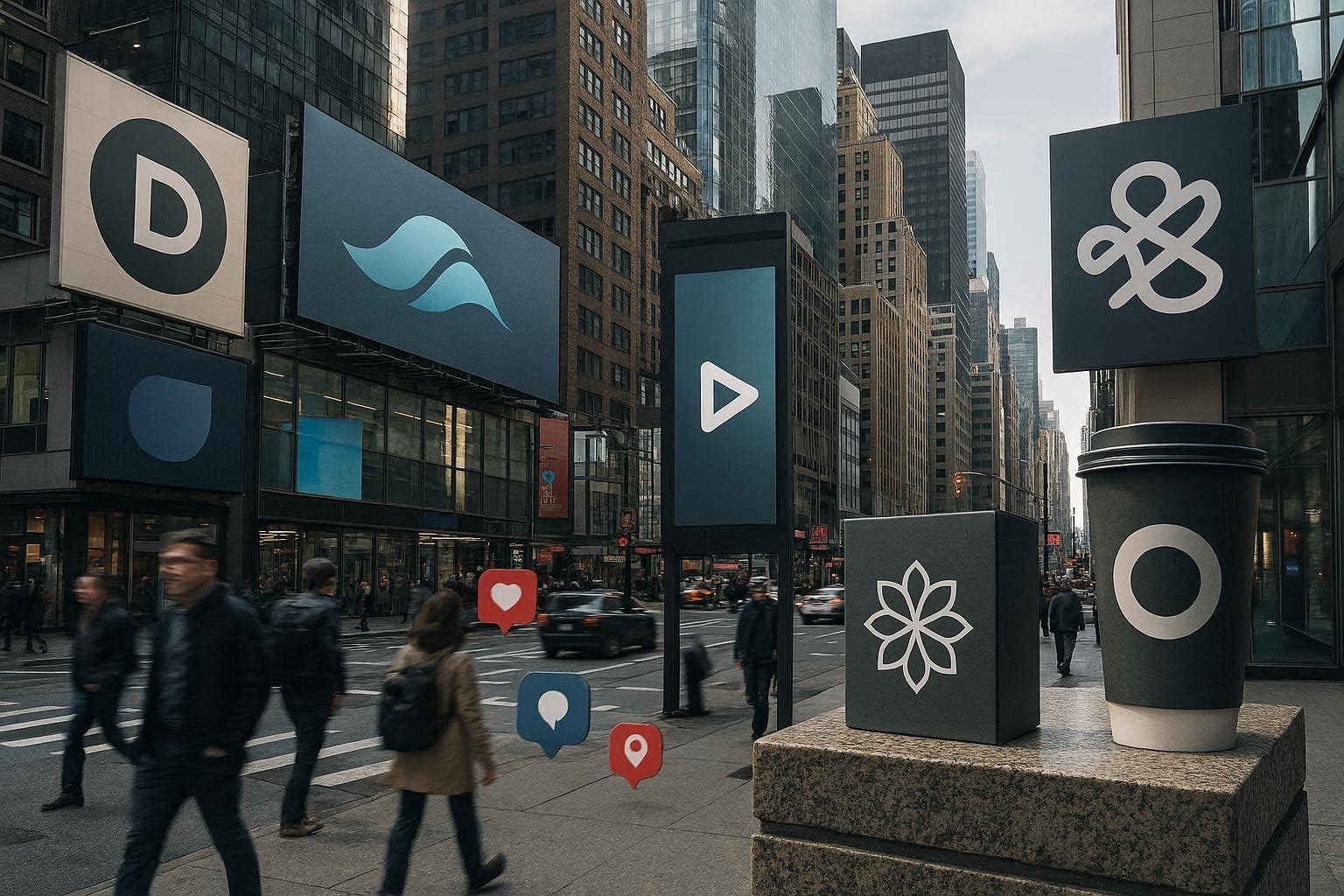
The over-saturation of marketing and ads in the digital landscape has desensitized consumers, rendering traditional branding efforts less effective on their own. With countless marketing assets vying for attention, consumers have become adept at filtering out promotional messages.
This makes authentic reviews and genuine customer feedback from real people even more critical for building trust and credibility, as they cut through the noise and offer the unbiased validation that directly influences purchasing decisions.
Declining Brand Loyalty in the Digital Age
Declining brand loyalty in the digital age underscores why traditional branding alone is no longer sufficient to secure long-term customer relationships. Consumers, empowered by instant access to online reviews and competitive information, are less bound by historical brand affiliations.
Instead, their purchasing decisions are increasingly driven by the latest customer experience shared by real people, emphasizing the need for a strong review strategy that continuously generates social proof to maintain a robust online presence.
Why Consumers Compare Everything Instantly
Consumers now compare everything instantly, leveraging digital tools and platforms to scrutinize products and services before making purchasing decisions. This behavior means that a brand’s online presence, heavily influenced by customer reviews and star rating, is continuously being evaluated against competitors.
Traditional branding, while still important, simply cannot compete with the immediate, transparent insights provided by real people sharing their customer experience, which offers crucial validation and builds trust rapidly.
The Role of Star Ratings and Review Platforms
Star ratings and dedicated review platforms like Google, Amazon, and Yelp play an indispensable role in shaping consumer perceptions and influencing purchasing decisions.

These platforms aggregate a vast volume of positive reviews and negative reviews, providing a quantifiable measure of customer satisfaction and product quality. A strong review strategy on these third-party sites is paramount for any business aiming to build trust and improve its online presence and visibility.
Importance of Google, Amazon, and Marketplace Ratings
The importance of Google, Amazon, and various marketplace ratings cannot be overstated, as they serve as critical touchpoints where potential customers evaluate a product or service. These platforms house a vast volume of positive reviews and negative reviews, contributing to a collective star rating that instantly communicates a business’s credibility.
A strong review strategy focused on cultivating a high star rating across these third-party platforms is essential to build trust and ensure your online presence acts as social proof, significantly influencing purchasing decisions.
How Aggregated Reviews Shape Brand Reputation
Aggregated reviews powerfully shape brand reputation by creating a composite picture of the customer experience across numerous touchpoints. The cumulative effect of numerous positive reviews acts as social proof, validating a brand’s claims and significantly boosting its credibility.
Conversely, a consistent pattern of negative reviews, even if individual incidents seem minor, can severely damage an online reputation. Businesses must proactively collect reviews and respond to customer feedback, as these aggregated insights directly influence how potential customers perceive and trust their brand, impacting their bottom line.
Why One Bad Review Can Outweigh Branding Efforts
A single bad review, particularly one detailing a significant lapse in customer experience, can outweigh extensive branding efforts due to its powerful psychological impact on potential customers. Unlike polished marketing assets, a bad review is perceived as an authentic, unfiltered account from a real customer, making it highly credible.
This singular negative feedback can raise serious doubts, eroding trust and causing potential customers to reconsider their purchasing decisions, demonstrating why reviews matter more than ever in shaping online reputation.
How Reviews Influence SEO and Online Visibility
Online reviews play a crucial role in influencing SEO and overall online visibility by signaling to search engines the relevance and trustworthiness of a business.

A robust review strategy, involving a consistent volume of positive reviews and prompt responses to customer feedback, can significantly improve a company’s ranking in search results. This directly impacts how easily potential customers discover and engage with a product or service, making reviews an indispensable component of any digital marketing and SEO strategy.
User-Generated Content and Search Rankings
User-generated content, primarily in the form of customer reviews, profoundly impacts search rankings by providing fresh, relevant keywords and natural language that search engines favor. When real people leave a review, they often include terms and phrases that potential customers use in their searches, enhancing a business’s discoverability.
This rich, authentic content signals to search engines that a website is active and valuable, directly contributing to higher visibility and improved local search performance, making it a cornerstone of an effective SEO strategy.
Why Reviews Improve Click-Through Rates and Conversions
Reviews improve click-through rates and conversions by instantly providing potential customers with social proof and validation directly within search results and on product pages. A high star rating and a substantial volume of positive reviews immediately signal trustworthiness and quality, compelling users to click on a listing over competitors.
This initial act of building trust through credible customer feedback ultimately leads to a higher click-through rate and significantly increased conversion rates, demonstrating how reviews directly influence purchasing decisions and impact your bottom line.
The Connection Between Reputation and Algorithm Ranking
The connection between online reputation and algorithm ranking is increasingly strong, as search engines prioritize businesses that demonstrate credibility and trustworthiness through authentic customer feedback.
Algorithms consider the quantity, quality, and recency of customer reviews as key indicators of a brand’s overall standing. A strong review strategy that consistently generates positive reviews and manages negative reviews effectively sends positive signals to search engines, improving local search results and overall online presence, thereby boosting visibility for potential customers.
The New Consumer Journey: From Discovery to Decision
The modern consumer journey has fundamentally shifted, with online reviews now preceding traditional branding in the decision-making process. Potential customers no longer simply discover a product or service through advertising but immediately seek out authentic customer feedback.
This journey, moving from initial search to detailed review analysis and cross-platform comparison, emphasizes why reviews matter more than ever, establishing credibility and trust as primary drivers of purchasing decisions over marketing assets.
Step 1: Searching Products Online
The first step in the new consumer journey invariably begins with searching products online, where potential customers initiate their exploration for solutions to their needs. This initial search often leads them to various online marketplaces, search engines, and social media platforms.
The visibility of a product or service at this crucial stage is heavily influenced by SEO, which in turn is bolstered by a strong review strategy that helps collect reviews and ensures a prominent online presence through positive reviews and high star ratings, making products discoverable.
Step 2: Checking Reviews Before Branding
In a significant shift, Step 2 of the consumer journey now involves checking reviews before branding, illustrating that authentic customer feedback often precedes engagement with a brand’s curated message.
Potential customers actively seek out online reviews, focusing on the customer experience shared by real people, to gain social proof and validation. This critical evaluation of positive reviews and negative reviews allows them to build trust and assess the credibility of a product or service, making reviews directly influence their purchasing decisions before marketing assets can even make an impression.
Step 3: Comparing Experiences Across Platforms
Step 3 in the modern consumer journey involves comparing experiences across platforms, where potential customers meticulously cross-reference customer reviews and star ratings from various third-party sites.
They seek a comprehensive understanding of the customer experience, comparing feedback on Google Reviews, Amazon, and other industry-specific platforms. This thorough validation process, driven by the desire for social proof and to build trust, significantly impacts their purchasing decisions, reinforcing why reviews matter more than ever in shaping a brand’s online reputation and credibility.
Benefits of Review-Driven Marketing for Businesses
Embracing a review-driven marketing strategy offers significant benefits for businesses, extending beyond immediate sales to long-term brand building. By actively encouraging real people to leave a review and leveraging that customer feedback, businesses can not only increase trustworthiness and conversions but also reduce advertising costs and establish a durable online reputation.
This approach ensures that authentic reviews become powerful marketing assets, providing invaluable social proof that directly influences purchasing decisions and ensures sustained growth.
Increased Trust and Higher Conversion Rates
One of the primary benefits of review-driven marketing is the direct correlation between increased trust and higher conversion rates. When potential customers encounter a strong volume of positive reviews, it acts as social proof, validating the quality and reliability of a product or service.
This immediate boost in credibility and trust makes customers more confident in their purchasing decisions, leading to a significantly higher click-through rate and ultimately, increased conversions, directly impacting your bottom line and establishing a robust online presence.
Cost-Effective Alternative to Traditional Advertising
Review-driven marketing presents a highly cost-effective alternative to traditional advertising, leveraging authentic customer feedback as powerful marketing assets. Rather than investing heavily in expensive ad campaigns, businesses can focus on encouraging real people to leave a review and collecting reviews.
These genuine testimonials from real customers act as social proof, building trust and credibility organically, which often yields a better return on investment than conventional marketing tools, proving why reviews matter more than ever for sustainable growth.
Long-Term Reputation Building Through Feedback
Review-driven marketing excels at long-term reputation building through continuous customer feedback, fostering a cycle of improvement and enhanced credibility. By actively encouraging real people to leave a review, businesses not only collect reviews but also gain invaluable insights to improve your product or service.
Responding to both positive reviews and negative reviews transparently demonstrates a commitment to customer satisfaction, strengthening your online reputation and ensuring that a strong review strategy continually builds trust and acts as social proof for future potential customers.
Common Problems With Fake or Manipulated Reviews
Fake Reviews and Trust Erosion Risks
The prevalence of fake reviews poses significant trust erosion risks, undermining the very foundation of credibility that authentic customer reviews aim to build. When potential customers encounter manipulated feedback, it shatters their belief in the impartiality of online reviews and the reliability of a product or service.
This erosion of trust can severely damage a brand’s online reputation, making future purchasing decisions harder to influence, as customers become skeptical of all reviews, regardless of their authenticity. Such practices defeat the purpose of a strong review strategy that seeks to build trust.
How Platforms Detect and Handle Review Fraud
Review platforms are constantly evolving their methods to detect and handle review fraud, employing sophisticated AI-powered algorithms and human moderation teams to maintain credibility. They analyze patterns in review velocity, IP addresses, user behavior, and content to identify suspicious activity, such as a sudden volume of positive reviews from new accounts.
When review fraud is detected, platforms often remove the fake reviews, penalize the businesses involved, and may even issue warnings to users, reinforcing the importance of authentic reviews to build trust and ensure reliable social proof.
Why Authenticity Is Becoming More Valuable Than Ever
Authenticity is becoming more valuable than ever in the review economy because potential customers are increasingly discerning and wary of manipulated feedback. In an environment saturated with marketing assets and the risk of fake reviews, genuine customer feedback from real people stands out as the most reliable form of social proof.
Businesses that prioritize authentic reviews and transparently handle both positive reviews and negative reviews demonstrate unwavering credibility and trust, which directly influences purchasing decisions and strengthens their online presence, proving why reviews matter more than ever.
How Businesses Can Build Trust in the Review Economy
Encouraging Honest Customer Feedback
To build trust in the review economy, businesses must prioritize encouraging honest customer feedback by making it easy for customers to share their genuine customer experience. This involves implementing a robust review strategy that includes sending automated review request emails, providing clear calls to action, and simplifying the process to leave a review on third-party platforms like Google. By valuing all forms of feedback—positive reviews and negative reviews—businesses foster an environment of transparency, which is crucial for establishing long-term credibility and trust with real people.
Improving Products Based on Real User Insights
Improving products based on real user insights is a cornerstone of building trust in the review economy, demonstrating a commitment to customer satisfaction and continuous improvement. When businesses actively listen to customer feedback gleaned from online reviews—addressing common pain points highlighted in negative reviews or enhancing features praised in positive reviews—they show real people that their opinions matter.
This responsive approach not only enhances the product or service but also acts as powerful social proof, reinforcing credibility and trust, which directly impacts your bottom line and strengthens your online reputation.
Combining Branding With Authentic Social Proof
Combining branding with authentic social proof is essential for businesses looking to build trust and maximize their impact in the review economy. While traditional branding establishes identity and values, it’s the genuine customer reviews from real people that provide the validation and credibility potential customers seek.
By integrating compelling positive reviews and testimonials within marketing assets, businesses can leverage the power of social proof to enhance their online presence, strengthen their review strategy, and ensure that their brand message is backed by authentic customer experience, ultimately boosting purchasing decisions.
The Future of Branding in a Review-First World
Branding as Support, Not the Main Trust Driver
In a review-first world, the future of branding will see it evolve into a supportive role rather than the main trust driver. While branding will continue to articulate a company’s mission and values, its primary function will be to contextualize and enhance the credibility already established by authentic customer reviews.
A strong brand identity will act as a framework, making the social proof provided by positive reviews even more impactful and trustworthy, thereby ensuring that branding works in conjunction with a robust review strategy, instead of attempting to solely influence purchasing decisions.
Rise of Community-Driven Reputation Systems
The future will see the rise of community-driven reputation systems, where the collective voice and customer experience of real people become the ultimate arbiters of a business’s standing. These systems, built on transparent online reviews and shared feedback, will empower users to shape and maintain online reputation, moving beyond centralized control.
Such platforms will make it even more critical for businesses to genuinely engage with customer feedback, manage negative reviews effectively, and continually earn positive reviews, as their credibility and trust will be entirely dictated by the community’s consensus, demonstrating why reviews matter more than ever.
The Shift Toward Transparent, User-Led Marketing
The future of branding is poised for a significant shift toward transparent, user-led marketing, where authentic customer reviews and user-generated content become the dominant marketing assets. This evolution means that marketing strategies will increasingly focus on encouraging real people to leave a review and showcasing the genuine customer experience.
Businesses will prioritize building trust through honesty and responsiveness, making positive reviews the cornerstone of their online presence. This user-led approach will ensure that social proof, rather than corporate messaging, directly influences purchasing decisions, validating that reviews provide unmatched credibility.
Conclusion: Why Trust Now Belongs to Users, Not Brands
In summary, the digital age has fundamentally reshaped the landscape of commerce, firmly placing trust in the hands of users rather than solely with brands. Online reviews, fueled by authentic customer feedback from real people, have become the paramount drivers of purchasing decisions, eclipsing traditional branding in their influence. Businesses that prioritize a strong review strategy, actively collect reviews, and genuinely improve their product or service based on customer insights will build trust, enhance their online presence, and achieve lasting success in this review-first world. Ultimately, it’s the collective voice of the customer that now defines credibility and trust.