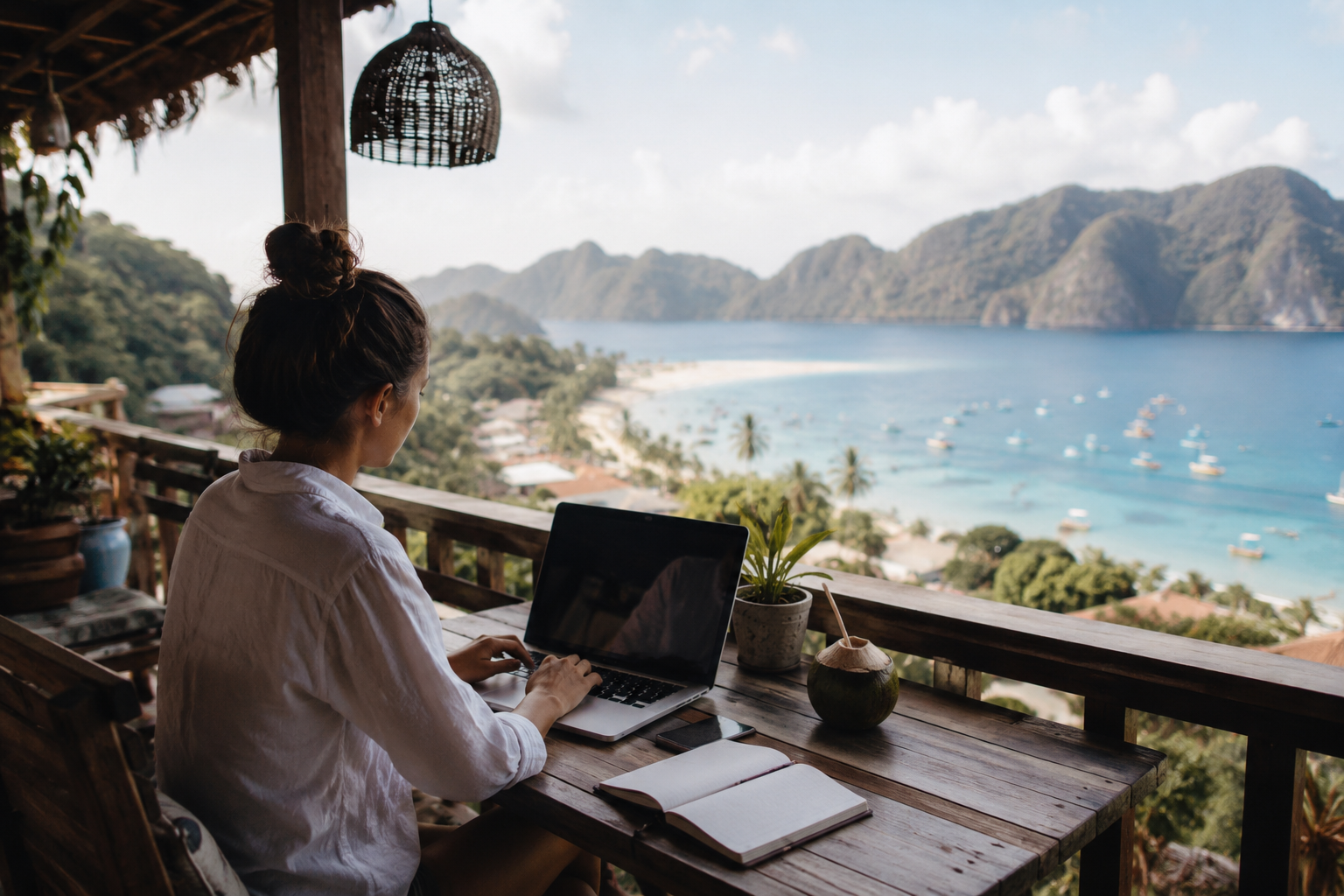
The concept of the digital nomad, once a niche lifestyle primarily adopted by tech-savvy freelancers, has re-emerged with unprecedented vigor in 2026, transforming the global workforce landscape. This article will explore the driving forces behind this unexpected resurgence and redefine what it means to be a digital nomad today.
The Unexpected Comeback of Location-Independent Work

How the Digital Nomad Dream Quietly Disappeared—and Returned Stronger
The initial wave of digital nomadism, peaking around 2023, often painted a romanticized picture of young people exploring the world from cafes with reliable Wi-Fi. However, the reality of constant mobility, loneliness, and often unstable freelance income led many to return home, seeking the comfort and stability of a traditional 9-5 office job.
The early digital nomad lifestyle, characterized by short stints in Airbnbs and a focus on leisure over long-term career development, quietly faded for many, giving the impression that the movement was merely a passing trend rather than a sustainable way of living and working.
Yet, like a phoenix from the ashes, the digital nomad lifestyle has not only returned but has done so with a renewed sense of purpose and structure. The initial challenges have been addressed by evolving technologies, more supportive infrastructure, and a significant shift in corporate attitudes towards remote work. This new era of digital nomadism emphasizes stability, community, and professional growth, making it an increasingly attractive and viable career path for a growing number of remote workers worldwide, ensuring that the dream is now more attainable and sustainable than ever before.
Why 2026 Marks a Turning Point in Remote Work Culture
The year 2026 stands as a pivotal moment, marking a definitive turning point in the evolution of remote work culture and the mainstream acceptance of the digital nomad lifestyle. Several converging factors have created a perfect storm, pushing location-independent work from the periphery into the very core of global employment strategies. This year signifies not just a return, but a maturation of the digital nomad movement, driven by technological advancements, economic pressures, and a profound shift in societal values.
This turning point is characterized by several key shifts:
- Global companies are actively embracing full-time remote opportunities.
- Governments are competing to attract remote talent with specialized visas.
- Individuals are reprioritizing freedom and work-life balance over traditional ownership models.
The collective impact of these forces has solidified digital nomadism as a legitimate and powerful component of the modern workforce, transforming it from a bohemian ideal into a strategic career choice for many professionals seeking greater autonomy and a richer lifestyle experience.
What Is a Digital Nomad in 2026? (Beyond the Stereotypes)

From Travel Influencers to Global Remote Professionals
The stereotypical image of a digital nomad, once synonymous with travel influencers documenting their adventures from picturesque destinations like Bali or Vietnam, has significantly evolved. In 2026, the definition has broadened to encompass a diverse array of global remote professionals who prioritize sustainable living and career development over ephemeral social media fame.
These individuals are no longer just freelancers or solo entrepreneurs; they include full-time employees of established companies, often operating within a highly specialized career field, who simply choose to work remotely from anywhere in the world.
This shift reflects a professionalization of the digital nomad lifestyle, where expertise and productivity are paramount, transcending geographical boundaries. The modern digital nomad is often a highly skilled worker, from software developers and designers to marketing specialists and project managers, who leverages technology to maintain high productivity while enjoying the flexibility to live abroad. Their focus is less on constant movement and more on establishing long-term, stable arrangements in various global locations, fostering a sense of community and deeper engagement with local cultures.
The New Definition: Stability Without a Fixed Location
In 2026, the essence of being a digital nomad has fundamentally transformed, moving beyond mere mobility to embrace a new paradigm: stability without a fixed location.
This redefinition acknowledges the growing desire among remote workers for both the freedom to explore and the essential comfort of a stable lifestyle, rejecting the constant transient nature that characterized earlier iterations of digital nomadism. Modern digital nomads seek to build sustainable careers and personal lives, often opting for longer stays in one destination, cultivating deeper connections with local communities and coworking spaces.
This pursuit of stability often manifests through a conscious choice of destination based on factors like affordable housing, reliable internet connection, and established expatriate communities, rather than just tourist appeal.
The new definition emphasizes financial security, a consistent client base or employer, and access to necessary amenities, allowing individuals to maintain a high level of productivity and personal well-being while enjoying the benefits of living abroad. This ensures that the digital nomad lifestyle is no longer a temporary adventure but a viable, long-term way of living and working for many.
Key Differences Between Old vs Modern Digital Nomads
The distinctions between “old” and “modern” digital nomads are quite pronounced, highlighting a significant evolution in mindset and approach to the lifestyle. Older digital nomads, prevalent before 2023, often embraced a more transient existence, moving every few weeks or months, and sometimes struggled with loneliness due to a lack of long-term community connection.
| Characteristic | “Old” Digital Nomads (Pre-2023) |
|---|---|
| Priorities | Adventure and constant travel |
| Demographics | Younger, single individuals |
| Work & Finances | Freelance or entrepreneurial ventures; might not always offer robust financial stability |
| Housing | Heavily relied on platforms like Airbnbs for temporary housing |
In contrast, modern digital nomads in 2026 prioritize stability, sustainability, and community alongside their freedom to work remotely. They are often more established professionals, including families, who seek longer stays in carefully chosen destinations, sometimes establishing a “base city strategy.” This new breed leverages the following characteristics:
| Visa Type | Digital nomad visas (greater number available) |
| Income Stream | More reliable, often as full-time employees of global companies |
| Community Engagement | Actively seeks out coworking spaces and expat communities to build lasting relationships |
| Lifestyle Focus | Emphasizes a balanced lifestyle that combines work, leisure, and personal growth |
The Major Forces Driving the Digital Nomad Revival
Remote Work Normalization in Global Companies
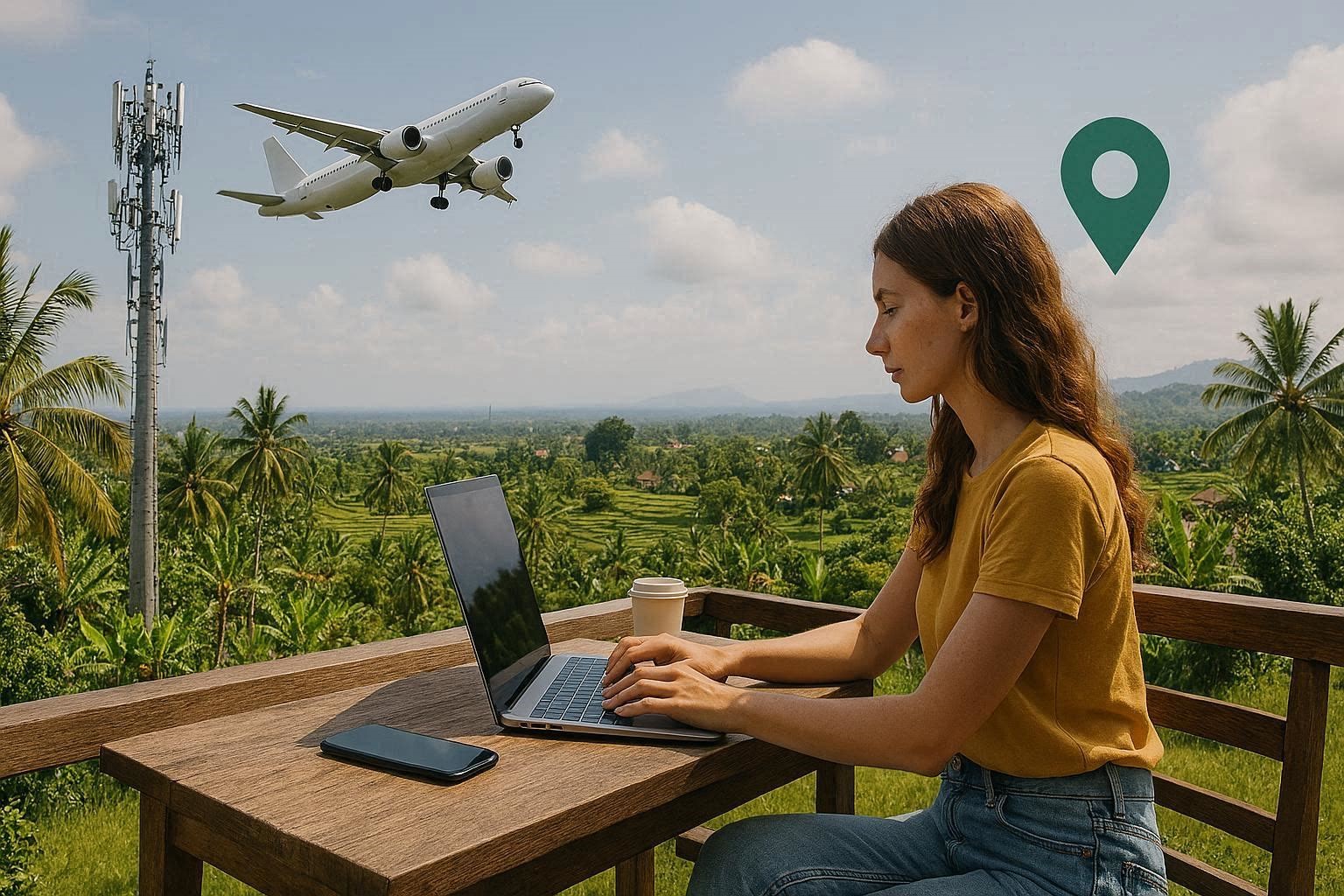
One of the most powerful forces driving the current digital nomad revival is the widespread normalization of remote work within global companies. What was once a rare perk or a necessity during the pandemic has now become a standard operating model for countless organizations, transforming their approach to workforce management.
Companies have realized the immense benefits of a distributed workforce, including access to a broader talent pool, reduced overhead costs associated with physical office spaces, and often increased employee satisfaction and productivity due to greater flexibility.
This normalization means that a growing number of professionals no longer need to be freelance or entrepreneurial to embrace the digital nomad lifestyle; they can maintain their full-time corporate careers while living and working from anywhere.
Global companies are now investing in robust remote infrastructure, secure virtual private networks, and advanced collaboration tools, making seamless communication and project management possible across different time zones. This institutional acceptance provides the stability and career progression that was often missing in the earlier iterations of digital nomadism, making it a much more attractive and viable option for a diverse range of professionals.
Artificial Intelligence as a Productivity Multiplier
Artificial intelligence is emerging as a revolutionary productivity multiplier, profoundly impacting the digital nomad lifestyle by enabling individuals to achieve more with less effort. AI tools are automating mundane and repetitive tasks, from drafting emails and generating code to managing schedules and analyzing data, freeing up significant time for remote workers.
This technological leap allows solo entrepreneurs and freelancers to compete more effectively with larger agencies, as they can leverage AI to scale their output, enhance the quality of their work, and take on a greater number of clients without expanding their personal workload exponentially.
For the modern digital nomad, AI translates directly into enhanced work-life balance and increased efficiency, making it easier to manage a career while exploring a new place or enjoying a lunch break in a foreign city. It empowers them to be highly productive regardless of their physical location, minimizing the traditional bottlenecks of remote work and amplifying their earning potential.
This technological advancement is not just a convenience; it is a fundamental enabler that significantly boosts the feasibility and attractiveness of the location-independent lifestyle for a growing number of individuals, ensuring they can maintain their career momentum while embracing global experiences.
Rising Cost of Living in Major Cities
The escalating cost of living in major global cities stands as a significant economic catalyst propelling the current digital nomad revival. As housing prices, transportation expenses, and daily necessities continue to soar in urban centers, many professionals are finding it increasingly difficult to maintain their desired lifestyle or save for the future, even with competitive salaries.
This financial pressure serves as a compelling incentive for individuals to explore alternative living arrangements that offer a better quality of life at a fraction of the expense, leading them to consider working remotely from more affordable international destinations.
By embracing the digital nomad lifestyle, individuals can leverage currency arbitrage and geographic salary advantages, earning a salary from a high-wage country while spending in a cheaper economy. This optimization strategy allows them to significantly reduce their overall expenses, boost their savings, and often enjoy a higher standard of living than they could afford back home.
The pursuit of economic relief and a more comfortable lifestyle without sacrificing career progression is a powerful motivator, driving many to explore places like Medellín, Chiang Mai, or Lisbon, where their money simply goes further, providing greater financial freedom.
Government Competition for Remote Workers (Visa Expansion Era)
A pivotal force driving the current digital nomad boom is the unprecedented government competition for remote workers, ushering in a new era of visa expansion tailored specifically for location-independent professionals.
Recognizing the economic benefits that digital nomads bring—from increased tourism revenue and local spending to the potential for attracting skilled talent and fostering innovation—numerous countries are actively designing and implementing specialized digital nomad visas. These programs are designed to attract this valuable demographic by offering clearer legal frameworks, extended residency periods beyond the traditional 90 days, and often streamlined application processes.
This proactive approach from governments represents a significant shift from previous eras where remote workers often operated in a legal grey area, relying on tourist visas or complex business permits. Countries around the world, including places like the Dominican Republic, Portugal, and Estonia, are now competing fiercely to position themselves as attractive destinations, highlighting their reliable internet infrastructure, vibrant communities, and tax incentives.
This global race to attract remote talent provides digital nomads with greater security, legitimacy, and a broader range of choices for where they can legally live and work abroad long-term, further solidifying the lifestyle’s sustainability and appeal.
Shift in Lifestyle Values: Freedom Over Ownership
A profound shift in lifestyle values, prioritizing freedom and experiences over traditional ownership, is a fundamental driver behind the resurgence of the digital nomad lifestyle. Younger generations, in particular, are increasingly questioning the conventional path of accumulating physical assets—such as owning a large house or an expensive car—and are instead placing a higher value on flexibility, personal growth, and the ability to explore the world.
This philosophical pivot reflects a desire for a life less tethered to material possessions and more focused on meaningful experiences, cultural immersion, and autonomy over one’s time and location.
This shift is not merely about avoiding responsibility; it’s about redefining success and well-being. Modern digital nomads seek the freedom to design their lives around their passions, whether that means spending time in nature, learning a new language, or engaging with diverse communities, rather than being confined to a single geographic location due to an office job or a mortgage.
The appeal of a mobile lifestyle, where one can seamlessly blend work with continuous discovery and personal development, resonates deeply with individuals who value adaptability and a rich tapestry of life experiences above traditional symbols of wealth and ownership, propelling the digital nomad movement forward as a viable and desirable way to live.
The Role of Digital Nomad Visas in 2026’s Boom
How Countries Are Competing for Remote Talent
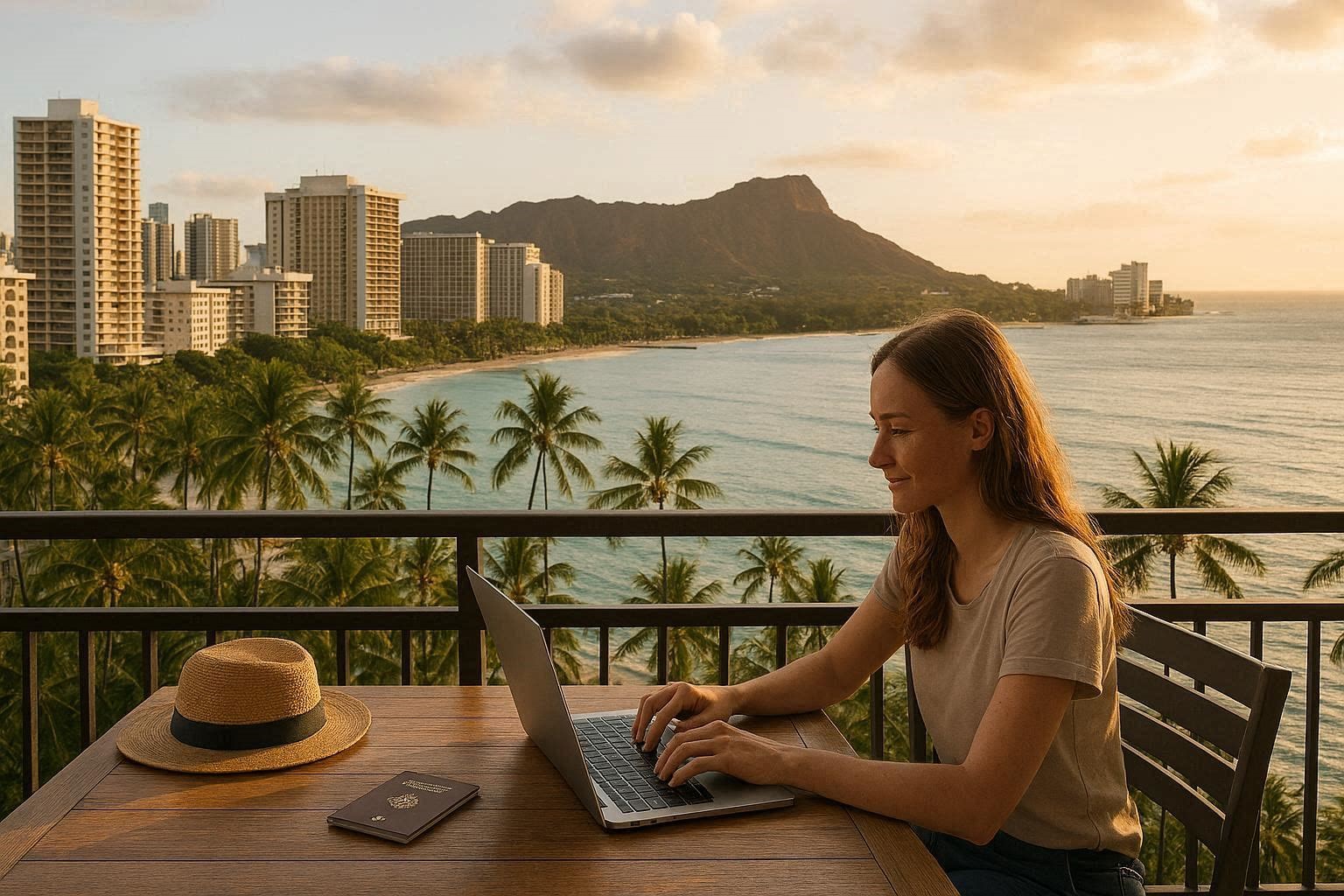
In 2026, the landscape of international mobility for remote workers has been fundamentally transformed by an intense, global competition among countries vying to attract digital nomad talent. Governments worldwide now recognize the significant economic contributions that these skilled professionals bring, from boosting local economies through increased spending on housing, food, and services to injecting valuable human capital and fostering innovation.
This understanding has spurred a proactive and often aggressive approach to creating enticing environments for location-independent individuals, leading to a proliferation of specialized visa programs and attractive incentives.
Countries are actively marketing their unique advantages, whether it’s a vibrant tech scene, a low cost of living, breathtaking natural landscapes, or a rich cultural heritage. They are streamlining application processes, investing in reliable Wi-Fi infrastructure, and even developing dedicated digital nomad communities and coworking spaces to facilitate a smoother transition and more enriching experience for new arrivals.
This governmental competition provides digital nomads with an unprecedented array of choices and a more secure legal footing, removing many of the uncertainties that plagued earlier remote workers who often operated on tourist visas, thereby fueling the current boom in the lifestyle.
Tax Incentives and Residency Programs Explained
A significant draw for digital nomads in 2026 is the growing array of tax incentives and residency programs specifically designed to attract them, offered by countries eager to boost their economies. These programs often go beyond simply granting legal stay; they provide attractive financial benefits that can significantly impact a digital nomad’s overall income and savings.
For instance, some countries offer reduced income tax rates, tax exemptions on foreign-earned income, or even temporary tax holidays for a certain number of years upon obtaining a digital nomad visa or special residency status, making the prospect of living and working abroad incredibly appealing from a financial standpoint.
Beyond tax advantages, many residency programs offer additional perks such as access to local healthcare systems, opportunities for long-term settlement, and sometimes even pathways to permanent residency or citizenship. These comprehensive packages are carefully crafted to provide both immediate financial gains and long-term stability, addressing common concerns among remote workers about social security, healthcare, and future planning.
By clearly outlining these benefits, governments are not just inviting digital nomads; they are actively competing for this valuable workforce, ensuring that the decision to live and work abroad is not only adventurous but also fiscally prudent and secure.
Popular Nomad Visa Models Around the World
The proliferation of digital nomad visa models around the world is a testament to the lifestyle’s global acceptance and the keen interest of countries in attracting this new workforce. While specific requirements vary, several popular models have emerged, offering different levels of flexibility and benefits.
The most common model is a temporary residence permit, typically valid for one to two years with options for renewal, requiring applicants to prove a stable remote income above a certain threshold, often ranging from $2,500 to $3,500 USD per month, and possessing health insurance. Countries like Portugal and Estonia are pioneers in this space, offering well-established programs that have become benchmarks for others.
Other models include specific freelancer visas, sometimes with lower income requirements but demanding proof of client contracts, or investor visas that cater to entrepreneurs willing to make a local investment. Additionally, some countries offer special tax regimes, like Italy’s flat tax for new residents, which can be particularly attractive for high-earning digital nomads.
The variety of these visas, from those focusing on highly skilled tech workers to those accommodating a broader range of remote professionals, ensures that individuals can find a destination that not only aligns with their lifestyle preferences but also provides a legally robust framework for their long-term stay, cementing the digital nomad movement’s global presence and viability.
Top Digital Nomad Hubs in 2026 (and Why They Win)
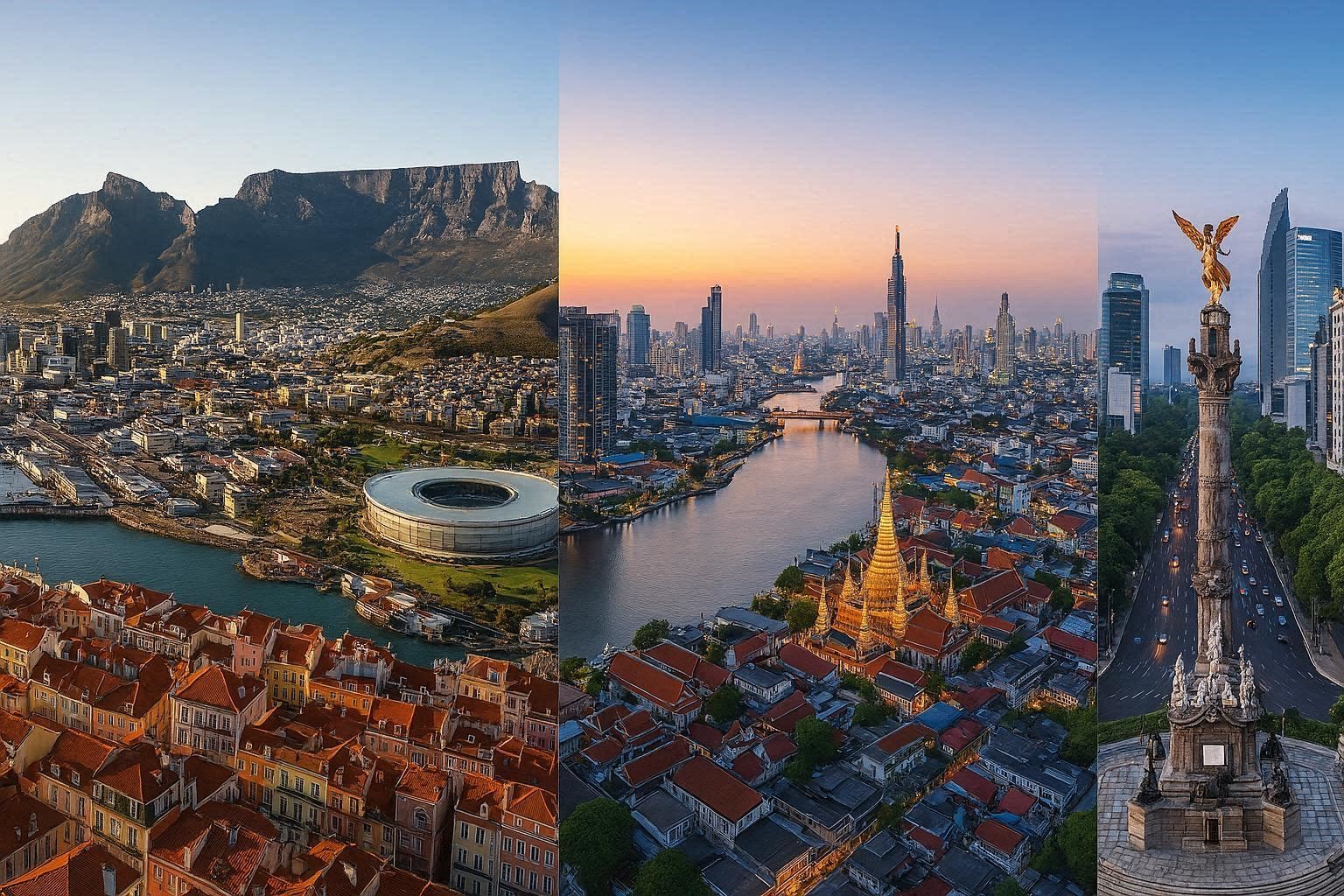
Europe’s Remote Work Capitals
Europe continues to solidify its position as a premier destination for the digital nomad lifestyle, with several cities emerging as remote work capitals due to their blend of vibrant culture, robust infrastructure, and welcoming policies. These cities offer not just reliable Wi-Fi and ample coworking spaces but also a high quality of life, diverse expat communities, and a wealth of opportunities for both professional and personal growth, attracting a growing number of digital nomads.
Lisbon, with its burgeoning startup energy and captivating coastal lifestyle, draws many remote workers. Barcelona entices digital nomads with its unique blend of creativity and excellent infrastructure, making it an ideal place to live and work remotely.
Asia’s Affordable Productivity Hubs
Asia has long been a magnet for digital nomads seeking an affordable yet vibrant lifestyle, and in 2026, it continues to excel as a hub for productive remote work. These destinations offer an exceptional cost-of-living advantage, allowing digital nomads to stretch their earnings further while enjoying rich cultural experiences and supportive communities, making it an ideal choice for those looking to maximize their savings and quality of life.
Bali stands out for its unique wellness and community ecosystem, offering a serene yet connected environment for remote workers. Chiang Mai in Thailand is celebrated for its remarkable cost efficiency and stability, providing a sustainable backdrop for the digital nomad lifestyle.
Americas Rising Remote Cities
The Americas are increasingly becoming a dynamic landscape for digital nomads, with several cities rising as prominent remote work destinations offering diverse experiences and strong communities. These urban centers provide a compelling combination of cultural richness, improved infrastructure, and often a more favorable cost of living compared to traditional hubs, making them attractive for those looking to work remotely closer to home or explore a different continental vibe.
Mexico City continues to attract digital nomads with its unparalleled culture and robust connectivity, fostering an exciting environment for living and working remotely. Medellín, Colombia, stands out due to its pleasant climate and significant cost advantage, making it a compelling choice for those seeking an affordable and comfortable digital nomad lifestyle.
New Types of Digital Nomads Emerging in 2026
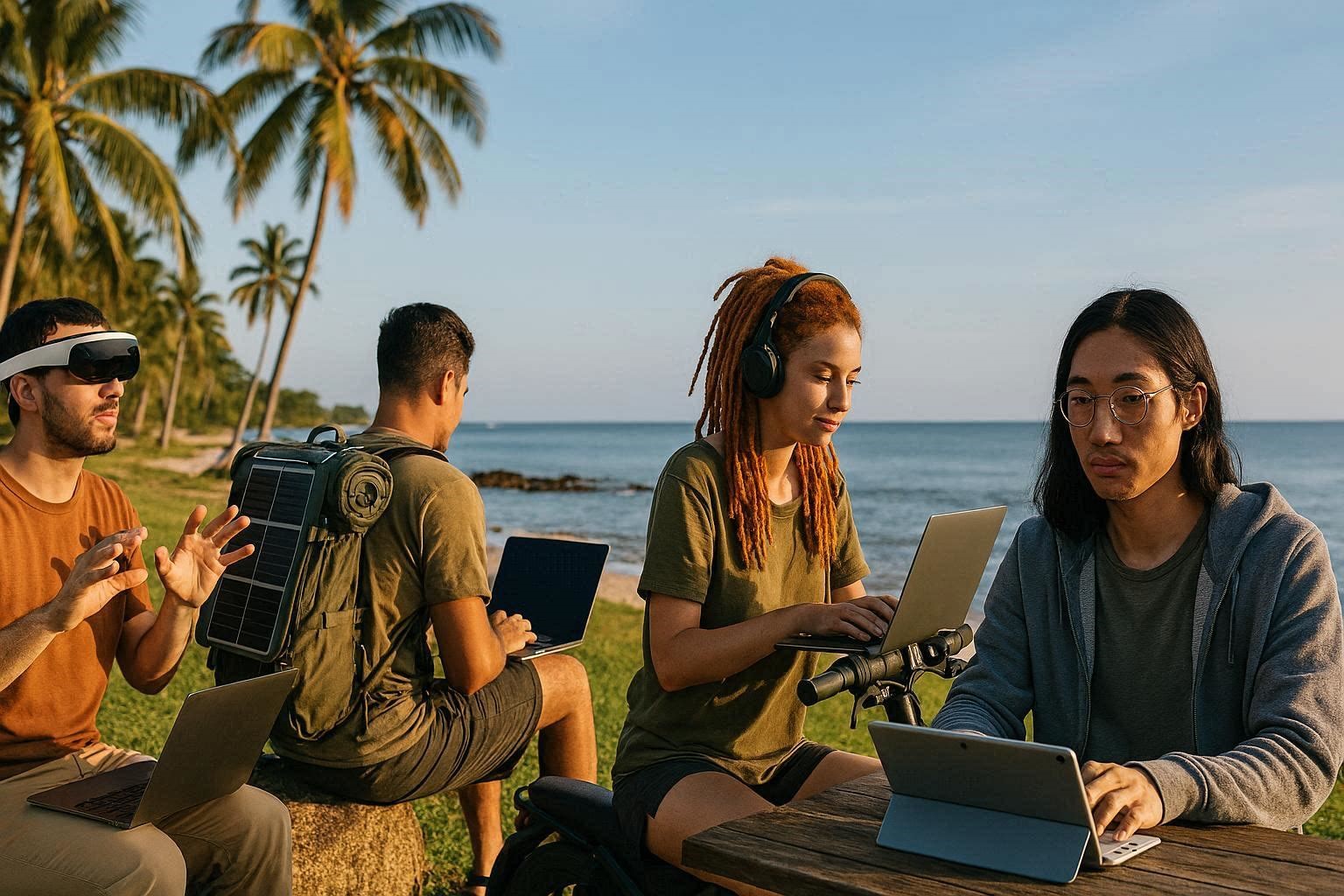
Corporate Remote Employees (“Hybrid Nomads”)
The year 2026 has witnessed the significant rise of a new breed of digital nomads: corporate remote employees, often dubbed “hybrid nomads.” These individuals are not freelancers or solo entrepreneurs but rather full-time employees of established companies that have fully embraced remote work policies.
Unlike traditional digital nomads who often piece together multiple client projects, hybrid nomads enjoy the stability of a steady income, benefits, and career progression, allowing them to work remotely from various locations without sacrificing corporate comfort and security. This development has profoundly reshaped the digital nomad landscape, making the lifestyle accessible to a much broader professional demographic, ensuring that job security and global exploration are no longer mutually exclusive.
AI-Powered Freelancers and Solo Entrepreneurs
The advent of sophisticated artificial intelligence tools has given rise to a powerful new category of digital nomads: AI-powered freelancers and solo entrepreneurs. These innovative individuals leverage AI to automate significant portions of their work, from content creation and data analysis to marketing and customer service, drastically enhancing their productivity and efficiency.
This technological advantage allows them to handle larger workloads, offer more competitive services, and operate with a lean setup, effectively competing with small agencies. For many, AI is not just a tool but a foundational element of their business model, enabling them to explore the world while maintaining a highly productive and profitable career, fundamentally transforming the traditional freelance model within the digital nomad lifestyle and attracting a growing number of tech-savvy workers.
Slow Travel Nomads (Long-Stay Lifestyle Design)
A notable trend among the new types of digital nomads in 2026 is the emergence of “slow travel nomads,” who consciously choose a long-stay lifestyle design over constant movement. Rejecting the fast-paced, transient nature of earlier digital nomadism, these individuals prioritize deeper immersion in local cultures and communities, often spending several months or even a year in a single destination.
This approach allows them to establish stronger connections, participate more fully in local life, and maintain a more stable routine, which often includes developing friendships within expat communities and frequenting the same coworking spaces. For slow travel nomads, the freedom of the digital nomad lifestyle is expressed not through continuous exploration of new places, but through the ability to truly live and integrate into a chosen locale, fostering a sense of belonging and reducing the risk of loneliness often associated with a constantly mobile existence.
Creator Economy Nomads (Content-Driven Income)
The burgeoning creator economy has fostered a distinct new segment within the digital nomad community: “creator economy nomads,” whose income is primarily driven by content creation across various platforms. These individuals leverage their online presence to generate revenue through vlogging, blogging, podcasting, social media influencing, and other digital content forms.
The digital nomad lifestyle perfectly complements their work, as their global travels and experiences provide a constant source of inspiration and unique content, allowing them to explore new places and share their adventures with a worldwide audience.
They often prioritize destinations that offer visually appealing backdrops, vibrant local cultures, or a strong community of fellow creators, ensuring their work remains fresh and engaging. For these nomads, their camera, laptop, and a reliable Wi-Fi connection are their primary tools, enabling a career that thrives on mobility and authentic experience, further diversifying the digital nomad movement and showcasing a different kind of remote worker.
The Economics Behind the Digital Nomad Lifestyle
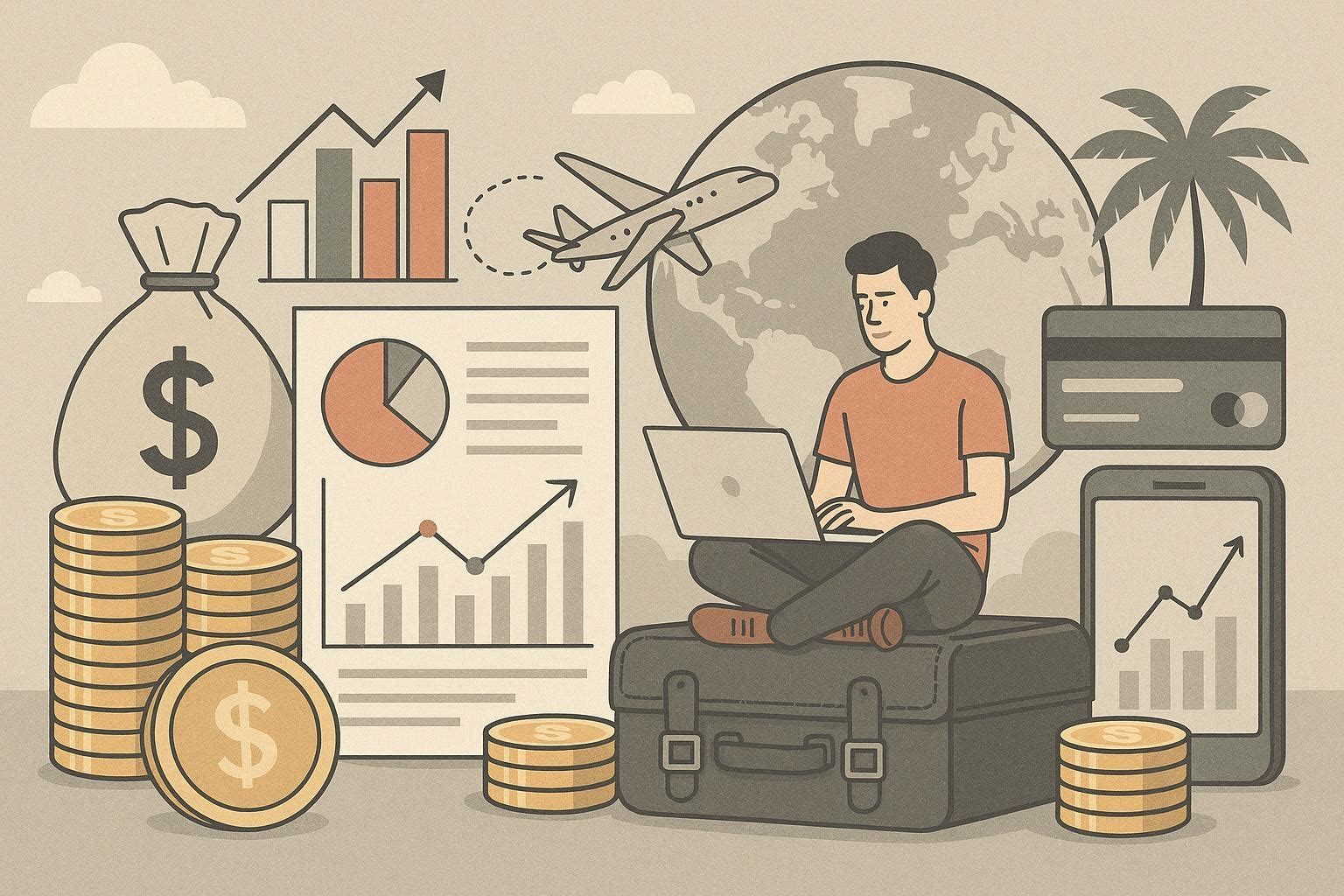
Income vs Cost-of-Living Optimization Strategy
At the core of the digital nomad lifestyle’s financial viability in 2026 is a sophisticated income versus cost-of-living optimization strategy. This involves consciously choosing to earn income from higher-wage economies, typically through full-time remote work for global companies or high-value freelance projects, while simultaneously selecting destinations with significantly lower living expenses.
This strategic arbitrage allows digital nomads to not only maintain but often dramatically improve their financial standing, enabling greater savings, investment, and a higher discretionary income. It’s a calculated approach that moves beyond simply finding cheap places, focusing instead on maximizing the purchasing power of their earnings, transforming the dream of living and working abroad into an economically astute decision that offers unprecedented financial freedom.
Currency Arbitrage and Geographic Salary Advantage
A significant economic engine powering the digital nomad lifestyle is the intelligent utilization of currency arbitrage and geographic salary advantage. Digital nomads strategically earn salaries in strong, stable currencies, typically from companies based in high-income countries, while choosing to live and spend in countries where the local currency is weaker or the cost of living is considerably lower.
This disparity allows their income to go much further, creating a substantial financial buffer and increasing their savings rate. For example, earning a tech salary in USD or EUR and spending it in a country like Vietnam or parts of Latin America means a digital nomad can afford a higher quality of housing, dining, and leisure activities than they might back home, fundamentally transforming their financial comfort and stability while living abroad and expanding the number of digital nomads seeking this advantage.
Hidden Financial Risks Most Guides Ignore
While the financial benefits of the digital nomad lifestyle are often highlighted, many guides overlook crucial hidden financial risks that remote workers must navigate to ensure long-term stability. These risks include volatile currency exchange rates that can erode savings, unexpected tax complexities arising from being a resident in one country and earning income from another, and the potential for increased costs related to healthcare in foreign countries without robust insurance coverage.
Additionally, inconsistent client work for freelancers, the expense of frequent travel, and the often-underestimated cost of maintaining an international lifestyle—such as visa application fees, international data plans, and emergency funds for unforeseen circumstances—can quickly deplete savings. A comprehensive financial plan, acknowledging these less glamorous but critical aspects, is essential for a sustainable digital nomad career, ensuring comfort and avoiding financial isolation.
The Role of AI in Enabling the 2026 Nomad Boom
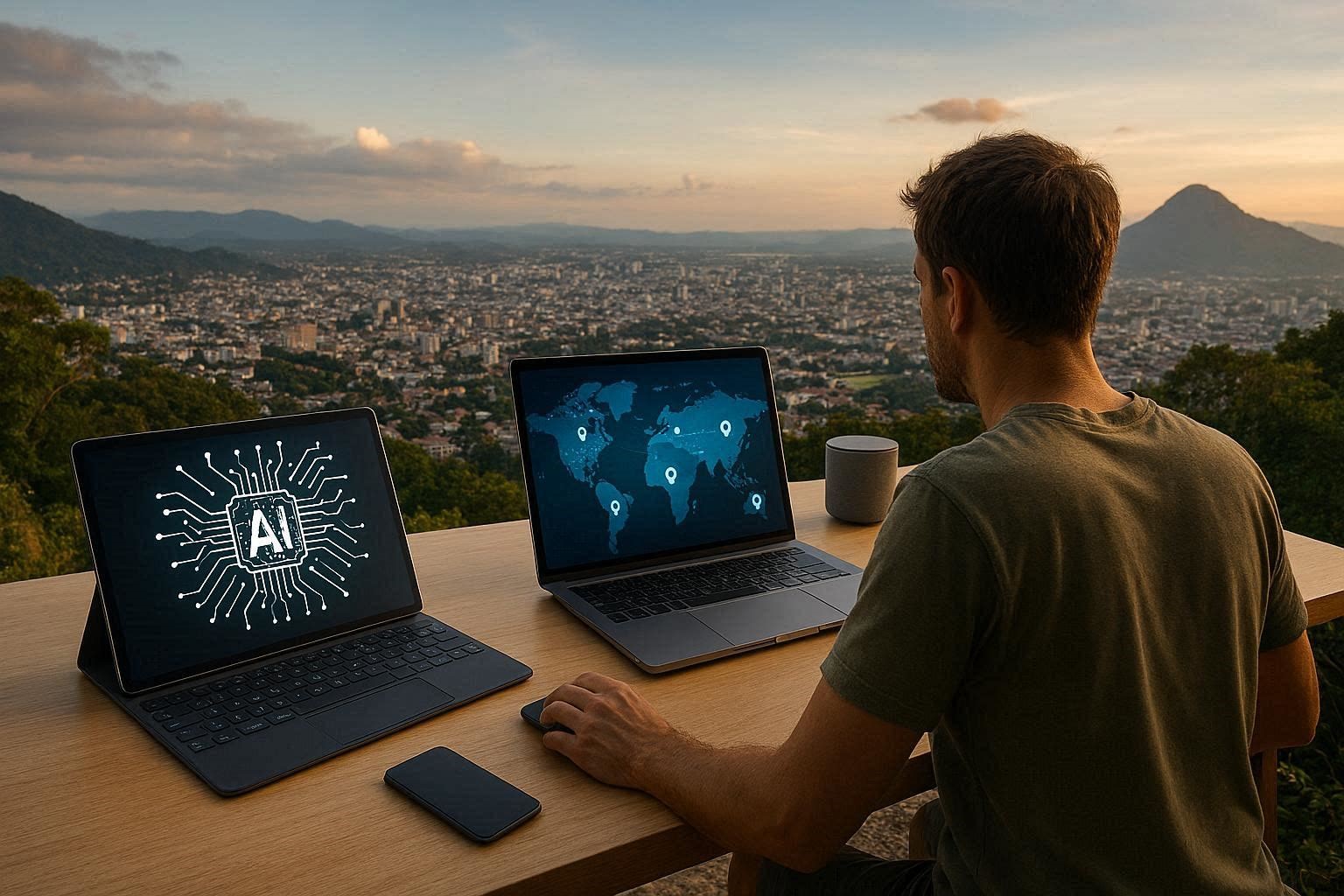
AI Tools Replacing Traditional Freelance Bottlenecks
Artificial intelligence tools are playing a transformative role in the 2026 digital nomad boom by effectively replacing and alleviating many traditional freelance bottlenecks that once hindered productivity and scalability. Previously, solo entrepreneurs and freelancers often faced limitations in managing administrative tasks, client communication, and repetitive content creation, which consumed valuable time and restricted their capacity to take on more work.
AI-powered platforms now automate these processes, from generating personalized emails and scheduling appointments to providing initial drafts of articles or code, thereby streamlining workflows and freeing up the digital nomad to focus on higher-value, creative tasks. This automation ensures that remote workers can maintain high levels of output and professionalism regardless of their location, significantly enhancing their work-life balance and overall income potential within the digital nomad lifestyle.
Automation of Writing, Coding, and Marketing Workflows
The automation of writing, coding, and marketing workflows through artificial intelligence has become a cornerstone in enabling the current digital nomad boom. AI tools can now generate highly coherent content, assist in debugging and writing complex code, and even manage sophisticated digital marketing campaigns, all with remarkable speed and efficiency.
This means that a single digital nomad can effectively perform tasks that once required a small team, from drafting blog posts and social media updates to developing website features and analyzing market trends. The ability to delegate these specialized functions to AI allows remote workers to significantly expand their service offerings, improve the quality of their deliverables, and drastically reduce the time spent on repetitive tasks, enhancing their productivity and ensuring a more comfortable and flexible digital nomad lifestyle that integrates work and leisure seamlessly.
How Solo Workers Now Compete With Small Agencies
One of the most profound impacts of AI in the 2026 nomad boom is how it has empowered solo workers to effectively compete with, and often outperform, small agencies. By leveraging advanced AI tools for automation in areas like content creation, data analysis, project management, and even client outreach, individual digital nomads can now deliver outputs that previously required the collective effort of multiple team members.
This technological advantage allows them to offer competitive pricing, quicker turnaround times, and a highly personalized service that larger agencies might struggle to match. The result is a democratized freelance landscape where talent and efficiency, amplified by AI, trump the size of a team, enabling a growing number of digital nomads to establish thriving, high-income careers while maintaining the freedom and flexibility of a location-independent lifestyle, ultimately transforming the very structure of the global remote workforce.
The Reality Check: Challenges Behind the Lifestyle

Burnout from Constant Mobility and Digital Overload
While the digital nomad lifestyle promises unparalleled freedom, it also presents significant challenges, with burnout from constant mobility and digital overload being prominent among them. The relentless pressure to remain productive across various time zones, coupled with the need to constantly adapt to new environments and manage logistics, can lead to chronic stress.
For a growing number of digital nomads, the initial excitement of living and working abroad can give way to exhaustion as they struggle to find a balance between exploring a new place and maintaining a demanding remote work schedule. This sustained mental and physical strain can diminish the comfort and appeal of the lifestyle, underscoring the importance of deliberate self-care strategies and mindful planning to sustain long-term well-being and productivity in the digital nomad movement.
Visa Limitations and Legal Uncertainty
Despite the rise of specialized digital nomad visas in 2026, visa limitations and legal uncertainty remain significant hurdles for many remote workers. While a growing number of countries, including places like the Dominican Republic, offer clearer pathways for long-term stays, the process can still be complex, requiring substantial documentation and proof of income.
Furthermore, not all countries have dedicated digital nomad visa programs, forcing some individuals to rely on short-term tourist visas or precarious “visa runs,” which can lead to legal complications and a lack of long-term stability. This uncertainty can create considerable stress for digital nomads, impacting their ability to settle, build local connections, and plan their lives effectively, making it crucial to research legal requirements thoroughly and ensure compliance to avoid being isolated or facing unexpected expenses.
Loneliness and Lack of Long-Term Community
One of the most profound, yet often unaddressed, challenges of the digital nomad lifestyle is the pervasive loneliness and the struggle to cultivate a long-term community. While coworking spaces and expat groups offer transient connections, the constant movement inherent in the lifestyle can make it difficult for a digital nomad to forge deep, lasting relationships.
The feeling of being isolated, despite being surrounded by new people, is a common experience, especially for those who travel frequently and don’t establish a “base city.” This lack of consistent social support can significantly impact mental well-being, highlighting that while the freedom to explore the world is enriching, the absence of a stable social network remains a critical consideration for any remote worker embracing this unique way of living and working.
Time Zone Pressure and Work Coordination Issues
For many digital nomads, especially corporate remote employees, time zone pressure and work coordination issues present a persistent challenge to maintaining productivity and comfort. Working across significant time differences with colleagues or clients in different parts of the world often necessitates adjusting one’s schedule to accommodate critical meetings or collaborative work, which can lead to late nights or very early mornings.
This constant shifting can disrupt sleep patterns, impact personal leisure time, and make it difficult for a digital nomad to fully immerse themselves in their local environment. The continuous need to align with a distant office job schedule can diminish the very freedom and flexibility that attracted many to the digital nomad lifestyle, requiring effective strategies for communication and self-management to avoid burnout and maintain a healthy work-life balance.
How the Digital Nomad Lifestyle Has Matured (2026 Shift)
From “Travel Full-Time” to “Base City Strategy”
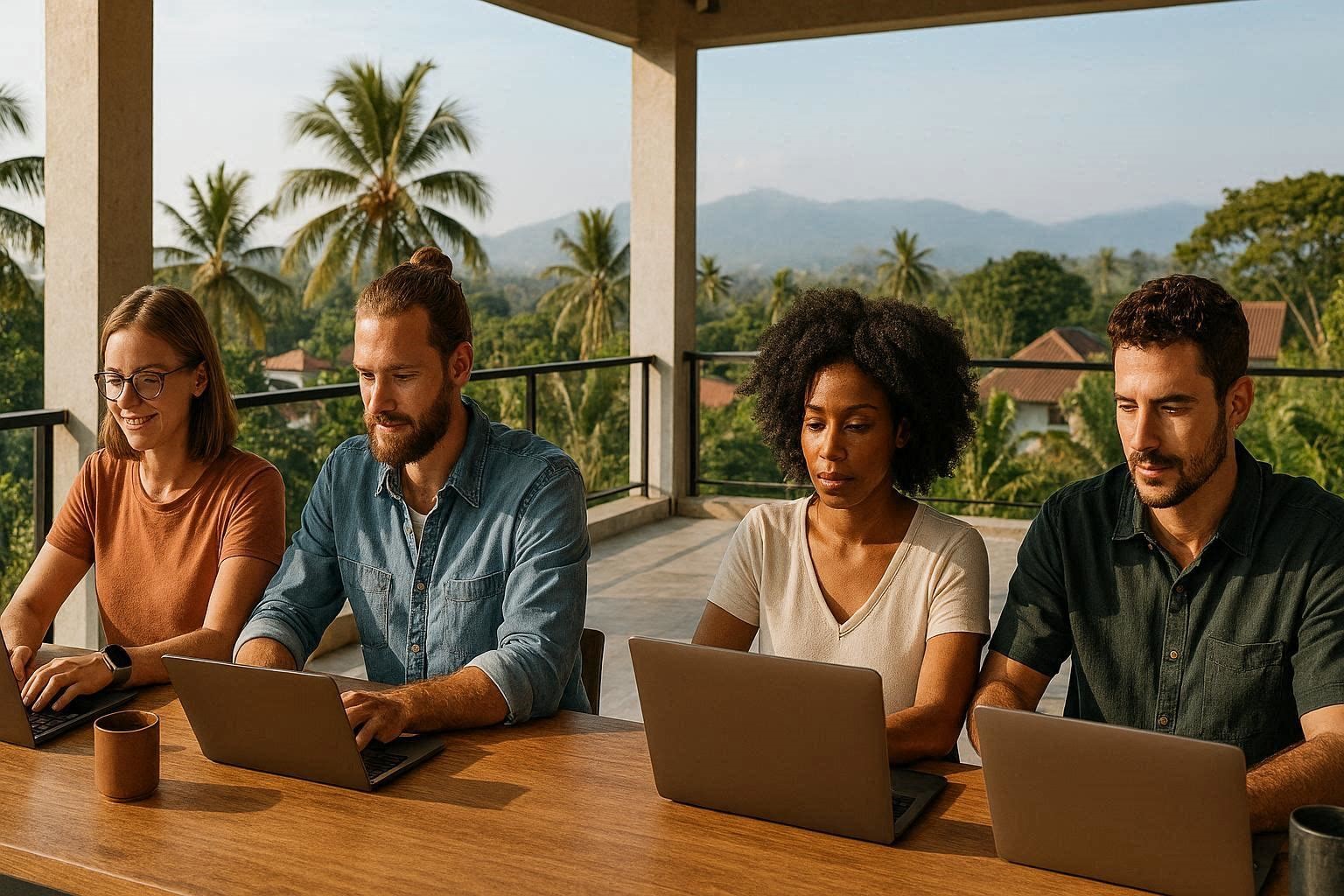
The digital nomad lifestyle has significantly matured by 2026, evolving from an ethos of “travel full-time” to a more sustainable “base city strategy.” Earlier iterations often emphasized constant movement, leading to issues of loneliness, exhaustion, and a lack of deep connection with any single place.
However, modern digital nomads increasingly opt to establish a primary “base city” for several months or even a year, allowing them to truly live and work remotely in a chosen destination. This approach fosters stability, enables deeper cultural immersion, facilitates the building of a local community, and reduces the logistical complexities and expenses associated with perpetual motion, offering a more balanced and comfortable experience while still maintaining the freedom to explore at intervals.
Rise of Semi-Nomadic Living Models
Reflecting the maturation of the digital nomad movement, 2026 has seen a significant rise of semi-nomadic living models, offering a flexible middle ground between traditional residency and perpetual travel. This approach involves spending extended periods, often six months to a year, in one destination before moving to another, rather than constant short-term relocation.
Semi-nomadic living allows remote workers to truly settle into a new place, fostering deeper connections with local communities, building routines, and establishing a sense of comfort that constant mobility often precludes. This model prioritizes stability and immersion over rapid exploration, catering to those who desire the freedom of the digital nomad lifestyle without the associated burnout of continuous movement, ensuring a more sustainable and enriching experience as they live and work abroad.
Community-Based Remote Work Ecosystems
A significant development in the digital nomad lifestyle by 2026 is the emergence and proliferation of community-based remote work ecosystems. These are not merely coworking spaces but integrated living and working environments designed to foster connection, collaboration, and a sense of belonging among digital nomads.
From co-living spaces with built-in social programs to entire “digital nomad towns” that offer tailored services and events, these ecosystems directly address the challenge of loneliness and the lack of long-term community often experienced by remote workers.
They provide a ready-made support network, opportunities for professional networking, and shared experiences, enhancing the comfort and overall appeal of living and working abroad, making the digital nomad movement more sustainable and enriching for a growing number of individuals seeking both freedom and genuine connection.
How to Become a Digital Nomad in 2026 (Step-by-Step Path)
Choosing a Remote-Eligible Income Stream
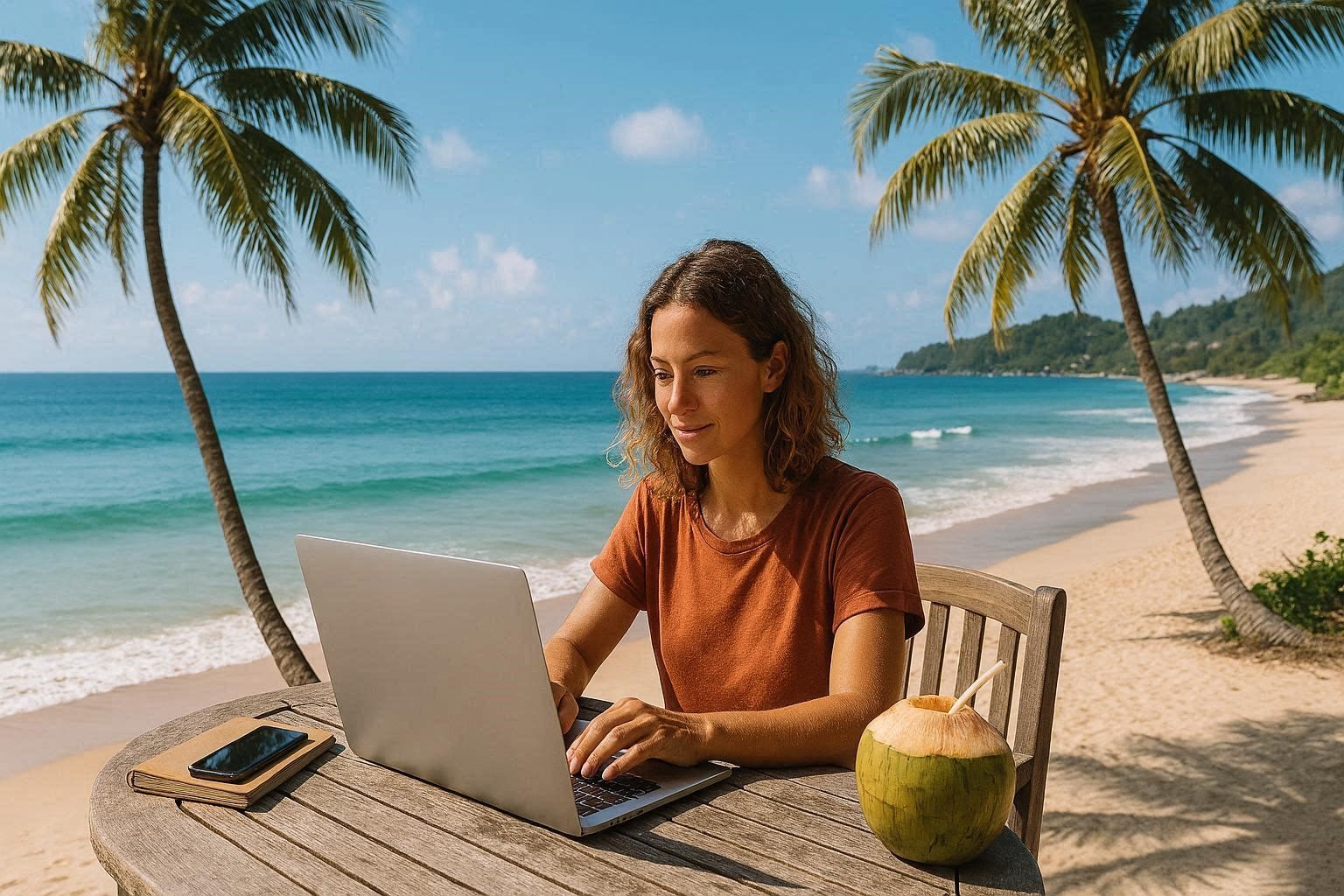
The first critical step to becoming a digital nomad in 2026 is strategically choosing a remote-eligible income stream that provides both flexibility and financial stability. This typically involves identifying skills or roles that can be performed entirely online, such as software development, digital marketing, graphic design, content writing, or virtual assistance.
Many aspiring digital nomads secure full-time remote positions with global companies, ensuring a steady salary and benefits, while others build a freelance client base or develop an entrepreneurial venture that generates reliable revenue. The key is to have an income source that is not tied to a specific physical location, allowing you the freedom to work remotely from anywhere in the world and truly embrace the digital nomad lifestyle without financial strain.
Building Financial Stability Before Travel
Before embarking on the digital nomad lifestyle, building significant financial stability is an absolutely crucial step that ensures comfort and reduces stress. This involves creating an emergency fund equivalent to at least six to twelve months of living expenses, especially if working freelance, to buffer against unexpected costs, client fluctuations, or health emergencies abroad.
Additionally, it is wise to pay off high-interest debt and establish a clear budget that accounts for international travel, visa fees, health insurance, and varying costs of living in different destinations. A solid financial foundation provides the security needed for a digital nomad to truly explore the world without constant worry about money, allowing them to fully enjoy the freedom and experiences the lifestyle offers, transforming the dream into a sustainable reality.
Selecting the First Destination Strategically
Selecting the first destination strategically is a pivotal step for any aspiring digital nomad in 2026, setting the tone for their remote work journey. This initial choice should prioritize factors that contribute to a smooth transition and comfortable experience, such as reliable Wi-Fi, affordable housing, a welcoming expat community, and a low cost of living.
Places like Medellín, Bali, or Lisbon often serve as excellent starting points due to their established digital nomad infrastructure, ease of obtaining a visa, and vibrant local culture. A strategic choice helps mitigate the initial challenges of living and working abroad, allowing the new digital nomad to focus on productivity and adaptation rather than overwhelming logistics, ensuring a positive and sustainable start to their location-independent lifestyle.
Future Outlook: Where the Digital Nomad Movement Is Headed Next
The digital nomad movement, having matured significantly by 2026, is poised for even greater transformation, driven by ongoing technological advancements, evolving corporate policies, and a deepening global understanding of remote work. We can anticipate further expansion of digital nomad visa programs, with more countries competing to attract this valuable workforce through tailored incentives and streamlined processes.
The integration of AI will continue to empower solo workers, allowing for even greater productivity and specialization, potentially leading to new career paths and business models that are inherently location-independent. Furthermore, the rise of “digital nomad towns” and purpose-built remote work communities will likely accelerate, offering more structured support and social connections that address previous challenges of loneliness and isolation, thereby solidifying the digital nomad lifestyle as a permanent and evolving fixture in the global professional landscape. This trajectory suggests a future where living and working abroad is not just accessible, but increasingly optimized for long-term comfort, community, and career growth for a growing number of digital nomads worldwide.
Conclusion: Why the Digital Nomad Lifestyle Is No Longer a Trend—But a System
The unexpected comeback of the digital nomad lifestyle in 2026 clearly signifies that it is no longer a fleeting trend, but a deeply embedded and sophisticated system reshaping how and where we work. Driven by the normalization of remote work in global companies, the transformative power of AI, and a fundamental shift in values towards freedom and experiences over ownership, this movement has matured into a sustainable and accessible option for a growing number of professionals.
From corporate remote employees to AI-powered freelancers, diverse types of digital nomads are leveraging strategic financial planning, specialized visas, and supportive community ecosystems to build stable, fulfilling careers while exploring the world. While challenges like burnout and the quest for long-term community persist, the adaptive nature of this lifestyle, evident in the shift to a “base city strategy” and semi-nomadic models, demonstrates its resilience and evolution.
The digital nomad lifestyle has transcended its initial romanticized image, becoming a viable and integral component of the global workforce, offering unprecedented flexibility, career growth, and personal enrichment for those who choose to live and work remotely, solidifying its place as a permanent fixture in the 21st century.