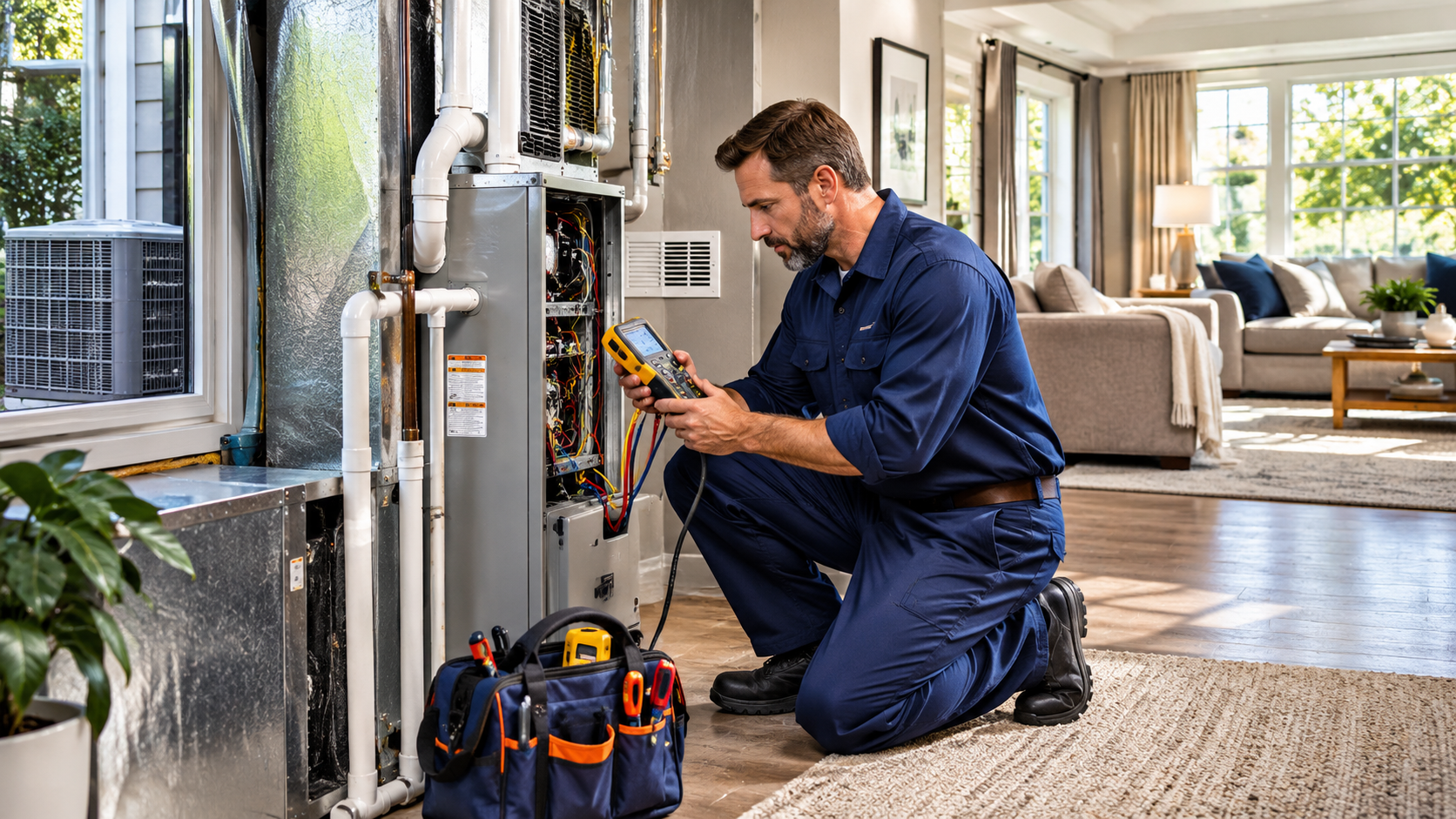
A comfortable home depends on more than a working furnace or air conditioner. Heating, cooling, ventilation, and indoor air quality all play a role in creating a healthy and pleasant living environment. Professional providers such as Efficient Comfort, offering comprehensive hvac service, help homeowners manage everything from HVAC repair and system replacement to routine maintenance and preventative service plans.
Their services support year-round comfort and energy efficiency, while flexible financing through Wells Fargo and FTL Finance provides convenient monthly payment options and competitive rates that can make necessary system upgrades more affordable. Understanding how these services work together helps homeowners make better decisions, avoid unexpected equipment problems, and maintain a comfortable indoor environment throughout the year.
Understanding Residential HVAC Services and How They Keep Your Home Comfortable
Residential HVAC services cover the equipment and professional work involved in heating, ventilation, and air conditioning. These systems regulate indoor temperatures, circulate air, and help manage moisture levels. Although homeowners often think of heating and cooling as separate concerns, they are closely connected.
A properly functioning HVAC system should maintain comfortable temperatures without placing unnecessary demands on its equipment or consuming more energy than necessary.
What Does a Residential HVAC System Actually Include?
Most residential HVAC systems contain several components that work together to maintain indoor comfort. The exact setup depends on the home’s size, layout, climate, and equipment preferences.
Common components include:
- Heating equipment: Furnaces, boilers, heat pumps, and other residential heating systems.
- Cooling equipment: Central air conditioners, ductless mini-splits, and heat pumps.
- Ventilation components: Ductwork, exhaust fans, air handlers, and fresh-air ventilation equipment.
- Air quality equipment: Air filters, whole-home air cleaners, humidifiers, and dehumidifiers.
- Temperature controls: Traditional thermostats, programmable controls, and smart thermostats.
Each component has a different job. However, problems with one part can affect the performance of the entire system. For example, restricted airflow may cause certain rooms to feel uncomfortable even when the furnace or air conditioner appears to be working.
How Heating, Cooling, and Ventilation Work Together
Heating equipment adds warmth during colder weather, while cooling systems remove heat from indoor spaces when temperatures rise. Ventilation helps manage the movement of indoor and outdoor air.
These functions influence one another.
A home with poor airflow may develop hot and cold spots. Insufficient ventilation can allow indoor pollutants and excess moisture to accumulate. Meanwhile, an incorrectly sized HVAC system may struggle to maintain comfortable temperatures.
Professional HVAC services help identify these issues and determine whether equipment repairs, ductwork improvements, ventilation adjustments, or other solutions are appropriate.
Why Professional HVAC Services Matter
Regular professional attention can help homeowners:
- Identify developing equipment problems before they become more disruptive.
- Maintain consistent heating and cooling performance.
- Address airflow and ventilation concerns.
- Improve equipment efficiency through appropriate maintenance.
- Make informed decisions about system repairs and replacement.
- Maintain comfortable indoor conditions throughout changing seasons.
An HVAC system is a major part of a home’s infrastructure. Giving it proper attention can prevent plenty of headaches later.
Residential Heating Services: Keeping Your Home Warm When Temperatures Drop
A reliable heating system becomes especially important when winter arrives. Whether a home uses a gas furnace, electric heating equipment, a boiler, or a heat pump, the system must deliver enough warmth to maintain comfortable indoor temperatures.
Heating services generally include inspections, troubleshooting, repairs, installation, replacement, and preventative maintenance.
Furnace Repair and Common Heating System Problems
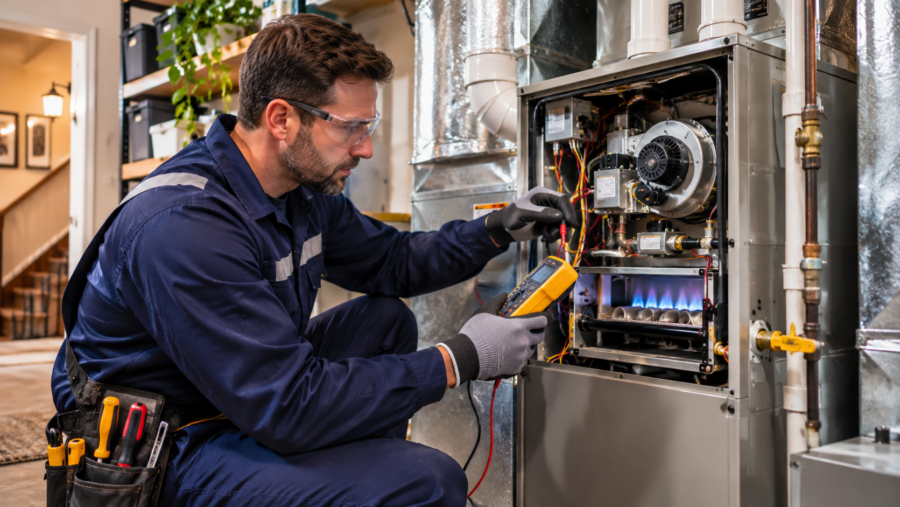
Furnaces contain several mechanical and electrical components that must operate correctly. Over time, normal wear, restricted airflow, dirty components, or control problems can affect performance.
Some common warning signs include:
- The furnace runs but produces insufficient heat.
- Certain rooms remain colder than others.
- The system repeatedly switches on and off.
- Unusual banging, rattling, or grinding noises occur.
- Heating bills increase without an obvious explanation.
- The furnace fails to start or shuts down unexpectedly.
A dirty filter can contribute to airflow restrictions, while a malfunctioning thermostat may prevent the system from responding correctly to temperature settings.
Not every problem requires replacing the entire furnace. A qualified HVAC technician can inspect the equipment, identify the cause, and explain whether a repair is practical.
When should you call a professional?
Contact an HVAC technician when the furnace repeatedly fails, produces unusual sounds, or cannot maintain the desired temperature. If a carbon monoxide alarm activates, leave the home and contact emergency services. If you suspect a gas leak, leave immediately without operating electrical switches and contact the appropriate emergency gas service from a safe location.
For homeowners in Colorado, local service availability can also make a difference during cold weather. Efficient Comfort provides heating assistance in Thornton and surrounding communities. Homeowners looking for furnace repair thornton can explore the company’s local services for help diagnosing and addressing heating system problems.
Heating System Replacement and Installation
Sometimes, repairing an older furnace is no longer the most sensible option. Frequent breakdowns, increasing repair expenses, declining performance, and difficulty obtaining replacement parts may indicate that a new system deserves consideration.
Before replacing heating equipment, homeowners should consider:
- System size: The heating capacity should match the home’s requirements.
- Energy efficiency: Compare equipment ratings and expected operating costs.
- Fuel availability: Consider whether natural gas, electricity, or another energy source is practical.
- Installation quality: Incorrect installation can reduce the benefits of efficient equipment.
- Long-term expenses: Consider purchase price, maintenance, repairs, and expected energy consumption.
A professional load calculation can help determine the appropriate equipment capacity. Choosing a furnace simply because it has a higher output rating can lead to unnecessary costs and uncomfortable temperature swings.
Different Heating Solutions for Residential Properties
Homeowners have several heating options, depending on their property and budget.
| Heating system | How it works | Common consideration |
|---|---|---|
| Gas furnace | Burns natural gas to produce heat | Requires suitable gas connections and venting |
| Electric furnace | Uses electrical resistance heating | May have higher operating costs in some areas |
| Boiler | Heats water and distributes warmth through radiators or radiant systems | Requires appropriate plumbing and maintenance |
| Heat pump | Transfers heat between indoor and outdoor environments | Can provide both heating and cooling |
| Ductless mini-split | Delivers heating and cooling without conventional ductwork | Useful for additions and individual rooms |
The best choice depends on the home’s existing infrastructure, climate, electricity and fuel prices, and household comfort requirements.
Residential Cooling Services: Staying Comfortable During Hot Weather
A dependable cooling system can make a substantial difference during summer. Central air conditioning, ductless systems, and heat pumps help manage indoor temperatures when outdoor conditions become uncomfortable.
The US Energy Information Administration reported that 88% of US households used air conditioning in 2020. Although this is historical survey data rather than a 2026 measurement, it demonstrates how widespread residential cooling has become.
Air Conditioning Repair and Common Cooling Problems
Air conditioners can experience several problems as components wear or operating conditions change.
Watch for these common warning signs:
- Warm air coming from supply vents.
- Weak airflow throughout the house.
- Ice forming on the indoor or outdoor equipment.
- Unusual buzzing, rattling, or grinding sounds.
- Water collecting around the indoor unit.
- The system running continuously without reaching the thermostat setting.
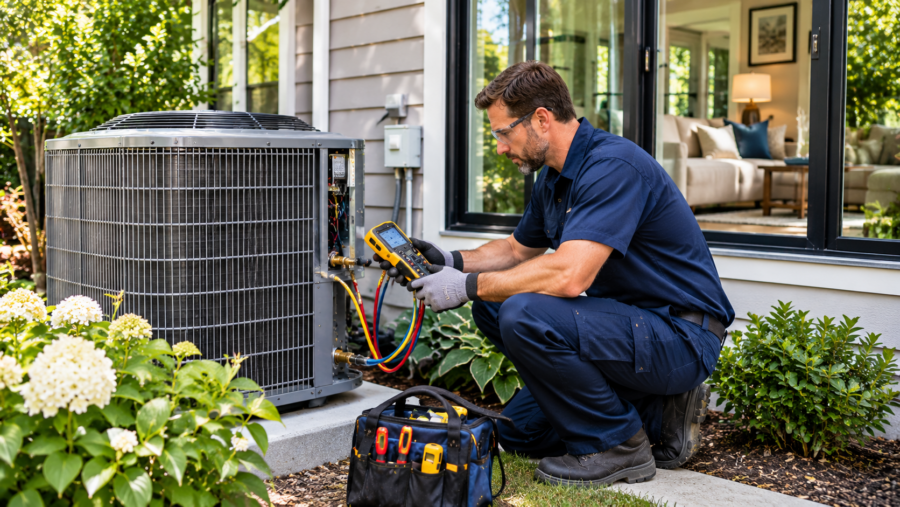
Dirty filters, restricted airflow, electrical faults, refrigerant problems, and drainage issues can all affect cooling performance.
Refrigerant-related work should be handled by appropriately qualified technicians. Simply adding refrigerant without identifying the cause of a leak does not resolve the underlying problem.
Air Conditioning Replacement and Professional Installation
An aging air conditioner may become increasingly expensive to operate and maintain. If repairs are becoming frequent, homeowners should compare the cost of continued maintenance with the investment required for replacement.
Modern cooling equipment offers several options, including high-efficiency central air conditioners, ductless mini-splits, and heat pumps.
Before selecting a replacement system, consider:
- The home’s cooling requirements.
- Existing ductwork and insulation.
- Equipment efficiency ratings.
- Indoor temperature differences between rooms.
- Installation and long-term operating expenses.
- Available warranty and maintenance arrangements.
Professional installation is essential. Even an efficient air conditioner can perform poorly if it is incorrectly sized, installed, or configured.
Improving Air Conditioning Performance
Homeowners can support cooling performance through a few practical habits:
- Check air filters regularly and replace them when dirty.
- Keep outdoor condenser units free from leaves and debris.
- Avoid blocking supply and return vents.
- Keep windows and exterior doors closed while cooling.
- Use window coverings to reduce unwanted solar heat.
- Schedule professional inspections before peak summer temperatures.
These steps are simple, but they can help reduce unnecessary strain on cooling equipment.
Indoor Air Quality Services: Creating a Cleaner and More Comfortable Home Environment
Temperature is only one part of residential comfort. The quality of the air inside a home also matters.
Dust, pollen, pet dander, smoke, household chemicals, and excess moisture can affect indoor environmental conditions. Proper ventilation, source control, and suitable air filtration can help address these concerns.
According to the US Environmental Protection Agency, Americans spend approximately 90% of their time indoors. The EPA also reports that concentrations of some pollutants are often two to five times higher indoors than typical outdoor concentrations.
These figures highlight why indoor air quality deserves attention alongside heating and cooling.
Common Sources of Indoor Air Pollution
Indoor pollutants can come from everyday household activities and building materials.
Common sources include:
- Dust and airborne particles.
- Pollen entering through doors, windows, and ventilation systems.
- Pet dander.
- Cooking emissions and smoke.
- Cleaning products and certain household chemicals.
- Building materials and furnishings that release volatile organic compounds (VOCs).
- Moisture problems that encourage mold growth.
A home’s HVAC system can influence how air moves through indoor spaces, but it cannot eliminate every source of pollution. Identifying and reducing pollutants at their source is often the first step.
Air Filtration and Whole-Home Air Purification
Air filtration systems capture particles as air passes through a filter. Depending on the equipment, these systems may help reduce dust, pollen, and other airborne particles.
Homeowners can consider several options:
- Standard HVAC filters: Capture particles while protecting heating and cooling equipment.
- Higher-efficiency filters: Capture a greater proportion of smaller airborne particles when compatible with the system.
- Whole-home air cleaners: Provide additional filtration through the central HVAC system.
- Portable air purifiers: Treat air in individual rooms or selected areas.
Filter efficiency is commonly described through MERV ratings. However, selecting the highest available rating is not automatically the best decision.
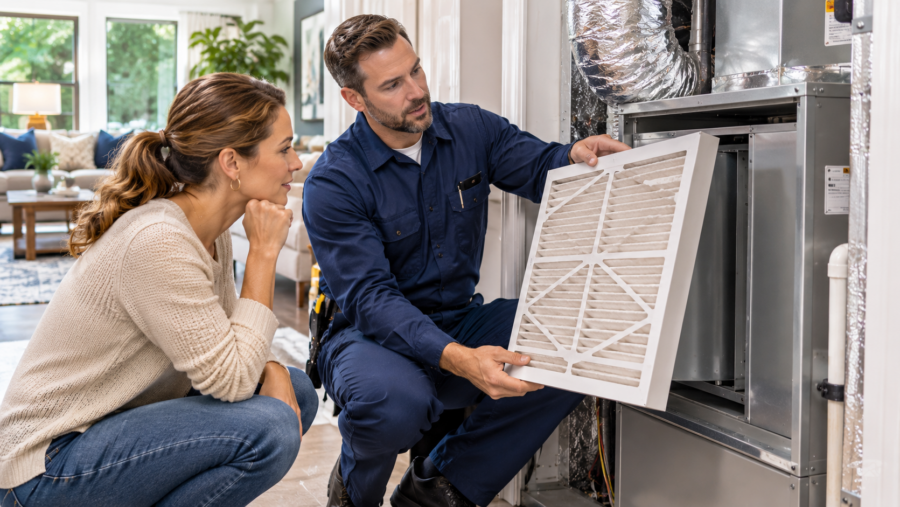
A filter that creates too much resistance can restrict airflow and affect system performance. Always follow equipment manufacturer recommendations and consult an HVAC professional before changing to a significantly more restrictive filter.
Home Ventilation and Better Air Circulation
Ventilation helps remove stale indoor air and introduce outdoor air. This can dilute certain indoor pollutants and reduce the accumulation of moisture.
Residential ventilation solutions include:
- Bathroom and kitchen exhaust fans.
- Mechanical ventilation systems.
- Energy recovery ventilators (ERVs).
- Heat recovery ventilators (HRVs).
- Properly maintained ductwork and air distribution systems.
HRVs and ERVs exchange heat between outgoing and incoming air streams, helping reduce the energy penalty associated with ventilation. ERVs can also transfer some moisture, depending on operating conditions.
Ventilation requirements vary with building design, climate, and occupancy. A well-sealed home still needs an appropriate supply of fresh air.
Humidity Control and Indoor Moisture Management
Humidity affects how a home feels and can influence moisture-related problems.
Excess humidity may encourage condensation and mold growth, particularly in poorly ventilated areas. Very dry indoor air can cause discomfort, especially during colder months.
The EPA recommends keeping indoor relative humidity below 60%, ideally between 30% and 50%. Homeowners can review its indoor air quality and moisture guidance.
Depending on the property, useful solutions may include:
- Whole-home humidifiers.
- Dehumidifiers.
- Bathroom exhaust ventilation.
- Proper kitchen ventilation.
- Addressing plumbing leaks and water intrusion.
- Improving ventilation in damp areas.
Additional Indoor Air Quality Solutions
Other products may help address specific indoor air concerns.
UV air treatment: Certain ultraviolet systems are designed to treat microorganisms within HVAC equipment or air streams. Their effectiveness depends on proper design, installation, exposure, and application.
Air cleaners: These systems provide additional particle removal when correctly selected and maintained.
Duct inspection: A professional inspection can identify damaged, disconnected, or contaminated ductwork that may require attention.
No single device solves every indoor air problem. A sensible approach combines pollutant source control, adequate ventilation, suitable filtration, and moisture management.
Why Preventative HVAC Maintenance Makes a Difference
HVAC equipment works through repeated heating and cooling cycles. Over time, filters collect dust, coils become dirty, electrical components experience wear, and drainage systems may develop blockages.
Preventative HVAC maintenance helps identify these issues before they develop into larger problems.
What Is Included in Professional HVAC Maintenance?
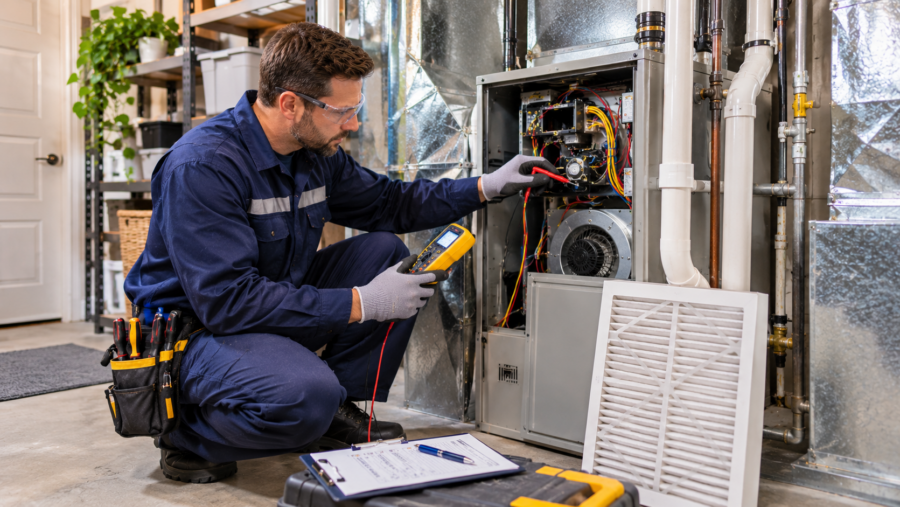
A professional maintenance visit may include:
- Inspecting heating and cooling equipment.
- Checking electrical connections and controls.
- Examining air filters and airflow.
- Inspecting coils and relevant components.
- Checking condensate drainage.
- Reviewing system operation.
- Identifying visible wear or developing problems.
- Evaluating safety-related components where applicable.
The exact checklist depends on the type of equipment.
For example, furnace maintenance involves checking burners, heat exchangers, combustion performance, and safety controls. Air conditioning maintenance focuses on cooling components, airflow, refrigerant performance, coils, and drainage.
The Benefits of Routine Heating and Cooling Inspections
Regular inspections offer several practical advantages:
- Earlier problem detection: Technicians may identify developing faults before the equipment stops working.
- Better operating conditions: Cleaning and adjustments can address issues that interfere with performance.
- More reliable comfort: Properly functioning equipment is less likely to develop avoidable operating problems.
- Equipment care: Routine attention helps homeowners monitor wear and follow manufacturer recommendations.
- Better planning: Inspections can reveal when repairs or future replacement may be necessary.
Maintenance cannot prevent every breakdown, but it can reduce avoidable problems.
According to ENERGY STAR’s HVAC maintenance checklist, airflow problems can reduce an air conditioner’s efficiency by up to 15%. This makes airflow inspections and appropriate equipment maintenance particularly important.
Understanding Preventative HVAC Service Plans
A preventative HVAC service plan provides a structured way to keep up with routine inspections.
Depending on the provider and agreement, a plan may include:
- Scheduled heating and cooling maintenance.
- Seasonal system inspections.
- Equipment performance checks.
- Priority scheduling.
- Discounts on selected repairs.
- Maintenance reminders.
Homeowners should review the actual agreement before enrolling. Benefits, service frequency, exclusions, and pricing vary between providers.
A company such as Efficient Comfort offers preventative maintenance options to help homeowners keep their equipment in good working condition throughout the year.
When Should Homeowners Schedule HVAC Maintenance?
A practical approach is to arrange professional inspections before the main heating and cooling seasons.
| Timing | Recommended attention |
|---|---|
| Spring | Air conditioner inspection and cooling preparation |
| Fall | Furnace or heating system inspection |
| Monthly | Check air filters and replace them when dirty |
| Throughout the year | Monitor airflow, unusual noises, and changes in system performance |
The ENERGY STAR maintenance guidance also recommends checking, cleaning, or changing central HVAC filters monthly.
Repair or Replace? How to Choose the Right HVAC Solution
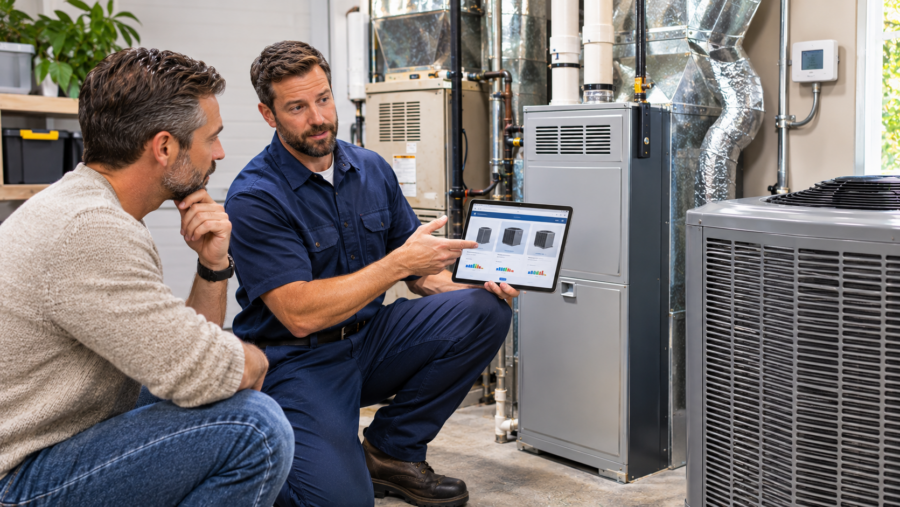
Deciding whether to repair or replace an HVAC system can be difficult, particularly when the equipment still operates but requires frequent attention.
The right decision depends on the equipment’s condition, repair history, efficiency, and the cost of available options.
When HVAC Repairs Make More Sense
Repairing an existing system may be reasonable when:
- The equipment is relatively new.
- The problem involves an isolated component.
- Repair costs are manageable.
- The system otherwise maintains comfortable temperatures.
- Replacement parts are readily available.
A professional diagnosis is important because the same symptom can have several possible causes.
Warning Signs Your HVAC System May Need Replacement
Replacement deserves consideration if the system:
- Experiences repeated breakdowns.
- Requires increasingly expensive repairs.
- Struggles to heat or cool the home.
- Produces inconsistent temperatures.
- Has declining performance despite regular maintenance.
- Is approaching the end of its expected service life.
Age alone does not determine whether replacement is necessary. An older, well-maintained system may continue operating reliably, while a newer system with serious installation or component problems may need attention sooner.
Comparing Long-Term Repair and Replacement Costs
Homeowners should consider the full financial picture rather than focusing only on the immediate repair bill.
| Factor | Repair | Replacement |
|---|---|---|
| Initial expense | Usually lower | Usually higher |
| Existing equipment | Retained | New equipment installed |
| Future repair needs | Depend on system condition | May be lower initially, but not eliminated |
| Energy efficiency | Limited by existing equipment | Potential improvement |
| Warranty | Depends on repaired component | New equipment warranty may apply |
| Long-term planning | May require further repairs | Provides an opportunity to upgrade |
Choosing an Energy-Efficient Replacement System
Modern HVAC equipment can offer meaningful efficiency improvements, but the right system depends on the home.
Heat pumps are worth considering because they can provide both heating and cooling by transferring heat rather than producing it directly.
The Department of Energy reports that modern heat pumps can reduce electricity use for heating by approximately 65% compared with electric resistance heating.
That comparison is specific to electric resistance heating. It should not be interpreted as a guaranteed saving over every gas furnace or existing HVAC system.
Before choosing replacement equipment, discuss system sizing, insulation, ductwork, climate conditions, and operating costs with a qualified contractor.
Improving Home Energy Efficiency Through Better HVAC Performance
Heating and cooling equipment accounts for a substantial portion of residential energy consumption.
The US Energy Information Administration reports that space heating and air conditioning represented 52% of total household energy consumption in 2020.
This makes HVAC performance an important consideration for homeowners looking to manage household energy expenses.
Why Ductwork and Airflow Matter
Even an efficient furnace or air conditioner can struggle if conditioned air does not reach the intended rooms.
Leaking ducts, poor connections, inadequate insulation, and restricted airflow can all affect performance.
The Department of Energy’s Home Upgrades guidance reports that approximately 20–30% of the air moving through a typical home’s duct system may be lost through leaks, holes, and poorly connected ducts.
This is a useful reminder that equipment efficiency is only part of the equation. Ductwork condition matters too.
Practical Ways to Reduce Heating and Cooling Energy Waste
Homeowners can take several steps without replacing their entire HVAC system:
- Replace dirty filters according to equipment recommendations.
- Seal unwanted air leaks around doors and windows.
- Improve insulation where necessary.
- Keep supply and return vents unobstructed.
- Use appropriate thermostat schedules.
- Close blinds or curtains during periods of strong sunlight.
- Schedule routine HVAC inspections.
- Address noticeable temperature differences between rooms.
Small improvements can add up, particularly when combined with properly maintained equipment.
How Smart Thermostats Support Energy Efficiency
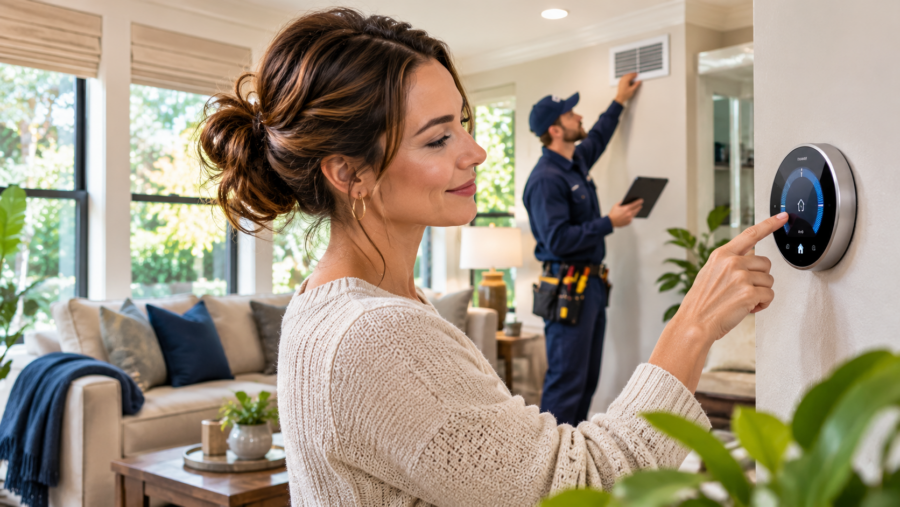
Smart thermostats allow homeowners to manage heating and cooling schedules through programmable settings, occupancy features, and remote controls.
They can reduce unnecessary system operation when nobody is home or when the household is asleep.
According to ENERGY STAR, certified smart thermostats save approximately 8% on average on heating and cooling bills, or around $50 annually.
Actual savings vary with climate, equipment, household routines, and existing thermostat settings.
A smart thermostat cannot compensate for leaking ductwork or an incorrectly sized HVAC system, but it can be a useful part of a broader efficiency strategy.
Making Residential HVAC Upgrades More Affordable With Flexible Financing
Replacing a furnace or air conditioner can represent a substantial household expense. Even when existing equipment has become unreliable, the upfront cost may cause homeowners to delay an upgrade.
Financing can provide another way to manage that expense.
Understanding HVAC Financing Options
HVAC financing allows eligible homeowners to spread the cost of certain equipment purchases or installations over an agreed repayment period.
Before selecting an option, compare:
- Available interest rates.
- Monthly payment amounts.
- Repayment periods.
- Promotional financing conditions.
- Fees and other applicable charges.
- Credit and approval requirements.
A lower monthly payment does not automatically mean a lower overall cost. Homeowners should review the complete agreement and understand the total amount payable.
Financing Through Wells Fargo and FTL Finance
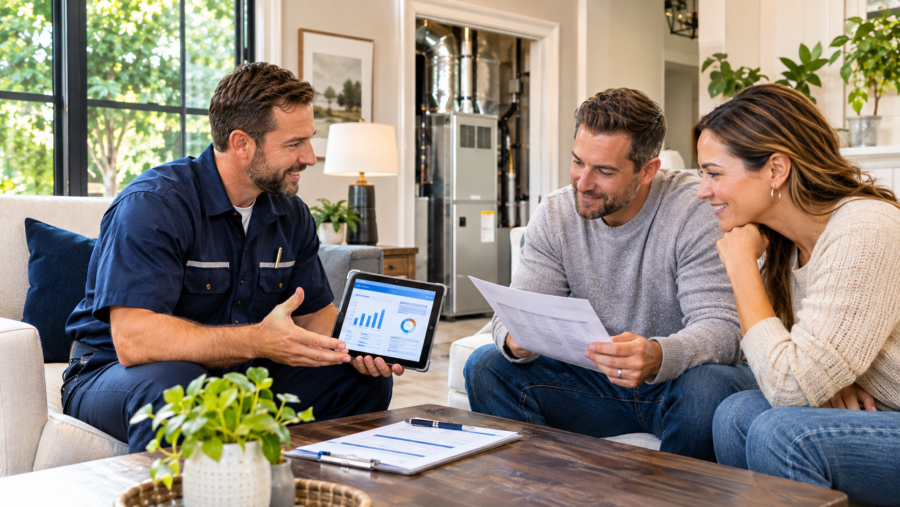
Efficient Comfort offers residential HVAC financing options through Wells Fargo and FTL Finance.
These arrangements can help homeowners manage the expense of heating and cooling upgrades while keeping other household funds available for everyday needs.
The company’s financing information highlights several features:
- Wells Fargo: Convenient monthly payments, competitive interest rates, and flexible financing options.
- FTL Finance: Residential HVAC equipment financing with fixed interest rate options and a straightforward application process.
Available terms, rates, promotional offers, and approval depend on the applicable financing agreement and eligibility.
For homeowners facing an unexpected furnace replacement or planning to upgrade an inefficient air conditioning system, these options may make the investment easier to manage.
Choosing a Reliable Residential HVAC Service Provider
Finding the right HVAC contractor is an important part of maintaining home comfort. Equipment selection matters, but so does the quality of the installation, repair work, and ongoing service.
A good contractor should explain the problem, discuss suitable solutions, and provide clear information about the work involved.
What to Look for in a Professional HVAC Contractor
Consider these factors before choosing a provider:
- Experience: Look for relevant residential heating and cooling experience.
- Licensing and insurance: Confirm that the contractor meets applicable local requirements.
- Service capabilities: Check whether the company handles repairs, replacements, installations, and maintenance.
- Clear recommendations: A professional should explain available options rather than pressure you into unnecessary work.
- Equipment knowledge: Experience with furnaces, air conditioners, boilers, heat pumps, and ventilation systems can be valuable.
- Ongoing support: Ask about maintenance arrangements and warranty assistance.
It is also worth checking customer feedback and confirming what is included in written estimates.
Why Comprehensive HVAC Services Matter
Working with a company that provides several residential HVAC services can simplify ongoing equipment care.
Instead of coordinating separate contractors for every issue, homeowners may be able to access assistance with:
- Furnace and boiler repairs.
- Air conditioning troubleshooting.
- Heating and cooling system replacement.
- New equipment installation.
- Preventative maintenance.
- Indoor air quality improvements.
- Ductwork and ventilation services.
Efficient Comfort is one example of a Colorado HVAC provider offering a broad range of residential services, including heating, cooling, maintenance, and indoor air quality solutions.
Choosing a provider with experience across these areas can help homeowners make more informed decisions as their equipment and household requirements change.
Maintaining Year-Round Home Comfort Starts With the Right HVAC Services
A comfortable home depends on several systems working together. Reliable heating and cooling equipment, proper ventilation, suitable air filtration, and regular maintenance all contribute to a better indoor environment.
Homeowners can protect their investment by paying attention to early warning signs, scheduling seasonal inspections, and addressing airflow or moisture problems before they become more disruptive.
When repairs are no longer practical, comparing replacement equipment and available financing can help make the next step more manageable.
Whether the priority is furnace repair, air conditioning replacement, indoor air quality, or a preventative maintenance plan, professional residential HVAC services can help keep a home comfortable throughout the changing seasons.