
In 2026, a profound transformation is sweeping across the global workforce, challenging long-held beliefs about ambition, success, and the very structure of our daily lives. This movement, often encapsulated by the phrase “work less, live more,” is not merely a fleeting trend but a fundamental reevaluation of what truly matters, prompting millions to actively:
- Redefine their priorities
- Reshape their professional and personal worlds
The Lifestyle Shift Reshaping Modern Success
The modern world is witnessing an unprecedented lifestyle shift, with individuals increasingly questioning the traditional work-centered paradigm.

Why More People Are Questioning the Traditional Work-Centered Life
Across demographics, more people are questioning the traditional work-centered life that has long defined success and societal expectations. The relentless pursuit of career advancement, often at the expense of personal well-being, is losing its appeal as individuals seek a more balanced existence where their values and aspirations are better aligned with their daily routines.
This reevaluation stems from a growing awareness that a life consumed by work hours may not lead to genuine fulfillment or happiness, prompting a desire to work less and focus on aspects of life that truly matter beyond the professional sphere.
How 2026 Became a Turning Point for Work-Life Priorities
The year 2026 has emerged as a significant turning point for work-life priorities. This shift has been fueled by several key factors:
- Technological advancements
- Shifting economic landscapes
- A collective reawakening to the importance of well-being
The accelerated adoption of remote work, coupled with increased discussions around mental health and burnout, has created an environment where the old norms of constant productivity are being actively challenged. This era encourages individuals to apply the principle of “work less, live more” to their work activities, recognizing that a day does not have enough hours to waste on inefficient tasks when one could be working significantly smarter.
The Growing Desire for Time, Freedom, and Fulfillment
There is an undeniable and growing desire for time, freedom, and fulfillment that transcends mere financial gain. People are increasingly prioritizing experiences, personal growth, and meaningful connections over wealth accumulation alone, understanding that these elements contribute profoundly to overall life satisfaction.
This shift underscores the notion that if we act less on low-impact tasks and focus our energy on a smaller percentage of actions, we can achieve more meaningful results while also working less overall. This approach provides valuable time for pursuits that truly enrich our lives, focusing on aspects such as:
- Experiences and personal growth
- Meaningful connections
What Does “Work Less, Live More” Really Mean?
This powerful mantra is often misunderstood, representing a nuanced approach rather than a simple desire for idleness.

Separating the Movement From Common Misconceptions
It is crucial to separate the “work less, live more” movement from common misconceptions, as it is often mistakenly perceived as an endorsement of laziness or a lack of ambition. On the contrary, this philosophy advocates for intentionality and efficiency, challenging the ingrained belief that more hours automatically equate to greater productivity or success.
It suggests a strategic reevaluation of how we spend our work hours, encouraging us to identify and eliminate tasks that do not align with our core objectives, ultimately allowing us to achieve significant results while also working less, or at least more effectively.
Working Smarter vs Working Fewer Hours
The essence of the “work less, live more” movement lies in working smarter, not necessarily just working fewer hours, though that can often be a beneficial outcome. This principle encourages individuals to adopt strategies that maximize their output and impact within their circle of control, such as leveraging the Pareto Principle, also known as the Pareto Law.
This law suggests that roughly 20 percent of efforts often yield 80 percent of results, implying that by focusing on these high-leverage activities, one can achieve a significant amount of work without needing to put in a proportionally large number of hours. An entrepreneurial mindset is key here, enabling individuals to apply this principle to our work tasks and optimize their workflows.
Why the Goal Is Better Living, Not Less Ambition
Ultimately, the goal of this movement is better living, not a reduction in ambition; it’s about channeling ambition more effectively towards a fulfilling life rather than solely career metrics. The principle also suggests that by identifying and focusing on the 20 percent of work activities that drive 80 percent of the results, individuals and companies can reallocate time and energy more judiciously.
For instance, a company knows that 80 percent of its revenue comes from 20 percent of its products, indicating where resources should be reinvested in work. This allows individuals to work much less on less impactful tasks, freeing up capacity to pursue personal growth, health, and meaningful relationships, all contributing to a richer, more balanced existence where ambition is redefined to include holistic well-being.
The Fall of Hustle Culture
The relentless pursuit of constant productivity, often glorified as “hustle culture,” is now experiencing a significant decline.

How Constant Productivity Became the Cultural Norm
For decades, constant productivity became the cultural norm, deeply embedding the idea that being perpetually busy and always striving for more was the ultimate measure of worth and success. This mindset, often perpetuated through social media and corporate environments, equated long work hours with dedication and ambition, making it seem almost obligatory to be “on” at all times.
Individuals felt immense pressure to consistently demonstrate high levels of output, believing that any deviation from this relentless pace would signify a lack of commitment or a failure to keep up, thus hindering their professional trajectory and their ability to work less.
The Hidden Costs of Hustle Culture and Overwork
The hidden costs of hustle culture and overwork have become increasingly apparent, revealing a profound toll on individuals’ physical and mental health. This relentless pursuit of productivity often leads to chronic stress, burnout, anxiety, and a significant erosion of personal well-being, diminishing the quality of life despite perceived professional gains.
While it might seem counterintuitive to work less, many are discovering that the energy and focus required to sustain such an intense pace are unsustainable, ultimately hindering long-term effectiveness and happiness, making them question the very value of continually pushing themselves to their limits.
Why the “Always Busy” Mindset Is Losing Its Appeal
The “always busy” mindset is steadily losing its appeal as more people realize that constant engagement does not necessarily equate to genuine productivity or fulfillment. The cultural glorification of being perpetually occupied, often fueled by an underlying fear of missing out or being perceived as unproductive, is giving way to a desire for intentionality and balance.
Instead of simply filling every moment with activity, individuals are seeking to work less on trivial tasks and focus their energy on what truly matters, understanding that genuine progress and well-being stem from strategic effort rather than sheer volume of work, especially when they may spend 20 percent of their time doing 80 percent of work that isn’t really necessary or impactful.
The Major Forces Driving the Work Less, Live More Movement
Several powerful forces are converging to propel the work less, live more movement into mainstream consciousness.

Rising Burnout and Mental Health Awareness
The escalating rates of burnout and a heightened global awareness of mental health issues are primary catalysts driving the work less, live more movement. Employees and individuals alike are no longer willing to sacrifice their well-being for the sake of their careers, having experienced firsthand the detrimental effects of chronic stress and overwork.
This collective awakening is forcing a reevaluation of traditional employment structures and expectations, prompting a widespread desire to reduce work hours and create sustainable work-life patterns that prioritize mental and emotional health, understanding that a healthy mind is crucial for both personal fulfillment and long-term productivity.
Remote Work and Flexible Schedules
The widespread adoption of remote work and flexible schedules has undeniably been a transformative force, directly enabling the work less, live more movement by decoupling productivity from physical presence in an office. This newfound flexibility allows individuals to manage their work activities around personal commitments and preferences, providing greater autonomy over their daily lives.
The ability to work from anywhere, or to adjust work hours to better suit individual needs, empowers people to reduce commute times, dedicate more attention to family or personal pursuits, and ultimately achieve a more integrated and fulfilling existence where they can truly work less while achieving their professional goals.
AI and Productivity Technology Reducing Workload
The rapid advancement of AI and productivity technology is playing a pivotal role in reducing workload, thereby accelerating the work less, live more trend. Automation tools, intelligent assistants, and advanced software are now capable of handling repetitive, time-consuming tasks with unprecedented efficiency, freeing up human workers to focus on more complex, creative, and strategic endeavors.
This technological leverage allows individuals and organizations to work significantly smarter, potentially achieving the same or even greater output with significantly less manual effort, ultimately enabling a reduction in overall work hours and fostering a culture where efficiency is valued over sheer time investment.
Economic and Social Shifts Changing Career Priorities
Profound economic and social shifts are fundamentally changing career priorities, steering individuals away from purely financial metrics toward a broader definition of success. The rising cost of living, coupled with stagnant wage growth in many sectors, has led people to question the value of relentless work when it doesn’t always translate into a secure or satisfying life.
Furthermore, a societal emphasis on experiences, personal freedom, and community engagement over material accumulation is encouraging individuals to seek roles and lifestyles that offer greater flexibility and meaning, prompting a desire to work less in traditional capacities and explore more entrepreneurial or passion-driven paths that align with their evolving values.
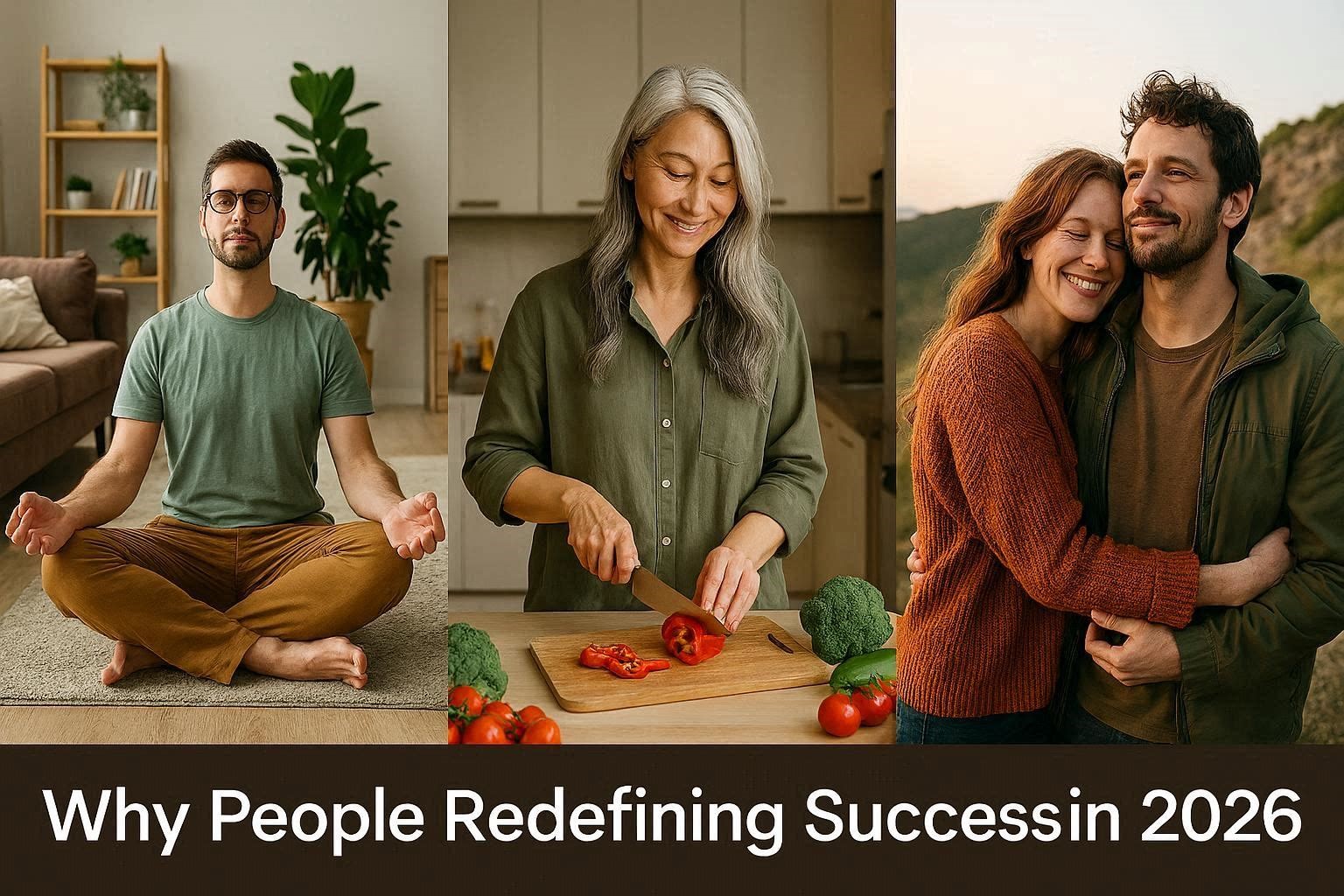
Why People Are Redefining Success in 2026
In 2026, the very definition of success is undergoing a profound metamorphosis, moving beyond conventional metrics.
From Wealth Accumulation to Quality of Life
In 2026, there’s a discernible pivot in what constitutes success, shifting decisively from pure wealth accumulation to an elevated emphasis on quality of life. This paradigm change reflects a collective realization that immense financial prosperity does not automatically guarantee happiness, fulfillment, or well-being.
Instead, individuals are increasingly prioritizing factors such as health, personal time, meaningful relationships, and a sense of purpose, understanding that these elements contribute more profoundly to a rich and satisfying existence than a bulging bank account alone. This redefinition encourages people to work less if it means gaining more in terms of personal fulfillment and overall contentment.
The Rise of Time Wealth and Freedom-Based Success
The concept of “time wealth” is rapidly gaining traction as a new metric of success, highlighting a growing preference for freedom-based lifestyles over traditional career ladders. This ideology posits that having control over one’s time—the ability to choose how, when, and where one works—is a more valuable asset than accumulating material possessions or a high salary if it comes at the cost of personal autonomy.
Individuals are actively seeking opportunities that allow them to work less while maintaining financial stability, enabling them to pursue passions, travel, or simply enjoy more leisure, thereby redefining success through the lens of personal liberty and flexible schedules, an entrepreneurial spirit often drives this pursuit.
Why Experiences Matter More Than Possessions
There’s a growing consensus that experiences matter more than possessions, reflecting a profound cultural shift that prioritizes memories and personal growth over material accumulation. This perspective underpins the “work less, live more” movement, as individuals increasingly allocate their resources—both time and money—towards travel, learning new skills, spending quality time with loved ones, and engaging in hobbies that enrich their lives.
The fleeting satisfaction of acquiring new items is being replaced by the lasting joy and personal development derived from meaningful experiences, compelling people to strategically reduce work hours or optimize their efficiency to free up the time and means to pursue these enriching endeavors, understanding that these contributions truly matter to their well-being.
The Psychology Behind the Shift

The profound shift towards a “work less, live more” ethos is deeply rooted in fundamental human psychology, moving beyond superficial trends to address core needs and desires. This reevaluation of priorities reflects an innate yearning for a more balanced and fulfilling existence, driven by intrinsic motivations rather than external pressures.
Understanding these psychological underpinnings is crucial to grasping why millions are choosing to redefine success, prioritizing mental well-being and personal autonomy over relentless career advancement.
The Human Need for Autonomy and Control
A fundamental driver behind the work less, live more movement is the deep-seated human need for autonomy and control over one’s life and work activities. When individuals feel a lack of control over their schedules, tasks, and career trajectories, it often leads to disengagement, stress, and a diminished sense of purpose.
Conversely, gaining agency allows people to apply the principle of “work less” more effectively, by choosing to focus their energy on these 20 percent of actions that truly matter and yield the most significant results, rather than expending effort on less impactful work. This inherent desire to make choices that align with personal values and goals is a powerful psychological force pushing individuals to redefine their work hours and seek more flexible arrangements that grant them greater command over their daily lives.
Why People Crave Meaning Over Achievement Alone
Beyond the mere accumulation of achievements or wealth, people intrinsically crave meaning and purpose in their lives and work, a craving that fuels the desire to work less on tasks that don’t contribute to this deeper sense of fulfillment. The pursuit of external markers of success often leaves individuals feeling hollow if their work lacks intrinsic value or connection to something larger than themselves.
This psychological drive for meaning motivates individuals to strategically reduce work hours spent on unfulfilling tasks, seeking opportunities where their contributions truly matter, aligning their professional efforts with their core values and passions. They understand that by applying the principle of “work less” to their work activities and focusing on impactful endeavors, they can achieve a greater sense of purpose, even if it means altering traditional career paths, thereby fostering a more profound sense of well-being.
The Connection Between Well-Being and Life Satisfaction
There is an undeniable and powerful connection between overall well-being and life satisfaction, a critical insight driving the “work less, live more” phenomenon. Individuals are increasingly recognizing that sustained high levels of stress, burnout, and a lack of personal time directly detract from their happiness and contentment. Psychologically, prioritizing mental and physical health, fostering strong relationships, and engaging in activities that bring joy are foundational to a satisfying life.
This understanding compels many to actively seek ways to work less, particularly on tasks that drain their energy without significant returns, creating space for practices that enhance their well-being. By leveraging strategies that allow them to work significantly smarter, people can optimize their work hours to achieve professional goals while simultaneously cultivating a rich and balanced personal life, recognizing that a day does not have enough hours to sacrifice their holistic health.
How Different Generations View Work and Success
Generational perspectives on work and success are diverging significantly, influencing the broad adoption of the “work less, live more” philosophy. Each generation brings its unique experiences and priorities to the table, shaping how individuals perceive their careers, their value, and their role in a rapidly evolving professional landscape.

Why Younger Generations Are Leading the Movement
Younger generations, particularly Millennials and Gen Z, are unequivocally leading the “work less, live more” movement, driven by a unique confluence of digital-first upbringings, exposure to global issues, and a different set of expectations for their professional lives. Having witnessed the burnout experienced by previous generations and growing up in an era of rapid technological change, these cohorts prioritize flexibility, purpose, and work-life integration over traditional corporate climbing.
They are more inclined to challenge established norms, demand transparent work environments, and seek roles that allow them to apply the principle of “work less” by working significantly smarter, often through leveraging technology. This entrepreneurial mindset fosters a desire to understand and leverage this principle, allowing them to balance their careers with a fulfilling personal life, ensuring their work truly matters beyond a paycheck.
Changing Attitudes Toward Career Growth and Stability
Attitudes toward career growth and stability are undergoing a profound transformation across generations, contributing to the “work less, live more” movement. While previous generations often prioritized linear career paths and long-term company loyalty, younger workers are more open to portfolio careers, freelancing, and even career pivots if it means gaining greater autonomy and a better quality of life.
The traditional notion of stability, once tied to a single employer, is now often equated with financial independence and transferable skills that enable individuals to work less in one area while expanding opportunities in another. This shift indicates a willingness to forgo conventional markers of success in favor of flexibility and personal fulfillment, redefining what it means to have a successful and secure career in an unpredictable world, ultimately giving them more control over their work activities.
The Influence of Digital-First Lifestyles
The pervasive influence of digital-first lifestyles has profoundly reshaped how different generations view work and success, making the “work less, live more” philosophy more attainable and appealing. Growing up with instant information access and ubiquitous connectivity, younger generations are inherently adept at leveraging technology to enhance productivity and create flexible work arrangements.
This digital fluency allows them to apply the principle of “work less” by optimizing workflows, communicating efficiently, and managing their work activities from virtually anywhere. The ease of remote collaboration and access to global opportunities through digital platforms has normalized the idea of working outside traditional office structures, blurring the lines between work and life in a way that, when managed intentionally, can significantly improve well-being and satisfaction by ensuring their work truly matters.
The Rise of Flexible Living Models
The landscape of work is being reshaped by the proliferation of flexible living models, empowering individuals to integrate their professional and personal lives in unprecedented ways. These models are not just about working from home; they represent a fundamental rethinking of how, when, and where work is done, creating opportunities to embrace the “work less, live more” philosophy.

Remote Work and Work-From-Anywhere Careers
The widespread adoption of remote work and the emergence of “work-from-anywhere” careers are central to the rise of flexible living models, providing tangible avenues for individuals to embrace the “work less, live more” philosophy. This flexibility liberates employees from geographical constraints and rigid office schedules, allowing them to design their work hours around personal commitments and preferences, reduce stressful commutes, and achieve a better life balance.
The ability to perform work activities from a chosen location, whether it’s a home office, a co-working space, or a remote island, empowers individuals to take greater control over their daily routines, effectively giving them the autonomy to work significantly smarter and potentially work much less by optimizing their environment and schedule. This freedom is a cornerstone for many who seek a fulfilling career without sacrificing personal well-being.
Digital Nomadism and Location Independence
Digital nomadism and the pursuit of location independence represent the ultimate expression of the “work less, live more” movement for many, allowing individuals to combine their professional pursuits with extensive travel and cultural immersion. By leveraging technology, digital nomads can perform their work activities from virtually any corner of the globe, embodying the entrepreneurial spirit of modern work.
This lifestyle allows them to apply the principle of “work less” by choosing projects and clients that align with their travel aspirations, optimizing their work hours to fit their nomadic schedule, and often focusing on high-impact tasks that truly matter. For these individuals, the idea of a day does not have enough hours to waste on inefficient work, leading them to continually seek ways to work significantly smarter and embrace a lifestyle where their profession supports their passion for exploration.
Freelancing, Portfolio Careers, and Lifestyle Businesses
The burgeoning popularity of freelancing, portfolio careers, and lifestyle businesses offers concrete pathways for individuals to embrace flexible living models and actualize the “work less, live more” ideal. These entrepreneurial approaches empower professionals to curate their work activities, choosing projects that align with their skills and passions, while having direct control over their work hours and income streams.
By focusing on high-value tasks, often referred to as the “20 percent” that yields 80 percent of results, freelancers and lifestyle entrepreneurs can work significantly smarter, potentially achieving more substantial outcomes while dedicating fewer overall hours to work. This model fosters a sense of autonomy and purpose, allowing individuals to build a career that supports their desired lifestyle rather than dictating it, ensuring that their work truly matters and contributes to their overall well-being.
How AI Is Accelerating the Work Less, Live More Trend
Artificial intelligence is not just a technological advancement; it’s a catalyst dramatically accelerating the “work less, live more” trend by fundamentally altering how we approach productivity and efficiency. AI’s capabilities are paving the way for a future where human effort can be more strategically directed, freeing up valuable time and mental space.

Automating Repetitive Tasks and Increasing Efficiency
Artificial intelligence is dramatically accelerating the “work less, live more” trend by automating repetitive tasks and significantly increasing efficiency across various industries. AI-powered tools can handle data entry, scheduling, content generation, and routine customer service inquiries, freeing up human workers from mundane and time-consuming work activities.
This automation allows professionals to apply the principle of “work less” by delegating these tasks to AI, enabling them to focus their work hours on more complex problem-solving, creative endeavors, and strategic thinking that truly matters. The ability to work significantly smarter, rather than just harder, becomes tangible through AI, allowing individuals to achieve more with less manual effort and dedicate their newfound time to personal growth or leisure, ensuring that a day does not have enough hours for inefficient processes.
The Emergence of Leaner Teams and Solo Businesses
The emergence of leaner teams and the proliferation of solo businesses are direct consequences of AI’s capacity to empower individuals to work less while maintaining high productivity, thus accelerating the “work less, live more” trend. With AI tools handling a multitude of operational and administrative tasks, a single individual or a small team can now accomplish what once required significantly larger workforces.
This allows entrepreneurial individuals to launch and manage their own ventures with unprecedented efficiency, effectively becoming a “company of one.” They can apply the principle of “work less” to their work activities by automating non-core functions, ensuring their limited work hours are spent on high-impact strategic decisions and creative outputs that truly matter. This model fosters greater autonomy, reduces overhead, and promotes a lifestyle where professional ambition is balanced with personal freedom, allowing them to work much less on routine tasks.
Why Productivity Gains Are Shifting Lifestyle Expectations
The substantial productivity gains delivered by AI are fundamentally shifting lifestyle expectations, further embedding the “work less, live more” ethos into modern society. As individuals experience firsthand how AI can reduce workload and optimize work activities, the expectation of being constantly busy or working excessive hours diminishes.
There’s a growing understanding that if we can leverage technology to achieve similar or superior outcomes with significantly less human effort, then that saved time should translate into an improved quality of life. This paradigm shift encourages individuals to apply the principle of “work less” to redefine their professional boundaries, prioritize personal time, and explore passions beyond work. It cultivates a culture where efficiency and intelligent use of tools are valued over sheer time input, suggesting that a day does not have enough hours to ignore the benefits of AI for a balanced life.
The New Priorities Defining Modern Life
As the “work less, live more” revolution takes hold, new priorities are emerging as the defining metrics of a well-lived modern life. These shifts reflect a collective re-evaluation of what truly constitutes success and fulfillment, moving beyond traditional indicators towards a more holistic and integrated approach.

Health and Wellness as Core Success Metrics
In the evolving landscape of 2026, health and wellness have emerged as core success metrics, fundamentally redefining what it means to lead a prosperous life and driving the desire to work less. No longer viewed as mere byproducts of hard work, physical and mental well-being are now recognized as essential foundations for any form of true success.
Individuals are actively prioritizing practices that support their health, from exercise and nutrition to mindfulness and adequate rest, understanding that these contributions truly matter to their overall life satisfaction. This shift encourages people to work significantly smarter and reconsider their work hours, ensuring they have ample time to invest in their well-being, rather than sacrificing it for professional gains, recognizing that a day does not have enough hours to neglect one’s health.
Stronger Relationships and More Personal Time
The pursuit of stronger relationships and a greater abundance of personal time has become a paramount priority, serving as a key driver of the “work less, live more” movement. People are realizing that deep, meaningful connections with family and friends, alongside dedicated time for personal interests and self-reflection, are indispensable components of a fulfilling life.
The former culture of constantly extended work hours often left little room for these vital aspects, leading to feelings of isolation and regret. Now, individuals are intentionally seeking ways to work less, strategically optimizing their work activities to create space for cherished relationships and personal pursuits, understanding that these bonds and moments truly matter for their happiness and well-being, even if it means applying the principle to their work tasks and making conscious choices about time allocation.
Personal Growth, Hobbies, and Lifelong Learning
The dedication to personal growth, engaging hobbies, and lifelong learning is increasingly becoming a non-negotiable priority in modern life, profoundly influencing the “work less, live more” philosophy. Individuals are recognizing that intellectual stimulation, creative outlets, and continuous self-improvement are crucial for a rich and meaningful existence, extending far beyond the confines of professional development.
This focus encourages people to strategically work less on unfulfilling tasks, freeing up precious work hours to pursue new skills, immerse themselves in passions, or delve into subjects that ignite their curiosity. By applying the principle of “work less” to their work activities, they prioritize time for these enriching endeavors, understanding that these investments in personal flourishing truly matter for their overall happiness and contribute to a more well-rounded and satisfying life.
The Financial Side of Working Less

Embracing the “work less, live more” lifestyle inherently involves a thoughtful reevaluation of one’s financial strategies, shifting focus from maximizing income at all costs to building a sustainable and flexible economic foundation.
This doesn’t necessarily mean earning less, but rather earning smarter, making conscious choices about spending and investment to support a life rich in time and experiences. It’s about creating a financial ecosystem that serves your desired lifestyle, rather than being enslaved by an endless pursuit of more.
Building a Lifestyle Around Intentional Spending
Building a lifestyle around intentional spending is a cornerstone of the “work less, live more” philosophy, as it directly supports the ability to work less without compromising financial stability. This involves meticulously evaluating expenditures to identify where resources truly matter, cutting out unnecessary costs, and directing funds towards experiences, investments, or goods that genuinely enhance quality of life.
By focusing on the 20 percent of spending that brings 80 percent of personal satisfaction and eliminating the rest, individuals can optimize their finances. This allows them to apply the principle of “work less” to their work activities, knowing that their reduced work hours are still sufficient to cover their thoughtfully curated lifestyle, fostering a sense of control and freedom over their economic well-being and personal resources.
Financial Independence and Flexible Income Streams
Achieving financial independence and cultivating flexible income streams are crucial enablers for those seeking to work less and live more, providing the security and autonomy to control their work hours. This often involves building passive income sources, diversifying investments, or developing skills that allow for project-based work, freelancing, or entrepreneurial ventures.
The goal is to create a financial safety net that reduces reliance on a single, high-intensity job, allowing individuals to work much less when desired, knowing their essential needs are met. This entrepreneurial approach empowers people to strategically apply the principle to their work tasks, ensuring that their work activities align with their life goals, thereby giving them the freedom to prioritize time and personal well-being over constant earnings, understanding that a day does not have enough hours for financial stress.
Balancing Reduced Work Hours With Long-Term Security
Balancing reduced work hours with long-term security is a critical consideration for anyone embracing the “work less, live more” movement, requiring careful financial planning and a strategic mindset. While the desire to work less is strong, it must be paired with robust savings, investments, and potentially diversified income streams to ensure future stability.
Individuals often achieve this balance by focusing their work hours on high-impact tasks—the 20 percent that yield 80 percent of results—thereby working significantly smarter to maximize earnings within shorter periods. This allows them to apply the principle to their work activities, ensuring that even with fewer overall work hours, they are contributing meaningfully to their financial future, thus securing their long-term well-being without sacrificing their present quality of life. An entrepreneurial mindset is key to understanding and leveraging this principle effectively.
Challenges and Criticisms of the Movement
While the “work less, live more” movement gains significant traction, it is not without its challenges and criticisms. Acknowledging these hurdles is essential for a balanced understanding of the movement’s feasibility and potential pitfalls. It’s important to address the practical realities and socio-economic factors that can impede widespread adoption, as well as the personal introspection required to make such a lifestyle truly sustainable and fulfilling.

Can Everyone Afford to Work Less?
A significant challenge and criticism of the “work less, live more” movement is the pertinent question: can everyone truly afford to work less? The reality for many individuals, particularly those in lower-income brackets or with significant financial obligations, is that reducing work hours may not be a viable option, regardless of their desire for a better life balance.
This highlights a socio-economic disparity, where the ability to apply the principle of “work less” often correlates with existing financial privilege. While the ideal is universally appealing, the practical implementation of working much less requires a level of financial security or access to high-earning, flexible opportunities that are not accessible to all. For many, the necessity to meet basic needs means every work hour truly matters, limiting their capacity to make choices purely based on lifestyle preferences.
The Risk of Romanticizing Freedom
There is a tangible risk of romanticizing freedom within the “work less, live more” movement, overlooking the practical complexities and sustained effort required to build a genuinely autonomous and fulfilling life. The allure of working less often conjures images of endless leisure without fully accounting for the discipline needed to establish flexible income streams, manage personal finances, or maintain productivity with fewer work hours.
This idealized view can lead to disillusionment if individuals fail to apply the principle to their work activities with realistic expectations, underestimating the entrepreneurial drive and strategic planning necessary. While freedom is a powerful motivator, it demands responsibility and intentionality; otherwise, the dream of working much less can quickly devolve into financial instability or a lack of purpose, as the perceived benefits do not align with the efforts required.
Finding Balance Between Ambition and Lifestyle Goals
Finding a sustainable balance between ambition and lifestyle goals presents a continuous challenge for adherents of the “work less, live more” philosophy. The movement advocates for prioritizing well-being and personal time, yet many individuals still possess a strong drive for professional achievement and impact. The dilemma arises in how to apply the principle of “work less” without feeling that one is sacrificing career progression or meaningful contributions.
It requires a thoughtful redefinition of success, understanding that working significantly smarter and focusing on high-impact work activities can still lead to substantial accomplishments. The key is to strategically identify where efforts truly matter, ensuring that ambition is channeled into projects that align with personal values, rather than becoming consumed by endless work hours, thus maintaining both professional drive and a fulfilling personal life.
Real-World Signs the Revolution Is Already Happening
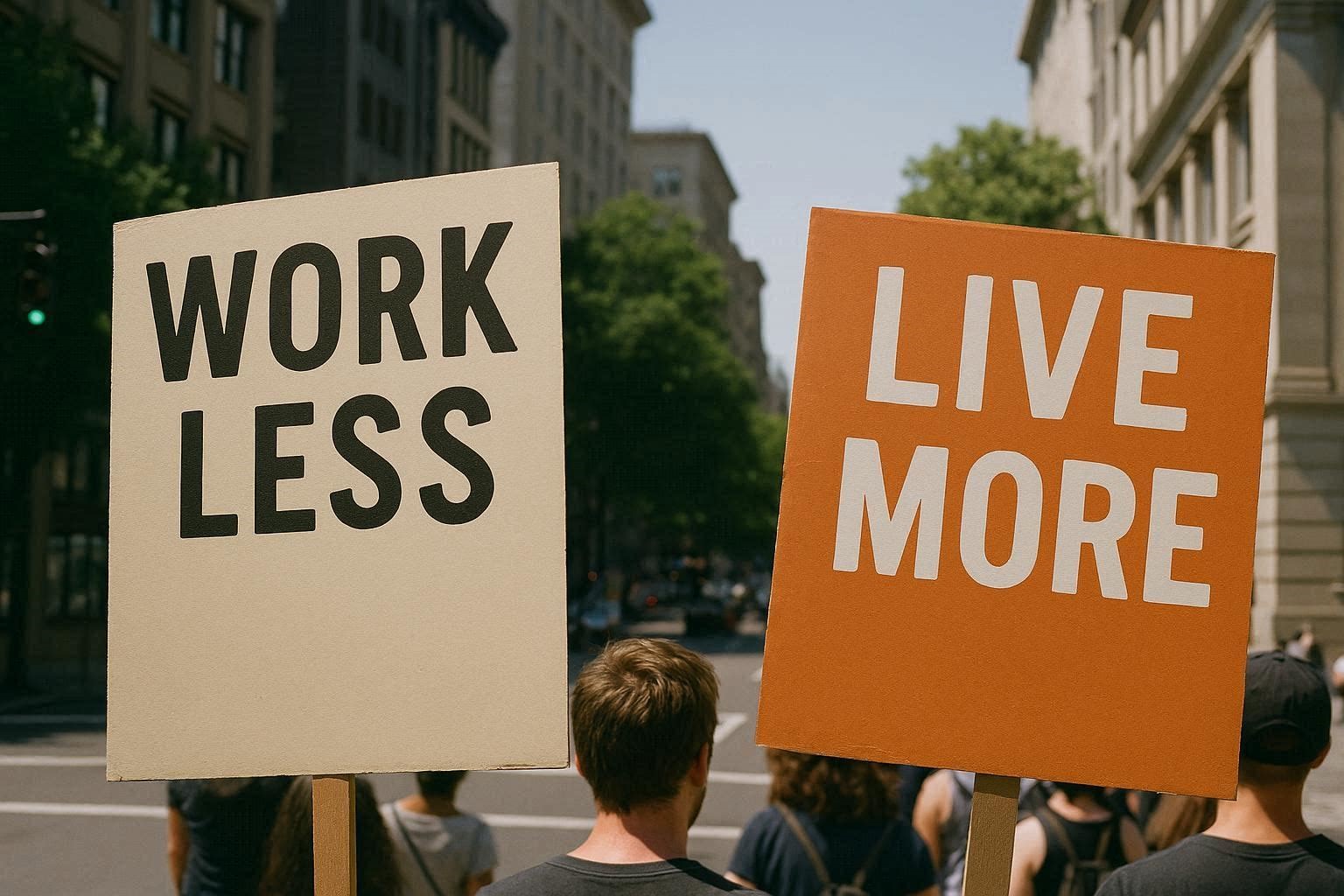
The “work less, live more” revolution isn’t just a theoretical concept; it’s a tangible shift evidenced by numerous real-world initiatives and evolving corporate practices. Across the globe, businesses and governments are experimenting with new models, demonstrating a growing recognition that employee well-being and flexibility are no longer just perks, but crucial components of sustainable success and talent retention. These changes reflect a fundamental reorientation towards valuing human capital and quality of life.
Four-Day Workweek Experiments Around the World
One of the most compelling real-world signs that the “work less, live more” revolution is rapidly advancing is the proliferation of four-day workweek experiments around the world. Companies and even entire countries are trialing condensed work schedules, demonstrating that it’s possible to maintain or even increase productivity while reducing work hours.
These initiatives aim to allow employees to work significantly smarter by focusing their energy on essential tasks, embodying the principle that often 20 percent of efforts yield 80 percent of results. Early findings frequently show improved employee well-being, reduced burnout, and enhanced engagement, proving that a day does not have enough hours for inefficient work processes. This widespread adoption encourages a rethinking of traditional work structures, showcasing that working much less can lead to more impactful work activities and a better quality of life.
The Growth of Wellness and Lifestyle-Centered Careers
The burgeoning growth of wellness and lifestyle-centered careers is another strong indicator that the “work less, live more” revolution is well underway. More individuals are consciously choosing professions that offer inherent flexibility, promote personal well-being, or allow them to work from anywhere, prioritizing these aspects over traditional corporate advancement.
Fields such as coaching, online fitness, digital content creation, and sustainable agriculture are attracting talent eager to apply the principle of “work less” by aligning their work activities with their passions and values. These entrepreneurial ventures often allow individuals to understand and leverage this principle, structuring their work hours to support a balanced life, ensuring their contributions truly matter in a way that resonates personally. This shift reflects a desire for work that integrates seamlessly with a desired lifestyle, rather than dominating it, proving that working much less is achievable when passion meets purpose.
Why Companies Are Adapting to Employee Expectations
A powerful driver of the “work less, live more” revolution is the growing necessity for companies to adapt to evolving employee expectations, recognizing that talent retention and engagement depend on offering greater flexibility and work-life balance. Progressive organizations are implementing hybrid work models, offering flexible work hours, and investing in technology that allows employees to work significantly smarter, thereby supporting the desire to work less.
This adaptation stems from a recognition that a day does not have enough hours for outdated, rigid corporate structures when competitors are offering more appealing arrangements. Companies are realizing that by empowering employees to apply the principle to their work tasks, allowing them to focus on what truly matters and achieve results efficiently, they can attract and retain top talent. This shift underscores a fundamental change in the employer-employee social contract, where employee well-being is increasingly seen as a strategic business advantage.
What the Future of Work and Success Could Look Like
As the “work less, live more” revolution continues to unfold, the future of work and success is poised for a radical transformation. We are moving towards a landscape where efficiency, personal well-being, and meaningful contributions are prioritized over sheer volume of work or traditional corporate climbing. This evolving future envisions a world where technology augments human potential, allowing individuals to pursue purpose-driven careers that integrate seamlessly with a rich and balanced personal life, fundamentally redefining prosperity.
How to Embrace the Work Less, Live More Mindset
Embracing the “work less, live more” mindset is a journey of intentional transformation, requiring a conscious reevaluation of priorities, habits, and career paths. It’s not about abandoning ambition, but rather redirecting it towards a more holistic definition of success that encompasses well-being, personal freedom, and meaningful engagement. This shift demands a proactive approach to optimizing one’s work life and personal sphere, making deliberate choices that align with a desire for greater balance and fulfillment, ultimately leading to a more purposeful existence.
Conclusion: Why Time May Be the Most Valuable Asset in 2026
In conclusion, as 2026 progresses, the profound societal shifts encapsulated by the “work less, live more” movement firmly establish time as arguably the most valuable asset, surpassing traditional metrics of wealth or status. This revolution underscores a collective awakening to the finite nature of our lives and the irreplaceable value of moments spent pursuing passions, fostering relationships, and nurturing personal well-being.
The pervasive desire to reclaim time from the clutches of relentless work signifies a fundamental reordering of priorities, where the richness of one’s experiences and the depth of one’s connections outweigh the accumulation of material possessions. Ultimately, the ability to control and wisely allocate one’s time becomes the ultimate indicator of true success and fulfillment, shaping a future where life is lived on one’s own terms.