
In an era dominated by constant connectivity and an overwhelming influx of information, the concept of “protect your energy” has transcended mere trend to become a critical element of modern well-being. This shift in mindset reflects a growing awareness of how easily our mental energy can be drained and the importance of intentional self-care.
The Global Rise of Energy Protection Culture

Why “protect your energy” became a worldwide phrase
The phrase “protect your energy” has gained global traction as individuals recognize the need to actively guard their mental health. Constant exposure to negativity and stress has led to a collective search for ways to protect and prioritize their well-being, leading to the spread of the phrase.
How modern life created emotional overload
Modern life, with its constant connectivity and demands, has created an environment of emotional overwhelm. The relentless flow of information, coupled with societal pressures, often leaves individuals feeling depleted. All these factors contribute to increased anxiety and a sense of being constantly drained, both energetically and emotionally.
What this mindset shift really means for everyday life
This mindset shift emphasizes intentional living. Protecting your energy helps people to make choices that align with their values. It encourages setting boundaries, prioritizing mental health, and creating space for activities that promote positivity and recharge mental energy, creating a more sustainable approach to daily life.
Understanding What “Protecting Your Energy” Really Means

Emotional energy vs physical energy explained
Emotional energy refers to the mental and emotional resources available to handle stress, make decisions, and maintain positivity. To better understand the distinction, consider the following:
| Type of Energy | Description |
|---|---|
| Emotional Energy | Mental and emotional resources for stress management and decision-making. |
| Physical Energy | The body’s ability to perform tasks and function optimally. |
Both must be considered when guarding your energy.
The role of mental boundaries in daily life
Mental boundaries act as a barrier against negative influences and emotional drain. Setting boundaries allows individuals to control what they absorb from their environment. It helps to protect their mental health and prevents overwhelm from external stress and negativity throughout the day.
Common misconceptions about energy protection
A common misconception is that protecting your energy means isolating oneself. It is not about avoiding all interactions, but rather about being mindful of where and with whom you are spending time. It also helps to learn how to regulate exposure to potential triggers.
Why Protecting Your Energy Is Becoming a Global Trend

Burnout culture and digital exhaustion
Burnout culture, characterized by excessive work and lack of rest, combined with digital exhaustion from constant screen time, has propelled the trend of protecting your energy. People now recognize the necessity of disconnecting and creating space for rest in order to recharge and restore well-being.
Social media overload and comparison fatigue
Social media overload contributes significantly to comparison fatigue. Constantly seeing curated versions of others’ lives can lead to feelings of inadequacy and deplete mental energy. Protecting your energy in this context involves setting boundaries with social media and prioritizing real-life interactions.
The shift from hustle culture to balance culture
The shift from hustle culture to balance culture marks a significant change in societal values. People are now prioritizing well-being and sustainable productivity over constant work. Protecting your energy helps to create a more balanced and fulfilling lifestyle. This helps to prioritize relationships and mental health.
The Psychology Behind Energy Drain in Modern Life
Emotional exhaustion and decision fatigue
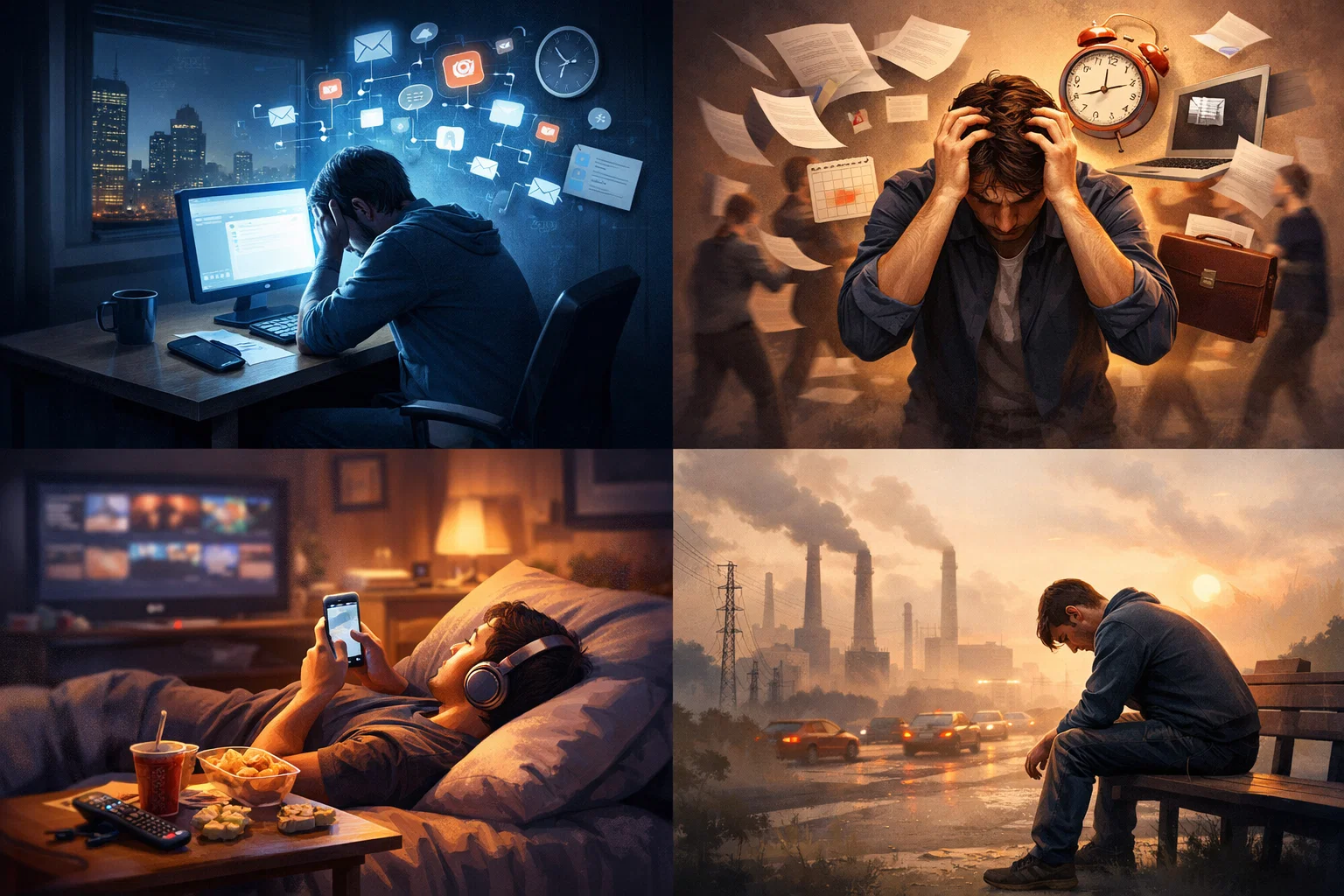
Emotional exhaustion and decision fatigue are significant contributors to energy drain in modern life. Constant stress and the need to make numerous decisions can deplete mental resources. Protecting your energy involves strategies to reduce stress, prioritize tasks, and create space for mental rest.
Toxic environments and subconscious stress triggers
Toxic environments and subconscious stress trigger constant negativity, making it difficult to maintain healthy energy. Recognizing and distancing yourself from these environments is crucial for protecting your mental health. A therapist or healer may also help when you feel drained by toxic behaviors.
Behavioral science behind energy loss (attention and focus depletion)
Behavioral science explains that attention and focus depletion contribute significantly to energy loss. Constant distractions and multitasking deplete mental resources. Protecting your energy helps to make things better by creating focused work periods, minimizing interruptions, and practicing mindfulness to recharge your nervous system.
The Role of Mental Health Awareness in This Shift
How mental health conversations changed global behavior
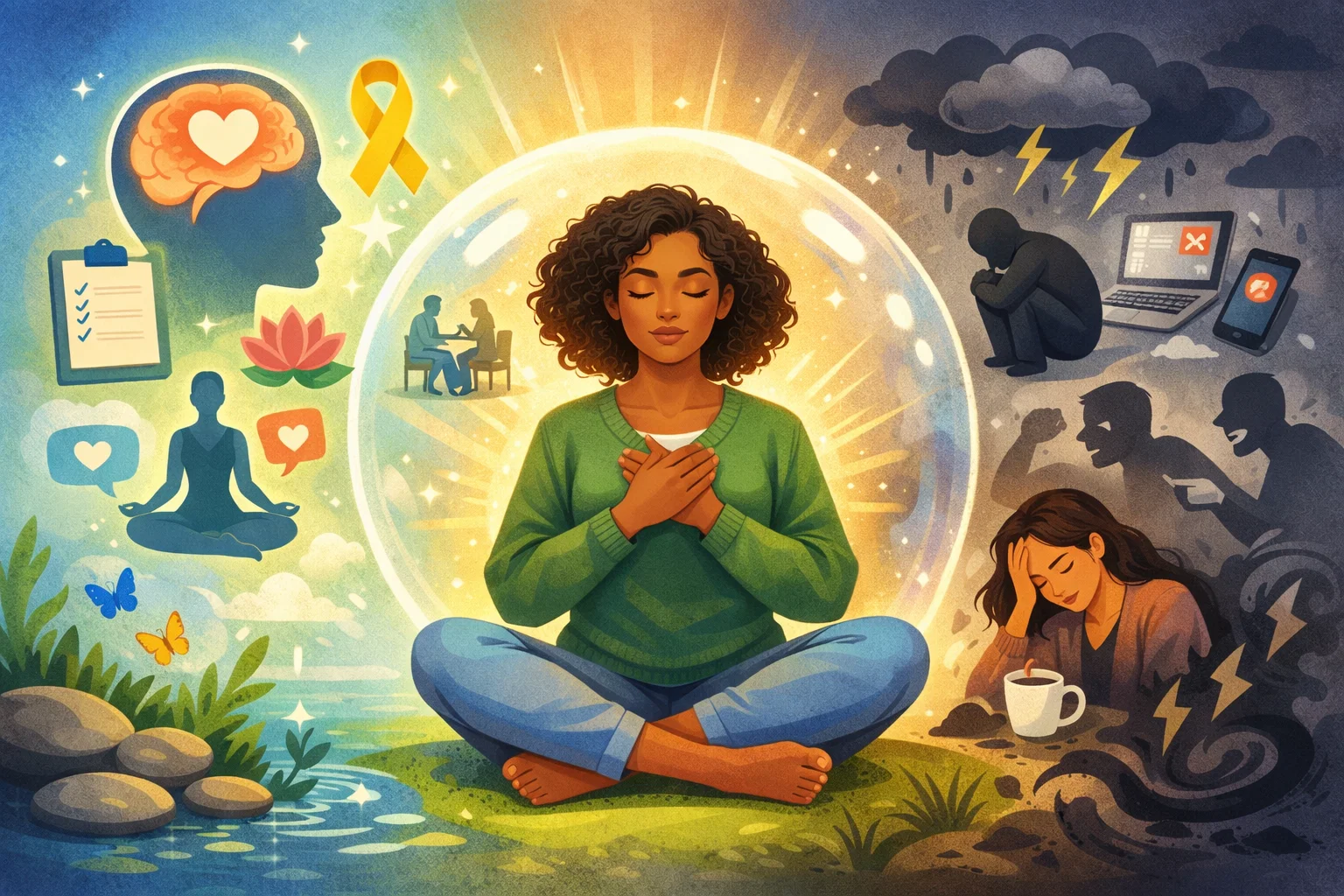
Mental health conversations have normalized discussions around emotional well-being. Increased awareness encourages people to recognize when their mental energy is being drained. Conversations help people to prioritize self-care, leading to proactive steps to protect their energy from negative influences.
Emotional boundaries as a form of self-care
Emotional boundaries are now seen as a critical form of self-care. Setting boundaries helps individuals protect their energy by limiting exposure to negativity and stress. This can also help to create space for positivity and activities that promote mental health and energetic well-being.
Why people are prioritizing peace over productivity
People are increasingly prioritizing peace over relentless productivity. This change reflects a growing understanding that constant hustle can lead to burnout. Protecting your energy by prioritizing mental health and well-being enhances sustainable productivity and overall alignment in life.
Signs Your Energy Is Being Drained Without You Realizing It
Constant fatigue despite rest
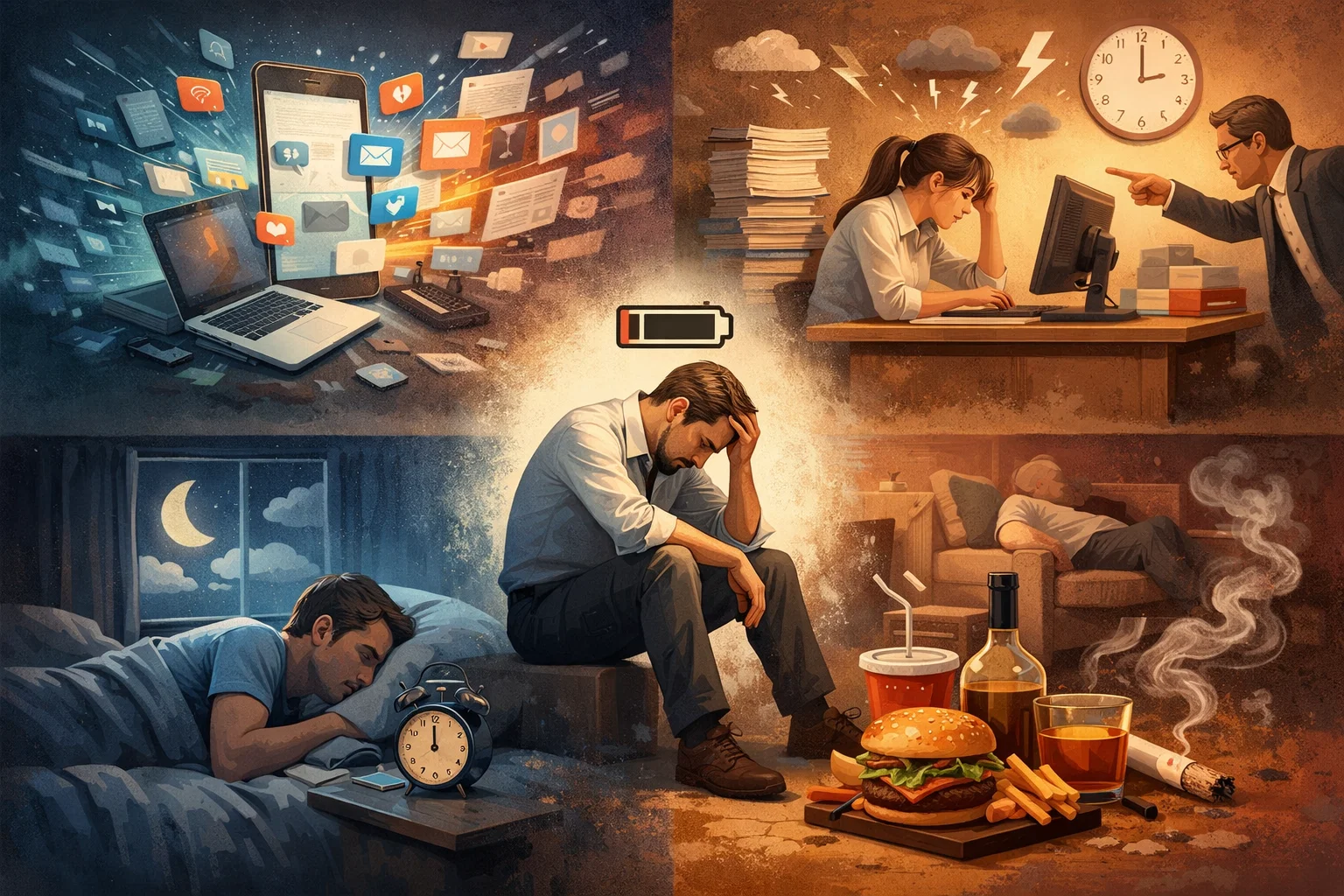
Experiencing constant fatigue despite adequate rest can be a sign that your energy is being drained. This often indicates underlying emotional or mental stress factors depleting mental energy. It could mean that you need to assess where you are allowing others to negatively impact you.
Irritability and emotional overload
Increased irritability and emotional overload are signs that you are being negatively affected by people, situations, or events. When you’re emotionally overwhelmed, it’s harder to cope with daily stress. Protecting your energy helps you reduce these negative influences and stay grounded, so you can react in a sustainable way.
Lack of focus and motivation decline
A noticeable decline in focus and motivation is often linked to drained mental energy. When mental resources are depleted, it becomes challenging to concentrate or find the drive to complete tasks. Protecting your energy can improve focus and increase productivity when mental health is prioritized.
Feeling overwhelmed by social interactions
Feeling overwhelmed by social interactions, even with close friends, indicates that social interactions are draining your energy. This often happens when you are constantly absorbing the stress or negativity of others. In this state, you need to create space for yourself so you can protect your energy.
How to Identify People, Habits, and Environments That Drain You

Recognizing toxic relationships and energy leaks
Recognizing toxic relationships is essential for protecting your energy. These relationships can create constant stress, drain your mental health, and leave you feeling emotionally depleted. Setting boundaries or distancing yourself from these individuals helps to protect your overall well-being and make space for positivity.
Digital habits that silently drain mental energy
Digital habits, such as excessive social media use or constant news consumption, can silently drain mental energy. Protecting your energy involves setting boundaries with technology. It also helps to regulate your exposure to potentially negative content and create space for offline activities that recharge you and support your mental health.
Work and lifestyle patterns that contribute to burnout
Work and lifestyle patterns that prioritize constant activity over rest often contribute to burnout. Protecting your energy requires creating a more balanced approach. This helps to ensure adequate sleep, breaks, and time for relaxation, helping to prevent burnout and sustain your physical and emotional health.
Practical Ways to Protect Your Energy Daily
Setting emotional and social boundaries
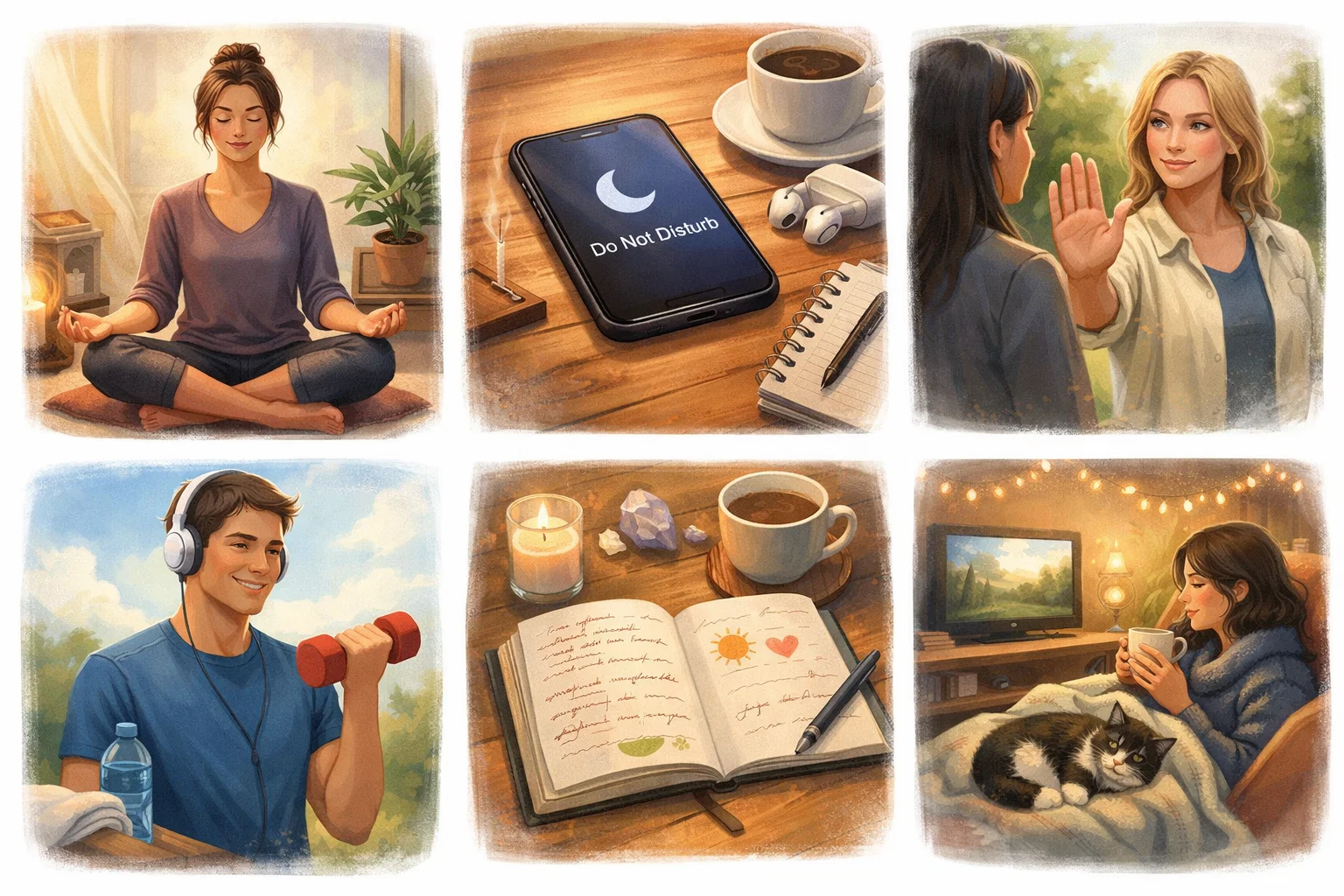
Setting emotional and social boundaries is essential for guarding your energy. Clearly define what you will and will not accept in relationships and interactions. Setting boundaries helps you to protect your mental health, reduce stress, and prioritize your well-being. Be mindful and ground yourself.
Creating a low-stress digital environment
Creating a low-stress digital environment involves curating your online experience to minimize negativity. Unfollow accounts that trigger negative thoughts. Prioritize content that promotes positivity and well-being. Protecting your energy by disconnecting from technology regularly can decrease stress and improve focus.
Learning to say no without guilt
Learning to say no without guilt is a vital skill for protecting your energy. Overcommitting yourself can lead to burnout and emotional exhaustion. It is important to also help others, but it is important to prioritize your own well-being and politely decline requests that will drain your energy.
Building recovery routines for mental reset
Building recovery routines into your daily life allows for mental reset. These routines can include mindfulness, meditation, or spending time in nature. Recovery routines help you to recharge your mental energy and reduce the cumulative effects of stress and negativity, improving mental health and wellbeing.
The Positive Effects of Protecting Your Energy

Improved focus and productivity
Protecting your energy helps greatly improve focus and productivity by reducing distractions and mental fatigue. When you’re less exposed to negative energy and stress, your mental clarity increases. A clear focus helps to complete tasks more efficiently and maintain a higher level of output.
Better emotional stability and decision-making
Protecting your energy promotes better emotional stability by regulating exposure to negativity. With reduced overwhelm, you can process emotions more effectively and make balanced decisions. The ability to remain grounded and think clearly greatly enhances your emotional resilience, so you can react instead of being reactive.
Healthier relationships and stronger self-awareness
Protecting your energy fosters healthier relationships by encouraging setting boundaries with those who drain you. This self-care creates space for positive connections, while prioritizing your well-being enhances self-awareness. Improved emotional intelligence leads to more fulfilling interactions and a stronger sense of self, all while guarding your energy.
Common Mistakes People Make When “Protecting Their Energy”
Confusing avoidance with boundaries
Confusing avoidance with setting boundaries is a common mistake. Setting boundaries involves clear communication and healthy limits. Avoidance is evading necessary interactions, which can hinder personal growth. Protect your energy by addressing issues directly while maintaining respectful boundaries and clear, proactive communications.
Isolating instead of balancing relationships
Isolating oneself instead of balancing relationships is another frequent pitfall. Protecting your energy should not mean cutting off all social contact. Balance relationships by spending time with people who uplift you and setting boundaries with those who drain you. This creates a supportive social environment, all while keeping your mental health a priority.
Overprotecting and missing growth opportunities
Overprotecting your energy can lead to missed opportunities for personal growth. While it’s important to set boundaries, be open to challenges that can expand your resilience. Protecting your energy also means strategically engaging with situations that foster learning and development, without experiencing unnecessary overwhelm.
The Balanced Approach: Protecting Energy Without Disconnecting from Life
Healthy boundaries vs emotional withdrawal
Healthy boundaries differ significantly from emotional withdrawal. Healthy boundaries involve clear communication and mutual respect. Emotional withdrawal is an avoidant behavior that hinders connection. Protect your energy by maintaining open communication while clearly defining your limits, prioritizing your mental health.
Learning emotional resilience instead of avoidance
Learning emotional resilience is a more effective strategy than avoidance. Resilience involves developing coping mechanisms to manage stress and negativity. Protect your energy by building your ability to bounce back from difficult situations, rather than avoiding them altogether, so you can live a life that is more aligned.
Staying open while still protecting yourself
Staying open while still protecting yourself involves being receptive to new experiences while maintaining clear boundaries. Engage with the world with intention, regulating your exposure to negative energy. Protecting your energy in this way allows for growth and connection, without sacrificing your well-being.
Long-Term Impact of This Global Mindset Shift
Future of work-life balance culture
The future of work-life balance culture looks promising. With increasing awareness of burnout and its negative effects, companies are beginning to value employee well-being. Protecting your energy at work will become more normalized, leading to healthier, more sustainable work environments and increased productivity.
How relationships and communication are changing
Relationships and communication are evolving. As people prioritize protecting their energy, they seek deeper, more meaningful connections. Communication is becoming more transparent and empathetic, with a greater emphasis on setting boundaries and respecting each other’s mental and emotional needs, reducing miscommunication and potential stress.
The rise of emotional intelligence in society
Emotional intelligence is on the rise in society. As more individuals recognize the importance of mental health, emotional awareness and empathy are becoming highly valued. Protecting your energy through emotional intelligence helps to create more compassionate and understanding communities, promoting a healthier, more supportive environment.
Conclusion: Why Protecting Your Energy Is More Than a Trend
Protecting your energy is more than a trend; it’s a fundamental shift towards prioritizing mental health and well-being. By setting boundaries, regulating exposure to negativity, and fostering positive habits, individuals can create a more balanced, fulfilling life. The intention and awareness that are created from protecting your energy makes it a sustainable practice for long-term wellness and alignment.