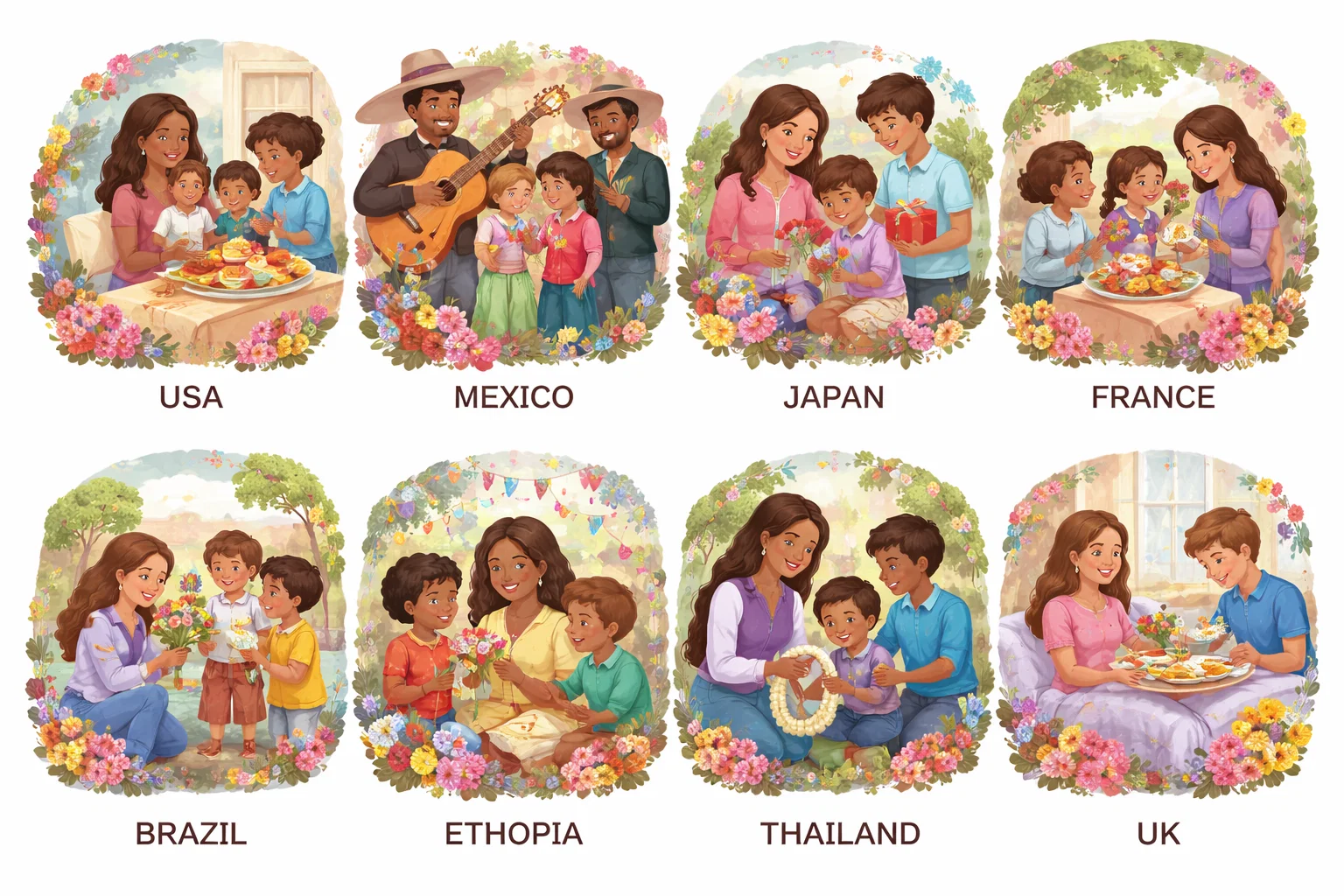
Mother’s Day is a special occasion celebrated all around the world. It’s a day to celebrate mothers and motherhood. While the essence of honoring mothers remains consistent, the traditions and customs vary across different cultures.
This guide explores how different countries celebrate Mother’s Day, offering insights into both the similarities and the distinctions in these traditions around the world.
Why Mother’s Day Is Celebrated Worldwide
The universal importance of honoring mothers
The universal importance of honoring mothers transcends cultural boundaries, as many countries celebrate the profound impact mothers have on families and societies. This shared sentiment makes Mother’s Day a cherished occasion, with the day to honor these essential figures rooted in gratitude and respect, underlining the significance of motherhood around the world.
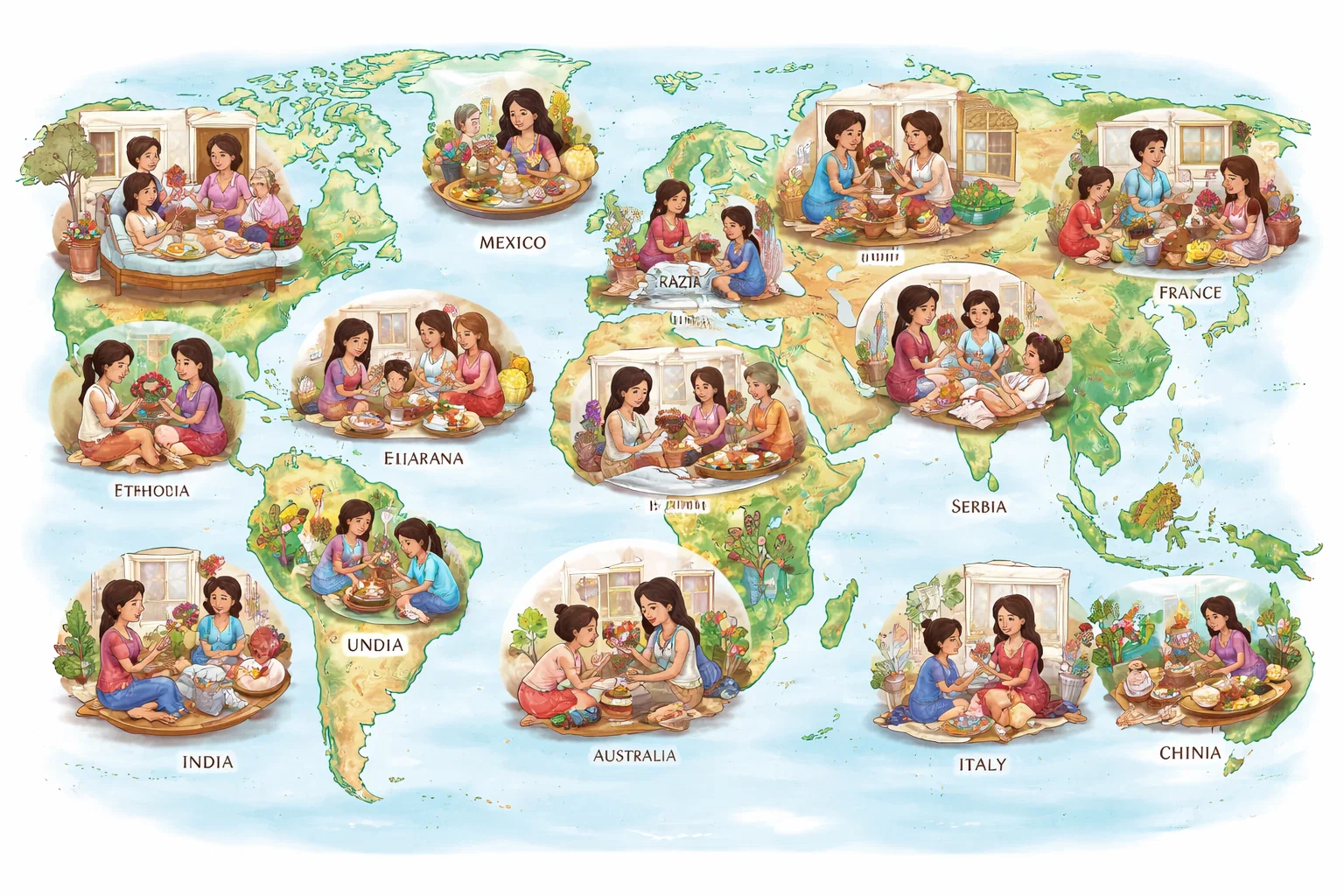
How traditions differ but love remains the same
While the underlying love and appreciation for mothers are universal, the way countries celebrate this affection varies significantly. Some cultures emphasize elaborate family gatherings, while others focus on personal gestures of gratitude. Despite these differences, the essence of the celebration remains the same: a heartfelt tribute to mothers.
What readers will learn in this guide
In this comprehensive guide, readers will discover the fascinating array of traditions and customs associated with Mother’s Day celebrations across the globe. From historical origins to modern-day practices, you will gain insights into how different countries celebrate this special day, enhancing your understanding of global cultural diversity.
The History of Mother’s Day and Its Global Spread
Origins of Mother’s Day in ancient and modern cultures
The origins of Mother’s Day can be traced back to ancient civilizations, where festivals celebrated maternal goddesses and motherhood. In modern times, the concept evolved, driven by figures like Ann Jarvis, who advocated for a day to celebrate mothers, laying the groundwork for the tradition we know today.
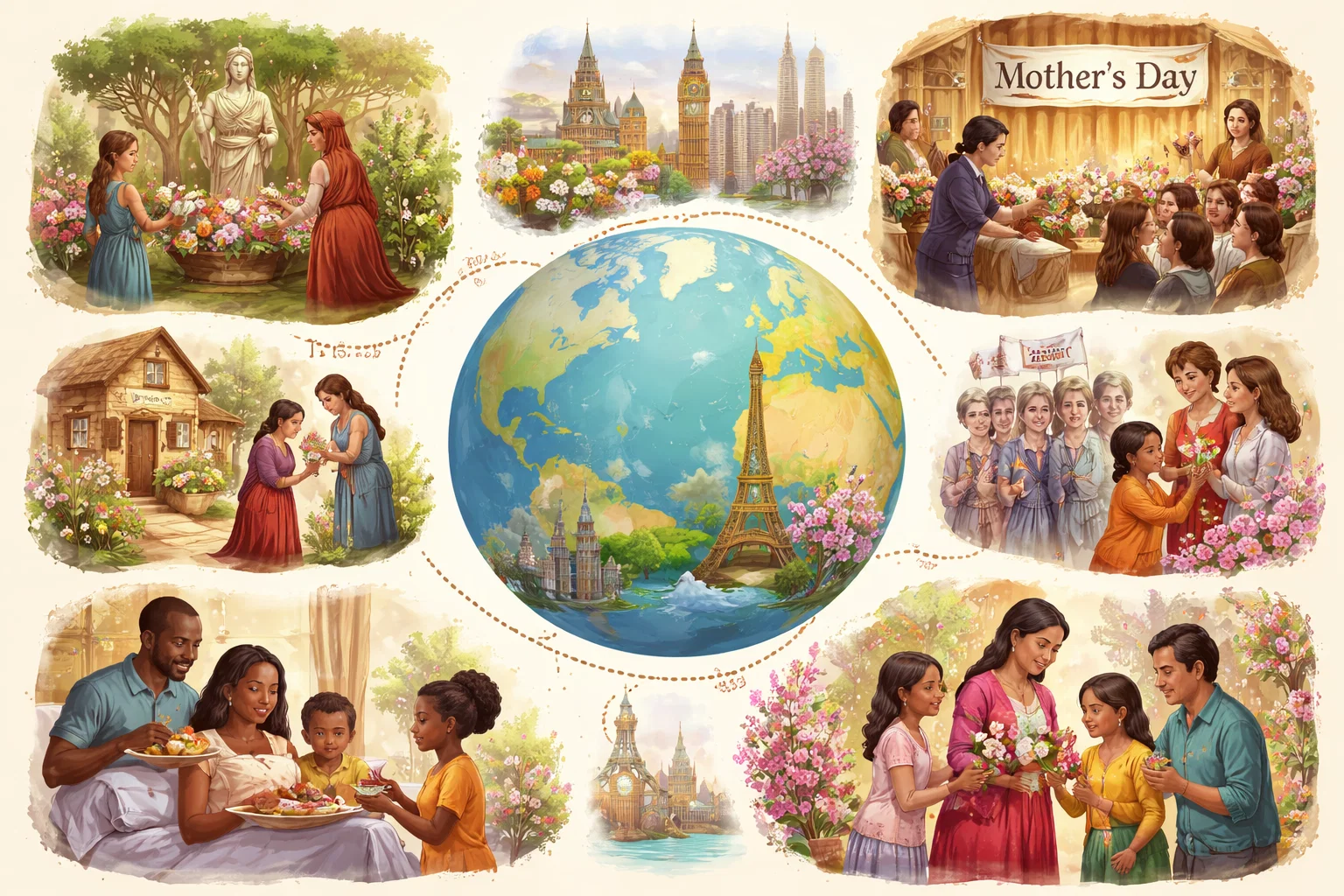
How the holiday became international
The holiday gained international recognition largely due to the efforts of Anna Jarvis and, later, the endorsement of President Woodrow Wilson in 1914. This endorsement helped propel the tradition into a nationally observed holiday in the United States, which then inspired many other countries to adopt their own versions of Mother’s Day.
The evolution of modern Mother’s Day celebrations
Modern Mother’s Day celebrations have evolved to include various forms of appreciation, ranging from simple homemade cards to elaborate gifts and outings. The flower, often a carnation, symbolizes the sentiments of love and gratitude. Today, the gift is also a common way to celebrate motherhood and honor mothers.
Mother’s Day in the United States of America
When and how it is celebrated
In the United States, Mother’s Day is celebrated on the second Sunday in May. Families often commemorate the day with special activities designed to honor mothers, such as preparing meals, giving gifts, and spending quality time together, underscoring the importance of the tradition.
Popular traditions (brunch, flowers, gifts)
Here are some popular Mother’s Day traditions in the USA. Many people celebrate by:
- Taking mothers out for brunch
- Giving flowers, especially carnations
- Presenting thoughtful gifts
These customs are deeply ingrained in American culture and are seen as essential ways to show appreciation and celebrate mothers on this special day.
Regional variations in celebrations
While the second Sunday of May is a uniform date, regional variations in Mother’s Day celebrations exist across the United States. Some regions might have unique local customs or foods associated with the holiday, reflecting the diverse cultural tapestry of the nation and adding a special flavor to the celebrations.
Modern trends in American Mother’s Day celebrations
Modern trends in American Mother’s Day celebrations include personalized gifts, experiences like spa days, and heartfelt social media tributes. As society evolves, so do the ways people choose to show their love and appreciation, emphasizing the dynamic nature of this beloved holiday and the day to celebrate mothers.
Mother’s Day in the United Kingdom
Mothering Sunday: Historical background
In the United Kingdom, Mother’s Day is known as Mothering Sunday and has historical roots dating back to the medieval period. Originally, it was observed as the fourth Sunday of Lent, when people would return to their ‘mother’ church, or the main church in their town, for a special service. This day gradually evolved into a celebration.
Traditional customs (daffodils, tea, and church visits)
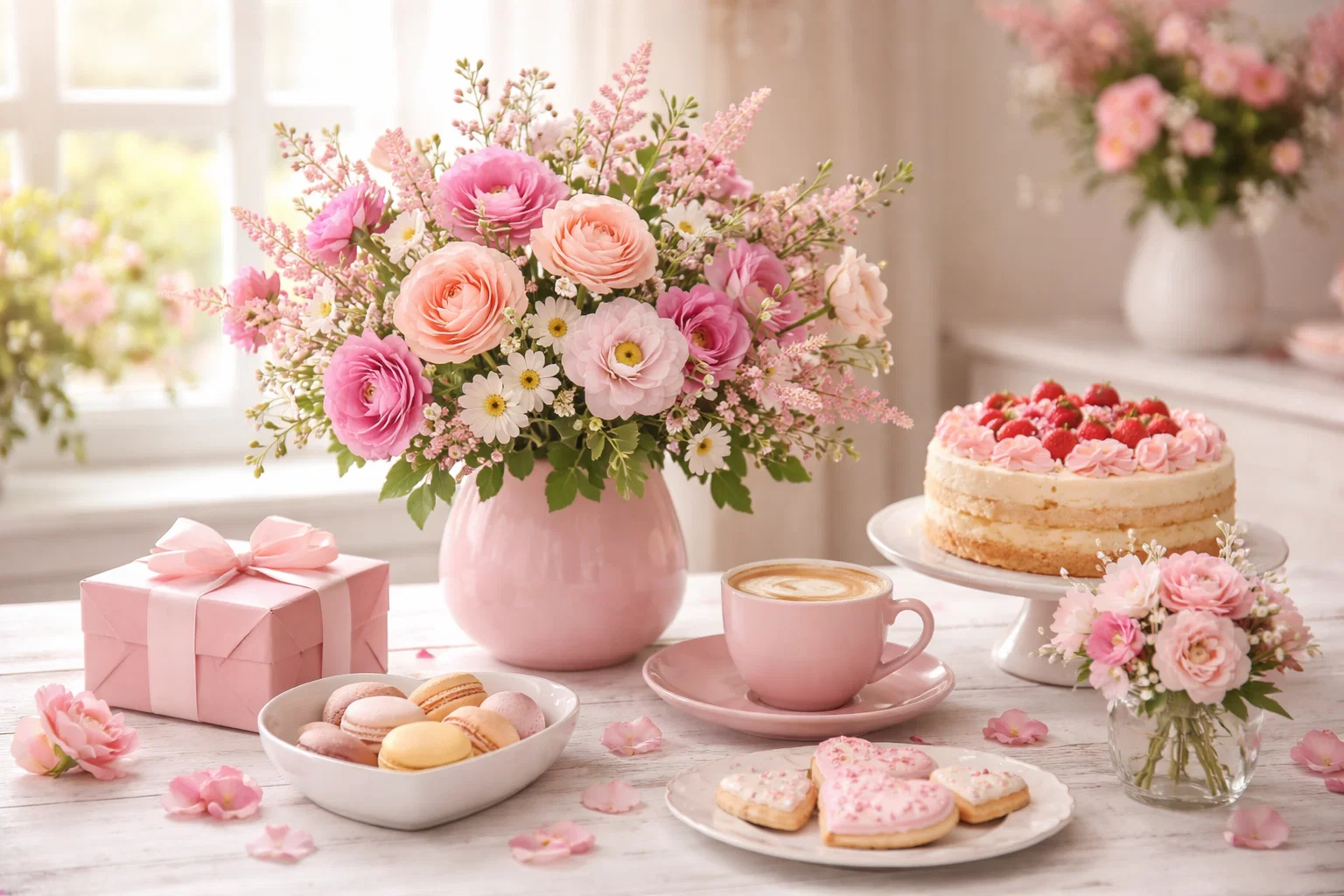
Traditional customs associated with Mothering Sunday include giving daffodils, enjoying afternoon tea, and attending church services. Daffodils are a popular flower choice, symbolizing the arrival of spring and new beginnings. Church visits reflect the holiday’s religious origins, while tea is a cherished British tradition.
How modern celebrations have evolved
How Mother’s Day is celebrated has evolved in the UK, reflecting contemporary lifestyles. While the religious aspect has lessened for some, the essence of showing appreciation remains strong. Modern celebrations often involve family meals, gifts, and experiences tailored to individual mothers’ preferences, and the gift is often seen.
Differences between UK and US Mother’s Day traditions
There are several key differences between UK and US Mother’s Day traditions. The UK celebrates Mothering Sunday on the fourth Sunday of Lent, while the US observes Mother’s Day on the second Sunday in May. The types of gifts and activities also differ, reflecting each country’s unique cultural values and historical influences.
Mother’s Day in Mexico
Día de la Madre: Date and significance
In Mexico, Día de la Madre is celebrated annually on May 10th, irrespective of the day of the week. This fixed date holds immense significance, symbolizing the importance of mothers in Mexican society and culture. The day is marked by heartfelt expressions of love, gratitude, and reverence for mothers, making it a deeply emotional celebration.
Family gatherings and mariachi traditions
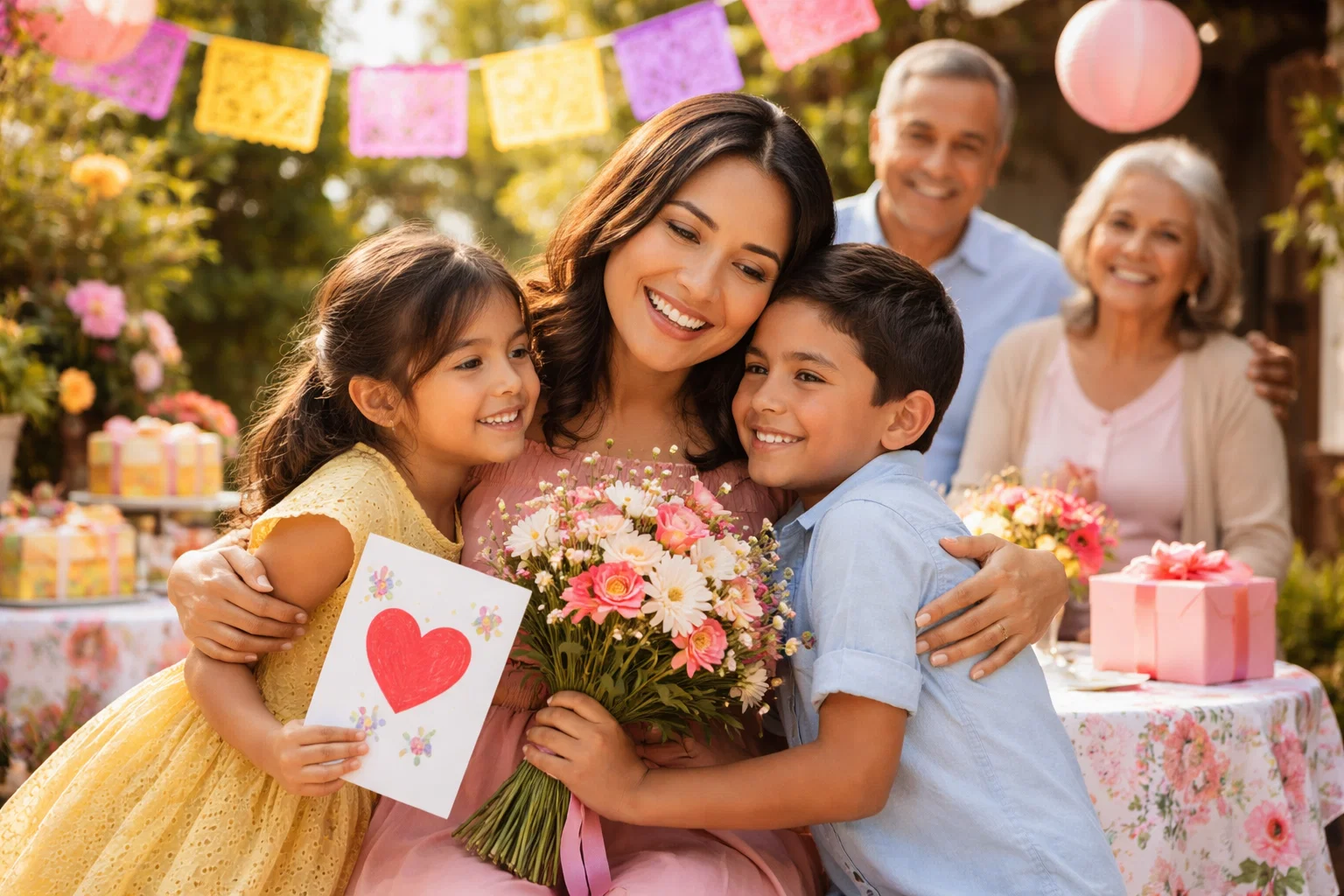
Family gatherings are central to the Mexican Día de la Madre celebrations, often featuring large feasts where extended family members come together to honor mothers. Mariachi bands frequently perform traditional songs, serenading mothers with heartfelt melodies, adding to the festive atmosphere of the celebration and making the celebrations memorable.
The role of schools and community celebrations
Schools and community organizations play a significant role in Mexican Mother’s Day celebrations. Children often prepare performances, songs, and handmade gifts to present to their mothers at school events. Community celebrations may include parades, festivals, and other public displays of appreciation for mothers, emphasizing the day to honor mothers.
How Mexican traditions emphasize family unity
Mexican Mother’s Day traditions strongly emphasize family unity and the central role of mothers in holding families together. The focus on family gatherings, shared meals, and collective expressions of gratitude reinforces the deep bonds between mothers and their children, and the importance of motherhood, making this day unique.
Mother’s Day in India
Modern celebrations vs. traditional cultural values
Modern Mother’s Day celebrations in India blend with traditional cultural values, creating a unique fusion of Eastern and Western influences. While the concept of a specific day to celebrate mothers is relatively new, the deep respect for motherhood is deeply ingrained in Indian culture, shaping the way countries celebrate.
Common ways families celebrate
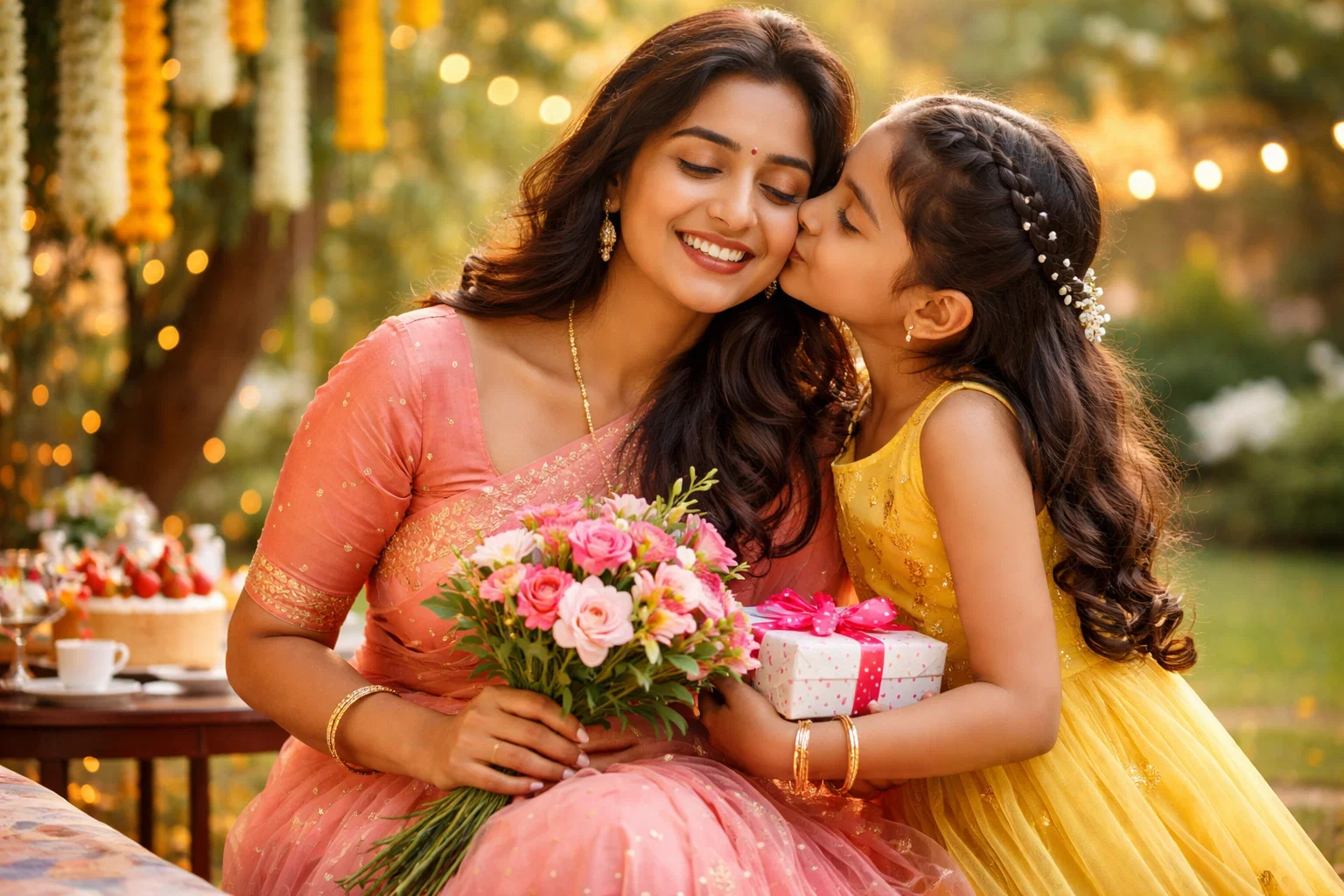
Common ways families celebrate Mother’s Day in India include preparing special meals, giving gifts, and spending quality time together. Many families also incorporate traditional customs, such as performing aarti (a ritual of worship) for their mothers, to show their respect and seek blessings, especially on the date.
Gifts, social media tributes, and modern trends
Gifts, social media tributes, and modern trends are increasingly popular in Indian Mother’s Day celebrations. Many people express their love and gratitude through online posts, while others opt for personalized gifts or experiences that cater to their mothers’ interests, showing appreciation on the day to celebrate mothers.
Regional differences in celebrations
Regional differences in celebrations are apparent across India, reflecting the country’s diverse cultural landscape. Depending on the region, families may incorporate local customs, foods, and religious practices into their Mother’s Day celebrations, adding a unique flair to the way different countries celebrate and honor motherhood.
Mother’s Day in Egypt
Why Egypt celebrates Mother’s Day on March 21st
Egypt uniquely celebrates Mother’s Day on March 21st, coinciding with the Spring Equinox. This date symbolizes new beginnings and the renewal of life, aligning with the nurturing role of mothers. The choice reflects Egypt’s cultural reverence for mothers and the celebration of motherhood in harmony with nature’s cycles as countries celebrate.
Traditional customs and modern celebrations
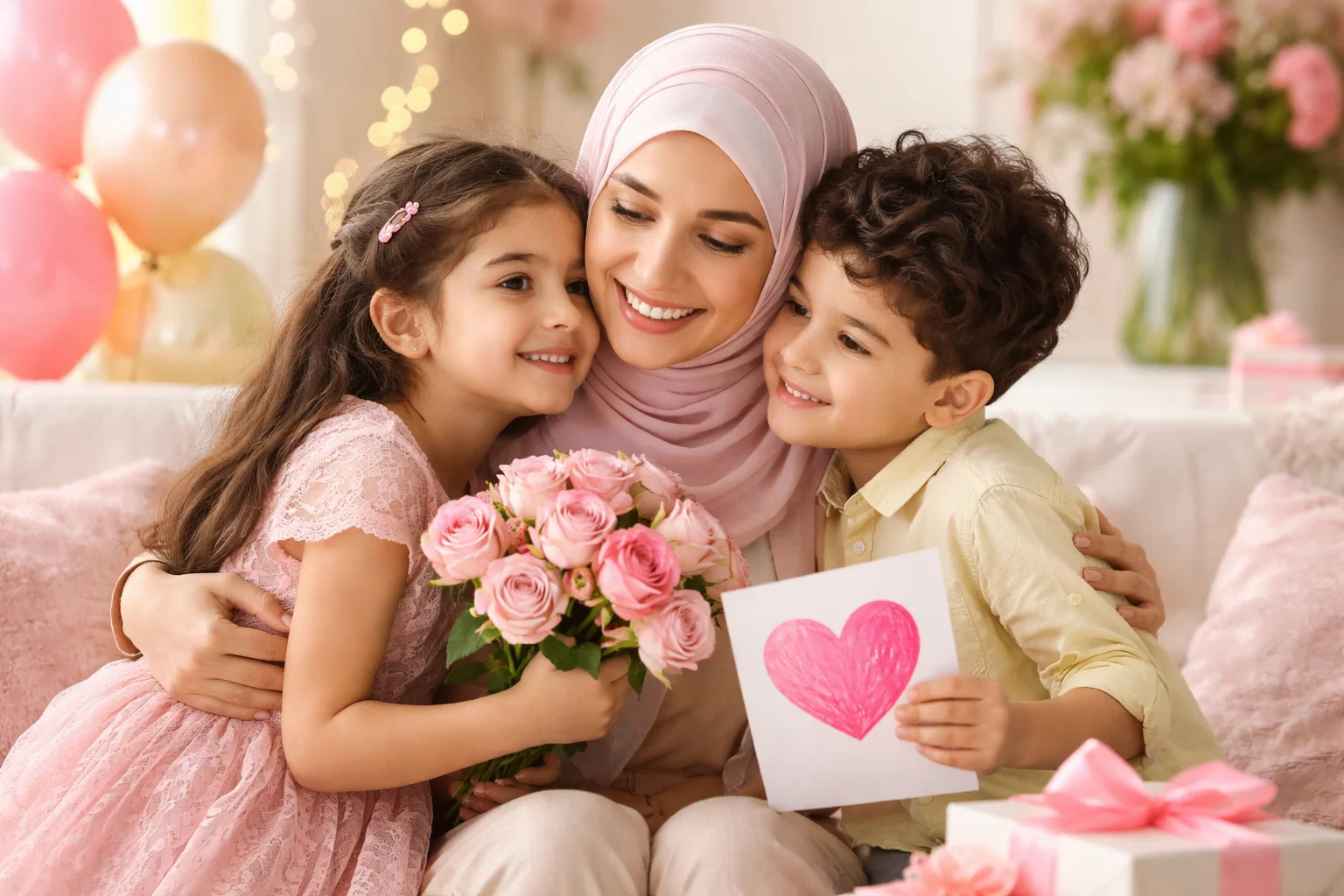
Traditional customs in Egypt’s Mother’s Day blend with modern celebrations. Families often prepare special meals, exchange gifts, and spend quality time together. Many Egyptians also honor their mothers with flowers, particularly carnations, and heartfelt expressions of gratitude, maintaining unique traditions even on the day to celebrate mothers.
Family gatherings and appreciation gestures
Family gatherings are central to Egyptian Mother’s Day celebrations, with relatives coming together to honor mothers. Appreciation gestures include presenting gifts, offering help with household chores, and expressing love through heartfelt words and actions. These celebrations reflect the importance of family bonds in Egyptian culture, when countries celebrate.
Egypt’s historical significance in Mother’s Day traditions
Egypt’s historical significance in Mother’s Day traditions stems from its ancient reverence for motherhood. Ancient Egyptians honored goddesses like Isis, associating them with fertility and nurturing. This historical context enriches modern celebrations, imbuing them with a sense of continuity and deep-rooted cultural values, especially on the day to honor.
How Other Countries Celebrate Mother’s Day
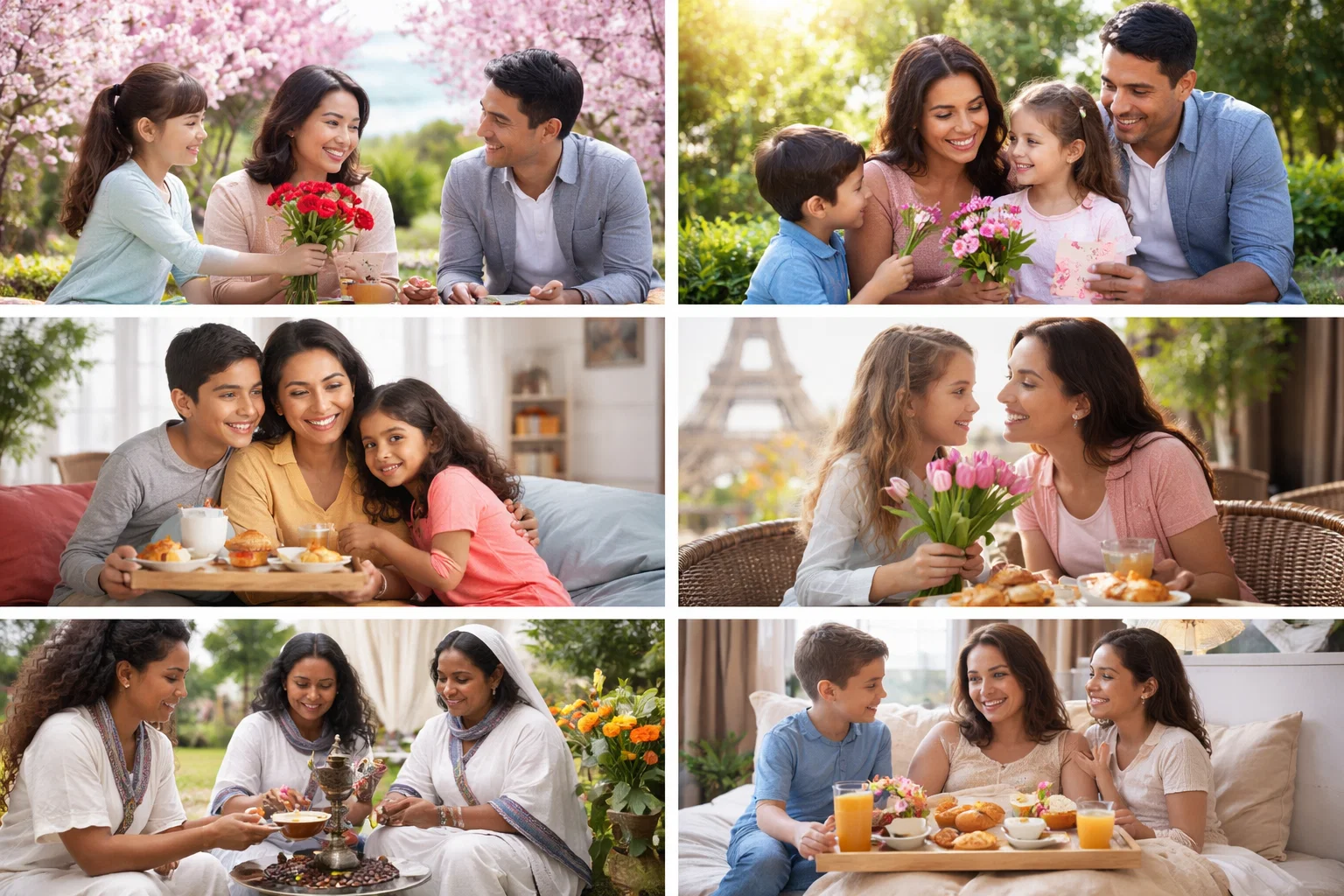
Mother’s Day in Australia and New Zealand
In Australia and New Zealand, Mother’s Day is celebrated on the second Sunday in May. Popular traditions include giving chrysanthemums, which are in season during May, and treating mothers to brunch or special outings. The flower, along with heartfelt cards and gifts, are common expressions of love and appreciation when countries celebrate.
Celebrations in Canada and Latin America
Celebrations in Canada and Latin America mirror many US traditions, with Mother’s Day observed on the second Sunday in May. Family gatherings, gifts, and flowers are common ways to honor mothers. In Latin America, mariachi bands often serenade mothers, adding a festive touch to the celebrations, when different countries celebrate.
European traditions beyond the UK
Beyond the UK, European countries exhibit diverse Mother’s Day traditions. In France, it’s the last Sunday in May (or first Sunday of June if coinciding with Pentecost), with cake-shaped flower bouquets. Many countries celebrate with family meals and gifts, reflecting cultural nuances. Many other countries honor motherhood across Europe.
Unique customs in Asia and Africa
Unique customs in Asia and Africa showcase the diversity of Mother’s Day celebrations around the world. In Thailand, it aligns with the Queen’s birthday in August, symbolizing royal motherhood. In Ethiopia, a multi-day festival honors mothers. These customs reflect distinct cultural values and historical contexts when countries celebrate.
Common Themes in Mother’s Day Celebrations Worldwide
Gratitude and appreciation across cultures
Gratitude and appreciation are universal themes in Mother’s Day celebrations across cultures. Whether through gifts, kind words, or acts of service, the underlying sentiment is to express heartfelt thanks to mothers for their love, sacrifice, and unwavering support, demonstrating a tradition shared around the world to celebrate mothers.
The role of flowers and gifts
The role of flowers and gifts in Mother’s Day is significant, serving as tangible expressions of love and appreciation. Carnations, roses, and other blooms symbolize affection, while thoughtful gifts reflect a deeper understanding of a mother’s interests and desires. These gestures enhance the joy and meaning of the day to honor mothers.
Family gatherings and emotional connections
Family gatherings and emotional connections are central to Mother’s Day celebrations, fostering a sense of togetherness and strengthening familial bonds. Shared meals, heartfelt conversations, and cherished memories create lasting impressions, reinforcing the importance of family and the special role of mothers as countries celebrate on the date.
How traditions reflect cultural values
How countries celebrate Mother’s Day reflects their distinct cultural values, shaping the traditions and customs associated with the holiday. From religious observances to community festivals, these celebrations mirror the unique ways in which different societies view motherhood, family, and the importance of honoring maternal figures on the last Sunday of May.
Differences in Mother’s Day Dates and Traditions
Why some countries celebrate on different dates
Many countries celebrate Mother’s Day on different dates due to a mix of historical, cultural, and religious influences. Some adhere to the second Sunday in May, popularized by the United States, while others follow local traditions. For instance, many countries around the world celebrate at various times, as illustrated below:
| Country/Region | Date |
|---|---|
| United Arab Emirates | March 8th |
| Other Countries | Varies (e.g., second Sunday in May) |
Cultural and religious influences
Cultural and religious factors significantly shape Mother’s Day celebrations. While many countries celebrate motherhood, the specific observances can vary greatly. For example:
| Celebration | Characteristics |
|---|---|
| Mothering Sunday (UK) | Rooted in religious observance during the fourth Sunday of Lent. |
| US Tradition | Secular day. |
Countries may also incorporate unique local customs and festivities, reflecting the diverse ways motherhood is honored.
The impact of commercialization on celebrations
The impact of commercialization has undeniably influenced Mother’s Day, leading to increased spending on gifts, flowers, and dining experiences. While Jarvis originally envisioned a heartfelt, personal celebration, the focus has shifted in many countries to elaborate displays of affection, raising questions about the true spirit of the day to celebrate mothers.
Conclusion: Celebrating Mothers Across the World
In conclusion, Mother’s Day is a cherished holiday celebrated all around the world, with each country bringing its unique flair to the celebration. From the second Sunday in May to various different dates, the essence remains the same: honoring and appreciating mothers for their unconditional love and sacrifice. As we reflect on these diverse traditions around the world, let’s remember the profound impact mothers have on our lives, regardless of when and how we celebrate.