
In today’s interconnected world, long-distance friendships are becoming increasingly common. While these relationships can present unique challenges, they also offer a wealth of opportunities for personal growth and deeper connections. This article explores the pros and cons of long-distance friendships, offering practical advice on how to keep in touch and nurture these important bonds despite the distance.
Why Long-Distance Friendships Matter
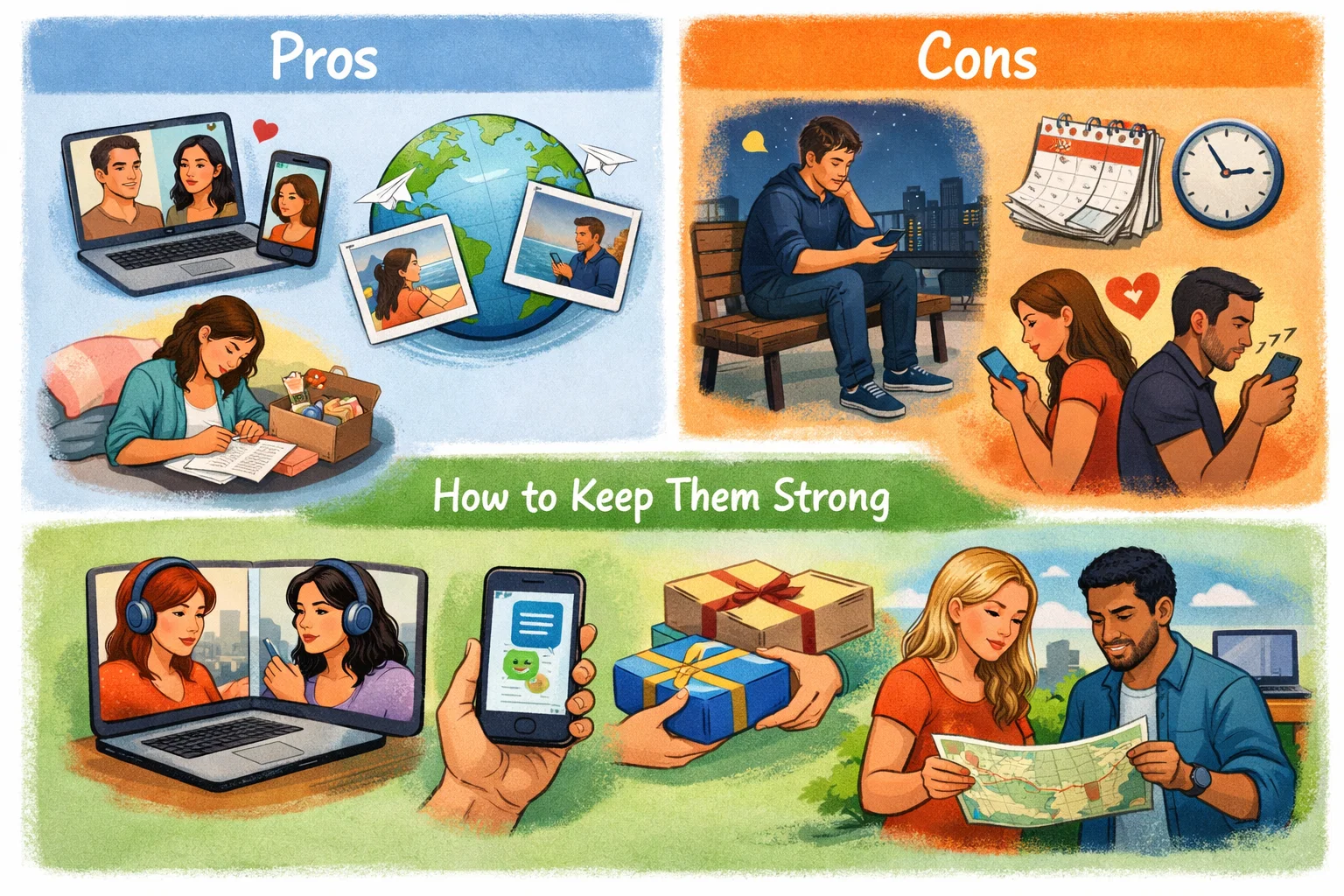
The Rise of Long-Distance Friendships in a Connected World
The modern era has fostered a world where geographical boundaries matter less. Advances in technology and increased mobility mean that our best friend may live across the country or even on another continent. The rise of long-distance friendships is a testament to our ability to maintain meaningful connections regardless of physical gap.
Emotional Value and Lifelong Bonds
Despite the absence of physical touch, long-distance friendships can offer profound emotional support and create lasting memories. The emotional value found in these friendships often lies in the intentionality and effort both parties invest to communicate and nurture the bond.
Pros of Long-Distance Friendships

Stronger Emotional Connection Through Intentional Communication
One of the primary advantages of a long-distance friendship is the emphasis on quality communication. When physical presence is limited, friends learn to truly listen and engage with each other on a deeper emotional level. The need to articulate feelings and experiences through messages, texts, and video calls can foster a more profound understanding and intimacy.
Independence and Personal Growth
Long-distance friendships can foster a sense of independence and self-reliance. Being apart encourages individuals to develop their own interests, build new social circles, and navigate life’s challenges independently. This personal growth can then enrich the friendship when you do get to see each other.
Exposure to Diverse Perspectives and Cultures
Friends who live in different time zones and geographical locations often bring diverse perspectives and cultural experiences to the relationship. This exposure can broaden your worldview, challenge your assumptions, and foster a greater appreciation for cultural differences. Learning about other’s lives can be fascinating.
Improved Communication Skills and Patience
Maintaining a strong long-distance friendship requires honing your communication skills and cultivating patience. Navigating time zone differences, busy schedules, and potential misunderstandings demands clear, empathetic, and thoughtful communication. The need to be patient and understanding can strengthen the friendship in the long run.
Appreciation of Quality Time and Reunions
The absence of regular physical contact can heighten the appreciation for the time spent together. When friends finally get to see each other, the reunions are often filled with joy, excitement, and a renewed sense of connection. These moments become cherished memories, reinforcing the value of the friendship despite the distance. Planning a holiday together can be a good idea.
Cons of Long-Distance Friendships

Lack of Physical Presence and Shared Experiences
One of the most significant disadvantages of a long-distance friendship is the lack of physical touch and shared experiences. The absence of spontaneous hugs, casual hangouts, and participating in activities together can create a sense of emotional distance. This gap can be especially challenging during difficult times when physical support is needed.
Communication Challenges and Misunderstandings
While communication is key to any relationship, it can be particularly challenging in long-distance friendships. Different time zones, busy schedules, and reliance on technology can sometimes frustrate effective communication. Misunderstandings can easily arise through text messages or emails, leading to unnecessary conflict and hurt feelings.
Risk of Drifting Apart Over Time
One of the potential cons of long-distance friendships is the risk of drifting apart over time. As life changes and new priorities emerge, it can be easy to lose touch with friends who are not physically present. The absence of regular interaction can lead to a gradual fading of the friendship, especially if there is a lack of effort to keep in touch.
Limited Support in Emergencies
In times of crisis or emergencies, the long distance can present a significant obstacle. Being unable to provide immediate physical support or assistance can be incredibly frustrating for both parties. Knowing that your best friend is far away when you need them most can exacerbate feelings of helplessness and isolation.
Feelings of Loneliness or Missing Out
Maintaining a long-distance friendship can sometimes evoke feelings of loneliness or missing out. Seeing your friend’s lives unfold from afar, witnessing their adventures and milestones without being able to fully participate, can lead to a sense of disconnect. These feelings can be particularly intense when you’re apart during important events or holidays.
How to Keep Long-Distance Friendships Strong

Regular Check-Ins and Scheduled Calls
Consistent communication is the cornerstone of any successful long-distance friendship. Make a conscious effort to schedule regular check-ins, whether through phone calls, video calls, or even just sending a quick text message. Setting aside dedicated dates to connect ensures that you prioritize the relationship and make time for each other despite the distance.
Honesty and Open Communication
Honesty and transparency are crucial for navigating the challenges of a long-distance friendship. Be open about your feelings, needs, and concerns, and encourage your friend to do the same. Addressing potential issues early on and maintaining open communication can prevent misunderstandings and strengthen the bond between you.
Using Technology Creatively (Video Calls, Apps, Games)
Embrace technology to bridge the physical gap and foster a sense of connection. Utilize video calls to have face-to-face conversations, explore apps designed for long distance relationships, or engage in online games together. Get creative and think of things to do that can foster the friendship despite the distance.
Celebrating Milestones and Life Events Together
Even when physically apart, find ways to celebrate each other’s milestones and life events. Send thoughtful gifts, plan virtual parties, or coordinate surprise deliveries to show your support and excitement. Acknowledging and celebrating these moments together reinforces the value of the friendship and strengthens the emotional bond.
Planning Occasional In-Person Visits
Whenever possible, prioritize planning occasional in-person visits. The anticipation of seeing each other can be a powerful motivator, and the time spent together creates lasting memories. Whether it’s a weekend getaway or a longer vacation, these reunions reinforce the importance of the friendship and provide much-needed physical connection. A holiday could be a great idea.
Communication Tips for Maintaining Connection

Balancing Frequency vs Quality of Communication
In any long distance relationship, especially a friendship, finding the right balance between how often you communicate and the depth of those interactions is key. It’s not just about constant contact, it’s about meaningful exchanges that strengthen your bond, despite the distance. Focus on quality over quantity to nurture a lasting friendship.
Sharing Life Updates and Everyday Moments
Long-distance friendships thrive on shared experiences, even when you’re apart. Don’t just reserve communication for big news; share the small, everyday moments that make up your life. Whether it’s a funny anecdote, a beautiful sunset, or a simple “thinking of you” text message, keeping each other involved in the mundane strengthens the friendship.
Managing Time Zones and Busy Schedules
One of the biggest challenges in a long distance relationship is coordinating communication across different time zones and busy schedules. Be mindful of your friend’s availability and be willing to compromise to find times that work for both of you. A little flexibility and understanding can go a long way in maintaining a strong friendship despite the distance.
Common Mistakes to Avoid in Long-Distance Friendships
Neglecting the Friendship Over Time
One of the most damaging mistakes in a long-distance friendship is simply neglecting it over time. It’s easy to let the relationship fade as life gets busy, but consistent effort is crucial to keep in touch. Don’t let the absence of physical presence lead to emotional distance, prioritize regular communication, to foster the friendship.
Expecting Constant Communication
While consistent communication is important, expecting constant contact is unrealistic and can put unnecessary pressure on the relationship. Understand that your friend has their own life and responsibilities, and respect their need for space. Avoid getting frustrated by a lack of immediate responses, prioritize quality over quantity. It’s not just the quantity but also the quality, and timing of a message.
Letting Misunderstandings Build Up
In any relationship, misunderstandings are inevitable, but in long-distance friendships, they can be particularly damaging if left unaddressed. Don’t let small disagreements fester; address them promptly and openly. Clear and honest communication can prevent minor issues from escalating into major conflicts and strengthen the bond between you.
Conclusion: Making Distance Work for Friendship, Not Against It
Long-distance friendships present unique challenges, but with intentionality, effort, and a willingness to adapt, they can be incredibly rewarding. By prioritizing communication, embracing technology, and planning occasional reunions, you can make distance work for your friendship, not against it. Nurture these important bonds, and you’ll find that distance is no match for the power of true friendship.