
In an increasingly hyperconnected world, the concept of being truly offline has transformed from a mundane state into a coveted luxury. We delve into why digital silence is now considered a premium experience.
Why Being Offline Is No Longer Normal in 2026
In 2026, constant connectivity has become the unquestioned default lifestyle, making any form of offline existence a rarity. The pervasive presence of smartphones and ubiquitous internet access means that most individuals are perpetually connected, constantly receiving notifications and engaging with the digital world, blurring the lines between work and personal life.
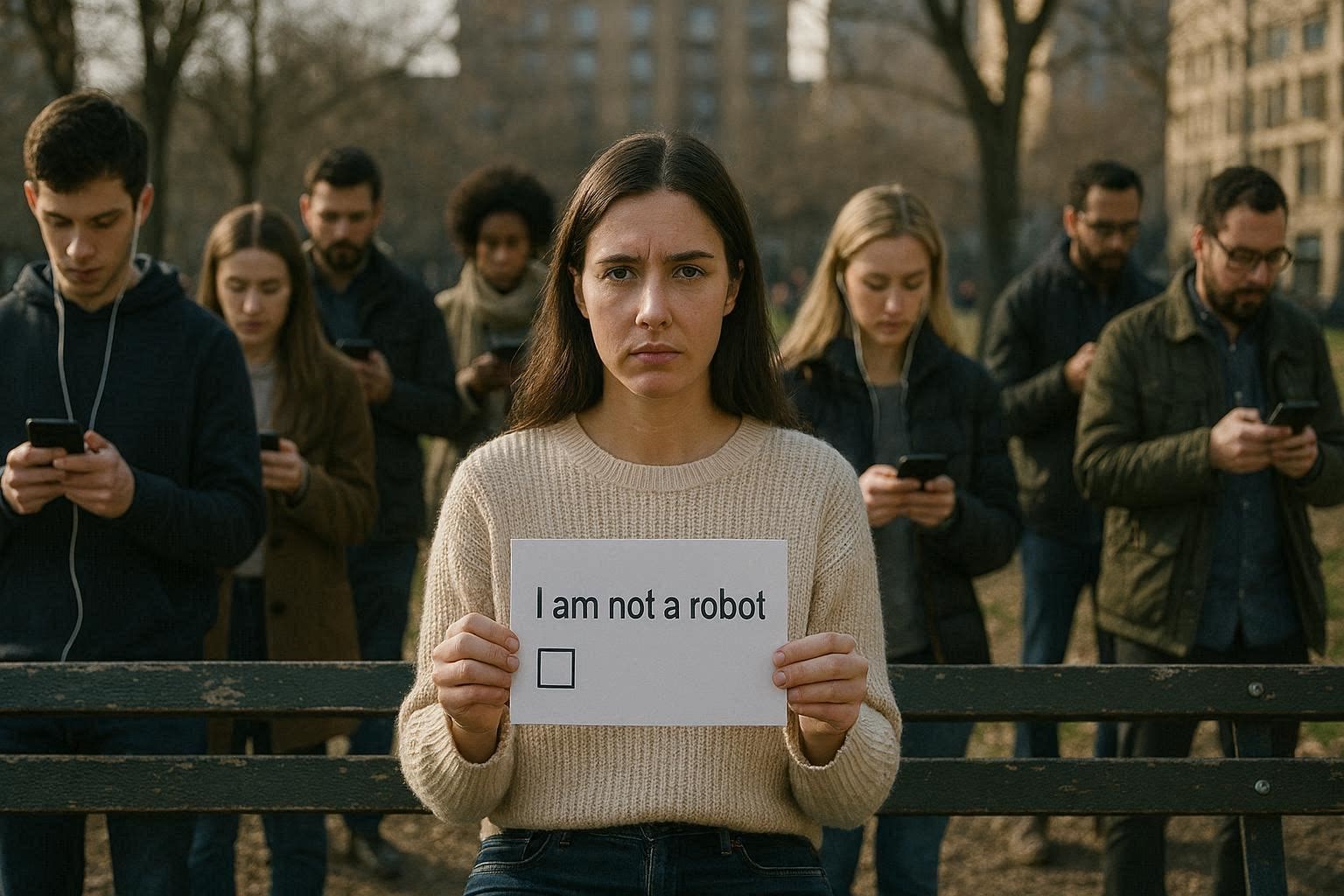
How constant connectivity became the default lifestyle
The relentless march of technology and the proliferation of smartphones have cemented constant connectivity as the prevailing norm, making it challenging to disconnect. This pervasive digital integration means that our lives are interwoven with social media, work communications, and a constant stream of information, creating an environment where being truly offline is increasingly unusual.
The hidden cost of always being online (attention, stress, burnout)
Always being online comes with a significant hidden cost. This often manifests as:
- Fragmented attention spans
- Heightened stress levels
- An alarming rate of digital burnout
The continuous bombardment of notifications and the pressure to remain constantly available contribute to mental fatigue, making it difficult to achieve deep focus or experience genuine relaxation away from screens.
Why digital silence is now considered rare and valuable
In an era defined by relentless digital noise and an insatiable demand for instant engagement, digital silence has emerged as a rare and incredibly valuable commodity. The ability to unplug and experience an offline world, free from the incessant demands of the digital realm, is increasingly recognized as a true luxury, offering a respite from the constant connectivity that defines modern life.
The Digital Overload Problem: How We Got Here
The journey to our current state of digital overload has been propelled by rapid technological advancements, fundamentally reshaping our daily interactions. This relentless expansion of the digital world has created an environment where information and engagement are constant.

The rise of smartphones, social media, and algorithmic feeds
The meteoric rise of smartphones, coupled with the pervasive influence of social media platforms and their sophisticated algorithmic feeds, has fundamentally reshaped our engagement with the digital world. These technologies are meticulously designed to maximize screen time, creating a relentless loop of content consumption and making it increasingly difficult to unplug and experience an offline existence.
Notification fatigue and attention fragmentation explained
Notification fatigue, a pervasive byproduct of constant connectivity, leads to significant attention fragmentation as individuals struggle to maintain focus amidst a deluge of digital alerts. Each ping or vibration pulls our attention away from the task at hand, eroding our ability to concentrate and making sustained engagement with the real world challenging, thus contributing to digital burnout.
The psychology of endless scrolling and dopamine loops
The psychology behind endless scrolling is deeply rooted in the creation of powerful dopamine loops, where each swipe and new piece of content delivers a small hit of gratification, encouraging continuous engagement.
This addictive mechanism makes it incredibly difficult to step away from devices, fostering a cycle of digital consumption that actively hinders any attempt to go offline or embrace digital minimalism.
What “Living Offline” Really Means in 2026
In 2026, living offline has evolved beyond simply disconnecting; it represents a conscious choice to manage digital interaction. It signifies a more nuanced approach to technology, prioritizing well-being and intentional engagement.

Full disconnection vs intentional digital minimalism
Living offline in 2026 involves a spectrum of practices, ranging from full disconnection, where individuals entirely unplug from the digital world for extended periods, to intentional digital minimalism. The latter involves:
- A deliberate reduction of screen time and social media use
- Focusing on essential digital interactions while reclaiming attention spans for the offline world and fostering real connection
Offline as a mindset, not just device removal
True offline living in 2026 transcends mere device removal; it is fundamentally a mindset, a deliberate cultivation of presence and an appreciation for the analog world. This involves choosing to be present in the moment, engaging with physical books, exploring new hobbies, or spending quality time with friends, rather than constantly checking notifications or doomscrolling, even when devices are nearby.
Selective connectivity: choosing when and how to be online
Selective connectivity epitomizes a sophisticated approach to digital engagement, where individuals consciously choose when and how to be online, rather than being passively available. This intentional practice involves establishing clear digital boundaries, utilizing tools to manage screen time, and prioritizing in-person events and real connection, making time offline a deliberate and valued part of daily life, recognizing that offline is a luxury.
Why Offline Living Became a Luxury Experience
In an age saturated with digital omnipresence, offline living has intrinsically transformed into a luxury experience. The ability to step away from constant connectivity is now a symbol of privilege and deliberate choice.

Scarcity of silence in a hyperconnected world
The profound scarcity of silence in our hyperconnected world has elevated offline living to a true luxury experience. With constant notifications and algorithmic feeds vying for our attention, finding moments of genuine quiet, free from digital distractions, has become exceptionally rare. This makes any time offline a valuable commodity, a new status symbol for those who can afford to unplug.
Time as a premium resource in modern life
In modern life, time has unequivocally become a premium resource, making the intentional allocation of it for offline activities a significant luxury. The ability to choose to go offline, engage in hobbies like joining a book club, or simply enjoy screen-free moments signifies a level of control and freedom from the constant demands of the digital world that many aspire to but few achieve.
How digital detox retreats became high-end wellness experiences
Digital detox retreats have seamlessly transitioned into high-end wellness experiences, offering a curated environment for individuals to fully disconnect and embrace an offline world. These luxury retreats provide structured opportunities to unplug from smartphones and social media, allowing participants to reclaim their attention spans and focus on mental clarity, underscoring that offline is a luxury for those seeking true respite.
The rise of “no Wi-Fi” premium travel and resorts
The emergence of “no Wi-Fi” premium travel and exclusive resorts signifies a growing trend where the absence of constant connectivity is marketed as a desirable amenity and a true luxury.
These destinations cater to a clientele actively seeking to go offline, emphasizing an immersive analog experience, allowing guests to truly disconnect and enjoy an offline world free from digital distractions, making disconnection the new status symbol.
The Psychological Benefits of Living Offline

Reduced anxiety and improved emotional regulation
Living offline significantly contributes to reduced anxiety and improved emotional regulation by creating a buffer from the constant demands of the digital world.
When individuals choose to go offline and unplug from smartphones and social media, they experience fewer notifications and less pressure from algorithmic feeds, allowing their minds to achieve greater mental clarity and emotional stability. This intentional disconnection fosters a sense of calm, helping to mitigate the stress often associated with constant connectivity.
Restored attention span and deep focus ability
One of the most profound psychological benefits of offline living is the restoration of attention span and the ability to achieve deep focus. By choosing to unplug and minimize screen time, individuals can reclaim their fragmented attention spans from the relentless demands of the digital world.
Engaging in analog activities or simply enjoying screen-free moments allows the brain to rebuild its capacity for sustained concentration, a true luxury in an era defined by constant digital consumption.
Increased self-awareness and mental clarity
Embracing an offline lifestyle naturally leads to increased self-awareness and enhanced mental clarity, as individuals are freed from the constant external validation and distractions of the digital world. Without the continuous scroll and algorithmic noise from social media, there’s more mental space to reflect, understand personal feelings, and develop a stronger sense of self, recognizing that time offline is a precious commodity.
Lower stress from comparison culture and social media pressure
A significant psychological benefit of living offline is the substantial reduction in stress stemming from comparison culture and the pervasive pressures of social media.
By choosing to disconnect and limit social media use, individuals step away from idealized online portrayals, which often fuel feelings of inadequacy and anxiety. This intentional unplugging allows for a healthier perspective, fostering greater contentment and a sense of calm, making offline a luxury for mental well-being.
Attention Economy: Why Your Focus Has Become Valuable
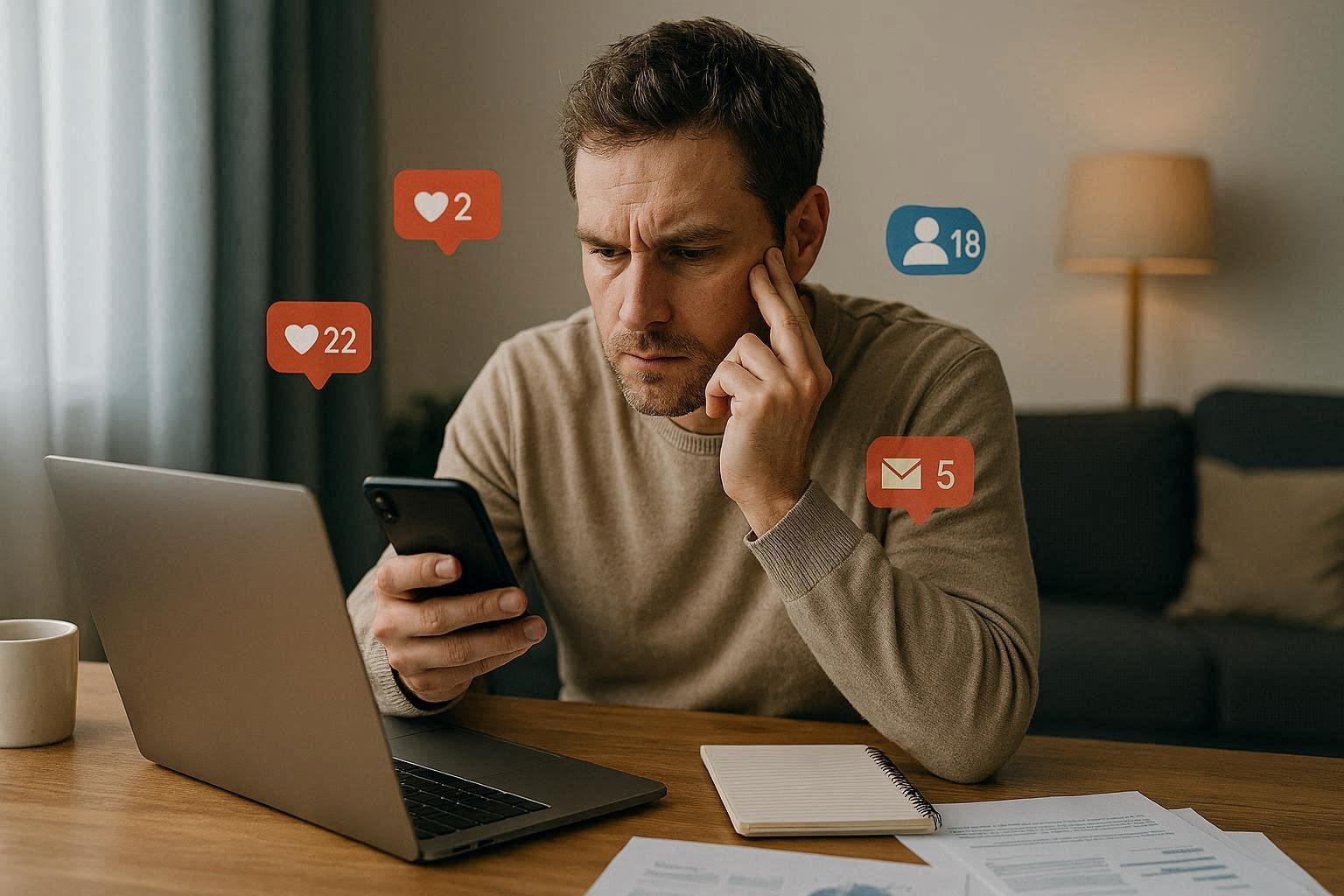
How apps compete for human attention in 2026
In 2026, apps employ sophisticated algorithms and persuasive design techniques to fiercely compete for human attention, recognizing that engagement is a valuable commodity.
Social media platforms, streaming services, and even productivity tools are meticulously crafted to maximize screen time, using personalized notifications and endless scrolling features to keep users hooked. This relentless pursuit of attention has turned our focus into a battleground, where constant connectivity is the norm.
Why attention is now considered a financial and cognitive asset
Attention has unequivocally become both a financial and cognitive asset in 2026, driving the entire attention economy. Tech companies monetize user engagement through advertising and data collection, while for individuals, a fragmented attention span directly impacts productivity and mental well-being. The ability to maintain focus and resist digital distractions is now recognized as a valuable personal resource, highlighting why offline is a luxury.
The cost of constant digital consumption on productivity
The cost of constant digital consumption on productivity is substantial, as fragmented attention spans and notification fatigue hinder deep work and creative thinking. Each ping from smartphones or social media interrupts workflow, forcing a cognitive re-engagement that saps energy and efficiency. This continuous distraction makes it challenging to achieve flow states, underscoring the detrimental impact of pervasive connectivity and highlighting the need to unplug.
Social Pressure and the Fear of Being Offline
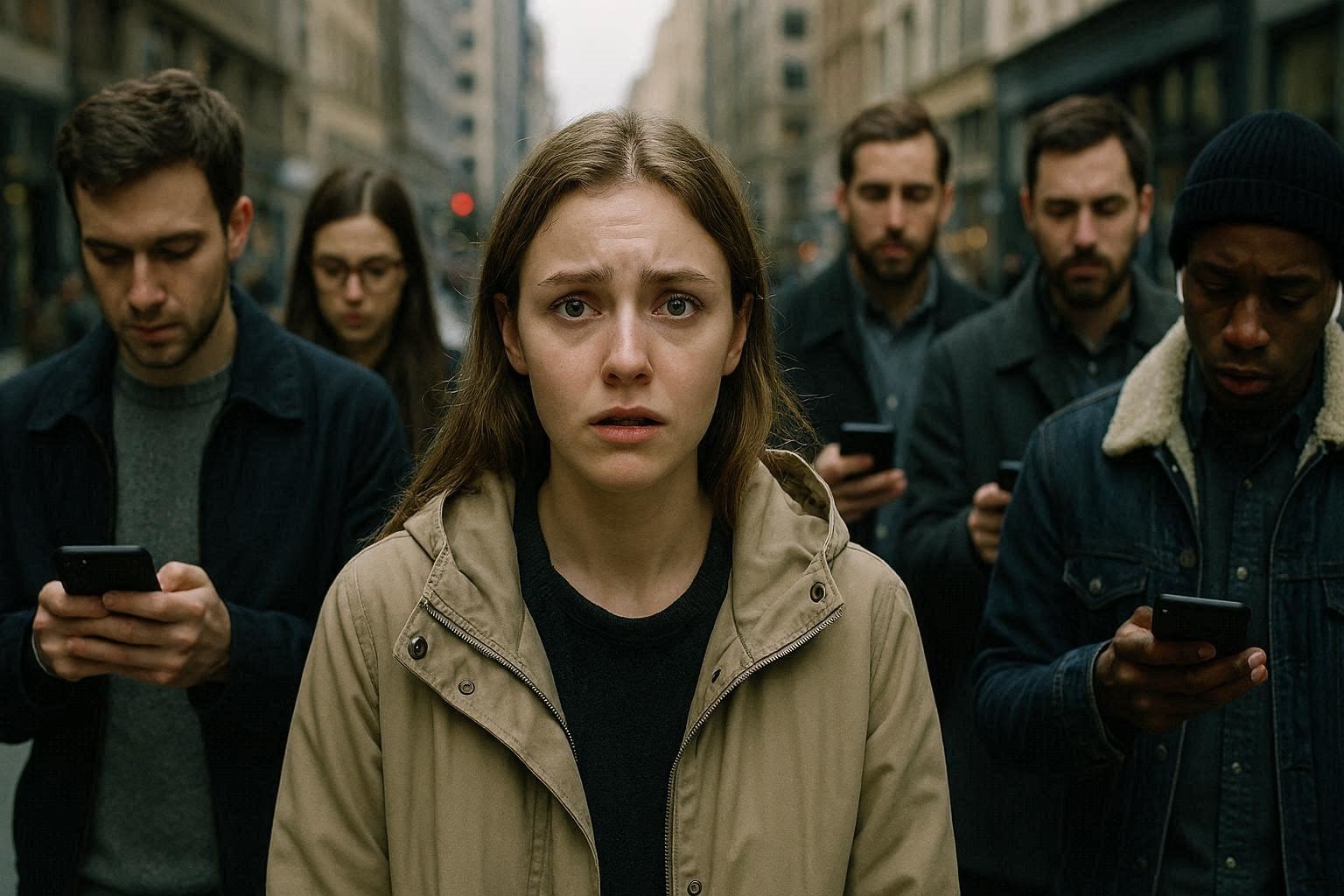
FOMO (fear of missing out) and its psychological impact
FOMO, or the fear of missing out, exerts a profound psychological impact, driven by the constant visibility of others’ experiences on social media, fostering a reluctance to go offline. This anxiety creates a pervasive pressure to remain constantly connected, fearing that disconnecting will lead to missing crucial updates, social invitations, or career opportunities. The need to keep up fuels a cycle of constant connectivity, making intentional time offline feel like a risk rather than a luxury.
Work culture expectations of constant availability
Modern work culture has fostered pervasive expectations of constant availability, making the idea of living offline seem almost impossible for many professionals.
The constant stream of emails, instant messages, and collaborative platforms means employees often feel pressured to be online and responsive even outside traditional working hours. This expectation blurrs work-life boundaries, contributing to digital burnout and making genuine disconnection a challenging aspiration, often seen as a new status symbol.
Social validation loops and online identity dependence
Social validation loops and a growing dependence on online identity significantly contribute to the difficulty of embracing an offline lifestyle. The instant gratification from likes, comments, and shares on platforms like TikTok and other social media apps creates a powerful incentive to remain constantly engaged. This desire for external approval makes stepping away from the digital world a challenging act, as it requires a conscious effort to detach from this source of affirmation.
The New Status Symbol: Digital Silence and Disconnection
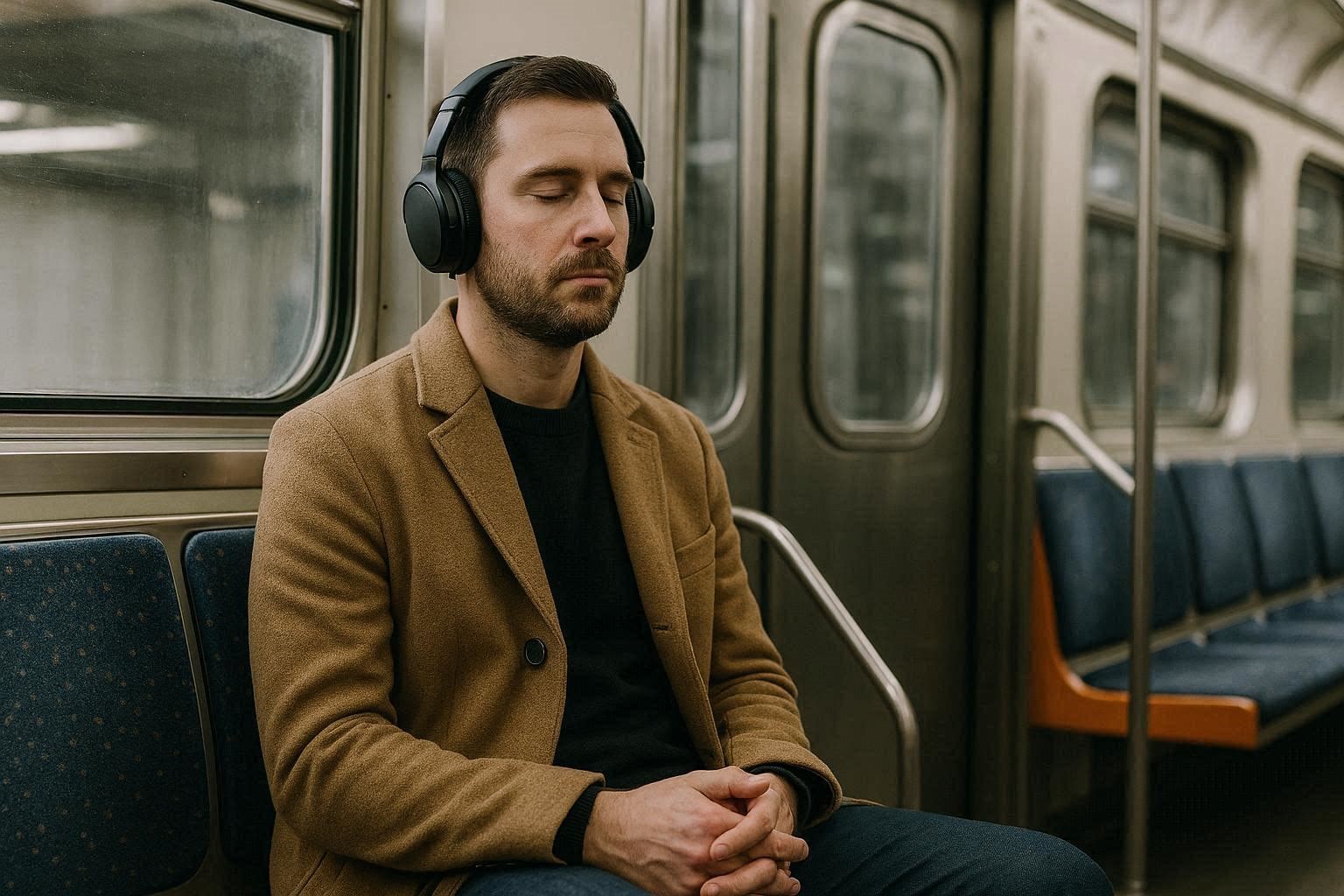
Why being unreachable is now seen as power and control
In a world saturated with constant connectivity, being unreachable has transformed into a profound display of power and control, marking a new status symbol. The ability to intentionally go offline, to choose when and how to engage with the digital world, signifies a mastery over one’s time and attention that is increasingly rare. This intentional absence from the digital noise speaks volumes, signaling a deliberate choice to prioritize personal peace over perpetual availability.
Offline time as a sign of discipline and lifestyle mastery
Dedicated offline time has become a potent sign of discipline and lifestyle mastery, reflecting an individual’s conscious effort to resist the pull of constant digital engagement. Choosing to unplug from smartphones, limit social media use, and reclaim attention spans demonstrates a deliberate focus on mental well-being and real connection. This intentional commitment to screen-free moments underscores a sophisticated approach to living, where offline is a luxury, signaling control over one’s digital habits.
The shift from “always available” to “intentionally absent”
There is a discernible cultural shift from the expectation of being “always available” to the aspiration of being “intentionally absent,” reflecting a changing perception of value and status. Those who can deliberately choose to go offline and maintain digital boundaries are increasingly seen as possessing a highly desirable form of freedom and control. This evolution marks digital silence as the new status symbol, where offline living signifies a conscious choice for well-being over constant connectivity.
How Gen Z and Millennials Are Redefining Offline Living

Digital detox culture and minimal phone usage trends
Gen Z and Millennials are at the forefront of redefining offline living through the adoption of digital detox culture and embracing minimal phone usage trends. This demographic, having grown up with constant connectivity, is now actively seeking to unplug and reduce screen time, recognizing the toll it takes on mental health.
Their commitment to limiting notifications and cultivating screen-free moments signals a deliberate shift towards a healthier relationship with technology, making offline a luxury for mental well-being.
Aesthetic of slow living and intentional boredom
A burgeoning aesthetic of slow living and intentional boredom is becoming increasingly popular among Gen Z and Millennials, who are deliberately seeking an analog experience. This includes embracing hobbies and activities such as:
- Joining a book club
- Simply enjoying time with friends without the distraction of smartphones
By cultivating an offline world where true connection and genuine presence are prioritized, these generations are transforming disconnection into a desirable lifestyle, demonstrating that offline is a luxury.
Content creators promoting offline lifestyles
A growing number of content creators are actively promoting offline lifestyles, leveraging platforms like TikTok and Instagram to advocate for digital minimalism and intentional screen time. These influencers share their experiences of going offline, showcasing the benefits of reduced social media use, and inspiring their followers to embrace hobbies and real connection over constant scrolling. By doing so, they are subtly repositioning the act of unplugging as a desirable and attainable new status symbol, making offline a luxury.
The Role of Technology in Creating the Need to Disconnect
Paradoxically, the very technology designed to connect us now compels many to seek an offline existence. The constant demands of the digital world are pushing individuals toward a desire for disconnection, highlighting that offline is a luxury.

AI algorithms and hyper-personalized content addiction
AI algorithms are meticulously designed to create hyper-personalized content, fostering an addiction that makes it increasingly difficult for users to go offline. These sophisticated systems learn individual preferences, curating endless feeds on social media platforms that are incredibly engaging, but also contribute significantly to burnout and a desire to unplug. This constant digital consumption makes any time offline feel like a true luxury.
Social media burnout and mental fatigue trends
Social media burnout and pervasive mental fatigue trends are direct consequences of constant connectivity and relentless engagement with the digital world. The pressure to maintain an online presence, coupled with an endless scroll of content, exhausts attention spans and diminishes overall well-being. This widespread exhaustion is a primary driver behind the growing desire for a digital detox, making offline a luxury for those seeking respite.
Why more technology leads to higher demand for silence
The exponential growth of technology, particularly smartphones and AI-driven platforms, ironically leads to a higher demand for silence and disconnection. As the digital noise intensifies, the value of an analog, screen-free environment skyrockets, pushing individuals to seek ways to unplug and reclaim their attention spans. This inverse relationship underscores why genuine silence and time offline have become the new status symbol and a true luxury.
Offline Living vs Digital Balance: The Modern Middle Path
The modern approach to technology is shifting from extreme rejection to a nuanced pursuit of digital balance. This middle path acknowledges that total disconnection isn’t always feasible, but mindful engagement is essential for well-being, making offline a luxury.

Extreme detox vs sustainable digital boundaries
The debate between an extreme digital detox and establishing sustainable digital boundaries highlights differing approaches to managing constant connectivity. While a full unplug for a digital detox retreat offers a complete break, many are finding more lasting success by implementing intentional digital minimalism and healthy screen time habits. This balanced strategy allows for essential digital engagement while ensuring time offline for real connection, recognizing that true luxury lies in control.
Healthy screen time habits for modern lifestyles
Cultivating healthy screen time habits is crucial for navigating modern lifestyles, which are inherently intertwined with smartphones and the digital world. This involves setting clear limits on social media use, dedicating specific times to go offline, and engaging in screen-free activities like joining a book club or spending time with friends. Such practices help to reduce burnout and reclaim attention spans, making intentional disconnection a vital part of well-being.
Building intentional digital routines instead of full rejection
Instead of a full rejection of technology, building intentional digital routines offers a sustainable path to digital balance and reduces the feeling of constant connectivity.
This approach involves consciously scheduling time offline, limiting notifications, and being selective about which apps to engage with, thereby fostering digital minimalism. By choosing when to unplug and embracing screen-free moments, individuals can enjoy the benefits of both the digital and offline world, treating time offline as a true luxury.
How to Start Living More Offline in a Connected World
Embarking on a more offline lifestyle in a constantly connected world requires intentional steps and a commitment to digital minimalism. It’s about consciously choosing to unplug and reclaim your time.
Practical steps to reduce screen dependency
To effectively reduce screen dependency, practical steps involve setting specific goals, such as limiting social media use to certain times or implementing screen-free zones in the home. Ditching unnecessary notifications from smartphones, opting for physical books over e-readers, and engaging in hobbies that foster real connection are all crucial. These deliberate choices help to slowly unplug from constant connectivity and appreciate the offline world, making time offline a true luxury.
Creating offline zones and phone-free routines
Creating dedicated offline zones and establishing phone-free routines are fundamental steps towards embracing digital minimalism and living more offline. Designating specific areas of the home, like bedrooms or dining tables, as screen-free spaces encourages real connection and reduces constant connectivity. Implementing routines such as leaving smartphones out of reach during meals or before bed helps to unplug and reclaim attention spans, fostering a sense of peace that makes offline a luxury.
Rebuilding focus through boredom and real-world activity
Rebuilding focus in an age of fragmented attention spans can be effectively achieved through embracing boredom and engaging in real-world activities. Instead of immediately reaching for smartphones when idle, allow for moments of quiet reflection or pursue analog hobbies like joining a book club. This intentional decision to go offline and step away from digital distractions helps to strengthen concentration and appreciate the richness of the offline world, making time offline a true luxury.
The Economic and Cultural Shift Toward Digital Silence
A significant economic and cultural shift is underway, elevating digital silence from an absence of noise to a coveted and monetized luxury. This transformation reflects a growing collective desire to unplug.
Growth of wellness tourism and offline retreats
The significant growth of wellness tourism and the proliferation of offline retreats underscore the economic and cultural shift towards digital silence. These luxury experiences, often found in remote cabins or resorts, offer curated digital detox opportunities for those seeking to unplug from constant connectivity and social media use. They provide a unique chance to reclaim attention spans and embrace an analog experience, clearly demonstrating that offline is a luxury and a new status symbol.
Premium brands promoting “quiet luxury” and minimal tech living
Premium brands are increasingly promoting “quiet luxury” and minimal tech living, recognizing that digital silence is the new status symbol.
This trend manifests in products and services that encourage intentional disconnection and an appreciation for the offline world, such as high-end cabin stays without Wi-Fi or experiences that foster an analog lifestyle. By aligning with these values, brands tap into a desire to unplug and embrace time offline as a true luxury.
How silence became a monetized luxury experience
Silence has definitively become a monetized luxury experience in a hyperconnected world, driving a new segment of the economy. From exclusive digital detox retreats designed to help individuals unplug, to premium travel destinations advertising “no Wi-Fi” as a feature, the absence of constant connectivity is now a sellable asset. This reflects a profound cultural value shift, where time offline is not just desired, but actively purchased as a true luxury.
Conclusion: Why Silence Has Become the Ultimate Luxury
In 2026, the pervasive nature of constant connectivity has transformed silence from a given into the ultimate luxury. The ability to genuinely unplug and experience the offline world is now a profound indicator of personal freedom and well-being.