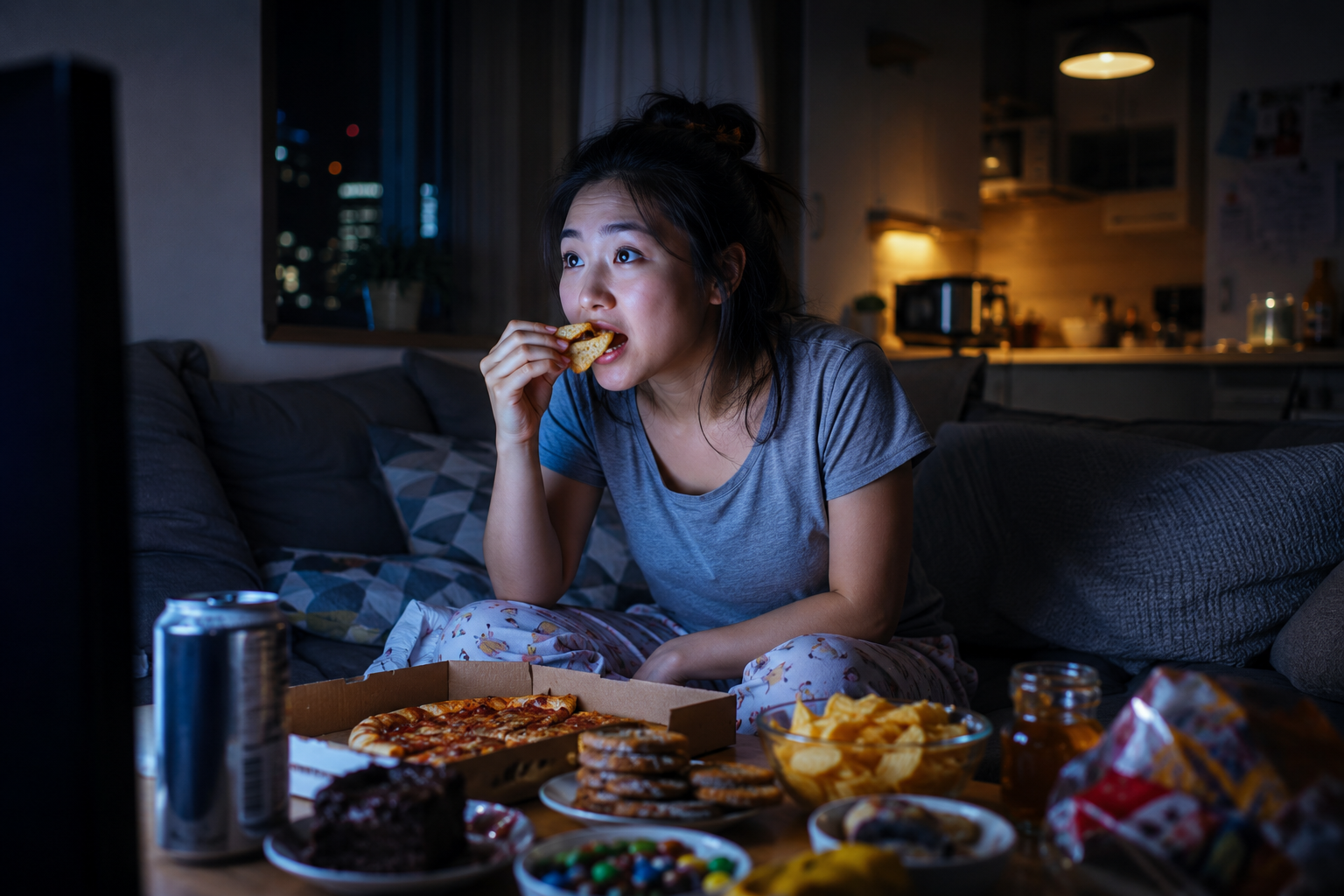
The allure of a late-night snack has become a pervasive element in contemporary society, transforming our relationship with food and meal timing. This article delves into the escalating phenomenon of eating late at night, exploring its roots, psychological underpinnings, and broader implications for health and lifestyle in our rapidly evolving world.
The Growing Midnight Eating Trend in Modern Life
The increasing prevalence of midnight eating has become a significant topic, reflecting fundamental shifts in our daily routines and societal structures. This trend is not merely about occasional indulgence but rather a more ingrained pattern of nighttime eating habits.

Why Late-Night Snacking Has Become So Common in 2026
In 2026, late-night snacking has become exceptionally common. This trend is due to a confluence of societal factors, including:
- Evolving work schedules
- Constant digital connectivity
- The convenience offered by 24/7 food access
Many individuals find themselves reaching for snacks late at night, driven by stress or boredom, which significantly impacts their overall food intake.
How Modern Lifestyles Are Reshaping Eating Patterns
Modern lifestyles are dramatically reshaping traditional eating patterns, moving away from structured meals towards more flexible and often erratic eating habits. This shift often results in people skipping meals earlier in the day and compensating with substantial food intake late in the evening, leading to a noticeable increase in nighttime snacking.
What Is Late-Night Snacking Culture?
Late-night snacking culture refers to the widespread adoption of eating after dinner and closer to bedtime, often involving calorie-dense foods. This cultural shift reflects a departure from conventional meal structures and highlights a growing comfort with consuming food during hours traditionally reserved for rest, impacting sleep patterns and overall health.
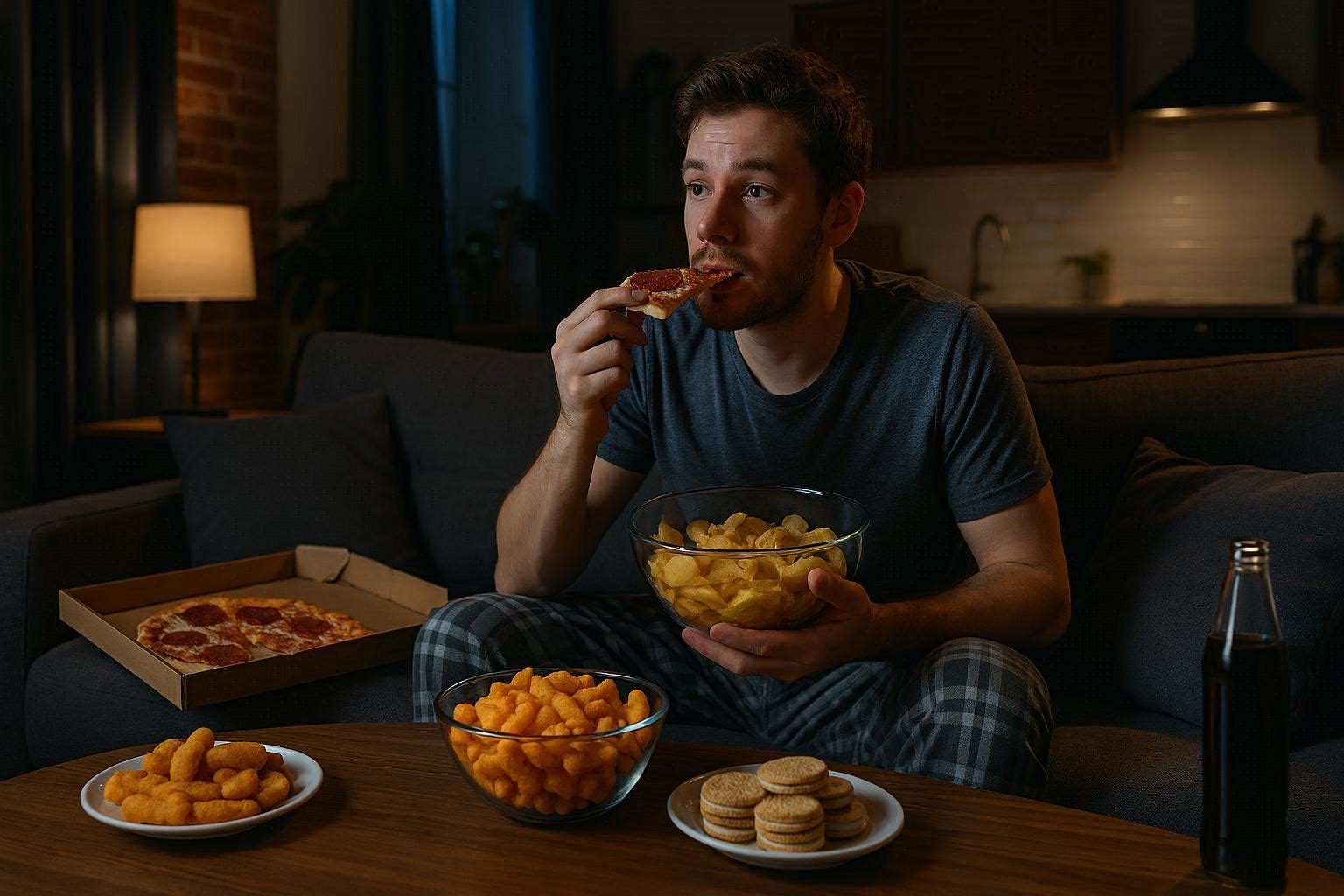
Defining Modern Nighttime Eating Habits
Modern nighttime eating habits are characterized by the consumption of food, typically snacks, during the late evening or night, often outside of a scheduled meal. This behavior, whether driven by hunger, habit, or emotional factors, significantly contributes to the overall daily food intake and has notable implications for metabolic health.
Occasional Snacking vs. Habitual Late-Night Eating
Distinguishing between occasional snacking and habitual late-night eating is crucial for understanding its health impact. While an occasional late-night snack might be harmless, habitual consumption of food late at night can lead to serious health concerns, including:
- Weight gain
- Disrupted digestion
- Potentially elevated glucose levels, affecting the body’s natural circadian rhythm.
Why This Trend Is Different From Traditional Eating Patterns
This trend is markedly different from traditional eating patterns, which historically emphasized consuming larger meals earlier in the day and limiting food intake before bedtime. The current rise in late-night consumption challenges these established norms, driven by a 24/7 lifestyle that blurs the lines between work, leisure, and mealtimes.
The Main Reasons People Are Eating More at Night
Several primary reasons contribute to the surge in people eating more at night, ranging from lifestyle choices to psychological factors. Understanding these drivers is essential for addressing the health implications associated with increased nighttime eating habits.
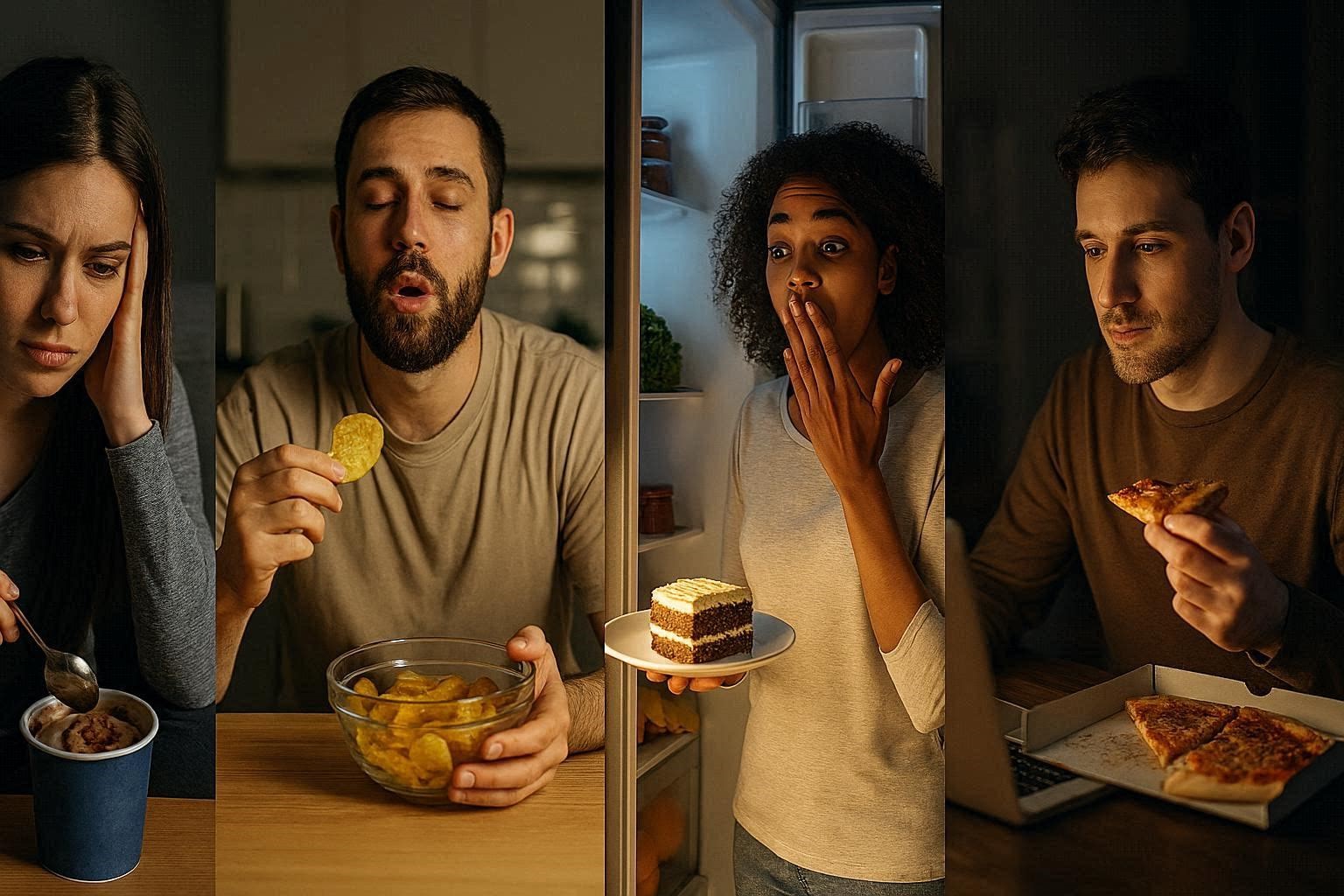
Irregular Schedules and Delayed Meals
Irregular schedules and delayed meals are major contributors to increased nighttime hunger and subsequent snacking. Many individuals skip meals throughout the day due to demanding work or personal commitments, leading to intensified hunger pangs and a greater desire to eat late at night, often resulting in larger food intake before bed.
Increased Screen Time and Digital Distraction
Increased screen time and digital distraction play a significant role in fostering late-night snacking habits. As people spend more hours engaged with devices, they often consume snacks mindlessly, driven by boredom or the psychological comfort of eating while immersed in content, frequently leading to increased carbohydrate intake and a disrupted metabolism during sleep.
Stress, Anxiety, and Emotional Eating Patterns
Stress, anxiety, and emotional eating patterns are powerful triggers for wanting to eat late at night. Many individuals turn to food as a coping mechanism for emotional distress. This often leads to consuming late-night snacks, which temporarily alleviates feelings of discomfort but can have negative consequences, including:
- Weight gain
- Poor sleep quality
Convenience of 24/7 Food Access and Delivery Apps
The convenience of 24/7 food access and delivery apps has revolutionized our ability to satisfy late-night hunger, significantly contributing to the rise of nighttime snacking. With just a few taps, individuals can have virtually any food delivered to their doorstep, making it incredibly easy to indulge in a late-night snack, often high in calories and unhealthy nutrients, irrespective of the actual physiological need.
The Psychology Behind Late-Night Cravings
Understanding the psychology behind late-night cravings is crucial for comprehending why many struggle to limit their food intake during these hours. These cravings are not merely about hunger but involve complex interactions between willpower, brain chemistry, and ingrained habits.
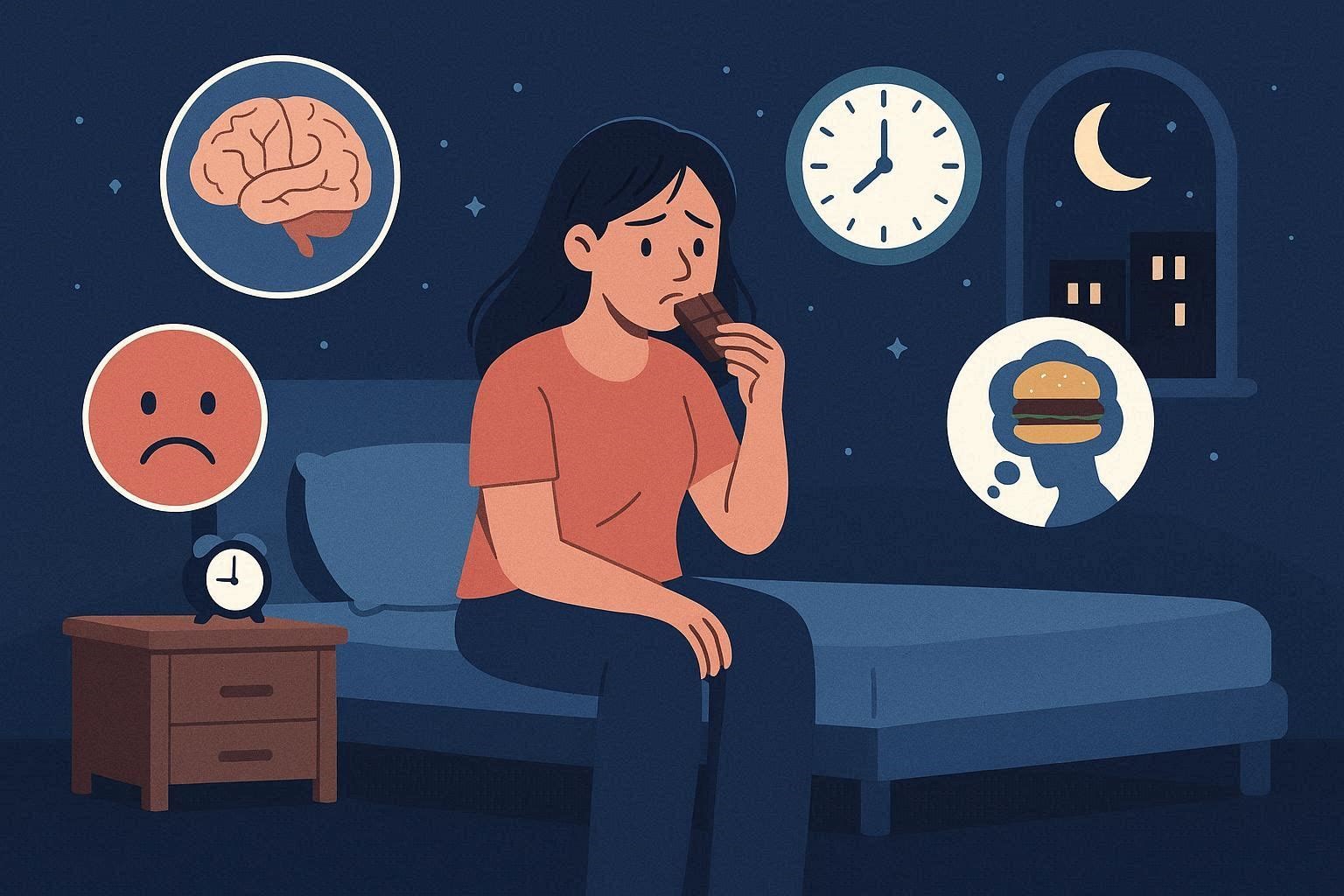
Why Willpower Feels Weaker at Night
Willpower often feels weaker at night because our cognitive resources, which are essential for self-control, become depleted throughout the day. This exhaustion makes it harder to resist the urge to eat late at night, especially when faced with the temptation of readily available, palatable snacks, leading to increased overall food intake and potential health impact.
The Brain’s Reward System and Comfort Food Cravings
The brain’s reward system plays a pivotal role in comfort food cravings, especially prominent late in the evening. Consuming foods high in sugar, fat, or carbohydrates triggers the release of dopamine, a neurotransmitter associated with pleasure, creating a powerful physiological desire for these specific types of snacks when you want to eat and are tired or stressed.
Habit Loops and Time-Based Eating Triggers
Habit loops and time-based eating triggers are significant contributors to why people consistently reach for a late-night snack. These loops involve a cue, a routine, and a reward; for example, watching television (cue) leads to eating cereal (routine), which provides comfort (reward), solidifying the habit of consuming carbs at night, even without true hunger.
How Sleep Affects Nighttime Eating Behavior
The intricate relationship between sleep and our eating habits, particularly concerning nighttime consumption, is a critical area of study. Poor sleep can significantly influence our food choices and hunger signals, leading to increased late-night snacking and affecting overall health.
Sleep Deprivation and Increased Hunger Hormones
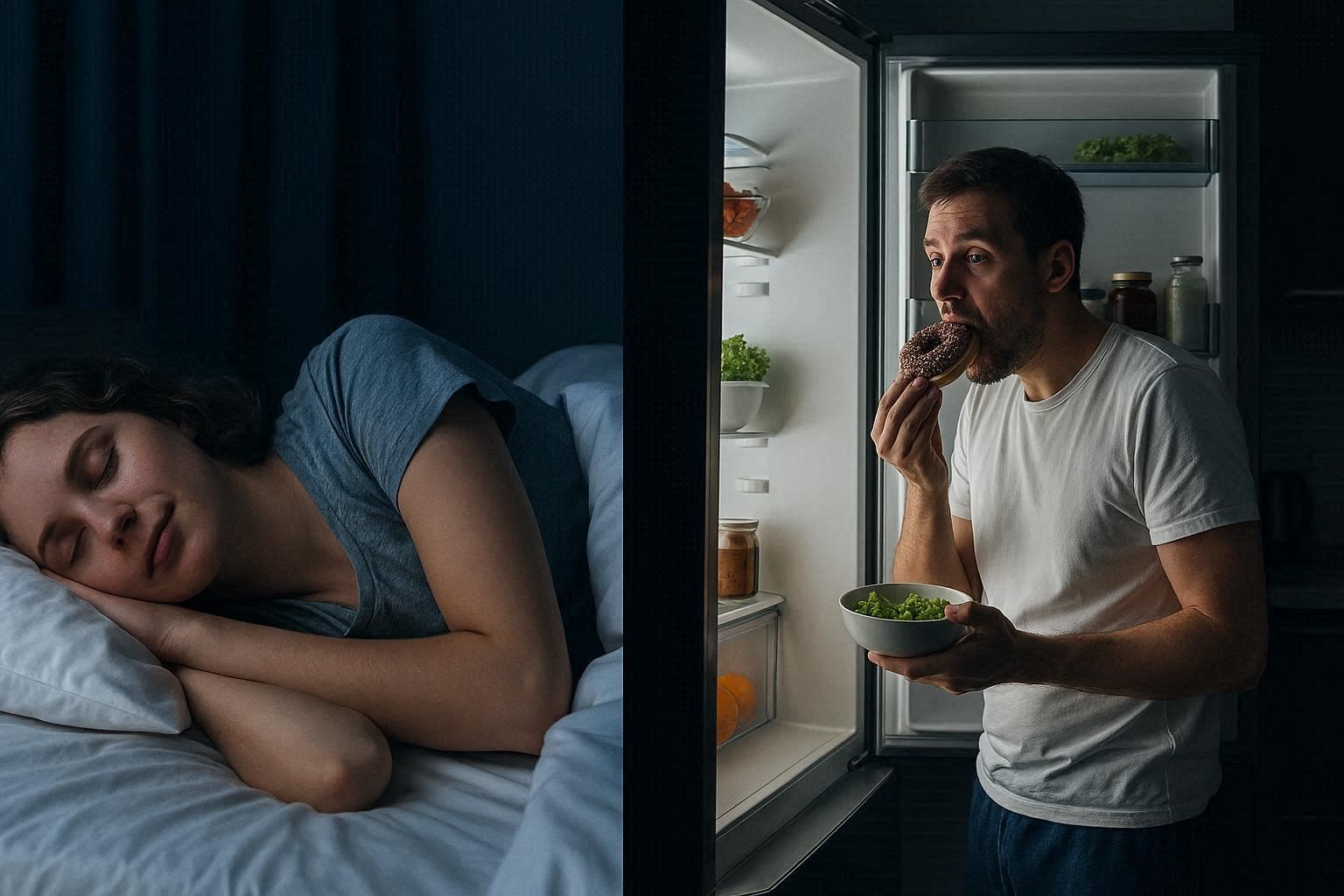
Sleep deprivation profoundly impacts our hunger hormones, specifically ghrelin and leptin, which are crucial for regulating appetite. When individuals experience insufficient sleep, ghrelin levels (the hunger-stimulating hormone) tend to rise, while leptin levels (the satiety-inducing hormone) decrease, leading to an increased desire to eat late at night and a higher overall food intake, especially high-carbohydrate options.
Why Poor Sleep Leads to Sugar and Carb Cravings
Poor sleep quality has a direct correlation with increased cravings for sugar and carbohydrates late in the evening. Lack of rest impairs the brain’s prefrontal cortex, which is responsible for executive functions like decision-making and impulse control. This diminished capacity makes it harder to resist the allure of high-calorie, sugary snacks, contributing to nighttime eating and potentially significant weight gain.
The Cycle Between Late Eating and Poor Sleep Quality
A detrimental cycle often develops between late-night eating and poor sleep quality. Consuming food, especially heavy meals or sugary snacks, close to bedtime can disrupt digestion and elevate glucose levels, making it difficult to fall asleep or maintain continuous sleep. This disruption then exacerbates sleep deprivation, which, in turn, fuels subsequent cravings and further encourages late-night snacking, perpetuating an unhealthy pattern.
The Role of Modern Work and Lifestyle Patterns
Modern work and lifestyle patterns have dramatically reshaped our daily routines, significantly influencing when and how we eat. These shifts often contribute to the normalization of late-night snacking.
Remote Work and Blurred Daily Schedules
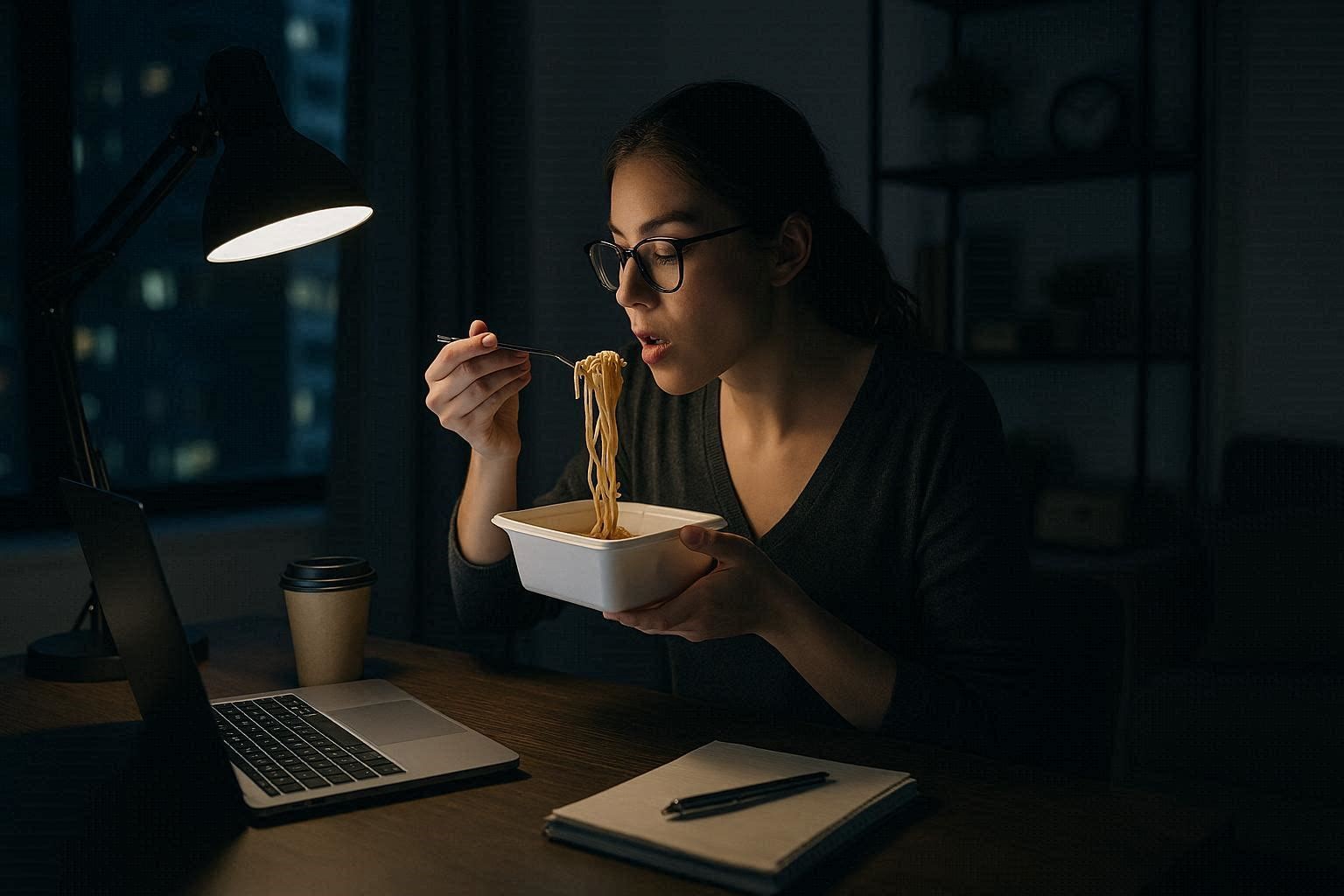
The advent of remote work has blurred traditional daily schedules, making it easier for individuals to lose track of conventional meal times. With flexible hours and no clear distinction between work and personal life, many find themselves working or engaging in other activities late in the evening, leading to delayed dinners or increased instances of late-night snacking to satisfy hunger, which impacts their overall food intake.
Late Study Sessions, Shift Work, and Flexible Hours
Late study sessions, demanding shift work, and the rise of flexible hours are significant contributors to the prevalence of nighttime eating. Individuals engaged in these activities often find their main “meal time” shifting to later in the evening or even into the early morning hours, compelling them to snack late at night to sustain energy or manage hunger, often without considering the health impact.
The Collapse of Traditional Meal Timing Structures
The collapse of traditional meal timing structures is a hallmark of modern life, where the rigid schedule of breakfast, lunch, and dinner has largely dissolved for many. This breakdown fosters an environment where eating at night becomes more acceptable and common, as people no longer feel bound by conventional mealtimes, leading to increased spontaneous food intake throughout the day and night.
Social Media and the Normalization of Night Snacking
Social media platforms play a powerful role in shaping cultural norms, and this extends to the normalization of late-night snacking. Online content frequently portrays nighttime eating in an appealing, almost aspirational light, influencing real-life habits.
Viral “Midnight Snack” Content and Food Trends
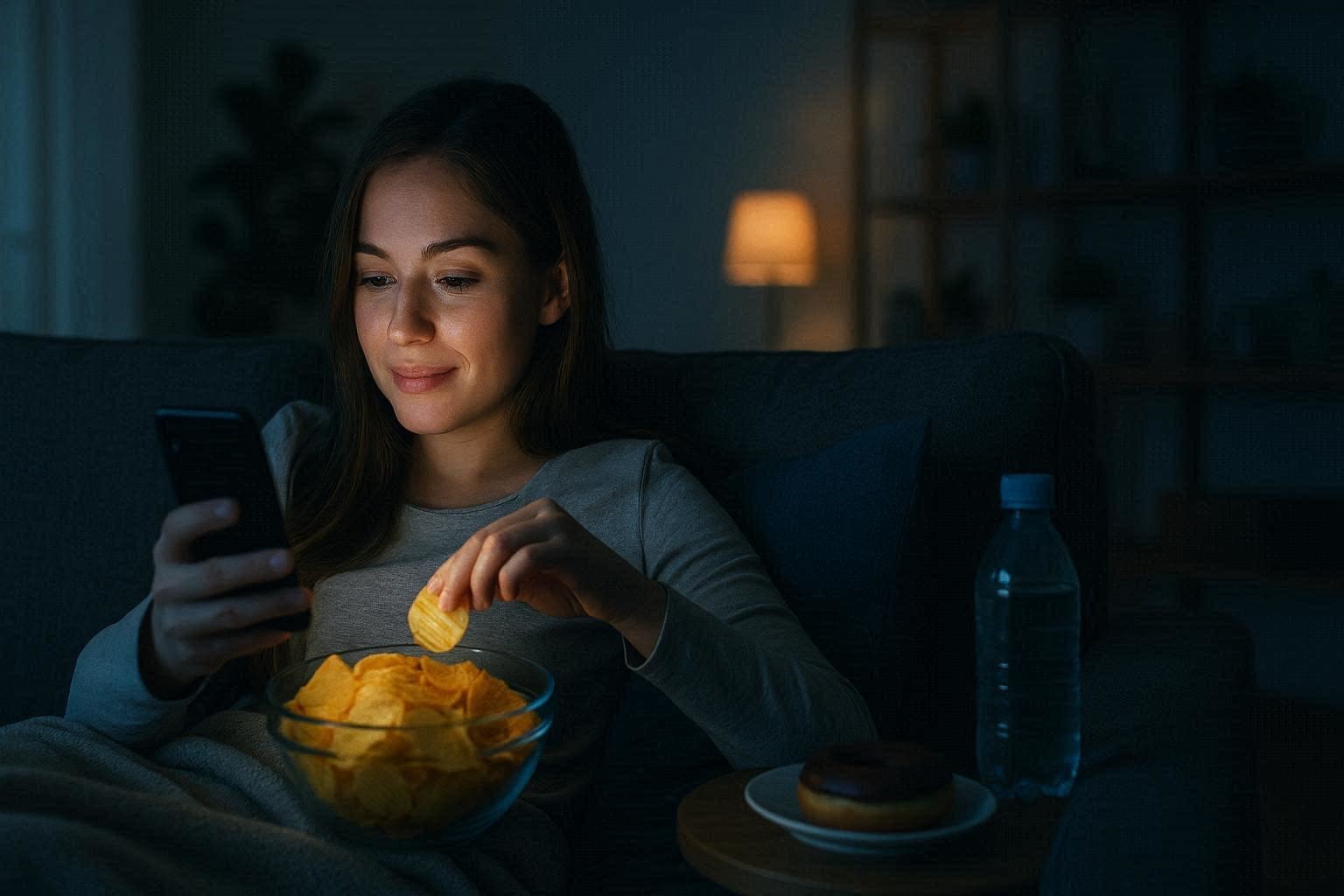
Viral “midnight snack” content and emerging food trends on social media actively contribute to the normalization of eating late at night. Influencers often share visually appealing recipes or “what I eat in a night” videos, making the act of preparing and consuming a late-night snack seem desirable and commonplace, thereby subtly encouraging followers to adopt similar nighttime eating behaviors.
Mukbang Culture and Entertainment Eating
Mukbang culture, a phenomenon originating in South Korea, involves hosts consuming large quantities of food while interacting with an audience, often late in the evening. This form of entertainment eating normalizes the consumption of substantial amounts of food at night and can influence viewers to replicate such behavior, diminishing their ability to limit food intake and contributing to unhealthy snacking habits.
How Online Behavior Influences Real-Life Habits
Online behavior profoundly influences real-life habits, particularly when it comes to late-night snacking. Constant exposure to images and videos of others enjoying their late-night meals or snacks can create a perception that such behavior is normal or even cool. This social modeling can weaken individual willpower and make it harder to resist the urge to eat late at night, especially when boredom sets in.
What People Are Eating at Night (And Why It Matters)
The specific types of foods consumed during late-night snacking are crucial, as they significantly impact health. Understanding these choices helps illuminate the broader implications of nighttime eating habits.
Common Late-Night Food Choices
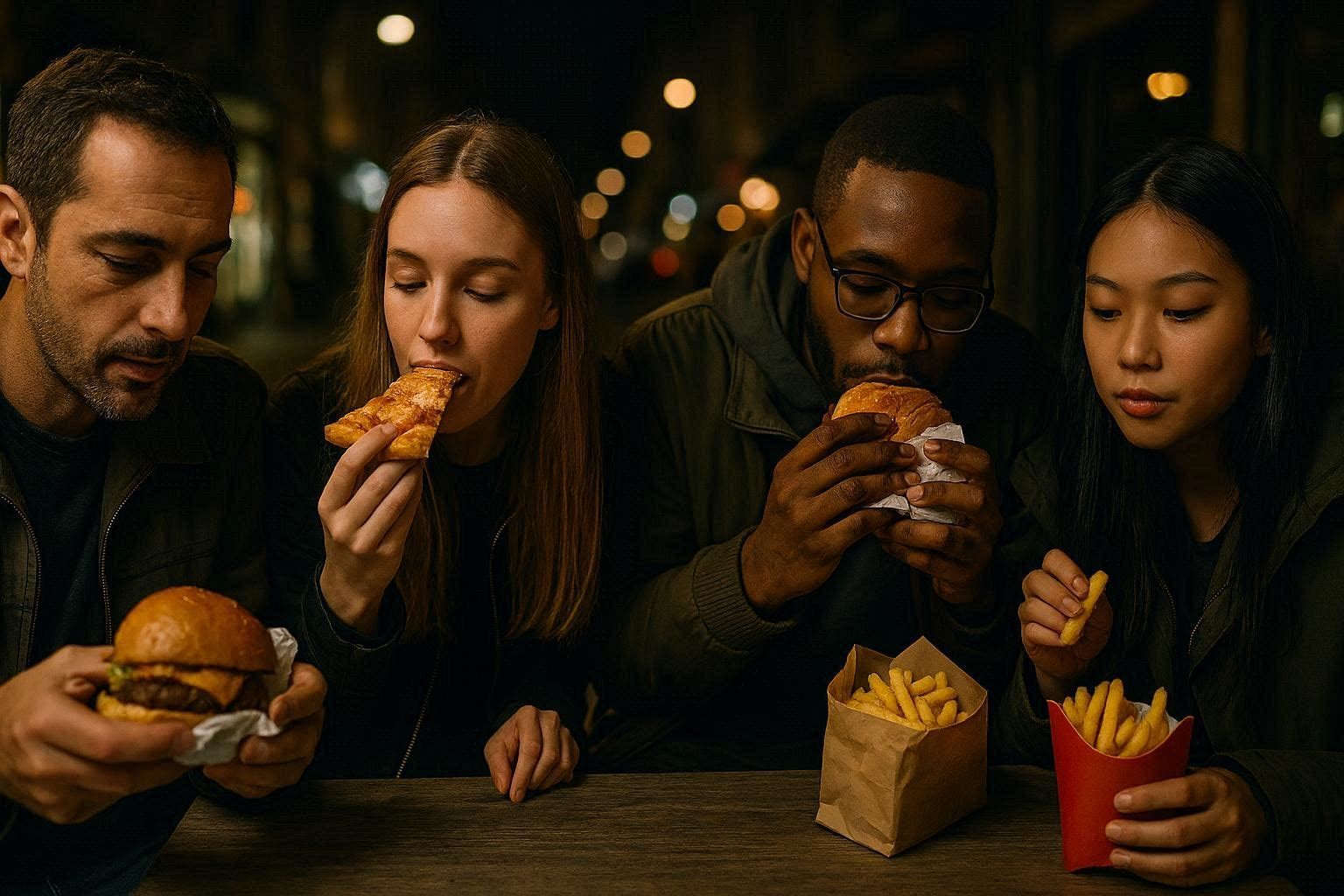
Common late-night food choices often lean towards items high in sugar, unhealthy fats, and refined carbohydrates, such as chips, cookies, ice cream, and fast food. These selections are typically driven by convenience and comfort food cravings, providing a quick but often nutritionally deficient way to satisfy hunger late at night, rather than focusing on satiety from wholesome meals.
Comfort Foods vs. Healthy Alternatives
The preference for comfort foods over healthy alternatives is a dominant theme in late-night eating, exacerbating the negative health impact. While an occasional small, healthy snack like fruit or nuts might be harmless, habitual consumption of calorie-dense, processed comfort foods can lead to significant weight gain, a continuous glucose spike, and poor sleep quality, undermining efforts to optimize health.
The Impact of Food Quality on Sleep and Health
The impact of food quality on sleep and health, especially concerning late-night intake, is substantial. Consuming nutrient-poor, high-sugar foods late in the evening can disrupt digestion, cause a glucose spike, and interfere with the body’s natural circadian rhythm, leading to restless sleep. Conversely, choosing lighter, nutrient-dense options can support better digestion and sleep patterns, minimizing the negative health consequences of nighttime eating.
Health Effects of Frequent Late-Night Snacking
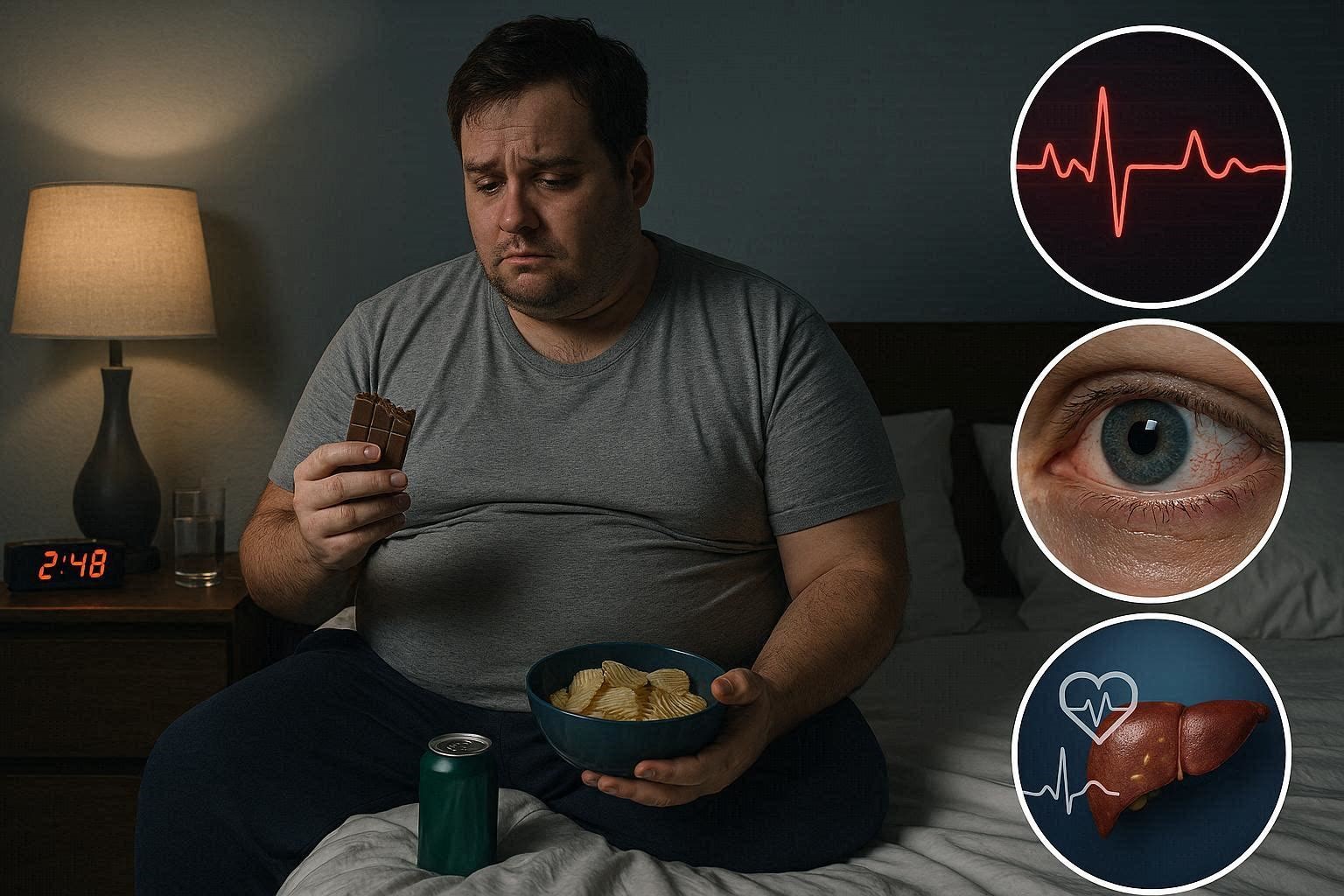
Frequent late-night snacking carries a range of adverse health effects that extend beyond simple weight fluctuations. These patterns can profoundly impact metabolic health, digestion, and long-term well-being.
Weight Management and Metabolic Considerations
Frequent late-night snacking has significant implications for weight management and crucial metabolic considerations. Consuming excess calories and carbohydrates late in the evening, when the body’s metabolism is naturally slowing down, often leads to weight gain because energy expenditure is lower. This can also impair insulin sensitivity and increase the risk of developing type 2 diabetes and obesity, as the body struggles to process the additional food intake efficiently.
Digestion, Acid Reflux, and Sleep Disruption
Eating late at night places undue stress on the digestive system, leading to issues such as acid reflux and indigestion, which significantly contribute to sleep disruption. When individuals lie down shortly after a late-night snack, stomach acids can more easily flow back into the esophagus, causing discomfort and making it harder to fall or stay asleep, thereby worsening overall sleep quality and further impacting health.
Long-Term Risks of Irregular Eating Patterns
The long-term risks associated with irregular eating patterns, particularly habitual late-night snacking, are extensive and serious. Beyond immediate weight gain, these patterns can lead to chronic cardiometabolic health issues, including hypertension, elevated cholesterol levels, and a higher risk of heart disease. The constant disruption to the body’s natural circadian rhythm and metabolism from eating late at night can also predispose individuals to conditions like diabetes and other metabolic syndromes over time, highlighting the severe health impact.
When Late-Night Snacking Can Be Harmless
While often viewed negatively, not all late-night snacking is detrimental; certain situations and mindful choices can render it harmless. Understanding when and how to engage in nighttime eating without adverse health impacts is key to maintaining overall well-being and acknowledging that occasional indulgence is a part of life.
Situations Where Night Eating Is Normal or Needed
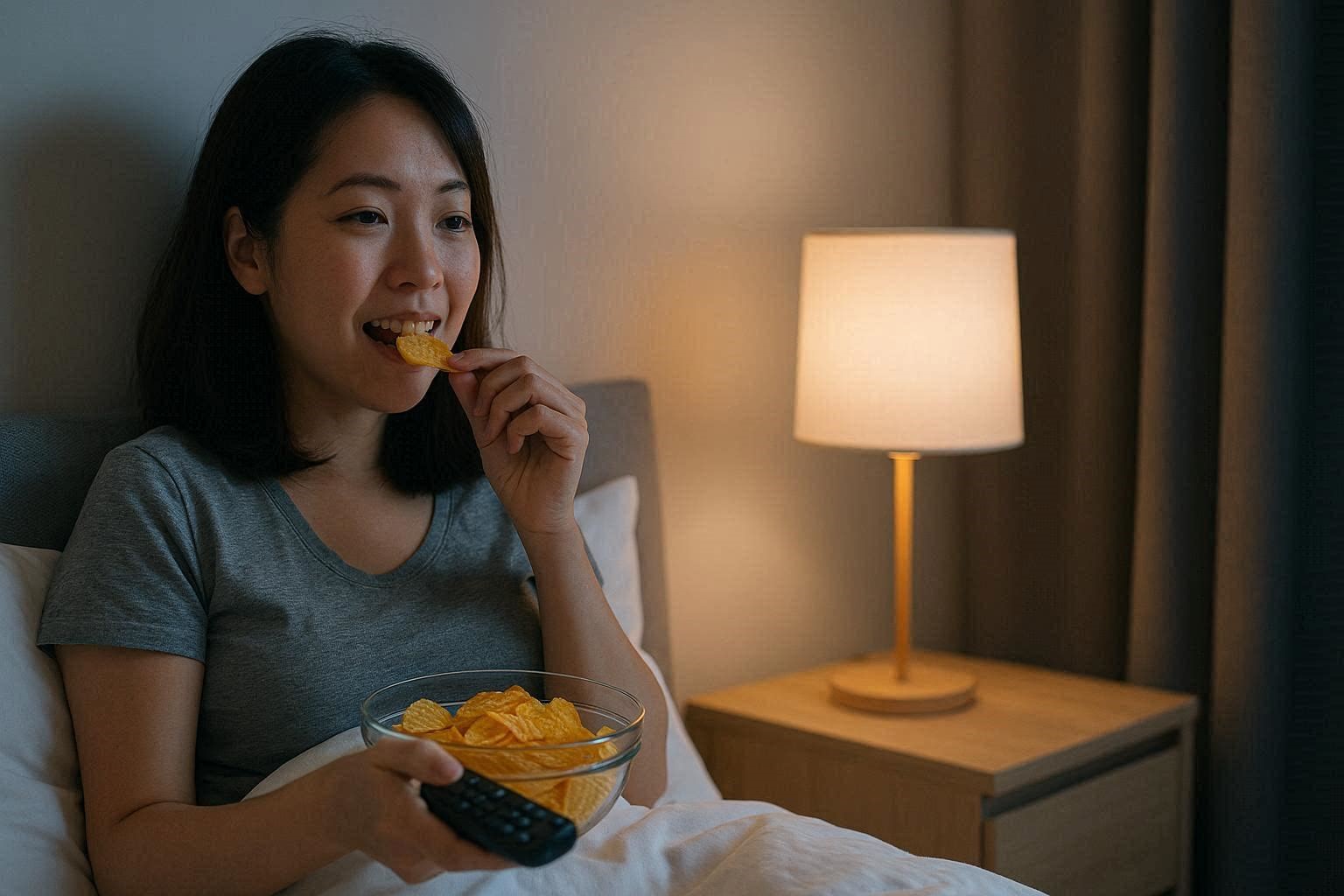
There are specific situations where late-night eating is entirely normal or even necessary, such as for individuals with demanding shift work schedules, professional athletes with high energy expenditure, or those recovering from illness. For these groups, consuming a small, nutrient-dense snack late at night can help manage hunger, sustain energy levels, and support physiological recovery, minimizing any negative health impact often associated with eating late in the evening.
Portion Control and Smart Snack Choices
Portion control and smart snack choices are crucial for making late-night eating a harmless habit. Opting for a small, balanced snack, such as a piece of fruit, a handful of nuts, or plain yogurt, rather than high-calorie, sugary or fatty comfort foods, can satisfy hunger without leading to weight gain or disrupting sleep patterns. These choices help to limit overall food intake and prevent a continuous glucose spike, which significantly optimizes health.
How Timing Matters Less Than Overall Diet Quality
Increasing evidence suggests that for many healthy individuals, the timing of food intake matters less than the overall diet quality and total daily caloric balance. While eating very late at night might affect digestion or sleep quality for some, if the late-night snack is small, nutritious, and fits within the daily energy requirements, its health impact is minimal, supporting satiety and avoiding unwanted weight gain.
The Cultural Shift Behind Night Eating Habits
The rise of late-night snacking is deeply embedded in profound cultural shifts that have reshaped our daily lives and relationship with food. Modern society’s evolving demands have redefined traditional eating patterns and expectations.
24/7 Lifestyle and Always-On Culture
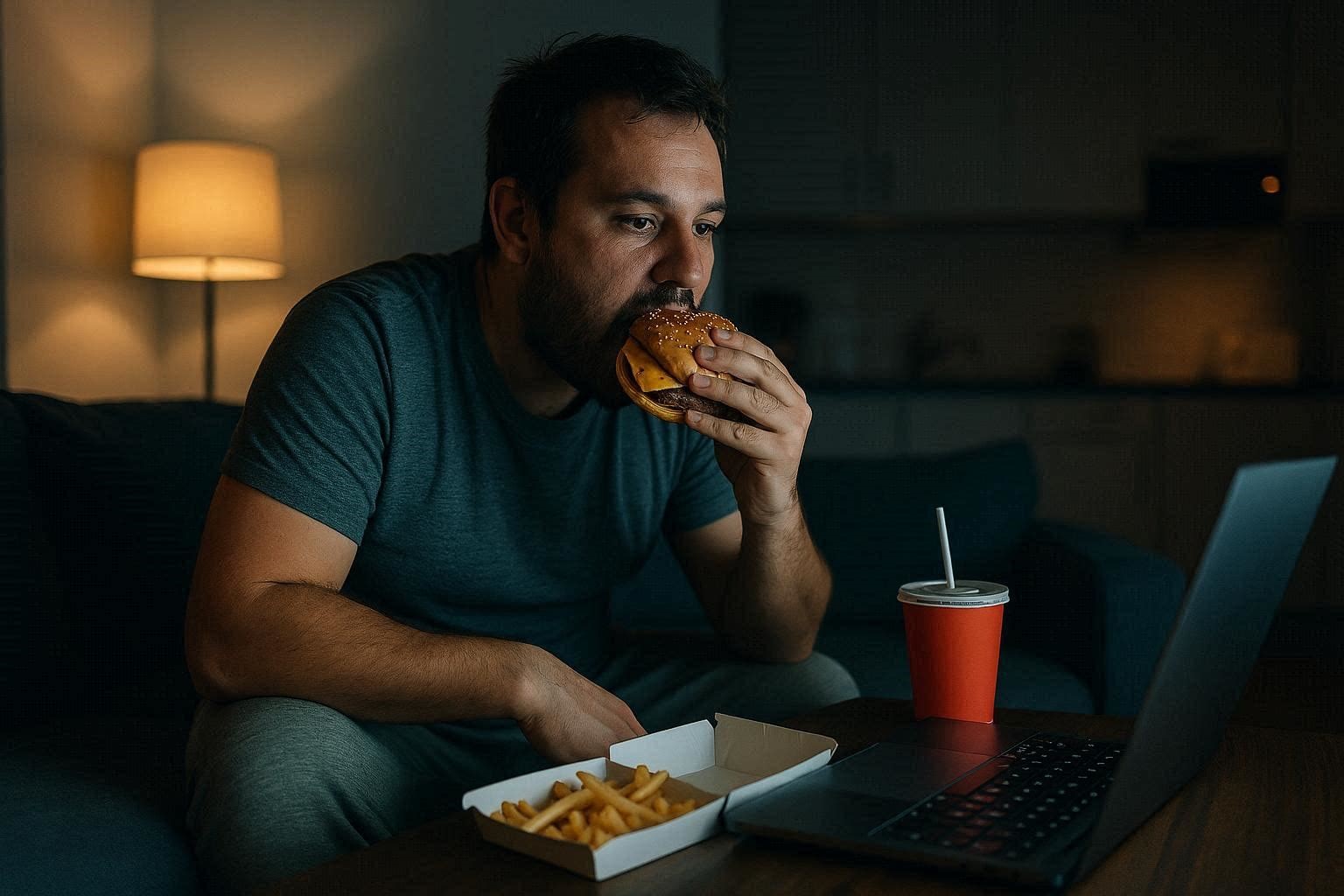
The pervasive 24/7 lifestyle and “always-on” culture have significantly fueled the normalization of late-night snacking. As work, entertainment, and social interactions extend well into the evening, individuals often find themselves awake and active later, leading to increased hunger and opportunities for eating late at night. This constant engagement blurs the lines of conventional meal times, making spontaneous food intake a common occurrence, often driven by boredom or a simple desire to eat.
Convenience Economy and Instant Food Access
The convenience economy and instant food access are pivotal drivers behind the surge in nighttime eating habits. With ubiquitous delivery apps and round-the-clock grocery options, satisfying a sudden craving for a late-night snack has never been easier. This effortless accessibility reduces the barriers to consuming food late in the evening, making it incredibly simple to indulge without much planning, contributing to higher overall food intake and potential weight gain.
From Structured Meals to Flexible Eating Patterns
There has been a notable cultural shift from rigid, structured meals to more flexible eating patterns, further enabling late-night snacking. Traditional meal times of breakfast, lunch, and dinner are often replaced by sporadic food intake throughout the day, accommodating diverse schedules and preferences. This flexibility means that for many, a significant portion of their daily calories, including carbs at night, may be consumed late in the evening, challenging conventional notions of healthy eating and potentially affecting their metabolism during sleep.
How to Reduce Unhealthy Late-Night Snacking
Addressing unhealthy late-night snacking requires a multi-faceted approach, focusing on holistic lifestyle adjustments rather than just willpower. Sustainable changes can mitigate the negative health impact of eating late.
Building Balanced Daytime Eating Habits
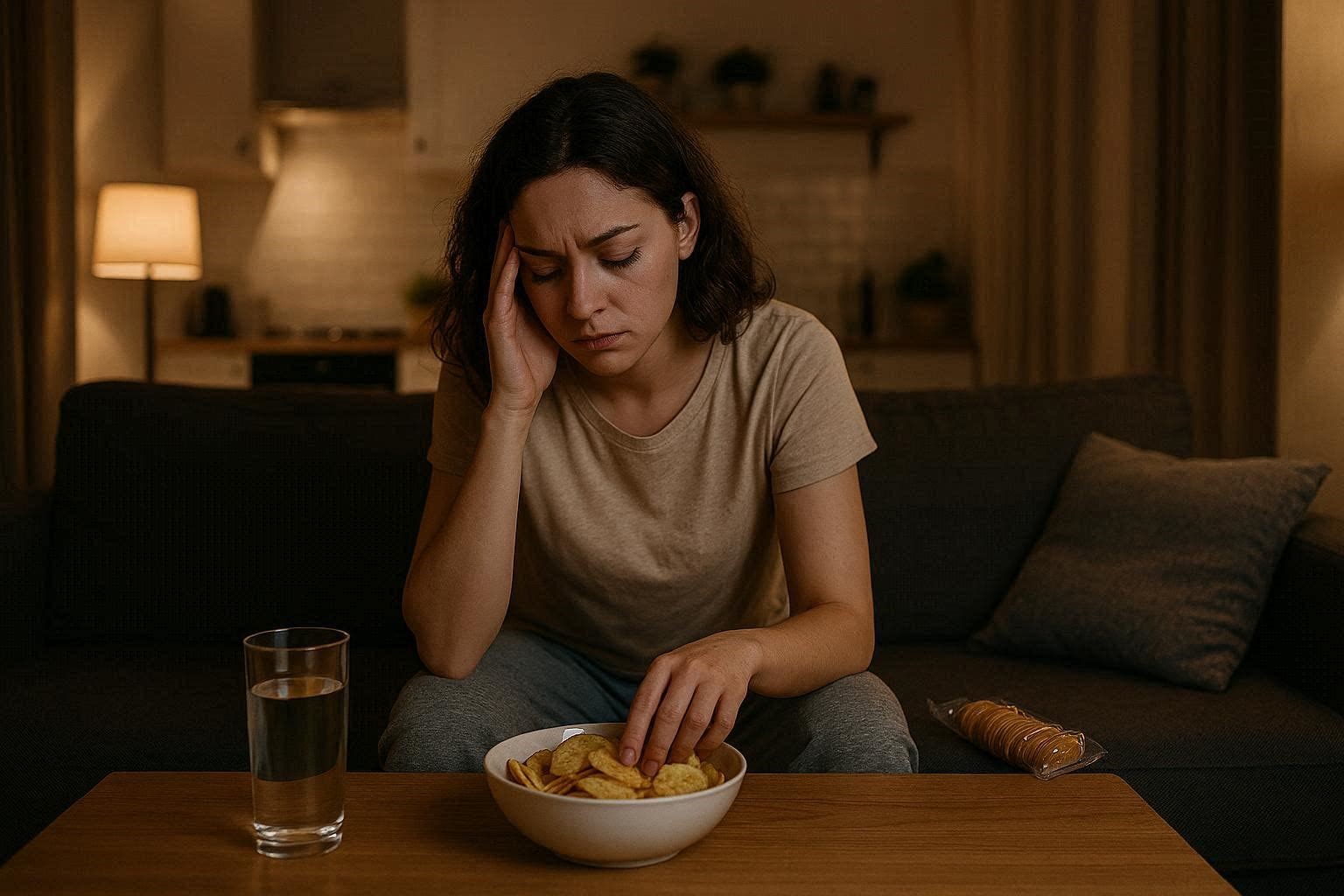
Building balanced daytime eating habits is paramount to reducing the urge for a late-night snack. Consuming regular, nutritious meals throughout the day helps maintain stable blood sugar levels and ensures adequate satiety, preventing intense hunger pangs that often lead to eating late at night. Prioritizing protein, fiber, and healthy fats during earlier meals can significantly limit the desire for excessive food intake in the evening and help to optimize health.
Managing Stress Without Food
Effectively managing stress without resorting to food is a critical step in curbing unhealthy late-night snacking. Since stress and anxiety often trigger comfort food cravings late in the evening, finding alternative coping mechanisms, such as meditation, exercise, or engaging in hobbies, can redirect the impulse to eat. Developing these strategies helps to break the emotional eating pattern, reducing the reliance on a late-night snack for comfort and preventing unwanted weight gain.
Improving Sleep to Reduce Night Cravings
Improving sleep quality is an essential strategy for reducing late-night cravings and managing overall food intake. Adequate rest helps regulate hunger hormones, ghrelin and leptin, which are crucial for appetite control. Prioritizing good sleep hygiene—like establishing a consistent sleep schedule and creating a conducive sleep environment—can significantly diminish the physiological drive to eat late at night, thereby minimizing the impact of a continuous glucose spike and promoting better health outcomes.
The Future of Eating Habits in a 24/7 World
The trajectory of eating habits in our increasingly 24/7 world suggests a dynamic evolution, influenced by technology and a greater understanding of personalized health. This future will likely redefine what constitutes normal eating patterns.
Will Nighttime Eating Become the New Normal?
The ongoing cultural shifts and technological advancements suggest that nighttime eating could indeed become the new normal for a significant portion of the population. As traditional schedules continue to erode and convenience dictates many choices, the act of consuming a late-night snack may lose its stigma and become an accepted part of daily food intake. This widespread acceptance could profoundly reshape public health recommendations and societal norms around meal timing and hunger management.
How Technology and AI May Influence Eating Patterns
Technology and Artificial Intelligence are poised to significantly influence future eating patterns, including the prevalence of late-night snacking. AI-powered apps could provide personalized nutrition recommendations, suggesting appropriate snacks to limit weight gain, or even schedule optimal meal times based on individual circadian rhythms and physiological needs.
These tools may help individuals make smarter choices about their food intake, potentially mitigating the negative health impact of eating late at night and allowing people to want to eat more consciously.
The Shift Toward Personalized Nutrition Timing
The future of eating habits points towards a significant shift toward personalized nutrition timing, moving away from generic guidelines. With advancements in wearable technology and biometric data analysis, individuals will likely receive highly customized advice on when to eat, what to snack on, and how to optimize their metabolism. This tailored approach could help manage hunger, prevent continuous glucose spikes, and potentially reduce unhealthy late-night snacking by aligning food intake with personal energy expenditure and sleep patterns.
Conclusion: What Late-Night Snacking Really Says About Modern Life
Ultimately, the rise of late-night snacking culture is more than just a dietary trend; it is a profound reflection of the complexities and demands of modern life. It underscores how our always-on society, coupled with technological advancements and evolving work patterns, has fundamentally altered our relationship with food, hunger, and well-being. Addressing this phenomenon requires a holistic understanding of its roots and a concerted effort to foster healthier eating habits and lifestyle choices.