
In an era dominated by digital solutions and technological advancements, the concept of wellness is undergoing a significant transformation. This article explores the shift towards human-centric wellness, a paradigm that prioritizes direct human experience, biology, and sustainable lifestyle design over purely digital optimization strategies.
Why Wellness Is Moving Beyond Digital Optimization

The Rise of AI Wellness, Wearables, and Digital Health Tracking
The past decade has witnessed a surge in AI wellness solutions, accompanied by a wave of new technologies, including:
- Wearables, tracking various metrics and providing users with real-time health data.
- Digital health tracking tools, promising to personalize health interventions and accelerate progress towards wellness goals.
These advancements have reshaped the global wellness landscape.
Why People Are Experiencing “Optimization Fatigue”
Despite the potential benefits of AI-driven health technology, many individuals are experiencing “optimization fatigue.” The constant pursuit of the perfect sleep score and endless streams of health data can lead to information overload and anxiety. The beauty and wellness industries are now confronting the unintended consequences of decades of false wellness promises.
The Return to Biology-Based Health and Human-Centered Living
As people grapple with the downsides of excessive digital optimization, there’s a growing movement towards biology-based health and human-centered living. This next wave prioritizes the body’s natural rhythms and innate capacity for healing. It’s about empowering individuals to take control of their long-term health through simple, sustainable practices, and it requires a new perspective.
What Is Human-Centric Wellness? (Clear Definition)
Core Meaning of Human-Centric Wellness Explained Simply
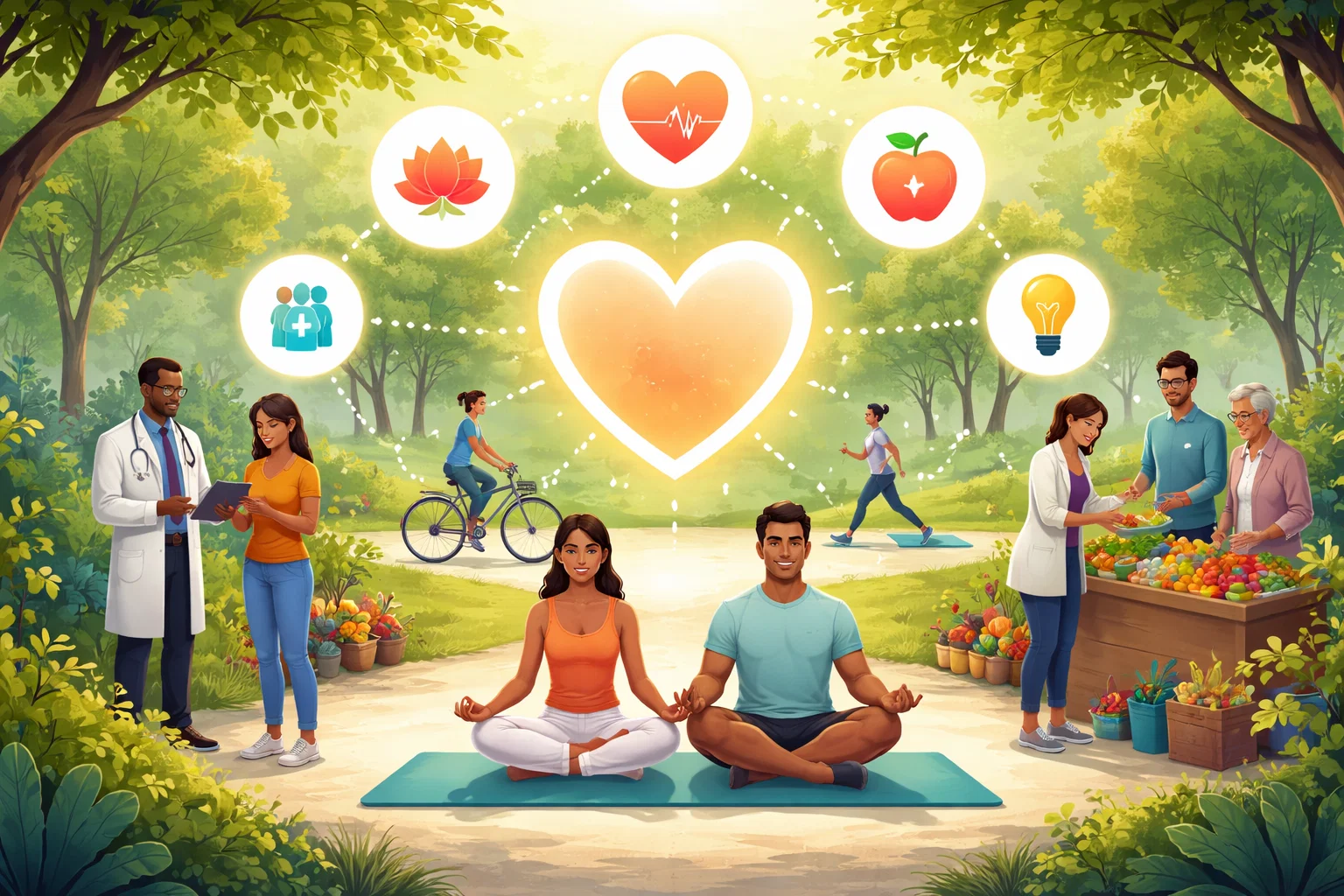
Human-centric wellness is an approach that places the human body at the center of all health and wellness efforts. It focuses on aligning with our biology, respecting our natural rhythms, and understanding that true optimization comes from within. It represents a shift towards prioritizing human connection and experience.
How It Differs From Traditional Wellness and Tech-Based Health Trends
Unlike traditional wellness, which often relies on external treatments and quick fixes, human-centric wellness emphasizes long-term health through lifestyle adjustments. And unlike tech-based trends that focus on tracking and quantifying everything, human-centric wellness prioritizes internal awareness and intuitive feedback. This major shift is designed to support overall wellbeing and focuses on key elements:
- Long-term health through lifestyle adjustments.
- Internal awareness and intuitive feedback.
Why the Human Body Is the Foundation of True Optimization
The human body is an incredibly complex and resilient system. True optimization isn’t about overriding our biology with technology; it’s about understanding and supporting our body’s natural functions. By prioritizing human needs and respecting our biological design, we can unlock our full human potential and achieve sustainable wellness.
The Problem With Modern Digital Wellness Trends
Over-Reliance on Apps, Trackers, and Data Feedback Loops
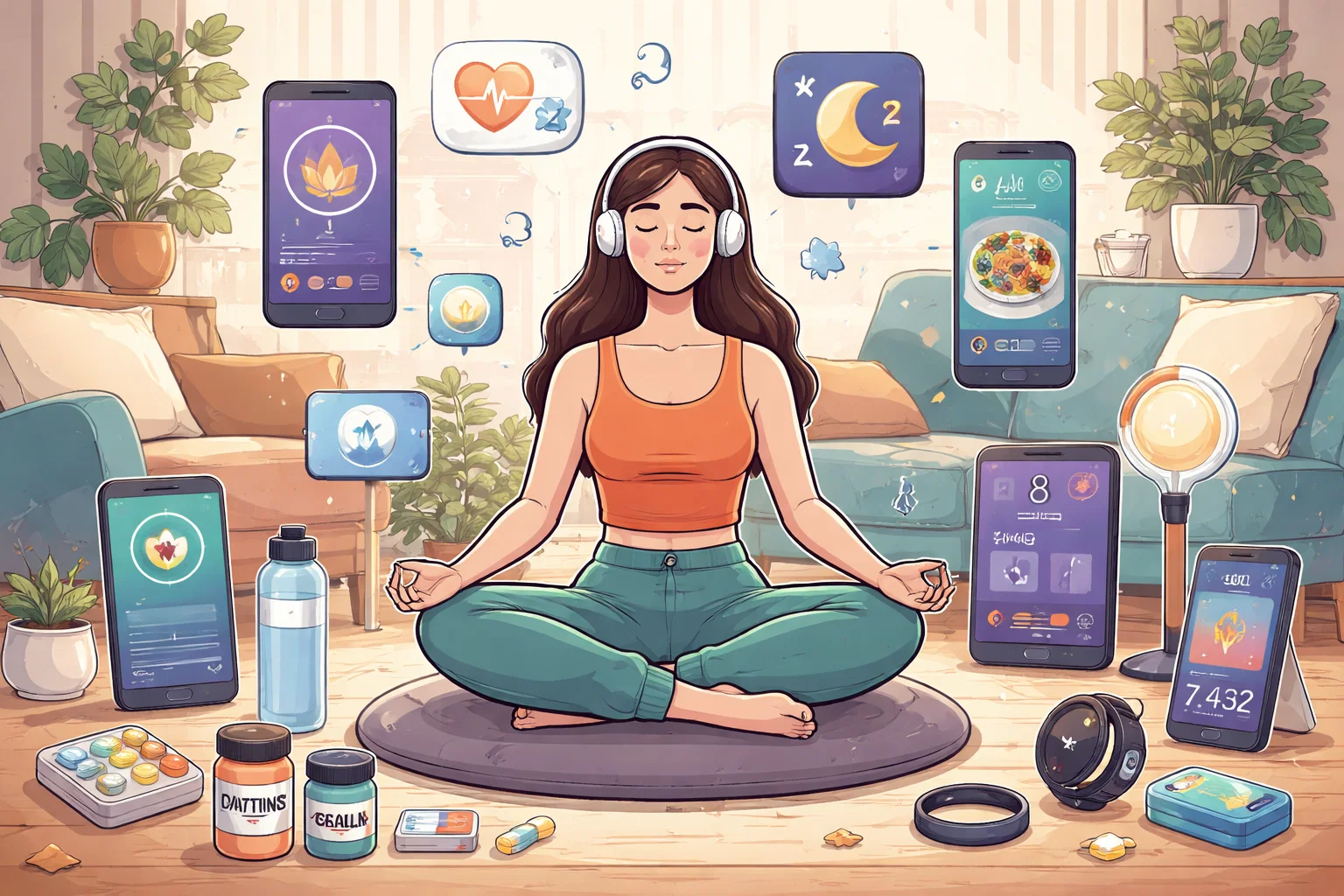
Modern digital wellness trends often lead to an over-reliance on apps, trackers, and data feedback loops. While these tools can provide valuable insights, they can also become crutches, disconnecting us from our own bodies and intuition. This dependence can hinder our ability to make truly informed decisions about our health.
Information Overload and Mental Fatigue From Health Tracking
The constant stream of data from health tracking devices can lead to information overload and mental fatigue. Analyzing every metric and striving for perfect scores can be overwhelming and counterproductive. For Gen Z and Millennials, this digital intensity can exacerbate existing anxiety and stress levels.
When Optimization Becomes Stress Instead of Improvement
The pursuit of optimization, when taken to extremes, can become a source of stress rather than a path to improvement. When we become overly focused on external metrics and lose sight of our internal experience, we risk turning wellness into another source of pressure. Proactive health should be rooted in a balanced approach.
What Is Real-World Biohacking? (Beyond the Hype)

Definition and Evolution of Biohacking in Modern Health Culture
Biohacking, in its essence, is about optimizing human potential through a deep understanding of human biology. It’s an evolving field that encompasses a range of approaches, from lifestyle adjustments to technological interventions, all aimed at empowering individuals to take control of their long-term health. A proactive health approach can have a great impact.
Difference Between Gadget-Based Biohacking and Lifestyle Biohacking
Gadget-based biohacking often involves using technology to track metrics and optimize specific functions, while lifestyle biohacking focuses on aligning daily habits with our natural biology. The major shift here emphasizes prioritizing human connection and leveraging simple, sustainable practices to enhance overall well-being through:
- Prioritizing human connection
- Leveraging simple, sustainable practices
Prioritizing human needs is vital here.
Why Simplicity Often Outperforms Technology in Health Optimization
While technology can offer valuable insight, simplicity often outperforms it in health optimization. Focusing on fundamental practices like sleep, nutrition, and movement yields more sustainable results than relying solely on the latest gadgets. The best wellness resorts are built on the basis of simple and accessible options for proactive health.
The Science Behind Human-Centric Wellness

Circadian Biology and the Body’s Natural Rhythm
Circadian biology governs our body’s natural rhythms, influencing everything from sleep-wake cycles to hormone regulation. Human-centric wellness emphasizes aligning with these rhythms through practices like consistent sleep schedules and strategic light exposure. The next wellness wave is rooted in an improved awareness of this biology.
Metabolic Health, Energy Regulation, and Insulin Sensitivity
Metabolic health, energy regulation, and insulin sensitivity are key factors in overall wellness. Human-centric approaches focus on nutrition timing, exercise, and stress management to optimize these processes. Optimizing metabolic health can influence health data and promote a more balanced and resilient state for Gen Z and Millennials.
Nervous System Balance: Stress, Recovery, and Adaptation
Balancing the nervous system is crucial for managing stress, promoting recovery, and enhancing adaptation. Practices like mindfulness, breathwork, and time in nature can help regulate the nervous system and improve overall resilience. Understanding human potential helps us leverage the power of our own systems.
How Environment Shapes Biology More Than Apps Do
Our environment has a profound impact on our biology, often more so than apps or gadgets. Factors like air quality, sunlight exposure, and social connection can significantly influence our health and wellness. Prioritizing human connection is what shifts the focus from digital life to real-world benefits.
The Shift: From Digital Control to Biological Alignment

From Tracking Everything → Fixing Core Habits
The shift from tracking everything to fixing core habits marks a move towards a more sustainable approach to wellness. Instead of obsessing over data, the focus is on establishing consistent, healthy routines that support long-term health. Wellness resorts should take note of this when designing programs for clients.
From External Data → Internal Awareness and Body Feedback
Relying solely on external data can disconnect us from our own bodies. This major shift encourages cultivating internal awareness and listening to our body’s feedback. Developing this awareness can empower us to make more informed decisions about our health and wellness, beyond what any AI tool may suggest.
From Constant Optimization → Sustainable Lifestyle Design
The constant pursuit of optimization can lead to burnout. Instead, human-centric wellness emphasizes sustainable lifestyle design, creating habits and routines that are enjoyable and maintainable over the long term. By empowering individuals to build sustainable lifestyles, we pave the way for lasting well-being.
Core Pillars of Human-Centric Wellness
Circadian Rhythm Alignment (Light, Sleep, Timing)
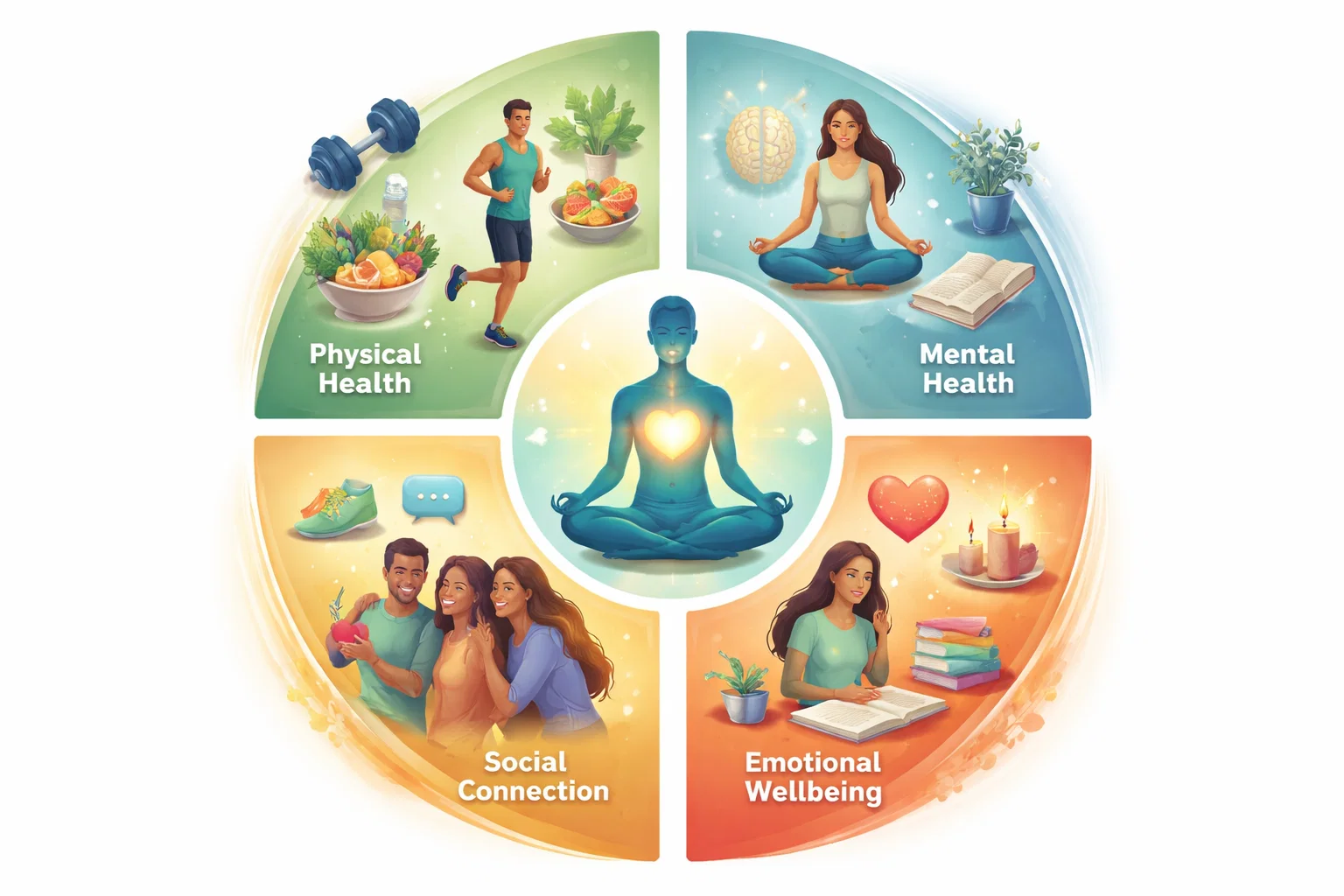
Aligning with our circadian rhythm is a key pillar of human-centric wellness. This involves optimizing exposure to light, establishing consistent sleep schedules, and timing activities to support the body’s natural processes. Prioritizing human needs in this way promotes optimal energy levels and overall health. A major shift here involves more awareness of health data.
Nutrition Timing and Metabolic Flexibility
Nutrition timing plays a crucial role in metabolic flexibility and overall wellness. By strategically timing meals and snacks, we can optimize energy regulation, insulin sensitivity, and metabolic function. The proactive health approach here focuses on supporting the body’s natural rhythms and processes. Aiding long-term health requires a more personalized approach.
Movement as Medicine (Walking, Strength, Mobility)
Movement is an essential component of human-centric wellness. Walking, strength training, and mobility exercises offer numerous benefits, from improving physical fitness to enhancing mental well-being. Integrating regular movement into our daily routines can support proactive health and foster a greater sense of vitality. The AI wellness platform can help with this.
Sleep Optimization and Recovery Science
Optimizing sleep is paramount for recovery and overall wellness. Human-centric wellness emphasizes strategies for improving sleep quality, such as creating a relaxing bedtime routine and optimizing the sleep environment. By prioritizing human needs and promoting restful sleep, we can enhance our body’s natural healing processes. A major shift for health data.
Stress Regulation and Nervous System Health
Stress regulation is essential for maintaining a healthy nervous system and promoting overall wellness. Human-centric wellness incorporates practices like mindfulness, breathwork, and time in nature to help manage stress and enhance resilience. Supporting nervous system health is crucial for long-term health and well-being. Optimizing wellness can aid overall health data.
Real-World Biohacks That Actually Work (No Gadgets Needed)

Morning Sunlight Exposure for Hormone Regulation
Exposing yourself to morning sunlight is a simple yet powerful biohack for regulating hormones and boosting energy levels. Natural light helps to reset the body’s circadian rhythm, promoting better sleep and improved mood. This proactive health strategy is a simple yet effective way to support overall well-being and prioritize human connection with nature.
Walking After Meals for Blood Sugar Control
Taking a short walk after meals can significantly improve blood sugar control and insulin sensitivity. This simple practice helps to regulate glucose levels and prevent energy crashes, supporting metabolic health and overall wellness. This will become an increasingly important part of proactive health routines for Gen Z and Millennials. Prioritizing human needs is key.
Early Time-Restricted Eating for Metabolic Health
Early time-restricted eating (TRE) involves limiting your eating window to the earlier part of the day, which can have numerous benefits for metabolic health. This biohacking strategy supports insulin sensitivity, weight management, and overall energy levels. It’s a simple way to align with our natural circadian rhythm and prioritize human needs and improve long-term health.
Evening Light Reduction for Better Sleep Quality
Reducing exposure to blue light in the evening is crucial for promoting better sleep quality. Using blue light filters on devices and dimming lights in the hours before bed can help to regulate melatonin production and support restful sleep. Aiding long-term health requires a more personalized approach to wellness. Understanding health data is essential.
Breathwork and Cold Exposure for Stress Adaptation
Practicing breathwork and incorporating cold exposure into your routine can enhance stress adaptation and improve nervous system resilience. These biohacking techniques help to regulate the body’s stress response and promote a sense of calm and well-being. Wellness resorts should make breathwork available to clients. A major shift for stress regulation.
The Role of Technology in Human-Centric Wellness (Balanced View)
When Wearables and Apps Are Useful Tools
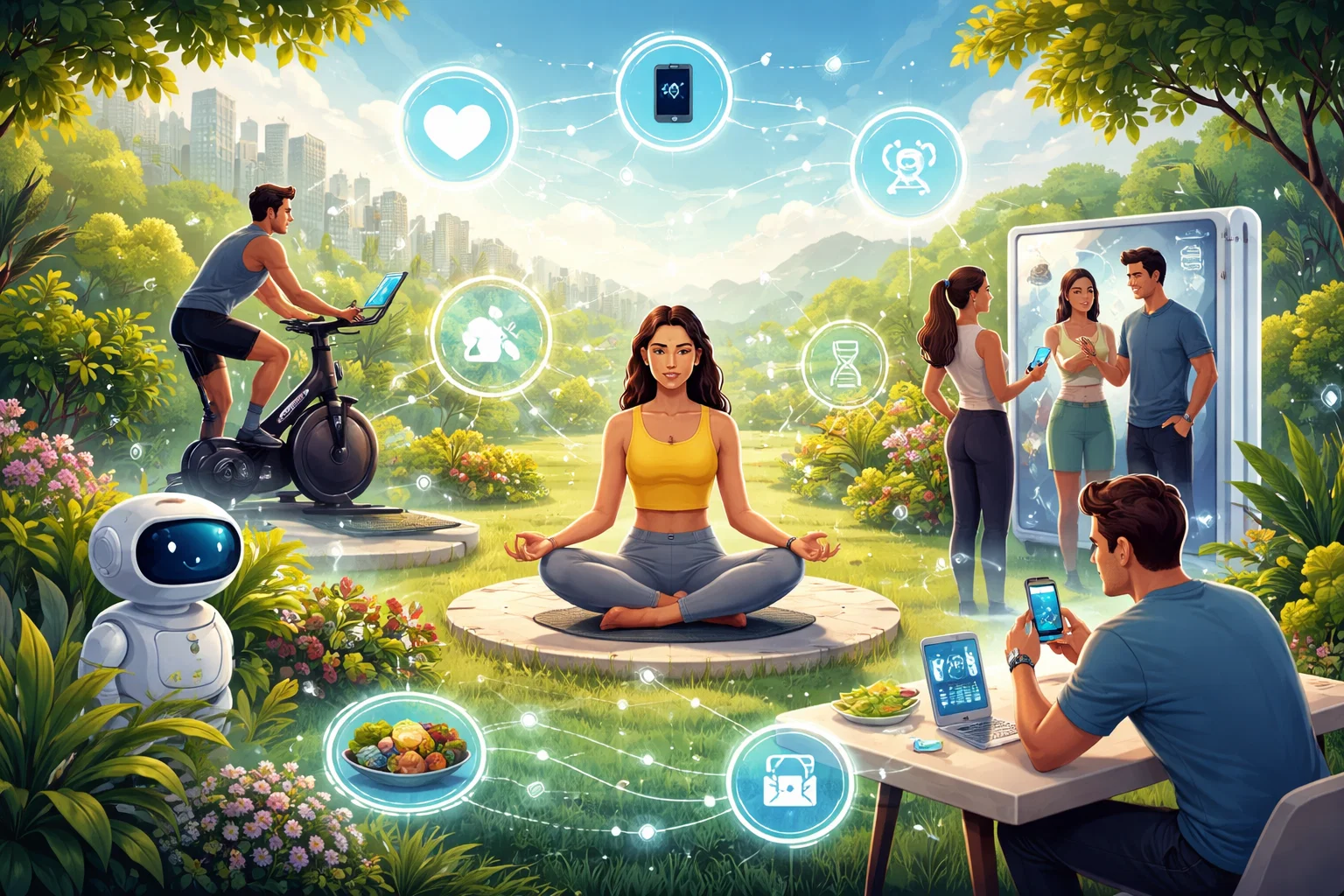
Wearables and apps can be useful tools in human-centric wellness when used mindfully and in moderation. They can provide valuable insights into sleep patterns, activity levels, and other metrics, helping us to personalize our approach to health and wellness. AI wellness platform can assist with data collection, but data shouldn’t be the only source of insights.
When Technology Becomes Counterproductive
Technology can become counterproductive when it leads to over-reliance, anxiety, and disconnection from our bodies. Constantly tracking metrics and striving for perfect scores can be overwhelming and detract from our overall well-being. Wearables should be used only as a part of wellness approaches to help with long-term health plans. Gen Z and Millennials may struggle with the balance.
Using Data Without Becoming Dependent on It
It’s important to use data from technology without becoming dependent on it. The goal is to use data as a tool for gaining insights and making informed decisions, rather than allowing it to dictate our every move. By prioritizing human needs and cultivating internal awareness, we can strike a healthy balance with technology. A major shift is awareness.
Human-Centric Wellness vs Traditional Biohacking vs Digital Wellness
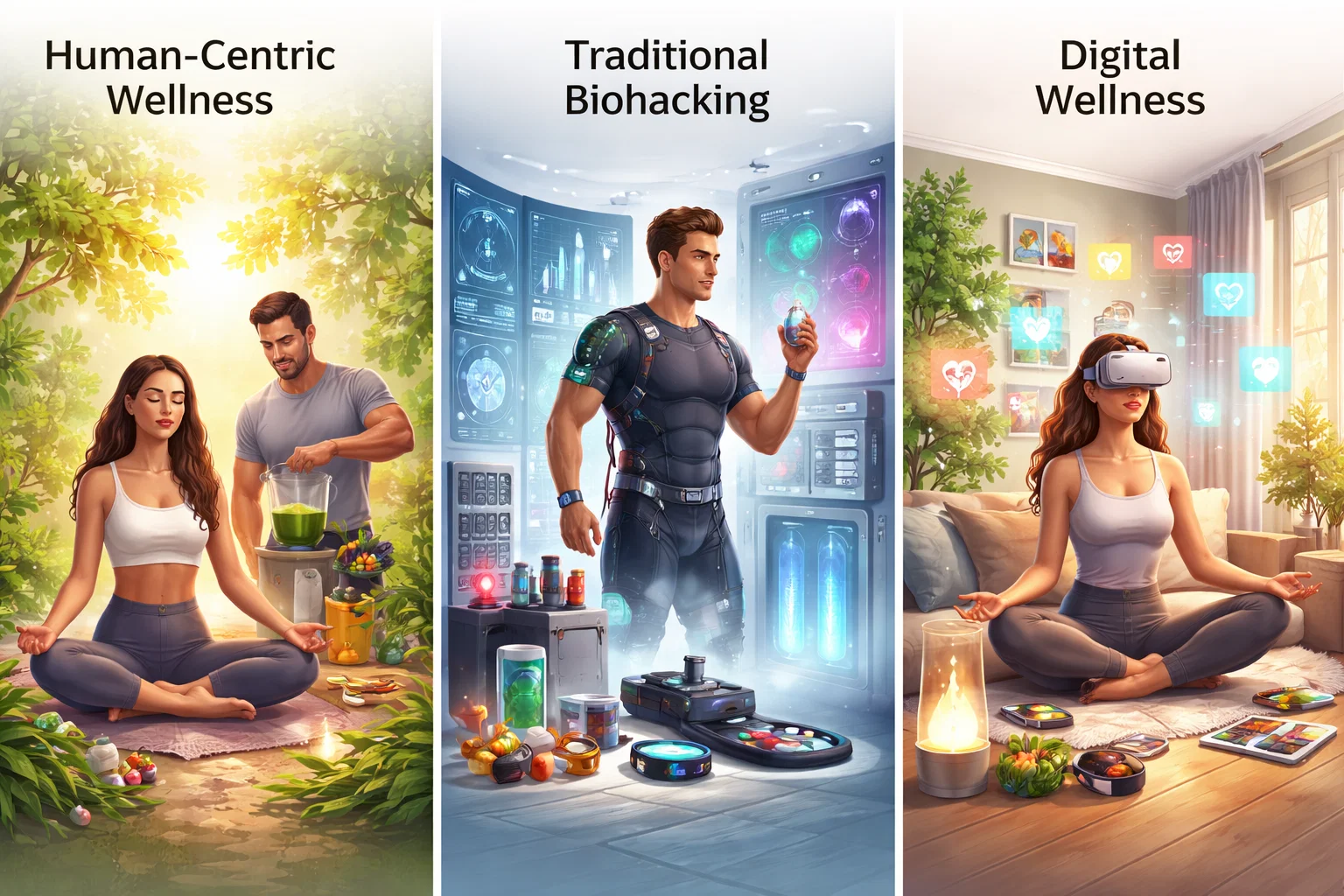
Human-centric wellness differs fundamentally from traditional biohacking and digital wellness. While traditional biohacking often involves extreme interventions, and digital wellness relies heavily on tracking, human-centric wellness prioritizes simple, sustainable habits that align with our biology. This major shift emphasizes empowering individuals to take control of their long-term health.
Key Differences in Philosophy and Approach
The philosophy behind human-centric wellness is rooted in the belief that true optimization comes from within. Unlike digital wellness, which quantifies everything, and traditional biohacking, which often seeks radical change, human-centric wellness emphasizes internal awareness, prioritizes human connection, and intuitive decision-making.
Which Approach Delivers Sustainable Long-Term Results
Human-centric wellness delivers more sustainable long-term health results because it focuses on building a solid foundation of core habits. By aligning with our body’s natural rhythms and prioritizing human needs, we can create a lifestyle that supports sustained well-being. An AI wellness platform can assist, but it shouldn’t be the only tool.
Why Human-Centric Design Is Emerging as the Future Standard
Human-centric design is emerging as the future standard in wellness because it addresses the limitations of purely digital approaches. By prioritizing human biology, this approach provides a more effective and sustainable path to overall well-being. The next wave of wellness is based on a more grounded, biological approach.
Who Should Follow Human-Centric Wellness?
Human-centric wellness is particularly beneficial for individuals experiencing burnout from digital overload. It’s also ideal for those seeking a more sustainable, biology-based approach to health optimization. This next wave may also be a good choice for people facing public health risks like microplastics as a human health issue.
Burned-Out Professionals and Digital Overload Users
Burned-out professionals and digital overload users often find relief and renewed energy through human-centric wellness. By stepping away from constant tracking and reconnecting with their bodies, they can reduce stress, improve focus, and regain a sense of balance and control. These people may be struggling with prioritizing human needs.
People Struggling With Focus, Energy, or Sleep Issues
Individuals struggling with focus, energy, or sleep issues can greatly benefit from the principles of human-centric wellness. By aligning with their circadian rhythms and supporting their body’s natural functions, they can improve sleep quality, boost energy levels, and enhance mental clarity. This approach aids long-term health.
Fitness and Productivity Optimizers Seeking Simplicity
Even fitness and productivity optimizers can find value in human-centric wellness. By focusing on simplicity and sustainability, they can achieve their goals without the stress and overwhelm of constant tracking and optimization. An AI wellness platform may be used, but it must be part of a wider, human approach.
Practical Daily Human-Centric Wellness Routine
A practical daily human-centric wellness routine includes simple, yet effective habits that support energy, focus, and recovery. By incorporating these practices into our daily lives, we can enhance our overall well-being and empower ourselves to thrive. Prioritizing human needs is key to making these routines effective.
Morning Routine for Energy and Hormonal Balance
A morning routine for energy and hormonal balance may include exposure to natural sunlight, a glass of water, gentle movement, and a nutritious breakfast. These practices help to reset the circadian rhythm, hydrate the body, and provide sustained energy throughout the day. The next wave should increase awareness of the benefits here.
Midday Habits for Focus and Metabolic Stability
Midday habits for focus and metabolic stability could involve a short walk after lunch, a mindful break from work, and a healthy snack to maintain energy levels. These practices support blood sugar control, reduce stress, and enhance mental clarity, which is also useful in preventing microplastics as a human health issue.. They may also incorporate advice from an AI platform.
Evening Routine for Recovery and Sleep Optimization
An evening routine for recovery and sleep optimization may include reducing exposure to blue light, practicing relaxation techniques, and creating a comfortable sleep environment. These habits prepare the body for restful sleep and support the natural healing processes that occur overnight. This major shift is one of the best ways to promote health data.
Final Verdict: The Future of Wellness Is Human-Centered
Prioritizing human needs is essential, and the future of wellness is undeniably human-centered. By shifting our focus from external metrics to internal awareness, we can unlock our full human potential and achieve sustainable, long-term health. AI tools and devices add new ways to do this.