Did you know that about 1 in 10 women of reproductive age have Polycystic Ovary Syndrome (PCOS)? This fact shows how common this hormonal disorder is. It affects millions of women around the world.
Managing PCOS can seem tough. Our guide will cover symptoms, risks, and treatments for PCOS. We want to help you find ways to improve your health and manage this condition.
Having PCOS doesn’t mean you’ve lost control. By learning about it, you can find ways to manage your symptoms. We’ll show you natural remedies and diet plans to help you take care of your hormonal health.
We want to give you the knowledge and support you need. Whether you’re trying to understand your diagnosis or find ways to manage symptoms, this guide can help. It offers insights to change how you approach health and wellness.
Understanding PCOS (Polycystic Ovary Syndrome)
PCOS is a complex hormonal disorder that affects millions of women worldwide. Our comprehensive guide will help you understand this challenging condition and its impact on women’s health.
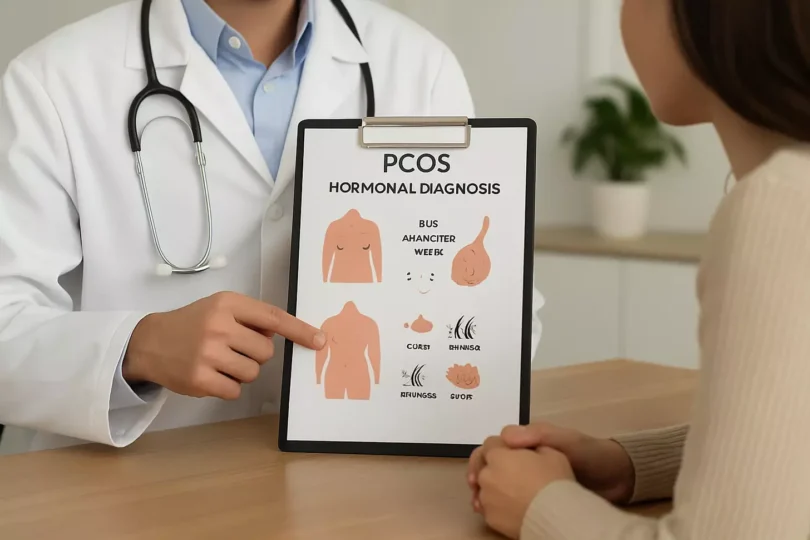
What is PCOS? A Simple Definition
Polycystic Ovary Syndrome (PCOS) is a hormonal imbalance that disrupts a woman’s reproductive system. It occurs when the ovaries produce too many androgens. This can mess with normal hormone production and ovulation.
How PCOS Affects Women’s Hormonal Health
PCOS creates significant challenges for insulin resistance and hormonal balance. Women with this condition often experience:
- Irregular menstrual cycles
- Increased androgen levels
- Potential fertility options challenges
- Difficulty managing hirsutism
The hormonal imbalance can impact multiple body systems. This creates complex health challenges that require comprehensive management strategies.
Who Can Develop PCOS? Age & Risk Factors
PCOS can affect women during their reproductive years, typically between ages 15-44. Key risk factors include:
- Family history of hormonal disorders
- Obesity
- Insulin resistance
- Genetic predisposition
Understanding these risk factors helps women proactively manage their PCOS symptoms. They can develop targeted treatment plans for optimal hormonal balance.
Common Symptoms of PCOS
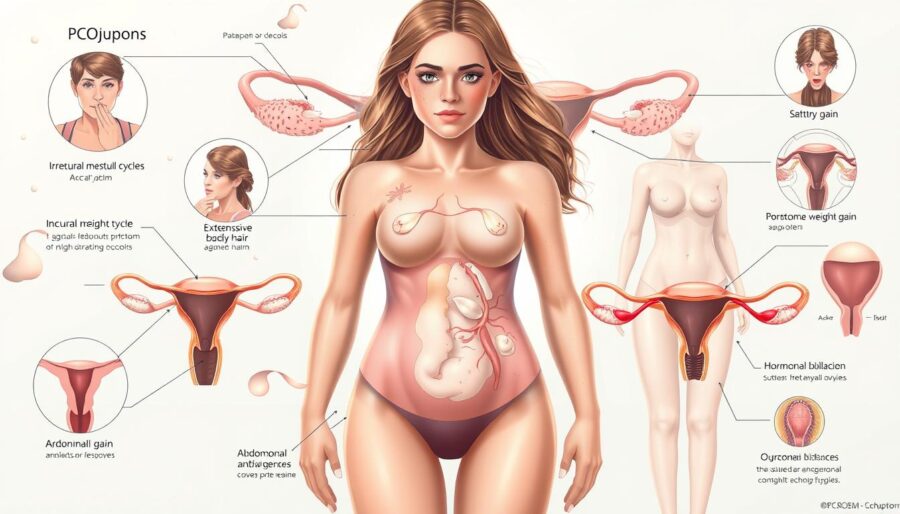
Polycystic ovary syndrome (PCOS) has many symptoms that can change a woman’s life. Knowing these signs early helps manage PCOS better. It also improves quality of life.
Menstrual Cycle Changes
Women with PCOS often have irregular periods. These changes can include:
- Missed periods
- Infrequent periods
- Prolonged menstrual bleeding
- Unpredictable cycle lengths
Excess Hair Growth, Acne & Skin Problems
Hormonal imbalances in PCOS cause skin and hair issues. Hirsutism – too much hair – can grow on the face, chest, back, and stomach. Also, acne and skin tags are common.
Weight Gain and Difficulty Losing Weight
Many women with PCOS find it hard to manage their weight. Insulin resistance makes losing weight tough. Natural remedies include changing diets and exercise routines.
Fertility Struggles & Irregular Ovulation
Irregular ovulation affects fertility. Treatments like ovulation induction therapy and medications like metformin can help. They aim to regulate cycles and boost conception chances.
Knowing these symptoms helps women get the right medical help. It also leads to better treatment plans.
Is PCOS Dangerous? Understanding the Risks
Women with polycystic ovary syndrome (PCOS) face unique health challenges. These go beyond just reproductive issues. We’ll look into the long-term health risks and complications.
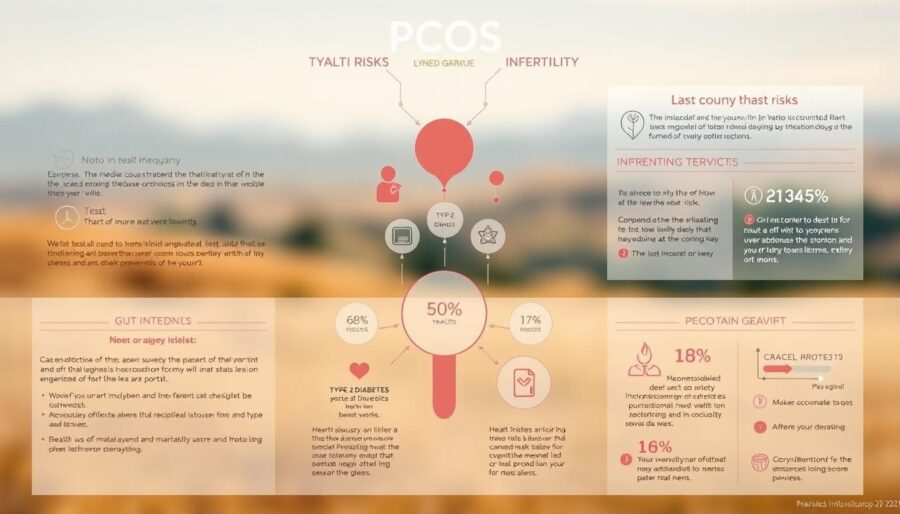
PCOS can greatly affect overall health. It causes complex hormone imbalances. This increases the risk of various medical problems. Knowing these risks helps women manage their condition better.
Type 2 Diabetes & Insulin Resistance in PCOS
Insulin resistance is a big worry for women with PCOS. Our bodies might not process insulin well. This can lead to:
- Higher blood sugar levels
- Increased weight gain
- Elevated diabetes risk
Cardiovascular Health Concerns
PCOS hormone imbalance can harm heart health. Women with this condition might face:
- Higher blood pressure
- Increased cholesterol levels
- Greater heart disease probability
Fertility and Pregnancy Complications
Managing PCOS weight gain is key for fertility treatments. Women with PCOS may face:
- Irregular ovulation
- Difficulty conceiving
- Higher miscarriage rates
Cancer Risk Awareness
Women with PCOS might have a slightly higher risk of endometrial cancer. Regular check-ups and monitoring can help catch issues early.
By understanding these risks, we can take steps to protect our health. This helps minimize complications linked to PCOS.
How PCOS is Diagnosed
Diagnosing polycystic ovary syndrome (PCOS) can seem daunting. But knowing the process helps patients on their health journey. Accurate diagnosis is key to preventing complications. Our detailed approach ensures patients get the best evaluation.

PCOS detection involves several steps, looking at different health aspects. No single test can confirm PCOS. So, a thorough check is vital for understanding symptoms and treatments.
Medical History and Physical Examination
The journey starts with a detailed medical talk. Our doctors carefully check:
- Menstrual cycle patterns
- Weight changes
- Skin and hair conditions
- Family medical history
Blood Tests for Hormone and Insulin Evaluation
Blood tests are key in managing PCOS. We test hormone levels to understand metabolic health:
- Testosterone levels
- Luteinizing hormone (LH)
- Follicle-stimulating hormone (FSH)
- Insulin resistance markers
Ultrasound Imaging of Ovaries
Ultrasound helps us see the ovaries and spot cysts. It’s crucial for managing weight and fertility issues.
Our method combines several tests for a full understanding of PCOS. Early detection helps individuals manage their condition better.
Effective Treatments for PCOS
Managing PCOS needs a full plan that covers many health areas. Our methods aim to ease symptoms and boost your overall health. We use specific treatments for this.
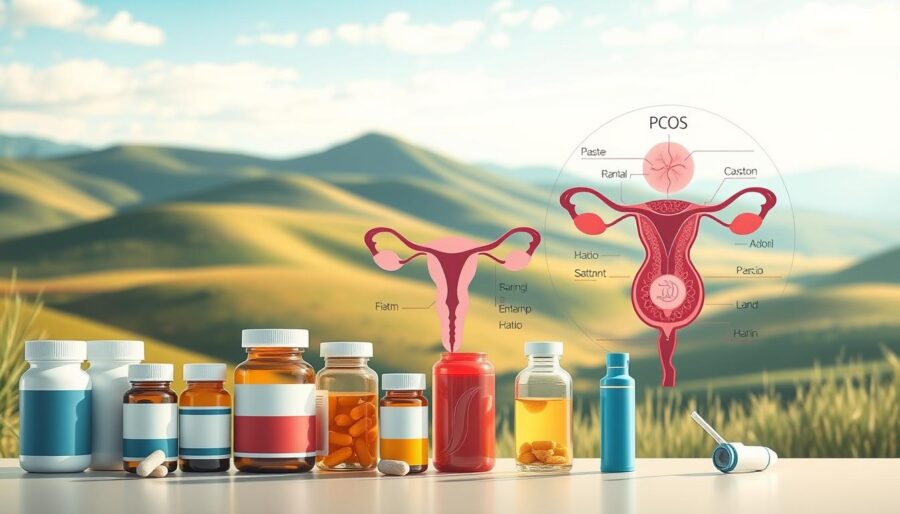
Lifestyle Changes: Diet, Exercise & Weight Management
Changing your lifestyle is key in treating hormonal imbalances. We suggest a few main steps to manage PCOS symptoms:
- Eat a low-glycemic diet to help with insulin resistance
- Stay active with regular exercise
- Keep a healthy weight
Medications for Hormone Regulation
Medicine can also help control PCOS symptoms. Here are some medicines we recommend:
| Medication Type | Primary Purpose |
|---|---|
| Birth Control Pills | Regulate menstrual cycles |
| Metformin | Improve insulin sensitivity |
| Anti-androgen Medications | Reduce excessive hair growth |
Fertility Treatments
For women with PCOS who want to get pregnant, we have special solutions:
- Ovulation induction medications
- Fertility counseling
- Assisted reproductive technologies
Skincare and Hair Management
Dealing with skin and hair issues is also important in treating PCOS. Comprehensive skincare routines and special treatments can help with acne and too much hair.
We focus on personal care. We work with healthcare experts to create a plan that fits your unique PCOS needs and goals.
Natural Ways to Manage PCOS Symptoms
Living with PCOS can be tough, but we’ve found natural ways to help. Our approach focuses on treating PCOS holistically. This empowers women to manage their health naturally.

Balanced Diet & Anti-Inflammatory Foods
Good nutrition is key to managing PCOS. Eating anti-inflammatory foods can balance hormones and reduce symptoms. Here are some dietary tips:
- Choose low-glycemic index foods
- Incorporate lean proteins
- Eat lots of leafy green vegetables
- Limit processed carbs
Powerful Supplements for PCOS Support
Some supplements can greatly help with PCOS. Our top picks are:
- Inositol: Improves insulin sensitivity
- Vitamin D: Helps balance hormones
- Omega-3 fatty acids: Reduces inflammation
Herbal Remedies for Hormonal Harmony
Herbs can help with hirsutism. Spearmint tea has been shown to reduce excessive hair growth. Other beneficial herbs include:
- Saw palmetto
- Licorice root
- Chamomile
Stress Management & Sleep
Stress affects PCOS symptoms. We suggest:
- Daily meditation
- Regular exercise
- Consistent sleep schedule
- Deep breathing techniques
While natural methods can improve PCOS symptoms, always talk to your doctor. They can help create a treatment plan that’s right for you.
Daily Habits That Make a Difference
Managing PCOS symptoms naturally means making lifestyle changes. Our guide will show you how to create habits that help balance hormones and improve your health. By using the right strategies, we can tackle PCOS health risks and find relief from symptoms.

Creating a Sustainable PCOS-Friendly Routine
Having a daily routine is key to managing hormonal imbalances. We suggest a structured plan that covers all health areas:
- Maintain a consistent sleep schedule
- Plan balanced meals in advance
- Set aside time for self-care activities
- Track symptoms and progress
Exercise Recommendations: Cardio + Strength Training
Exercise is vital for managing PCOS symptoms. We recommend a mix of exercises:
| Exercise Type | Benefits | Recommended Frequency |
|---|---|---|
| Cardio | Improves insulin sensitivity | 150 minutes per week |
| Strength Training | Builds muscle, boosts metabolism | 2-3 sessions per week |
| High-Intensity Interval Training (HIIT) | Accelerates fat loss | 1-2 sessions per week |
Mind-Body Practices: Yoga & Meditation
Stress management is crucial for hormonal balance. Incorporating yoga and meditation can significantly reduce stress-related symptoms and support overall PCOS management. Spend 15-30 minutes each day on these practices. They help control cortisol levels and boost mental health.
Consistency is crucial when starting these habits. Small, steady changes can make a big difference in managing PCOS symptoms and reducing health risks.
Living Well with PCOS
Life with PCOS can be tough, but you can do great with the right help. We help women manage their hormonal imbalance through care and lifestyle choices.
Building Your Support Network
Having a strong support system is key to managing PCOS. You should build a network with:
- Healthcare providers who know about PCOS
- Friends and family who support you
- Online and local PCOS groups
- Mental health experts
Symptom Tracking and Management
Today’s tech has amazing tools for PCOS care. Apps can track:
- Your menstrual cycle
- Weight changes
- Symptom shifts
- How well treatments work
Cultivating Confidence and Self-Care
Dealing with PCOS needs a whole-body wellness plan. Self-care is not selfish—it’s vital. Focus on activities that improve your health, like:
- Exercising regularly
- Eating well
- Reducing stress
- Being kind to yourself
PCOS doesn’t mean you’re defined by it. With the right support, knowledge, and weight management, you can live a full, happy life.
Final Thoughts: Taking Control of PCOS in 2025
Managing PCOS means finding a balance in hormones that lets women control their health. Our knowledge of this complex condition keeps growing. This brings new ways to treat PCOS naturally and effectively.
Distinguishing between endometriosis and PCOS can be tough. But, we’ve found that care that fits each person is crucial. This makes managing the condition better.
Managing insulin resistance is key in treating PCOS. It’s important to work with doctors to create a plan that fits your needs. Research shows that combining medicine, lifestyle changes, and the right diet can greatly improve life for women with PCOS.
Looking to 2025, we’re hopeful about more support and understanding for PCOS. New technology and medical breakthroughs are giving women more ways to handle their condition. Remember, PCOS is just part of your health story. It doesn’t stop you from achieving your dreams.
We aim to offer hope and useful advice. By staying informed, getting support, and being proactive, you can face PCOS challenges head-on. Every step you take is a big step towards understanding and managing your body’s needs.