
Here are some tips to effectively manage mental load, clear your mind, and reclaim your mental energy. This guide offers actionable steps, focusing on:
- Lightening the mental load by employing practical strategies.
- Achieving a more balanced life through task delegation and prioritization of self-care.
Understanding Mental Load

What Mental Load Really Means and Why It Matters
Mental load isn’t merely about completing tasks; it involves the mental effort of planning, organizing, and managing responsibilities. It’s easy to feel overwhelmed when you’re carrying a heavy mental load, juggling numerous tasks and keeping track of everything.
The invisible work, such as meal planning and managing kids’ schedules, often goes unnoticed, contributing to burnout. It’s important to recognize that you don’t have to do everything yourself; learning to share the mental load is crucial.
The Impact of Mental Load on Stress, Productivity, and Well-Being
When you’re carrying a heavy mental load, it’s easy to feel overwhelmed and experience increased stress levels. This can significantly reduce mental energy and productivity, making it harder to get essential tasks done.
Managing mental load effectively is vital for overall well-being. Learning to delegate and ask for help can lighten the mental load, creating mental space for relaxation and personal growth. By reducing the mental clutter, you can improve your focus and reclaim your mental energy.
Recognizing the Signs of Mental Load

Common Symptoms: Forgetfulness, Fatigue, and Overwhelm
If you feel like you’re constantly forgetting things, experiencing persistent fatigue, or feeling overwhelmed by your responsibilities, these can be signs of excessive mental load. The mental work involved in constantly keeping track of tasks and details can lead to mental exhaustion.
It’s important to recognize these symptoms early to take proactive steps to lighten the mental load and prevent burnout. You don’t have to remember everything, but strategies can significantly improve your well-being.
How Mental Load Shows Up in Work, Home, and Relationships
Mental load manifests differently in various areas of life. At work, it might feel like you’re constantly managing to-do lists without support. At home, it often involves disproportionately handling household chores and kids’ activities.
In relationships, it often feels like one partner’s carrying the burden of planning and organizing, leading to imbalance. It’s important to address these imbalances by learning ways to share the mental load and communicate needs effectively. By learning to share the load, you can strengthen relationships and reduce mental strain.
Step 1: Identify and Acknowledge Your Mental Load

Making an Inventory of Tasks and Responsibilities
To effectively manage your mental load, start by making a comprehensive inventory of all your tasks and responsibilities. List everything you’re carrying, from work projects and household chores to social commitments and family obligations. Include both visible and invisible work, as this can often contribute significantly to your mental load.
Breaking down these tasks into smaller, manageable steps can make the overall load seem less daunting and help you prioritize what needs to get done. Remember, it’s important to recognize everything you juggle on a daily basis.
Understanding Emotional Labor and Invisible Work
A key aspect of mental load is understanding the emotional labor and invisible work involved in managing various responsibilities. Emotional labor includes the mental effort of managing emotions and providing support to others. Invisible work encompasses the planning, organizing, and anticipating needs that often go unnoticed.
Recognizing and acknowledging these contributions is crucial for equitably sharing the mental load. Acknowledge how much mental work it takes to, for example, plan meals, manage the kids’ calendar and keep track of appointments, and then lighten the mental load.
Step 2: Externalize Tasks and Organize Your Life
Using Digital Tools and Apps to Track Responsibilities
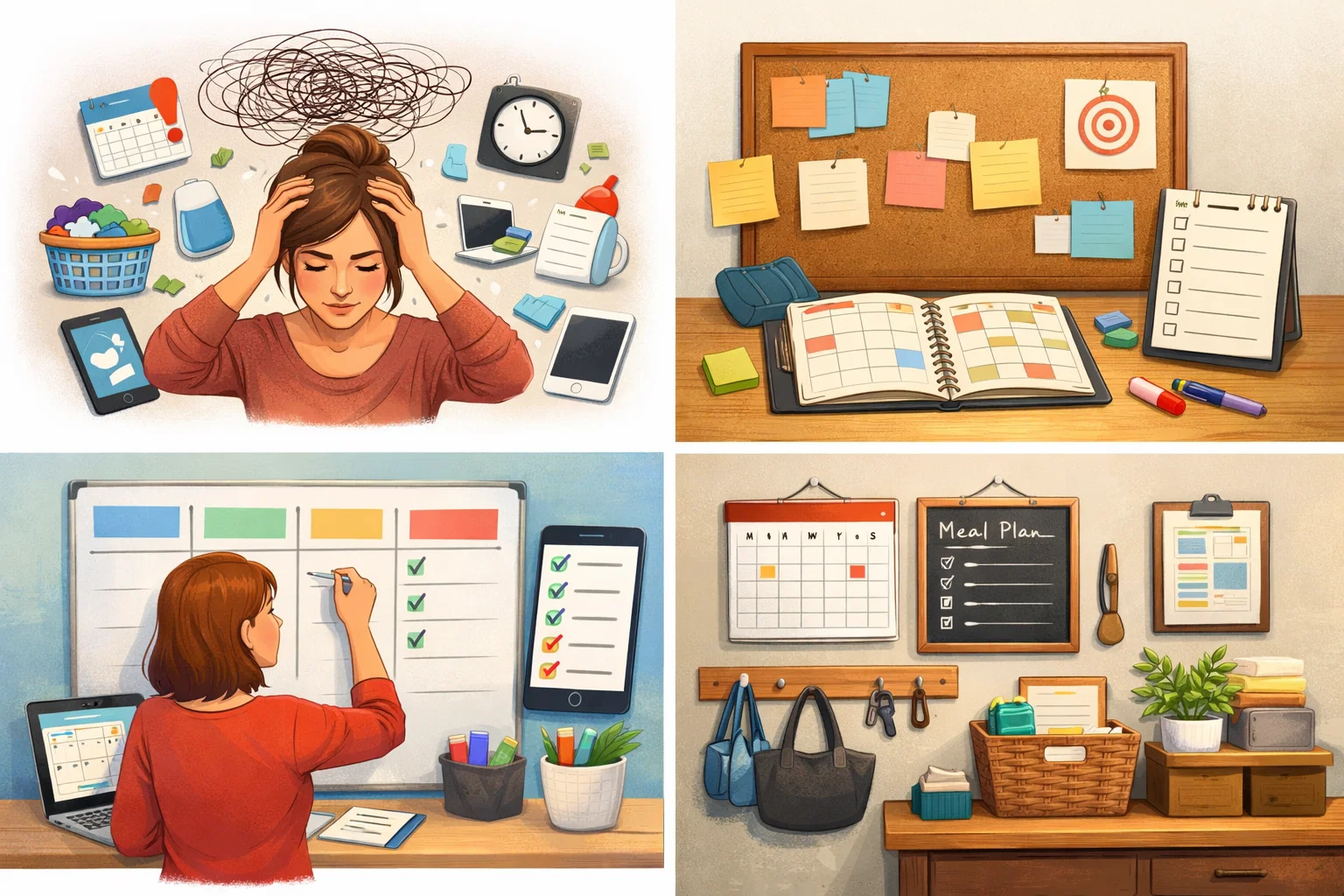
Leverage digital tools and apps to externalize tasks and organize your life effectively. Apps designed for to-do lists, calendar management, and project tracking can significantly help reduce mental clutter. By inputting all your tasks, deadlines, and appointments into these systems, you free up valuable mental space.
Digital tools make it easier to assign tasks, set reminders, and monitor progress, reducing the mental effort required to keep track of everything. With the use of these applications, you don’t have to remember everything yourself, since you have a partner to help with managing the mental load.
Journals, Planners, and Physical Systems for Mental Clarity
In addition to digital tools, using journals, planners, and physical systems can provide tangible benefits for mental clarity. Writing down tasks, ideas, and reflections in a journal can help externalize your thoughts and reduce mental clutter.
Planners offer a structured way to organize daily and weekly activities, prioritizing tasks and deadlines. Physical systems, such as bulletin boards or whiteboards, can serve as visual reminders of important information. These methods provide a way to offload mental load, especially from tasks that can reduce mental energy.
Step 3: Delegate and Share Responsibilities

How to Communicate Needs Effectively with Family or Colleagues
Effective communication is essential for delegating and sharing the load with family or colleagues. Clearly articulate your needs and expectations, explaining why you need help and what specific tasks you’d like to delegate.
Be open to negotiation and compromise, recognizing that others may have different capabilities and availability. When you’re carrying a heavy mental load, it’s easy to feel overwhelmed, but expressing your needs can lead to a more balanced distribution of responsibilities. If you often feel like you’re doing everything, it is important to ask for help.
Practical Tips for Sharing Household and Workload Duties
Implement practical strategies to share the mental load in both household and workplace settings. Create a shared to-do list or assign specific tasks to different family members or team members. Rotate responsibilities regularly to ensure fairness and prevent burnout.
Clearly define roles and expectations, and provide the necessary resources and support for others to succeed. By actively involving others in the management of tasks, you lighten the mental load and foster a sense of teamwork. This is one of the best ways to share the mental load.
Step 4: Prioritize and Simplify
The Eisenhower Matrix and Daily “Top 3” Priorities
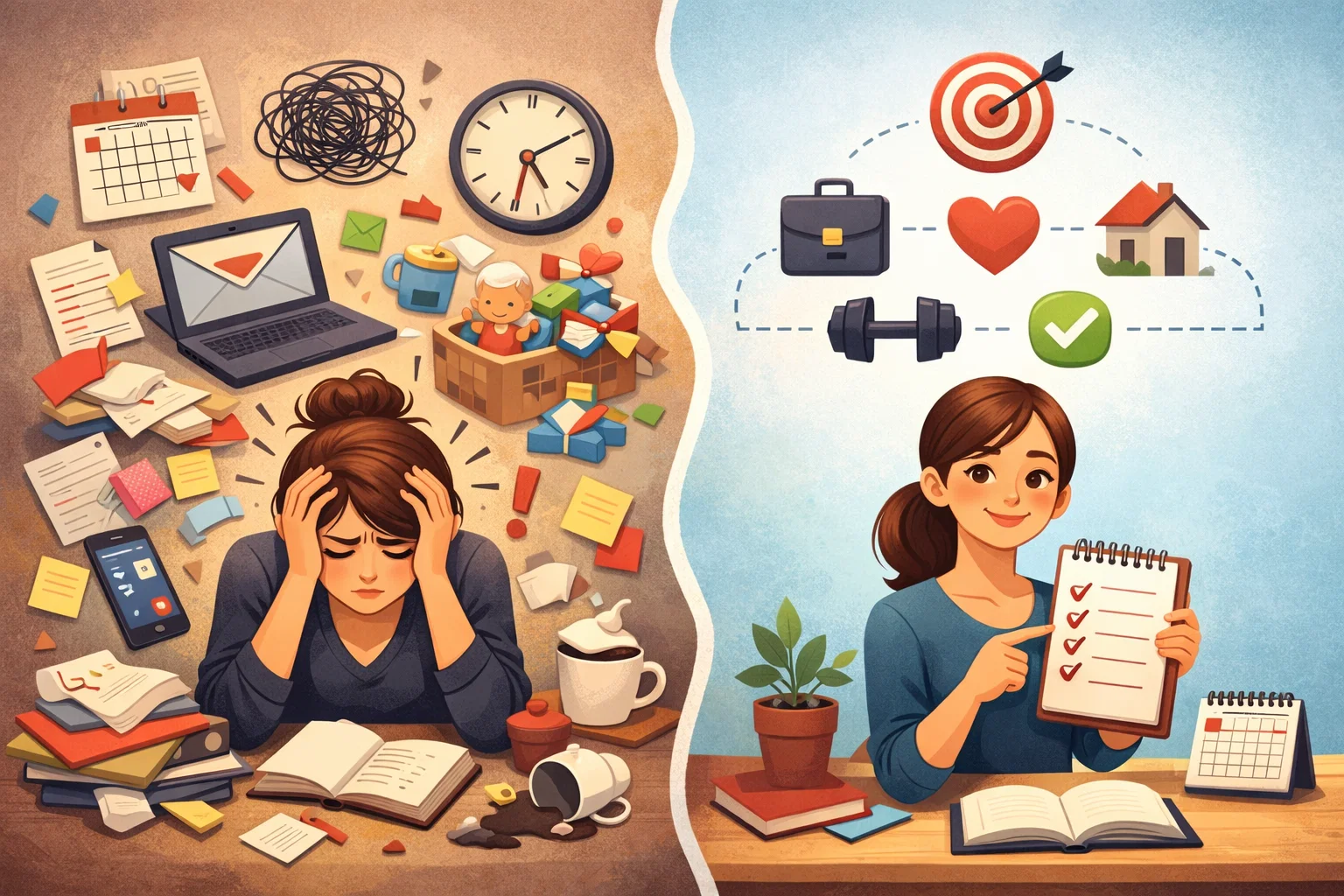
To effectively manage mental load, use the Eisenhower Matrix to prioritize tasks based on urgency and importance. Focus on what truly needs to get done immediately, delegate what can be handled by others, and eliminate non-essential activities.
Create a daily “Top 3” to-do list to tackle the most critical tasks first. When you’re carrying a heavy mental load, prioritizing helps reduce the mental clutter and ensures you focus on what truly matters. Learning to share the load with others is a good way to lighten your burden.
Learning to Say No and Let Go of Non-Essential Tasks
One of the most effective ways to reduce mental load is learning to say no to additional commitments and letting go of non-essential tasks. Evaluate your to-do list and identify tasks that you can eliminate or delegate to others.
Protecting your mental energy and time requires setting boundaries and avoiding overcommitment. If you often feel like you’re doing too much, learning to say no can free up valuable mental space and reduce mental stress. You often feel like you’re carrying a heavy mental load.
Step 5: Establish Routines and Systems

Daily and Weekly Routines to Reduce Decision Fatigue
Establishing daily and weekly routines is an essential strategy to reduce mental load and decision fatigue. By creating structured routines for recurring tasks, such as meal planning, household chores, and work-related activities, you reduce the mental effort required to make decisions.
When you automate these aspects of your life, you free up mental space to focus on more important or enjoyable activities. Managing mental load effectively starts with creating sustainable systems.
Automating Tasks to Free Mental Space
Automating tasks is an effective way to lighten the mental load and free up mental space. Utilize technology and tools to automate recurring activities, such as bill payments, email filtering, and social media scheduling.
By automating these tasks, you reduce the mental work involved in managing them manually. When you automate, it is easier to reduce the mental load and focus on essential tasks. Many apps can help automate tasks from your calendar.
Step 6: Practice Mindfulness and Stress Management

Meditation, Breathing Exercises, and Short Mindful Breaks
Practicing mindfulness and stress management techniques is crucial for managing mental load effectively. Incorporate meditation, breathing exercises, and short mindful breaks into your daily routine to reduce stress and promote mental clarity.
Taking just a few minutes each day to focus on your breath or engage in a mindful activity can significantly reduce the mental clutter and improve your overall well-being. Learning to share the load is important, but so is caring for yourself.
Journaling, Reflection, and Mental Unloading Techniques
Journaling, reflection, and mental unloading techniques can significantly reduce mental load and promote emotional well-being. Writing down your thoughts, feelings, and experiences in a journal can help externalize your mental clutter and gain clarity.
Regularly reflecting on your priorities, goals, and values can help you make more intentional decisions. Employ mental unloading techniques, such as brain dumps or mind mapping, to clear your mind and reduce mental stress. You don’t have to remember everything.
Step 7: Self-Care and Mental Recharge

Importance of Rest, Hobbies, and Leisure Activities
Prioritizing self-care is essential to recharge and effectively manage mental load. Rest, hobbies, and leisure activities play a crucial role in replenishing mental energy and preventing burnout. Make time for activities you enjoy, whether it’s reading, exercising, or spending time with loved ones.
When you’re carrying a heavy mental load, it’s easy to neglect your own needs, but prioritizing self-care is essential for long-term well-being. Taking care of yourself enables you to lighten the mental load. You don’t have to remember that!
Creating Micro-Moments of Calm in a Busy Day
Even small moments of calm can significantly impact mental load management. Incorporate micro-moments of relaxation into your busy day, such as deep breathing exercises, a short walk, or listening to calming music. These micro-moments provide a mental reset, reducing mental clutter and improving focus.
Managing mental load effectively includes prioritizing self-care and finding ways to integrate calm into your daily routine. Learning ways to share the mental load will create more time for these moments. You don’t have to carry all that mental work!
Step 8: Reevaluate and Maintain Healthy Boundaries

Avoiding Overcommitment and Protecting Your Mental Energy
To effectively manage mental load, it’s crucial to avoid overcommitment and protect your mental energy. Regularly reevaluate your commitments and identify tasks that are draining your energy.
Learning to say no to additional responsibilities and setting healthy boundaries can prevent burnout and maintain a balanced lifestyle. Recognize your limits and prioritize your well-being. Managing mental load also means protecting your mental space and sharing the load when possible. If you often feel like you’re carrying everything, step back.
Communicating Limits in Work and Personal Life
Communicating your limits in both work and personal life is essential for maintaining healthy boundaries and managing mental load. Clearly express your availability and capacity to take on additional tasks. Be assertive in setting boundaries and communicate them respectfully to colleagues, friends, and family.
Effective communication helps prevent overcommitment and ensures that others understand your limitations. This way, you don’t have to remember to protect your mental energy. It is important to share the mental load with others.
Conclusion: Taking Control of Your Mental Load
Taking control of your mental load is an ongoing journey that requires self-awareness, proactive strategies, and a commitment to self-care. By implementing the 10 tips outlined in this article, you can lighten the mental load, reduce stress, and reclaim your mental energy. Remember that you don’t have to do everything, and it’s okay to ask for help. Learning ways to share the mental load, prioritize tasks, and establish healthy boundaries are essential for achieving a balanced and fulfilling life. Learning to share the load is key to managing mental overload.