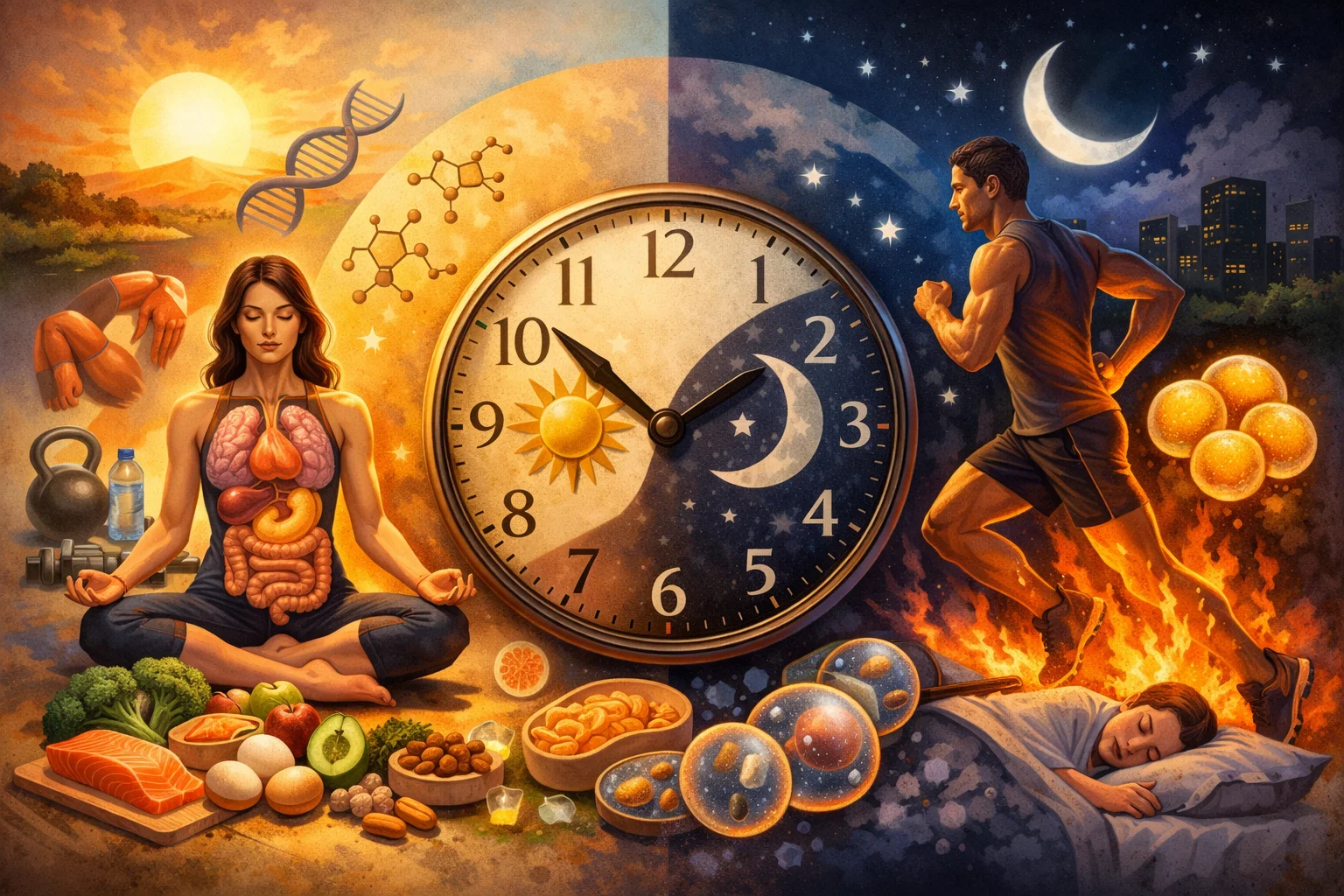
Confused about when to eat for optimal fat loss? This article dives deep into chrono-nutrition, explaining how meal timing and circadian rhythms impact your weight. Learn the science behind aligning food intake with your natural circadian clock for improved metabolic health and weight management.
What Is Chrono-Nutrition? (Simple Science Explained)
Definition and Core Concept of Chrono-Nutrition
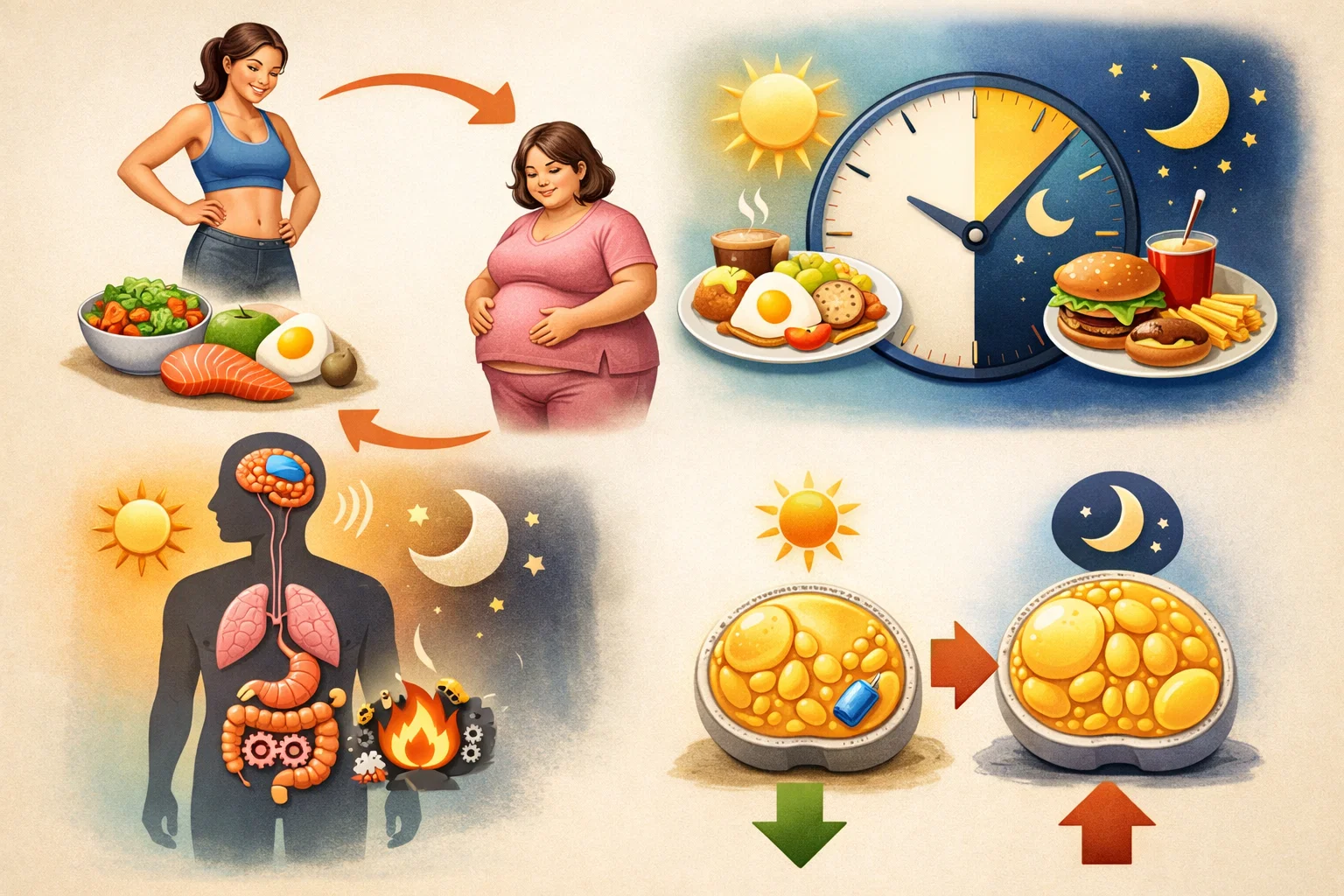
Chrono-nutrition centers on understanding how the timing of your meals influences your body’s metabolism. It emphasizes aligning food intake with your natural circadian rhythms to optimize energy balance and support healthy weight. This approach considers not just what you eat, but when you eat it.
How Your Body Clock Controls Metabolism
Your circadian clock, a master regulator, governs various bodily functions, including metabolism. Peripheral clocks in metabolic tissues, like the liver and muscles, synchronize with the main clock. Disruptions in this circadian rhythm, caused by things like late-night eating, can negatively affect your overall health and metabolic efficiency.
Why Timing Affects Energy Use and Fat Storage
The timing of food intake affects how your body utilizes energy and stores fat. Eating earlier in the day can lead to better energy balance, as your body is more efficient at processing food. In contrast, late eating can result in increased fat storage and potentially contribute to weight gain due to reduced metabolic function.
The Science of Your Body Clock and Metabolism
Understanding the Circadian Rhythm and Fat Burning
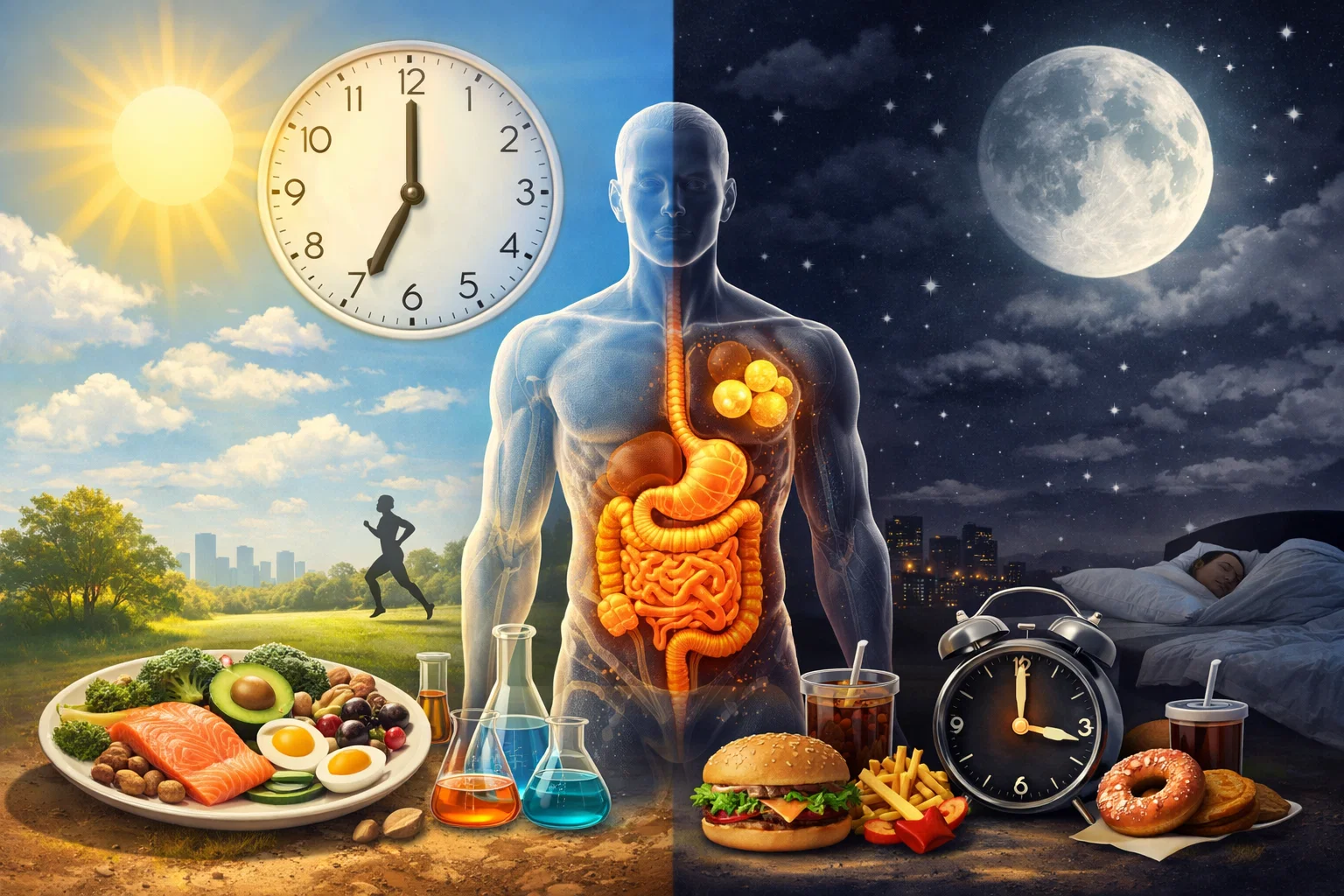
The circadian rhythm plays a crucial role in regulating fat burning processes. Aligning food intake with circadian rhythms optimizes metabolic functions, potentially enhancing fat loss. Disrupted circadian rhythms, however, can impair these processes, leading to reduced fat burning and potential weight gain, affecting your body weight.
Hormonal Changes Across the Day (Insulin, Cortisol, Melatonin)
Hormonal fluctuations throughout the day, such as insulin, cortisol, and melatonin, are influenced by your circadian clock. Meal timing affects these hormonal changes, which in turn can impact energy balance and weight regulation. Aligning meals with your natural circadian rhythms can optimize these hormonal responses and promote weight control.
How Digestion Speed Changes From Morning to Night
Digestion speed varies throughout the day due to changes in metabolic activity. Digestion is generally more efficient in the morning, while late-night eating can slow down digestion, leading to less efficient processing of food and potentially contributing to weight gain. This is related to the bidirectional relationship between the circadian system.
Does Eating Time Really Affect Fat Loss?

What Research Studies Say About Meal Timing and Weight
Research suggests that the timing of your meals can indeed influence weight management. Studies on chrono-nutrition reveal that aligning food intake with your circadian rhythm can optimize metabolic health and support fat loss. However, the extent of the impact depends on various factors, including the individual’s circadian clock and overall health.
Why Calories Still Matter More Than Timing
While chrono-nutrition highlights the importance of meal timing and circadian rhythms, it’s crucial to remember that calories remain a primary factor in weight regulation and metabolic health. Regardless of when you eat, consuming more calories than you burn will likely lead to weight gain. Therefore, focus on both caloric intake and meal timing for optimal results.
Where Meal Timing Gives You a Real Advantage
Meal timing offers a distinct advantage by helping regulate appetite, improve energy balance, and optimize metabolic function. Consistent meal timing can align your circadian clock, potentially enhancing fat loss and promoting healthy weight. In particular, eating earlier in the day may support better energy levels and reduce late-night eating, aiding overall weight control.
Best Times to Eat for Maximum Fat Burning

Morning Eating Window: Why Breakfast Supports Metabolism
The morning eating window is crucial as it sets the stage for the day’s metabolic processes. Eating earlier in the day, especially having an important meal of the day, supports metabolic health by jumpstarting your metabolism and improving insulin sensitivity. Breakfast helps regulate your circadian rhythm, promoting efficient energy use and fat burning throughout the day.
Midday Lunch: Peak Energy and Nutrient Efficiency
Midday lunch offers an opportunity to fuel your body during peak energy demands. Your body is typically more efficient at processing nutrients during this time, making it an ideal window for consuming a balanced meal. Aligning your lunch with your circadian clock can optimize energy levels and support healthy weight management.
Early Dinner: The Most Important Fat Loss Habit
An early dinner is often considered the most important fat loss habit in chrono-nutrition. Consuming your last meal several hours before bedtime aligns with your circadian rhythm, allowing your body to efficiently process food and utilize energy. Avoiding late-night eating supports better sleep quality and reduces the likelihood of fat storage, aiding weight loss.
Late-Night Eating: Why It Disrupts Fat Loss Progress
Late-night eating can significantly disrupt fat loss progress due to its misalignment with your circadian clock. When you eat late at night, your body is less efficient at processing food, leading to increased fat storage. Additionally, late eating can negatively impact sleep quality and disrupt hormonal balance, hindering overall weight regulation and metabolic health.
How Meal Timing Affects Hunger and Cravings

The Role of Ghrelin and Leptin in Appetite Control
Ghrelin and leptin, key hormones involved in appetite control, are influenced by meal timing. Ghrelin stimulates hunger, while leptin signals satiety. Aligning food intake with your circadian rhythm can help regulate these hormones, reducing cravings and promoting a more balanced appetite. Consistent meal timing supports better hormonal control and aids weight management.
Why Late Eating Leads to Overeating
Late eating often leads to overeating due to hormonal imbalances and decreased satiety. When you eat late at night, your body’s natural circadian rhythms are disrupted, affecting ghrelin and leptin levels. This can result in increased hunger and reduced feelings of fullness, making it more likely to consume excess calories and hinder fat loss efforts.
How Early Eating Improves Satiety and Control
Eating earlier in the day can improve satiety and control over food intake. Aligning your meals with your circadian clock helps regulate ghrelin and leptin, promoting better appetite control. By consuming your meals earlier, you can enhance feelings of fullness and reduce cravings, making it easier to maintain a caloric deficit and support weight loss.
The Hidden Impact of Late-Night Eating
Fat Storage vs Energy Use at Night
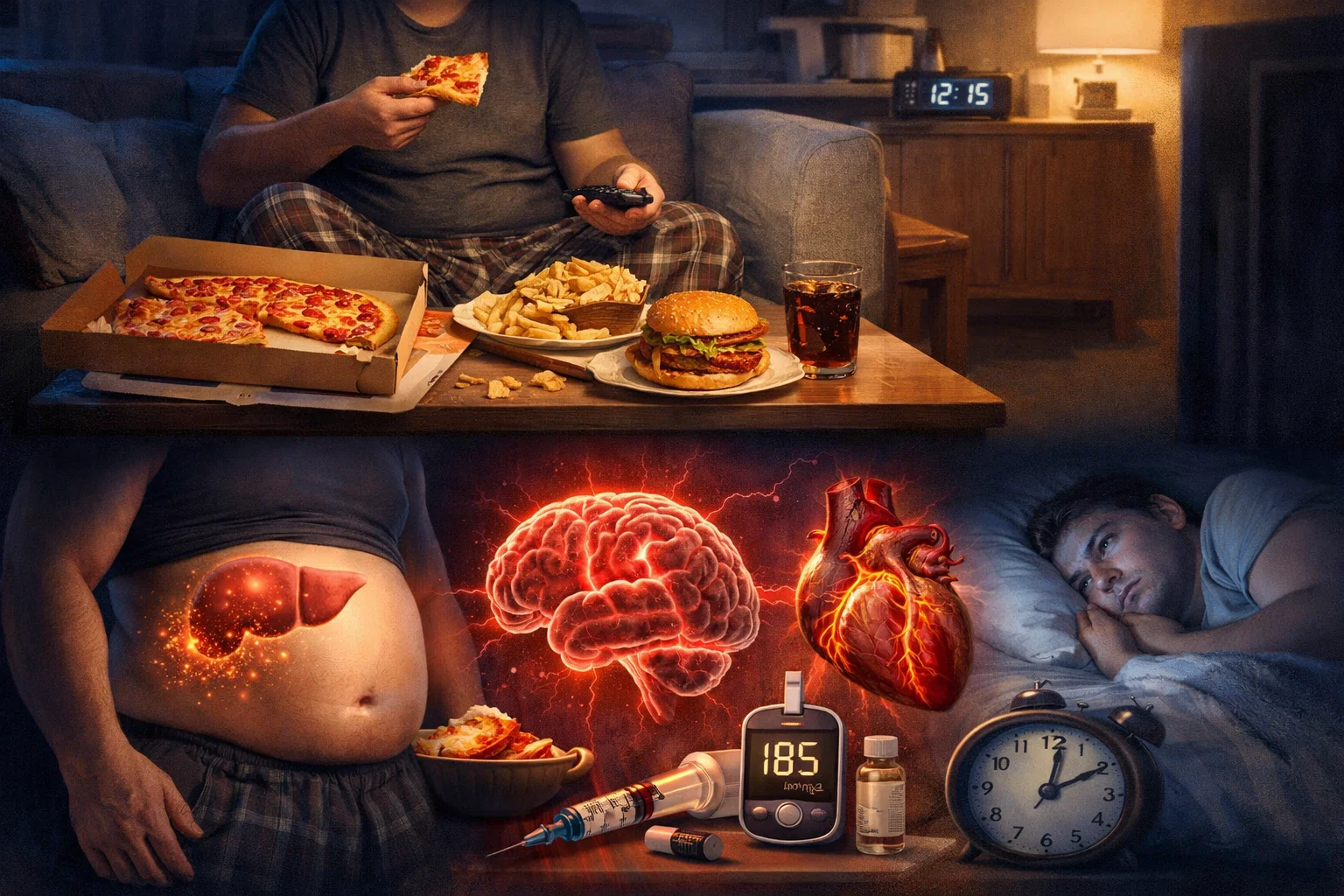
At night, your body’s metabolic processes slow down, leading to a shift from energy use to fat storage. When you consume food late at night, your body is less efficient at processing nutrients, increasing the likelihood of fat accumulation. Aligning your eating patterns with your circadian rhythm and avoiding late-night eating can optimize energy balance and reduce fat storage.
Sleep Quality and Its Effect on Weight Gain
Sleep quality is intimately linked to weight regulation and metabolic health. Late-night eating can disrupt sleep patterns and reduce sleep quality, leading to hormonal imbalances that promote weight gain. Poor sleep can also affect ghrelin and leptin levels, increasing appetite and cravings. Prioritizing sleep and avoiding late meals supports better weight control.
Blood Sugar Instability and Fat Accumulation
Late-night eating can cause blood sugar instability, further contributing to fat accumulation. Consuming meals late in the evening disrupts your circadian clock, leading to impaired insulin sensitivity and increased blood sugar levels. This can promote fat storage and hinder weight loss efforts. Aligning your eating patterns with your natural circadian rhythms helps stabilize blood sugar and reduce fat accumulation.
Why Chrono-Nutrition Works in Real Life

Better Insulin Sensitivity in the Morning
Chrono-nutrition is effective because insulin sensitivity is higher in the morning. Aligning your important meal of the day with your circadian rhythm enhances metabolic health and energy balance. Eating earlier in the day optimizes glucose metabolism, supporting fat loss and healthy weight management. With enhanced insulin sensitivity, your body uses nutrients efficiently.
Reduced Snacking and Calorie Intake Naturally
Following chrono-nutrition principles can naturally reduce snacking and calorie intake. Consistent meal times regulate appetite hormones, promoting better satiety. This leads to decreased late-night eating and unplanned eating patterns, resulting in fewer calories consumed throughout the day. By aligning with your natural circadian rhythms, you gain better control over food intake.
Improved Energy Levels and Daily Performance
Chrono-nutrition enhances energy levels and daily performance. Consistent meal timing and circadian alignment optimize metabolic health and energy balance. Eating earlier in the day supports stable blood sugar levels and sustained energy. Avoiding late-night eating improves sleep quality, leading to better physical and mental performance, impacting positively your overall health.
Common Mistakes People Make With Meal Timing Diets

Extreme Fasting or Skipping Meals Incorrectly
One common mistake is extreme fasting or skipping meals incorrectly. Drastically restricting food intake can disrupt your circadian rhythm and metabolic health, leading to negative effects. It’s essential to balance intermittent fasting with consistent meal times aligned with your circadian clock. Avoid skipping meals, especially breakfast, to maintain energy balance.
Ignoring Total Calories While Focusing Only on Timing
Another mistake is ignoring total calories while focusing solely on timing. While chrono-nutrition emphasizes aligning food intake with your circadian rhythm, calories still matter for weight regulation. Ensure you maintain a caloric deficit for fat loss, regardless of when you eat. Balance your meal times with appropriate portion sizes to achieve weight control.
Overcomplicating Eating Schedules
Overcomplicating eating schedules can hinder the effectiveness of chrono-nutrition. Simple, consistent meal times are easier to adhere to and more effective for aligning with your circadian clock. Avoid creating overly restrictive or complex eating patterns that disrupt your natural circadian rhythms. Prioritize sustainable meal times for consistent results.
Simple Fat-Loss Eating Schedule Based on Science
Ideal Daily Meal Timing Breakdown (Morning to Night)
Here’s an ideal daily meal timing breakdown to support your health and wellness. It involves several key strategies, including:
- A nutritious breakfast to kickstart your metabolism, aligning with your circadian rhythm.
- A balanced lunch providing sustained energy.
- An early dinner to support optimal digestion.
Following these guidelines and avoiding late-night eating can prevent fat storage and promote better sleep, supporting fat loss and healthy weight.
What to Eat at Each Time of Day for Best Results
For better weight management, carefully consider your meal composition. Here’s a simple guideline:
| Meal | Focus |
|---|---|
| Breakfast | Protein and complex carbohydrates |
| Lunch | Lean protein, vegetables, and whole grains |
| Dinner | Lighter, emphasizing lean protein and vegetables |
By carefully considering what to eat at each meal time, you can support metabolic health, circadian alignment, and sustained energy levels.
How to Adjust Meal Timing for Your Lifestyle
Adjusting meal timing for your lifestyle involves aligning your eating patterns with your work schedule and social commitments while respecting your circadian clock. Prioritize consistent meal times, even on weekends, to maintain circadian alignment. If you work late, consider smaller, earlier dinners. By adapting meal timing to your daily routine, you enhance adherence to chrono-nutrition for weight control.
Who Benefits Most From Chrono-Nutrition?
Chrono-nutrition benefits individuals seeking better metabolic health, improved energy balance, and effective weight management. It is particularly useful for those with disrupted circadian rhythms, such as shift workers or those with irregular sleep patterns. People with type 2 diabetes may also find chrono-nutrition helpful in regulating blood sugar levels. By aligning food intake with their circadian clock, these individuals can achieve significant improvements in overall health and well-being.
Final Verdict: The Truth About Eating Time and Fat Loss
In conclusion, the timing of your meals significantly impacts fat loss. Chrono-nutrition, by aligning food intake with your circadian rhythm, optimizes metabolic health and energy balance. While calories still matter, consistent meal timing enhances weight regulation and metabolic function. Embrace the principles of chrono-nutrition for improved fat loss, enhanced energy levels, and a healthier lifestyle, while minding the weight gain.