In a world that often celebrates relentless productivity and outward success, an invisible struggle silently afflicts many high achievers: high-functioning anxiety. This condition allows individuals to maintain an appearance of calm and capability while internally battling intense worry and stress.
The Invisible Struggle Behind a “Successful” Appearance

Why many high achievers feel overwhelmed but appear fine
Many high achievers often feel profoundly overwhelmed, yet they meticulously conceal their internal struggle, projecting an image of unwavering competence and control in both professional and personal spheres, often to their own detriment and increased anxiety.
The rise of hidden anxiety in modern performance culture
The relentless demands of modern performance culture have unfortunately fueled the rise of hidden anxiety, where individuals are constantly pressured to excel, leading to a profound internal struggle that remains largely unseen by others.
Why this topic is trending in mental health discussions
This critical topic is trending in mental health discussions because many people with high-functioning anxiety are finally seeking answers, recognizing their own experiences in a condition that validates their unique combination of outward success and profound internal distress.
What Is High-Functioning Anxiety?

Definition and how it differs from general anxiety
High-functioning anxiety is not an official anxiety disorder diagnosis but rather a recognized pattern of behavior where individuals experience significant anxiety symptoms while maintaining a seemingly normal and productive life, distinguishing it from more visible forms of anxiety like generalized anxiety disorder.
Why it is not an official diagnosis but a recognized pattern
While high-functioning anxiety is not an official diagnosis in the Diagnostic and Statistical Manual of Mental Disorders (DSM-5), it is a widely recognized pattern of behavior among mental health professionals that accurately describes how many people with high-functioning anxiety cope with their internal struggles, making it a valuable concept for understanding this form of anxiety.
The difference between functioning and feeling well
The crucial distinction in high-functioning anxiety lies between merely functioning effectively and genuinely feeling well, as many people with high-functioning anxiety are often perceived as highly capable, yet their internal experience is fraught with persistent worry, stress, and a lack of true emotional peace.
Understanding High-Functioning Anxiety Symptoms

Constant overthinking and mental noise
Individuals with high-functioning anxiety frequently experience constant overthinking and pervasive mental noise, where their minds are perpetually racing with worries, scenarios, and self-criticism, making it incredibly challenging to find moments of quietude and mental calm.
Perfectionism and fear of failure
Perfectionism, coupled with an intense fear of failure, is a hallmark of high-functioning anxiety, driving individuals to meticulously over-prepare and tirelessly strive for flawlessness, often at the expense of their well-being and genuine satisfaction, constantly pushing themselves to avoid perceived inadequacies.
Over-preparation and inability to relax
Over-preparation becomes a dominant coping mechanism for people with high-functioning anxiety, stemming from an underlying fear of failure, which unfortunately often leads to an inability to truly relax, as their minds remain hyper-vigilant, constantly anticipating potential problems and feeling anxious about what might go wrong.
Appearing calm while feeling internal tension
One of the most defining characteristics of high-functioning anxiety is the ability to appear remarkably calm and collected on the surface, even while experiencing intense internal tension, a profound internal struggle where visible forms of anxiety are skillfully masked, making it difficult for others to recognize the true extent of their anxiety symptoms.
Why You Look Fine But Feel Overwhelmed

Masking emotions in professional and social settings
Many people with high-functioning anxiety are highly skilled at masking emotions in professional and social settings, meticulously hiding their internal struggle and anxiety symptoms to maintain an appearance of capability and composure, often leading to a profound sense of isolation despite their outward success.
Pressure to appear capable and in control
The intense pressure to appear capable and in control is a significant driving force for individuals with high-functioning anxiety, as they strive to meet high expectations from others and themselves, leading to a constant vigilance that further exacerbates their internal tension and makes it challenging to seek help.
Emotional suppression and “high performance” behavior
Emotional suppression is a common coping mechanism associated with high-functioning anxiety, where individuals stifle their true feelings to maintain a facade of “high performance” behavior, believing that expressing vulnerability might undermine their perceived competence, ultimately contributing to burnout and a reduced quality of life.
The Psychology Behind High-Functioning Anxiety

Fight-or-flight response and chronic stress activation
The foundation of high-functioning anxiety often lies in a perpetually activated fight-or-flight response, leading to chronic stress activation where the body and mind are constantly on high alert, even in the absence of immediate danger, distinguishing this form of anxiety from more acute, temporary stress.
The role of perfectionism and control behavior
Perfectionism plays a crucial role in the psychology of high-functioning anxiety, as individuals with high-functioning anxiety often believe that flawless performance is the only way to prevent negative outcomes, leading to intense control behavior and a heightened internal struggle as they meticulously try to manage every aspect of their lives.
Cognitive overload and mental exhaustion cycle
A significant aspect of high-functioning anxiety is the pervasive cognitive overload, where the constant overthinking and planning lead to a relentless mental exhaustion cycle, making it difficult for people with high-functioning anxiety to truly rest their minds and contributing to both physical and mental fatigue over time.
Causes of High-Functioning Anxiety in Modern Life
Work pressure and hustle culture expectations
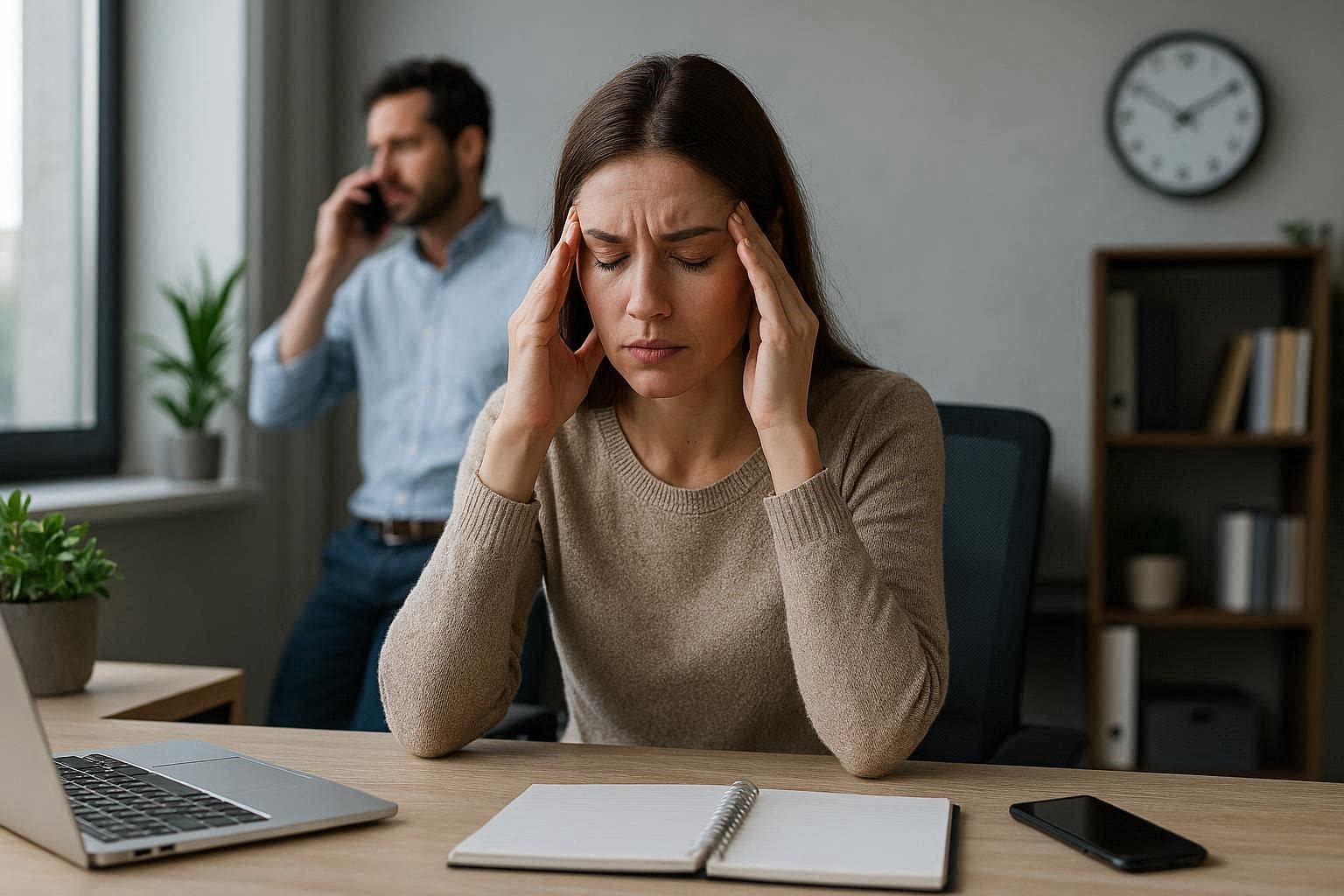
Modern work pressure and the pervasive hustle culture expectations are significant drivers for many people with high-functioning anxiety, as the constant demand for productivity and success fuels their internal struggle, often pushing them to experience anxiety symptoms while maintaining an outward appearance of unwavering competence and dedication.
Social media comparison and identity pressure
The relentless stream of social media comparison and the accompanying identity pressure exacerbate high-functioning anxiety, as individuals are constantly exposed to curated images of success and perfection, leading to increased feelings of inadequacy and a profound internal struggle to meet perceived standards, distinguishing it from general anxiety disorder.
Fear of failure and success maintenance anxiety
A deep-seated fear of failure, coupled with the anxiety of success maintenance, is a primary cause for many individuals with high-functioning anxiety, where the achievement of goals only shifts their focus to the pressure of sustaining that success, perpetuating a cycle of worry and making it hard to manage high-functioning anxiety effectively.
Childhood conditioning and achievement-based validation
Childhood conditioning, particularly experiences involving achievement-based validation, significantly contributes to the development of high-functioning anxiety, as individuals learn early on that their worth is tied to their accomplishments, leading to a lifelong pursuit of external validation and a heightened susceptibility to anxiety symptoms.
How High-Functioning Anxiety Affects Daily Life

Productivity driven by stress rather than motivation
For many people with high-functioning anxiety, productivity is often driven by an underlying current of stress and fear, rather than genuine motivation or enjoyment, transforming daily tasks into sources of anxious internal struggle and making it challenging to experience the intrinsic satisfaction of accomplishment.
Difficulty resting without guilt or overthinking
A pervasive difficulty resting without guilt or incessant overthinking is a hallmark of how high-functioning anxiety impacts daily life, as individuals feel compelled to always be productive, and any moment of leisure is often overshadowed by mental noise and feelings of unworthiness, exacerbating their anxiety symptoms.
Struggles with emotional balance and relaxation
Individuals with high-functioning anxiety frequently struggle with achieving true emotional balance and deep relaxation, as their minds are often locked in a state of hyper-vigilance, making it incredibly challenging to calm their nervous system and leading to persistent physical symptoms of stress, even during attempts to unwind.
The Hidden Costs of High-Functioning Anxiety

Burnout and emotional exhaustion over time
One of the most significant hidden costs of high-functioning anxiety is the inevitable burnout and profound emotional exhaustion that accumulates over time, as the relentless internal struggle and constant pressure to perform eventually deplete mental and physical resources, making it difficult to maintain the outward facade.
Sleep problems and physical stress symptoms
High-functioning anxiety often manifests through persistent sleep problems, including difficulty falling or staying asleep, and a range of other physical stress symptoms such as headaches, muscle tension, and digestive issues, all of which contribute to a reduced quality of life and further exacerbate the anxiety symptoms.
Reduced creativity and long-term mental fatigue
The continuous cognitive overload and chronic stress associated with high-functioning anxiety lead to reduced creativity and pervasive long-term mental fatigue, as the mind is too occupied with managing anxious thoughts and maintaining control to engage in innovative thinking or experience genuine mental clarity.
Why It Often Goes Unrecognized

Society rewards productivity and hides internal struggle
High-functioning anxiety often goes unrecognized precisely because society inadvertently rewards the very behaviors that mask it, valuing productivity and outward success while simultaneously overlooking or even encouraging the suppression of internal struggle and anxiety symptoms, creating an environment where people with high-functioning anxiety rarely seek help.
Misinterpretation as ambition or discipline
The meticulousness, over-preparation, and relentless drive of people with high-functioning anxiety are frequently misinterpreted as pure ambition or exceptional discipline, rather than as coping mechanisms for deep-seated anxious thoughts, making it incredibly difficult for others, and sometimes even themselves, to identify the true nature of their internal struggle.
Lack of visible symptoms compared to other anxiety forms
A primary reason high-functioning anxiety often remains unrecognized is the distinct lack of visible symptoms compared to more commonly understood forms of anxiety, as individuals skillfully hide their internal experience, meaning that the outward presentation rarely aligns with the profound anxious distress they feel, unlike generalized anxiety disorder where physical symptoms may be more apparent.
High-Functioning Anxiety vs Healthy High Performance

Stress-driven productivity vs balanced productivity
Distinguishing stress-driven productivity from balanced productivity is crucial when discussing high-functioning anxiety, as many people with high-functioning anxiety are propelled by a pervasive internal struggle and the avoidance of anxious feelings, while healthy high performance stems from intrinsic motivation and a sustainable approach, emphasizing well-being alongside achievement.
Emotional stability vs constant internal pressure
The stark contrast between emotional stability and constant internal pressure highlights a key difference, as individuals with high-functioning anxiety often experience persistent anxious thoughts and a relentless drive, whereas healthy high performers exhibit greater resilience, maintaining emotional balance and a stronger ability to manage high-functioning anxiety and its associated symptoms.
Sustainability of performance over time
Considering the sustainability of performance over time reveals the insidious nature of high-functioning anxiety, where the constant reliance on coping mechanisms and the suppression of anxiety symptoms eventually lead to burnout and a reduced quality of life, unlike healthy high performance, which is built on practices that foster long-term well-being and consistent output.
How to Manage High-Functioning Anxiety Effectively
Building awareness of emotional patterns
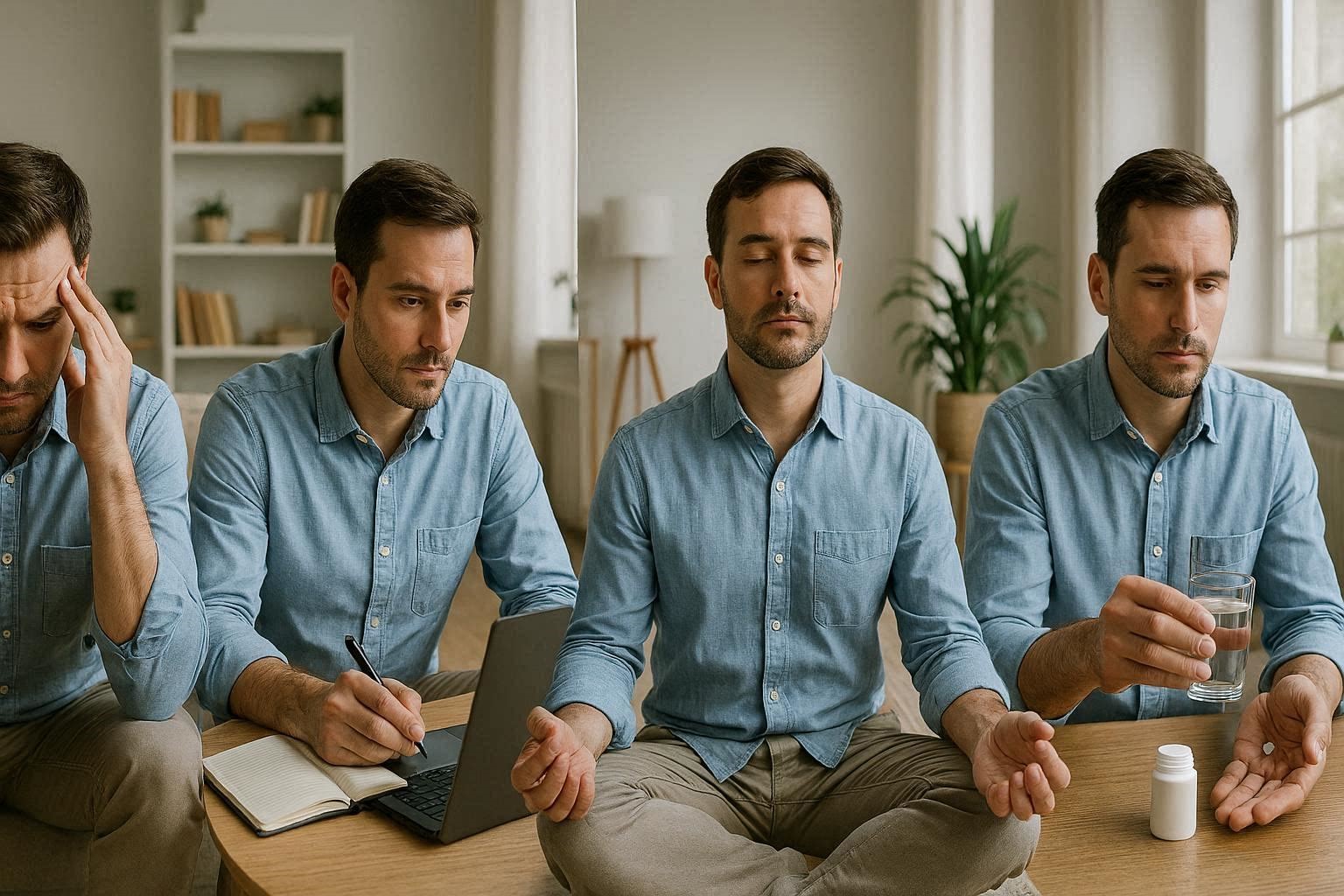
Building awareness of emotional patterns is a foundational step for many people with high-functioning anxiety, as it involves recognizing the specific triggers, anxious thoughts, and physical symptoms that indicate their internal struggle, allowing them to better understand their unique form of anxiety and begin to manage high-functioning anxiety more proactively.
Practicing rest without guilt or pressure
For individuals with high-functioning anxiety, practicing rest without guilt or external pressure is a vital yet challenging endeavor, as their perfectionism and fear of failure often lead them to believe that downtime is unproductive; however, intentionally scheduling and embracing rest is crucial for mitigating burnout and improving overall quality of life.
Setting boundaries in work and digital life
Setting firm boundaries in both work and digital life is an essential strategy for people with high-functioning anxiety, as it helps to reduce the cognitive overload and constant external pressures that fuel their anxious thoughts, thereby creating necessary mental space and allowing them to address their anxiety symptoms more effectively.
Mindfulness and nervous system regulation techniques
Integrating mindfulness and nervous system regulation techniques can significantly help people with high-functioning anxiety, providing tools to calm the constantly activated fight-or-flight response, reduce pervasive anxious feelings, and mitigate physical symptoms, thereby improving their ability to cope with high-functioning anxiety and fostering greater emotional stability.
Lifestyle Changes That Help Reduce Hidden Anxiety

Slowing down productivity cycles (slow living approach)
Adopting a slow living approach by intentionally slowing down productivity cycles can profoundly benefit people with high-functioning anxiety, as it directly counteracts the hustle culture that often exacerbates their internal struggle, allowing for more thoughtful engagement and reducing the pressure that contributes to their anxiety symptoms.
Reducing comparison through social media limits
Reducing comparison, particularly through strict social media limits, is a critical lifestyle change for many people with high-functioning anxiety, as constant exposure to curated perfection often fuels their anxious thoughts and feelings of inadequacy, making it harder to manage high-functioning anxiety effectively and undermining their quality of life.
Prioritizing sleep, recovery, and mental breaks
Prioritizing consistent sleep, dedicated recovery periods, and regular mental breaks are non-negotiable lifestyle changes for people with high-functioning anxiety, directly addressing the physical symptoms and chronic stress that contribute to burnout, and allowing the nervous system to regulate, thus mitigating their anxious tendencies and improving overall well-being.
When to Seek Help
Signs that anxiety is affecting daily functioning
It is important to seek help when the signs of high-functioning anxiety clearly indicate that the anxiety symptoms are significantly affecting daily functioning, such as persistent sleep problems, impaired relationships, or a pervasive inability to enjoy life, even if outward success remains visible to others, as this signals a need for professional support.
Therapy, coaching, and mental health resources
Exploring therapy, coaching, and a range of other mental health resources is highly recommended for people with high-functioning anxiety, as these avenues provide specialized strategies and support to navigate the complex internal struggle, offering techniques to manage anxious thoughts and move beyond mere coping to genuine emotional well-being.
Why seeking help is a strength, not weakness
Understanding why seeking help is a profound strength, not a weakness, is crucial for people with high-functioning anxiety, as it challenges the ingrained belief that vulnerability is a flaw; instead, reaching out to a mental health professional demonstrates courage and a commitment to improving one’s quality of life and effectively addressing anxiety symptoms.
Conclusion: You Don’t Have to Look Broken to Need Support
Ultimately, the journey of understanding high-functioning anxiety reveals that an outward appearance of unwavering competence does not negate a profound internal struggle, and recognizing that you don’t have to look broken to need support is the first crucial step towards managing this form of anxiety and fostering genuine well-being, moving beyond mere coping mechanisms to a truly balanced and fulfilling life.