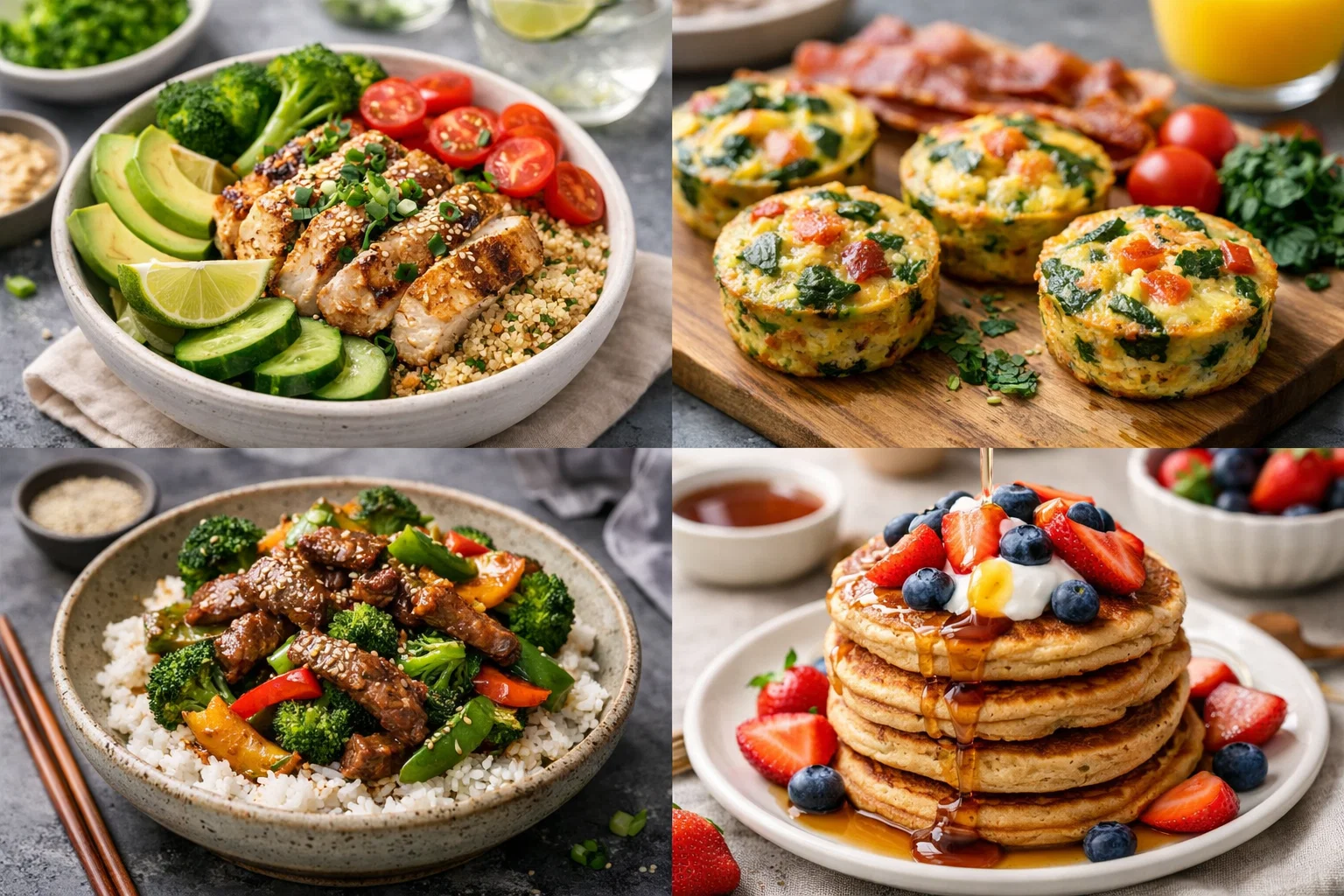
Are you looking to boost your protein intake without sacrificing taste or spending hours in the kitchen? This article is your guide to incorporating high-protein recipes into your daily routine, making it both simple to make and incredibly delicious and healthy. Get ready to discover how easy it is to enjoy high-protein meals!
Why High-Protein Eating Doesn’t Have to Be Complicated or Boring
The biggest myths about high-protein diets (and what’s actually true)
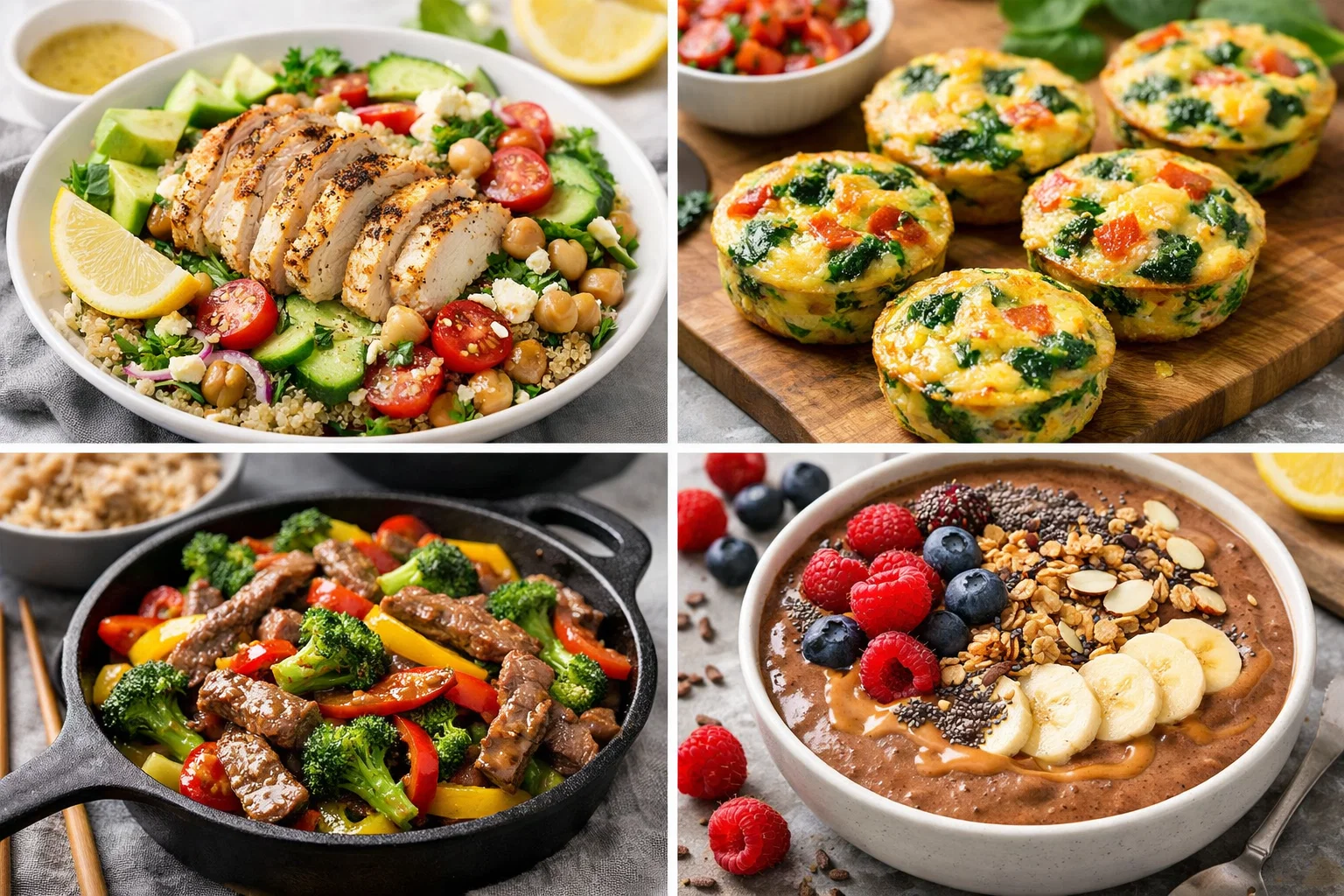
Many believe that high-protein diets are all about bland chicken and protein powder, but that’s far from the truth! This article debunks myths surrounding high-protein recipes, revealing how easy it is to enjoy varied, delicious and healthy meals packed with protein without sacrificing flavor or satisfaction.
How protein supports fat loss, muscle tone, and long-lasting energy
Protein is essential for fat loss, muscle tone, and sustained energy throughout the day. Incorporating high protein dinner options and easy high-protein breakfasts can help you feel full longer, supporting weight management and providing a steady energy flow, perfect for meal prep.
The Science Behind Protein: Why Your Body Needs It Daily
Protein’s role in muscle repair, metabolism, and hormone balance
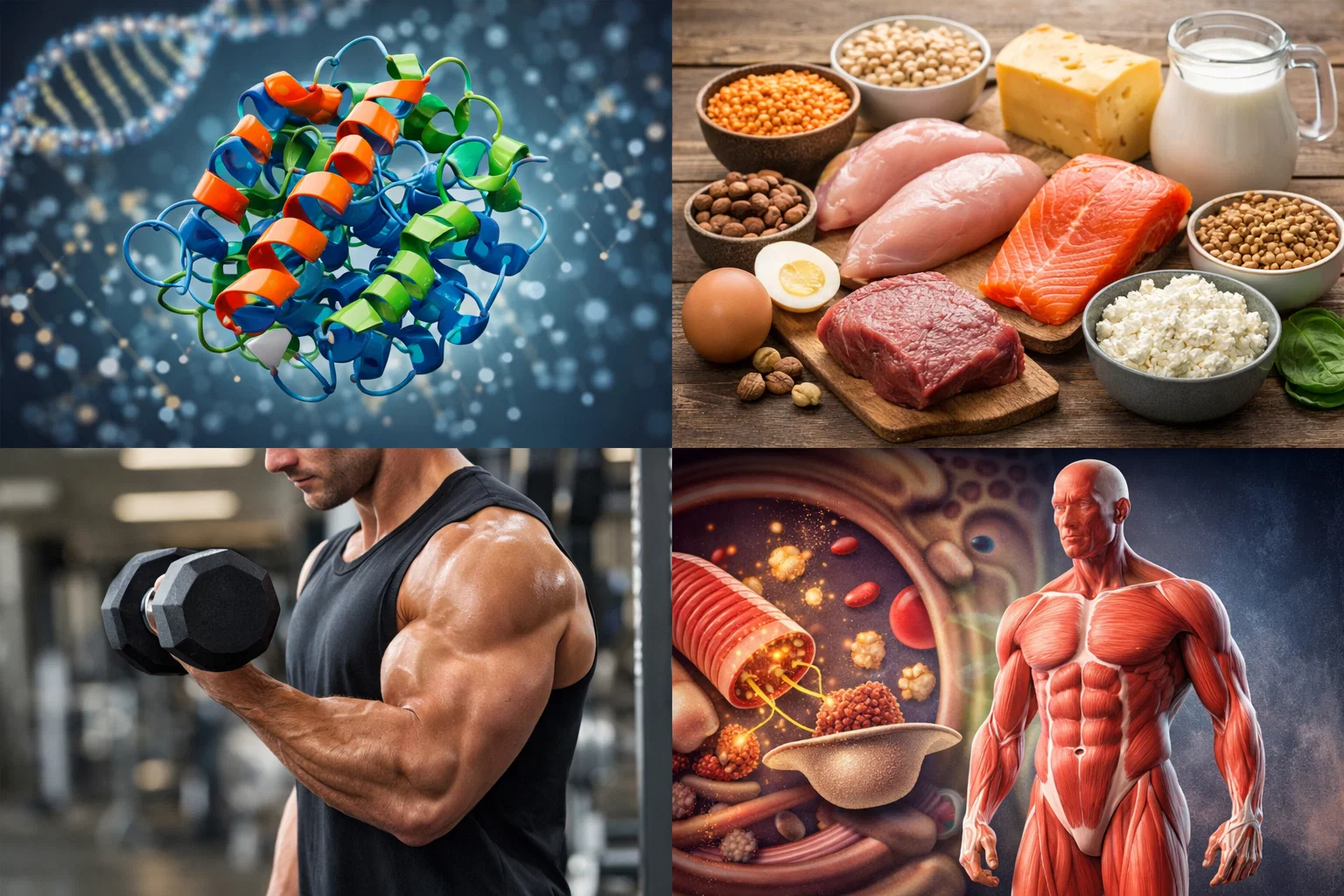
Protein plays a vital role in muscle repair, boosting metabolism, and maintaining hormone balance. Consuming adequate protein sources daily ensures your body functions optimally. A high-protein meal contributes significantly to these processes, aiding overall health and well-being.
How much protein you actually need per day (simple breakdown)
Determining your daily protein needs is simpler than you think. A general guideline is to aim for around 0.8 grams of protein per kilogram of body weight. For those more active, the requirement can increase. Understanding this breakdown makes high protein meal planning easier and more effective.
Best protein sources: animal-based vs plant-based options
Both animal-based and plant-based protein sources offer unique benefits. When looking at specific examples, we can consider these options:
- Lean meats, dairy, and eggs as excellent animal sources
- Lentils, chickpeas, and quinoa as fantastic plant-based options
Variety ensures a well-rounded intake of essential amino acids for optimal health, perfect for a high-protein diet.
Recipe #1: High-Protein Greek Yogurt Power Bowl
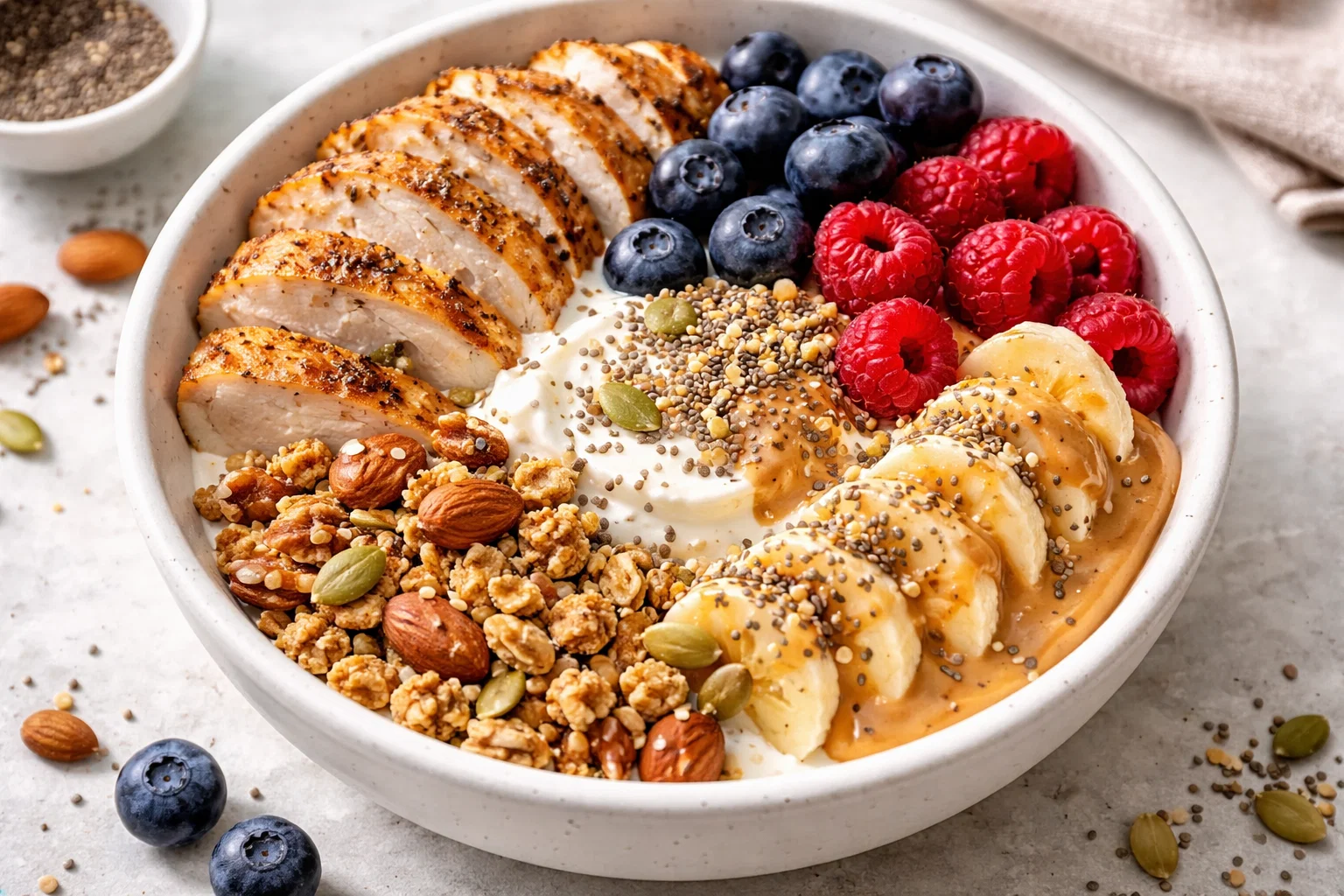
Ingredients for a quick, nutrient-dense breakfast or snack
Here’s what makes this Greek yogurt power bowl so great for a quick and healthy meal: it relies on a few simple components. You’ll typically find:
- Greek yogurt (packed with protein)
- Berries, nuts or seeds, and a drizzle of honey
It’s ready in minutes or less!
Protein-boosting toppings (nuts, seeds, berries, honey alternatives)
Here’s how you can elevate your high-protein recipes using Greek yogurt:
- Boost the protein content with toppings like chia seeds, flax seeds, almonds, or walnuts.
- Add antioxidants and natural sweetness with berries.
- Replace honey with a touch of stevia or agave for a lower-sugar option.
Why this recipe supports gut health and satiety
Greek yogurt is an excellent source of probiotics, supporting gut health, while the high protein content keeps you feeling full and satisfied. The combination of protein and fiber from berries and nuts promotes digestive wellness, making this a delicious and healthy choice.
Recipe #2: Fluffy Veggie Egg Omelet (Protein-Packed Breakfast)
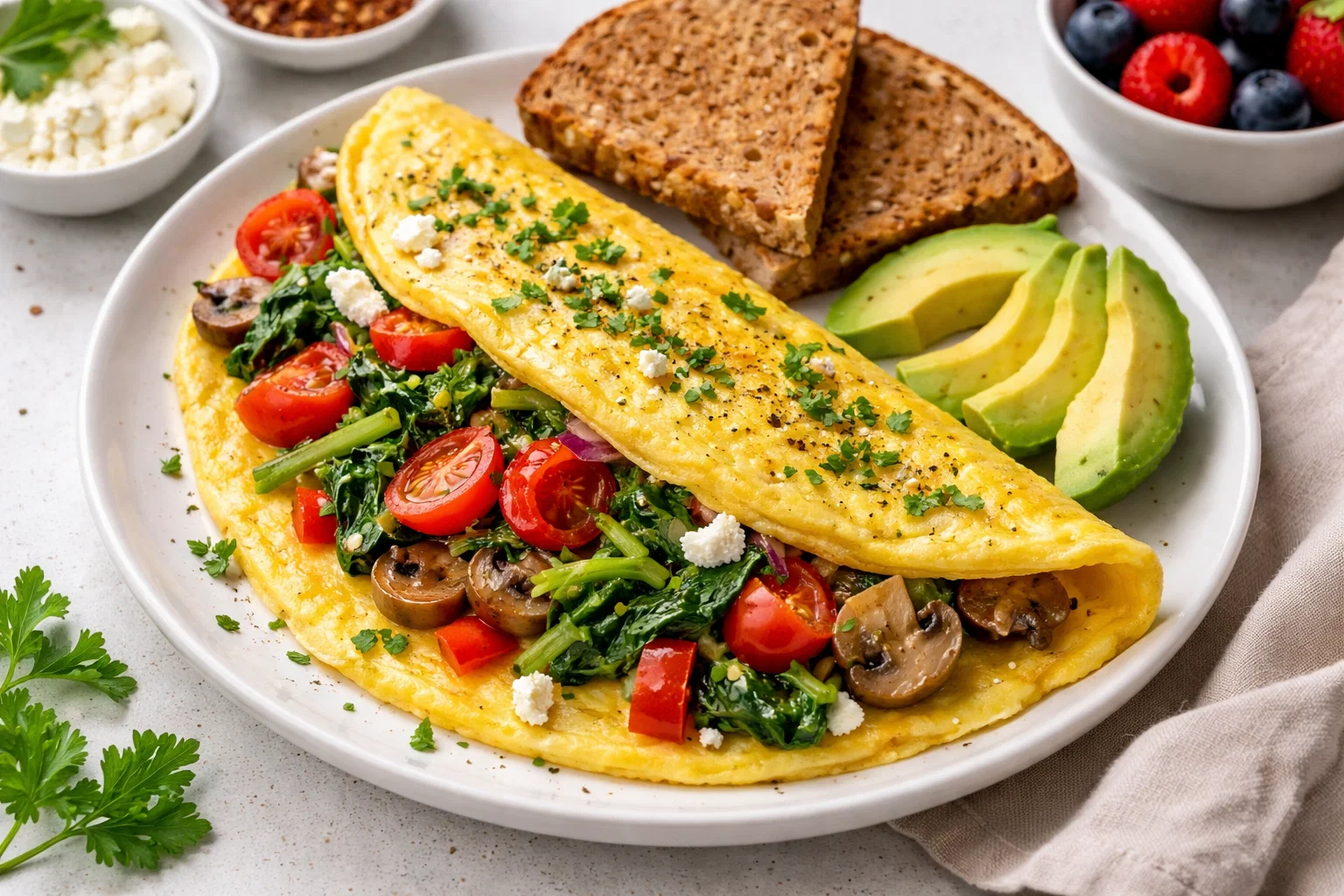
Best vegetables to boost nutrients and flavor
Enhance your egg omelet with nutrient-packed vegetables like spinach, bell peppers, mushrooms, and onions. These vegetables not only boost the nutritional value of your high-protein breakfast but also add flavor and texture, making it a more satisfying, delicious, and healthy meal.
How to increase protein without adding extra calories
To increase the protein content of your omelet without adding extra calories, consider adding egg whites or a sprinkle of nutritional yeast. These additions provide a significant protein boost without significantly impacting the calorie count, enhancing your easy high-protein options.
Meal prep tips for busy mornings
For busy mornings, chop your vegetables in advance and store them in an airtight container. You can also whisk the eggs and store them in the refrigerator overnight, ensuring a quick and easy high-protein breakfast is ready in minutes or less. These meal prep steps save valuable time.
Recipe #3: Grilled Chicken & Quinoa Protein Bowl
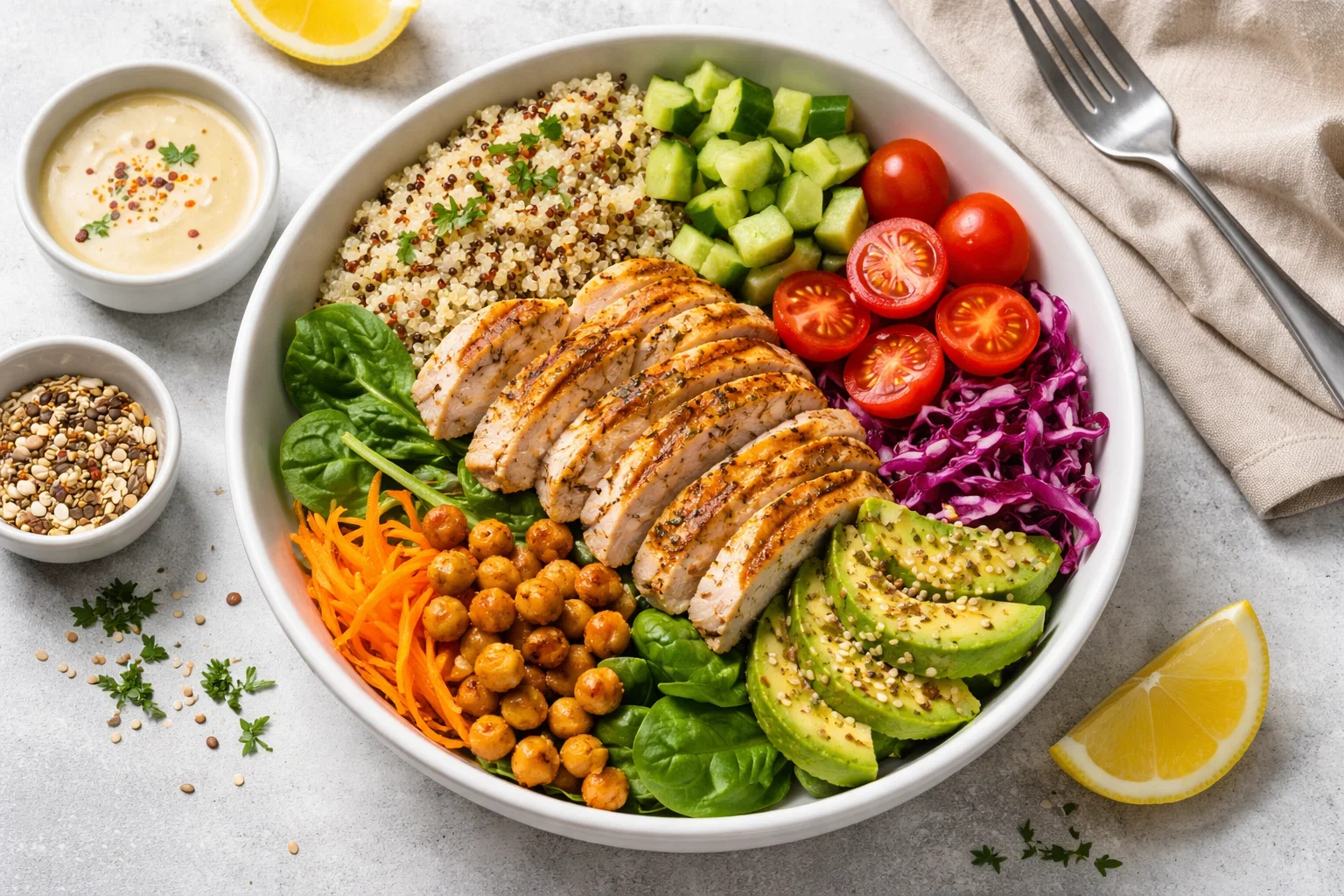
Balanced macros: protein, fiber, and healthy carbs
This high-protein dinner features grilled chicken, quinoa, and a variety of vegetables to ensure a balanced intake of protein, fiber, and healthy carbs. Each bowl provides approximately 30 grams of protein, making it a perfect choice for those seeking a delicious and healthy meal. Quinoa is packed with protein and fiber.
Easy seasoning blends for flavor without extra calories
Enhance the flavor of your chicken and quinoa bowl with easy seasoning blends such as garlic powder, paprika, and herbs like cilantro or parsley. These additions boost the taste without adding extra calories, making this high-protein meal both delicious and healthy. Use lean protein sources in this easy meal.
Meal prep strategy for 3–5 days ahead
Prepare grilled chicken and quinoa in advance to create a meal prep strategy for 3–5 days. Store the ingredients separately in airtight containers and assemble the bowls when ready to eat. This makes weeknight dinner a breeze and ensures you have a high protein, delicious and healthy dinner ready in minutes or less.
Recipe #4: Garlic Shrimp & Vegetable Skillet
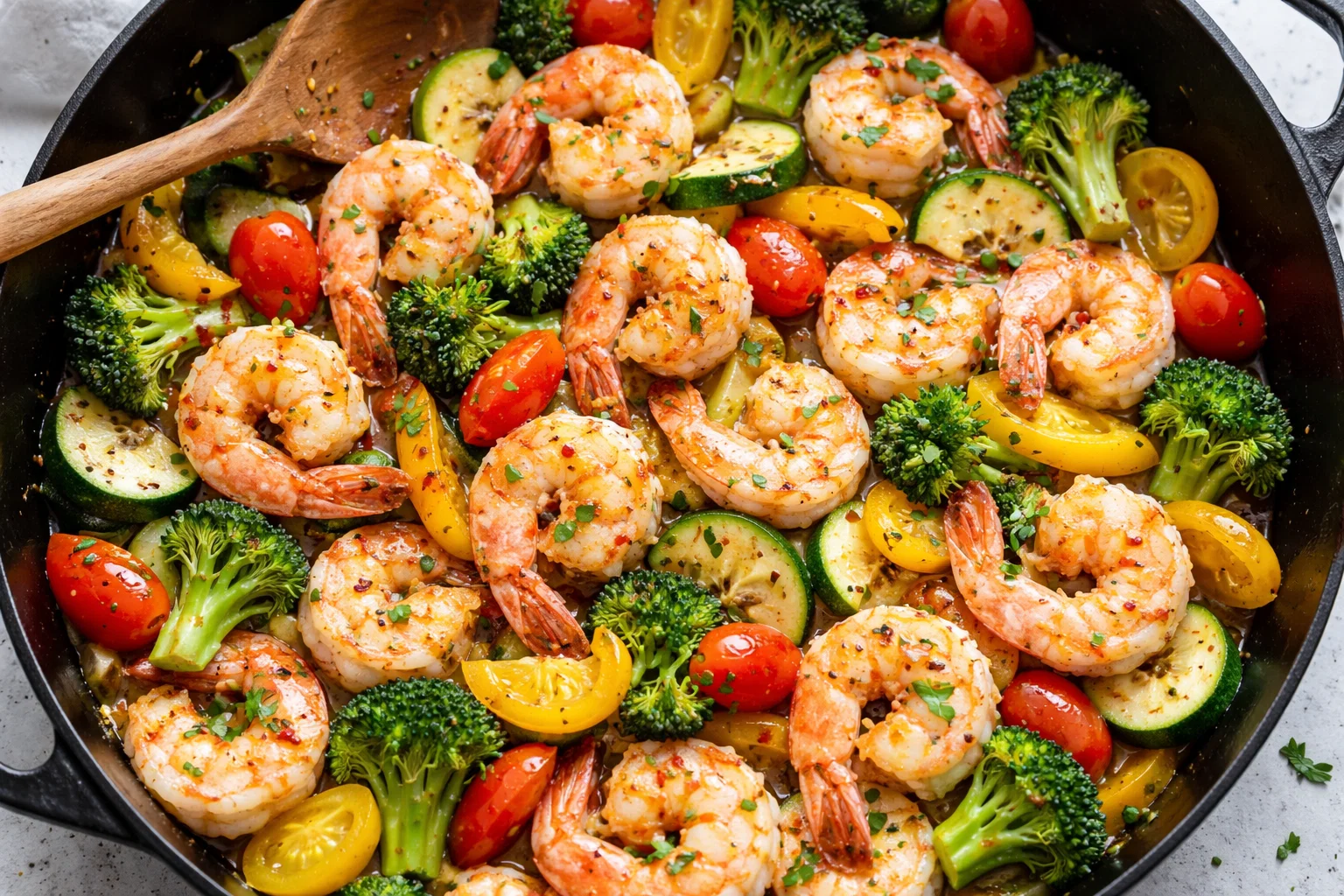
Quick-cook protein source for busy lifestyles
Shrimp is a quick-cook protein source, making it ideal for busy lifestyles. This garlic shrimp and vegetable skillet is ready in minutes or less, providing a delicious and healthy high-protein dinner. It’s an easy meal to incorporate into your weeknight dinner routine when you have little time to prepare dinner.
Best low-calorie vegetables for volume eating
Include low-calorie vegetables like zucchini, bell peppers, and spinach to add volume to your garlic shrimp skillet. These vegetables enhance satiety without significantly increasing the calorie count, making this high protein dinner a smart, delicious, and healthy choice. It’s an easy dinner recipe.
Flavor hacks using garlic, lemon, and herbs
Elevate the flavor of your garlic shrimp and vegetable skillet using flavor hacks such as fresh garlic, lemon juice, and herbs like basil or oregano. These additions create a vibrant and satisfying high-protein meal without relying on processed sauces. This easy meal is perfect for a weeknight.
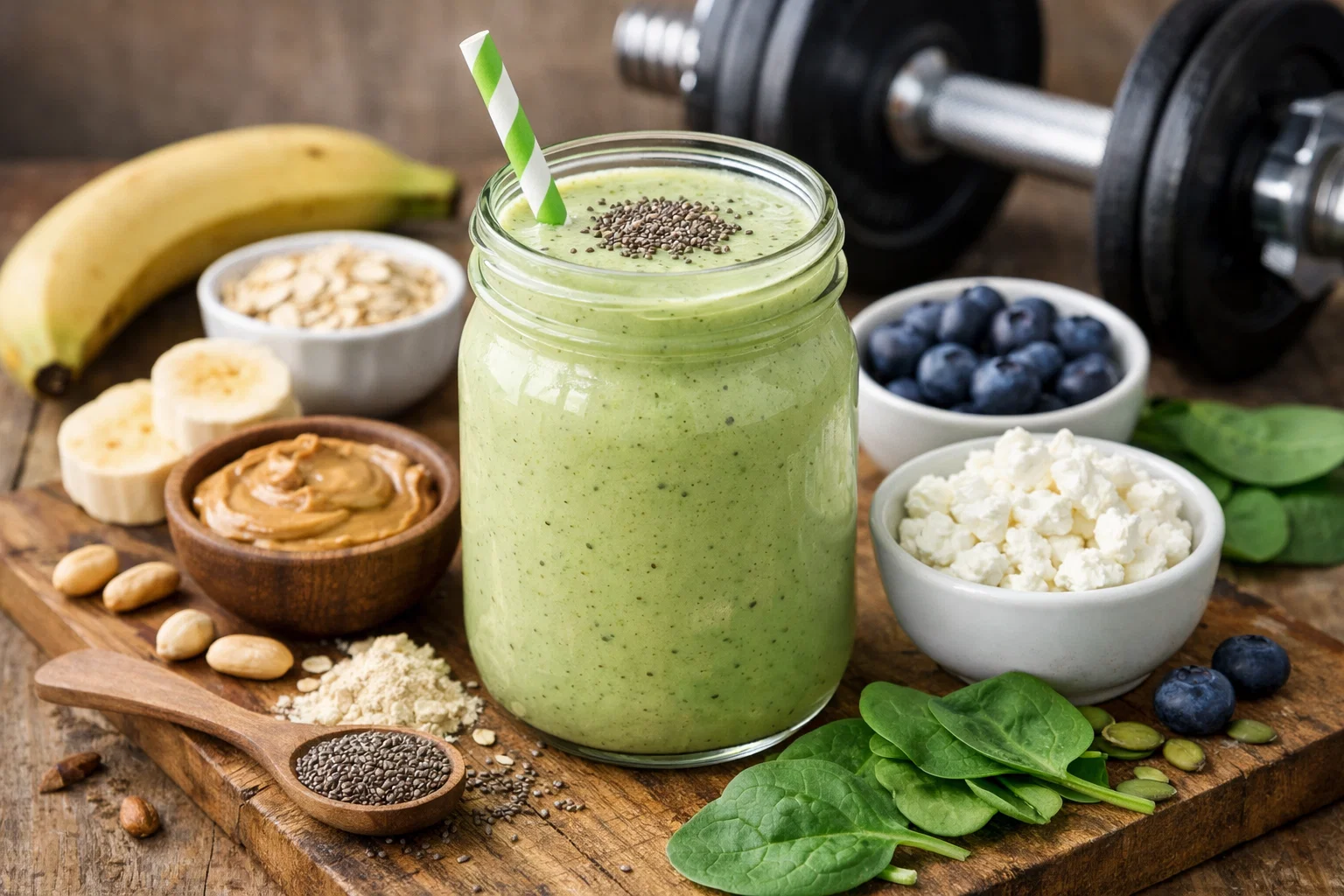
Recipe #5: High-Protein Smoothie for Energy & Recovery
Best protein powders and natural alternatives
Select the best protein powders such as whey, casein, or plant-based options like pea or brown rice protein for your high-protein smoothie. Natural alternatives include Greek yogurt or cottage cheese. These protein sources support muscle recovery and provide sustained energy, enhancing your healthy breakfast routine.
How to balance protein, carbs, and healthy fats in smoothies
Balance your high-protein smoothies with protein, carbs, and healthy fats by adding ingredients like spinach, berries, almond butter, and flax seeds. This ensures a nutritionally complete meal that provides sustained energy and supports overall health, whether it’s dinner or an easy high-protein option.
Pre-workout vs post-workout smoothie timing
Time your high-protein smoothie intake strategically, consuming it pre-workout for sustained energy or post-workout for muscle recovery. A pre-workout smoothie might emphasize carbs for energy, while a post-workout smoothie focuses on protein to aid muscle repair, supporting your fitness goals with this delicious and healthy recipe.
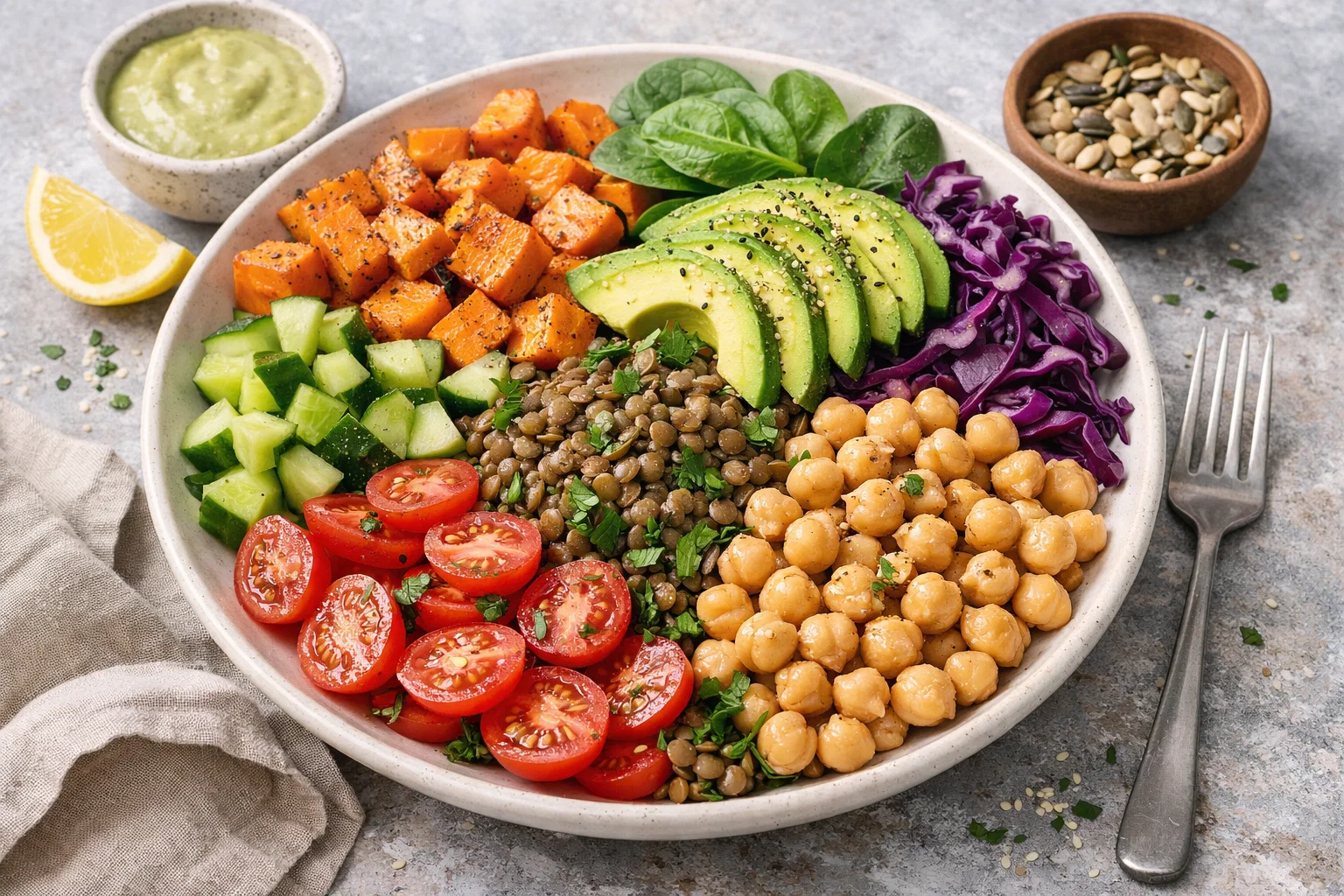
Recipe #6: Lentil & Chickpea Protein Power Salad (Plant-Based)
Why legumes are a complete protein alternative
Lentils and chickpeas are legumes that serve as a complete protein alternative for those following a plant-based diet. Combining these legumes ensures you receive all essential amino acids, making this protein power salad a nutritious and filling high-protein meal, delicious, and healthy.
Fiber + protein synergy for appetite control
The synergy between fiber and protein in this lentil and chickpea salad promotes appetite control. Fiber-rich legumes keep you feeling full and satisfied, while protein helps stabilize blood sugar levels, preventing cravings and supporting weight management. This easy meal is packed with protein and fiber.
Dressing ideas that stay healthy and flavorful
Create healthy and flavorful dressings for your lentil and chickpea salad using ingredients like lemon juice, olive oil, Dijon mustard, and herbs. Avoid creamy or high-sugar dressings to keep the meal nutritious and calorie-conscious. This ensures a delicious, healthy, high-protein, and plant-based dish, perfect for meal prep.
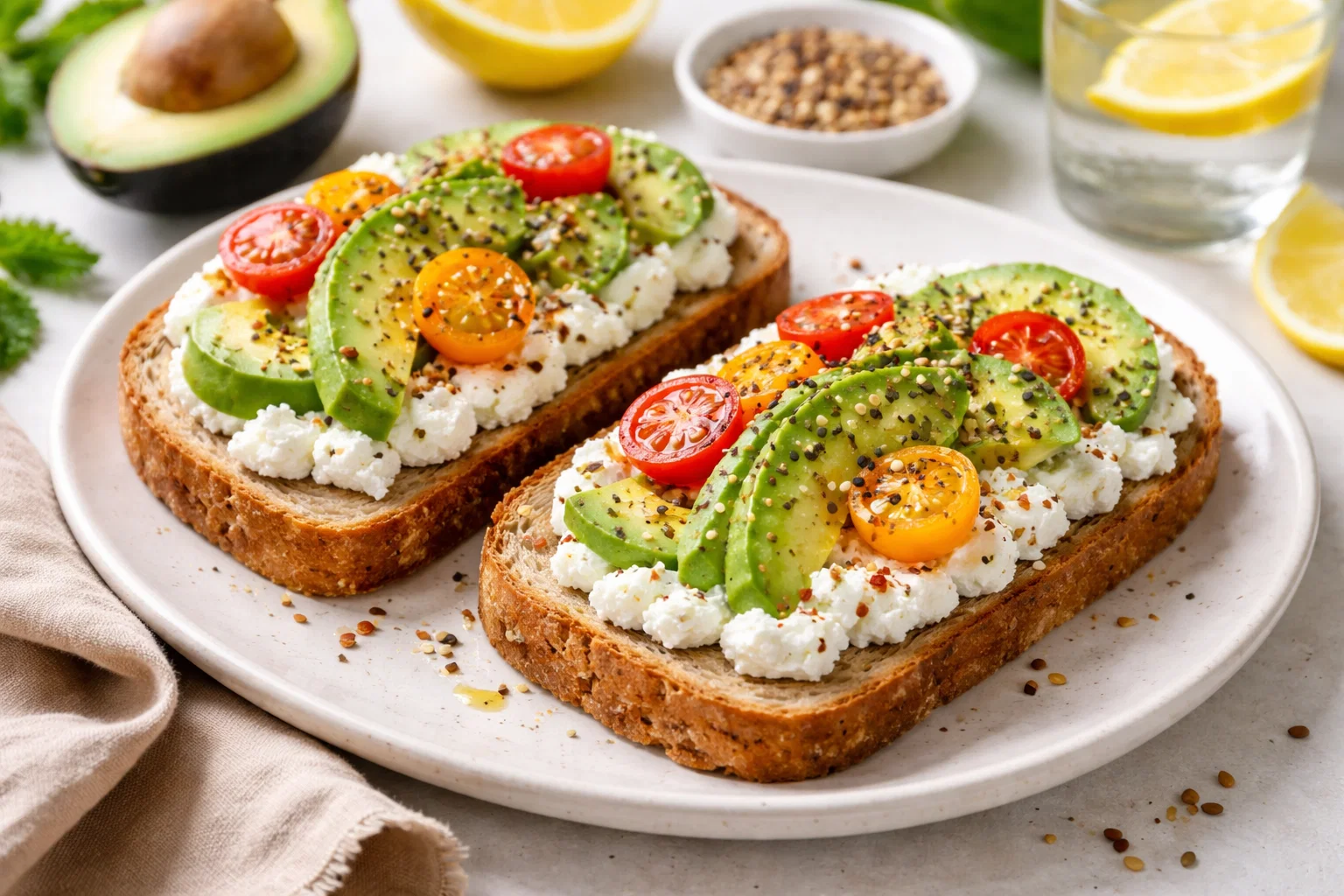
Recipe #7: Cottage Cheese Avocado Toast (High-Protein Snack)
Why cottage cheese is a hidden protein powerhouse
Cottage cheese is a hidden protein powerhouse because it’s packed with protein and low in calories, making it an excellent addition to any high-protein meal plan. A single serving can provide a substantial amount of protein, perfect for a quick snack.
Healthy fat + protein combination for satiety
The combination of healthy fats from avocado and protein from cottage cheese creates a powerhouse for satiety. This high-protein combination keeps you feeling full and satisfied, making it a perfect snack or light meal that’s both delicious and healthy. It’s ideal for weight management.
Variations for breakfast, lunch, or snack
Enjoy cottage cheese avocado toast as a versatile option for breakfast, lunch, or a high-protein snack. Add a sprinkle of everything bagel seasoning for breakfast, sliced tomatoes for lunch, or chili flakes for a spicy snack. There are endless options for this easy meal.
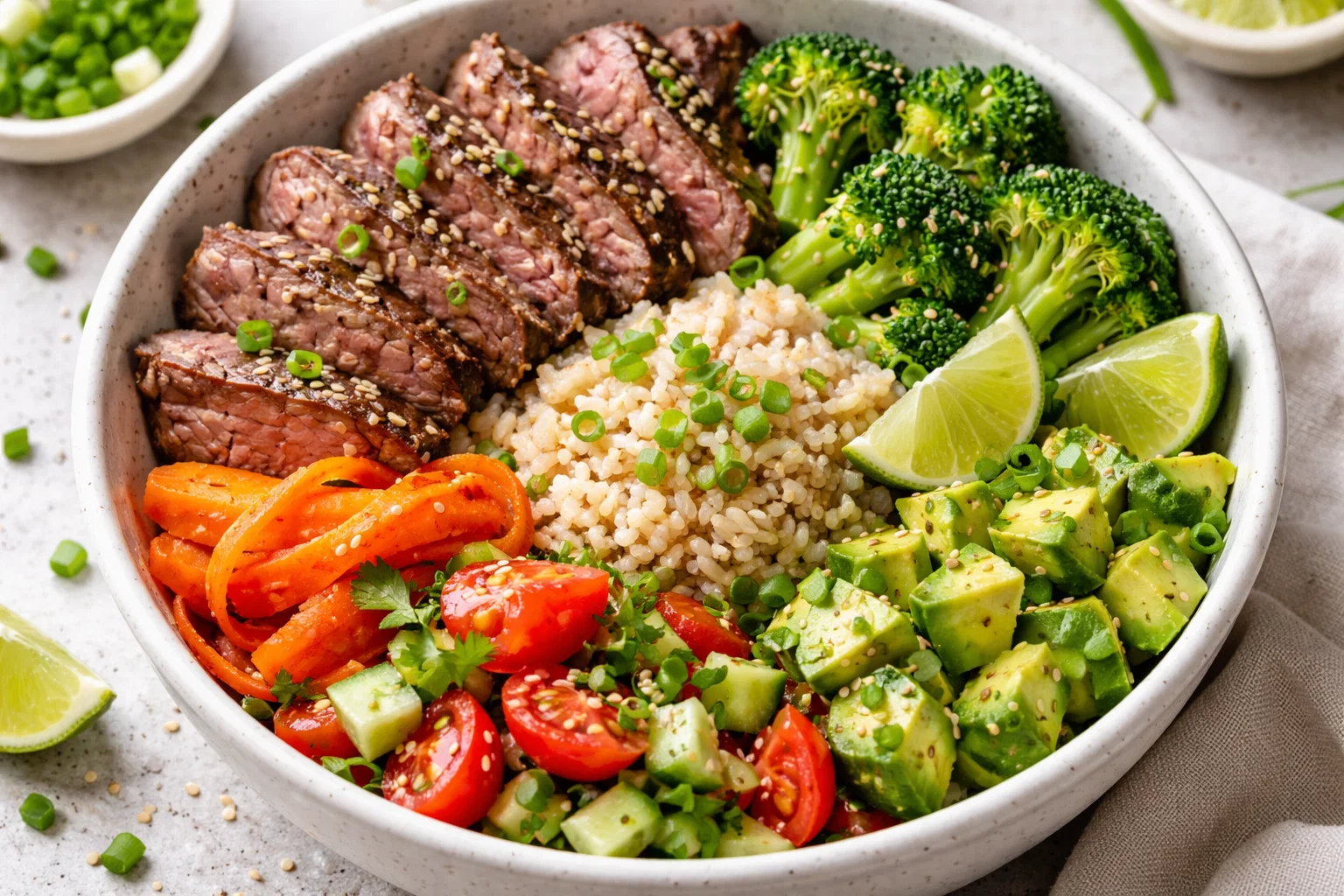
Recipe #8: Lean Beef & Rice Protein Bowl
How to choose lean cuts for healthier meals
When preparing a lean beef and rice protein bowl, choosing lean cuts is essential for healthier meals. Opt for cuts like sirloin, flank steak, or ground chicken to minimize fat intake while maximizing your protein sources in this easy meal.
Smart carb pairing for energy balance
Pairing lean beef with smart carbs like brown rice or quinoa ensures a balanced energy intake. These whole grains provide sustained energy and complement the high protein content of the beef, supporting overall health and performance. It’s an easy, delicious, and healthy combination.
Spice blends to enhance flavor without processed sauces
Enhance the flavor of your lean beef and rice bowl with homemade spice blends instead of relying on processed sauces. A mix of garlic powder, smoked paprika, cumin, and chili powder can elevate the taste without adding unhealthy additives or extra calories to this high-protein dinner.
Smart Meal Prep Guide for High-Protein Eating Success
How to batch cook proteins efficiently for the week
Batch cooking proteins efficiently is key for successful high-protein meal prep. Use your slow cooker or oven to cook large quantities of chicken breast, lean beef, or plant-based protein sources like lentils, ensuring you have high protein options available for the week ahead.
Storage tips to keep meals fresh and safe
Proper storage is crucial to keep your prepped meals fresh and safe. Store cooked proteins in airtight containers in the refrigerator for up to four days. For longer storage, consider freezing individual portions for convenient high-protein dinners later. Always label containers with the date.
Building a balanced weekly protein meal plan
Building a balanced weekly protein meal plan involves incorporating a variety of protein sources, healthy fats, and complex carbohydrates. Plan your meals around high protein sources like chicken, fish, legumes, and tofu, ensuring you meet your daily protein goals with delicious and healthy choices.
Common Mistakes That Stop People From Eating Enough Protein
Relying too much on processed protein snacks
Relying too much on processed protein snacks can hinder your efforts to consume enough protein. Many of these snacks are high in added sugars and unhealthy fats. Focus on real food sources of protein like lean meats, eggs, and legumes for a healthier high protein diet.
Ignoring protein distribution across meals
Ignoring protein distribution across meals is a common mistake. Aim to spread your protein intake evenly throughout the day, including high protein sources in breakfast, lunch, and dinner. This approach helps maximize muscle protein synthesis and keeps you feeling full and satisfied.
Overcomplicating recipes instead of keeping them simple
Overcomplicating high-protein recipes can make it harder to stick to your goals. Focus on simple to make recipes using whole foods. A grilled chicken salad, a hearty chickpea soup, or a quick veggie and ground chicken stir-fry are all excellent, easy high-protein options.
Final Thoughts: Making High-Protein Eating Simple, Tasty, and Sustainable
Making high-protein eating simple, tasty, and sustainable is achievable with the right approach. By incorporating high protein recipes with real food, planning your protein meal prep, and avoiding common mistakes, you can easily enjoy the benefits of a high-protein diet that’s both delicious and healthy.