Navigating the ups and downs of monthly hormonal changes can feel like a rollercoaster. This guide is designed to help you understand and manage these natural fluctuations, empowering you to feel your best throughout the month. By understanding the interplay of hormones and your body, you can improve your quality of life.
Understanding Monthly Hormonal Changes
Why Hormonal Fluctuations Are Natural and Normal
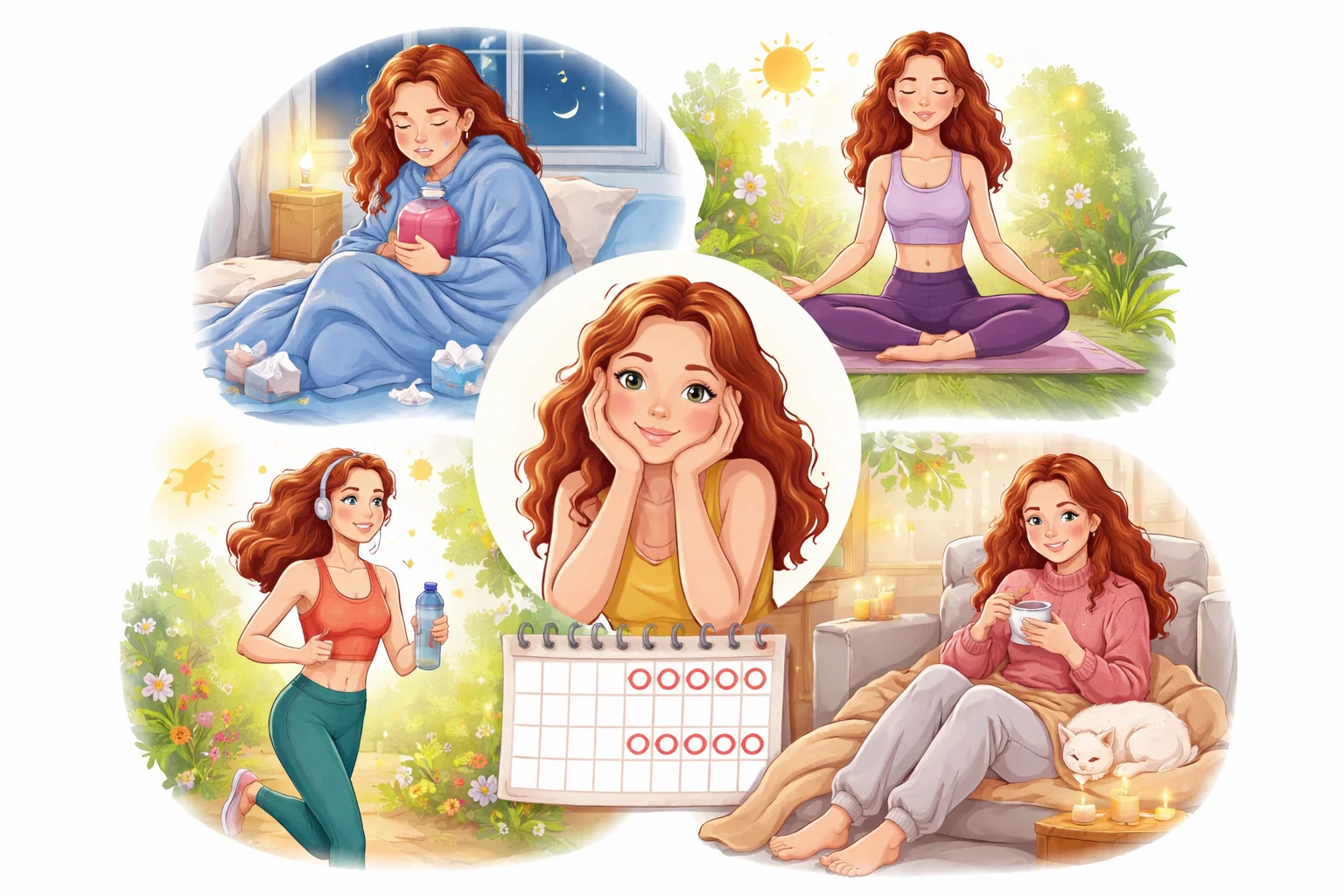
Hormonal fluctuations are an intrinsic part of being human, especially for those who menstruate. The rise and fall of estrogen and progesterone levels are essential for reproductive health, making hormonal changes a natural and normal process.
The Connection Between Hormones, Mood, and Energy
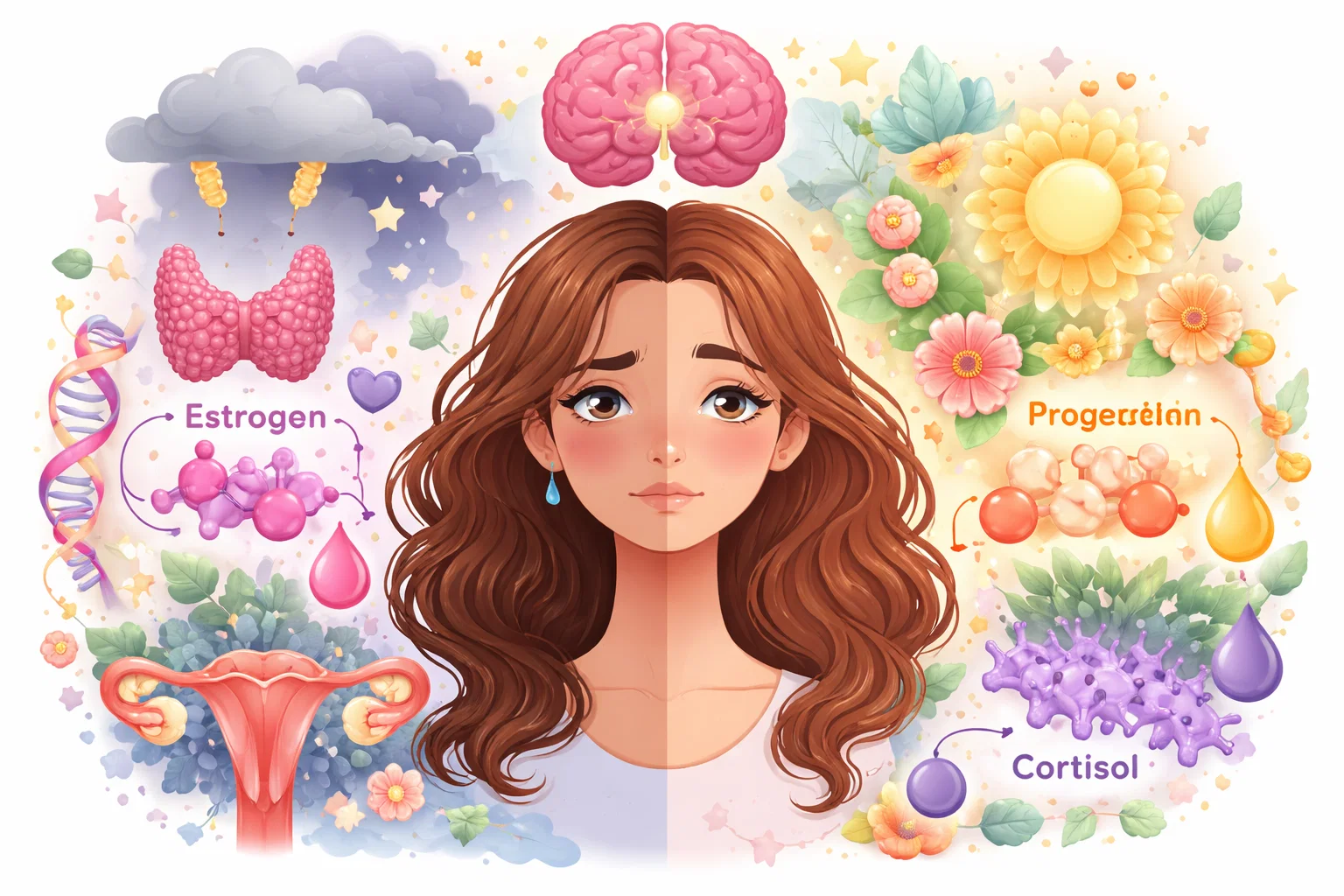
Hormones like estrogen, progesterone, cortisol, and thyroid hormones have a profound impact on mood and energy. Fluctuating hormones can influence neurotransmitters like serotonin, affecting emotional stability and energy levels throughout the month.
What This Guide Will Help You Achieve
This guide aims to provide practical strategies to manage hormonal mood swings and energy changes. By understanding the menstrual cycle and employing lifestyle changes, you can mitigate the impact of fluctuating hormones and enhance your overall well-being.
What Are Hormonal Mood Swings and Energy Changes?
Defining Hormonal Mood Swings (Medical and Psychological Perspective)
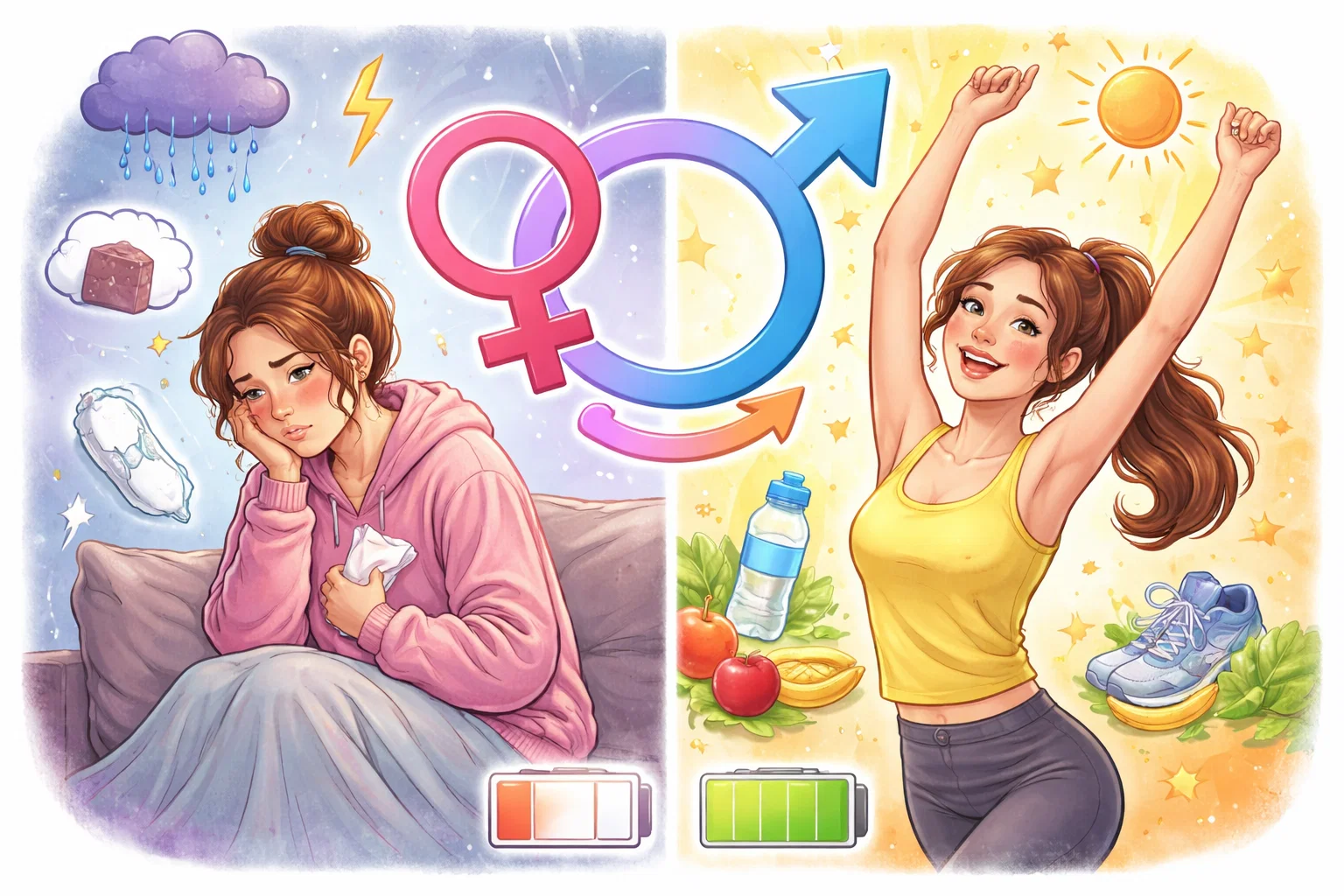
Hormonal mood swings are rapid shifts in emotions linked to fluctuating hormone levels, often experienced during the menstrual cycle or menopause. From a medical and psychological perspective, these swings can range from mild irritability to more severe premenstrual dysphoric disorder.
How Phases of the Menstrual Cycle Affect Emotions and Energy
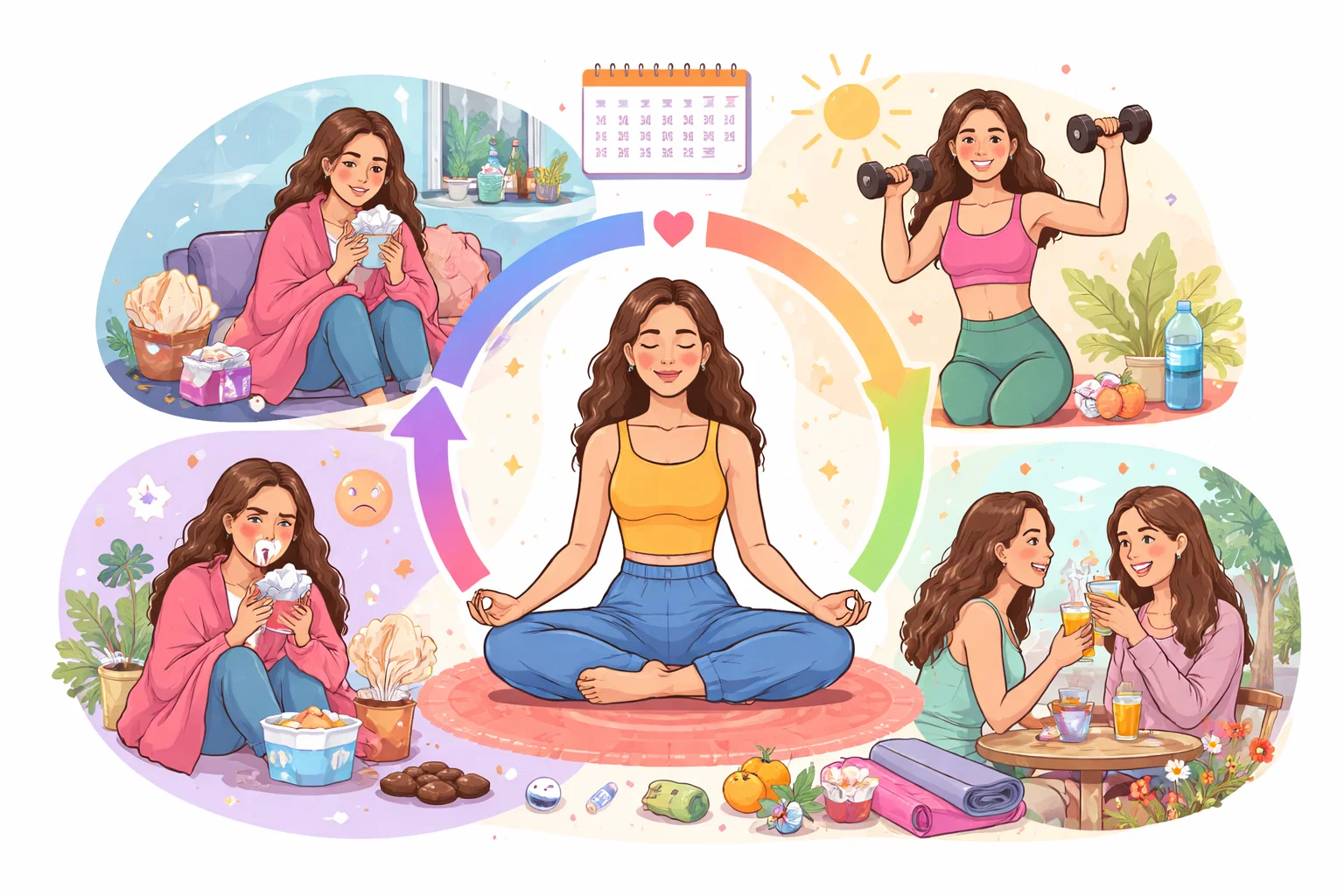
Here’s how the menstrual cycle can affect you:
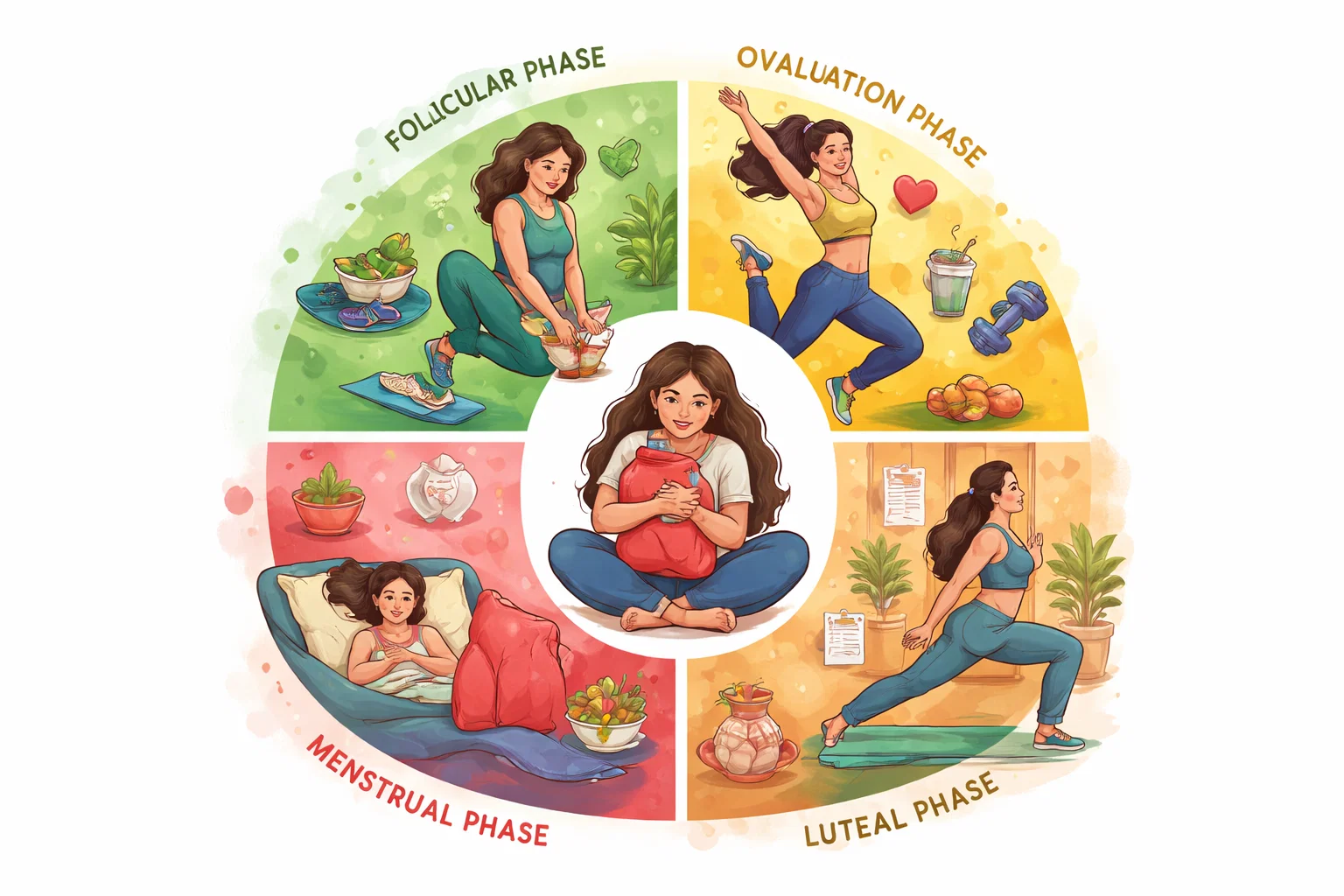
- During the menstrual phase, low estrogen and progesterone can lead to fatigue.
- As estrogen levels rise in the follicular phase, energy often increases.
- The luteal phase may bring premenstrual symptoms.
Common Symptoms of Hormonal Fluctuations
Here’s how hormonal fluctuations can manifest, often through a variety of symptoms. These can include:
- Mood swings
- Irritability
- Fatigue
- Bloating
- Food cravings
- Physical symptoms like cramps
Understanding these symptoms is the first step in managing their impact on daily life.
Myths About Hormonal Mood Changes (And the Truth)
One common myth is that hormonal mood changes are purely psychological. The truth is that they have a strong biological basis. While psychological factors can influence mood, fluctuating hormones directly affect neurotransmitters and brain function.
The Science Behind Hormonal Mood Swings
How Estrogen and Progesterone Influence Mood
Estrogen and progesterone are the primary sex hormones that influence mood. Estrogen promotes serotonin production, enhancing mood, while progesterone can have a calming effect. Imbalances in these hormone levels can lead to mood swings and irritability.
The Role of Neurotransmitters and Hormones
Hormones play a critical role in regulating neurotransmitters like serotonin, dopamine, and norepinephrine. Fluctuating hormones can disrupt the balance of these neurotransmitters, leading to changes in mood, energy, and cognitive function throughout the menstrual cycle.
Cycle Phases and Emotional Patterns
Here’s how emotional patterns can shift throughout the menstrual cycle. Distinct emotional patterns are often associated with each phase:
- The menstrual phase often brings lower energy.
- The follicular phase can boost mood.
- The luteal phase is commonly associated with premenstrual symptoms due to fluctuating hormone levels.
Why Responses Vary Between Individuals
Individual responses to hormonal changes vary due to genetics, lifestyle, and overall health. Factors such as stress levels, diet, and sleep patterns can influence how hormone levels affect mood and energy throughout the month.
Recognizing Your Personal Hormonal Patterns
Tracking Your Cycle for Better Awareness
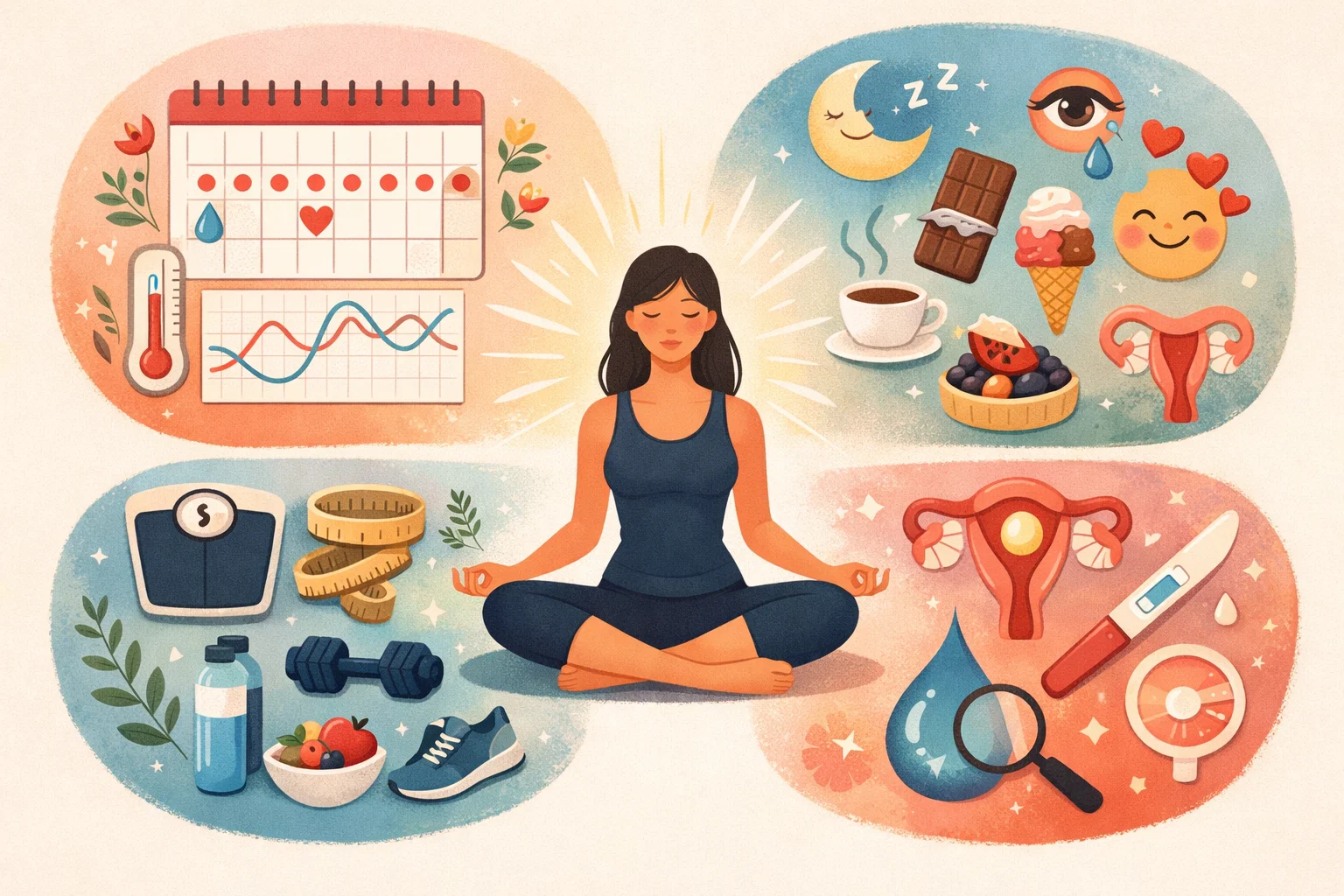
Tracking your cycle is essential for identifying personal hormonal patterns. Note the first day of your period and any physical symptoms or mood changes you experience throughout the month. This awareness is the foundation for proactive management.
Identifying Emotional and Physical Patterns
Identifying emotional and physical patterns involves noting when you might feel more irritable, fatigued, or energetic. Recognizing these recurring patterns helps you anticipate and manage hormonal fluctuations more effectively, including PMS symptoms.
Using Journaling to Understand Triggers
Journaling can be a powerful tool to understand triggers related to hormonal mood swings. By documenting daily activities, diet, and emotional states, you can identify specific factors that exacerbate symptoms throughout the cycle.
Turning Awareness Into Practical Action
Turning awareness into practical action involves using the insights gained from tracking and journaling to implement lifestyle changes. This might include adjusting diet, exercise, or stress management techniques to mitigate the impact of hormonal fluctuations, including cycle syncing.
Practical Strategies to Handle Hormonal Mood Swings
Emotional Regulation Techniques
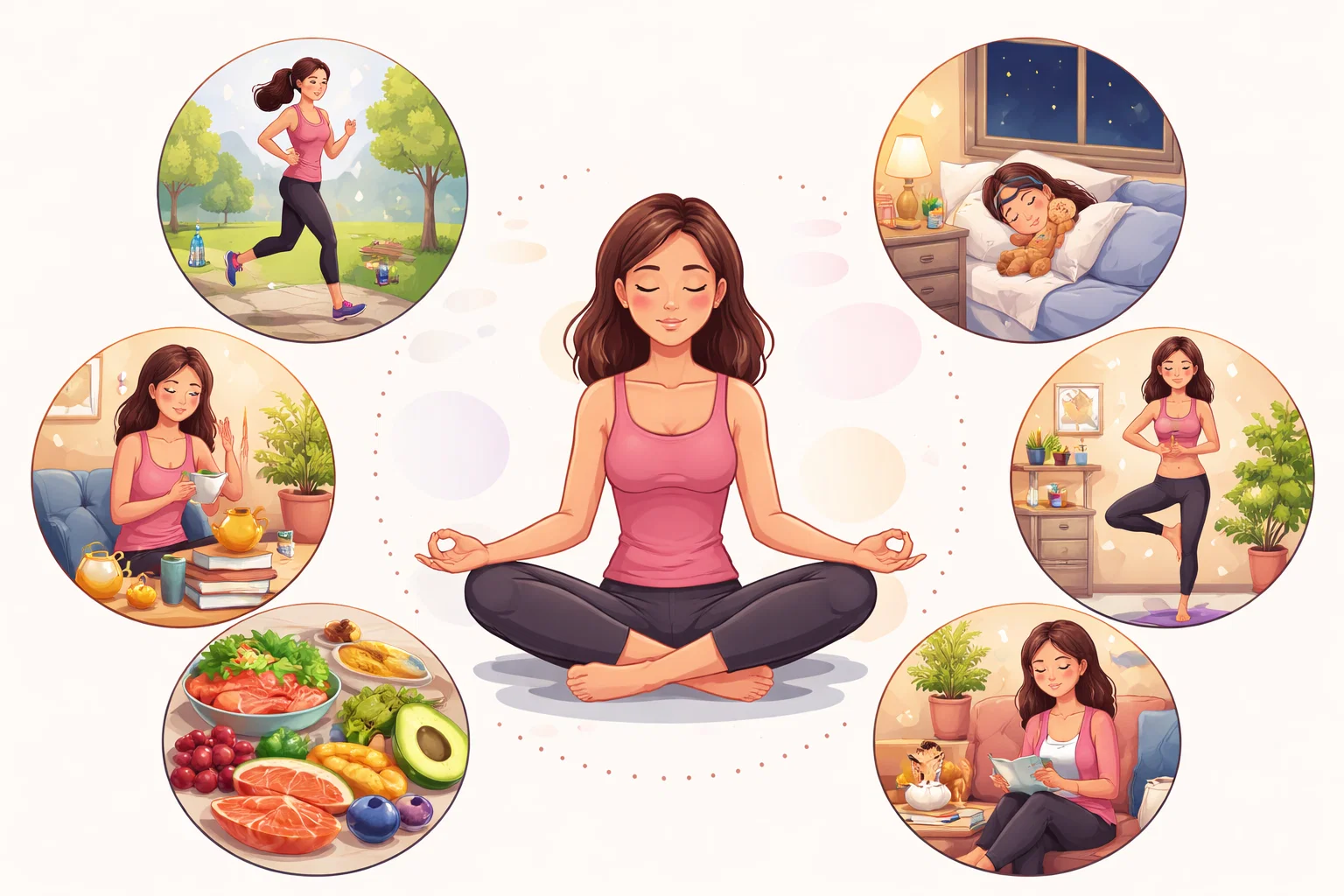
Emotional regulation techniques are crucial for managing mood swings. Practices such as deep breathing exercises, cognitive reappraisal, and mindfulness can help stabilize emotions during times when fluctuating hormones cause emotional distress. It’s important to find techniques that resonate with you.
Mindfulness and Stress Reduction
Mindfulness and stress reduction practices can significantly lessen the intensity of hormone-related mood swings. Regular meditation, yoga, or even short mindfulness breaks throughout the day can help lower cortisol levels and promote emotional equilibrium throughout the menstrual cycle.
Sleep and Rest as Emotional Stabilizers
Adequate sleep and rest are vital emotional stabilizers. During phases of your cycle when you might feel fatigued, prioritize sleep to support hormonal balance. Aim for consistent sleep patterns to help regulate hormone levels and minimize mood swings.
Physical Activity for Mood Support
Physical activity is a potent tool for mood support. Exercise releases endorphins, which have mood-boosting effects. Regular physical activity, whether it’s a brisk walk or a more intense workout, can help mitigate the mood swings during the menstrual phase.
Nutrition and Its Impact on Hormonal Balance
Nutrition plays a key role in hormonal balance. A diet rich in whole foods can provide essential nutrients that support hormone production. Eating a balanced diet can help reduce symptoms associated with fluctuating hormones and PMS symptoms.
How to Manage Energy Changes During the Month
Understanding Energy Fluctuations (Why They Happen)
Understanding why energy fluctuations happen is the first step in managing them. These changes are often tied to the rise and fall of estrogen and progesterone levels throughout the phases of your menstrual cycle. Tracking your cycle can help.
Productivity Strategies for Low-Energy Days
On low-energy days, employ productivity strategies that accommodate your energy levels. Focus on less demanding tasks, delegate responsibilities if possible, and give yourself permission to rest without guilt. Listen to your body during phases of your cycle.
Planning Tasks Based on Energy Cycles
Align your tasks with your energy cycles. Schedule more demanding activities for times when you typically feel more energetic, such as during the follicular phase. This proactive approach can boost productivity and reduce stress throughout the month.
The Importance of Rest and Recovery
Prioritize rest and recovery to manage energy effectively. Short naps, restorative yoga, or simply taking breaks to relax can help replenish your energy reserves and mitigate the effects of hormonal fluctuations. Remember the importance of self-care.
Diet and Nutrition Tips for Hormonal Wellness

Foods That Support Hormonal Balance
Certain foods can support hormonal balance. Include plenty of fiber-rich foods, lean proteins, and healthy fats in your diet to help regulate hormone levels. Foods like flaxseeds and cruciferous vegetables can also promote hormone health throughout the month.
Nutrients That Influence Mood and Energy
Several nutrients influence mood and energy. Omega-3 fatty acids, B vitamins, and magnesium are essential for neurotransmitter function and hormone production. Ensuring you get enough of these nutrients can help stabilize your mood and boost energy during your menstrual cycle.
Hydration and Its Role in Emotional Stability
Hydration plays a critical role in emotional stability. Dehydration can exacerbate symptoms of hormonal imbalance, such as fatigue and irritability. Aim to drink plenty of water throughout the day to support overall hormone function and emotional well-being.
Foods to Limit During Hormonal Fluctuations
Limit processed foods, caffeine, and sugar during times of hormonal fluctuations. These substances can worsen mood swings and energy crashes. Opt for whole, unprocessed foods to help stabilize hormone levels and support emotional wellness, minimizing PMS symptoms.
Mental Wellness Strategies for Emotional Balance
Cognitive Techniques for Mood Regulation
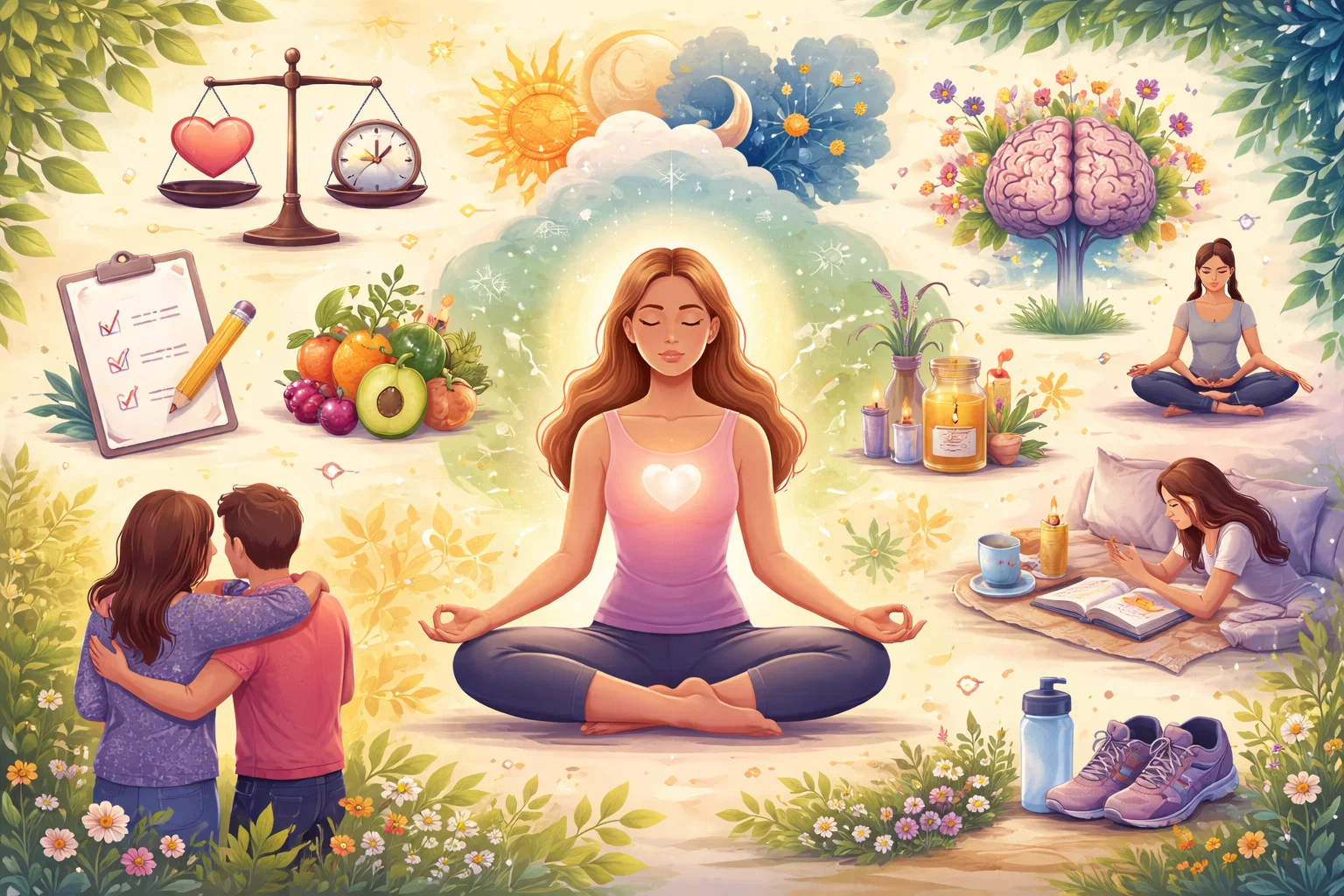
Cognitive techniques can be powerful tools for mood regulation. Cognitive restructuring, for instance, involves identifying and challenging negative thoughts. These cognitive techniques can help mitigate the emotional impact of fluctuating hormones during the phases of your cycle.
Positive Self-Talk and Emotional Resilience
Engage in positive self-talk to build emotional resilience. Practicing self-compassion and challenging negative self-judgment can help you navigate hormone-related mood swings with greater ease. Remember to treat yourself with kindness throughout the month.
Managing Stress and Emotional Overload
Managing stress and emotional overload is essential for mental wellness. Techniques like deep breathing, progressive muscle relaxation, and spending time in nature can help reduce stress levels. Lowering stress can minimize the impact of fluctuating hormones on your mood.
When to Seek Professional Support
If hormonal mood swings are significantly impacting your daily life, consider seeking professional support. A healthcare provider or therapist can offer guidance, assess for underlying conditions, and provide strategies to manage symptoms of premenstrual dysphoric disorder.
Lifestyle Habits That Improve Hormonal Stability
Sleep Hygiene and Restorative Routines
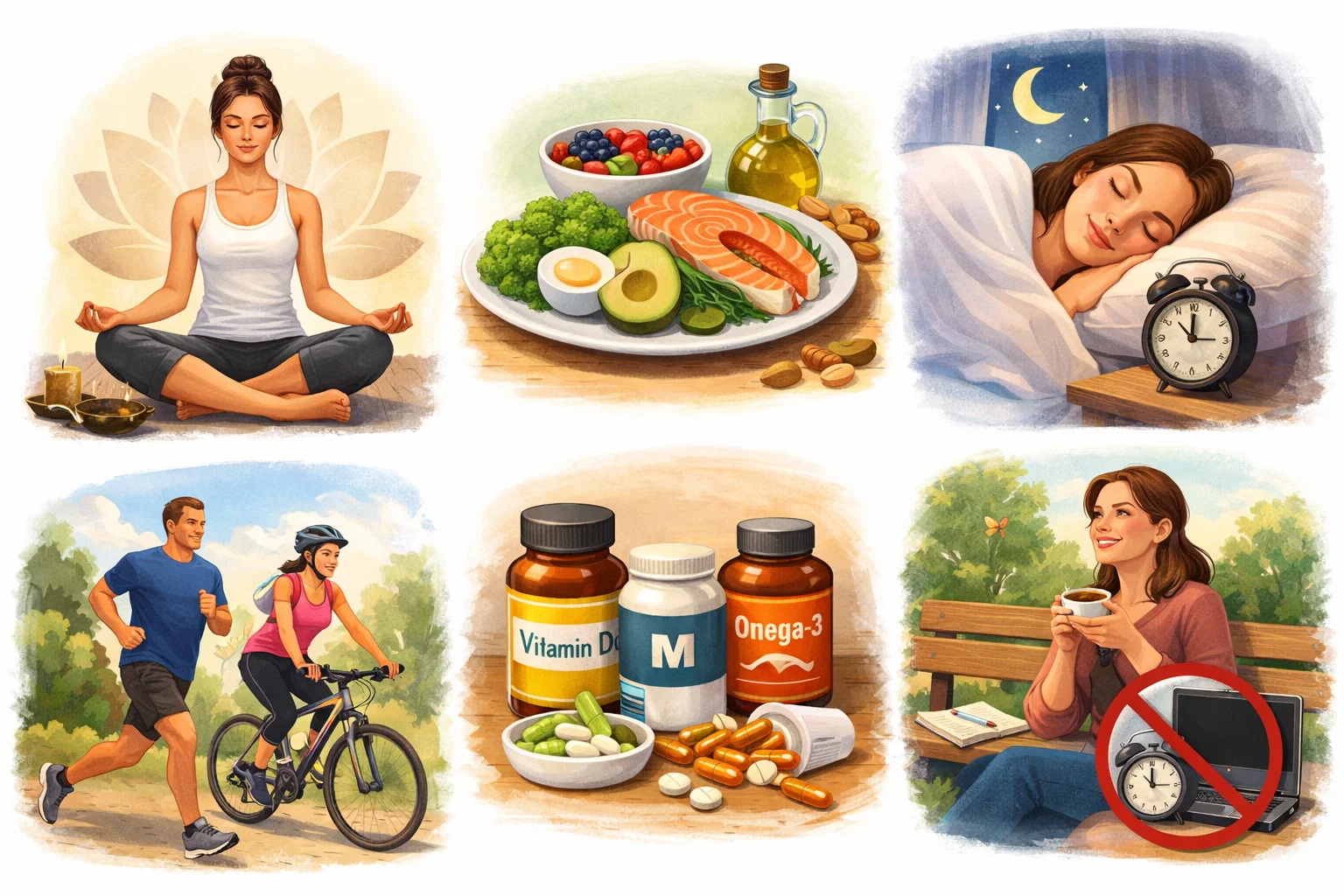
Establishing solid sleep hygiene is foundational for hormonal stability. Consistent sleep patterns help regulate cortisol levels, a hormone crucial for managing stress. Prioritize restorative routines like meditation or a warm bath to prepare for sleep and minimize hormonal fluctuations throughout the cycle.
Exercise and Movement for Emotional Health
Regular exercise and movement are powerful tools for emotional health, particularly during the phases of your menstrual cycle. Physical activity helps regulate hormone levels, reduces stress, and boosts mood-enhancing neurotransmitters like serotonin, all of which can minimize mood swings and PMS symptoms related to fluctuating hormones.
Time Management and Boundary Setting
Effective time management and clear boundary setting can reduce stress, a key factor in hormonal imbalance. Prioritize tasks, delegate when possible, and set boundaries to protect your time and energy. Reducing stress can help stabilize hormone levels throughout your cycle and alleviate mood swings.
Creating a Balanced Daily Routine
A balanced daily routine supports overall hormonal health. Incorporate regular mealtimes, consistent sleep patterns, physical activity, and stress-reducing activities into your daily schedule. A well-structured routine can help stabilize hormone levels and reduce the severity of PMS symptoms.
Common Mistakes That Worsen Hormonal Mood Swings
Ignoring Symptoms and Pushing Through
Ignoring symptoms and pushing through can exacerbate hormonal mood swings. Instead, acknowledge how you might feel during phases of your menstrual cycle and adjust your activities accordingly. Listen to your body and allow yourself to rest when needed to minimize the impact of fluctuating hormones.
Overconsumption of Caffeine and Sugar
Overconsumption of caffeine and sugar can worsen hormonal mood swings and energy crashes. These substances can disrupt hormone levels and lead to increased irritability and anxiety. Limit your intake of caffeine and sugar, opting for whole foods and balanced meals to support hormonal balance throughout the month.
Lack of Sleep and Recovery Time
A lack of sleep and recovery time significantly impacts hormonal balance. Sleep deprivation increases cortisol levels, exacerbating mood swings and energy fluctuations. Prioritize sleep and incorporate rest days into your routine to allow your body to recover and stabilize hormone levels in the phases of your cycle.
Emotional Self-Judgment and Guilt
Emotional self-judgment and guilt worsen hormonal mood swings. Be kind to yourself and practice self-compassion during difficult times of the month. Recognizing that fluctuating hormones can affect your mood and reducing self-criticism can promote emotional wellness and hormone-related stability.
Long-Term Strategies for Hormonal Wellness
Building Consistent Healthy Habits
Building consistent healthy habits is vital for long-term hormonal wellness. Regular exercise, a balanced diet, and good sleep hygiene can have a cumulative positive effect on hormone levels and overall emotional stability. Focus on creating sustainable routines to support your hormones throughout your cycle.
Tracking Progress and Identifying Improvements
Tracking your progress and identifying improvements can reinforce positive lifestyle changes. Keep a journal to monitor your mood, energy levels, and physical symptoms throughout your menstrual cycle. Noticing improvements can motivate you to continue prioritizing your hormonal health and cycle syncing.
Understanding Individual Hormonal Patterns
Deepening your understanding of individual hormonal patterns is essential for tailored care. Recognize how estrogen and progesterone levels fluctuate throughout your cycle and adjust your lifestyle to accommodate these changes. Personalized strategies can maximize your well-being and help mitigate hormonal imbalance symptoms.
The Role of Self-Care in Emotional Health
Self-care plays a pivotal role in emotional health and hormonal stability. Prioritize activities that nurture your mind and body, such as reading, spending time in nature, or practicing mindfulness. Regular self-care can reduce stress and promote overall well-being.
Conclusion: Managing Hormonal Changes With Knowledge and Care
Managing hormonal changes effectively involves a combination of knowledge, self-awareness, and consistent care. By understanding the phases of your menstrual cycle and employing practical strategies, you can navigate the fluctuations in hormone levels with greater ease, improve your emotional balance, and enhance your quality of life throughout the month.