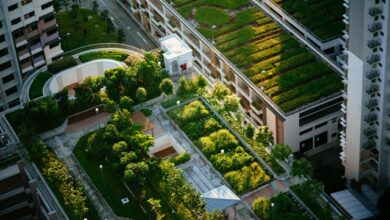
Did you know city folks can grow up to 20% of their food on tiny balconies? Starting a balcony garden turns small spots into lively green spaces. They’re full of life and possibilities.
I’m here to help you start a balcony garden from scratch. Small-space gardening is more than a hobby. It’s a way to connect with nature, even in busy cities.
Starting a balcony garden might seem hard, but it’s not. With the right tips, anyone can make a beautiful balcony garden. This guide will show you how to pick containers and plants that will do well in your space.
No matter if your balcony gets a lot of sun or is shady, it can be amazing. Get ready to make your balcony a green oasis. It will be a beautiful spot and a source of fresh food, connecting you to nature.
Why Start a Balcony Garden? Benefits Beyond Beauty

Living in the city doesn’t mean you can’t garden. Apartment gardening brings many benefits, not just looks. Starting a balcony herb garden can change your living space and health.
Fresh Food Right at Your Fingertips
Imagine picking fresh herbs and veggies for dinner from your balcony. Even small spaces can grow a lot. Apartment gardening lets you:
- Enjoy ultra-fresh, organic produce
- Save money on grocery bills
- Control exactly what goes into your food
- Experience the satisfaction of growing your own meals
Stress Relief and Mental Wellness
Studies show gardening is great for reducing stress. The University of Bristol found gardening can lower depression risk by 30%. Your balcony garden is a peaceful escape from city life.
Environmental Impact and Sustainability
Your small garden helps the environment a lot. It improves air quality, supports pollinators, and cuts carbon emissions. Each plant turns your balcony into a green oasis.
Step 1: Assessing Your Balcony Space
Starting a balcony garden is all about knowing your space. It’s about observing and planning carefully. I’ll help you see how your balcony can become a green oasis.

Before we explore vertical gardening, let’s look at what matters most:
Sunlight: Your Garden’s Primary Energy Source
Sunlight is key for growing veggies on your balcony. Different plants need different light:
- Full Sun: 6-8 hours of direct sunlight daily
- Partial Shade: 4-6 hours of sunlight
- Low Light: Less than 4 hours of direct sunlight
Wind and Weather Considerations
Understanding your balcony’s weather is crucial. Wind can hurt your plants. Keep an eye on:
- Wind direction and intensity
- Temperature changes
- Extreme weather exposure
Weight Limits and Safety Checks
Always put safety first in your garden. Make sure to:
- Check your balcony’s weight limit
- Know the weight of your containers
- Use the right anchoring methods
- Follow local balcony garden rules
Assessing these factors will help you create a beautiful and productive balcony garden. It will flourish in your unique space.
Step 2: Choosing the Right Containers & Planters
Turning your balcony into a garden is exciting. It starts with picking the right containers. I’ll help beginners navigate the world of small space gardening with some tips.

Choosing the right container is key for balcony gardening. Different materials have their own benefits for city gardeners:
- Clay and Ceramic Planters: Classic and beautiful, but heavy and breakable
- Plastic Containers: Lightweight, affordable, and great for beginners
- Fabric Grow Bags: Excellent for root health and space flexibility
- Railing Planters: Maximize vertical space with smart design
Space-Saving Container Solutions
Railing planters are a big help for those with little space. They attach to your balcony’s edge, turning unused areas into growing zones. Hanging baskets and vertical systems also help grow more.
Drainage and Mobility Considerations
Good drainage is key for healthy plants. Choose containers with many drainage holes and use saucers for water catchment. Containers that are light and have wheels or handles are easy to move. This protects plants from bad weather or when you change your space.
Pro tip: Mix different container types for a dynamic, multi-level garden. This makes the most of your balcony space!
Step 3: Selecting the Perfect Soil & Fertilizer

Starting your balcony garden is all about the soil. Plants in containers need a special kind of soil, unlike those in the ground.
Using regular garden soil on your balcony can harm your plants. It’s too heavy and can stop water from draining. I’ll show you how to make the best soil for your potted plants.
Crafting the Ideal Potting Mix
The key to great balcony soil is a mix that’s light and drains well. Here’s what I suggest:
- Compost: Gives plants the nutrients they need
- Coco peat: Helps keep water in and soil loose
- Perlite: Makes sure water drains out and soil doesn’t get too dense
Choosing the Right Fertilizer
For balcony gardens, choose organic fertilizers. They feed your plants and make the soil better over time.
Here are some organic fertilizers I like:
- Worm castings
- Compost tea
- Seaweed extract
- Fish emulsion
Container plants need special care. The right soil mix and fertilizers will make your balcony garden lush and productive.
Step 4: Picking the Best Plants for Balcony Gardening
Turning your balcony into a garden paradise begins with the right plants. As someone who loves urban gardening, I’ve found the best plants for small spaces. They make your balcony garden both stunning and useful.

Some plants stand out for balcony gardens. Here are my top picks for different conditions:
Beginner-Friendly Herbs and Veggies
- Basil: Loves full sun and produces lots of leaves for cooking
- Mint: Grows fast and does well in partial shade
- Chives: Great for small spaces in apartment gardens
- Lettuce: Grows quickly and is perfect for containers
Flowers That Thrive in Balcony Conditions
For color and vibrancy, try these drought-resistant plants. They handle tough urban conditions well:
- Marigolds: Bright and tough
- Petunias: Colorful and easy to care for
- Geraniums: Beautiful blooms that handle heat
Low-Maintenance Plants for Busy Gardeners
Not everyone has lots of time for gardening. These plants need little care:
- Succulents: Almost impossible to kill and look great
- Ornamental grasses: Add texture with little effort
- Rosemary: Hardy herb that needs little water
Successful balcony gardening is about picking the right plants. Start small, try new things, and watch your garden grow!
Step 5: Smart Watering Techniques
Learning how to manage water is key for those starting with balcony gardens. Container plants need different care than those in the ground. Knowing this helps keep your balcony garden healthy and lively.

For balcony gardening, potted plants need extra care with water. Several things affect how often you should water:
- Plant type and size
- Container material
- Sunlight exposure
- Local climate conditions
Understanding Plant Hydration Needs
Most potted plants like consistent moisture. It’s a good idea to check the soil every day, especially when it’s hot. Weatherproofing balcony plants means watching for signs they need water.
| Plant Type | Watering Frequency | Special Considerations |
|---|---|---|
| Herbs | Every 1-2 days | Keep soil consistently moist |
| Succulents | Once a week | Allow soil to dry completely between watering |
| Flowering Plants | Every 2-3 days | Monitor based on bloom stage |
Innovative Watering Solutions
Self-watering containers are great for those with little time. They keep the soil moist, making daily watering less of a worry. Drip irrigation systems are another smart way to keep plants hydrated.
Eco-Friendly Water Collection
Collecting rainwater is a smart move for balcony gardens. A simple bucket or a special system can give your plants clean water. It’s good for the planet and your garden.
Step 6: Maximizing Small Spaces
Urban dwellers, rejoice! Your compact balcony can become a lush green sanctuary. Small space gardening is all about creativity and smart design.

I’ve found amazing compact gardening solutions for your urban balcony. Let’s see how to make your small outdoor space a thriving garden paradise.
Vertical Gardening Ideas That Work
Vertical gardening is key for small spaces. It lets you grow more by thinking upward. Here are my top picks:
- Install wall-mounted planters for herbs and small vegetables
- Use trellises to support climbing plants like beans and peas
- Hang tiered planters from railings or ceiling hooks
- Repurpose wooden pallets as vertical garden frames
Layering Plants for Maximum Impact
Plant placement is key in urban balcony gardening. Arrange plants at different heights for depth:
- Tall plants in back corners
- Medium-sized plants in the middle
- Trailing plants and ground covers in front
DIY Balcony Garden Hacks
Get creative with these budget-friendly ideas:
- Transform shoe organizers into herb gardens
- Use recycled containers as unique planters
- Create floating shelves for succulents
- Install lightweight hanging baskets
Remember, small spaces don’t mean small dreams. With these vertical gardening solutions, your balcony can become a vibrant, productive green oasis that defies urban constraints.
Step 7: Designing Your Balcony Garden for Style & Comfort
Turning your balcony into a garden is like creating art. It’s about mixing creativity with good design. A well-thought-out balcony garden can make even the smallest space feel like your own special place.

When designing your balcony garden, there are a few important tips. They help make your space both beautiful and comfortable:
- Create a cozy seating area that fits well with your plants
- Use vertical space with trellises and hanging planters
- Mix edible and ornamental plants for a garden that does it all
Creating a Relaxing Green Corner
Small space gardening is all about smart placement. Choose furniture that’s compact and fits with your plants. A slim bench or two comfy chairs can make your balcony a cozy spot. Pick weather-resistant seats with soft cushions for a cozy feel.
Decorative Elements That Enhance Your Garden
Patio garden design needs the right decorative touches. Think about adding:
- String lights for evening ambiance
- Colorful ceramic pots
- Decorative trellises that also support plants
Blending Edible and Ornamental Plants
I enjoy mixing herbs with flowers. Imagine rosemary and lavender together, or cherry tomatoes and climbing roses. This way, your balcony garden is both pretty and practical.
Step 8: Balcony Garden Maintenance & Troubleshooting
Keeping a balcony garden alive is more than just starting it. As someone who loves urban gardening, I’ll share key tips to help your garden grow strong. Starting with balcony gardening might seem hard, but with the right info, you’ll soon be a pro.

Good urban gardening starts with knowing what your plants need. Weather-resistant plants need special care to handle different weather.
Natural Pest Control Strategies
Keeping pests away from your garden doesn’t need harsh chemicals. Here are some natural ways to manage pests:
- Neem oil spray for comprehensive pest protection
- Garlic-based solutions to repel insects
- Introduce beneficial insects like ladybugs
- Use sticky traps for monitoring pest populations
Seasonal Plant Care Guide
| Season | Care Recommendations |
|---|---|
| Summer | Increase watering frequency, provide shade during extreme heat |
| Winter | Protect plants from frost, reduce watering, move sensitive plants indoors |
Common Balcony Gardening Mistakes to Avoid
Learning from others can save you a lot of trouble. Here are mistakes to avoid:
- Overlooking drainage requirements
- Ignoring plant-specific sunlight needs
- Overwatering or underwatering plants
- Neglecting regular pruning and maintenance
Remember, every gardening challenge is an opportunity to learn and grow. With patience and practice, your balcony garden will flourish into a beautiful urban oasis.
Sustainable Balcony Gardening Practices
Creating an eco-friendly urban garden is more than just growing plants. It’s about caring for our planet with smart choices. As a DIY balcony gardening fan, I’ve found amazing ways to make my small space green and conscious.
Urban gardening tips are not just about planting veggies. They’re about reducing waste and using resources wisely. My journey in sustainable gardening has shown me some key strategies.
Apartment Composting: Turning Kitchen Scraps into Garden Gold
Apartment composting is simpler than you might think. With a small compost bin, you can turn kitchen waste into fertilizer for your garden. Here’s how to do it:
- Collect fruit and vegetable scraps
- Avoid meat, dairy, and oily foods
- Use a sealed container with small air holes
- Mix green and brown materials for balanced decomposition
Creative Container Upcycling for Eco-Friendly Planters
Upcycling containers gives old items new life and adds charm to your garden. Old wooden crates, tin buckets, and even worn-out shoes can become beautiful plant homes with a little creativity.
Sustainable Urban Gardening Habits
Adopt eco-friendly habits that really help:
- Collect rainwater for irrigation
- Use organic pest control methods
- Choose native plant species
- Minimize plastic use in gardening
By using these sustainable methods, your balcony garden is more than a green space. It’s a powerful statement of environmental care.
Inspiration: Real Balcony Garden Ideas That Work
Turning a small balcony into a garden might seem hard. But with creativity and planning, it’s doable. I’ve found amazing ideas that show even tiny spaces can be green and productive.
Here are three amazing ideas for apartment gardens. They’ll inspire you to start your own urban garden.
Minimalist Herb-Focused Balcony
If you like simple designs and fresh herbs, a minimalist herb garden is ideal. Vertical gardening is great for this. Here’s how to do it:
- Use sleek white ceramic planters
- Install wall-mounted herb shelves
- Select compact herbs like basil, thyme, and mint
- Implement a drip irrigation system for easy maintenance
Flowering Paradise in Small Spaces
Container gardening can make small spaces colorful. Pick compact plants that grow well in pots:
- Petunias for trailing beauty
- Geraniums for vibrant colors
- Marigolds for compact growth
- Nasturtiums for edible flowers
Mixed Edible and Decorative Garden Showcase
Combine veggies, herbs, and flowers for a beautiful garden. This way, your balcony becomes both useful and pretty.
- Integrate colorful Swiss chard with ornamental flowers
- Plant cherry tomatoes alongside trailing ivy
- Mix lavender with compact pepper plants
- Create multi-level displays using hanging baskets and tiered planters
Your balcony garden is your own space. Be creative, have fun, and try new things. It should show your style and needs.
Final Thoughts: Turn Your Balcony into a Green Oasis
Reflecting on urban balcony gardening, I see great potential. Your balcony can be more than just a spot outside. It can be a lively green space in the city’s heart.
Whether you dream of a lush herb garden or want to grow veggies, creativity and patience are key. Urban gardening tips are just the start. Each plant you care for shows resilience and growth, making concrete spaces alive.
Gardening is more than just growing food. It’s about the joy of caring for life in unexpected places. Your balcony garden can be a personal escape, a source of fresh food, and a link to nature. Start small, be bold, and watch your garden grow with your passion.
The best gardens are personal and imperfect. Your balcony is ready to become something amazing. Start the journey, get your hands dirty, and see how your garden changes your view on living green.