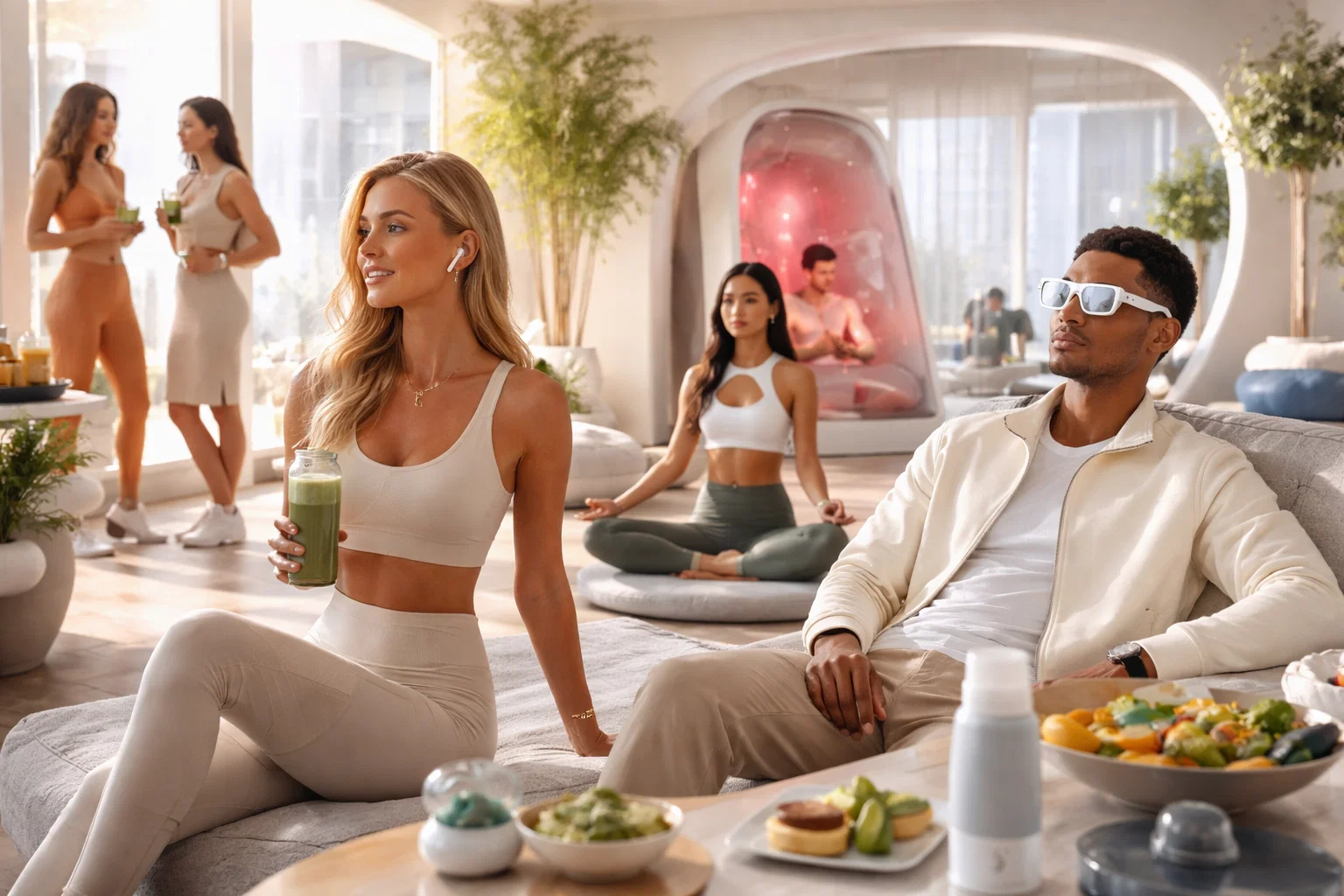
Explore how fashion and wellness are converging to redefine lifestyles in 2026. This integration shapes apparel choices and influences the broader industry in 2026 and beyond.
From functional designs to sustainable materials, discover the key trends shaping a future where fashion enhances wellbeing.
Understanding the Fusion of Fashion and Wellness
The fashion and beauty sectors increasingly intertwine with health and wellness, spurred by a growing emphasis on self-care. This wellness trend is especially prevalent among Gen Z and Millennials, who are actively reshaping traditional norms. Influenced by platforms like TikTok, fashion brands now position themselves as wellness hubs.
What “Wellness Fashion” Means in 2026
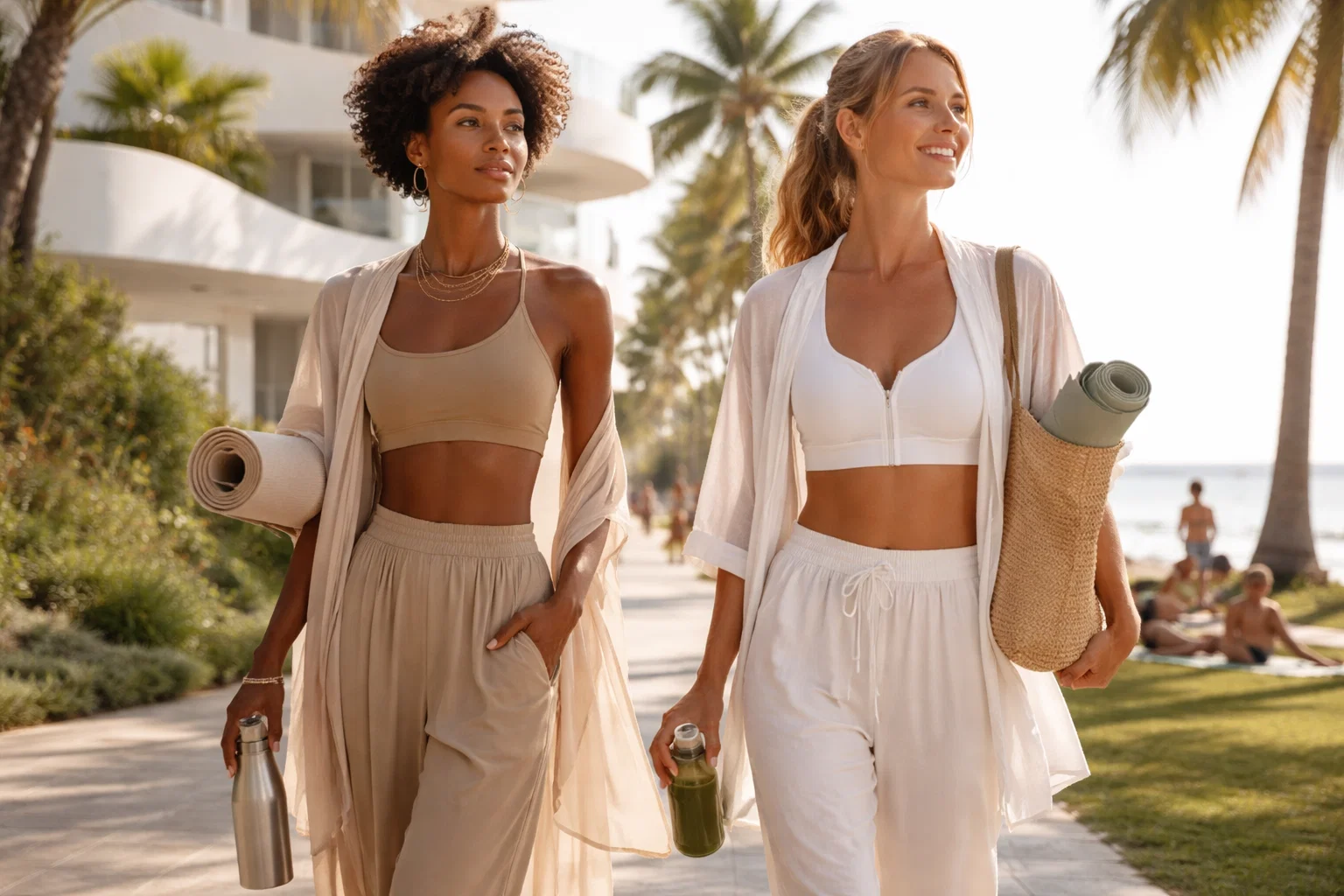
In 2026, “wellness fashion” goes beyond mere aesthetics, incorporating elements that enhance physical and mental wellbeing. It’s a trend where apparel actively supports a healthy lifestyle, integrating features that promote comfort, reduce stress, and improve overall quality of life, aligning with the growing wellness market.
The Difference Between Functional Fashion, Athleisure, and Wellness Wear
Functional fashion focuses on utility and support, while athleisure blends athletic wear with everyday style. Wellness wear encompasses both, prioritizing overall wellbeing through features like ergonomic design and mood-enhancing colors. This distinction highlights how fashion adapts to meet holistic health needs.
Functional Fashion: Style That Supports Physical Health
Functional fashion takes center stage in 2026, offering apparel that supports physical health through thoughtful design and innovation.
By integrating ergonomic principles and supportive technologies, fashion brands aim to improve posture, circulation, and comfort, reflecting a proactive approach to wellbeing. This category of apparel helps to shape healthier lifestyles.
Ergonomic and Supportive Garments: Posture, Circulation, and Comfort
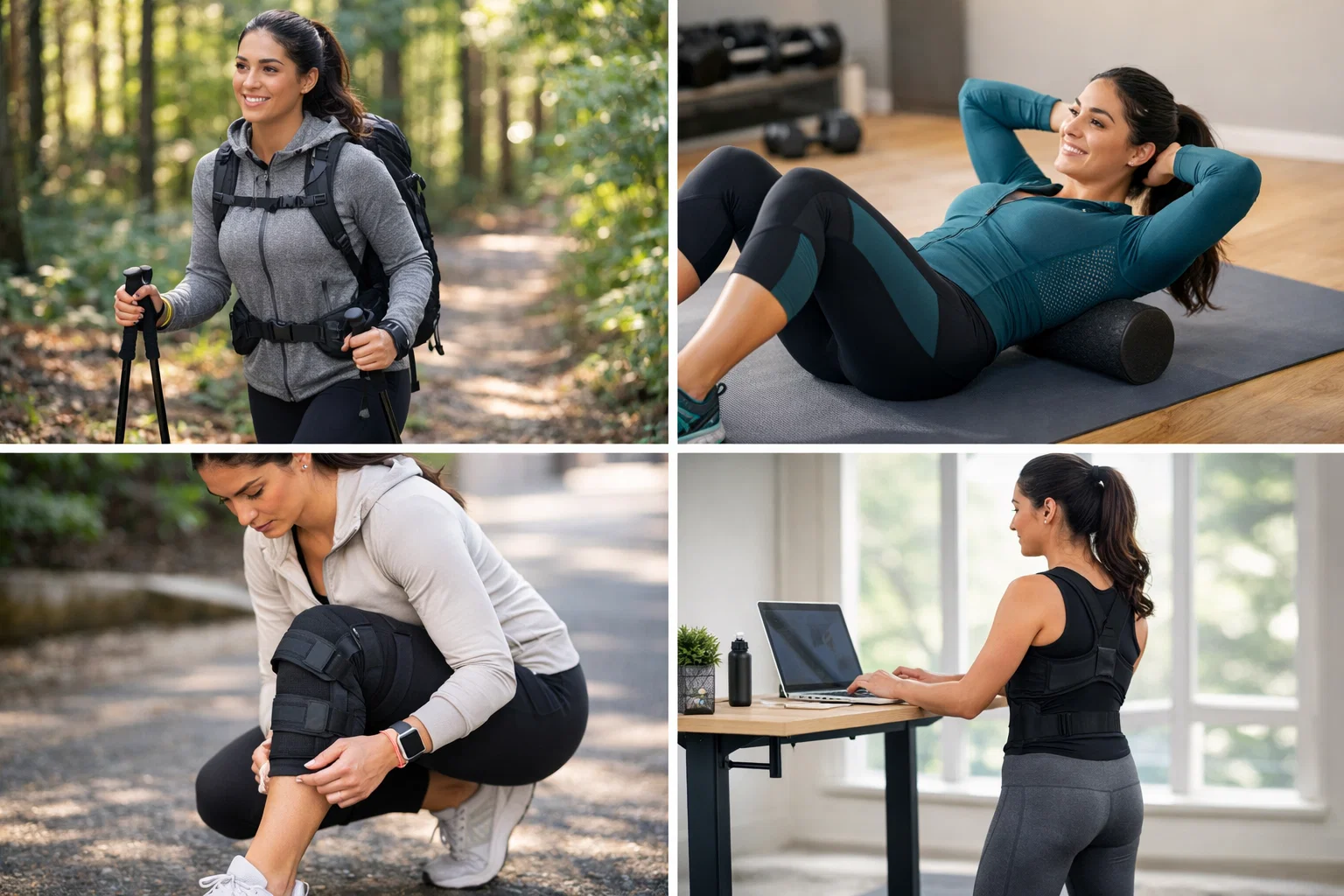
Ergonomic garments are designed to improve posture and circulation, providing all-day comfort. These garments often include key features such as:
- Built-in support systems
- Adaptive materials that move with the body, reducing strain
These features promote physical wellbeing. Fashion players are investing in these designs to meet growing consumer demand.
Activewear Becoming Everyday Wear: Athleisure Meets Office and Casual Style
The athleisure trend continues its ascent, with activewear seamlessly integrating into both office and casual settings. Comfortable, stylish pieces are now acceptable in various environments, blurring the lines between workout gear and everyday apparel. This shift caters to a lifestyle focused on wellness and convenience.
Comfort-Driven Fabrics: Breathable, Stretchable, and Moisture-Wicking Materials
Comfort is king in 2026, with breathable, stretchable, and moisture-wicking materials dominating apparel choices. These fabrics enhance the wearing experience, providing optimal comfort and performance throughout the day. The focus on comfort aligns with the broader wellness trend.
Sustainable and Wellness-Oriented Materials
Sustainability and wellness converge in material choices, driving demand for eco-friendly and health-conscious options.
From sustainable fabrics to innovative textiles, fashion brands are prioritizing materials that support both skin health and environmental responsibility. This reflects a growing awareness of the interconnectedness of personal and planetary wellbeing.
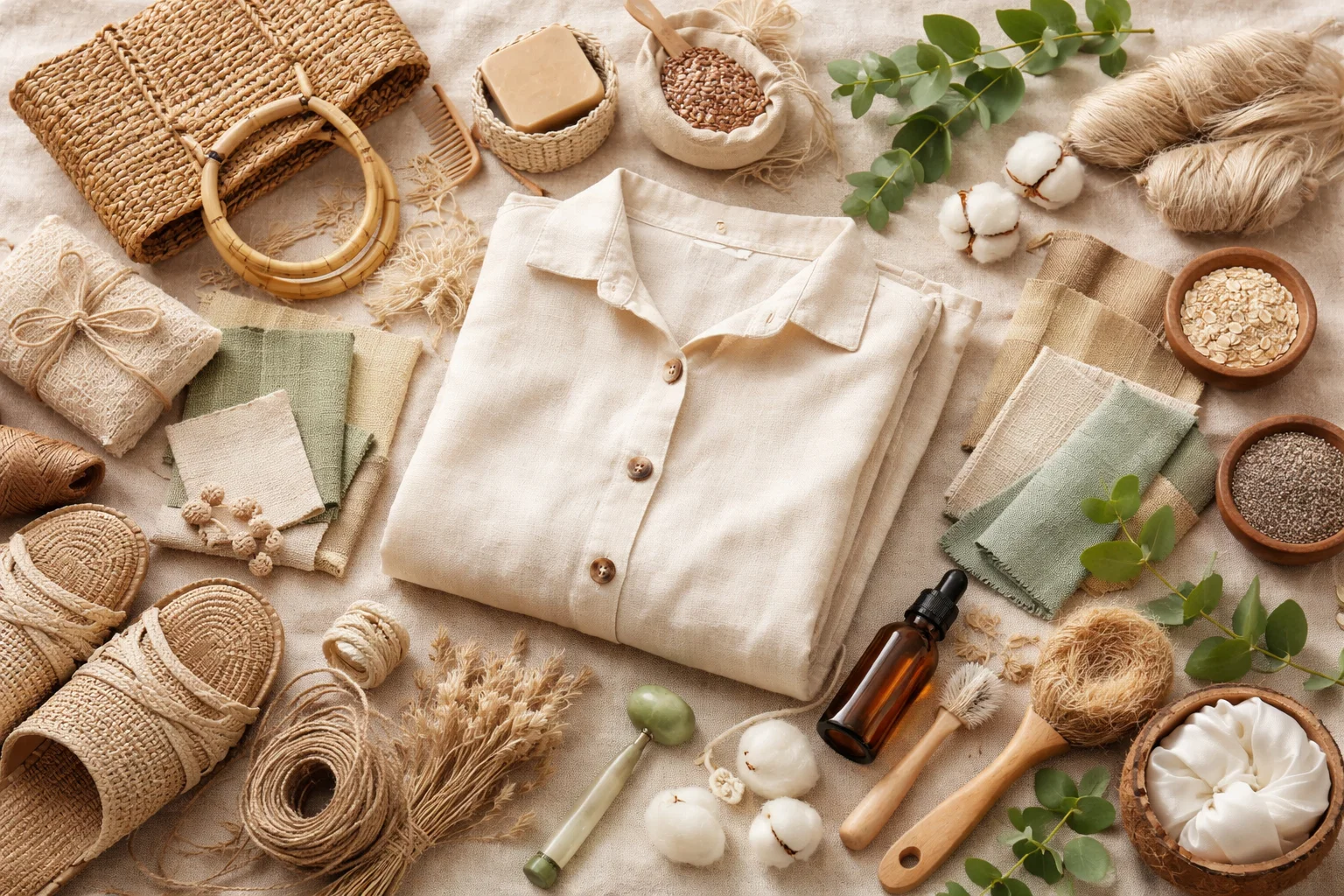
Eco-Friendly Fabrics That Support Skin and Environmental Health
Eco-friendly fabrics are becoming more popular because they’re good for your skin and the environment. These fabrics offer several advantages, including:
- Reduced exposure to harmful chemicals.
- A smaller environmental footprint for the fashion industry.
This aligns with what consumers are increasingly looking for: sustainable options.
Antimicrobial and Moisture-Wicking Textiles for Hygiene and Comfort
Antimicrobial and moisture-wicking textiles are becoming standard in apparel, enhancing hygiene and comfort. These innovative materials offer several benefits, including:
- Prevention of bacterial growth.
- Wicking away moisture.
This keeps wearers fresh and comfortable, reflecting a focus on health and wellbeing in clothing design.
Smart Fabrics: Sensors for Posture, Heart Rate, and Stress Monitoring
Smart fabrics embedded with sensors are revolutionizing wellness fashion, offering real-time data on posture, heart rate, and stress levels.
These technological advancements enable wearers to monitor their health and wellbeing, fostering a proactive approach to self-care. This development positions fashion as a key player in future of wellness.
Fashion for Mental and Emotional Well-Being
In 2026, the integration of fashion and mental wellbeing becomes increasingly apparent. The wellness trend extends beyond physical health, addressing emotional and psychological needs through thoughtful design. Fashion brands are beginning to understand how clothing can influence mood and self-perception, shaping a more positive outlook.
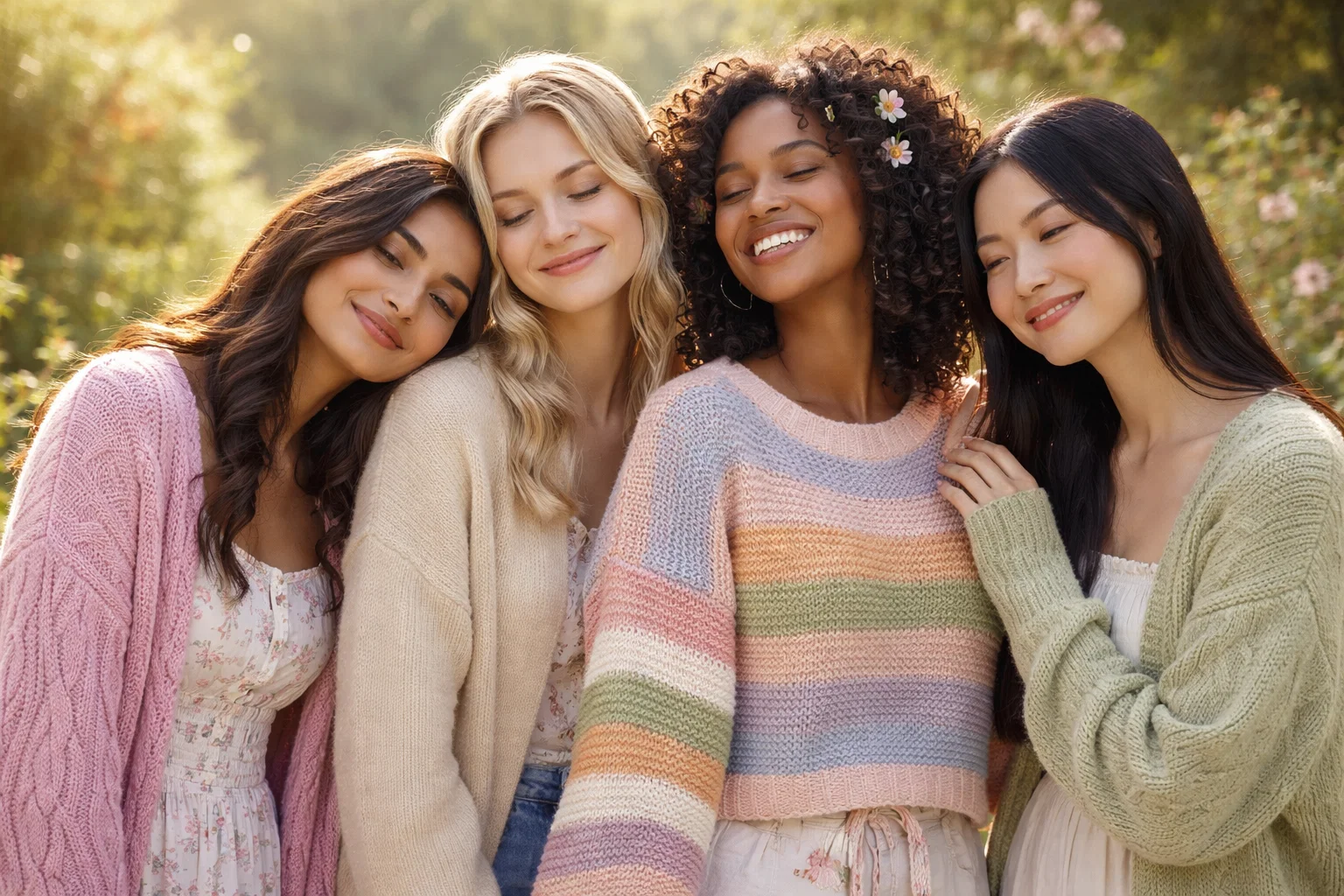
Color Psychology: Using Fashion to Improve Mood and Reduce Stress
Color psychology plays a pivotal role, with fashion brands utilizing hues known to improve mood and reduce stress. Soothing blues, calming greens, and energizing yellows are incorporated into apparel to enhance emotional wellbeing. This understanding helps reshape consumer choices, who choose clothing for its emotional impact.
Minimalist and Adaptive Design to Reduce Decision Fatigue
Minimalist and adaptive designs gain traction as a way to reduce decision fatigue. Streamlined wardrobes with versatile pieces simplify daily choices, minimizing stress and promoting mental clarity. This trend towards simplicity reflects a desire for balance and wellbeing in the face of ever-increasing complexity.
Mindful Fashion: Promoting Confidence and Self-Expression
Mindful fashion emphasizes self-expression and confidence, encouraging individuals to choose clothing that resonates with their authentic selves. Fashion becomes a tool for self-discovery and empowerment, fostering a positive self-image and promoting overall wellbeing. The goal is to enable people to reshape their self-perception.
Technology and Wearable Wellness in Fashion
The fashion industry in 2026 is witnessing a surge in technological integrations, particularly in wearable wellness.
Smart clothing and accessories are becoming commonplace, offering advanced features for monitoring and enhancing various aspects of health. These innovations reshape the way we interact with our apparel, merging style with functionality.
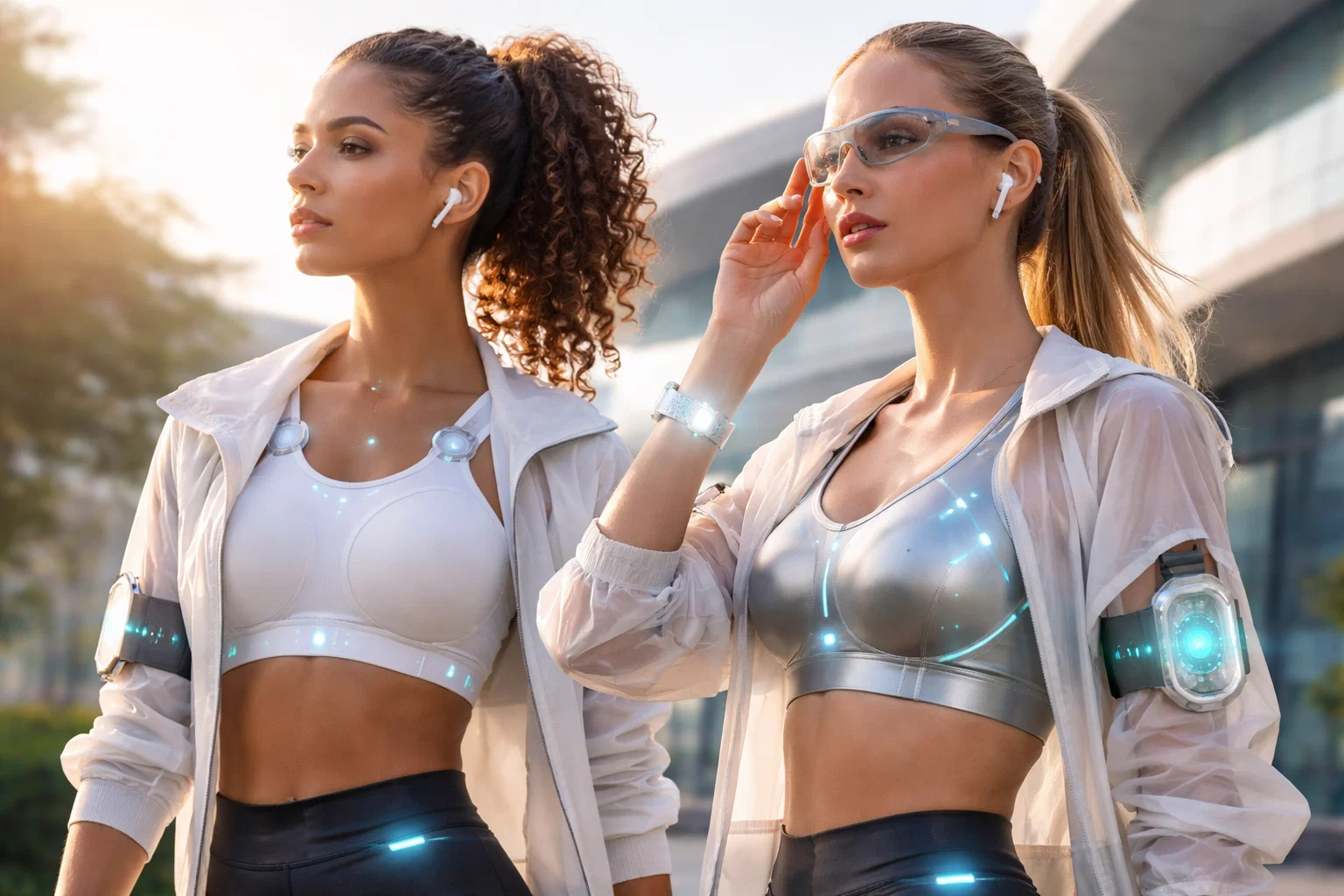
Smart Clothing That Tracks Fitness, Posture, and Recovery
Smart clothing incorporates sensors to track fitness metrics, monitor posture, and assess recovery. These garments provide real-time data to help individuals optimize their physical performance and prevent injuries. This fashion and beauty trend is particularly appealing to fitness enthusiasts and those focused on longevity.
Fashionable Wearables for Stress and Health Monitoring
Fashionable wearables, such as smart jewelry and accessories, offer discreet stress and health monitoring. These devices track heart rate variability, sleep patterns, and other indicators to provide insights into overall wellbeing. These fashion brands are helping to redefine preventive healthcare through stylish technology.
Integration of AI and Biofeedback Into Everyday Clothing
The integration of AI and biofeedback into everyday clothing enables personalized wellness experiences. Apparel adjusts in real-time based on the wearer’s physiological responses, providing customized support and comfort. This technology has the potential to reshape apparel and improve both physical and mental wellbeing.
Lifestyle and Social Influence Driving Wellness Fashion
Lifestyle and social factors exert a significant influence on the wellness fashion trend, shaping consumer preferences and behaviors.
Social media, influencers, and brand campaigns play a crucial role in promoting wellness style and integrating it into broader lifestyle narratives. The fashion and beauty industry is leveraging these channels to reach wider audiences and redefine what wellness means.
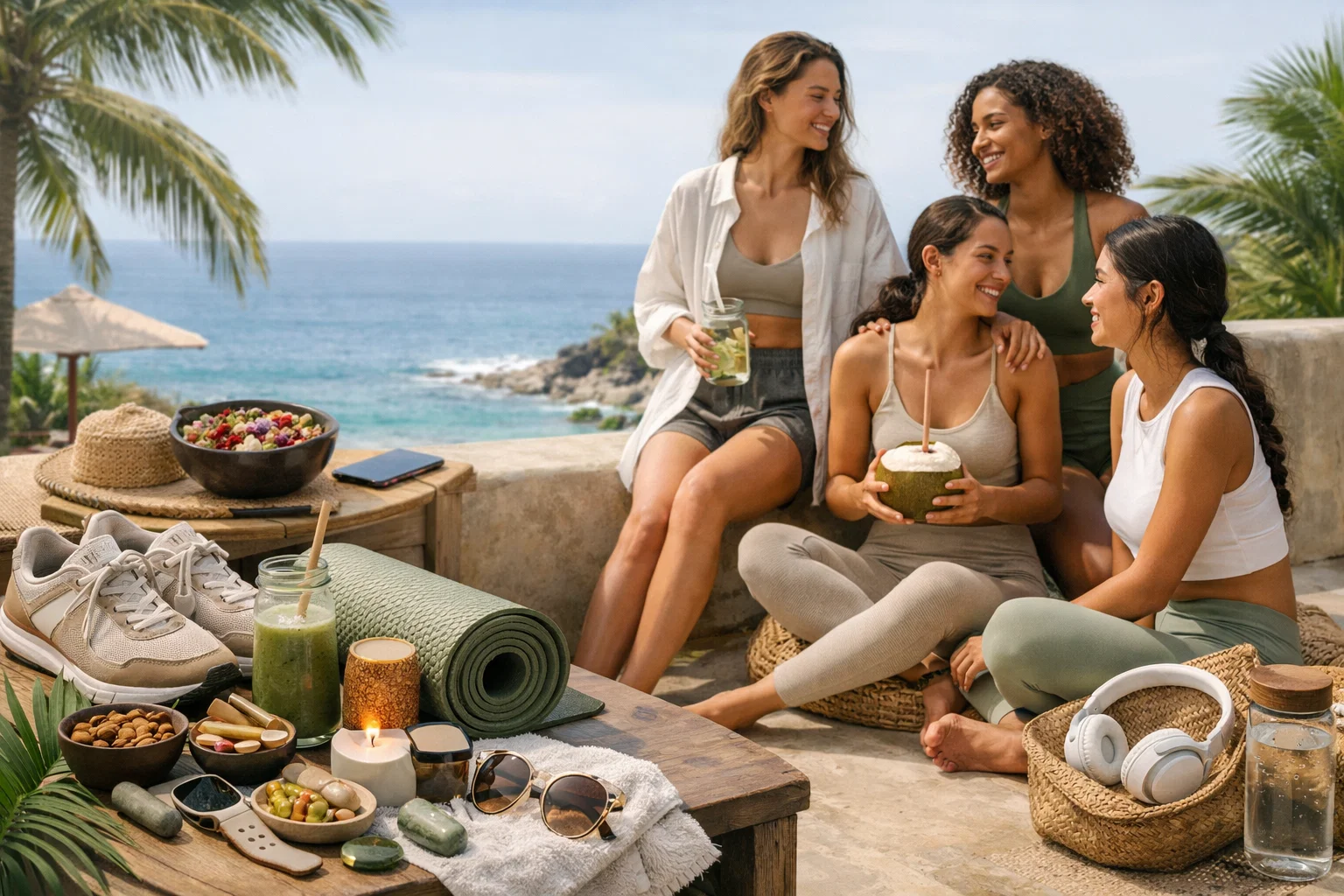
How Social Media and Influencers Are Promoting Wellness Style
Social media platforms like TikTok and Instagram are flooded with content showcasing wellness fashion, with influencers leading the charge in promoting this trend. They demonstrate how stylish apparel can support a healthy and balanced lifestyle. This fashion and beauty trend has been reshaped with the help of these influencers.
Brand Campaigns That Combine Fashion and Wellness Experiences
Fashion brands are launching innovative campaigns that blend fashion with wellness experiences, creating immersive and engaging content. These campaigns often include partnerships with health experts and wellness professionals to provide valuable insights and resources. The global wellness industry will continue to grow.
Pop-Up Events, Retreats, and Fitness-Focused Fashion Collaborations
Pop-up events, wellness retreats, and fitness-focused fashion collaborations are becoming increasingly popular. These events offer consumers a chance to experience wellness fashion firsthand, connect with like-minded individuals, and learn about the latest trends. This helps reshape the consumer’s understanding and perception of wellness.
Practical Examples of Fashion-Wellness Integration in 2026
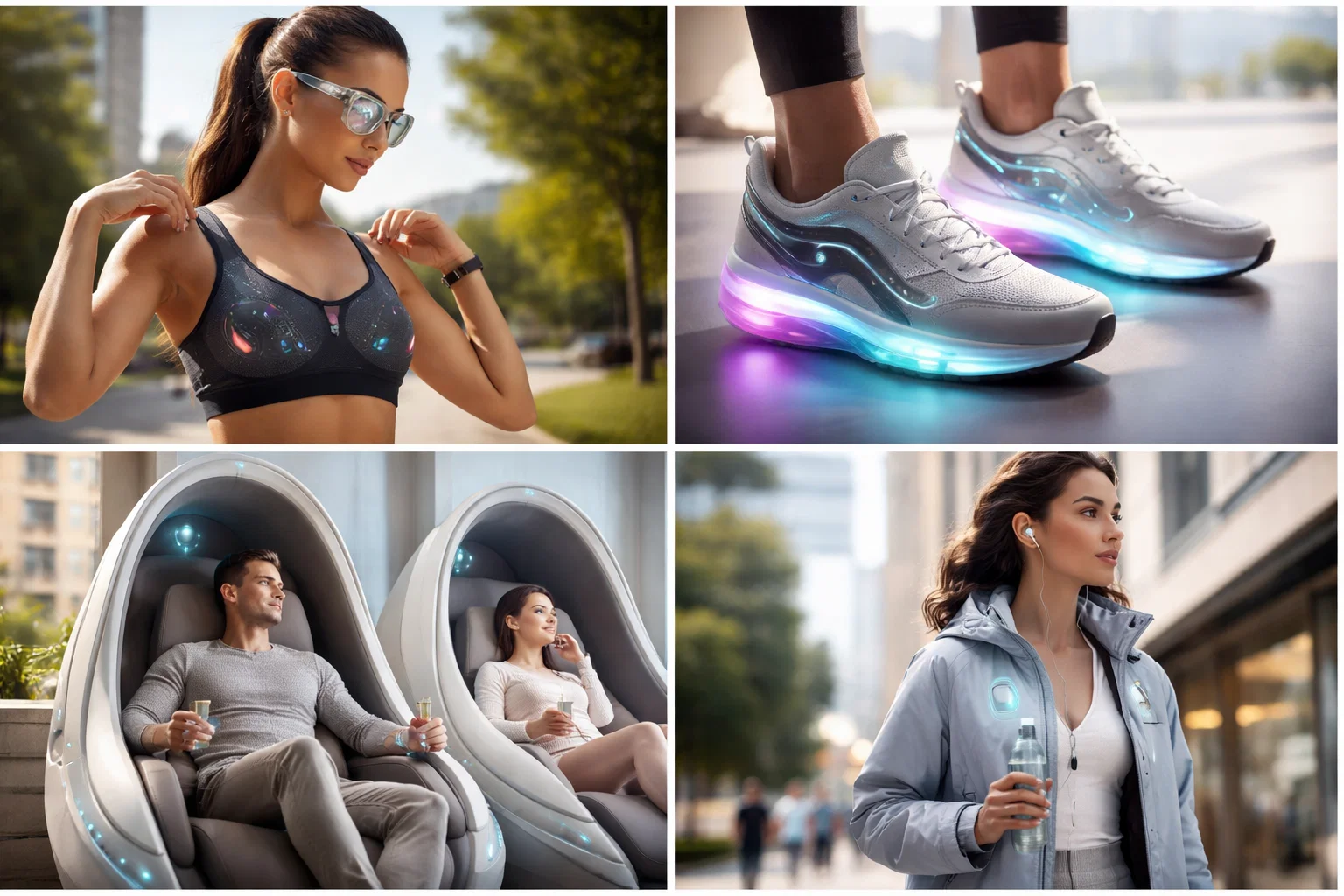
Everyday Wardrobes Incorporating Wellness Features
In 2026, everyday wardrobes are increasingly incorporating wellness features, reflecting a shift towards prioritizing wellbeing in daily apparel choices. This means selecting clothing items that promote comfort, support physical health, and enhance mental wellbeing. The wellness trend is shaping what consumers expect from their clothes.
Accessories Supporting Health: Ergonomic Footwear, Wellness Jewelry, Smart Bags
Accessories in 2026 go beyond mere aesthetics, actively supporting health. Ergonomic footwear improves posture and reduces strain, while wellness jewelry monitors vital signs.
Smart bags feature organizational systems to reduce physical stress, blending fashion with functionality to enhance wellbeing, reflecting the wellness market demand.
Celebrity and Influencer Adoption of Wellness Fashion
Celebrities and influencers play a pivotal role in popularizing wellness fashion. Their adoption of functional and sustainable apparel on social media inspires fans to prioritize wellbeing in their fashion choices.
This endorsement amplifies the wellness trend, reshaping the fashion industry in 2026 and beyond and influencing Gen Z and millennials.
Tips for Incorporating Wellness Into Your Fashion Choices
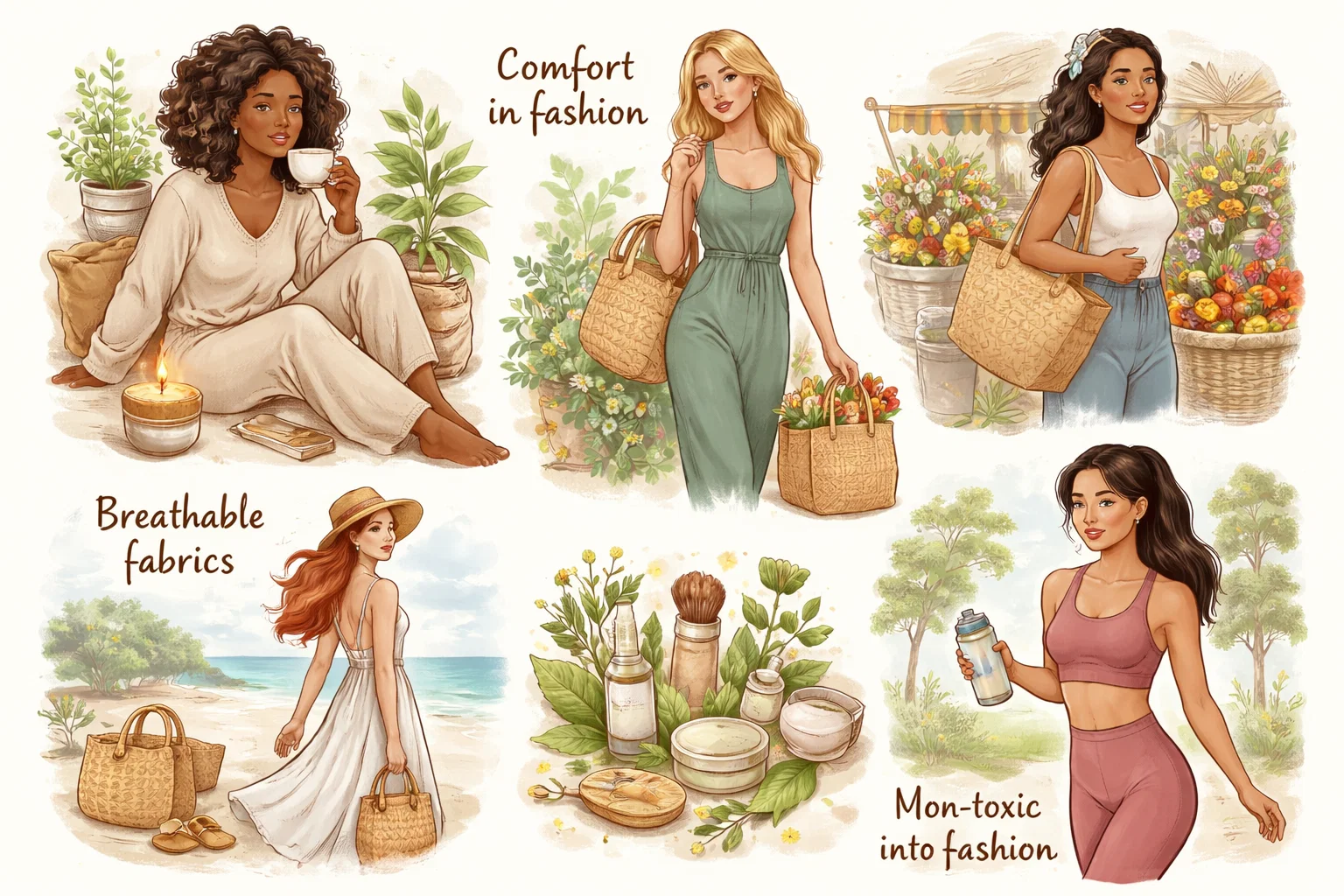
Selecting Clothing That Supports Movement, Comfort, and Mindfulness
When choosing apparel, prioritize garments that support ease of movement and all-day comfort, fostering mindfulness. Look for breathable fabrics, ergonomic designs, and non-restrictive fits that enhance physical wellbeing. The wellness trend encourages selecting clothing that aligns with self-care practices.
Integrating Smart and Functional Accessories Into Your Style
Enhance your style with smart and functional accessories that offer added health benefits. Consider ergonomic bags to improve posture, smartwatches for fitness tracking, and wellness jewelry for monitoring stress levels. This integration of technology and fashion promotes a holistic approach to wellbeing, reshaping habits.
Combining Sustainability, Wellness, and Style in Modern Wardrobes
Achieving a modern wardrobe that harmonizes sustainability, wellness, and style involves mindful material choices and thoughtful designs. Opt for eco-friendly fabrics, support ethical fashion brands, and choose versatile pieces that promote both personal and planetary health. Wellness and sustainability reshape what’s next.
Conclusion: Fashion and Wellness as a Unified Lifestyle Trend
Fashion and wellness have merged into a unified lifestyle trend in 2026, reflecting a holistic approach to health and self-expression. This convergence shapes apparel choices, influences brand strategies, and highlights the importance of mindful consumption. This wellness market is expected to continue its expansion globally.