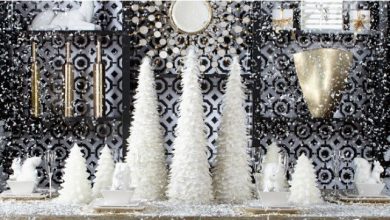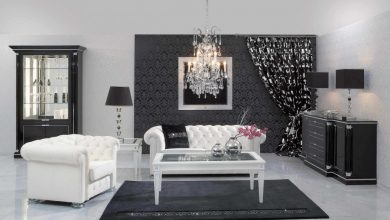
Explore how emotional interior design is transforming homes into spaces that nurture emotional well-being, affecting your mood and fostering a sense of calm and relaxation. Discover design ideas and elements that create an emotional connection.
Why Your Home Is More Than Just a Physical Space
The Hidden Connection Between Environment and Emotions
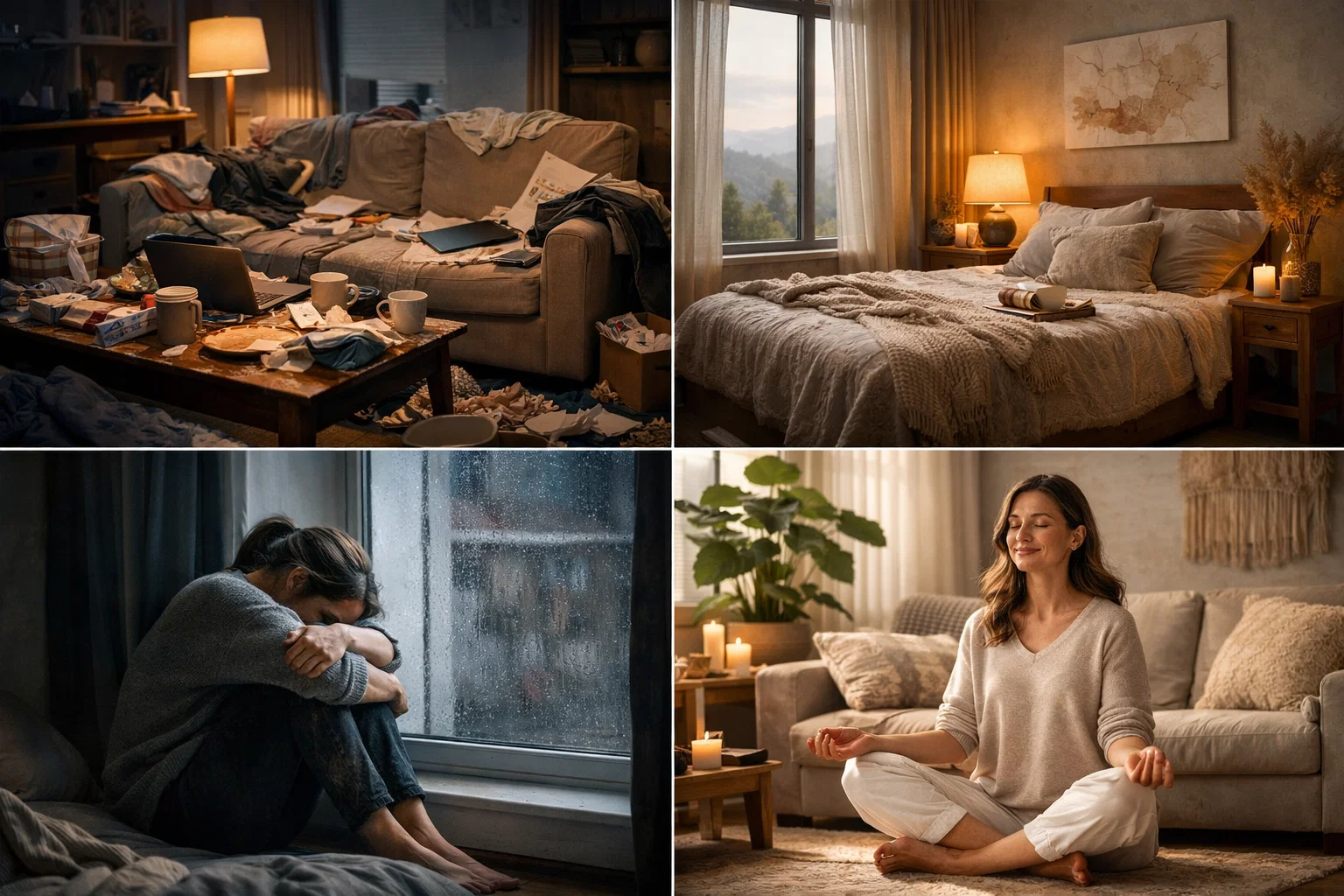
Our environment profoundly impacts our emotions. Understanding this connection is crucial in interior design. By incorporating natural elements and thoughtful design, we can create a home that reduces stress and promotes emotional well-being.
Why Emotional Interior Design Is Trending Now
Emotional interior design is trending due to an increased focus on mental health. People now seek spaces that nurture their emotional well-being. They prioritize creating an emotional sanctuary that uses interior design psychology.
How Modern Lifestyles Are Changing Home Design Needs
Modern lifestyles demand versatile spaces that adapt to various needs. Design trends now prioritize spaces that energize, calm, and promote productivity. This shift necessitates innovative interior design solutions tailored to modern life.
What Is Emotional Interior Design? (Clear Definition)
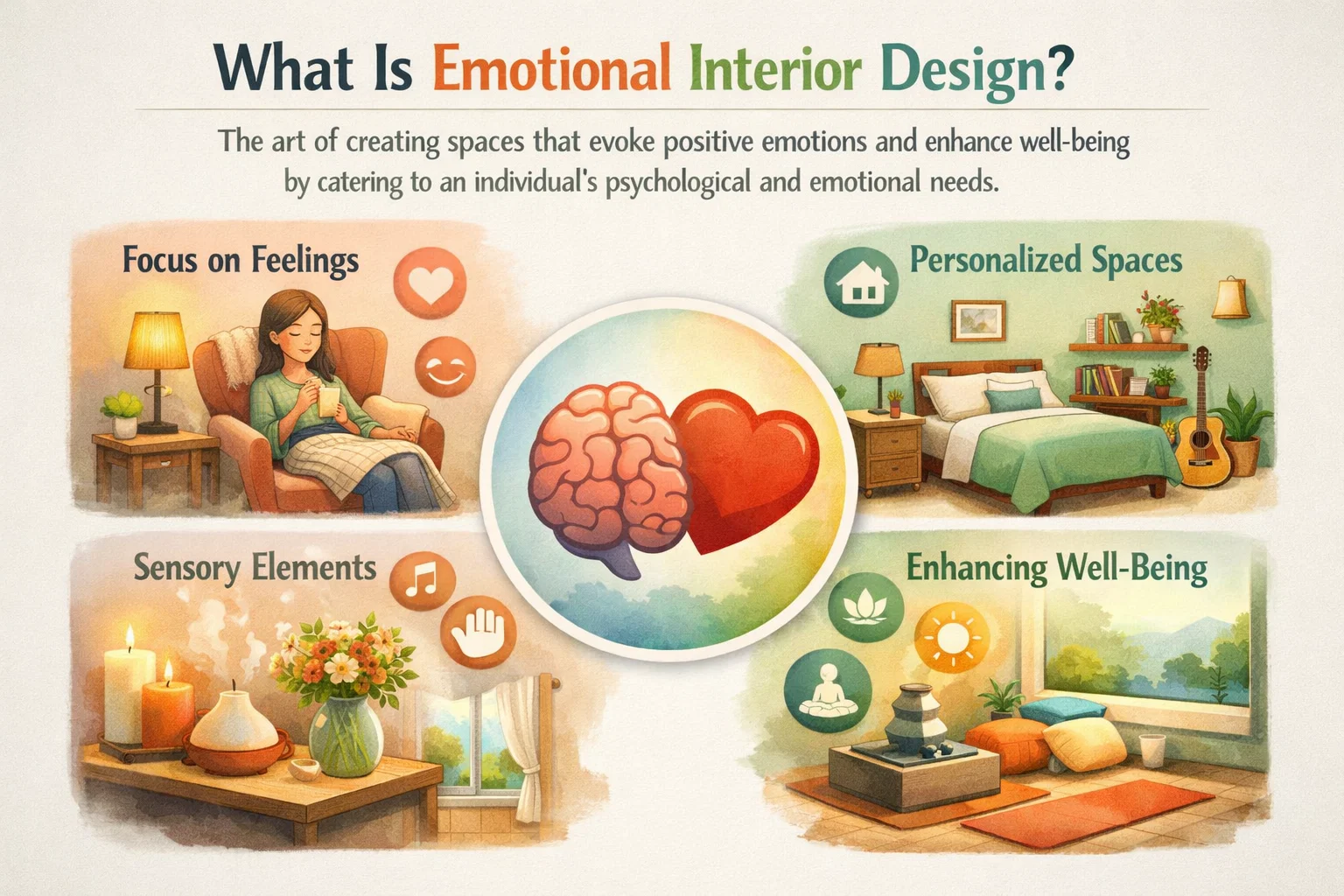
Understanding Mood-Based and Psychology-Driven Decorating
Mood-based decorating uses the psychology of interior design to create spaces that evoke specific emotions. It focuses on design elements that contribute to how a space feels, aligning aesthetics with emotional well-being.
How It Differs From Traditional Interior Design
Unlike traditional interior design, which often prioritizes aesthetics, emotional interior design focuses on how spaces affect your mood. It goes beyond visual appeal, focusing on emotional connection and overall well-being.
The Role of Emotional Intent in Space Creation
Emotional intent guides the design project, ensuring every element supports the desired emotional atmosphere. From layout to texture, each aspect is carefully chosen to contribute to creating an emotional and nurturing environment.
The Science Behind How Your Home Affects Your Mood
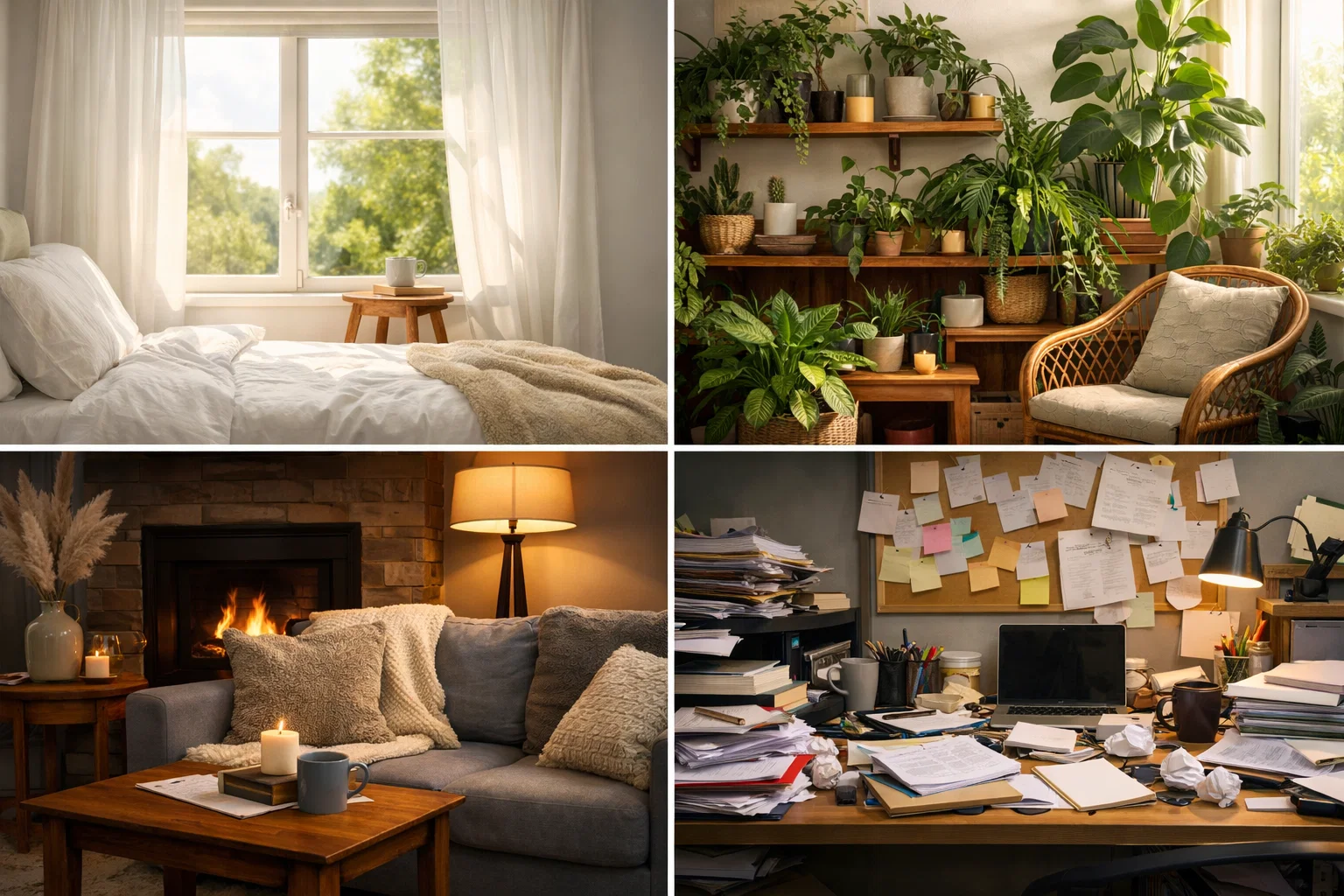
Environmental Psychology
Environmental psychology studies the relationship between people and their surroundings. This field explores how physical environments, like our homes, impact behavior, mood, and overall well-being, offering insights for emotional interior design.
How Color, Light, and Space Impact the Brain
Color psychology reveals how colors like blues and greens can have a calming effect. Natural light regulates circadian rhythms, while spatial layout affects our sense of safety and freedom, each impacting brain function.
The Nervous System Response to Physical Environments
Our nervous system constantly reacts to physical stimuli. Certain design elements, like soft textiles or nature-inspired decor, can trigger relaxation. Harsh lighting or cluttered spaces can activate stress responses, affecting well-being.
Core Elements of Emotional Interior Design
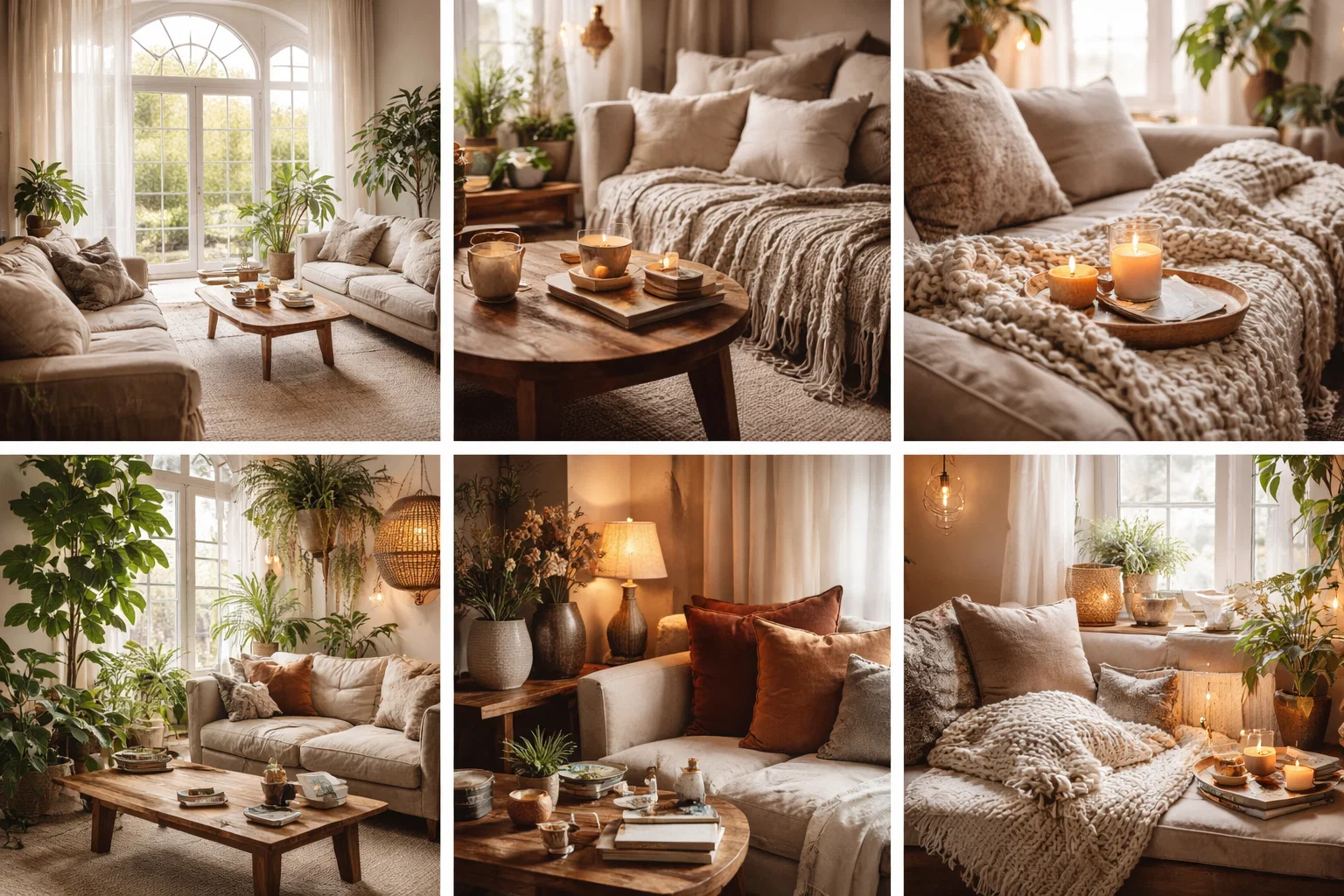
Color Psychology and Emotional Triggers
Color psychology plays a crucial role, as different colors evoke specific emotions. Soft blues and greens create a calm atmosphere, while warm yellows and oranges can energize. Strategic use can affect your mood significantly.
Lighting and Circadian Rhythm Regulation
Effective lighting is essential for regulating circadian rhythms. Natural light is ideal for maintaining a healthy sleep-wake cycle. Incorporating lighting can enhance mood and productivity by mimicking natural daylight patterns.
Texture, Materials, and Sensory Comfort
Texture and materials significantly impact sensory comfort.
Natural materials like linen and tactile surfaces contribute to creating an emotional connection. Soft textiles and nature-inspired elements enhance relaxation and reduce stress at home.
Layout and Spatial Flow for Mental Clarity
A well-planned layout and spatial flow promote mental clarity. Open living rooms create a sense of freedom.
Organized spaces reduce clutter and visual distractions, enhancing relaxation, mental focus, and overall emotional well-being.
How Different Rooms Affect Your Emotions
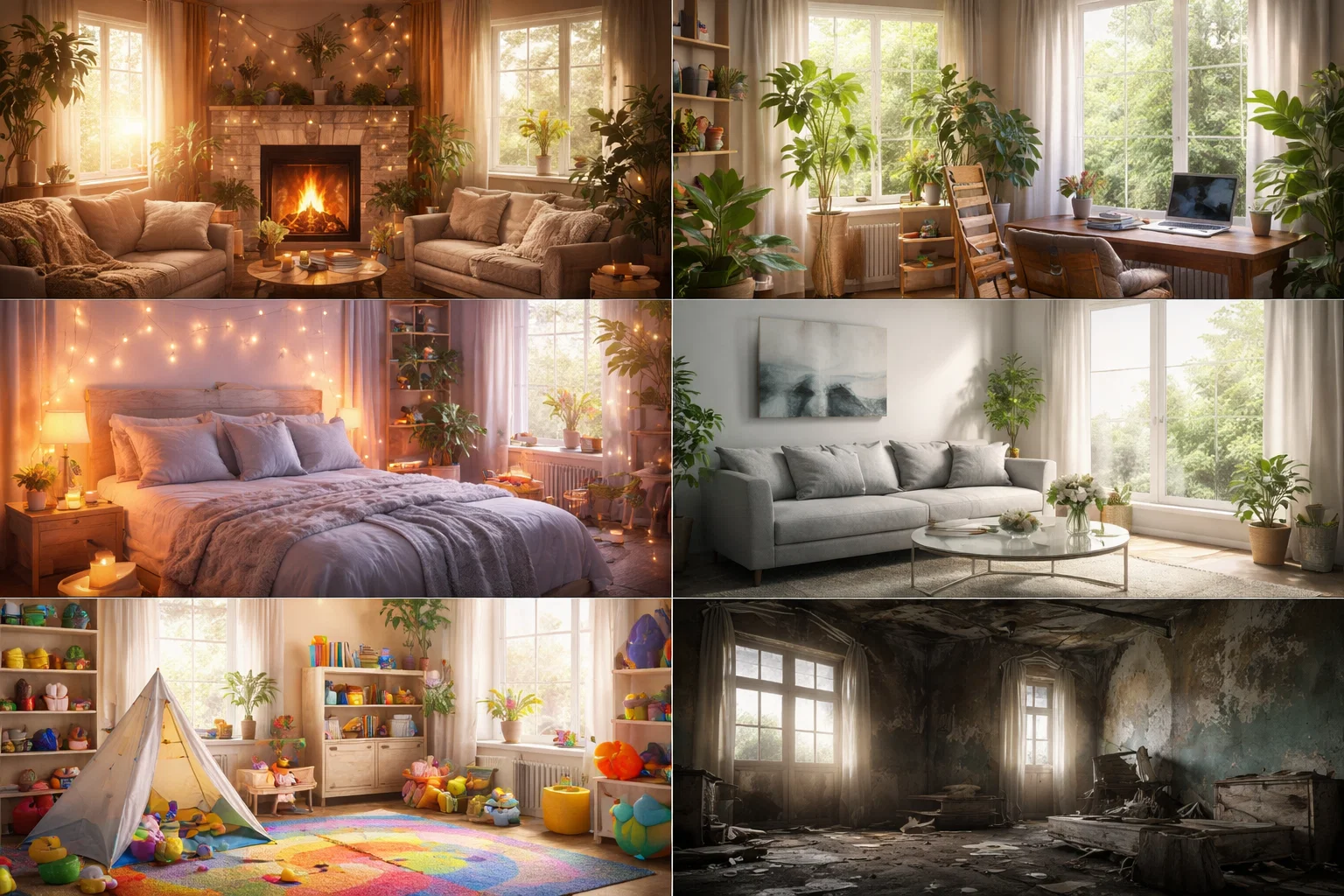
Bedroom Design for Sleep, Calm, and Recovery
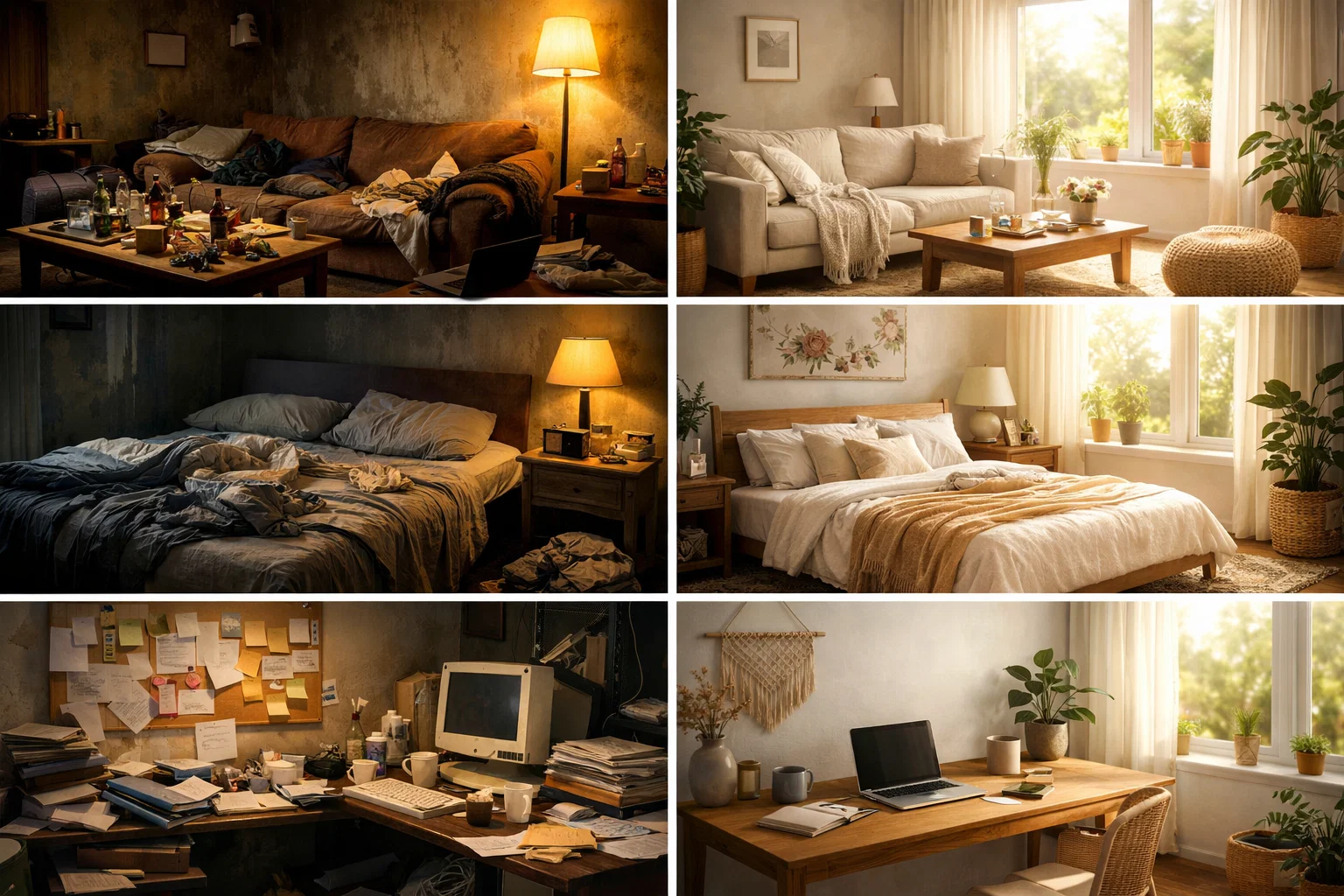
The bedroom should serve as a personal sanctuary, designed for sleep, calm, and recovery. Use soft textiles, a calming color palette with blues and greens, and blackout curtains to control lighting. Proper bedroom interior design enhances relaxation and promotes restful sleep, affecting your mood positively.
Living Room Design for Connection and Relaxation
Living rooms should foster connection and relaxation. Arrange the layout to encourage conversation, with a comfortable sofa and natural elements. Incorporate lighting that can be adjusted for different moods, creating an emotional and welcoming space for social interaction and relaxation, affecting your mood.
Home Office Design for Focus and Productivity
A home office needs to prioritize focus and productivity. Optimize natural light to reduce eye strain, and use a minimalist design to minimize distractions. Ensure the space feels organized and energizing, which helps create a mood, fostering a productive and calming work environment.
Kitchen Design for Energy and Nourishment
The kitchen should be designed to energize and inspire healthy eating. Bright lighting, cheerful colors, and an efficient layout can make cooking enjoyable. Incorporate natural materials and create a mood with accents to promote wellness and positive emotional associations with food preparation.
The Psychology of Mood-Based Decorating
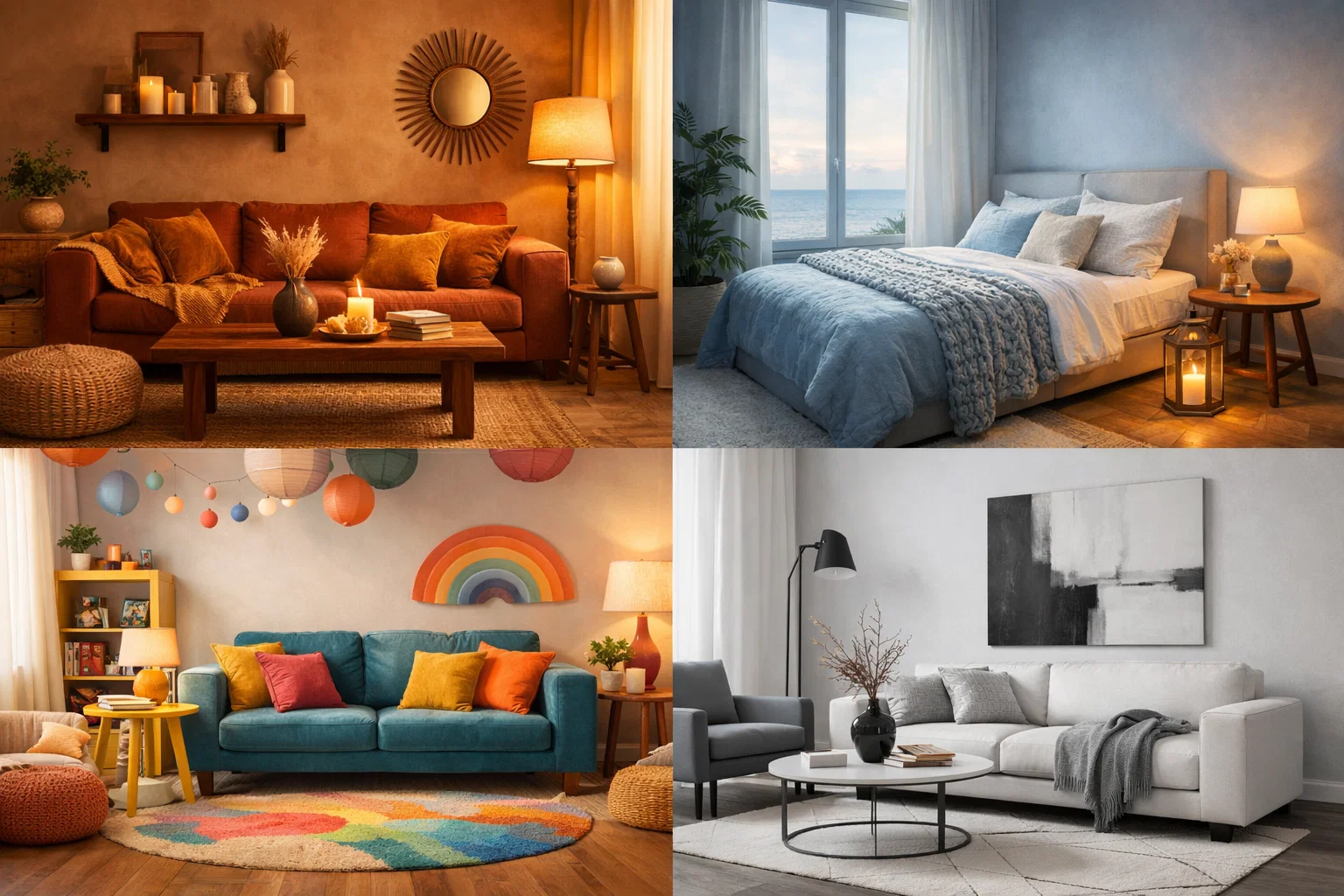
Why Humans React Emotionally to Spaces
Humans react emotionally to interior design because our brains are wired to respond to our environment. Spaces that feel safe, comfortable, and visually appealing trigger positive emotions. Interior design psychology uses these connections to enhance emotional well-being and create a home.
The Role of Memory, Comfort, and Nostalgia in Design
Memory, comfort, and nostalgia play significant roles in emotional interior design. Incorporating familiar elements and cherished items can evoke positive emotions. This interior design psychology creates a sense of belonging and emotional connection, affecting your mood and enhancing overall well-being.
Stress Reduction Through Environmental Control
Environmental control is vital for stress reduction.
Decluttering, using calming color psychology with blues and greens, and optimizing lighting can create a calm atmosphere. Thoughtful interior design can help regulate emotions and promote relaxation at home, reducing stress and improving emotional well-being.
Popular Emotional Interior Design Styles
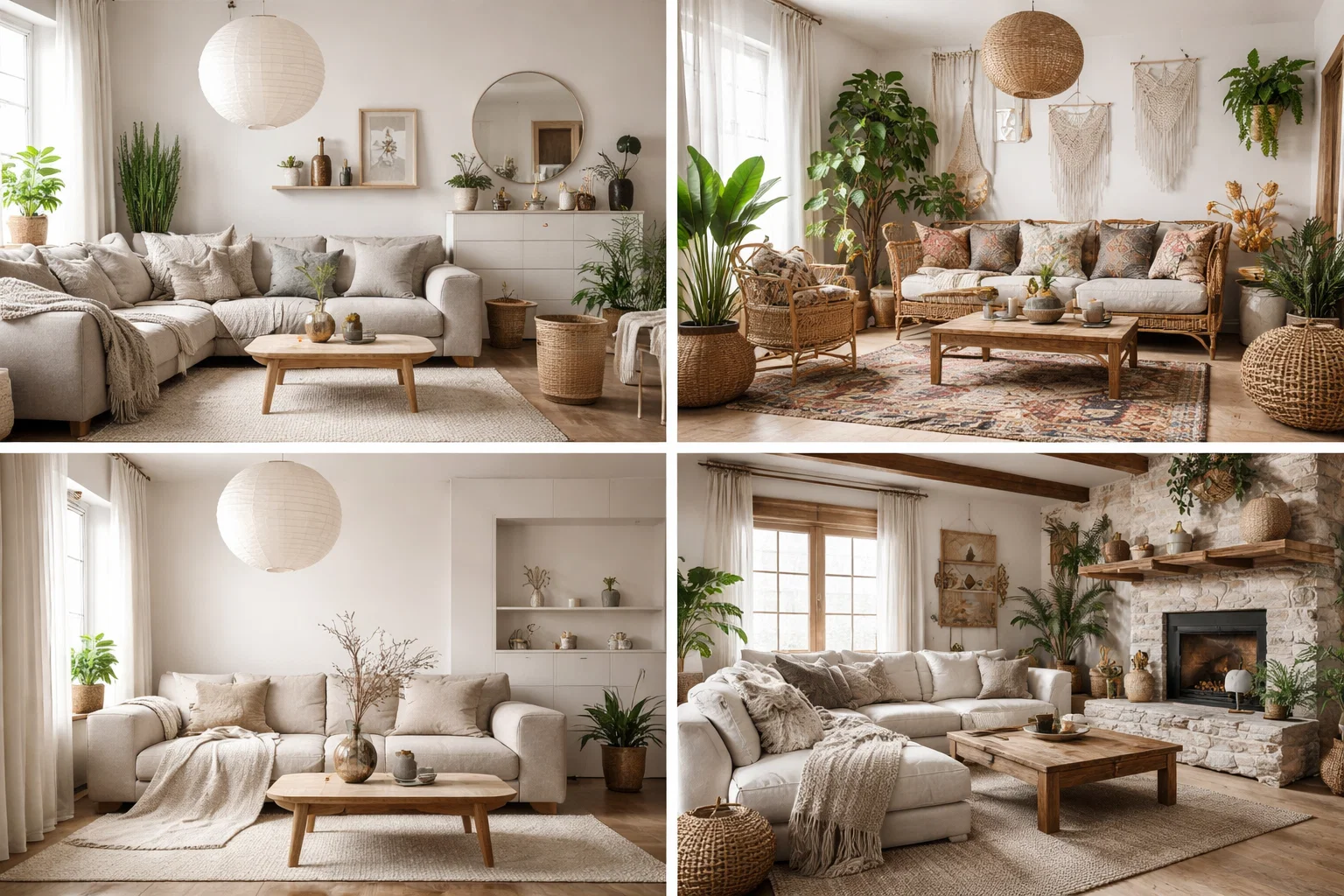
Minimalist Calm Spaces for Mental Clarity
Minimalist interior design focuses on simplicity and functionality. Clean lines, neutral colors, and minimal clutter promote mental clarity. This interior design psychology creates a calm and serene environment, reducing stress and enhancing emotional well-being in the home.
Cozy “Hygge” Inspired Emotional Comfort Design
Hygge-inspired design prioritizes coziness and comfort. Soft textiles, warm lighting, and natural materials create a nurturing atmosphere. The trend creates a sense of warmth, security, and contentment, fostering emotional comfort and relaxation, affecting your mood and emotional well-being.
Nature-Inspired Biophilic Design
Biophilic interior design incorporates natural elements to connect with nature. Plants, natural light, and organic materials enhance well-being. This design trend reduces stress, improves mood, and creates an emotional connection, making the interior feel more vibrant and alive.
Soft Luxury and Warm Aesthetic Spaces
Soft luxury and warm aesthetic interior design combines elegance with comfort. Plush textiles, warm color palettes, and curated accents create a sophisticated yet inviting space. This style promotes relaxation, indulgence, and a sense of emotional well-being, affecting your mood in a positive way.
Common Mistakes in Emotional Interior Design
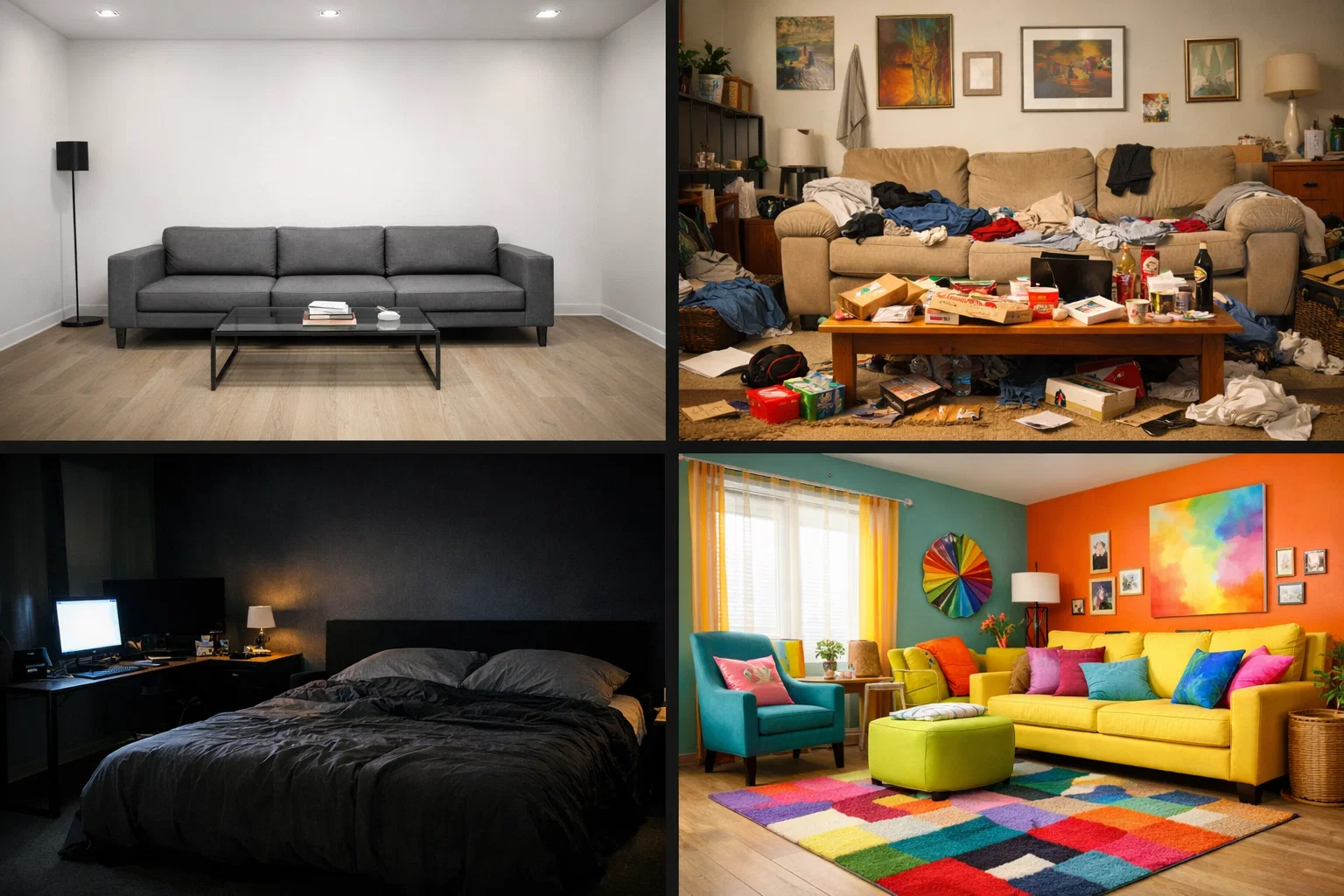
Over-Decorating and Sensory Overload
Over-decorating and sensory overload can hinder emotional well-being.
Too many accents and clashing design elements overwhelm the senses, leading to stress. Simplify your interior by reducing visual noise. This common mistake negates the purpose of creating an emotional interior design for your mood at home.
Ignoring Personal Emotional Needs
Ignoring personal emotional needs when designing is a frequent mistake.
While design trends are tempting, your space should reflect your unique emotional requirements. Focus on what calms and energizes you, rather than blindly following popular aesthetics in interior design.
Copying Trends Instead of Designing for Feelings
Copying design trends without considering personal feelings is a pitfall. Emotional interior design should prioritize creating an emotional connection and emotional well-being.
Instead of following trends, focus on how each design element makes you feel and creates a home.
How to Start Designing Your Home Based on Mood
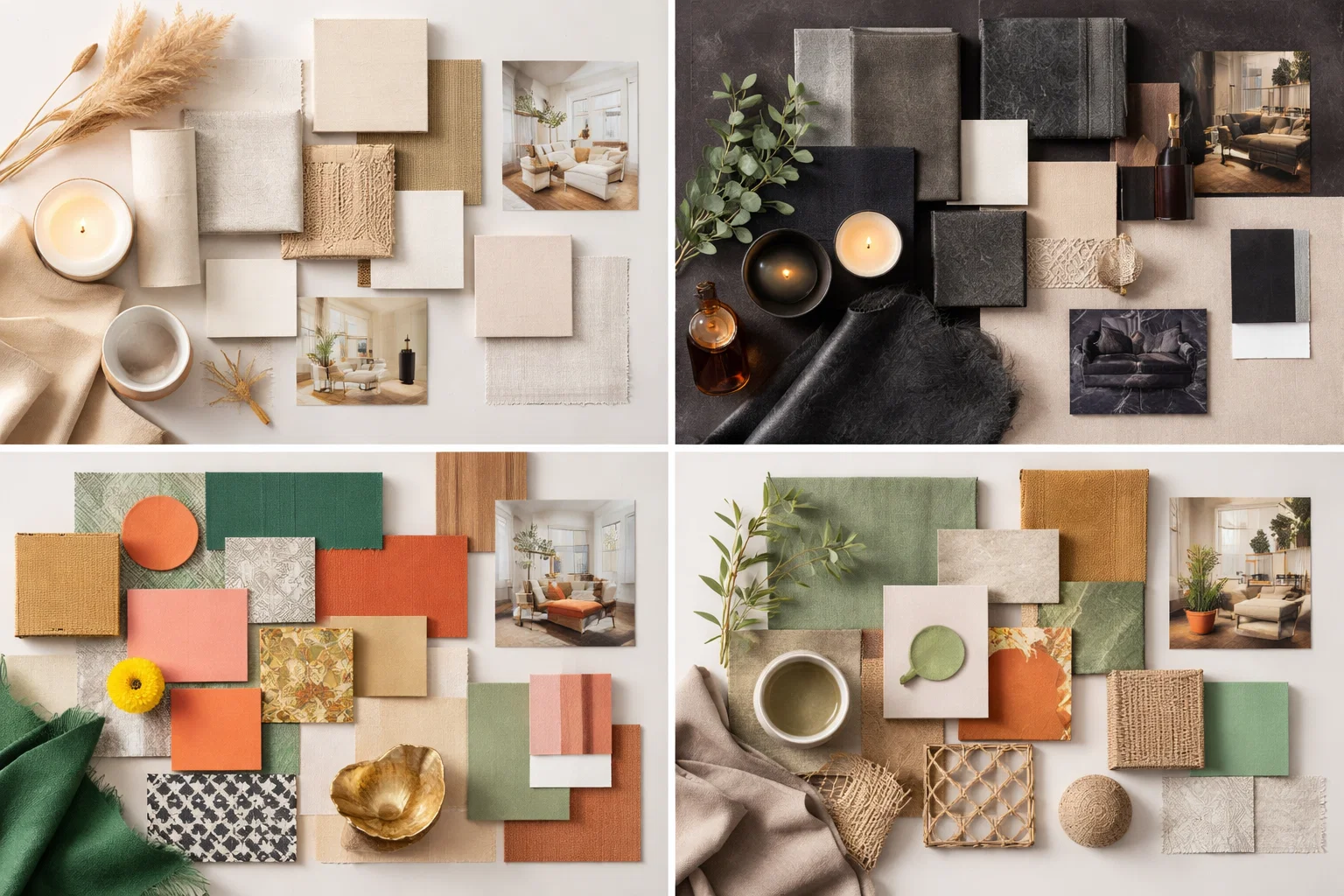
Step 1: Identify How You Want Each Room to Feel
Identify how you want each interior to feel. Consider what activities you’ll do there and what emotional well-being you’re aiming for. Do you need a calm space for relaxation or a vibrant area to energize and boost your mood at home?
Step 2: Choose Colors, Lighting, and Materials Intentionally
Intentionally select colors, lighting, and materials that support your emotional goals. Use calming color psychology with blues and greens in bedrooms. Opt for warm lighting and tactile textures in the living rooms. Use natural materials to enhance relaxation and natural light.
Step 3: Remove Emotional Clutter and Distractions
Remove emotional clutter and distractions to create an emotional connection. Clear away items that evoke negative emotions. Decluttering creates a calm atmosphere, which helps create a mood that supports mental clarity and emotional well-being by incorporating interior design psychology.
Emotional Interior Design vs Aesthetic Interior Design
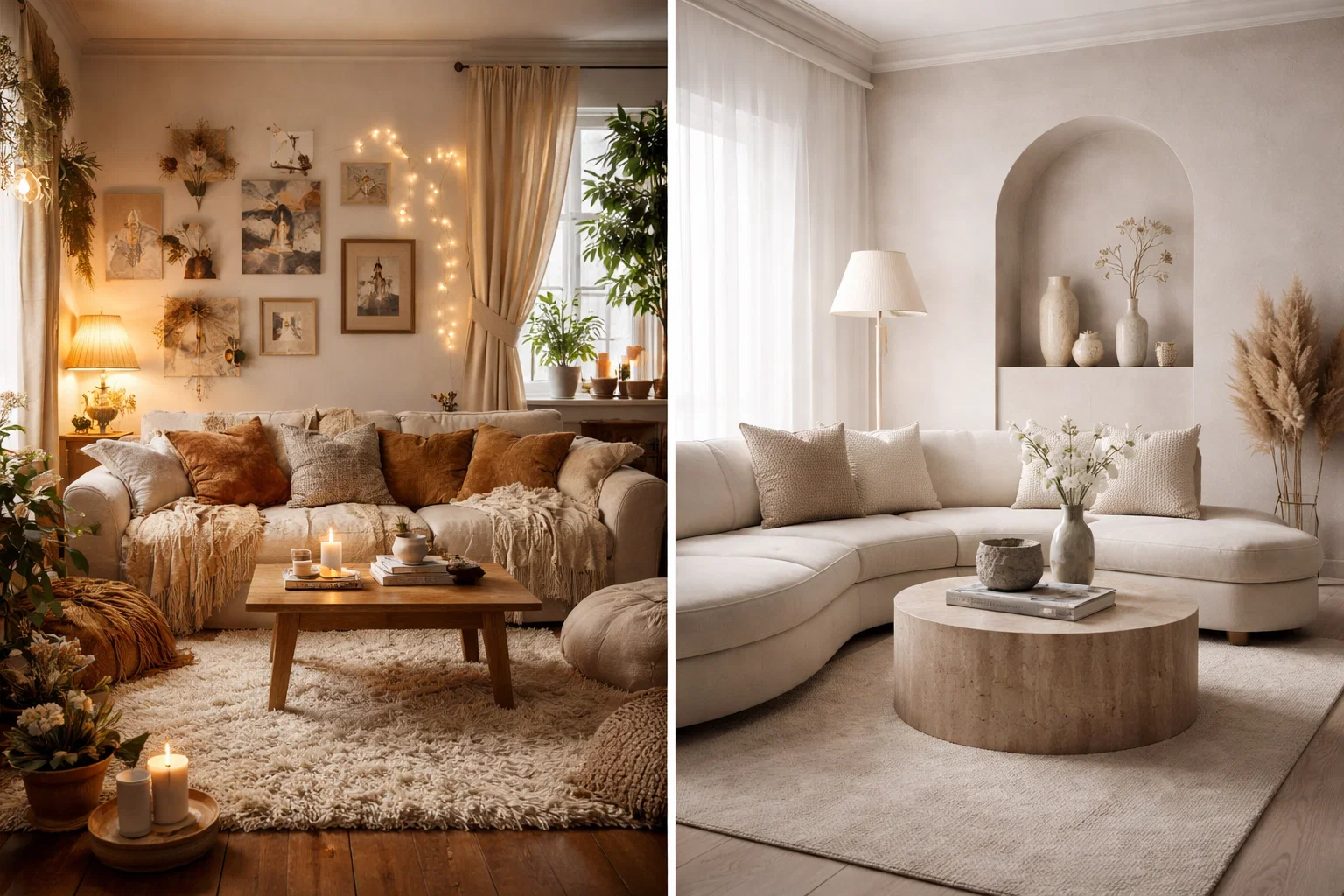
Looks vs Feelings: The Core Difference
The core difference lies in priorities: aesthetics versus feelings. Aesthetic interior design focuses on visual appeal, while emotional interior design emphasizes how a space feels and creates a home.
The design project focuses on emotional well-being and creating an emotional connection.
Why Emotional Design Improves Well-Being Long-Term
Emotional interior design improves well-being long-term by creating spaces that meet emotional needs.
A well-designed interior promotes calm, reduces stress, and enhances overall mood. This interior design psychology supports mental health, making the interior a true emotional sanctuary.
The Shift From Pinterest Aesthetics to Functional Wellness
The trend shift prioritizes functional wellness over fleeting Pinterest aesthetics. People now value homes that nurture mental and emotional health. Interior design now integrates design elements that foster calm, energize, and support individual emotional needs by using the psychology of interior design.
The Future of Emotional Interior Design
Smart Homes That Adapt to Mood and Behavior
Smart homes will adapt to mood and behavior. Advanced technology adjusts lighting, textures, and temperature based on your emotional state. These intelligent interiors respond to individual needs, optimizing emotional well-being and creating an emotional connection for each member of the household.
AI-Driven Personalized Interior Design Systems
AI-driven interior design systems will offer personalized recommendations for creating an emotional interior design. AI analyzes preferences, habits, and emotional responses to optimize living spaces. This innovative trend enables designers to tailor homes precisely, enhancing emotional well-being and creating an emotional connection in a space.
Integration of Wellness, Biofeedback, and Architecture
The future integrates wellness, biofeedback, and architecture. Homes will use sensors to monitor stress levels and adjust lighting, textures, and layout accordingly. This holistic approach promotes emotional well-being, reduces stress, and optimizes health, creating a home.
Final Verdict: Why Your Home Is Your Emotional Ecosystem
Your home is more than just a physical structure; it’s your emotional ecosystem.
By understanding the impact of the design elements around you, you can cultivate a space that nurtures your mental and emotional well-being, affecting your mood, providing comfort, and promoting an emotional connection.