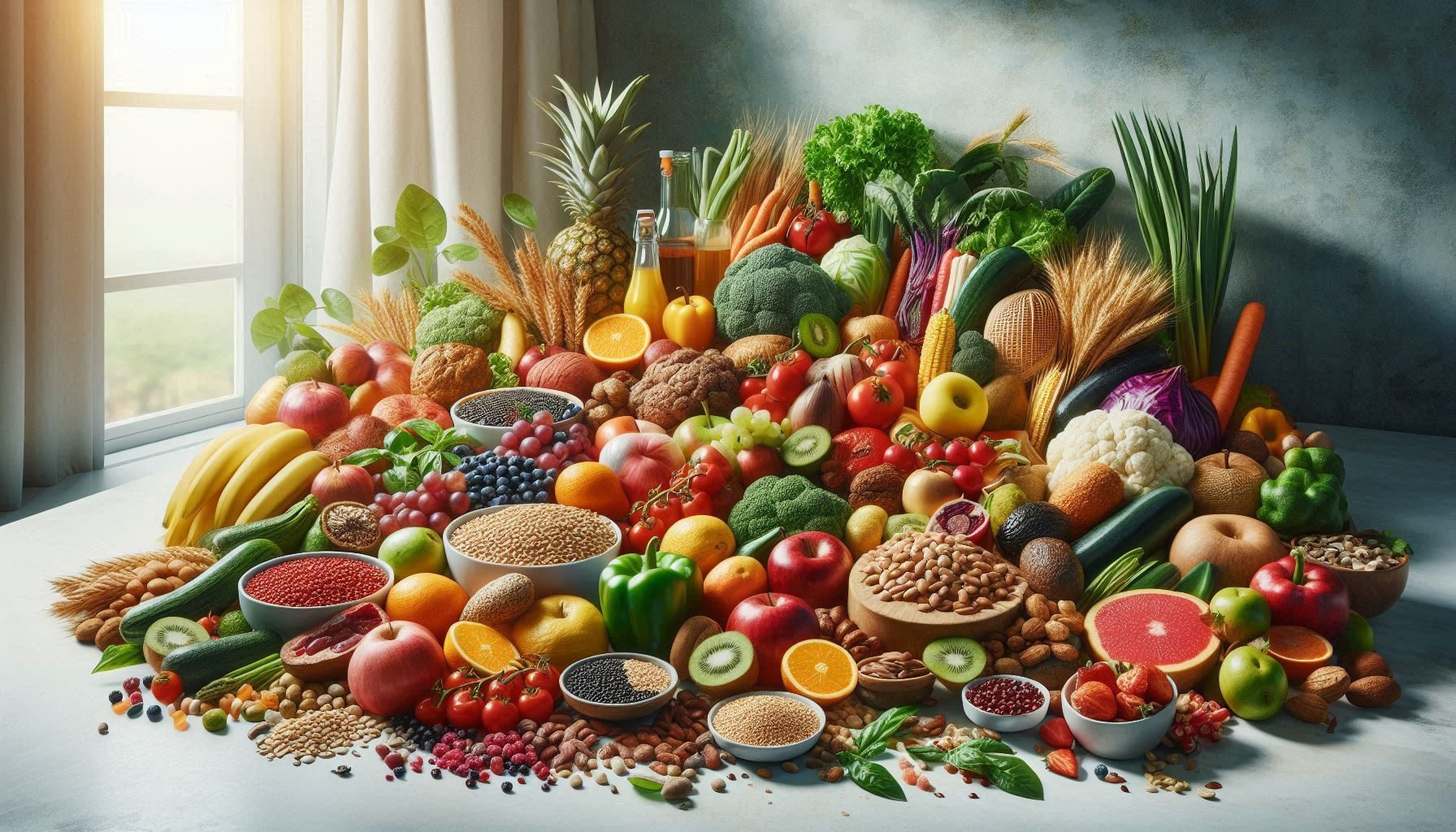
Embark on a journey towards better health in 2026 by embracing the “eat real food” movement. This guide will walk you through understanding what real food truly means, its health benefits, environmental impact, and how to incorporate it into your daily life.
Understanding the “Eat Real Food” Movement
What Does “Real Food” Actually Mean?
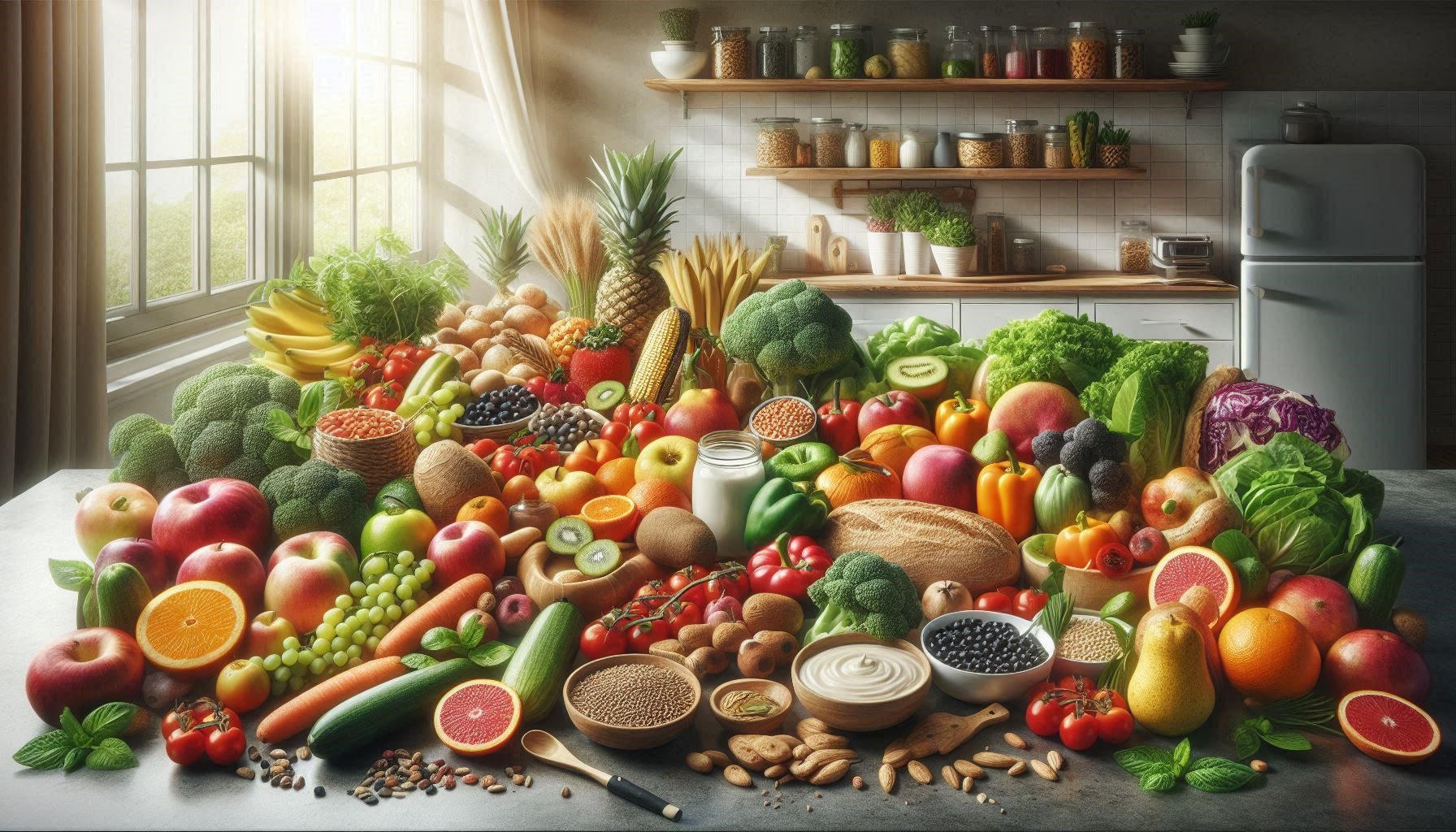
The “eat real food” movement encourages people to prioritize consuming whole foods over processed options, a significant reset of federal nutrition policy that puts real food back at the center. Real food refers to unprocessed or minimally processed items, as advocated by new dietary guidelines, which aligns with the principles of food as medicine.
Whole Foods vs. Processed Foods: The Key Differences
Whole foods are in their natural state, like fruits and vegetables, whole grains, and lean proteins, offering essential nutrients. Processed food, on the other hand, often contains added sugar, unhealthy fats, and artificial additives. The updated guidelines emphasize limiting ultraprocessed food and choosing minimally processed options for better public health.
Why the Trend Is Exploding in 2026
The “eat real food” trend is gaining momentum due to increased awareness of the negative health impacts of ultra-processed foods. Consumers are seeking several benefits, including:
- Prioritizing nutrition
- Reducing their risk of chronic diseases
- Improving their overall well-being
This is leading to a growing demand for whole foods and transparency in federal food policies.
The Health Benefits of Eating Real Food

Boosting Physical Health: Energy, Weight, and Digestion
Eating real food can significantly boost physical health. This is achieved through several key benefits, including:
- Providing sustained energy throughout the day
- Whole foods are naturally lower in calories and higher in fiber, aiding in weight management and promoting healthy digestion
By following the updated dietary guidelines, individuals can optimize their nutrition for improved physical well-being.
Enhancing Mental Health and Mood Naturally
Here’s how real food can positively impact your mental health. Nutrient-rich foods can help by:
- Supporting brain function
- Reducing inflammation
- Stabilizing blood sugar levels
This leads to improved mood and reduced risk of mental health issues. Eating whole foods is a natural way to enhance mental well-being.
Strengthening Your Immune System with Whole Foods
Real food plays a vital role in strengthening the immune system. Whole foods are packed with vitamins, minerals, and antioxidants that support immune function and protect against illness. By incorporating a variety of fruits, vegetables, and other nutrient-dense foods into your diet, you can bolster your body’s natural defenses.
Environmental and Lifestyle Impact
Sustainability: How Eating Real Food Helps the Planet
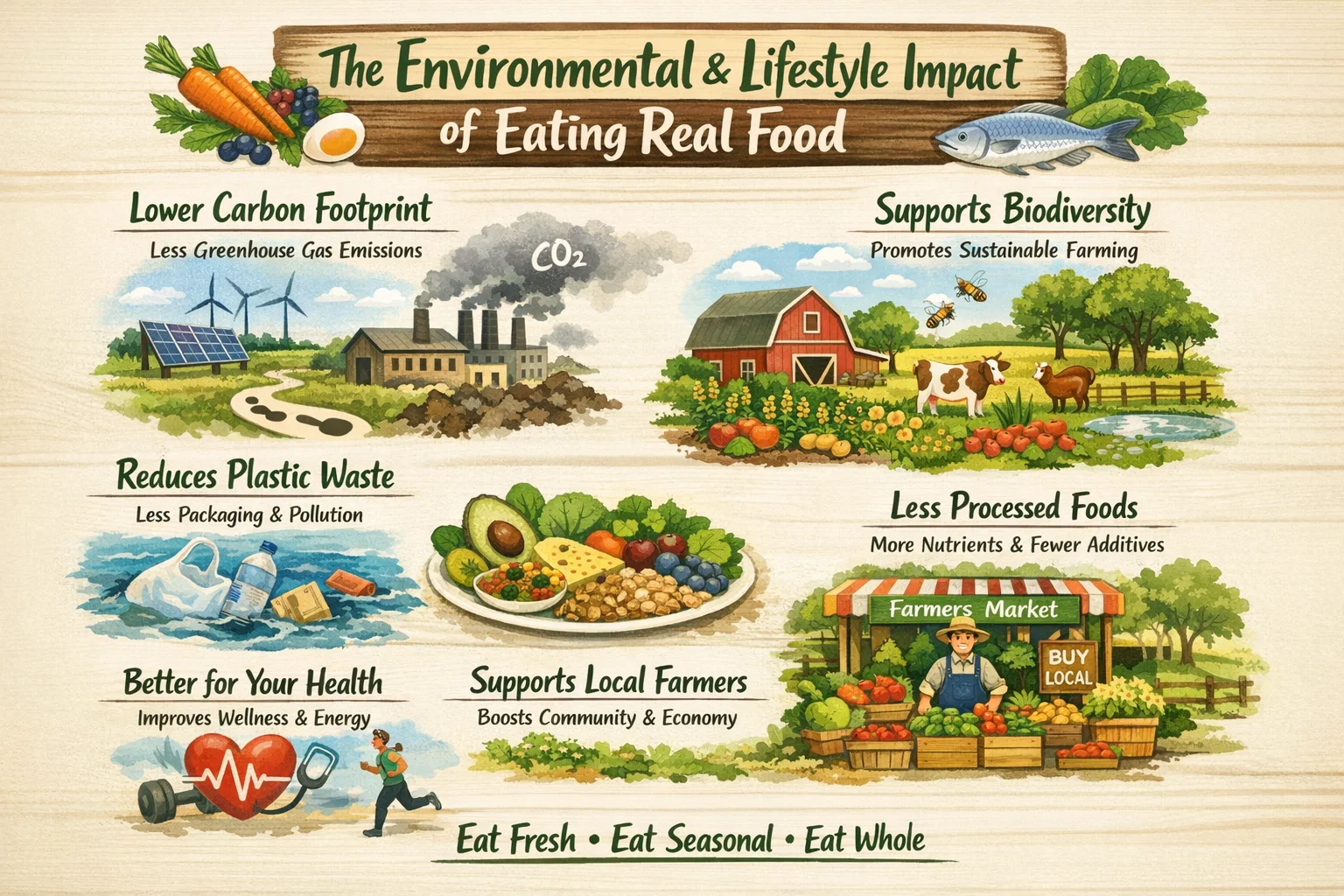
Embracing an “eat real food” lifestyle directly supports environmental sustainability. By prioritizing whole foods over ultra-processed foods, you reduce the demand for resource-intensive agricultural practices and minimize the environmental impact associated with manufacturing highly processed foods, as real food comes from sources that value the planet.
Supporting Local Farmers and Ethical Food Sources
Choosing real food often means supporting local farmers and ethical food sources. Buying directly from local producers ensures that your money is going to those who prioritize sustainable farming practices and animal welfare. This supports local economies and reduces the carbon footprint associated with transporting foods and beverages over long distances.
Reducing Chemical Exposure from Processed Foods
One of the significant advantages of prioritizing real food is the reduced exposure to harmful chemicals found in processed food. Ultra-processed food often contains artificial additives, preservatives, and pesticides. By opting for whole foods, you minimize your intake of these substances, promoting better public health.
Common Misconceptions About Eating Real Food

Myth 1: Real Food Is Too Expensive
A common misconception is that eating real food is too expensive. While some whole foods may have a higher initial cost, the long-term health benefits and potential savings on healthcare can outweigh these expenses. Planning meals around seasonal produce and buying in bulk can make eating real food more affordable.
Myth 2: Real Food Is Boring or Tasteless
Many believe that real food is boring or tasteless, but this couldn’t be further from the truth. Whole foods offer a diverse range of flavors and textures that can be enhanced with simple cooking techniques and creative recipes. Exploring different herbs, spices, and cooking methods can make eating whole foods an exciting culinary adventure.
Myth 3: It Requires a Strict, Difficult Diet
The idea that eating real food requires a strict, difficult diet is a misconception. It’s about making gradual, sustainable changes to your dietary pattern rather than adhering to rigid rules. Small steps, such as swapping out ultra-processed foods for whole foods and incorporating more fruits and vegetables, can make a significant difference.
How to Start Eating Real Food Today
Shopping Tips: Reading Labels and Choosing Wisely
When shopping for real food, it’s essential to read labels carefully and choose wisely. Look for products with minimal ingredients, avoid those with excessive added sugar, unhealthy fat, and artificial additives. Prioritize whole grains, lean protein, and plenty of fruits and vegetables to adhere to the new dietary guidelines.
Easy Meal Prep Ideas for Beginners
Meal prepping can make eating whole foods easier, especially for beginners. Simple ideas include chopping vegetables for quick salads, cooking a batch of whole grains like quinoa or brown rice, and grilling protein sources such as chicken or fish. Having these staples on hand ensures that you always have healthy options available.
Incorporating Real Food Into Busy Lifestyles
Incorporating real food into busy lifestyles requires planning and preparation. Pack healthy snacks like fruits, nuts, and yogurt for on-the-go options. Prepare meals in advance and utilize leftovers for quick lunches or dinners. By making small, conscious choices, you can prioritize eating whole foods even with a hectic schedule, following the updated guidelines.
Real Food Meal Ideas and Recipes
Breakfasts That Fuel Your Day Naturally
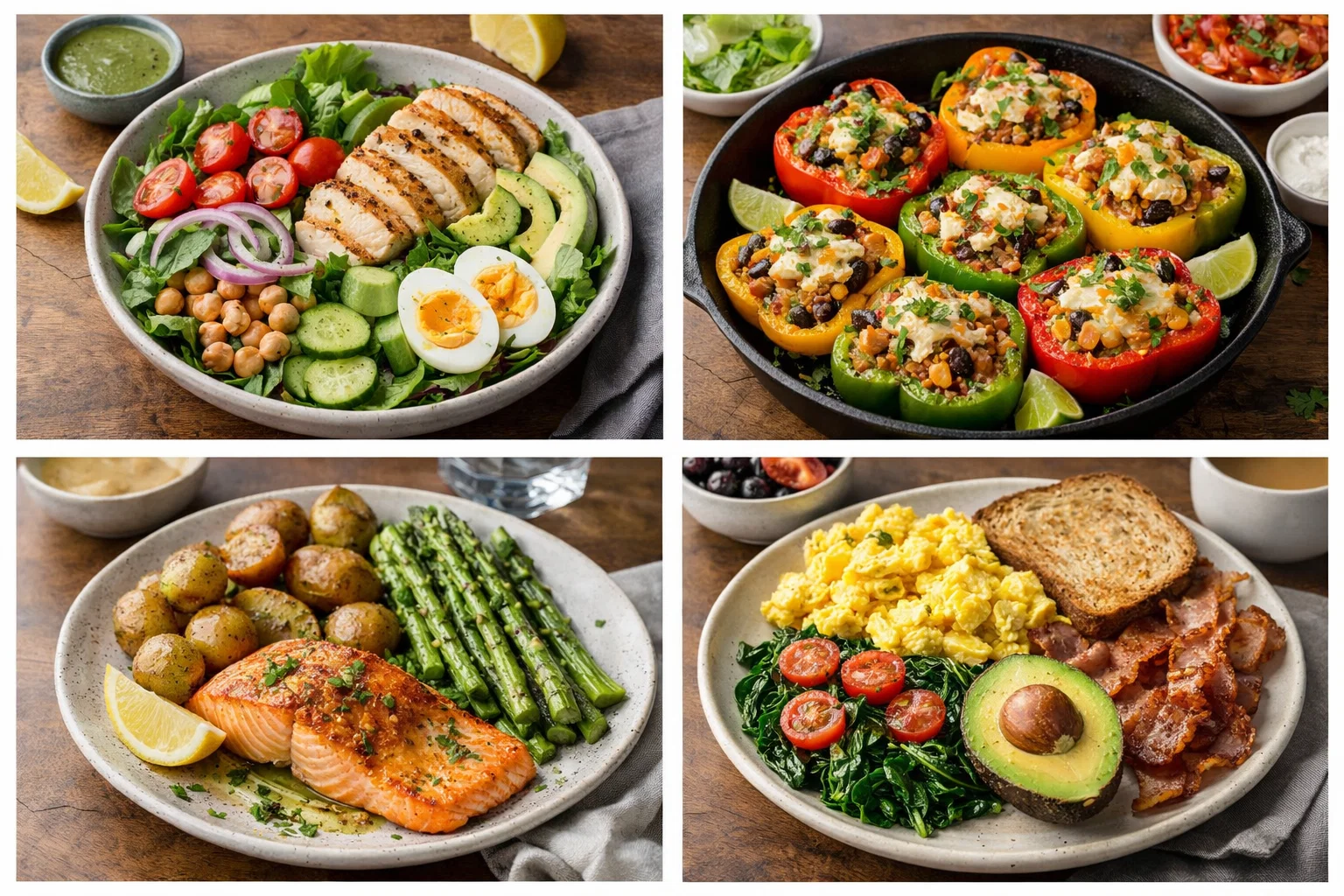
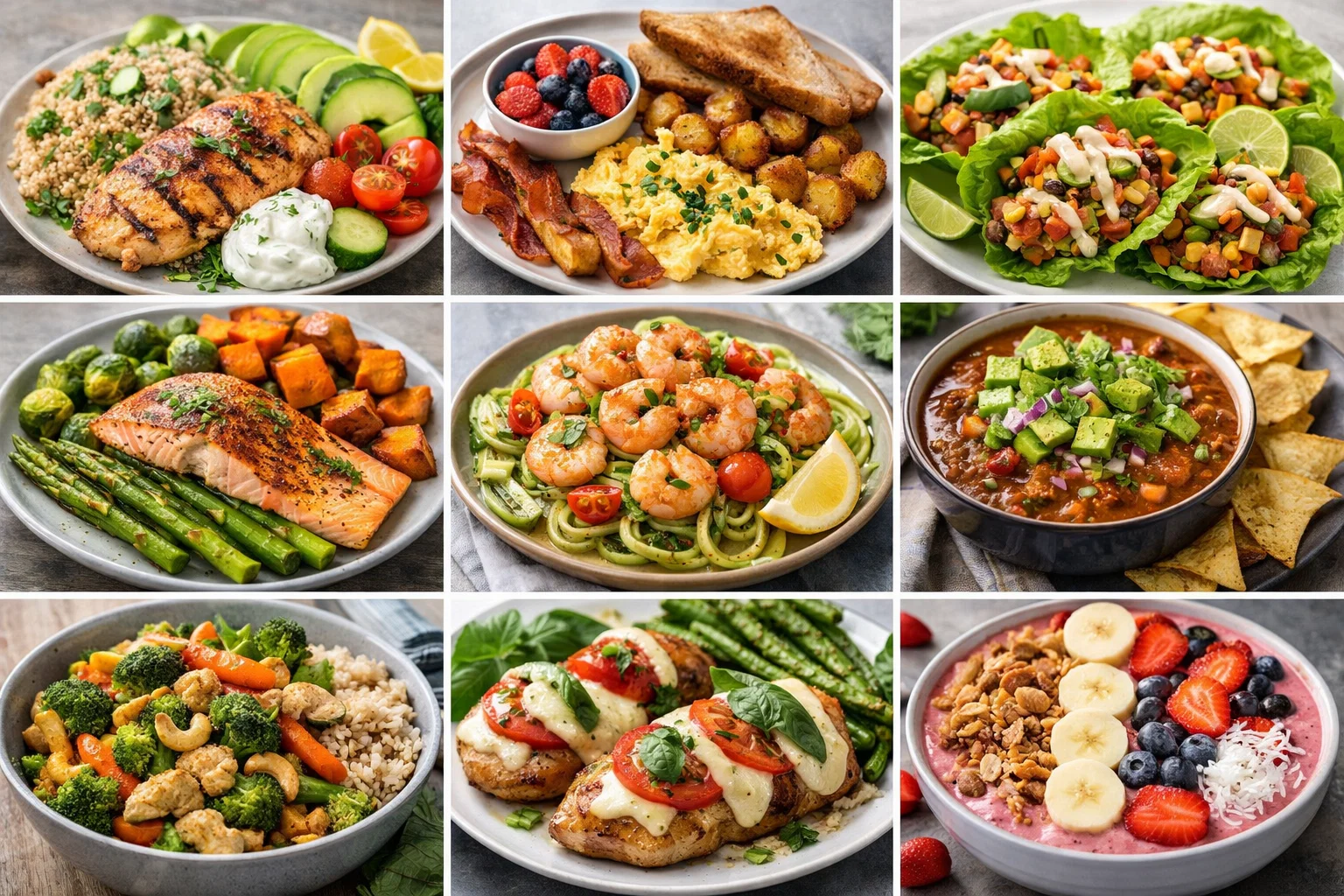
Start your day right with breakfasts that prioritize real food. Instead of reaching for sugary cereals or ultra-processed foods, opt for meals made with whole grains, fruits and vegetables, and lean protein. A bowl of oatmeal with berries and nuts, a smoothie packed with spinach and healthy fats, or eggs with avocado are excellent choices that align with the new dietary guidelines, setting the tone for a day of healthy choices.
Quick, Healthy Lunch Options
For a quick and healthy lunch, focus on incorporating real food that keeps you energized throughout the afternoon. Salads with grilled chicken or fish, whole grain wraps filled with hummus and vegetables, or leftovers from a real food dinner are all great options. These choices help you avoid ultra-processed foods and ensure you’re getting a balanced and nutritious meal, in line with the new dietary guidelines.
Dinner Recipes for the Whole Family
Dinner is an opportunity to create a meal that the whole family can enjoy while adhering to the principles of eating whole foods. Try recipes that feature lean protein, plenty of fruits and vegetables, and whole grains. A baked chicken with roasted vegetables, a lentil soup with a side of whole grain bread, or a stir-fry with brown rice are all delicious and nutritious options that support public health and align with the updated guidelines.
Snacks and Drinks That Support Real Food Choices
Snacks and drinks can either support or sabotage your commitment to real food. Instead of reaching for ultra-processed foods and sugary beverages, opt for snacks like fruits, vegetables with hummus, nuts, or yogurt. For drinks, choose water, herbal teas, or homemade smoothies. These choices help you stay satisfied between meals while avoiding added sugar and artificial additives, aligning with the new recommendation to prioritize real food.
Tracking Your Progress and Staying Motivated
Simple Ways to Monitor Your Health Improvements
Monitoring your progress is crucial for staying motivated on your journey to eating real food. Keep a food journal to track your meals and snacks, noting how you feel after each one. Pay attention to changes in your energy levels, digestion, and overall well-being. Regular check-ins with yourself can provide valuable insights and reinforce your commitment to the dietary guidelines and improved nutrition policy.
Using Social Media Challenges and Communities
Social media can be a powerful tool for staying motivated and connected to others who are also prioritizing eating whole foods. Join online challenges and communities that focus on real food, share your experiences, and find inspiration from others. These platforms can provide support, accountability, and new ideas for incorporating real food into your daily life, helping you adhere to the new dietary guidelines.
Long-Term Habits for Sustainable Health
Creating long-term habits is essential for sustainable health and well-being. Focus on making gradual, sustainable changes to your dietary pattern rather than attempting drastic overhauls. Incorporate more fruits and vegetables, whole grains, and lean protein into your meals, while reducing your intake of ultra-processed foods and added sugar. Consistency is key to reaping the long-term benefits of eating whole foods, as highlighted in the updated guidelines.
Conclusion: Why 2026 Is the Year to Eat Real Food
In conclusion, 2026 is the year to fully embrace the “eat real food” movement. With increasing awareness of the health benefits of whole foods and the negative impacts of ultra-processed foods, now is the time to prioritize your health through nutrition policy. By following the new dietary guidelines and making conscious choices to eat real food, you can transform your health and well-being for years to come.