Dressing for Your Body The Man’s Guide
Understanding how to dress for your body shape is a fundamental aspect of creating a wardrobe that truly works for you. This guide will help you unlock the secrets to a polished appearance, ensuring your clothes flatter your figure and enhance your personal style, regardless of your specific physique.
Why Dressing for Your Body Shape Matters
How Fit and Proportion Can Transform Your Appearance
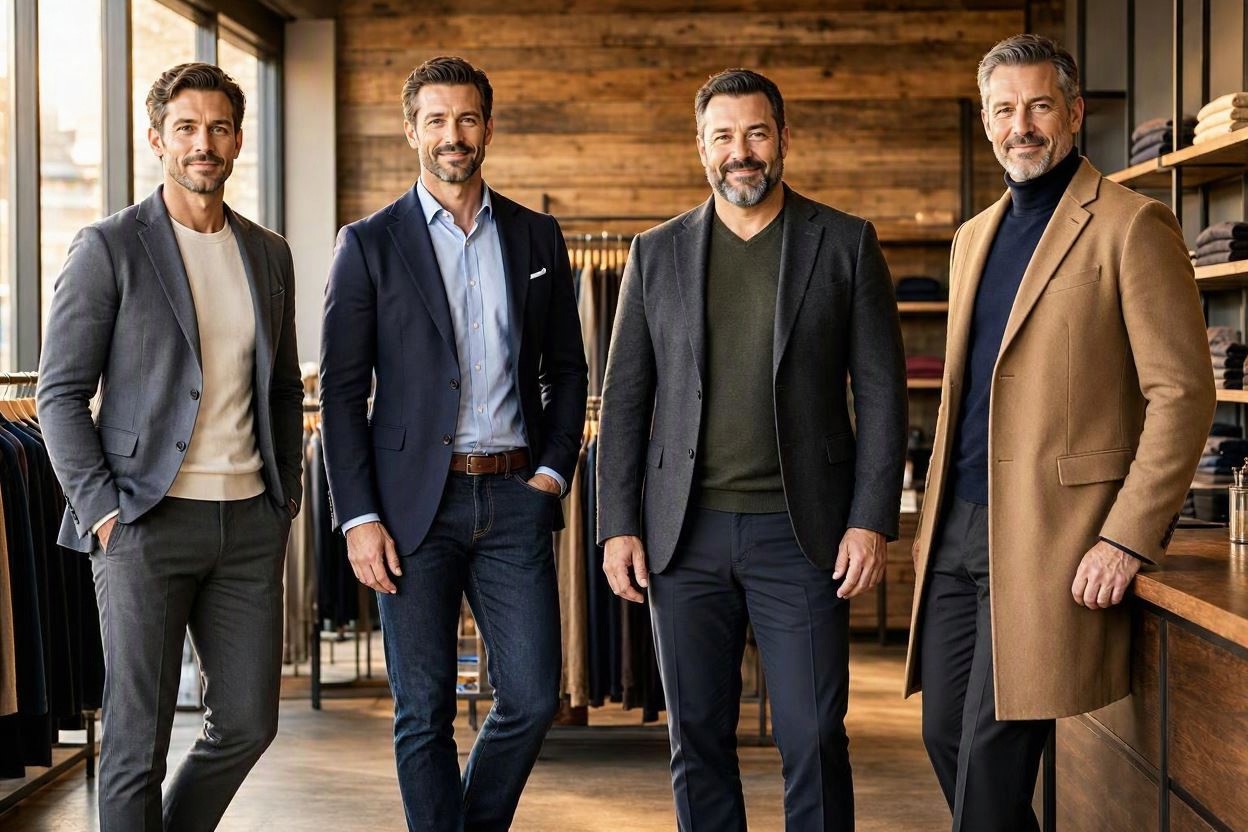
Dressing for your body type goes beyond merely covering up; it’s about employing fit and proportion to fundamentally transform your appearance. When garments fit well and are in the correct proportion, they can dramatically enhance your physique, creating a more balanced and aesthetically pleasing silhouette that projects confidence and style.
Why Personal Style Matters More Than Following Every Trend
While trends come and go, cultivating a personal style that aligns with your body shape ensures you always look your best. Rather than blindly following fleeting fads, understanding how to dress for your body type allows you to select pieces that truly flatter your figure, resulting in a timeless and authentic presentation.
How to Identify Your Body Shape and Proportions
Understanding Your Shoulders, Chest, Waist, and Hips
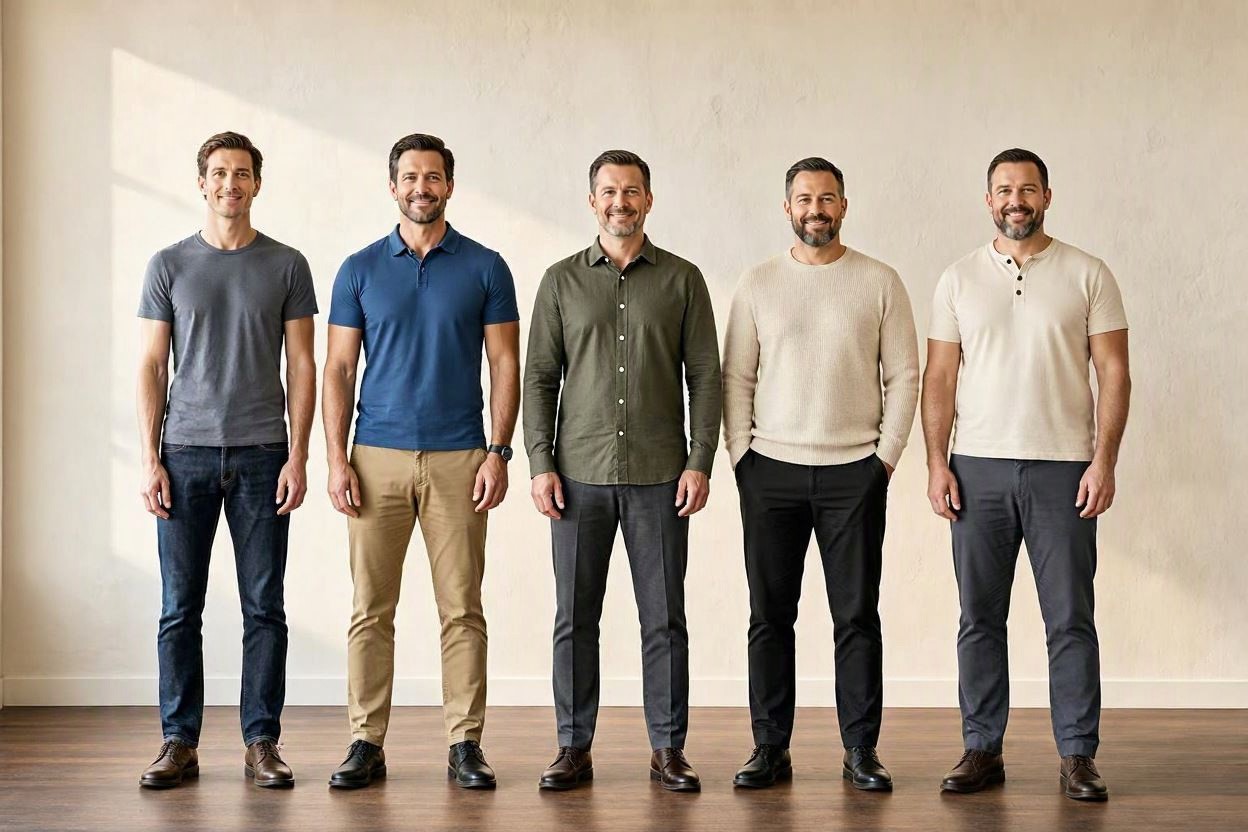
To effectively dress for your body shape, it’s crucial to understand the relationship between your shoulders, chest, waist, and hips. These measurements will help you identify your body type, providing a foundation for selecting clothes that accentuate your best features.
| Body Type | Key Characteristics |
|---|---|
| Inverted Triangle | Shoulders and/or chest are wider than the waist and hips. |
| Rectangle | Shoulders, waist, and hips have similar measurements. |
| Other Common Male Body Types | (Based on the relationship between shoulders, chest, waist, and hips) |
Measuring Your Torso and Leg Proportions
Beyond horizontal measurements, understanding your torso and leg proportions is key to a balanced look. This knowledge helps in choosing the right jacket length, trouser rise, and overall garment proportions to elongate your physique or add visual balance, ensuring your upper and lower body are in harmony.
The Best Clothes for Different Men’s Body Types
How Slim Men Can Add Structure and Visual Balance
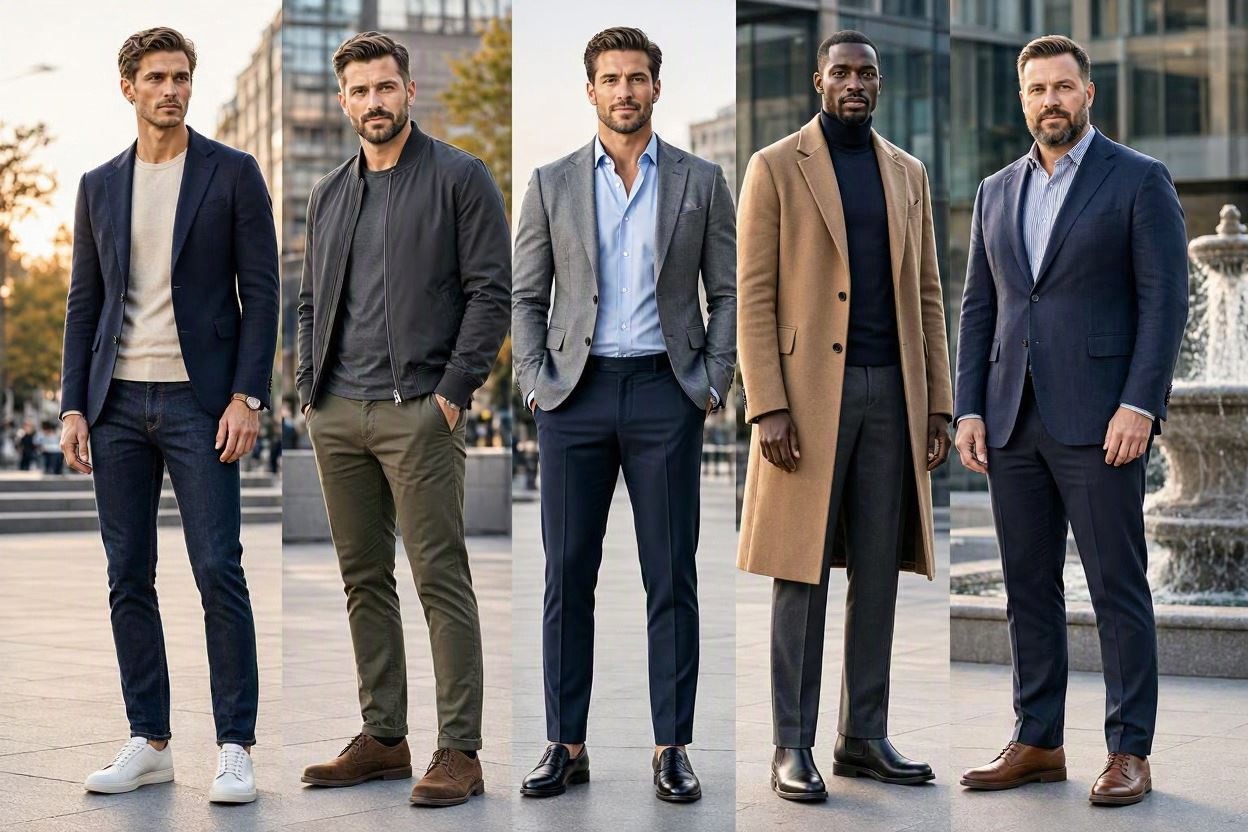
Slim men can effectively add structure and visual balance to their silhouette by choosing clothes that create the illusion of breadth and depth. To add shape and prevent clothes from looking too baggy on a slender frame, consider:
- Layering
- Using thicker fabrics
- Opting for jackets and blazers with structured shoulders
How Athletic Men Can Dress for a V-Shaped Build
Athletic men with an inverted triangle body shape, characterized by broad shoulders and chest and a narrow waist, should dress to accentuate their powerful physique without exaggeration. Clothes that fit well through the shoulders and chest, tapering slightly to the waist, will flatter their body type, maintaining their impressive silhouette.
How Average-Build Men Can Create a Polished Silhouette
Men with an average build, often a rectangle body shape, can create a polished silhouette by adding subtle definition to their frame. To achieve this, consider:
- Choosing garments that subtly tailor the waist.
- Introducing gentle structure to the shoulders.
These adjustments can transform a rectangular body, moving towards a more defined, trapezoid body look that enhances their overall appearance.
How Broad and Stocky Men Can Create a Streamlined Look
Broad and stocky men can achieve a streamlined look by selecting clothing that elongates their torso and minimizes bulk. Opting for vertical stripes, well-fitting single-breasted jackets, and straight-leg trousers can draw the eye vertically, helping to streamline the physique and create a slimmer, more cohesive silhouette.
How to Dress a Larger Midsection with Confidence
To dress a larger midsection with confidence, the goal is to draw attention away from the waist and hips and towards the upper body and face. This can be achieved by choosing clothes that drape well, avoid excessive cling, and feature vertical stripes or darker colors in the midsection area, creating a more flattering overall look.
How to Dress for Your Height
Best Clothing Choices for Shorter Men
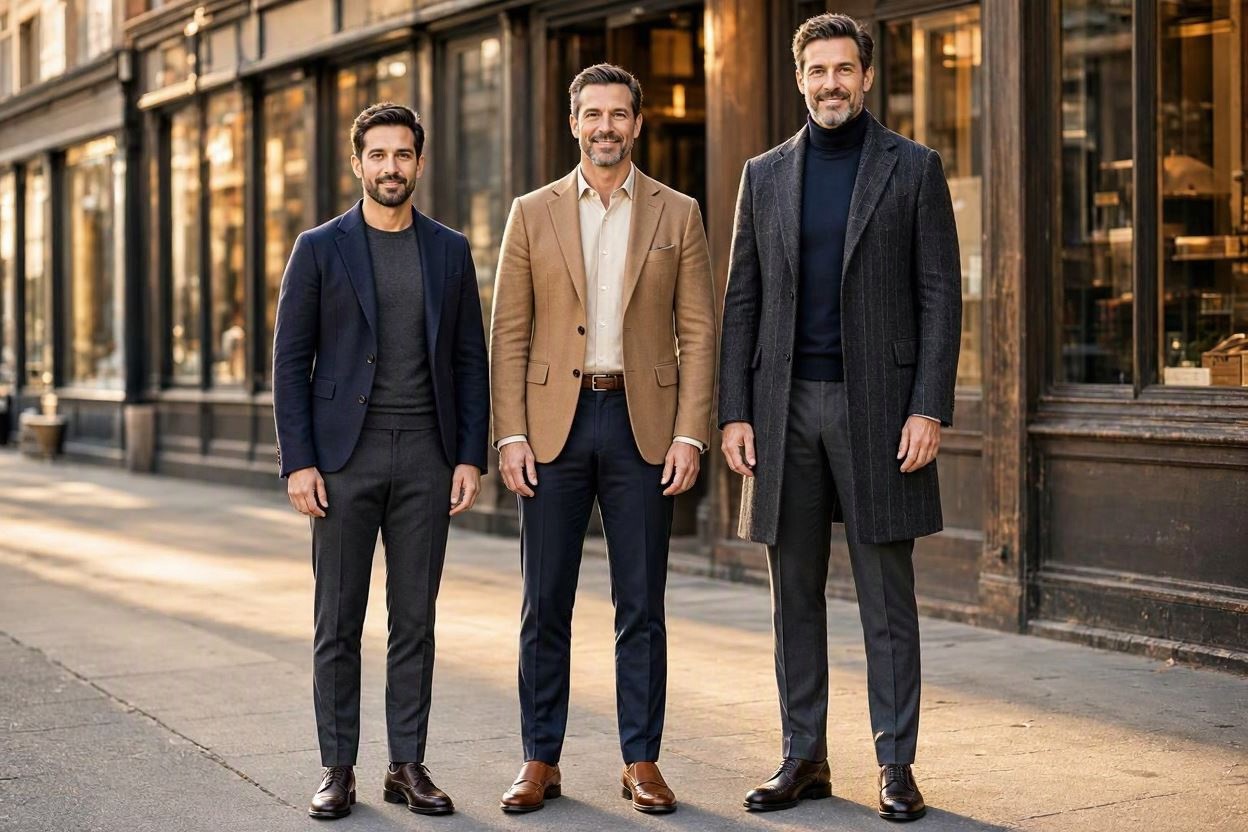
Shorter men can greatly benefit from clothing choices that elongate their silhouette and create the illusion of added height. Opting for monochromatic outfits, vertical stripes, and well-tailored pieces that fit close to the body without being too tight will draw the eye upwards, making the torso appear longer and creating a more streamlined physique.
Best Styles and Proportions for Tall Men
Tall men should focus on styles and proportions that balance their height without making them look gangly. Horizontal stripes, layering, and jackets that end at the hip can help break up the vertical line of the body. Ensuring trousers have the correct break and avoiding overly short jackets will help maintain ideal proportions.
How Men of Average Height Can Optimize Their Proportions
Men of average height have the flexibility to optimize their proportions by subtly adjusting clothing elements. They can effectively use both vertical and horizontal elements to tailor their silhouette, creating an ideal balance between the upper and lower body. Understanding their specific body shape will guide choices to accentuate their best features.
The Ultimate Men’s Guide to Getting the Right Fit
How a Shirt Should Fit Across the Shoulders, Chest, and Waist
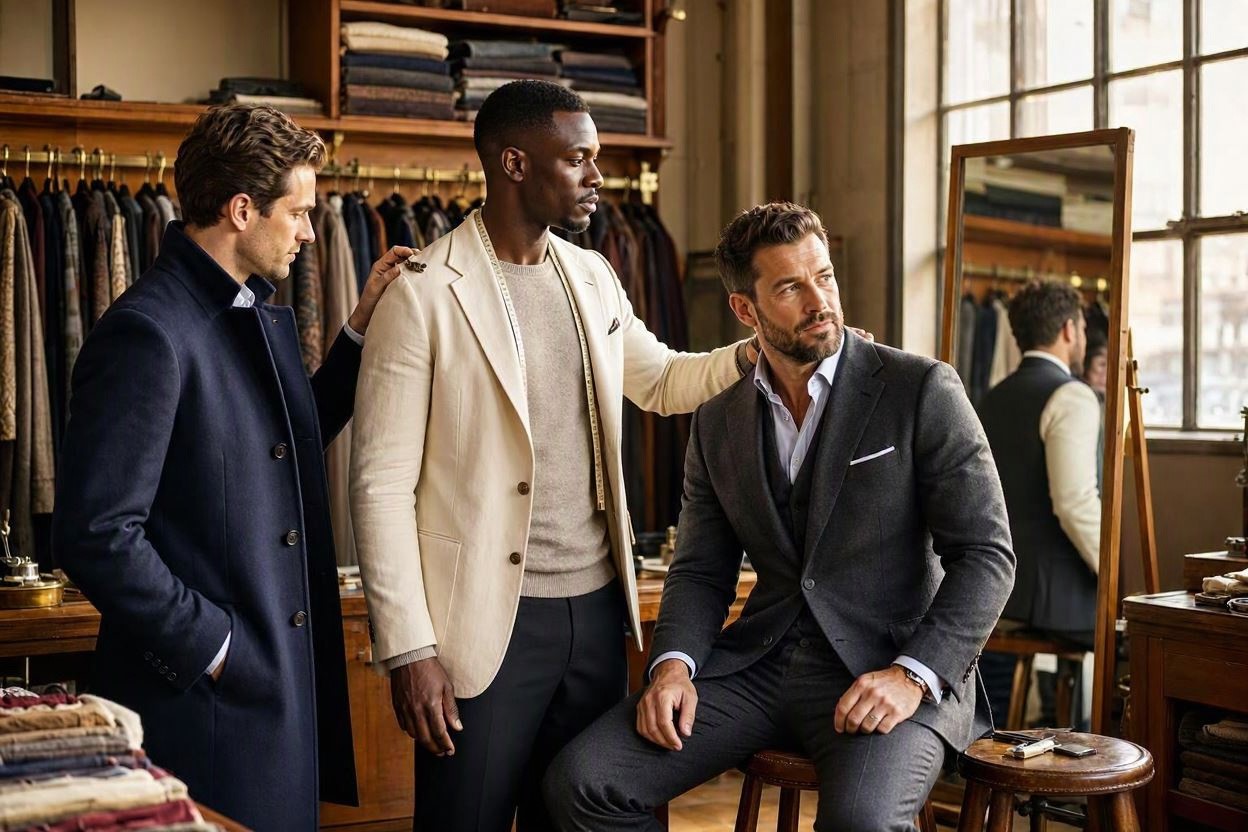
For any body type, a shirt should fit impeccably across the shoulders, chest, and waist. The shoulder seams should align with the edge of your shoulders, the chest should allow for movement without pulling, and the waist should taper slightly without being constrictive, ensuring the shirt flatters your body shape and doesn’t create baggy clothing.
How a Suit Jacket and Blazer Should Fit
A suit jacket or blazer is crucial for defining your upper body and should fit well through the shoulders and chest. The shoulders should lie flat, the lapel should sit smoothly, and the jacket should button comfortably without pulling. Its length should also complement your torso and leg proportions, creating a balanced silhouette.
Finding the Right Trouser Fit, Rise, and Break
Finding the right trouser fit, rise, and break is essential for a polished look, regardless of your body type. The fit should complement your legs—be it straight-leg or tapered—the rise should sit comfortably on your waist, and the break should be appropriate for your shoe type, ensuring the trousers flatter your figure and elongate your lower half.
Choosing the Right Fit for T-Shirts, Sweaters, and Casualwear
Even for casualwear, choosing the right fit for t-shirts and sweaters is vital to flatter your body shape. They should drape well over your torso, avoiding both excessive tightness and baggy clothing, which can make any body type look unkempt. A good fit ensures your casual outfits still look great and reflect your personal style.
How to Choose the Best Pants for Your Body Type
Straight-Leg, Slim, Relaxed, and Tapered Fits Explained
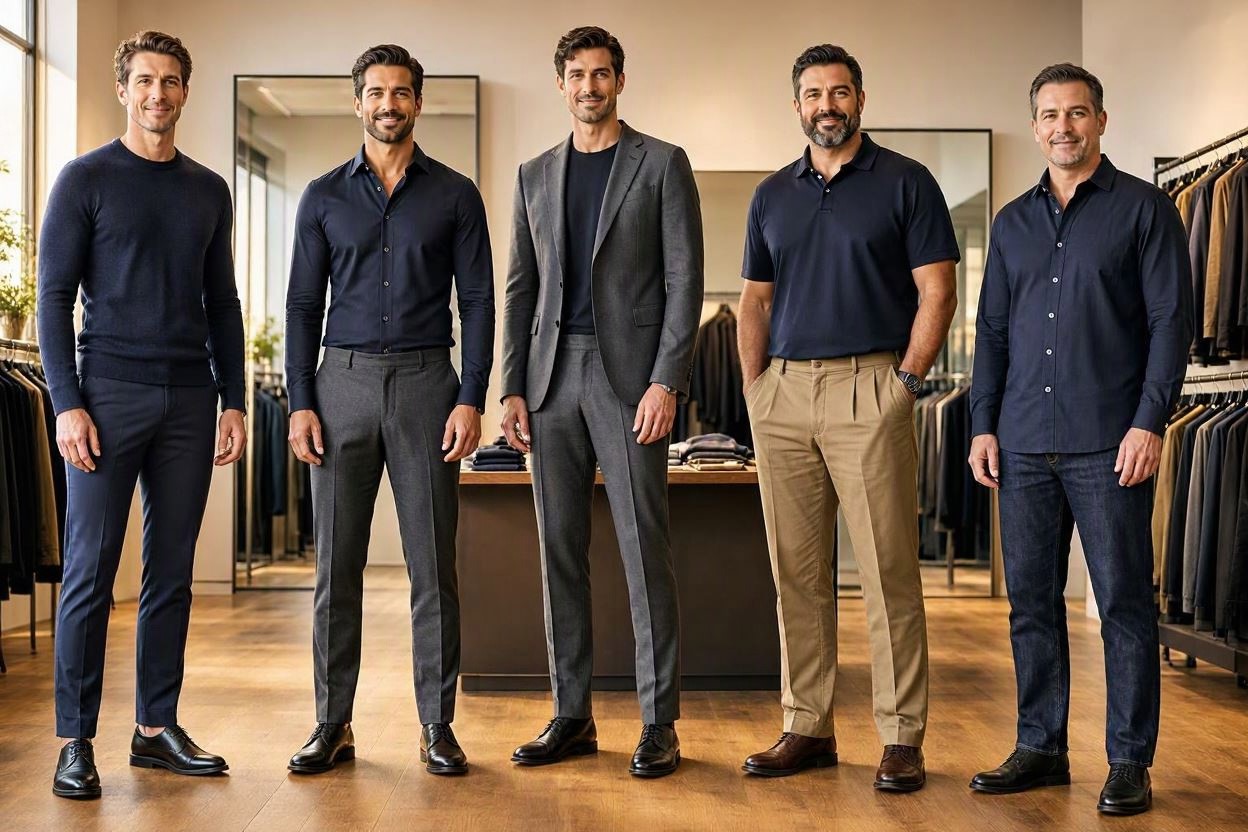
Understanding the nuances of straight-leg, slim, relaxed, and tapered trouser fits is key to dressing for your body type. Each fit can profoundly impact your silhouette, either accentuating or streamlining your physique. Choosing the correct fit will ensure your lower half looks proportional and complements your overall upper body appearance.
Choosing the Right Trouser Rise for Your Proportions
The right trouser rise is paramount for optimizing your body’s proportions and creating a balanced silhouette. A mid or high rise can elongate the legs for shorter men or provide a more refined look for men with a rectangular body shape. The rise should always align with your natural waist, ensuring comfort and a flattering line that enhances your body type.
How to Use Colors and Patterns to Improve Your Proportions
When to Wear Monochromatic Outfits
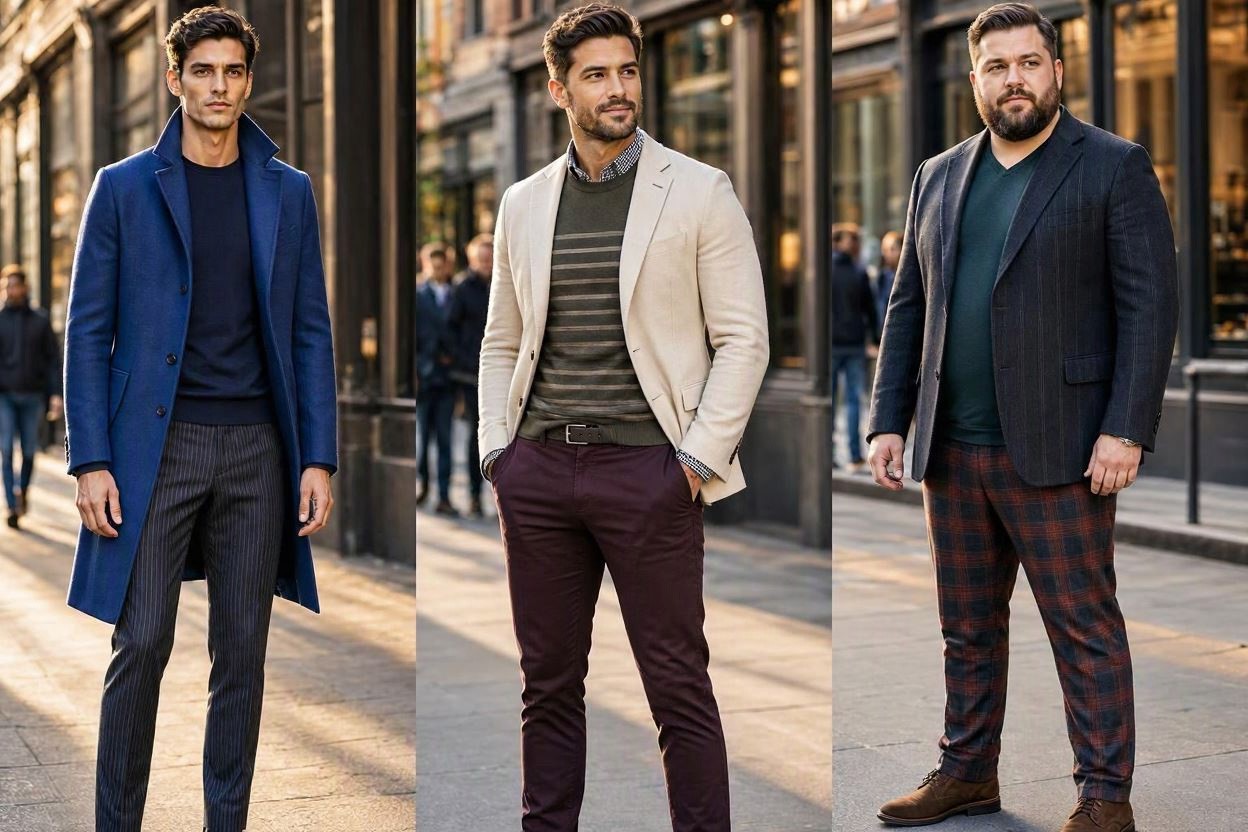
Wearing monochromatic outfits is a powerful style principle that can significantly flatter your body shape, especially when aiming to elongate the physique. Dressing in similar colors from head to toe creates a continuous vertical line, which effectively draws the eye upwards, making the wearer appear taller and slimmer. This approach helps to streamline your silhouette, irrespective of your specific body type.
Using Vertical and Horizontal Patterns Effectively
The effective use of vertical and horizontal patterns can dramatically impact how your body type is perceived, helping to accentuate or streamline your silhouette. Vertical stripes naturally draw the eye up and down, creating an elongating effect on the torso and lower half, making the wearer appear taller and slimmer. Conversely, horizontal stripes can add visual breadth, which is useful for men with a rectangle body or those looking to broaden their shoulders and chest.
How Contrast Can Balance Your Upper and Lower Body
Utilizing contrast in your outfits is an excellent method to balance your upper and lower body proportions, regardless of your body type. By strategically placing lighter or brighter colors on areas you want to highlight and darker or subdued tones on areas you wish to minimize, you can effectively draw attention to your best features. This technique helps to tailor your silhouette, creating a harmonious and proportional look that flatters your figure.
How to Choose the Right Jackets and Coats for Your Frame
Choosing Jacket Length Based on Your Height and Torso
Choosing the correct jacket length is crucial for optimizing your body’s proportions, as it significantly impacts how your torso and lower half appear. For shorter men, a slightly shorter jacket can elongate the legs, while taller men might opt for a jacket that falls lower to balance their physique. The ideal length should always flatter your body shape, enhancing your overall silhouette and personal style.
How Shoulder Structure Changes Your Silhouette
The shoulder structure of a jacket profoundly changes your silhouette, making it a critical consideration for dressing for your body type. Structured shoulders, often found in blazers and suit jackets, can add breadth and definition, beneficial for men with a rectangle body or those with a narrower upper body. Conversely, softer, more natural shoulders can streamline the physique of men with broad shoulders and chest, preventing an exaggerated inverted triangle body shape.
Selecting Winter Coats, Overshirts, and Casual Jackets
Selecting the right winter coats, overshirts, and casual jackets involves understanding how different cuts and fabrics can flatter your body shape. For instance, a well-draping overshirt can add a subtle layer without creating baggy clothing for slim men, while a structured winter coat can provide a more defined silhouette for men with a rectangle body. The key is to choose pieces that add shape and enhance your proportions.
How to Dress Your Body Type for Different Occasions
Business and Office Outfits
When curating business and office outfits, selecting pieces that flatter your body type is paramount for a professional and confident look. For an inverted triangle body, well-tailored suit jackets and dress shirts that fit the shoulders and chest perfectly, tapering to the waist, will accentuate your physique. Men with a rectangular body can benefit from structured blazers that add subtle shape, creating a more defined silhouette.
Smart Casual Looks
Creating smart casual looks that flatter your body shape involves a thoughtful selection of versatile pieces. For example, men with a broader midsection can opt for jackets that drape well and avoid clinging, while those with a rectangle body can use layering to add definition. Understanding your body’s proportions helps in choosing trousers and upper body garments that look great and align with your personal style.
Casual Everyday Outfits
For casual everyday outfits, the focus remains on comfort without sacrificing style or neglecting to dress for your body. Slim men can add shape with casual jackets and fitted t-shirts, avoiding baggy clothing that can overwhelm their frame. Meanwhile, men with an inverted triangle body shape can choose casual shirts that highlight their shoulders and chest without being too tight, ensuring a comfortable yet flattering look.
Formal Events and Special Occasions
Dressing for formal events and special occasions demands meticulous attention to fit and proportion to flatter your body shape. A well-tailored suit jacket is essential for any body type, especially for an inverted triangle body, where the shoulders and chest should be highlighted appropriately. For men with a rectangle body, a suit with slight waist suppression can help to create a more defined silhouette, ensuring you look your best.
How to Choose Shoes and Accessories for Your Body
Matching Shoe Proportions to Your Frame
Matching shoe proportions to your frame is a subtle yet significant aspect of dressing for your body type, impacting your overall silhouette. For instance, men with a larger physique may find that chunkier shoes with a substantial sole flatter their body shape better, helping to balance their broader build. Conversely, a slimmer man might opt for more streamlined shoes to avoid creating an impression of baggy clothing at his feet, ensuring a cohesive and proportional look that enhances his personal style.
Choosing Watches, Belts, Bags, and Other Accessories
Choosing watches, belts, bags, and other accessories strategically can significantly enhance your body’s proportions and personal style. For men with a prominent midsection, selecting a belt that matches their trousers can help to streamline the silhouette and draw attention away from the waist and hips. Similarly, the size and style of a watch or bag should be proportional to your overall physique, ensuring these elements complement your body type without overwhelming or disappearing on your frame.
Common Men’s Style Mistakes That Hurt Your Proportions
Wearing Clothes That Are Too Tight or Too Oversized
One of the most common men’s style mistakes is wearing clothes that are either too tight or too oversized, both of which can severely hurt your proportions and fail to flatter your body shape. Baggy clothing can overwhelm a slim physique, making it appear shapeless, while overly tight garments can accentuate areas you might prefer to streamline, such as a larger midsection. The key to dressing better is selecting clothes that fit well, draping comfortably to enhance your silhouette.
Ignoring Trouser Length and Jacket Proportions
Ignoring trouser length and jacket proportions is a significant oversight that can disrupt the balance of your overall silhouette, regardless of your body type. Trousers that are too long or too short can make your legs appear disproportionate to your torso, while an ill-fitting jacket can throw off the balance of your upper and lower body. Paying attention to these details ensures your clothes flatter your figure, creating a more cohesive and polished look that truly reflects your personal style.
Choosing Trends That Do Not Suit Your Build
Choosing trends that do not suit your build is a common pitfall that can detract from your personal style and fail to flatter your body shape. For example, an oversized trend might create baggy clothing on a slim man, while a very slim-fit trend could be unflattering for a man with a broader midsection or an inverted triangle body shape. Understanding your body’s proportions allows you to adapt trends or selectively choose pieces that truly accentuate your physique.
Wearing the Wrong Size and Assuming It Can Be Fixed with Styling
Wearing the wrong size and assuming it can be fixed with styling is a fundamental error that will always hinder your ability to flatter your body shape. No amount of layering or strategic accessorizing can compensate for a jacket that’s too big in the shoulders and chest, or trousers that are too loose or tight. The absolute first step to dressing better is to find garments that fit well, providing a solid foundation for your personal style and ensuring your silhouette looks great.
How to Build a Wardrobe That Works for Your Body
Essential Shirts, Trousers, Jackets, and Shoes
Building a wardrobe that works for your body involves investing in essential shirts, trousers, jackets, and shoes that flatter your specific body type. For an inverted triangle body, prioritize shirts and jackets that fit well across the broad shoulders and chest while tapering slightly to the narrow waist. For men with a rectangular body, selecting jackets that add subtle structure and trousers that streamline the lower half can significantly enhance their silhouette, making them look best.
Choosing Versatile Colors and Timeless Silhouettes
Choosing versatile colors and timeless silhouettes is crucial for building a wardrobe that continuously works for your body and personal style. Classic colors like navy, grey, and black can be mixed and matched effortlessly, and when paired with timeless cuts—like a well-tailored straight-leg trouser or a single-breasted jacket—they will always flatter your body shape. This approach ensures your clothes remain stylish and appropriate for any occasion, helping you to look best.
Creating Outfits That Work Across Seasons
Creating outfits that work across seasons involves smart layering and selecting versatile pieces that flatter your body shape year-round. For example, a quality blazer can be layered over a dress shirt in cooler months or worn alone in milder weather, always enhancing your silhouette. Opting for fabrics and styles that transition easily, while considering your body’s proportions, ensures you can consistently dress for your body type, maintaining your personal style regardless of the season.
Final Rules for Dressing Your Body with Confidence
The final rules for dressing your body with confidence revolve around understanding and embracing your unique physique, allowing you to consistently flatter your body shape. Focus on fitting well, prioritize proper proportions to enhance your silhouette, and always choose pieces that make you feel comfortable and authentic. By adhering to these style principles, you can confidently dress for your body, ensuring every outfit reflects your best self and personal style.