Lights are very necessary for illuminating the place in which we live. They are not only used for lightening dark places, but they can be also used as decorative pieces in our homes. Sometimes, you are confused about the lights that you can use in a specific place and how you are going to use them.
You will first need to decide the function of the light in the place in which you are going to use it and after that, you will need to choose a good shape that suits your taste. Lights exist in many shapes that are attractive, fascinating and meet anyone’s requirements.
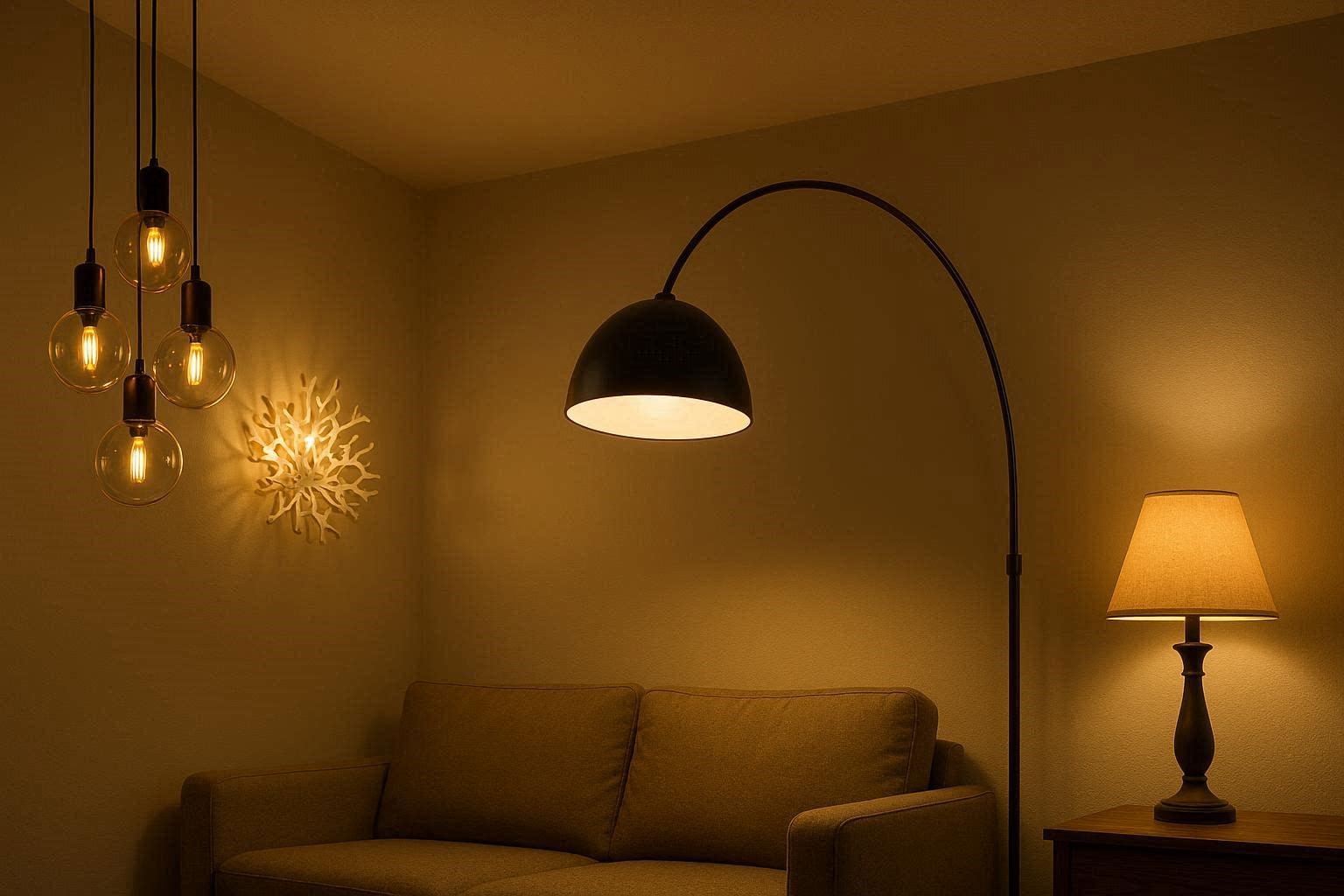
Lights also differ in their functions as there are lights for illuminating ceilings, walls, floors, gardens, yards and pools. To help you to choose suitable lights for the place in which you live, we present to you some of the best and creative ideas for residential lighting.
Understanding the Three Layers of Residential Lighting
Before exploring specific lighting ideas, it’s important to understand the foundation of good lighting design.
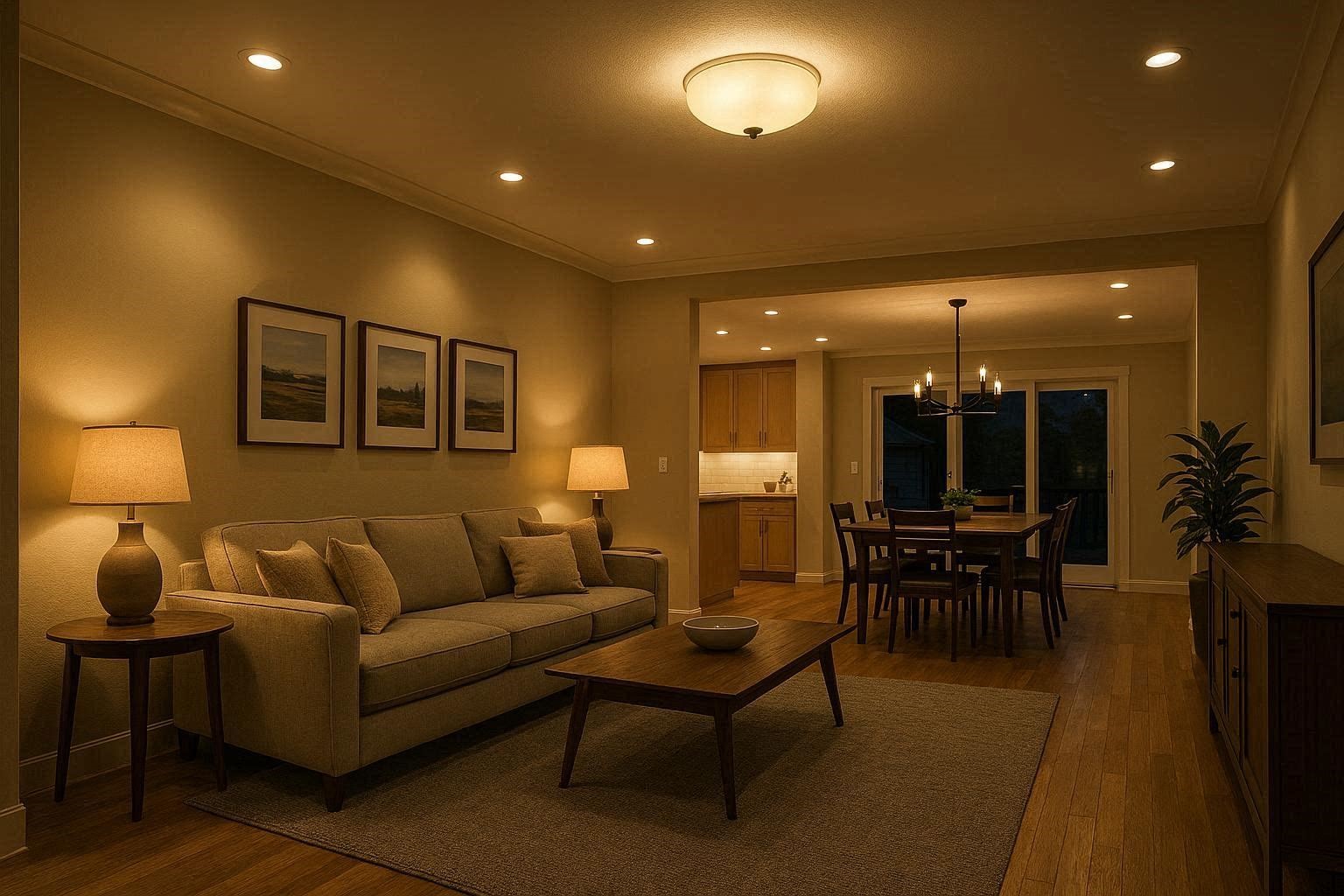
Ambient Lighting for Overall Illumination
Ambient lighting serves as the primary source of light in a room. It provides general illumination and ensures the space is comfortably lit for everyday activities.
Common sources include:
- Ceiling fixtures
- Recessed lights
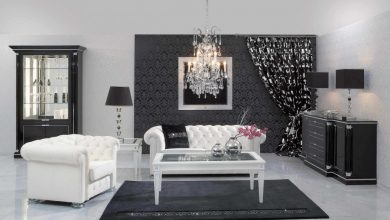
- Chandeliers
- Flush-mount lights
Task Lighting for Everyday Activities
Task lighting focuses on specific areas where activities such as reading, cooking, working, or grooming take place.
Examples include:
- Desk lamps
- Under-cabinet lighting
- Vanity lights
- Reading lamps
Accent Lighting for Visual Interest and Depth
Accent lighting highlights artwork, architectural features, plants, shelves, or decorative elements. It adds depth and dimension while creating a more luxurious appearance.
When these three layers work together, the result is a balanced and highly functional lighting design.
Idea #1: Layer Multiple Light Sources for a Designer Look
One of the most effective ways to improve residential lighting is by layering different light sources throughout a room.
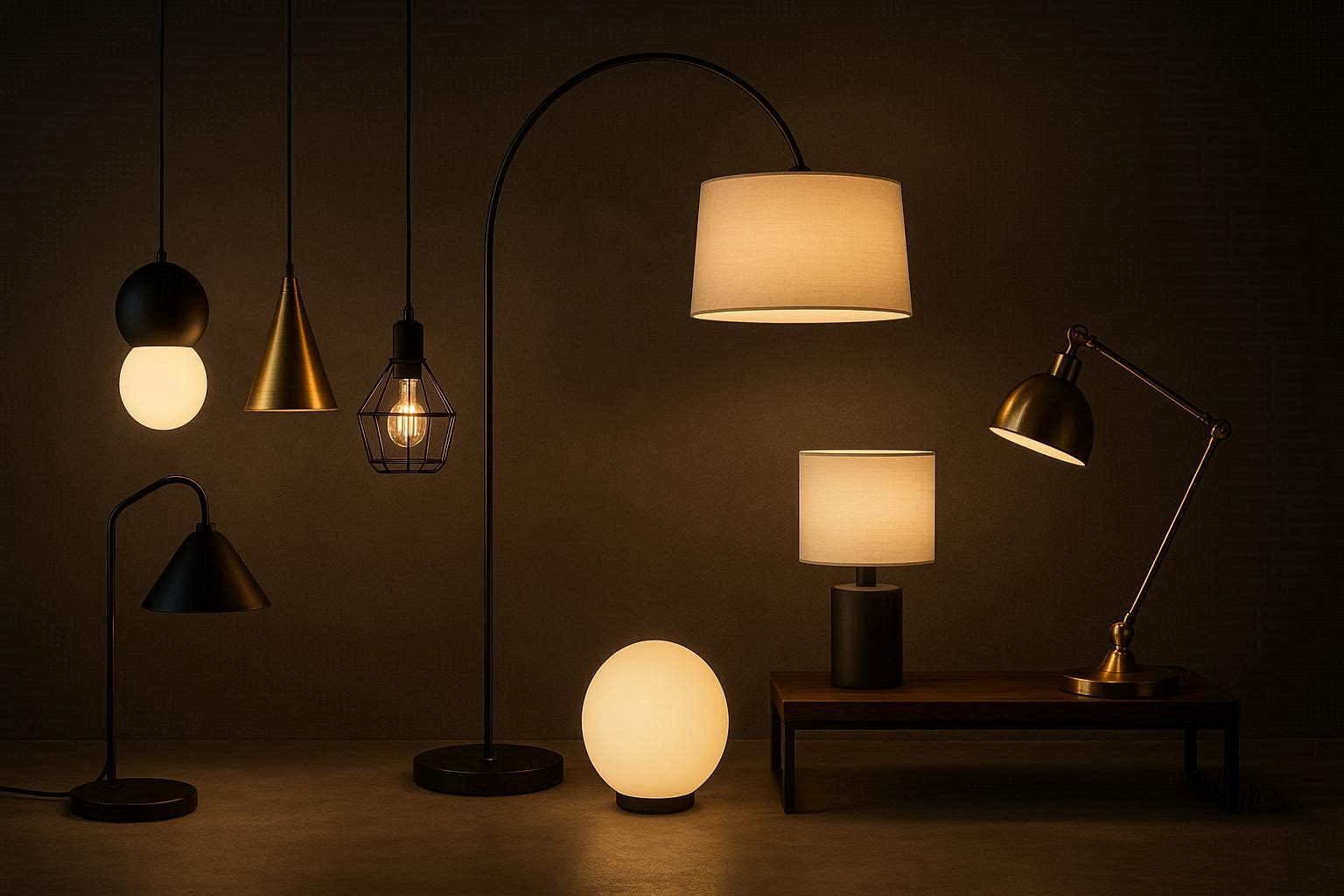
Combining Ceiling, Wall, and Floor Lighting
Rather than relying on a single overhead fixture, incorporate multiple light sources at varying heights. For example:
- Ceiling lights for ambient illumination
- Floor lamps for additional brightness
- Wall sconces for accent lighting
- Table lamps for localized lighting
Creating Flexibility for Different Activities
Layered lighting allows homeowners to adjust the mood and functionality of a room throughout the day. Bright lighting may be useful for cleaning or working, while softer lighting creates a cozy atmosphere for relaxing or entertaining guests.
#2: Make a Statement With Eye-Catching Chandeliers
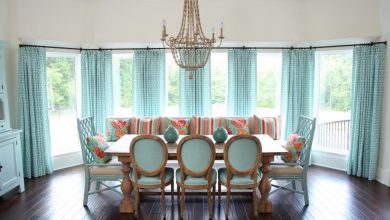
Chandeliers are no longer reserved for grand dining rooms and entryways. Modern designs are being used throughout homes as artistic focal points.
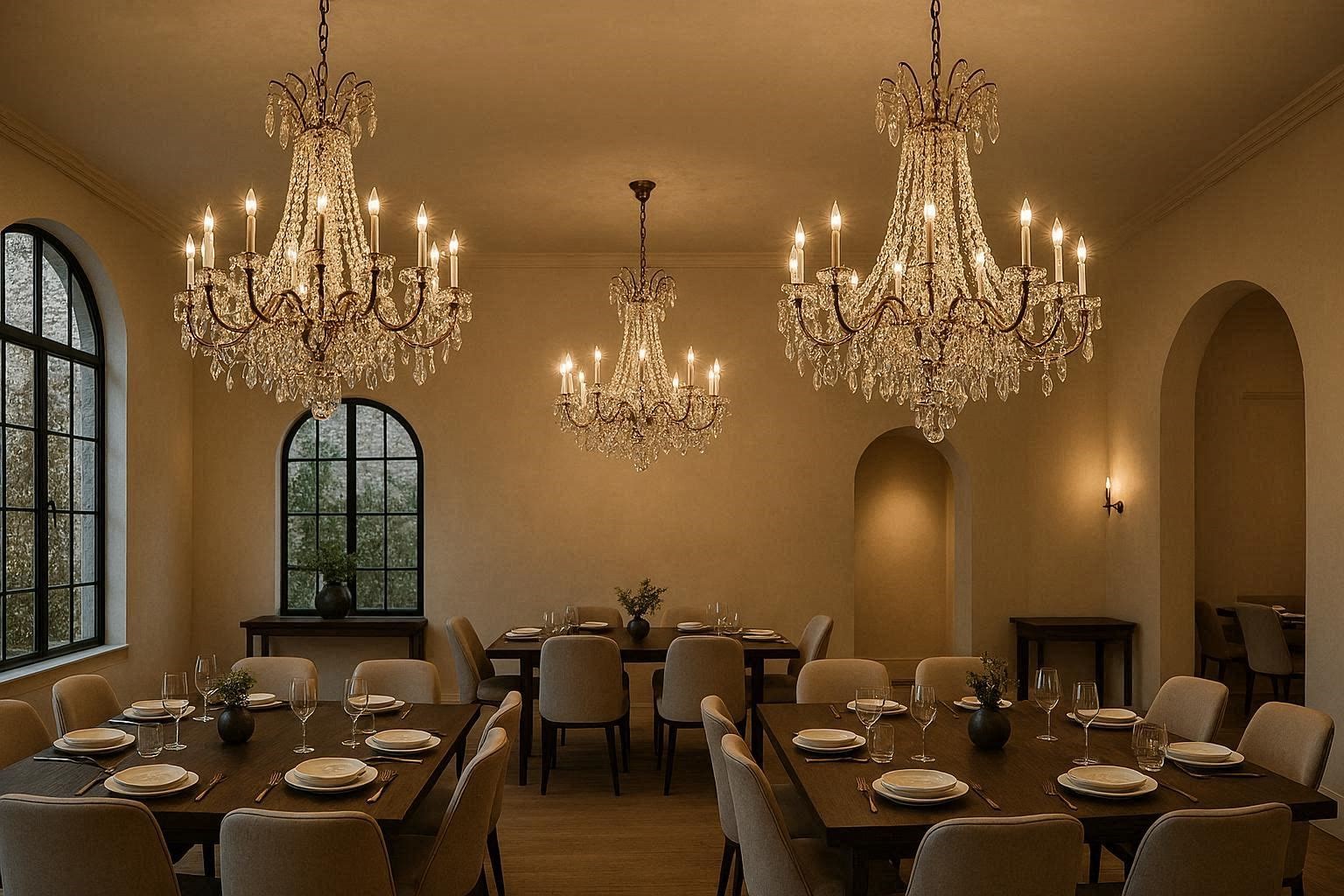
Choosing the Right Chandelier for Each Room
Large chandeliers work beautifully in:
- Foyers
- Dining rooms
- Living rooms
- Stairwells
Smaller chandeliers can add elegance to bedrooms, bathrooms, and home offices.
Modern, Traditional, and Contemporary Chandelier Styles
Today’s market offers countless options, including:
- Crystal chandeliers
- Industrial designs
- Minimalist geometric fixtures
- Farmhouse-inspired lighting
- Sculptural contemporary pieces
A well-chosen chandelier instantly elevates the overall design of a room.
#3: Install Recessed Lighting for a Clean and Modern Appearance
Recessed lighting remains one of the most popular choices for modern homes because of its sleek and unobtrusive design.

Where Recessed Lighting Works Best
These fixtures are ideal for:
- Living rooms
- Kitchens
- Bathrooms
- Hallways
- Basements
Because they sit flush with the ceiling, recessed lights provide illumination without cluttering the visual space.
Tips for Proper Placement and Spacing
Strategic placement is essential. Even spacing creates balanced illumination and prevents dark spots. Consider using dimmers to adjust brightness levels according to the time of day and activity.
#4: Add LED Cove Lighting for a Luxurious Glow
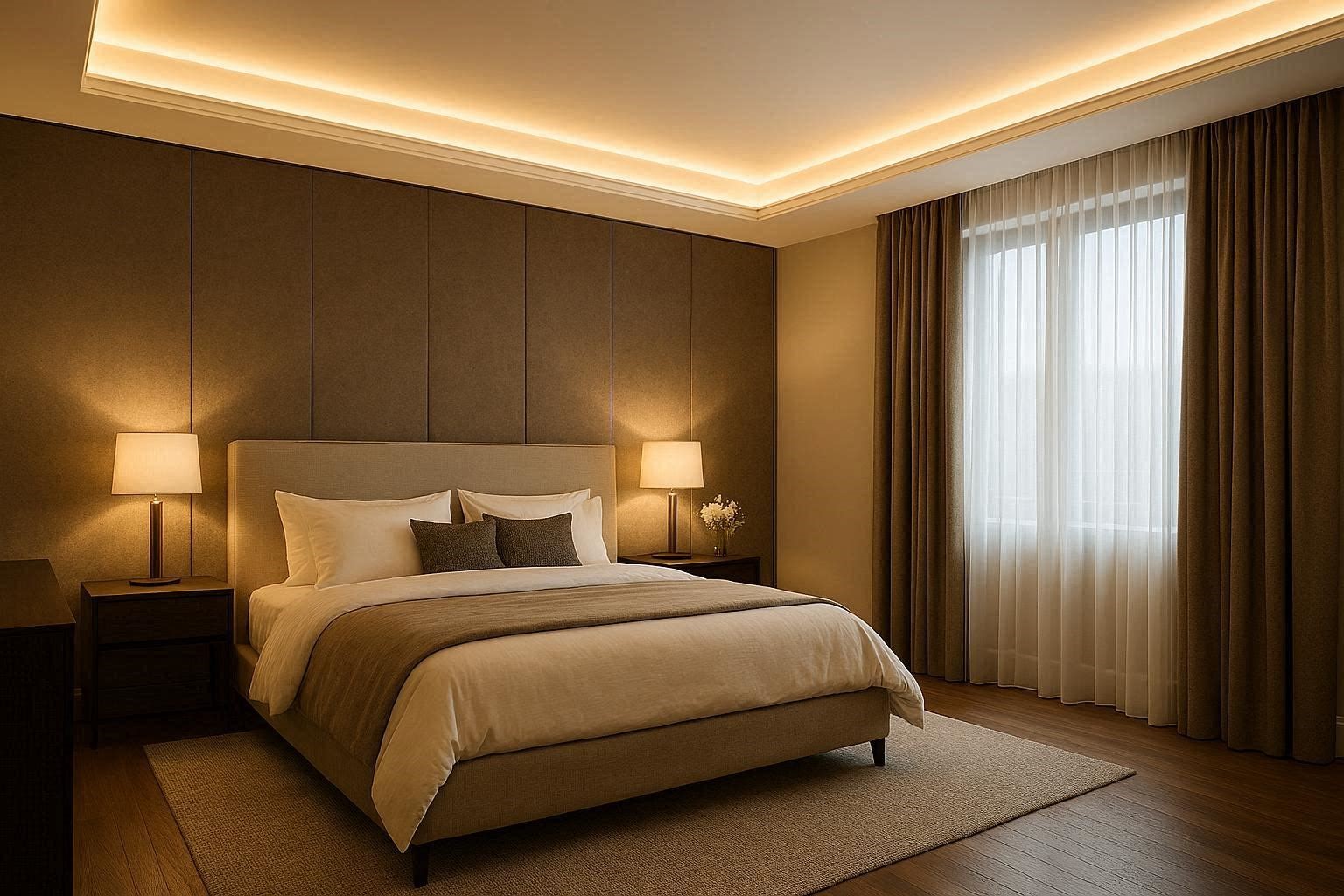
LED cove lighting is a favorite among interior designers because it creates a sophisticated and modern atmosphere.
Ceiling Cove Lighting Ideas
Hidden LED strips installed within ceiling recesses produce a soft, indirect glow that enhances architectural details without creating harsh shadows.
Creative Applications for Living Rooms and Bedrooms
Popular uses include:
- Behind headboards
- Around tray ceilings
- Beneath floating shelves
- Along entertainment centers
- Under staircases
These subtle lighting effects add depth and elegance to any space.
#5: Enhance Kitchens With Stylish Pendant Lighting
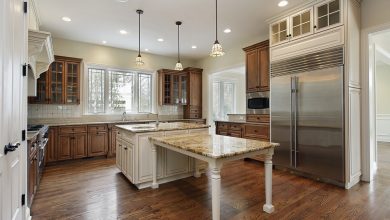
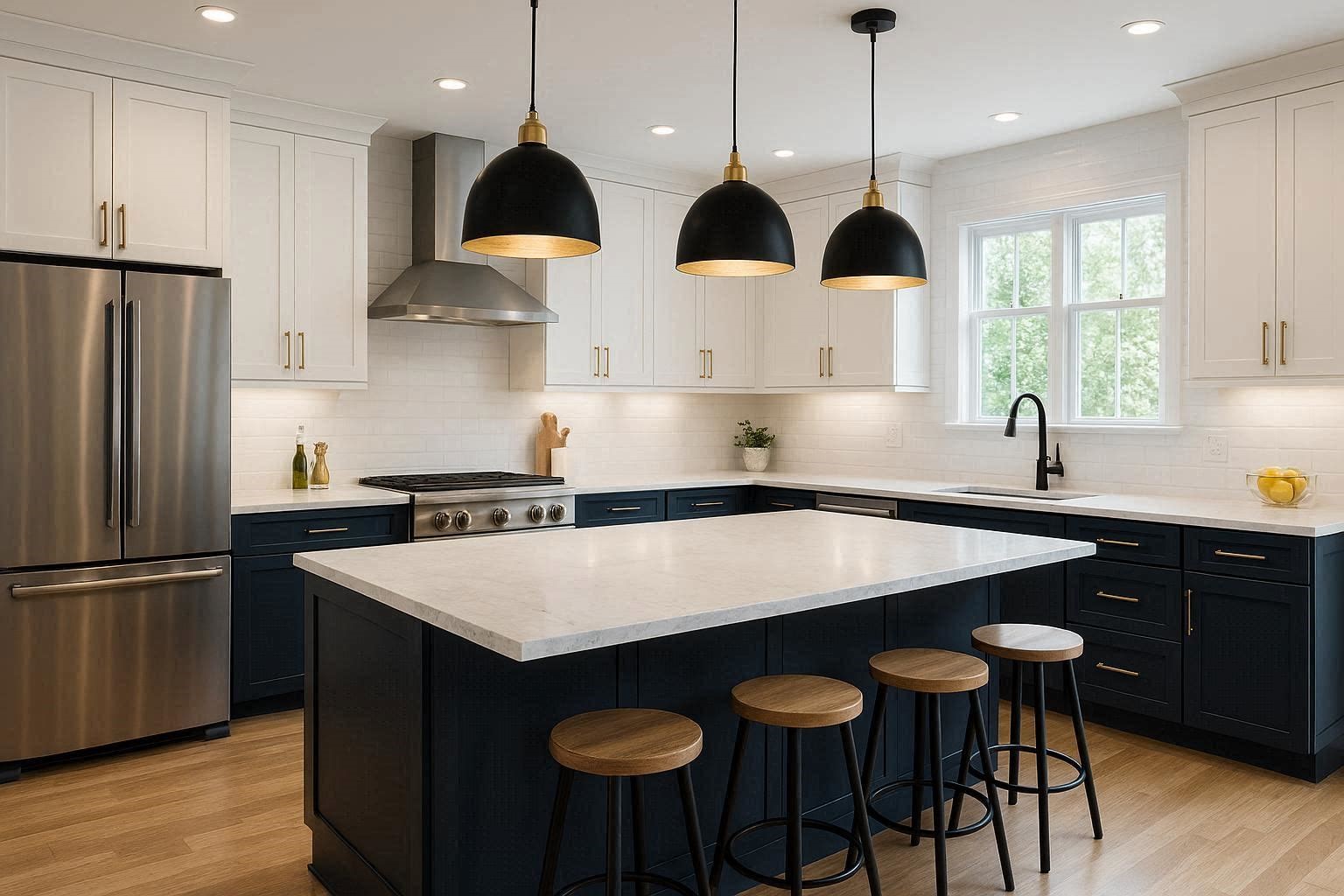
Pendant lights combine functionality with decorative appeal, making them one of the most versatile residential lighting options.
Selecting Pendant Lights for Kitchen Islands
Kitchen islands are ideal locations for pendant lighting because they require focused illumination for meal preparation and social interaction.
Popular pendant styles include:
- Glass pendants
- Metal industrial fixtures
- Globe pendants
- Minimalist designs
- Farmhouse-inspired lighting
Balancing Functionality and Design
The best pendant lighting provides adequate task lighting while complementing the kitchen’s overall design style.
#6: Use Wall Sconces to Add Warmth and Character
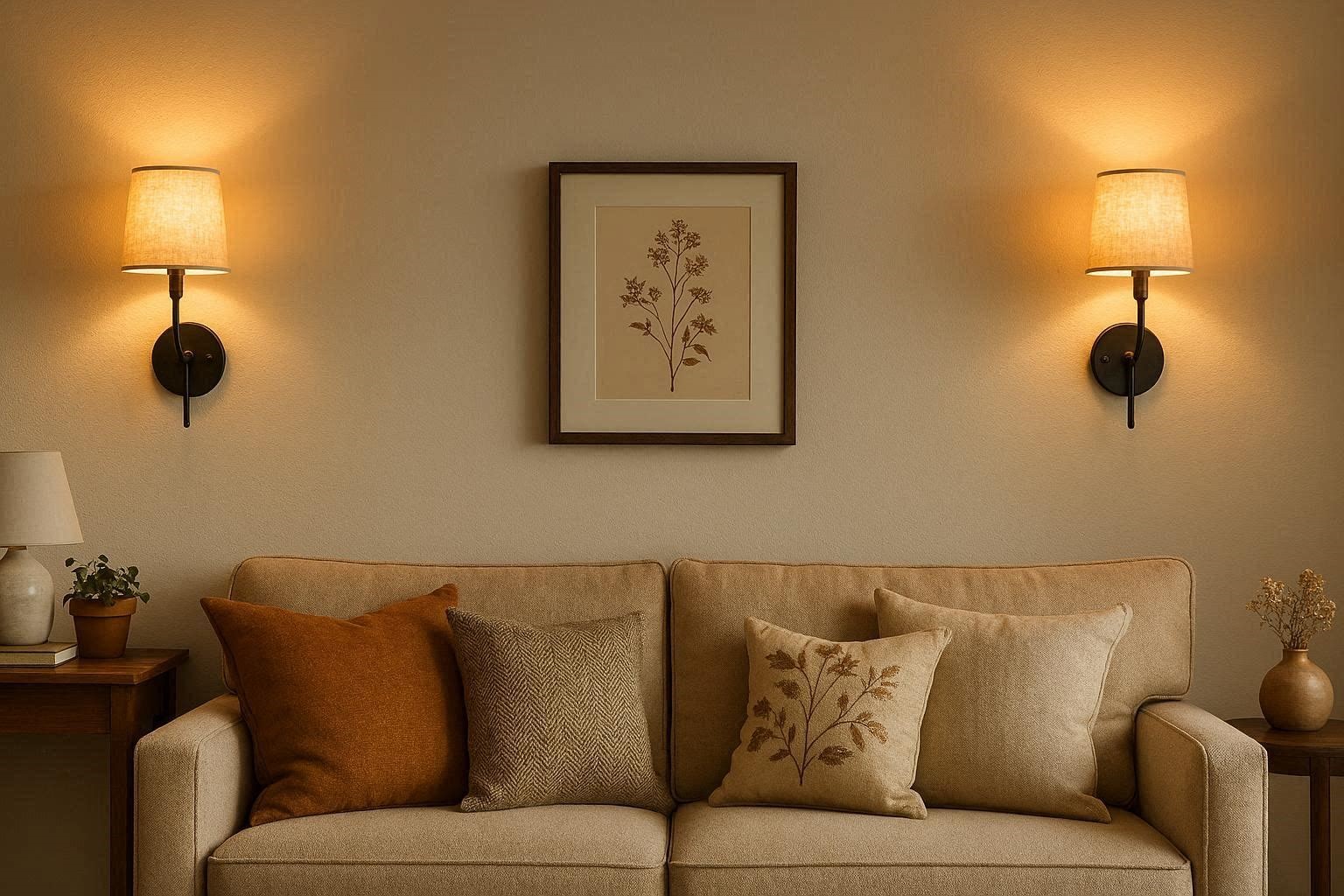
Wall sconces are an excellent way to introduce additional layers of light without occupying floor or table space.
Best Rooms for Decorative Wall Lighting
Wall sconces work particularly well in:
- Hallways
- Bedrooms
- Living rooms
- Bathrooms
- Staircases
They provide both functional illumination and decorative appeal.
Pairing Sconces With Existing Lighting Fixtures
Wall sconces can complement chandeliers, ceiling lights, and lamps while helping create a more balanced lighting scheme throughout the home.
#7: Upgrade to Smart Home Lighting Systems
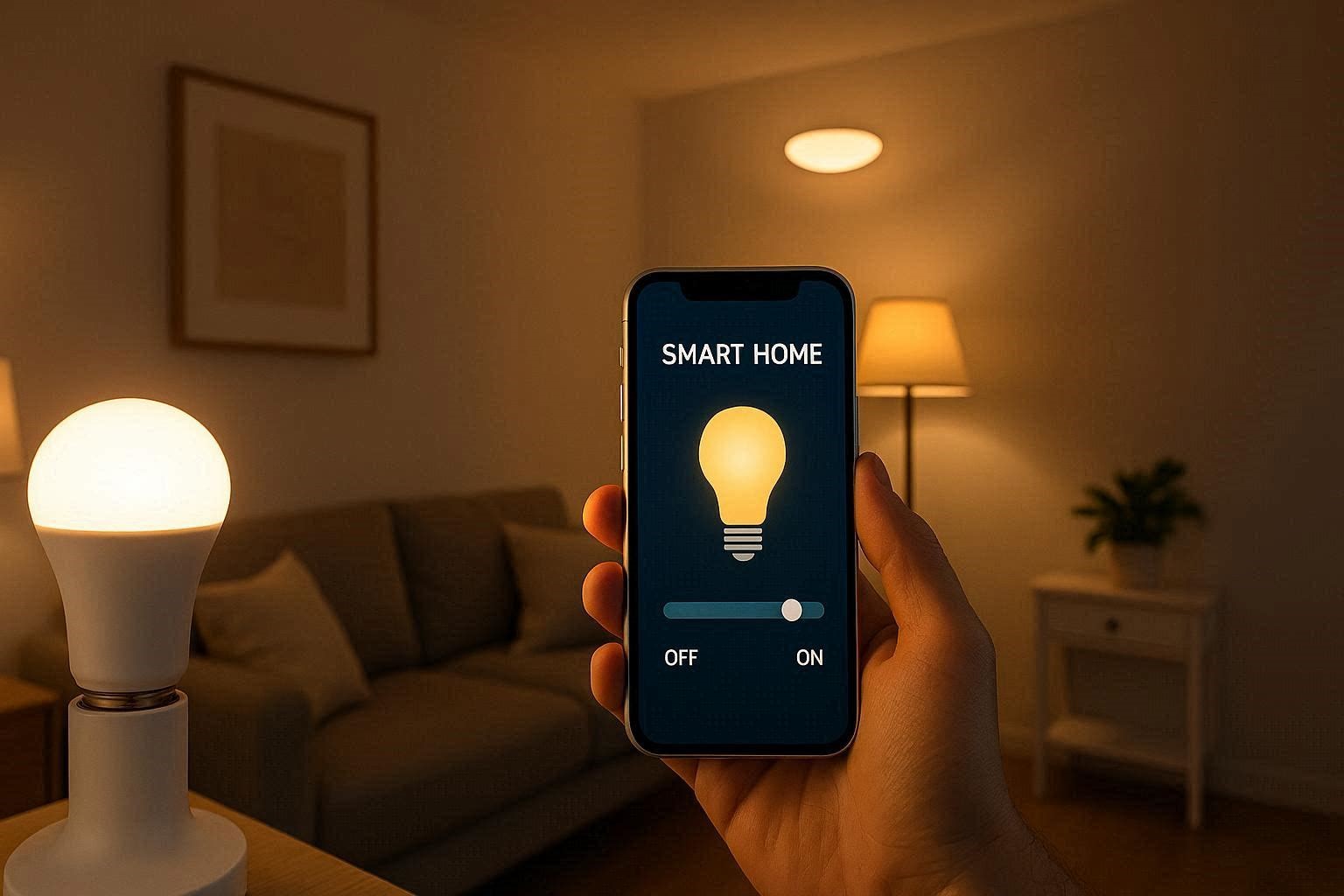
Smart lighting technology has transformed the way homeowners control and experience lighting.
Benefits of Voice-Controlled and App-Controlled Lighting
Smart systems allow users to:
- Control lights remotely
- Adjust brightness levels
- Schedule lighting routines
- Change color temperatures
- Activate voice commands
These features add convenience and flexibility to everyday living.
Energy Efficiency and Custom Lighting Scenes
Smart lighting also improves energy efficiency by ensuring lights are used only when needed. Custom scenes can instantly create different moods for entertaining, relaxing, working, or watching movies.
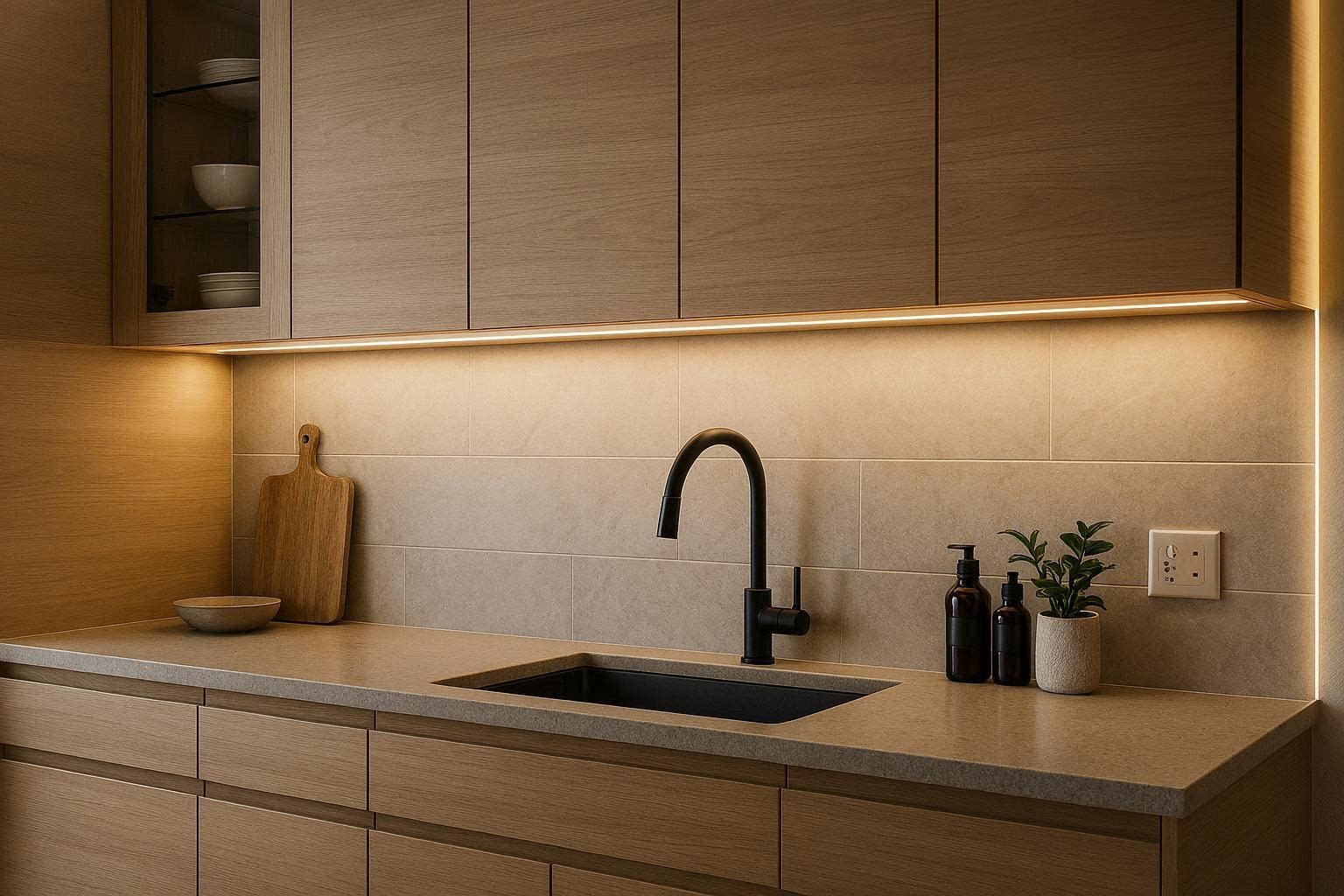
#8: Incorporate Under-Cabinet and Hidden Lighting
Hidden lighting solutions add sophistication while improving functionality.
Improving Kitchen Functionality
Under-cabinet lighting illuminates countertops, making food preparation safer and easier.
Benefits include:
- Reduced shadows
- Better visibility
- Enhanced kitchen aesthetics
- Increased task efficiency
Highlighting Shelves, Niches, and Display Areas
Hidden LED lighting can also be installed in:
- Bookshelves
- Display cabinets
- Wall niches
- Entertainment units
These applications create subtle visual interest while highlighting decorative elements.
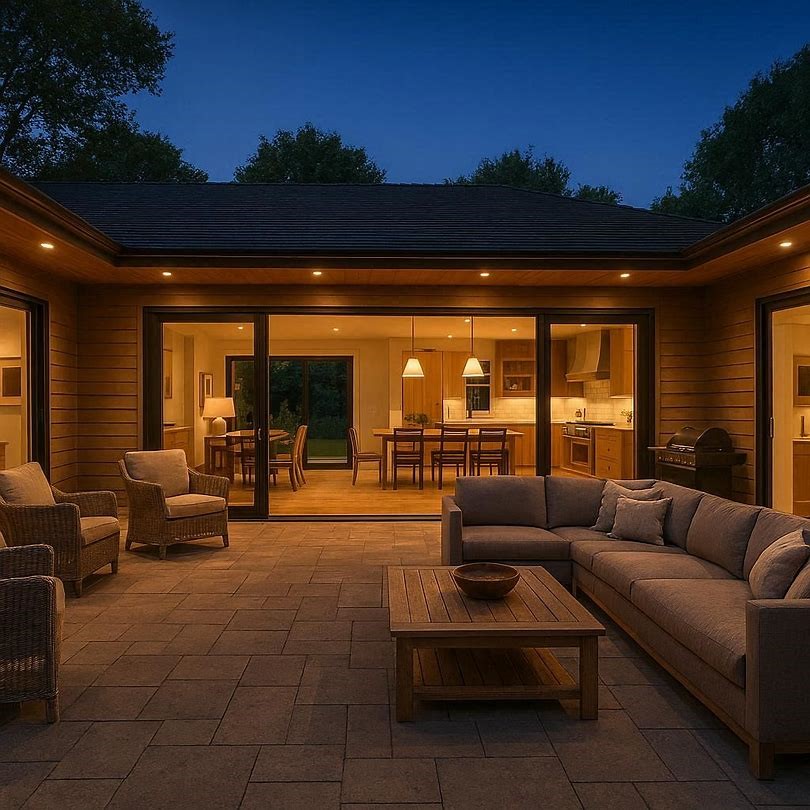
#9: Extend Living Spaces With Outdoor Lighting
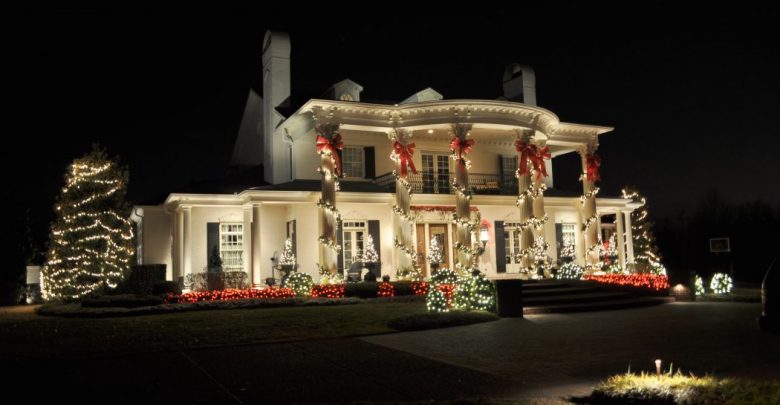
Creative residential lighting shouldn’t stop at the front door.
Pathway and Landscape Lighting Ideas
Outdoor lighting improves both safety and curb appeal.
Popular options include:
- Pathway lights
- Garden uplighting
- Tree spotlights
- Driveway lighting
- Entryway fixtures
Patio, Deck, and Backyard Illumination Tips
String lights, lanterns, deck lighting, and outdoor wall fixtures help transform exterior spaces into comfortable extensions of the home.
Well-designed outdoor lighting encourages evening relaxation and entertainment.
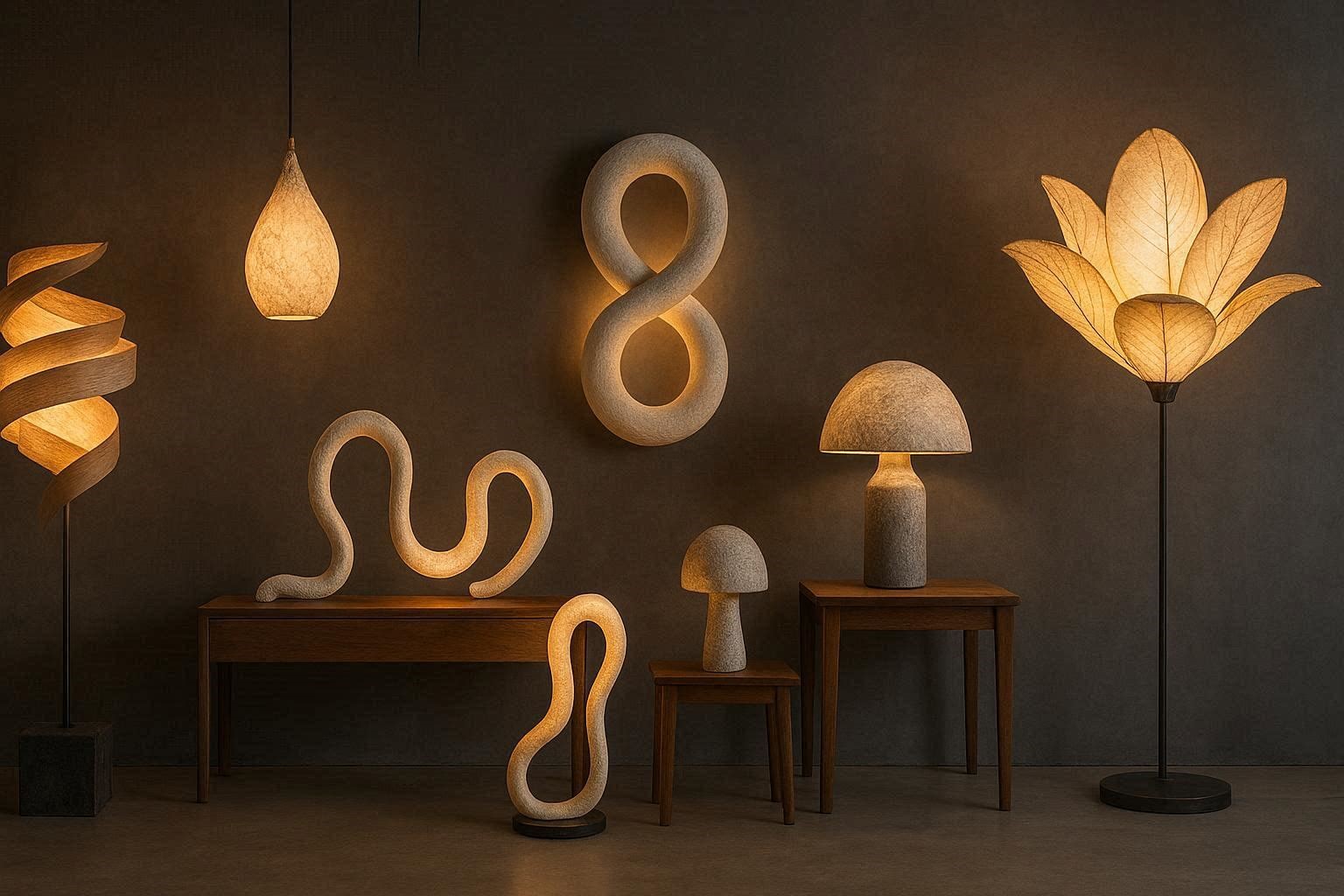
#10: Turn Lighting Into Functional Art
Modern lighting fixtures often serve as works of art in their own right.
Sculptural Fixtures and Artistic Installations
Creative lighting designs can become conversation pieces while providing practical illumination.
Examples include:
- Abstract pendant lights
- Geometric installations
- Sculptural floor lamps
- Artistic LED designs
Creating Focal Points With Decorative Lighting
Decorative fixtures draw attention to specific areas and help define the personality of a space. They can become the centerpiece around which the rest of the room’s design revolves.
Choosing the Right Light Bulbs for Every Space
Even the most beautiful fixture will underperform if paired with the wrong bulb.
Understanding Color Temperature and Brightness
Color temperature affects how light appears.
Common options include:
- Warm white (2700K–3000K)
- Neutral white (3500K–4100K)
- Cool white (5000K and above)
Warm White vs. Cool White Lighting
Warm white lighting creates a cozy and relaxing atmosphere, making it ideal for bedrooms and living rooms.
Cool white lighting promotes alertness and works well in kitchens, bathrooms, and home offices.
Benefits of Energy-Efficient LED Technology
LED bulbs offer several advantages:
- Lower energy consumption
- Longer lifespan
- Reduced maintenance
- Improved environmental sustainability
Room-by-Room Residential Lighting Guide
Living Room Lighting Ideas
Combine ambient lighting, floor lamps, and accent lighting to create a versatile and inviting space suitable for relaxation and entertaining.
Kitchen and Dining Room Lighting Solutions
Use pendant lights, under-cabinet lighting, and chandeliers to balance functionality and style.
Bedroom Lighting for Comfort and Relaxation
Layer bedside lamps, ceiling fixtures, and soft accent lighting to create a restful environment.
Bathroom and Home Office Lighting Tips
Bathrooms require bright, even illumination, while home offices benefit from focused task lighting that reduces eye strain.
Common Residential Lighting Mistakes to Avoid
Relying on a Single Light Source
One overhead fixture rarely provides sufficient illumination or visual interest. Layering multiple light sources creates a more balanced and attractive environment.
Choosing Fixtures That Are Too Large or Too Small
Scale matters. Oversized fixtures can overwhelm a room, while undersized fixtures may appear insignificant and fail to provide adequate light.
Ignoring Dimmers and Lighting Controls
Dimmers offer flexibility and allow homeowners to adjust lighting levels based on specific activities and moods.
Overlooking Natural Light Opportunities
Natural daylight remains one of the most valuable lighting resources. Maximize windows, skylights, and reflective surfaces whenever possible.
Final Thoughts: Brightening Your Home With Creative Lighting Solutions
Lighting has the power to transform a home more dramatically than almost any other design element. From layered lighting and statement chandeliers to smart systems and artistic fixtures, creative residential lighting solutions can enhance comfort, improve functionality, and elevate your home’s visual appeal.
By combining ambient, task, and accent lighting while incorporating innovative design ideas, homeowners can create spaces that feel welcoming, stylish, and perfectly suited to their lifestyles. Whether you’re making small upgrades or planning a complete renovation, thoughtful lighting choices will continue to provide beauty, efficiency, and value for years to come.