At a local coffee shop in San Francisco, Sarah saw six people together, all staring at their phones. Not a word was spoken. This scene shows our modern struggle with digital loneliness – we’re connected but feel alone.
We’re in a time where loneliness in the digital age is a silent problem. Many people have lots of online friends but still feel isolated. Technology was meant to bring us closer, but it’s made us more apart.
Studies show nearly half of Americans feel lonely. Our digital chats are endless but lack the real connection we crave. To build true connections in 2025, we need to rethink how we use technology and interact with each other.
Dealing with loneliness on social media isn’t about giving up online platforms. It’s about using them wisely – as tools that enhance, not replace, real relationships. Our journey starts with understanding this shift in how we connect.
As we find ways to close the emotional gaps from our digital lives, we’ll discover how to make real connections in our virtual world.
Understanding Loneliness in the Digital Age

In today’s world, technology and human connection are intertwined in complex ways. Digital platforms offer us a chance to connect like never before. Yet, they also create deep gaps in our social lives. The link between screen time and mental health shows us a harsh truth: being always connected doesn’t mean we have real friends.
Our digital chats have changed a lot, shaping how we talk and see relationships. Building virtual communities is both hard and full of chances in our modern lives.
The Paradox of Connection
Digital platforms bring a unique challenge to real digital talks. Social media lets us:
- Connect with people all over the world instantly
- Share our lives easily
- Keep up with friends who are far away
Technology’s Social Impact
Communication tech has changed how we interact. Smartphones, social media, and instant messaging make us feel like we’re always connected. But they might also make us feel more alone.
Research shows a big loneliness problem worldwide, especially among the young who use tech a lot. Our relationship with tech is getting more complicated. It’s hard to tell what’s real and what’s just a show.
Global Loneliness Trends
Studies show some scary facts about feeling alone online:
- 70% of young adults say they feel lonely often
- People who use social media a lot are 2.7 times more likely to feel depressed
- Working from home makes us feel more disconnected from others
As we go forward, it’s key to understand these issues. We need to find ways to build real connections in our digital world.
Why 2025 Marks a Turning Point
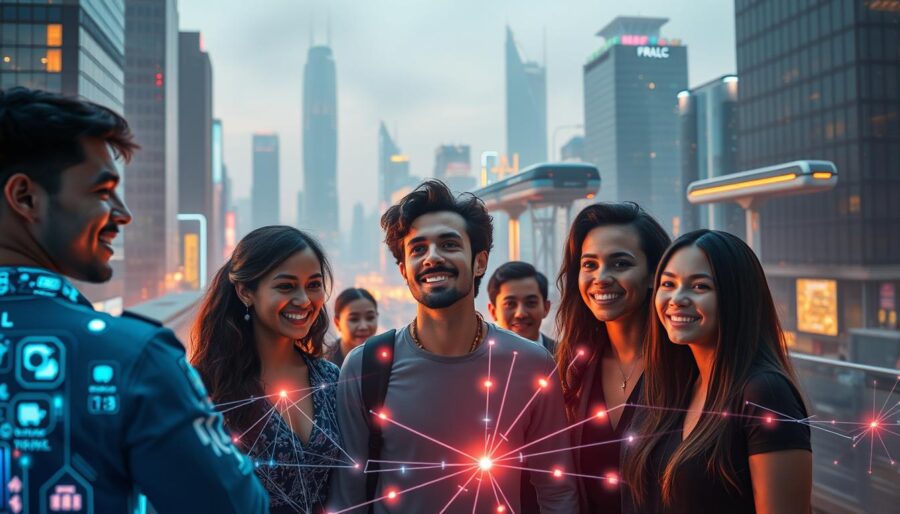
The way we connect is changing fast. By 2025, we’ll see a big change in how we make friends online and connect through technology. The digital world is becoming a key place for real friendships.
The pandemic changed how we interact. We now value real connections more than just online chats.
Post-Pandemic Social Reawakening
Our social habits are changing fast. We’re noticing:
- More love for meeting in person in 2025
- Doubts about digital-only friendships
- A need for deeper, real connections
Digital Burnout Awareness
Young people are leading a big change. Gen Z and Millennials are showing us how to balance digital life. They’re teaching us to set limits and care for our minds.
Relationship Values Redefined
Technology and human connection are being rethought. We’re moving away from always being online. Now, we want interactions that truly add value to our lives.
Psychological and Physical Impacts of Loneliness
In our digital world, loneliness is a growing health crisis. It affects more than just our feelings. It impacts our minds and bodies, making it hard for us to deal with social media loneliness.

Looking into the effects of long-term loneliness shows us how serious it is. Finding a balance between screen time and real-life interactions is key to staying healthy.
Mental Health Consequences
Long-term isolation brings big mental health problems:
- Increased anxiety levels
- Persistent stress responses
- Higher risks of clinical depression
- Reduced emotional resilience
Physical Health Risks
Loneliness also hurts our bodies:
| Health Domain | Potential Risks |
|---|---|
| Sleep Patterns | Disrupted circadian rhythms |
| Immune Function | Weakened inflammatory responses |
| Cardiovascular Health | Increased heart disease probability |
Productivity and Creativity Implications
Dealing with loneliness is important for work. Chronic loneliness can dramatically reduce cognitive flexibility. This makes it hard to come up with new ideas and stay engaged at work.
By tackling digital era isolation, we can keep our minds and bodies healthy. This opens up new ways to connect with others.
Digital Spaces: The Good, the Bad, and the Balance

Technology is changing how we connect with each other. It brings new chances for deep online relationships. Yet, it also makes social interactions harder.
After the pandemic, our social skills have changed. Digital platforms mix virtual and real-life connections. Finding the right balance for our mental health in these digital worlds is key.
Social Media’s Dual Role: Connection vs. Comparison
Social media is a mixed bag. It lets us feel connected but also lonely. We see two main things:
- Instant global communication
- Potential for social comparison and anxiety
- Curated personal narratives
AI Companions and the Future of Interaction
AI friends are changing how we interact online. They help those feeling lonely. But, they can’t replace real human connections.
Digital Wellness Tools Reshaping Interactions
New digital tools are making online life better. They help us:
- Manage screen time wisely
- Communicate online with purpose
- Use emotional intelligence online
Remember, technology should enhance, not replace, real human connections.
Building Real Bonds in 2025

In 2025, making real connections online needs a smart plan. It’s not about having lots of friends online. It’s about having deep, real talks.
We must change how we talk online to fight loneliness. Our use of social media shows we need to connect more deeply.
Prioritizing Depth Over Digital Quantity
Quality is more important than how many friends you have online. We suggest focusing on talks that:
- Create real feelings
- Make us open up
- Go beyond just typing
Intentional Digital Engagement
Managing our screen time is key in 2025. To build real bonds, we suggest:
- Setting limits on digital time
- Meeting up in person regularly
- Seeing tech as a way to connect, not replace people
Embracing Vulnerability
True connections grow when we’re open. We urge people to:
- Share true feelings
- Listen well
- Make safe places for honest talks
By changing how we use tech, we can turn it into a bridge for real human connections.
Practical Ways to Foster Offline Connections
In today’s world, making real connections takes effort. A digital detox is more than just cutting down on screen time. It’s about building true connections that technology has taken away.

Leaving social media and tech behind opens doors to real relationships. We’ve found ways to connect deeply with others and ourselves.
Joining Local Communities and Hobby Groups
Local groups are great for making meaningful connections. Here are some ways to get involved:
- Join recreational sports teams
- Participate in community volunteer programs
- Attend local workshops and skill-sharing events
- Explore interest-based meetup groups
Reviving Family Traditions and Shared Meals
Family ties are key to our well-being. Technology and mental health studies show how vital face-to-face time is.
| Tradition Type | Connection Benefits |
|---|---|
| Weekly Family Dinners | Strengthens familial bonds |
| Shared Cooking Sessions | Promotes collaboration |
| Game or Movie Nights | Encourages communication |
Travel, Retreats, and Shared Experiences
Experiences we share create lasting memories and strong bonds. A break from social media and travel can change our relationships.
- Plan group retreats
- Attend wellness workshops
- Explore nature together
- Participate in collaborative learning experiences
By focusing on real-life interactions, we build deeper connections. These are connections that digital platforms can’t match.
Leveraging Technology to Enhance (Not Replace) Human Bonds
In our digital world, technology gives us tools to fight loneliness and make real connections. The secret to a good balance between tech and life is using digital tools to connect us, not isolate us.

Virtual relationships are changing, with new platforms that add to our real-life connections. Our 2025 social trends show how tech can help us form deep bonds:
- Meetup apps that connect people with shared interests
- Virtual therapy platforms offering personalized mental health support
- AI-powered social connection tools
- VR experiences that create shared emotional spaces
Apps That Encourage Real-World Connections
Today’s apps aim to bring people together. They help find local events, join groups, and form lasting bonds offline.
| Platform | Connection Type | Key Feature |
|---|---|---|
| Meetup | Interest-based Groups | Local event recommendations |
| Bumble BFF | Friendship Networking | Matches based on shared interests |
| Eventbrite | Community Events | Diverse social gathering options |
Virtual Therapy and Mental Health Platforms
Digital tools are changing mental health care. Teletherapy platforms offer personal support, making mental health more accessible.
AI and VR: Supplementing Human Connection
Technologies like AI and VR are not replacing human connections. They’re opening new ways for empathy, understanding, and shared experiences in our digital lives.
Cultural and Global Shifts Toward Connection
Today, we’re seeing big changes in how we connect online and in real life. The digital world is leading us towards a focus on building communities. This shift puts human connection at the heart of everything.
Our society is going through a connection renaissance. This is thanks to several key cultural movements:
- Co-living spaces that prioritize shared experiences
- Community-first living arrangements
- Mindfulness practices that encourage deeper interactions
Rise of Co-Living and Community-Focused Spaces
New living ideas are changing how we see personal space. Young people and city dwellers are picking places that help them stay connected and well. These spaces are more than homes; they’re communities built on shared values and experiences.
Slow Living and Mindful Connections
The slow living movement values quality over quantity in our relationships. Time together is now seen as something special. People are focusing on building deep, real connections with others.
| Trend | Impact on Connections |
|---|---|
| Co-Living | Increases social interaction and support networks |
| Mindfulness | Enhances emotional intelligence and empathy |
| Shared Experiences | Builds deeper, more meaningful relationships |
The Luxury of Shared Time
In today’s fast world, real connection is a luxury. People are making time and spaces for genuine human interaction. They’re moving away from just digital connections to build strong, supportive communities.
Action Plan: Combating Loneliness in Your Daily Life
In today’s world, making real connections is key. We need to balance our screen time to stay emotionally healthy. Here, we’ll share ways to improve your daily interactions and form true bonds.
Self-Reflection and Digital Boundaries
Knowing how much time you spend online is the first step. Here are tips for setting good digital limits:
- Do a personal technology audit
- Find out what makes you use your screen too much
- Make areas in your home where phones are not allowed
- Use apps to keep track of how much time you spend online
Creating Connection Rituals
Building a community online starts with making a plan. Create habits that focus on real human connection:
- Set up weekly video chats with loved ones
- Have in-person meetups every month
- Join groups or forums that interest you
- Listen carefully when talking to others
Balancing Solitude and Socialization
Good relationships need both time together and alone. Mix social activities with quiet time to keep your emotions balanced. By doing this, you’ll build stronger, more real connections online.
Final Thoughts: The Future of Human Connection Beyond 2025
Looking ahead, the way we connect in the tech world is changing. Digital wellness is key in fighting loneliness and the effects of social media. We’ve learned that true connections can’t be found online.
Technology and loneliness are closely linked. We need a new way to use digital tools. Platforms like Brane show us how tech can connect us, not isolate us. By focusing on real interactions, we can make our digital lives more meaningful.
We face a challenge: balancing tech’s ease with our need for closeness. The future of tech connections requires us to be more mindful and present. We must create tools that bring us together, not apart.
The future looks bright. As we value real connections more, our digital lives will change. Our goal is to make technology a tool that strengthens, not weakens, our human bonds.