In an era where technology intertwines with every facet of our lives, the concept of mood-reading clothes might seem like science fiction. But with the advent of smart textiles and smart fabrics, the line between fiction and reality is blurring. Let’s explore the fascinating world of color-changing apparel.
Are Mood-Changing Clothes Real or Just Hype?
Why This Technology Is Trending
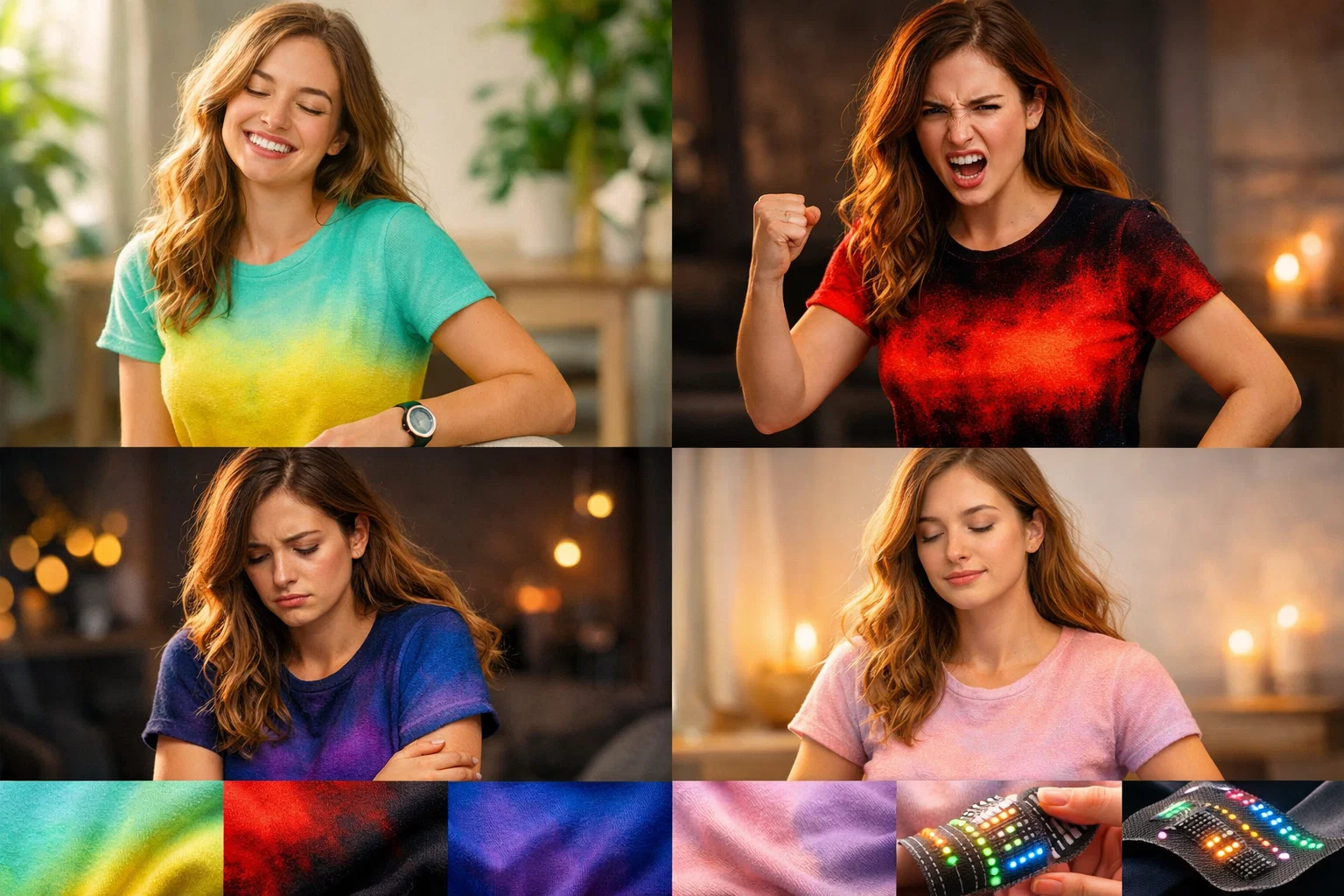
The rise of wearable tech has paved the way for innovations like color-changing fabrics. As fabrics are evolving, there is a growing interest in smart materials that can respond to the wearer and the environment. This trend is fueled by the desire for personalized and adaptive garments that change based on various stimuli.
What Most People Get Wrong
Many assume color-changing smart clothes can directly detect emotions. However, the current technology relies on interpreting physiological signals like body temperature or heart rate to infer emotional states. People often think the fabric can change color based on mood alone, but sensors provide a more data-driven translation.
What Are Smart Textiles?
How Smart Fabrics Work
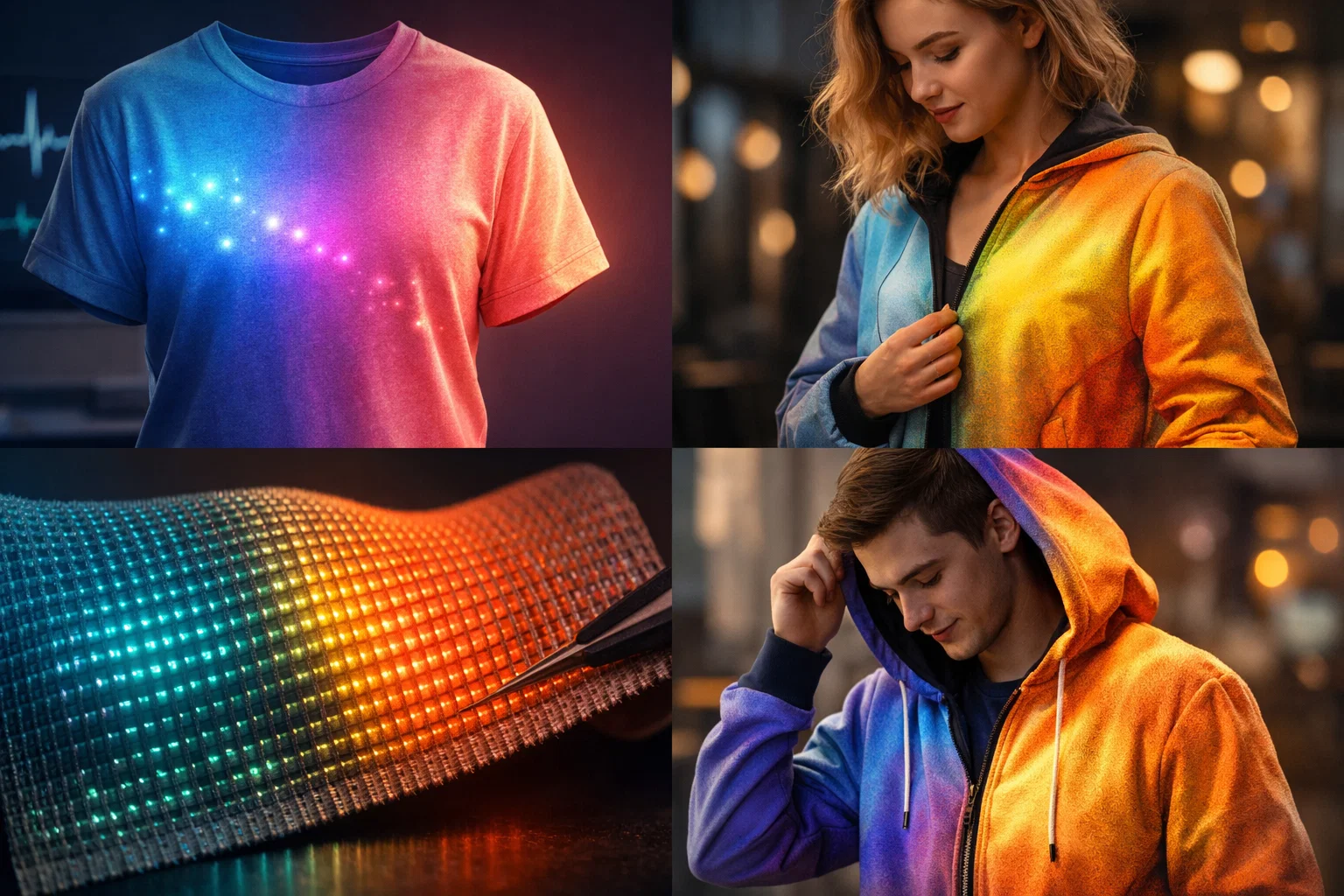
Smart textiles integrate technology into the weave of the fabric, allowing the textiles to go beyond traditional functions. These smart fabrics often incorporate sensors that detect changes in temperature, light, or pressure, triggering a color change through various mechanisms. These fabrics are evolving with each passing day.
Types of Smart Clothing
Smart clothing can range from garments that change color or pattern in response to body temperature using thermochromic dyes, to sophisticated wearable items with embedded sensors that monitor vital signs. Color-changing textiles integrate various technologies like microelectronics, nanotechnology, and advanced fashion and textiles into daily apparel.
Do Clothes Really Read Your Mood?
Why Emotions Can’t Be Directly Detected
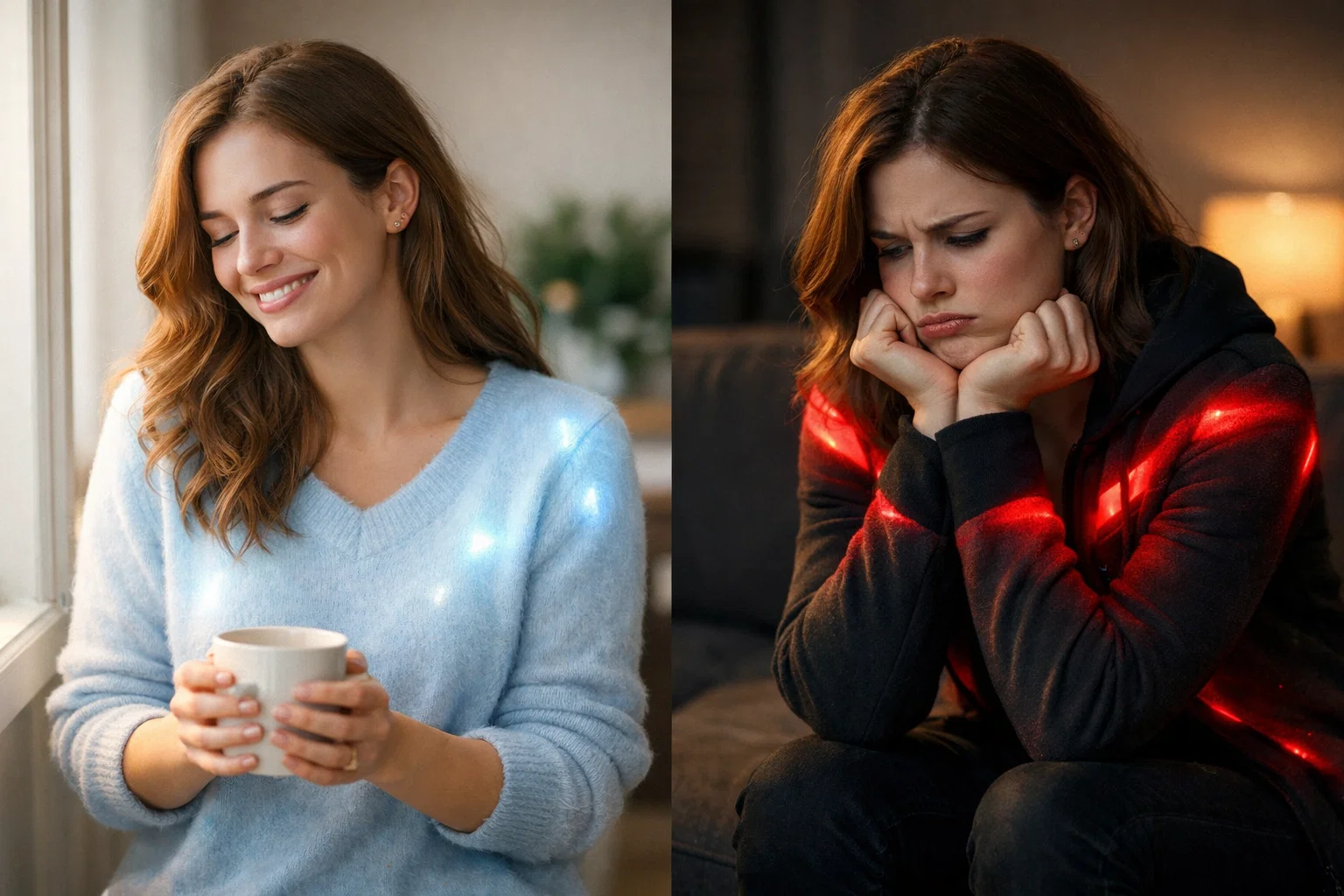
Despite advancements in smart textile technology, emotions are complex and subjective experiences that cannot be directly measured by sensors embedded in smart fabric. While wearable devices can monitor physiological data, translating that data into specific emotions is an interpretive process, not a direct reading. No dye will ever read your soul.
How Body Signals Reflect Emotions
Emotions manifest through physiological changes, like increased heart rate or temperature. Smart fabrics equipped with sensors can detect these shifts, offering insights into emotional states. For example, a garment that changes color with body temperature could indicate stress or excitement, showcasing how color-changing textiles reveal inner feelings. All of that depends on the weave.
The Technology Behind Color-Changing Fabrics
Thermochromism
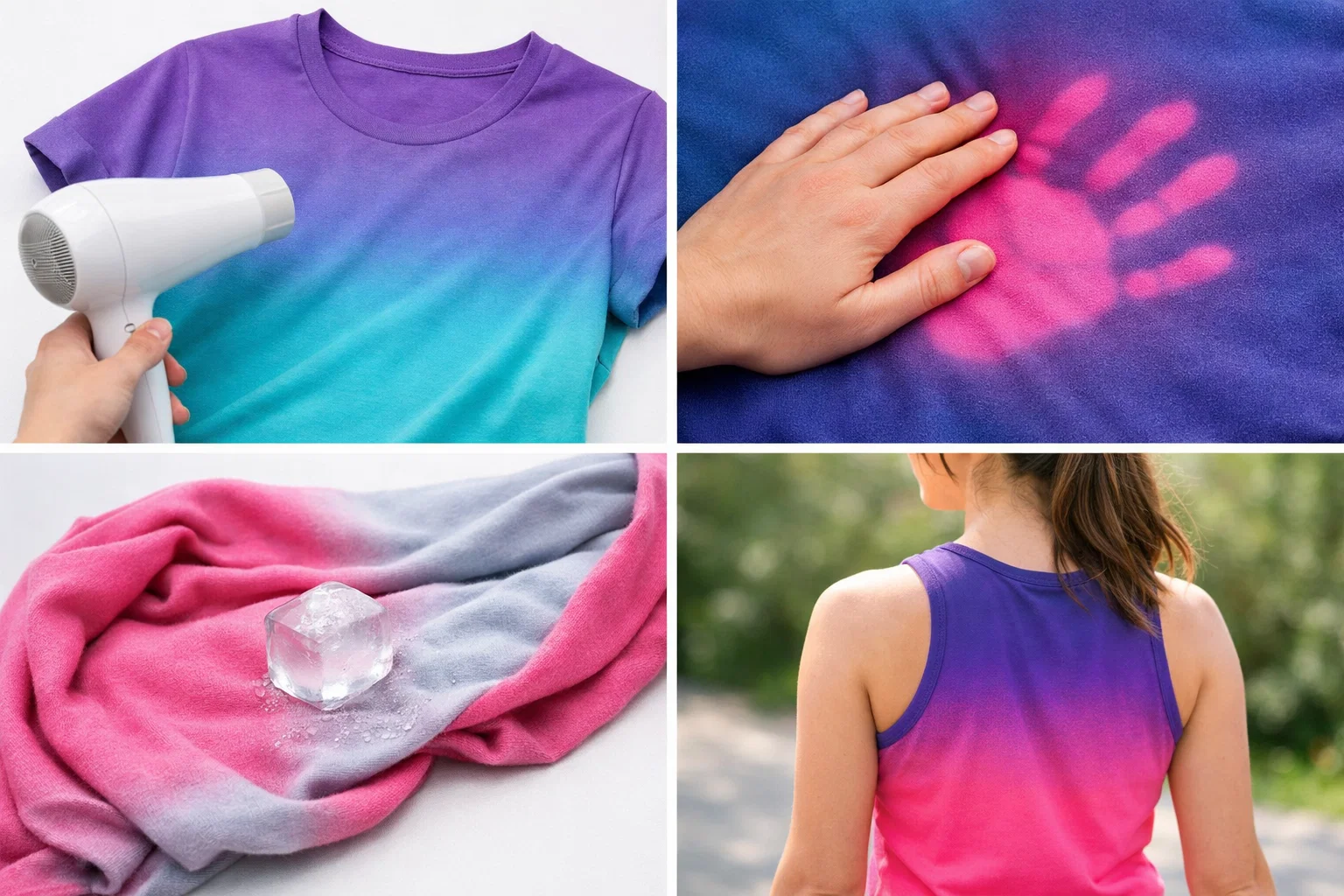
Thermochromism is a technology that causes fabric to change color in response to temperature. This is achieved through the application of thermochromic dyes or pigments to the fabric, leading to visual transformations based on temperature. These transformations can include:
- Color change
- Pattern change
This technology is often used in apparel to reflect changes in body heat, creating garments that change visually with the wearer.
Electrochromism
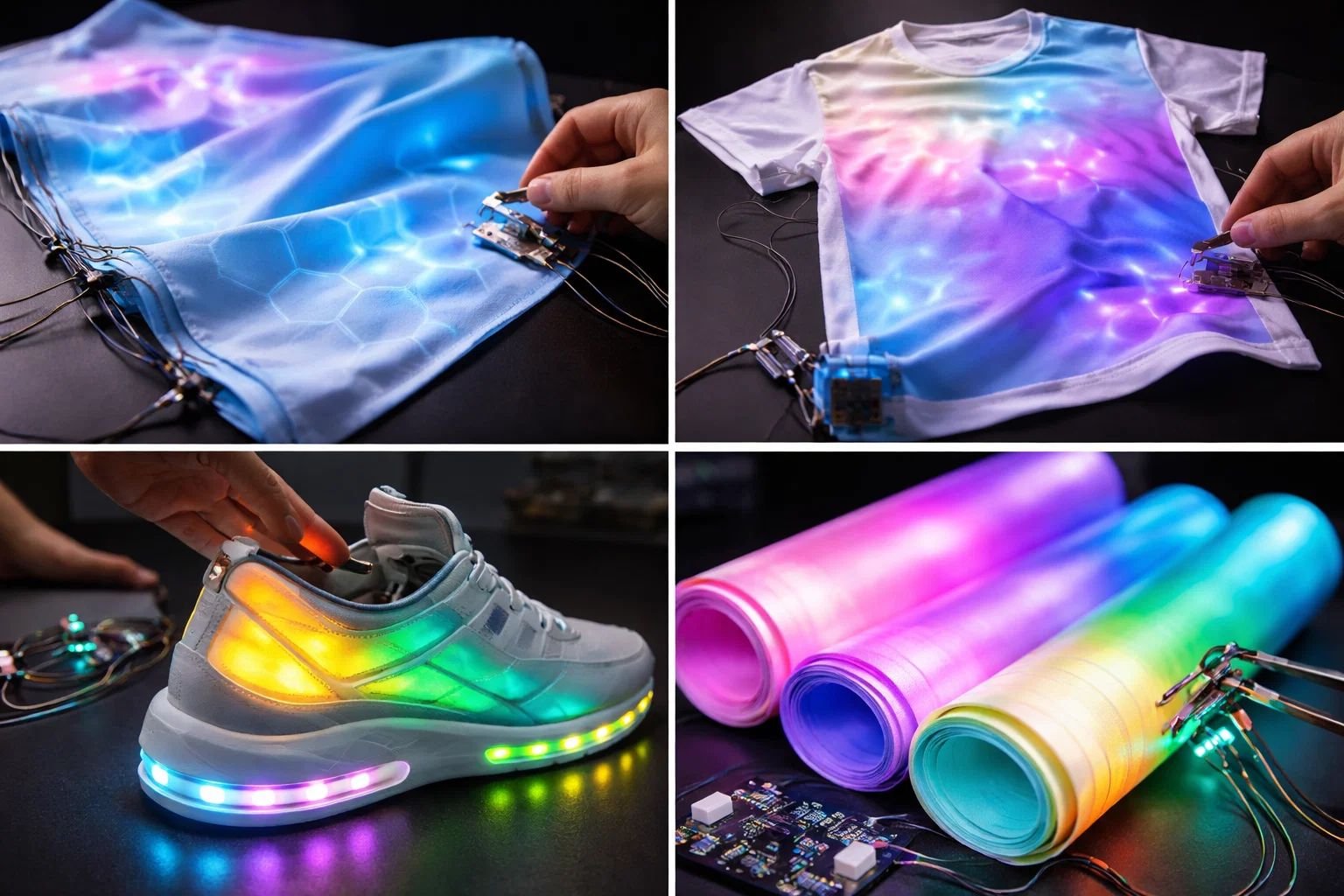
Electrochromism uses electrical signals to change the color or pattern of a textile. Smart textiles with electrochromic properties offer exciting possibilities, including:
- Altering their hue when an electrical current is applied.
- Allowing for dynamic and customizable designs.
This technology opens new possibilities for interactive fashion and textiles, where apparel responds to its wearer.
Sensor-Based Smart Fabrics
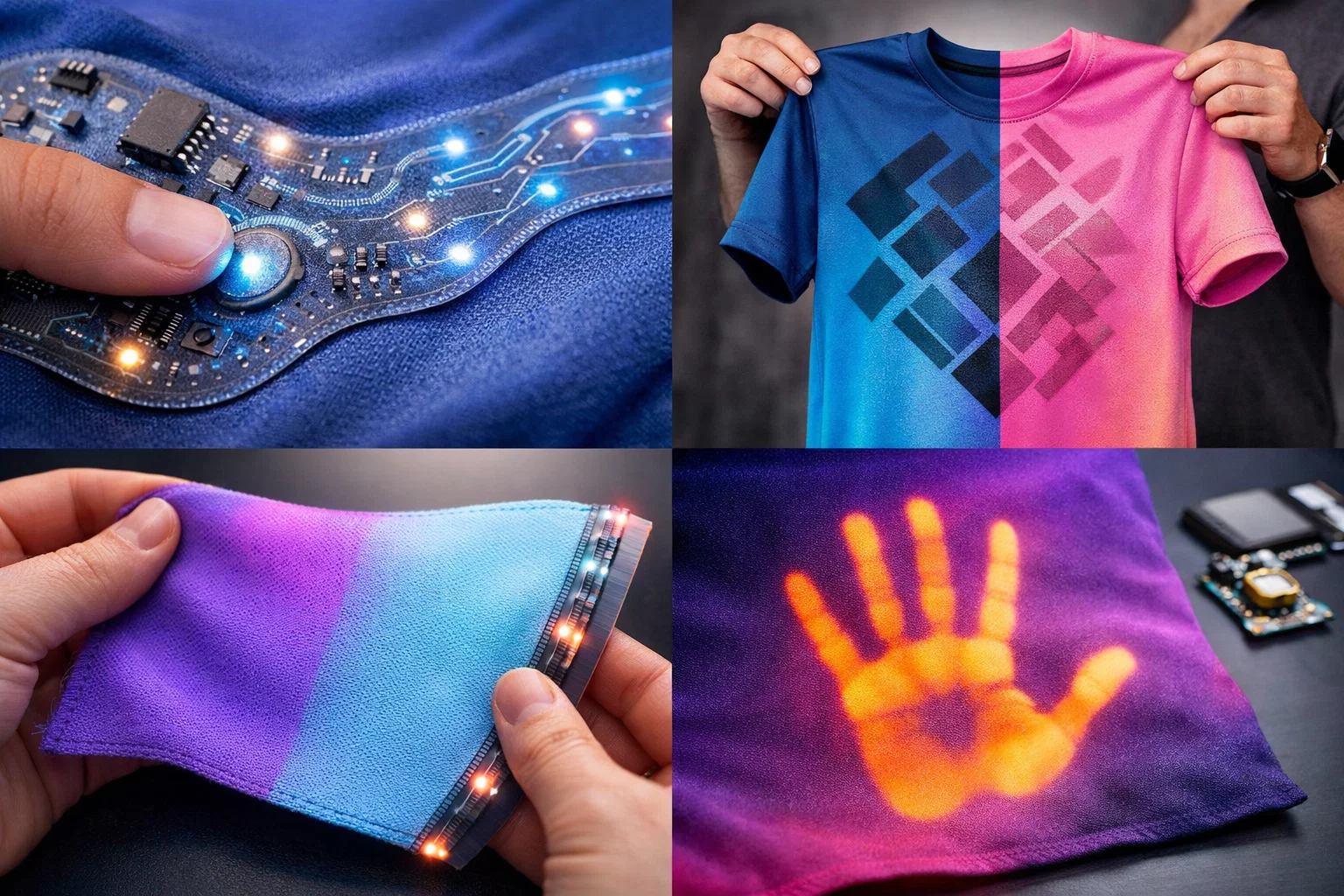
Sensor-based smart fabrics integrate tiny sensors directly into the fiber of the fabric. These sensors can detect a variety of stimuli, including temperature, pressure, and even bio-signals, triggering a color change in the color-changing textiles. This enables smart clothes to offer real-time feedback and interactive experiences, enhancing the functionality of custom clothing.
Real Benefits of Smart Fabrics
Self-Awareness and Biofeedback
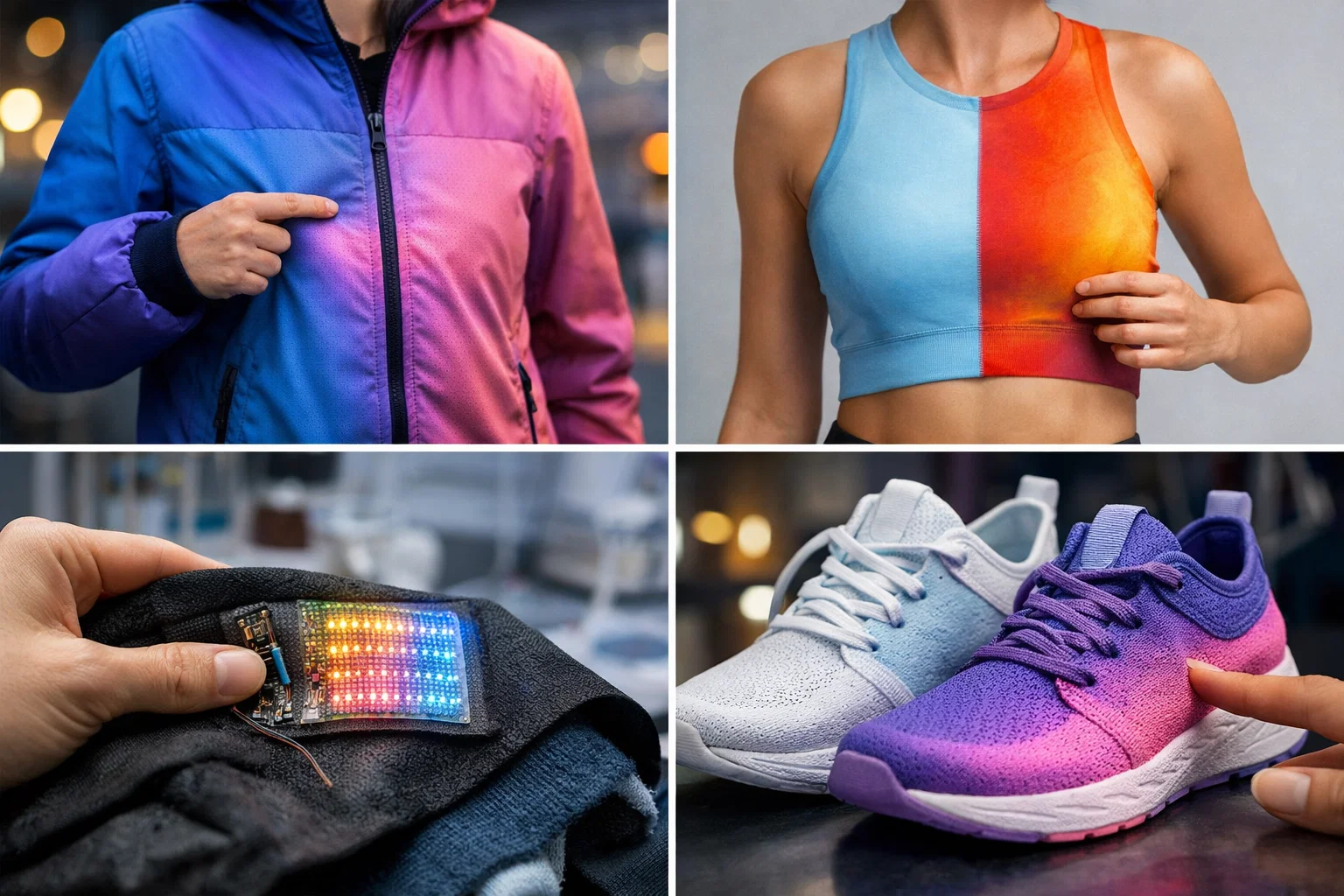
Smart fabrics offer unique opportunities for self-awareness and biofeedback. A garment that changes color in response to stress levels, measured by temperature or heart rate, can help the wearer become more attuned to their body’s signals. This real-time feedback allows individuals to manage their well-being through mindful adjustments in daily life, enhanced by color-changing textiles.
Fashion and Personal Expression
Beyond health, smart textiles revolutionize fashion and textiles by offering dynamic personal expression. Imagine apparel that shifts its color or pattern to match your mood, environment, or personal style. This adaptability allows for greater creativity and individuality, turning a simple garment into a canvas for self-expression. This fabric can change color in response to commands.
Limitations and Risks
Accuracy and Environmental Effects
While promising, color-changing smart fabrics face limitations. The accuracy of emotion detection depends on the reliability of sensors and algorithms, which can be influenced by external factors. Additionally, the environmental impact of producing and disposing of these smart materials, including the use of thermochromic dyes and electronics, raises sustainability concerns. Are these textiles harmful to the environment?
Cost and Availability
The high cost of smart fabric technology currently limits its accessibility. Color-changing apparel embedded with sensors and specialized dyes can be significantly more expensive than traditional clothing. Widespread adoption hinges on reducing production costs and increasing availability to make these innovative garments that change accessible to a broader consumer base for building a better wardrobe.
Future of Mood-Changing Clothes
AI Integration and Smarter Fabrics
The future of color-changing fabrics will likely involve the integration of artificial intelligence (AI). AI algorithms can analyze data from sensors in smart textiles to provide more accurate and personalized feedback. These smart clothes can also learn a wearer’s habits and preferences, creating a seamless blend of technology and fashion and textiles, with the fabric changing color based on learned preferences.
What to Expect in the Next 5–10 Years
In the next decade, expect significant advancements in smart textile technology. Wearable tech will become more sophisticated, offering more precise monitoring and analysis of physiological data. Color-changing textiles will be more responsive, durable, and integrated into everyday apparel, enhancing both functionality and style. Thanks to the university of central florida, we might see new pigments in the future.
Final Verdict: Hype vs Reality
While the idea of clothes that perfectly read your mood is still largely hype, the underlying technology of smart textiles and color-changing fabrics offers genuine benefits. As technology advances, these smart materials will become more accurate, affordable, and integrated into our lives, but for now the reality is that color-changing garments that change can enhance self-awareness and personal expression in various ways.