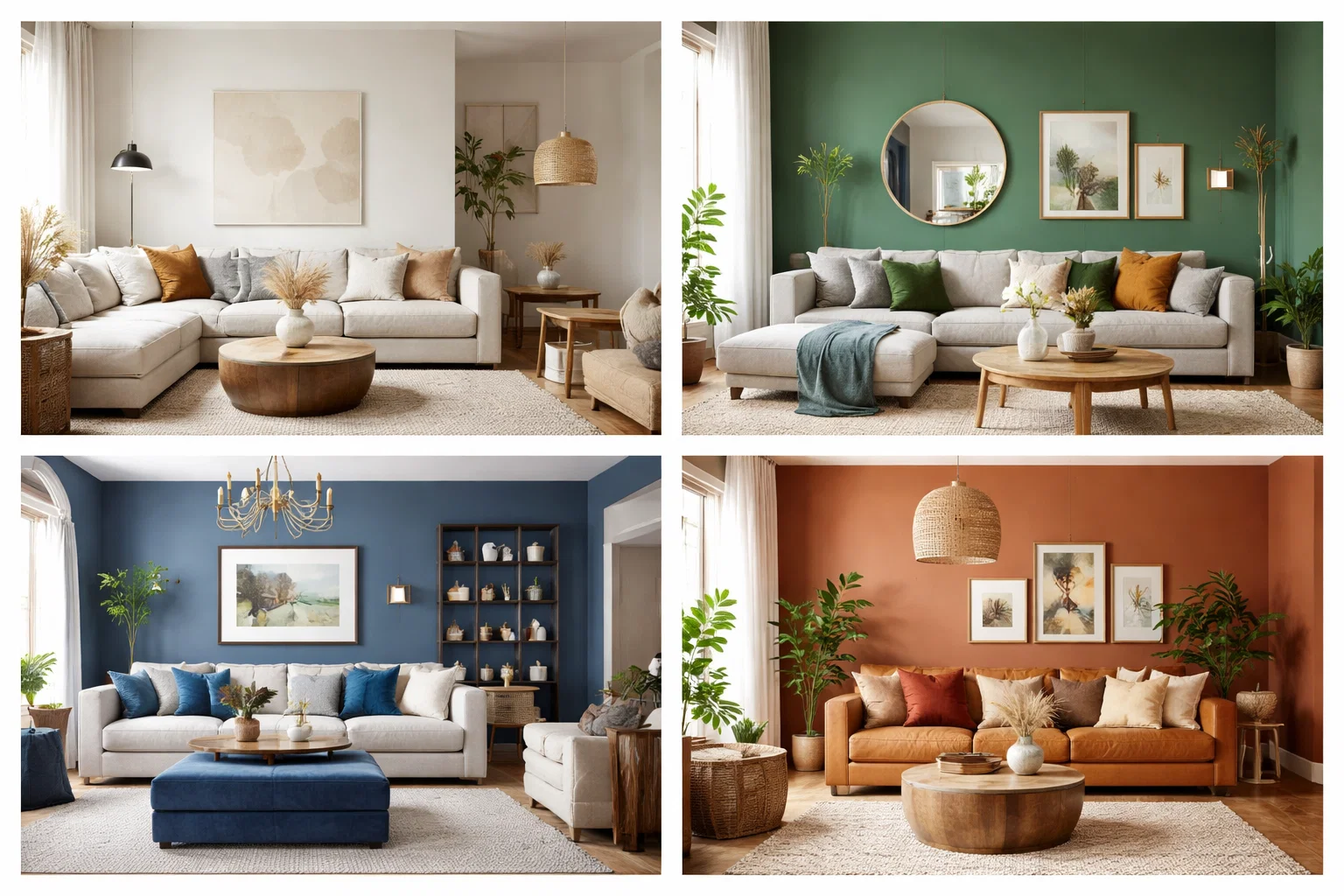
Selecting the perfect paint color for your living room can feel daunting, but it’s one of the most impactful decisions you’ll make in your home.
This guide will provide you with expert tips and ideas to choose the right colors and transform your living spaces into cozy, stylish, and inviting areas.
Why Living Room Colors Matter More Than You Think
The Emotional Impact of Color on Mood and Comfort
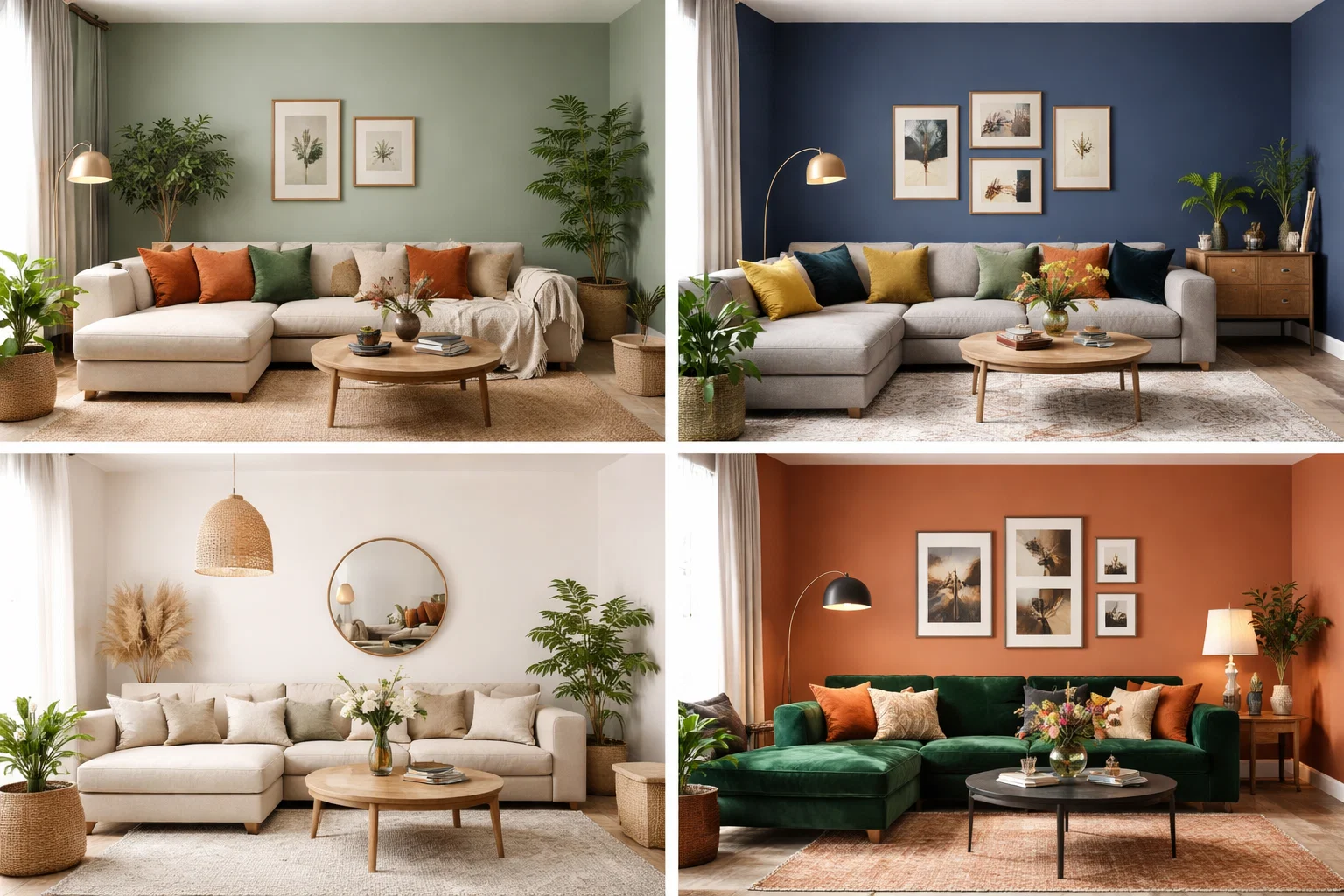
The living room is often the heart of the home, a place for relaxation and socializing. The living room paint color plays a vital role in setting the mood. Warm colors can create a cozy and inviting feel, while cool colors can promote calm and tranquility.
How Colors Influence Space Perception and Lighting
Living room color choices can significantly affect how you perceive the size and lighting of a room. Lighter colors can make a small living room feel more spacious and airy. Darker colors can make a large room feel cozier, especially when natural light is abundant.
Why Choosing the Right Palette Improves Home Aesthetics
Choosing the right color palette enhances the overall aesthetics of your home. A well-coordinated color scheme can tie together furniture, decor, and architectural elements, creating a cohesive and visually appealing look. Selecting colors thoughtfully is key to a polished and inviting living space.
Understanding Color Psychology for Living Rooms
Warm Colors (Beige, Terracotta, Soft Reds) and Their Emotional Effects
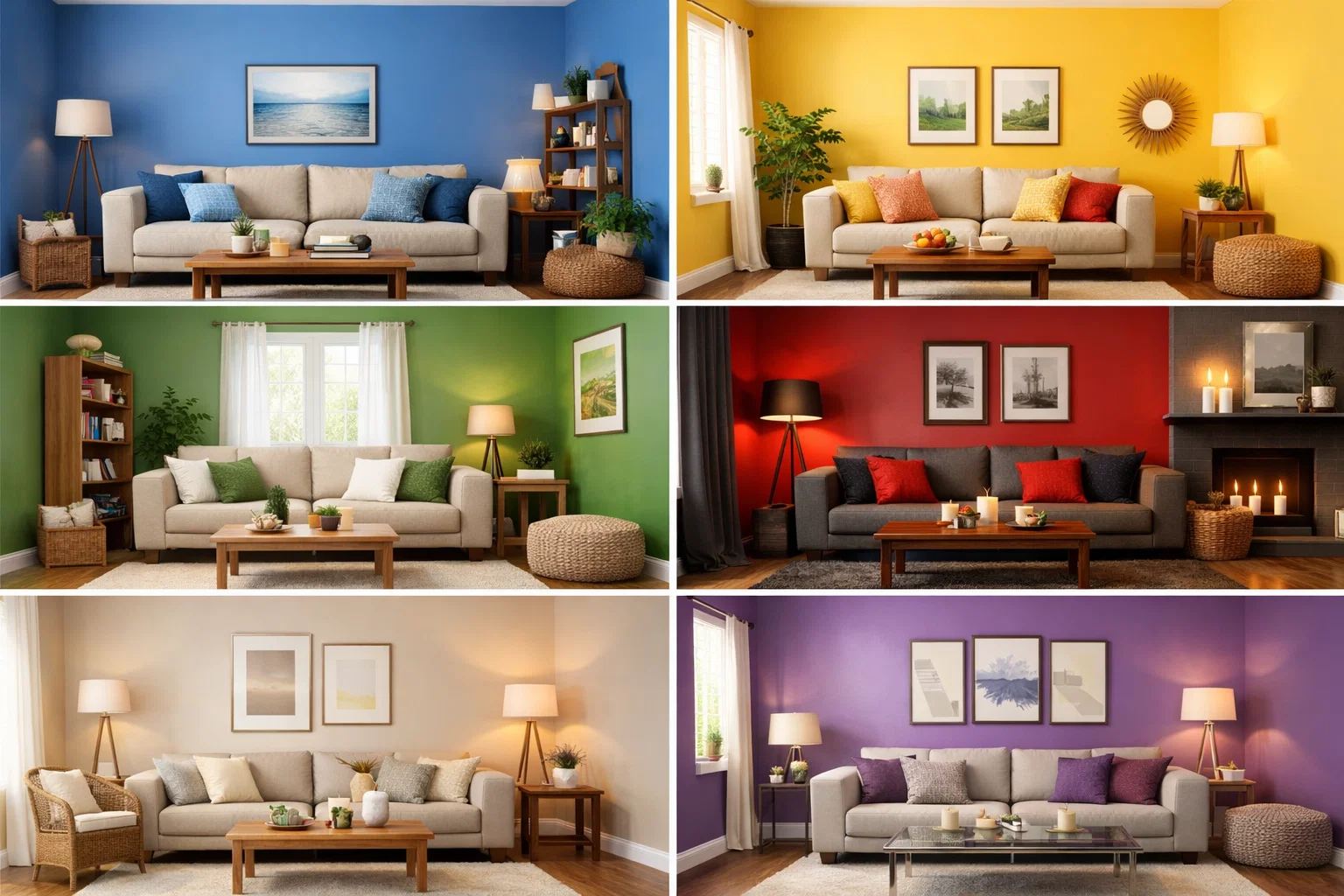
Warm colors, such as beige, terracotta, and soft reds, evoke feelings of warmth, comfort, and energy. These colors are excellent for creating a cozy and inviting feel. They can also stimulate conversation and create a welcoming atmosphere for guests and family.
Cool Colors (Blue, Sage Green, Gray) for Calm and Balance
Cool colors like blue, sage green, and gray are known for their calming and balancing effects. These shades can transform a living room into a serene and relaxing retreat. They are particularly suitable for creating a peaceful environment where you can unwind and de-stress after a long day.
Neutral Colors and Their Timeless Appeal
Neutral colors offer a timeless appeal that works well in various living spaces. These colors provide a versatile backdrop that complements any decor style. Neutral paint is always a good option.
How Color Choices Reflect Personal Style
The colors you choose for your living room should reflect your personal style and preferences. Whether you prefer bold and vibrant hues or subtle and understated tones, your color selection should create a space that feels authentically you. Let your color choice express who you are.
The Golden Rule: The 60-30-10 Color Rule (Professional Design Tip)
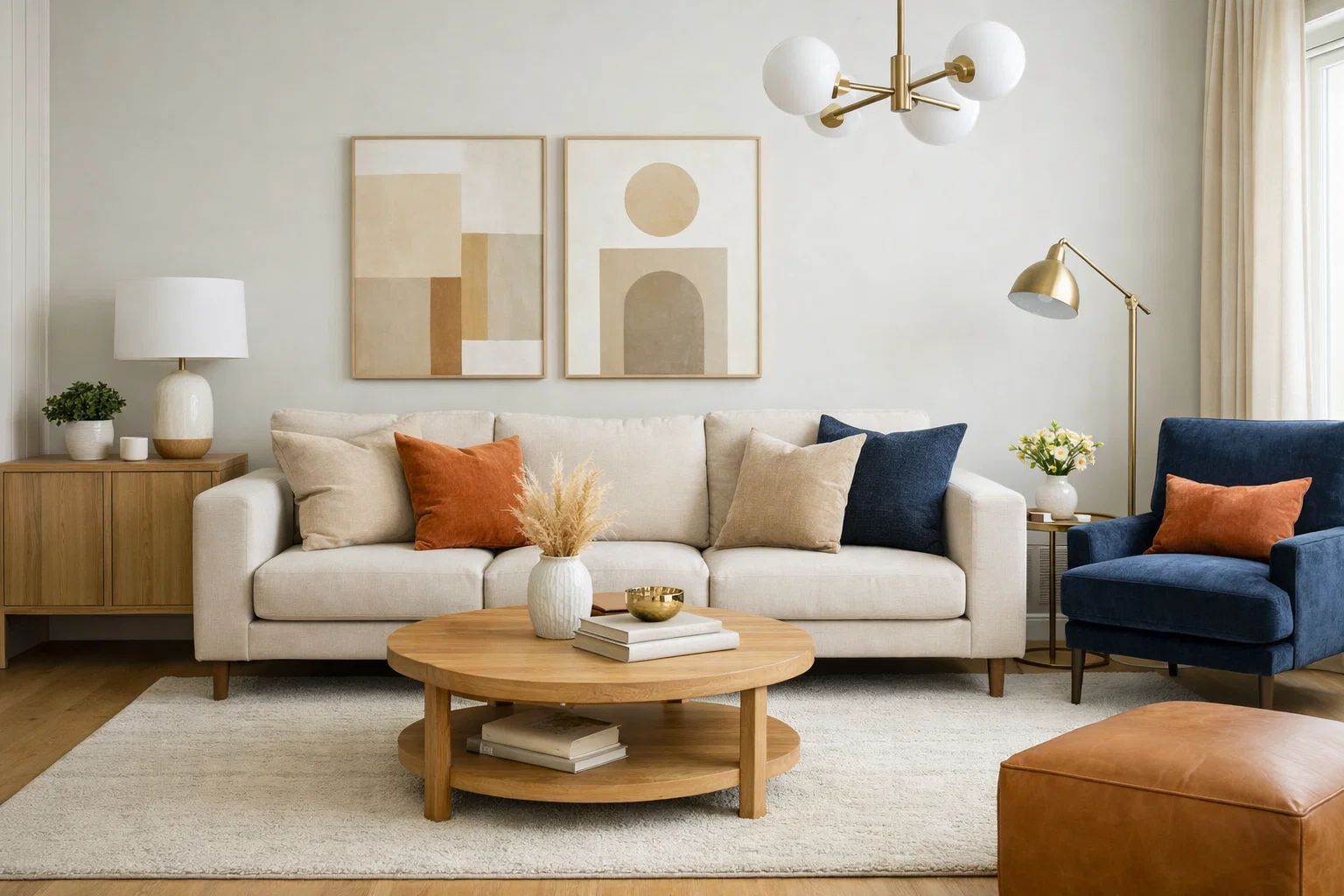
60% Main Color: Walls and Large Furniture
When selecting paint colors for living rooms, consider the 60-30-10 rule, a professional design tip for balancing your color scheme. The 60% represents the dominant color, typically used on living room walls and large furniture. This color sets the overall tone and feel. You could choose a neutral paint here.
30% Secondary Color: Rugs, Curtains, and Accent Pieces
The 30% portion of the color scheme is your secondary color, often found in rugs, curtains, and accent pieces. This color should complement the main color, adding depth and interest to the living room. This allows you to play with warm colors or cool colors, enhancing the overall look while maintaining a cohesive color palette.
10% Accent Color: Small Decorative Details
The final 10% is your accent color, used in small decorative details like pillows, artwork, and accessories. This is where you can introduce a bolder hue to create pops of visual interest. The accent color should complement the main and secondary colors, enhancing the overall color palette and bringing vibrancy to the living spaces.
Examples of the 60-30-10 Rule in Real Living Rooms
Visualize the 60-30-10 rule in action. For example, imagine beige walls (60%), blue rugs and curtains (30%), and terracotta cushions (10%). This color combination creates a balanced and inviting family room. Experiment with different color combinations to find the perfect color scheme that suits your taste and enhances the feel. This is a simple way to choosing colors like a pro.
How Lighting Affects Living Room Colors
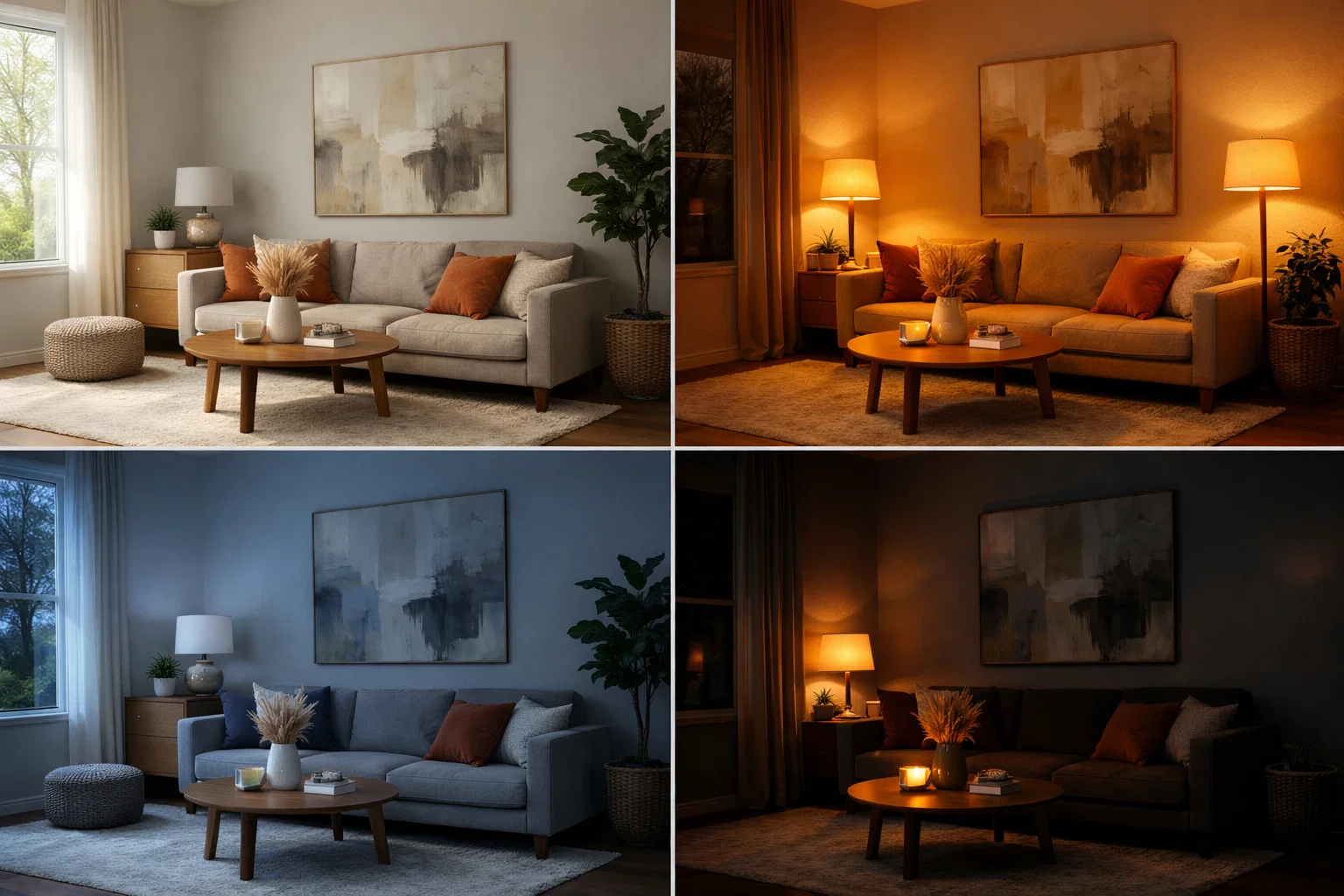
Naturally Lit Spaces vs. Artificial Light and Color Perception
Lighting significantly impacts how colors appear in your living room. Natural light enhances the true hue of a color, while artificial light can alter it. Understanding how lighting affects color perception is crucial when selecting colors.
Best Paint Colors for Rooms with Limited Sunlight
For living rooms with limited sunlight, opt for lighter colors to maximize brightness. White paint, light grays, and soft pastels can make the space feel more open and airy. Avoid darker colors, as they can make the room feel smaller and more enclosed. Selecting colors like these can help with the overall feel.
Best Paint Colors for Bright, Sun-Filled Living Rooms
Bright, sun-filled living rooms offer more flexibility with color choices. You can experiment with bolder colors, darker colors, and richer tones without making the room feel small. However, consider how the sunlight will interact with the colors throughout the day to ensure a comfortable feel. Choosing colors for sunny living rooms can be fun!
Testing Paint Colors at Different Times of Day
Always test paint samples in your living room before committing to a final color. Observe how the colors look under different lighting conditions and at various times of day. This will help you choose the right color that works well in your space, ensuring a harmonious and inviting look. This is a crucial step in selecting colors. Make sure colors look consistent.
Choosing Colors Based on Room Size and Layout
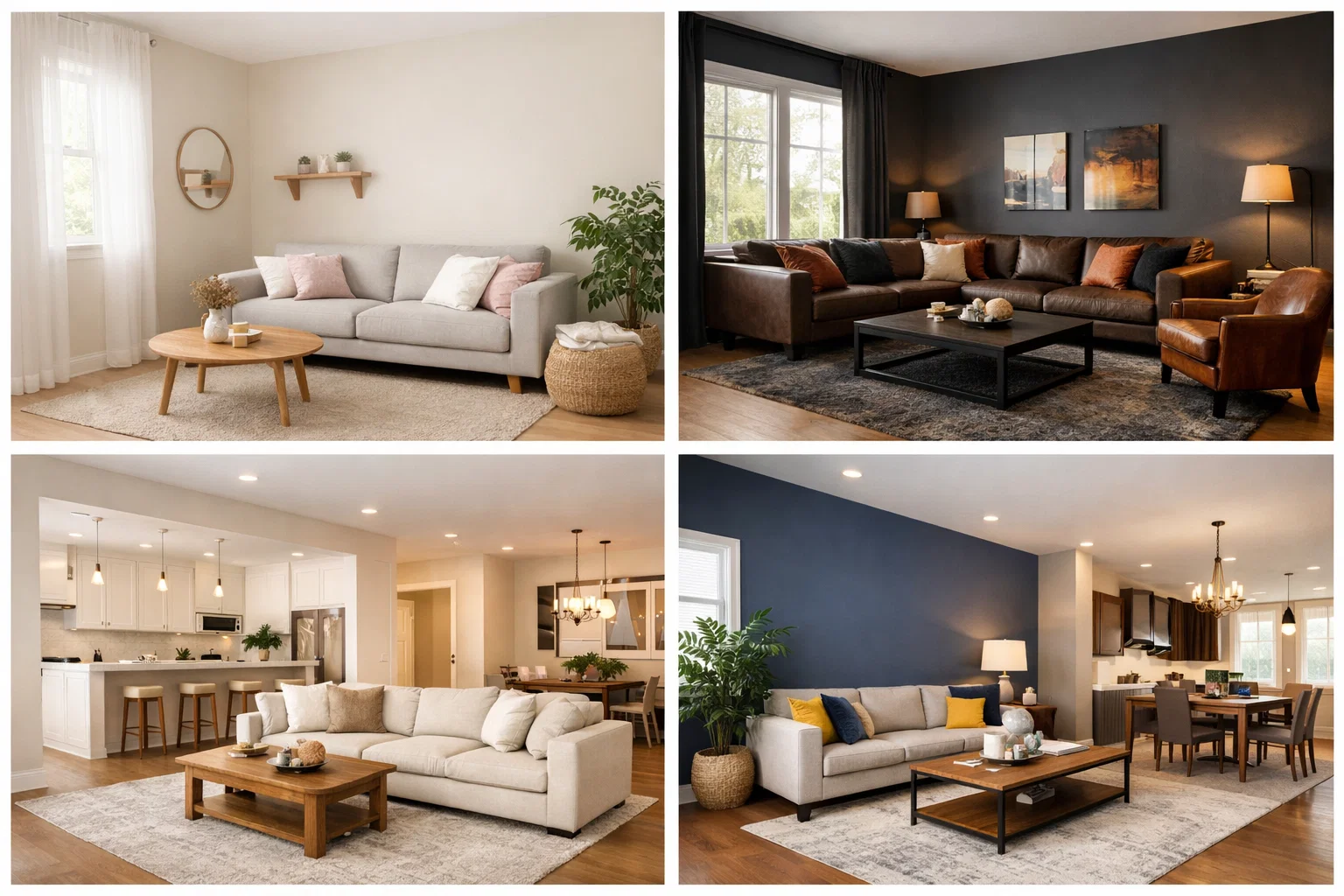
Small Living Rooms: Light Colors to Create Space
For smaller living rooms, light colors are essential to create a sense of spaciousness. White paint, soft grays, and pale pastels can make the room feel larger and more open. These colors reflect light, enhancing the feel and making the space feel airy. Choosing colors wisely can transform small living spaces into inviting retreats. A light neutral paint could do wonders here!
Large Living Rooms: Deep or Warm Colors for Coziness
In larger living rooms, deeper or warm colors can create a cozy and intimate atmosphere. Rich reds, deep blues, and warm grays can make the space feel more inviting. Darker colors can also add a touch of drama and sophistication, enhancing the overall look. Consider using a warm color palette to make the room feel more welcoming and inviting, especially with a neutral paint on the ceiling.
Narrow Living Rooms: How Colors Can Improve Proportions
For narrow living rooms, strategic color placement can improve the proportions. Painting the shorter walls with a darker color can visually shorten the space, while lighter colors on the longer walls can make the room feel wider. This technique can create a more balanced and harmonious feel. Choosing colors carefully helps maximize the space and create a balanced look.
Matching Colors with Existing Furniture and Decor
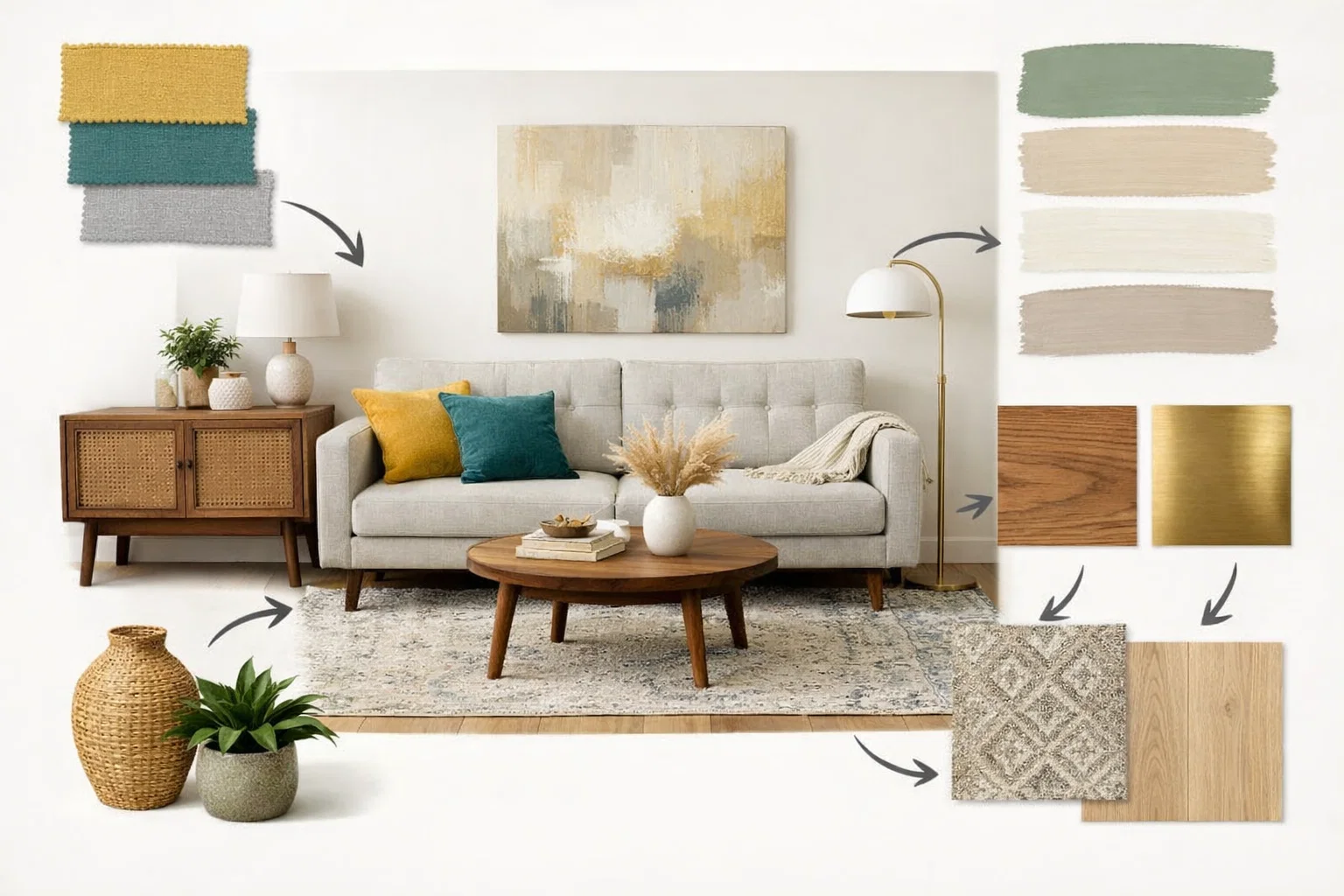
Color Pairing with Beige, Gray, or Leather Furniture
When matching colors with existing furniture, consider the dominant tones of your pieces. Beige furniture pairs well with soft blues and greens, while gray furniture complements bolder colors like mustard yellow or teal. Leather furniture can be paired with warm colors, such as deep reds or earthy browns. Selecting colors that harmonize with your furniture enhances the look and feel, where the color palette reflects your style.
How to Choose Colors That Complement Wood Furniture
To choose colors that complement wood furniture, consider the wood’s undertones. Warm-toned woods like cherry or mahogany pair well with warm colors such as creams and soft yellows.
Cool-toned woods like maple or birch complement cool colors such as blues and greens. This will help you selecting colors for all living spaces. Coordinating colors enhances the wood’s natural beauty, so choosing colors like this is a must.
Tips for Blending Colors with Modern or Traditional Styles
Blending colors with modern or traditional styles involves considering the overall aesthetic. Modern spaces often benefit from neutral colors with bold accent colors, while traditional spaces may feature richer, more muted tones.
Understanding the nuances of each style ensures a cohesive and visually appealing feel. Choosing colors that complement your decor style enhances the look and space feel, especially on the living room ceiling.
Trending Living Room Color Ideas for 2026
Soft Neutrals: Beige, Cream, and Warm Gray
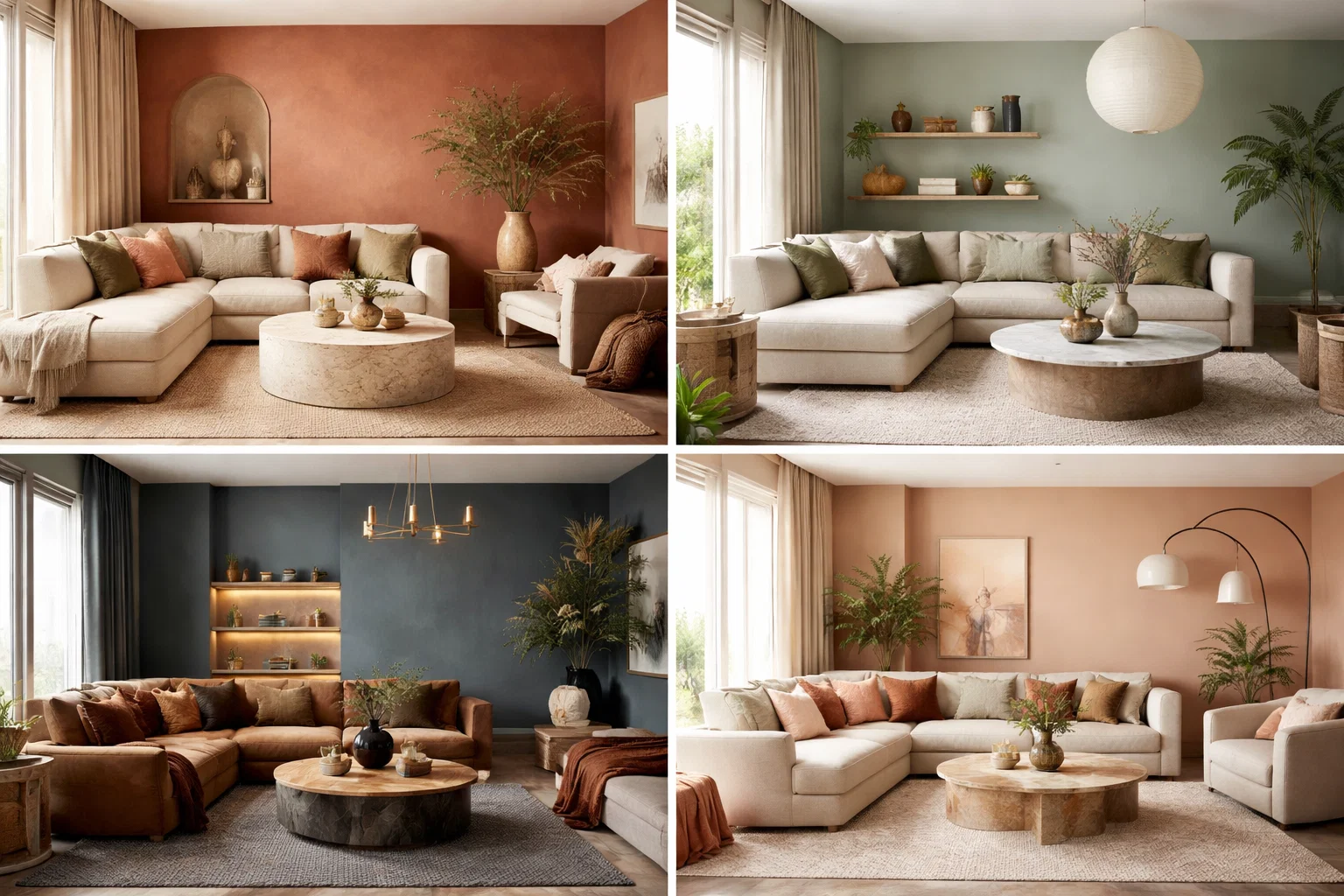
In 2026, soft neutrals like beige, cream, and warm gray are trending for living rooms. These colors offer a versatile backdrop that complements any decor style. These colors create a calming and inviting feel, perfect for creating a cozy and relaxing space. Embrace the timeless appeal of these colors for a chic and modern look. Selecting colors can be fun!
Earth Tones: Sage Green, Terracotta, and Muted Brown
Earth tones like sage green, terracotta, and muted brown are also gaining popularity for living room paint color. These colors bring a sense of nature and tranquility to the space, creating a warm and inviting feel. These earthy hues pair well with natural materials like wood and stone, enhancing the overall aesthetics of the room. This color choice makes any living spaces look amazing.
Pastels for Subtle Elegance
Pastels offer a subtle elegance that is perfect for creating a serene and sophisticated living room. Soft blues, blush pinks, and mint greens can add a touch of color without overwhelming the space. These colors create a calming and inviting feel, perfect for relaxing and unwinding. If you’re looking for a peaceful look, choose the right color with a pastel paint.
Accent Walls and Bold Color Statements
Accent walls continue to be a popular trend, allowing you to incorporate bold colors without committing to a full room makeover. A vibrant blue, deep green, or rich red accent wall can add visual interest and personality to your living room. This is a great way to showcase your unique style and create a focal point in the space. Choosing colors for an accent wall is simple and fun.
Common Paint Color Mistakes to Avoid
Overusing Bold Colors
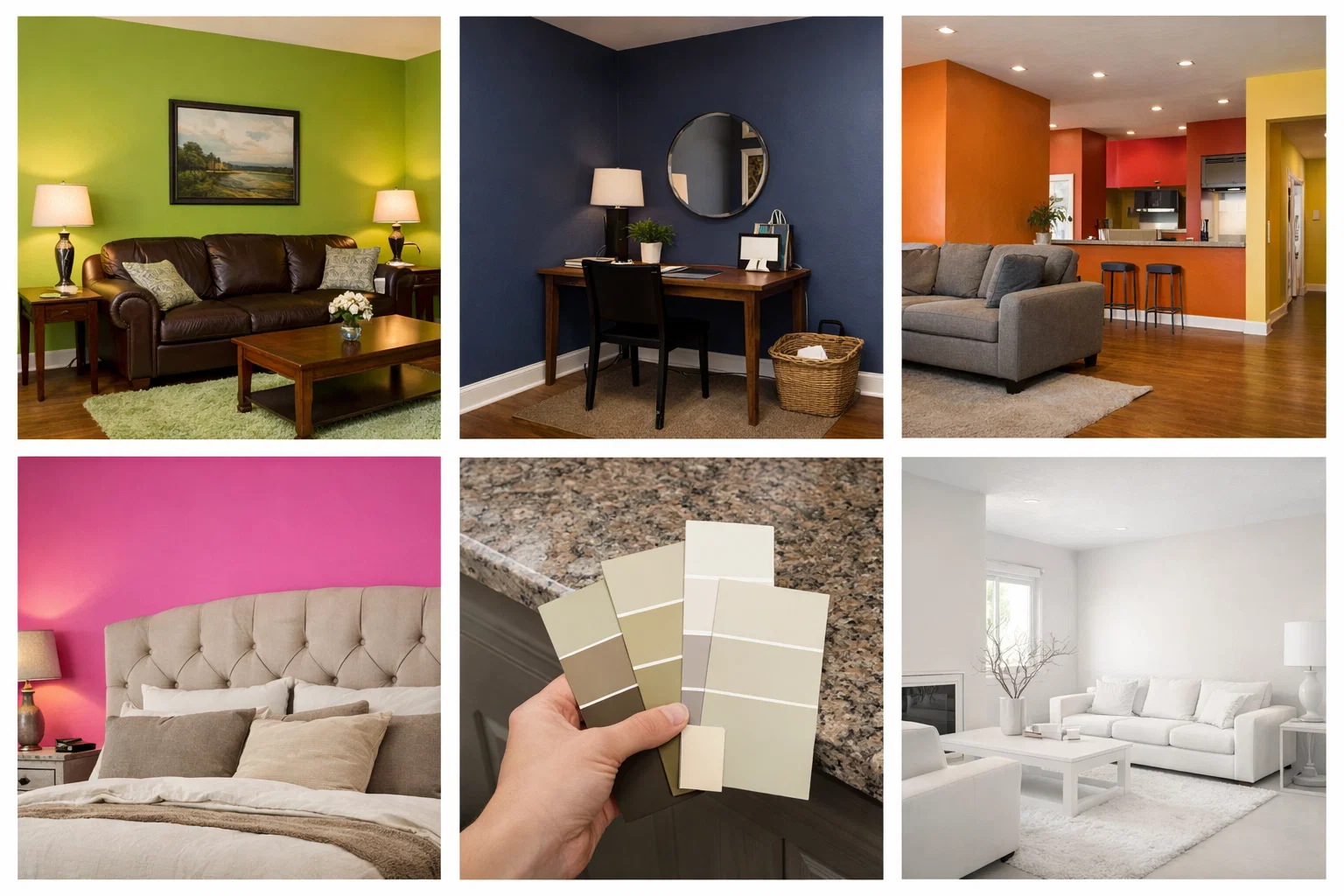
One common mistake is overusing bold colors in living rooms. While an accent wall can add character, painting an entire room in a vibrant, intense hue can be overwhelming. It can detract from the feel, making it less cozy and more chaotic. It’s crucial to balance bold hues with neutral paint for a harmonious color scheme.
Ignoring Lighting Conditions
Ignoring lighting conditions is another frequent mistake. Natural light and artificial light affect how colors appear. A color you choose that looks great in a store may look different in your living room. Always test paint samples under different lighting conditions to ensure you select colors that complement your space.
Skipping Texture and Layering
Skipping texture and layering is a missed opportunity to enhance the depth of your living room’s color palette. Texture can add dimension and interest to neutral colors, while layering different tones creates a more sophisticated look. Incorporating texture and layers can prevent the room from feeling flat and one-dimensional. This will add to the living room feel.
Choosing Trends Over Timeless Appeal
Choosing trends over timeless appeal can lead to a living room that quickly feels dated. While it’s tempting to follow the latest fads, selecting colors that reflect your personal style and offer lasting appeal is essential. Opt for classic color combinations and hues that you’ll love for years to come. Selecting colors that last is more important than following trends.
Room-by-Room Color Strategy (Living Room Focus)
How to Create a Cozy Living Room with Color
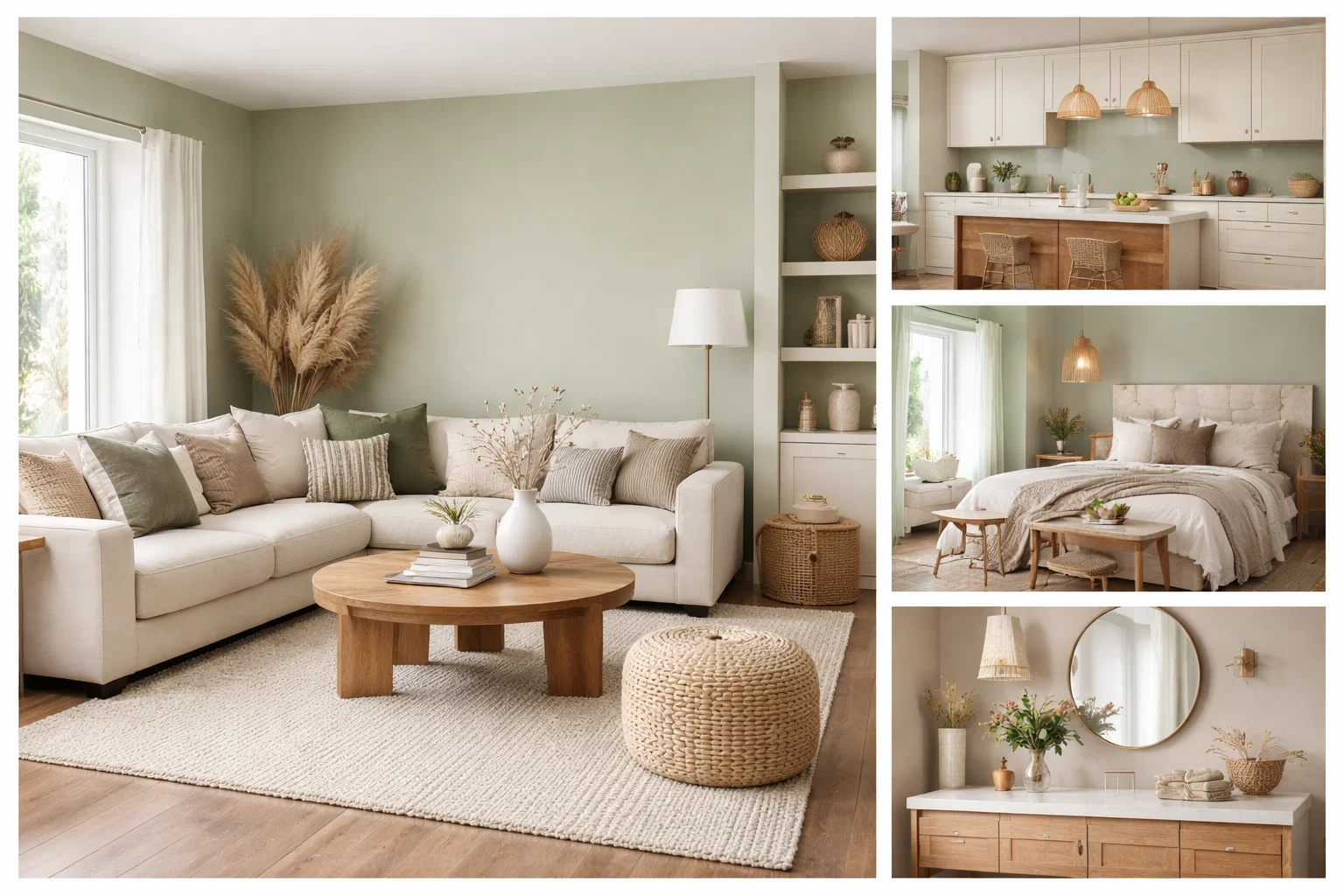
To create a cozy living room with color, consider using warm colors like beige, terracotta, or soft reds. These hues can make the space feel more inviting. Pair them with soft textures and ample lighting to enhance the cozy feel. You could choose colors for a inviting and warm space.
How to Make a Small Living Room Feel Larger
To make a small living room feel larger, opt for light colors like white paint, light grays, or pale pastels. These hues reflect light, creating a sense of spaciousness. Avoid darker colors, as they can make the room feel smaller and more enclosed. Neutral paint can also do the trick here.
How to Design a Modern and Stylish Space
To design a modern and stylish living space, consider using a neutral color palette with pops of bold accent colors. Gray, white, and beige walls provide a versatile backdrop for colorful furniture and decor. Experiment with geometric patterns and sleek finishes to enhance the modern look. Choosing colors for the room should be simple.
Practical Tips for Testing and Selecting Paint Colors
Paint Sample Testing Techniques
When selecting colors, it’s crucial to test paint samples on your living room walls. Paint a large square of each color and observe how it looks under different lighting conditions throughout the day. This will help you choose the right color and avoiding costly mistakes. This is necessary when selecting colors.
Using Mood Boards for Color Inspiration
Mood boards are an excellent tool for color inspiration. Gather images of living rooms you love and create a visual representation of your desired color palette. This will help you visualize different color combinations and create a cohesive feel. It will help you choose colors.
Considering Long-Term Design Goals
When selecting colors, consider your long-term design goals for the living room. Think about how the colors will coordinate with future furniture and decor updates. Choosing colors that offer timeless appeal will ensure that your living room remains stylish and inviting for years to come. This will help you choose the right color.
Conclusion: Choosing Colors That Reflect Your Style and Comfort
Choosing the right colors for your living room involves understanding color psychology, considering lighting conditions, and reflecting your personal style. By following these expert tips and ideas, you can create a living space that feels cozy, stylish, and authentically you. Take the time to choosing colors that resonates with you. The living room feel should be warm.