Did you know that about 39% of men over 45 have low testosterone? Our guide will change how you think about testosterone health in 2026.
Testosterone is more than just muscle or sports performance. It affects your energy, mood, thinking, and overall health. Our natural approach helps balance your hormones.
As men get older, testosterone drops by 1-2% each year after 35. But you can fight this. Eating right can make a big difference in keeping your hormones in check.
We’ll explore the science of boosting testosterone naturally. You’ll learn about foods, lifestyle tips, and proven methods to control your hormones. Our 2026 guide shows how diet affects testosterone.
Prepare to find a nutrition plan that lasts, not just fixes things temporarily. It’s about making your health better from the inside out.
Why Testosterone Matters for Men’s Health
Testosterone is key for men’s health and well-being. It’s the main hormone that keeps men strong and healthy. Knowing its value helps men support their endocrine system.

The Role of Testosterone in Energy, Muscle, and Mood
Testosterone does more than just build muscles. It affects many parts of the body. Let’s look at its main roles:
- Physical Performance: Drives muscle growth and strength
- Energy Levels: Supports stamina and reduces fatigue
- Emotional Well-being: Regulates mood and mental clarity
- Sexual Health: Maintains libido and reproductive function
How Diet Directly Impacts Testosterone Levels
What we eat affects our hormone levels. The right foods help make testosterone.
| Nutrient Category | Impact on Testosterone |
|---|---|
| Proteins | Supports hormone synthesis |
| Healthy Fats | Enables hormone production |
| Micronutrients | Facilitates hormonal balance |
Dietary choices directly influence our body’s ability to produce and maintain optimal testosterone levels. By understanding this connection, men can make informed decisions about their nutrition to support natural hormone production.
Key Nutrients That Naturally Boost Testosterone
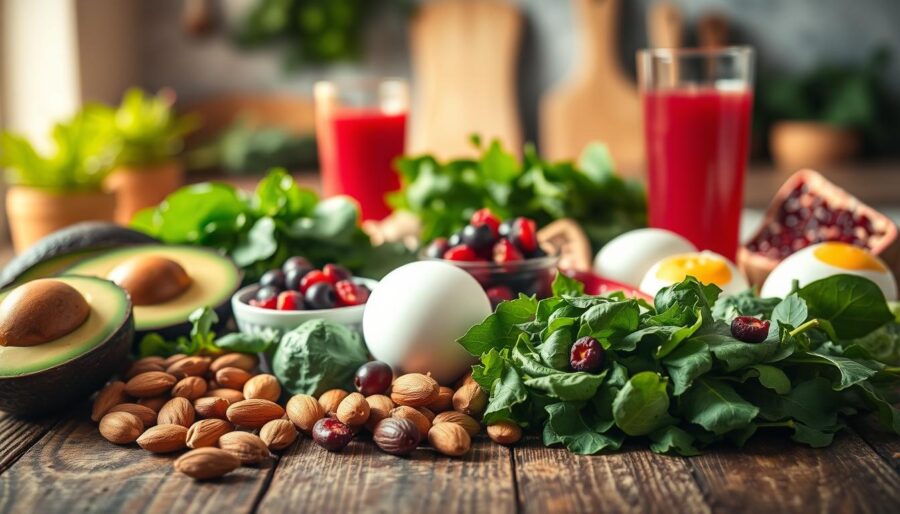
Knowing the right foods for testosterone is key for good hormone health. Our bodies need certain nutrients to make testosterone. These nutrients work together to keep our hormones in balance.
Let’s look at the important nutrients for testosterone:
- Quality Proteins: Essential for muscle development and hormone synthesis
- Healthy Fats: Critical for hormone production and regulation
- Zinc: A mineral directly linked to testosterone levels
- Vitamin D: Crucial for maintaining optimal hormone balance
- Magnesium: Supports overall hormonal function
Nutrient-rich foods for testosterone are more than just ingredients. They offer a complete way to help your body make hormones naturally. Each nutrient has its own role in keeping hormones balanced, which is good for health and energy.
Our bodies are complex and need a smart nutrition plan. By focusing on these nutrients, we can help keep testosterone levels healthy. The next parts will explain how each nutrient helps with hormone health and how to add them to your meals.
Optimizing testosterone with food isn’t about hard diets or extreme changes. It’s about making smart choices that help your body naturally.
Protein: Building Blocks for Muscle and Hormones
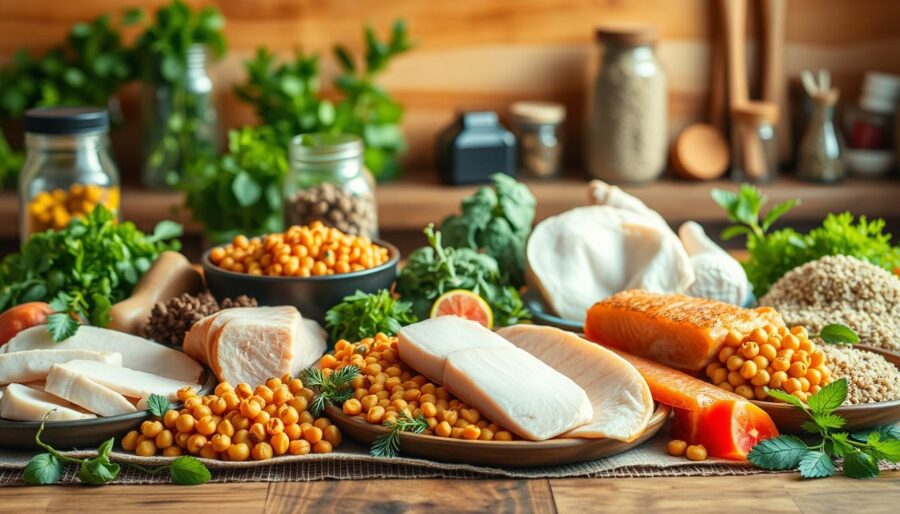
Protein is key in our diet for boosting testosterone. It helps build muscles and hormones. Knowing how protein affects testosterone is important for better athletic performance.
Our bodies need protein to make hormones and grow muscles. Choosing high-quality protein sources is the first step. Studies show that protein intake affects testosterone levels and hormone balance.
- Lean meats provide complete protein profiles
- Eggs offer nutrient-dense protein sources
- Fish delivers omega-rich protein options
- Plant-based proteins support alternative dietary needs
Not all proteins are the same. Quality is more important than quantity for hormone health. People who eat meat often have higher testosterone than vegetarians or vegans. But, plant-based diets can also support testosterone if you choose the right proteins.
We suggest eating a variety of proteins and keeping your intake balanced. Aim for 0.8-1 gram of protein per pound of body weight each day. Spread out your protein intake to keep energy levels up.
Protein is not just for muscles; it’s vital for hormones too. By picking the right proteins, we can boost testosterone naturally and improve athletic performance.
Healthy Fats: Essential for Hormone Production

Healthy fats play a big role in a diet rich in testosterone. They are not bad for you; they are essential for making testosterone. Our bodies need certain fats to make hormones well.
A diet that boosts hormones should include the right fats. Not all fats are good for you. We need to focus on fats that help keep testosterone levels up and balance hormones.
- Monounsaturated fats from olive oil
- Omega-3 fatty acids from fish
- Healthy saturated fats from select sources
Research shows important sources of fats that support hormones:
| Fat Source | Testosterone Impact | Recommended Intake |
|---|---|---|
| Extra-virgin olive oil | High testosterone boost | 2-3 tablespoons daily |
| Fatty fish (salmon, mackerel) | Omega-3 hormone support | 2-3 servings per week |
| Macadamia nuts | Monounsaturated fat promotion | 1/4 cup daily |
Our plan for better hormone health includes eating the right fats. Cholesterol from fats helps make testosterone. By choosing the right fats, men can improve their hormone levels naturally.
It’s all about balance. We’re not saying eat too much fat. Instead, eat the right amount of fat that helps your hormones stay healthy.
Zinc: The Testosterone Mineral
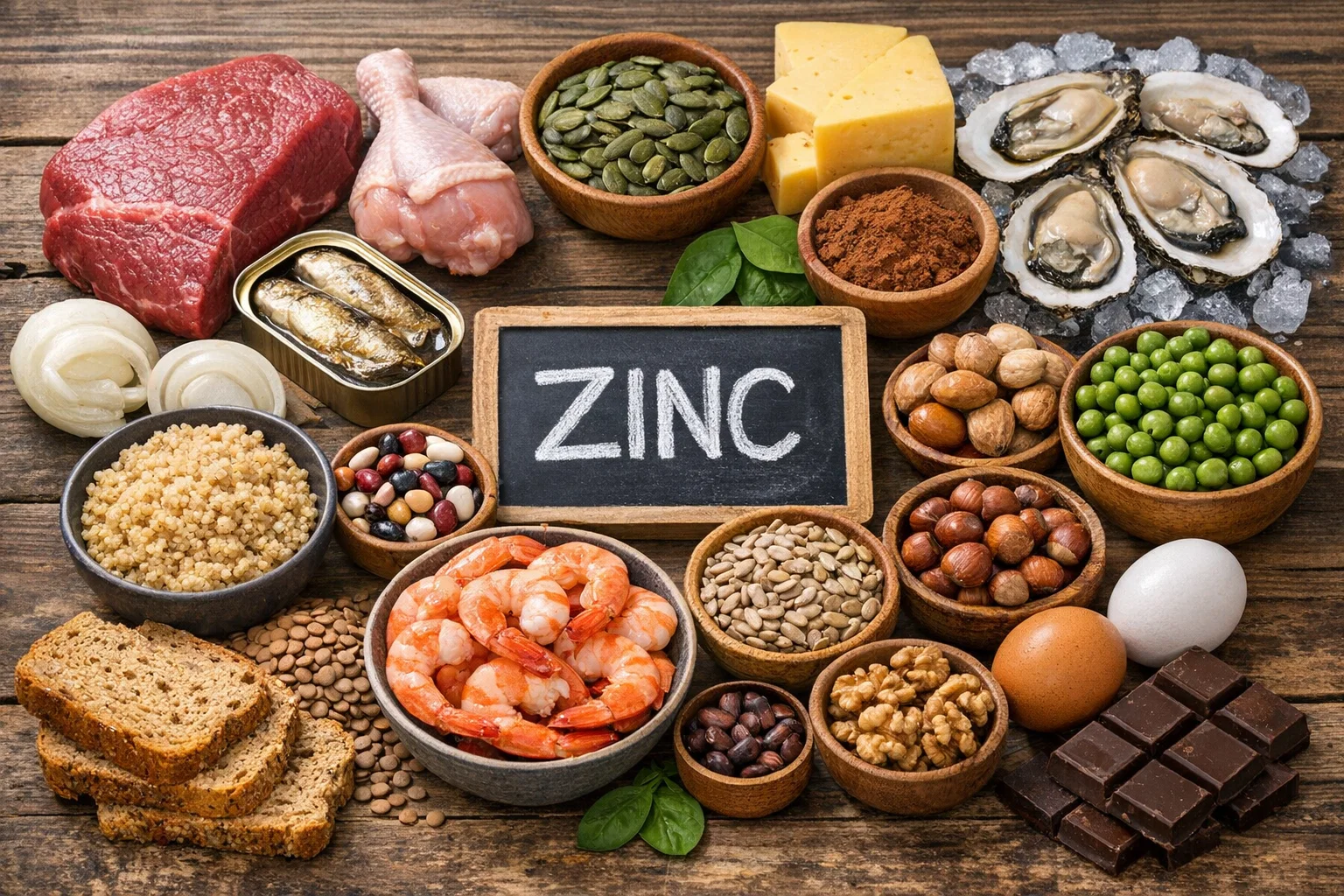
Zinc is a key mineral for male health and hormone balance. Our bodies need it to make testosterone and keep reproductive health strong. Knowing about zinc’s role can change how men eat for better hormone health.
Zinc and testosterone are closely linked. Adult men need about 11 mg of zinc each day to keep hormone levels right. Zinc is vital for making testosterone, which is key for male reproductive health.
- Oysters: Highest zinc content of any food
- Red meat: Excellent zinc source
- Poultry: Lean protein with zinc benefits
- Nuts and seeds: Plant-based zinc options
Zinc deficiency can hurt testosterone levels. Men with low zinc might see less testosterone, weaker muscles, and reproductive issues. Studies show zinc supplements can raise testosterone when diet is lacking.
Here are our best zinc sources:
- Shellfish (especially oysters)
- Grass-fed beef
- Pumpkin seeds
- Chickpeas
- Lamb
Zinc is important, but too much can be bad. Too much zinc can block copper absorption. Eating a variety of zinc-rich foods helps support hormone health and male vitality.
Vitamin D: Sunshine Vitamin for Hormone Health
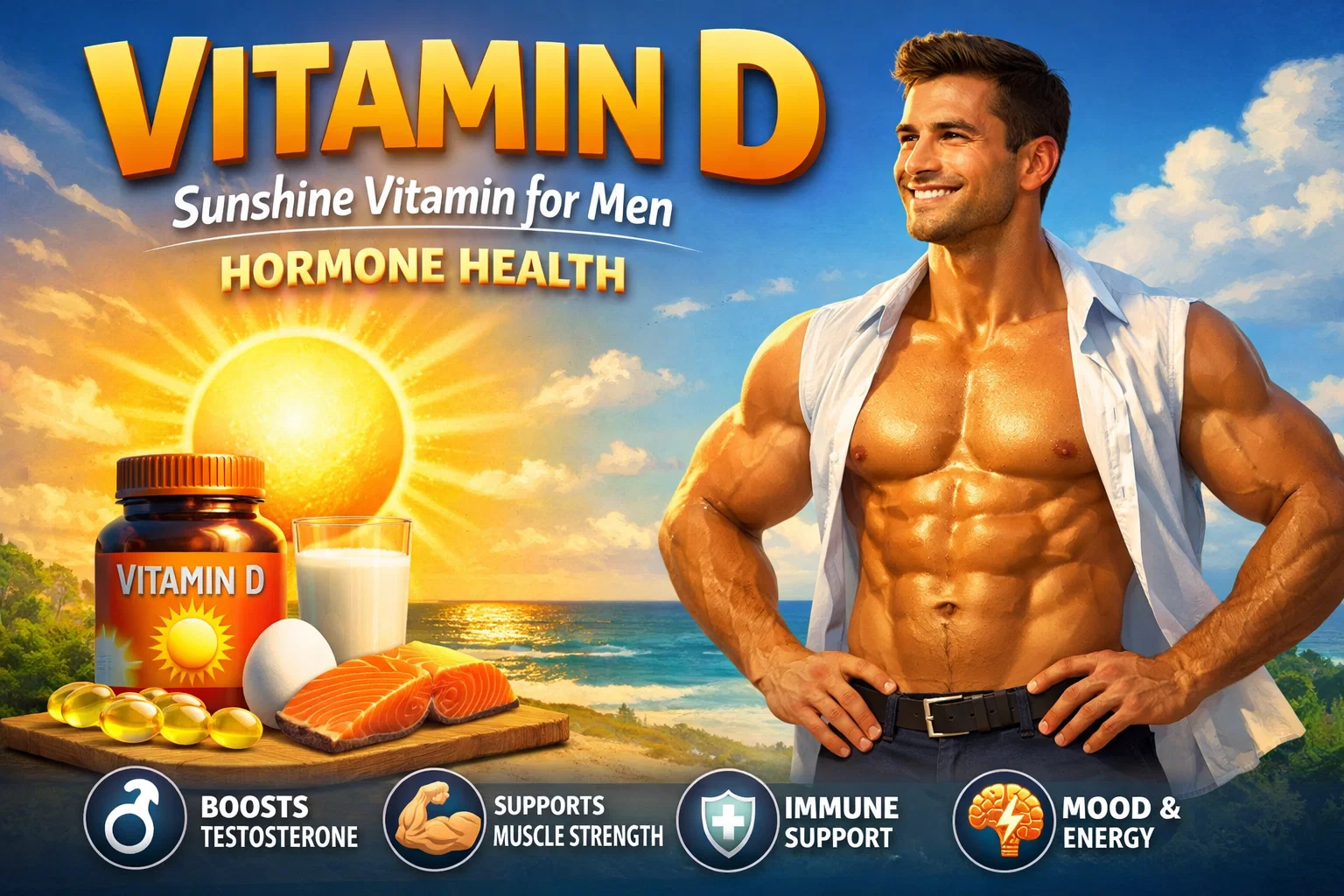
Vitamin D is key for hormone balance and testosterone. It’s called the “sunshine vitamin.” This nutrient does more than help bones. It’s vital for our hormonal health.
Research shows vitamin D’s link to testosterone is interesting. Men with enough vitamin D have:
- More testosterone
- Stronger muscles
- Better mood
- More energy
Our diet should include foods rich in vitamin D. Good sources are:
- Fatty fish like salmon and mackerel
- Egg yolks
- Mushrooms
- Fortified dairy products
Sunlight is the best way to get vitamin D. Just 10-30 minutes of midday sun can boost vitamin D in the skin. For those with little sunlight, supplements are key for hormone health.
Experts say we need up to 4,000 IU of vitamin D daily. If you’re worried about testosterone, get a blood test. This will help you know if you need supplements.
Magnesium: Supporting Optimal Testosterone Levels
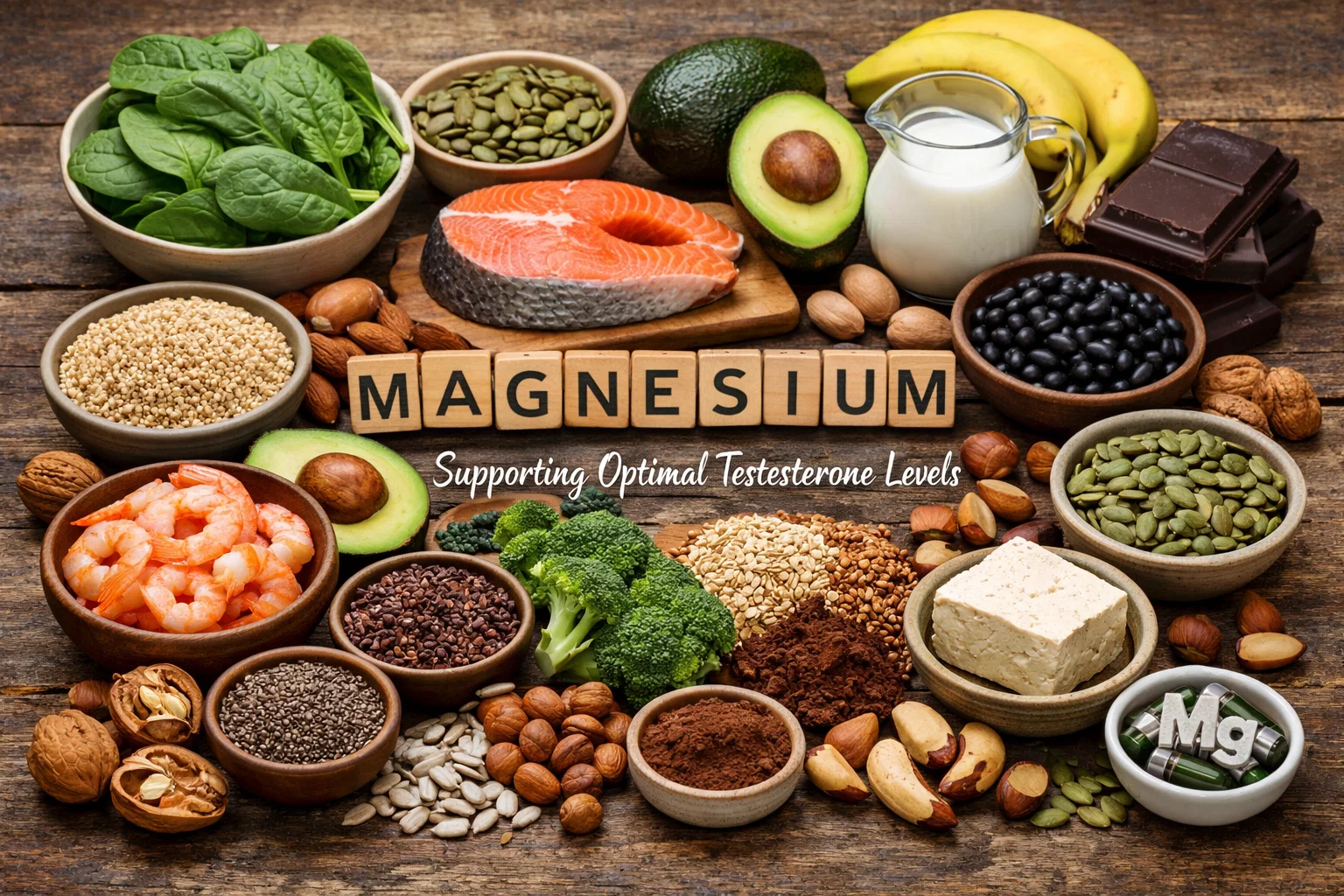
Magnesium is key for hormone balance. It helps our bodies make testosterone in many ways. Our bodies need magnesium for over 300 important reactions.
Magnesium is a superfood for testosterone. It helps men naturally boost their hormone levels. Studies show that enough magnesium can help men who are active.
- Supports enzyme production related to testosterone
- Enhances muscle function and recovery
- Improves sleep quality
- Reduces stress-related hormone imbalances
Here are the top foods for magnesium:
| Food Category | Magnesium Content | Additional Benefits |
|---|---|---|
| Leafy Greens | High | Rich in multiple nutrients |
| Nuts and Seeds | Moderate to High | Provides healthy fats |
| Beans and Lentils | Moderate | Additional protein source |
| Whole Grains | Moderate | Supports overall metabolic health |
Try adding spinach, Swiss chard, and kale to your meals. A green smoothie or salad can increase your magnesium. Eating these foods boosts testosterone and overall health.
Top Testosterone-Boosting Foods for 2026
Finding the right foods for men’s health can be tough. But knowing which foods boost testosterone is key for staying healthy. We look for natural foods that are full of nutrients and help with hormone production.
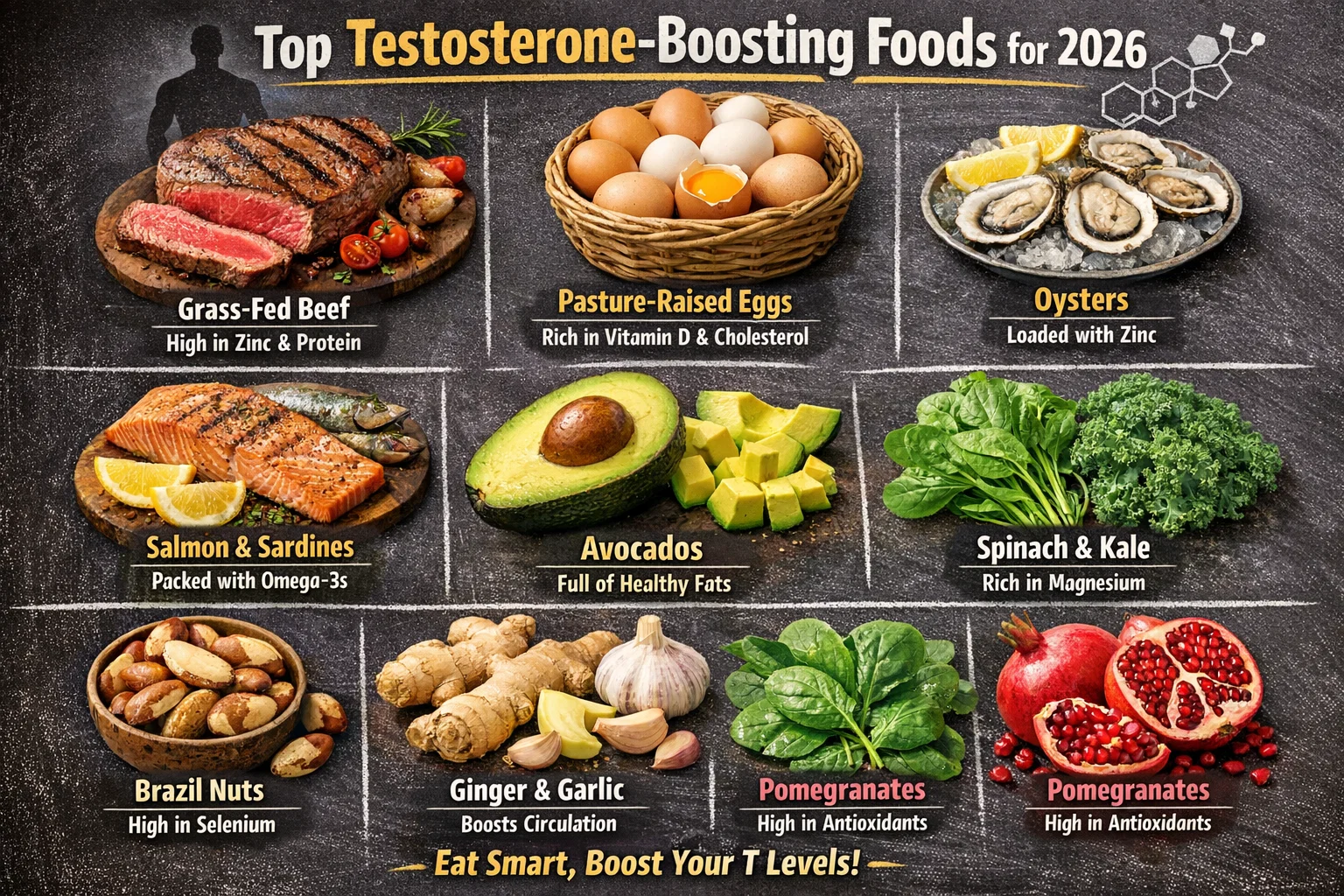
Choosing foods that boost testosterone isn’t about magic. It’s about making smart food choices that help balance hormones. We picked foods that give you the nutrients you need for making testosterone.
- Lean proteins support muscle development
- Healthy fats provide hormone precursors
- Micronutrient-rich foods optimize hormonal function
Our research shows some foods that naturally help boost testosterone:
| Food Category | Key Nutrients | Testosterone Support |
|---|---|---|
| Lean Meats | Protein, Zinc | High |
| Fatty Fish | Omega-3, Vitamin D | Moderate to High |
| Nuts and Seeds | Magnesium, Healthy Fats | Moderate |
Changing your diet works best with other lifestyle changes. We aim to give you easy tips to add these foods to your meals.
Eating whole, nutrient-rich foods helps men naturally support their hormones. The next parts will explore each food group in more detail. You’ll learn how different ingredients help make testosterone.
Lean Meats: Beef, Chicken, and Turkey
Lean meats are key to boosting testosterone through diet. Chicken, turkey, and lean beef are packed with protein and nutrients. They help our bodies stay healthy.
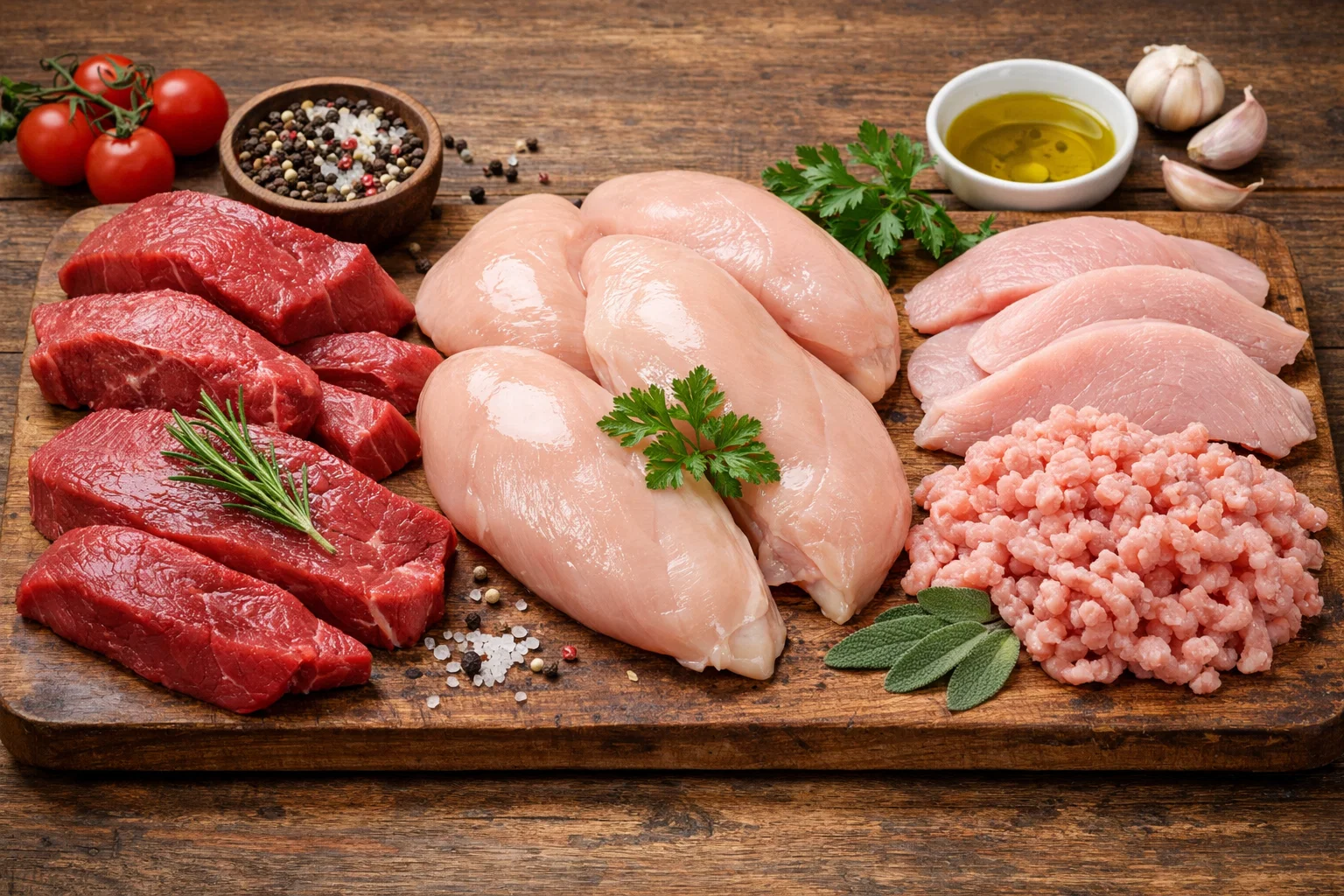
Choosing the right lean meats is crucial for hormone production. Here are some top picks:
- Skinless chicken breast
- Turkey breast
- Lean cuts of beef (90% lean or higher)
These meats are full of nutrients that help make testosterone. Zinc, B vitamins, and complete proteins are important. Grass-fed beef also has more omega-3s and nutrients.
How you cook your meat matters too. Try:
- Grilling
- Baking
- Broiling
Don’t forget about portion sizes. Aim for 3-4 ounces per serving. This way, you get the most benefits without eating too much. Adding lean meats to your diet can naturally boost testosterone and keep your diet balanced.
Fatty Fish: Salmon, Mackerel, and Sardines
Fatty fish are packed with nutrients that boost hormones naturally. Salmon, mackerel, and sardines are great for our bodies. They have compounds that support testosterone.
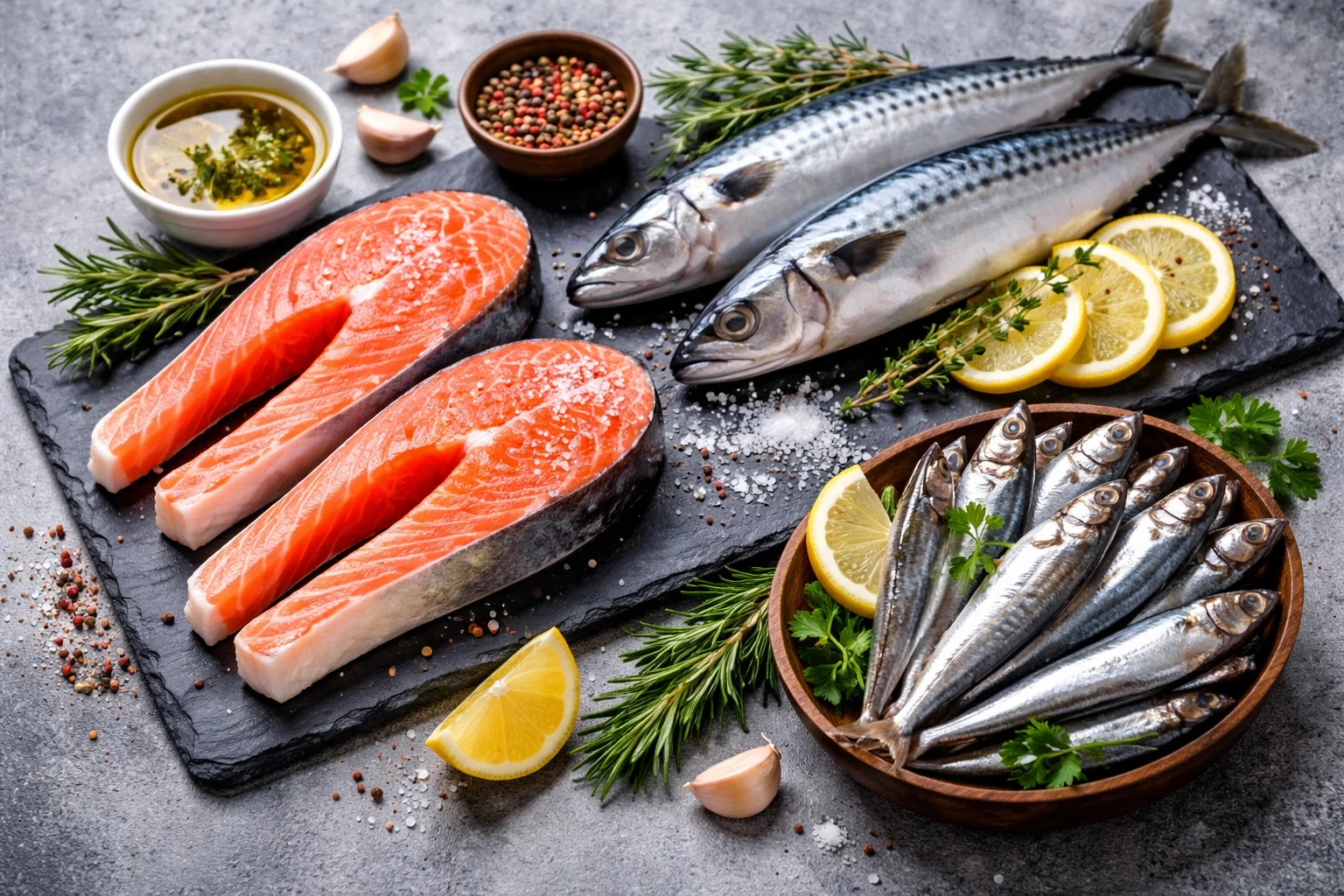
These foods are full of nutrients that help our hormone health. Omega-3s in these fish are key for fertility. They help balance hormones and fight inflammation.
- Salmon: Rich in vitamin D and high-quality protein
- Mackerel: Provides nearly 100% daily vitamin D requirement
- Sardines: Excellent source of zinc and omega-3s
We should eat fatty fish 2-3 times a week. Wild-caught fish are best for nutrition. Baking, grilling, or poaching keeps nutrients in while making tasty dishes.
Choose smaller fish like sardines and anchovies. They have less mercury and more nutrients. Adding these foods to our diet helps our hormones and health.
Eggs and Dairy: Cholesterol for Hormone Synthesis
Eggs and dairy are key for boosting testosterone naturally. They are packed with nutrients that help keep hormone levels healthy. These foods are like natural supplements, found in your kitchen.
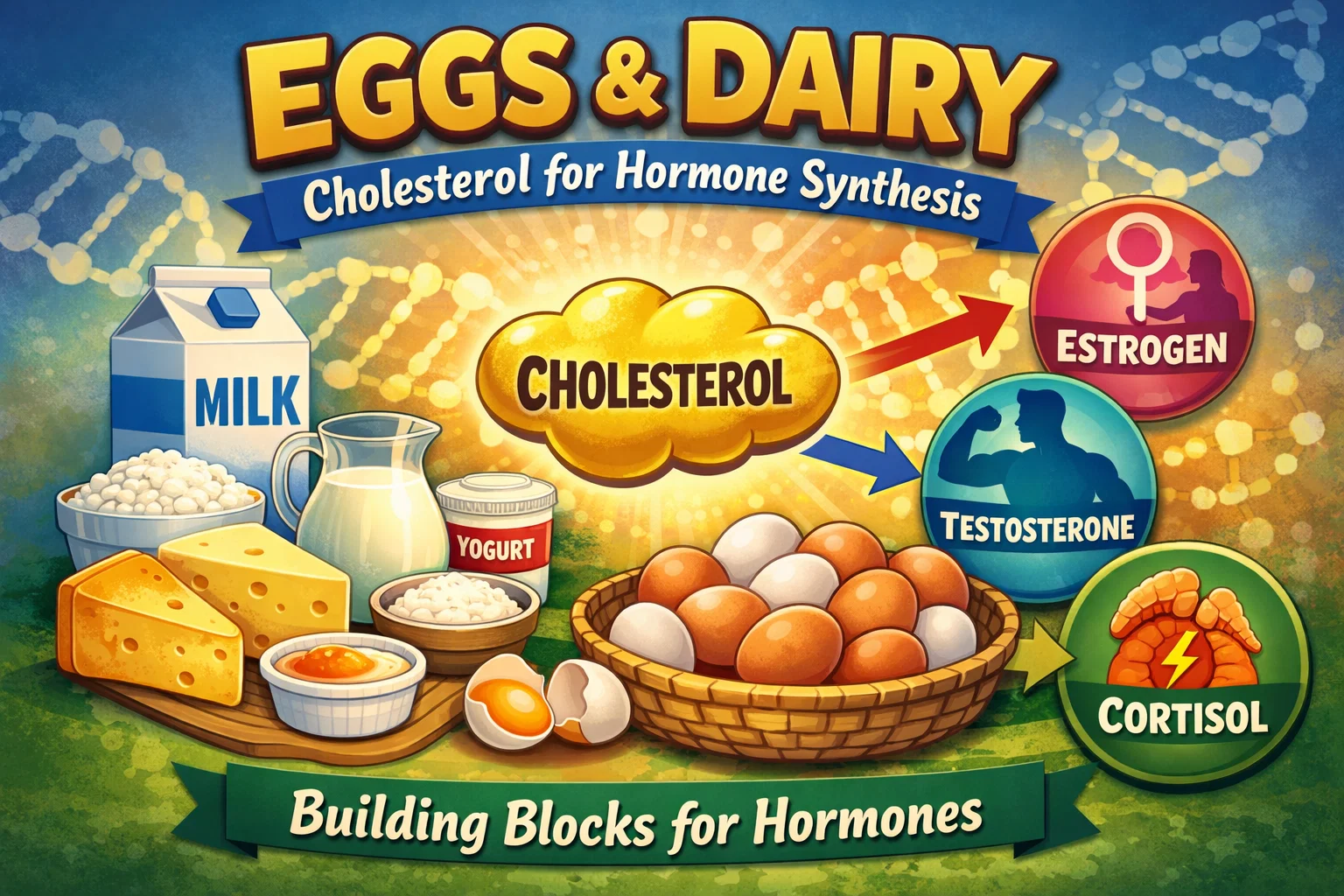
Whole eggs are great for testosterone. They have a mix of nutrients that help make hormones. The egg yolk, often skipped, is full of important stuff for hormone health:
- High-quality protein for muscle maintenance
- Vitamin D crucial for testosterone production
- Healthy cholesterol essential for hormone generation
- B vitamins supporting metabolic functions
A 2021 study showed that men who ate whole eggs after working out had more testosterone. This study proves eating the whole egg is best for hormone health.
| Dairy Product | Testosterone-Supporting Nutrients | Recommended Serving |
|---|---|---|
| Full-fat Yogurt | Protein, Calcium, Vitamin D | 1 cup daily |
| Whole Milk | Saturated Fats, Protein | 1-2 glasses daily |
| Cheese | Zinc, Protein, Calcium | 1-2 oz daily |
We suggest adding these foods to your diet. Full-fat dairy gives you important fats and proteins for hormone making. Don’t believe old myths about cholesterol and hormones.
Nuts and Seeds: Almonds, Walnuts, Pumpkin Seeds
Nuts and seeds are great for boosting testosterone naturally. They are packed with nutrients that help support hormone health. These tiny foods are a smart choice for boosting testosterone through diet.
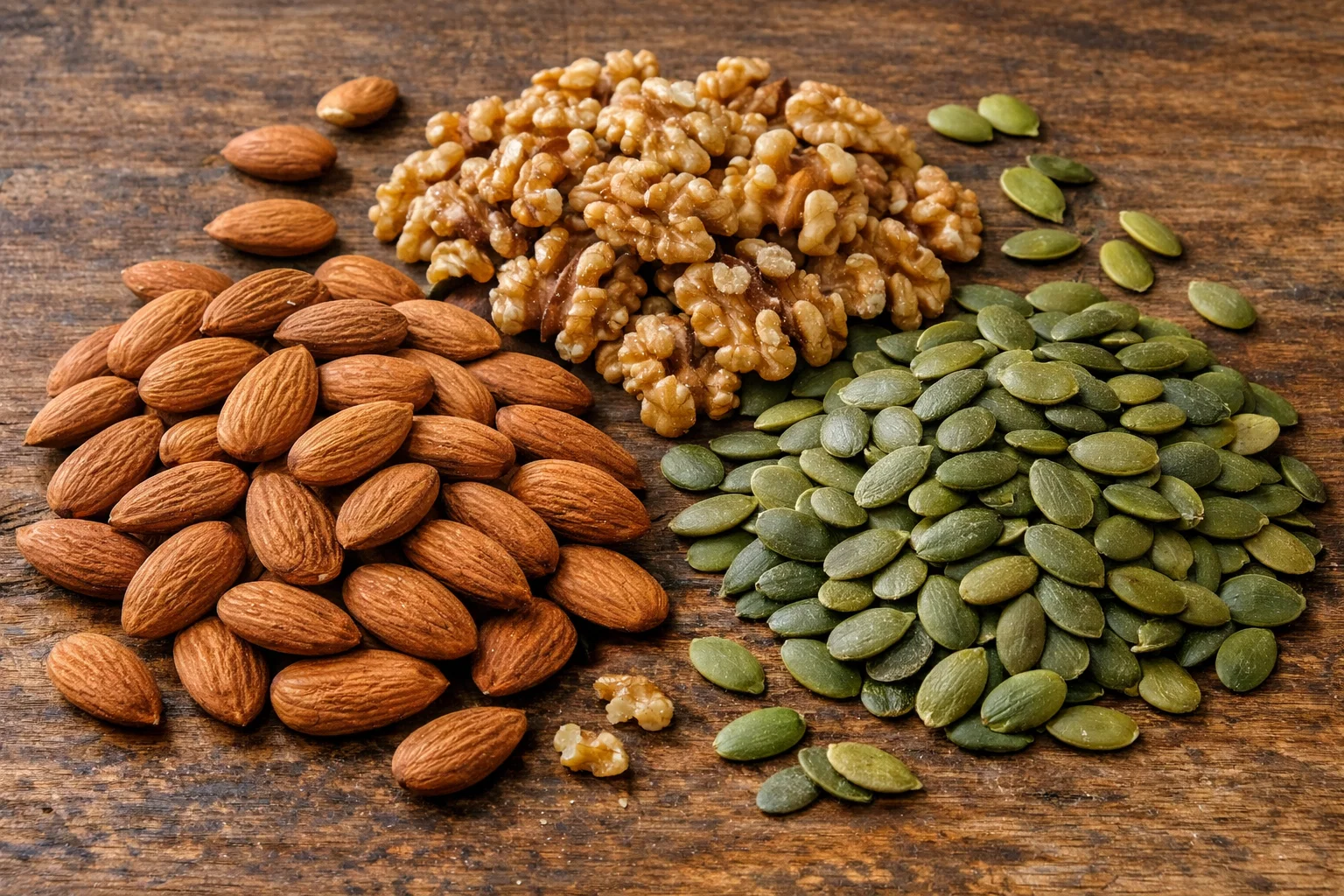
Our nutrition strategies for hormone health focus on several key nuts and seeds. They can greatly improve testosterone levels:
- Almonds: Rich in vitamin E and magnesium, supporting hormone synthesis
- Walnuts: Loaded with omega-3 fatty acids that enhance testosterone production
- Pumpkin Seeds: Exceptional zinc content crucial for maintaining healthy testosterone levels
- Brazil Nuts: High in selenium, which supports male fertility and hormone balance
Natural testosterone boosters like these nuts offer essential minerals and healthy fats. They directly impact hormone production. Eating about a handful daily can help optimize testosterone levels and provide important nutrients.
To get the most benefits, add these nuts to your diet in creative ways. Sprinkle them on salads, blend them into smoothies, or enjoy them as a quick snack. Their nutrient density makes them a great addition to any meal plan focused on hormone health.
Remember, portion control is important. While nuts are nutritionally dense, eating them in moderation is key. This helps keep your diet balanced and supports your body’s natural testosterone production.
Leafy Greens and Cruciferous Vegetables: Spinach, Kale, Broccoli
Discovering the secret to hormone balancing starts with testosterone-friendly foods like leafy greens and cruciferous veggies. These superfoods are packed with nutrients that help keep testosterone levels in check.
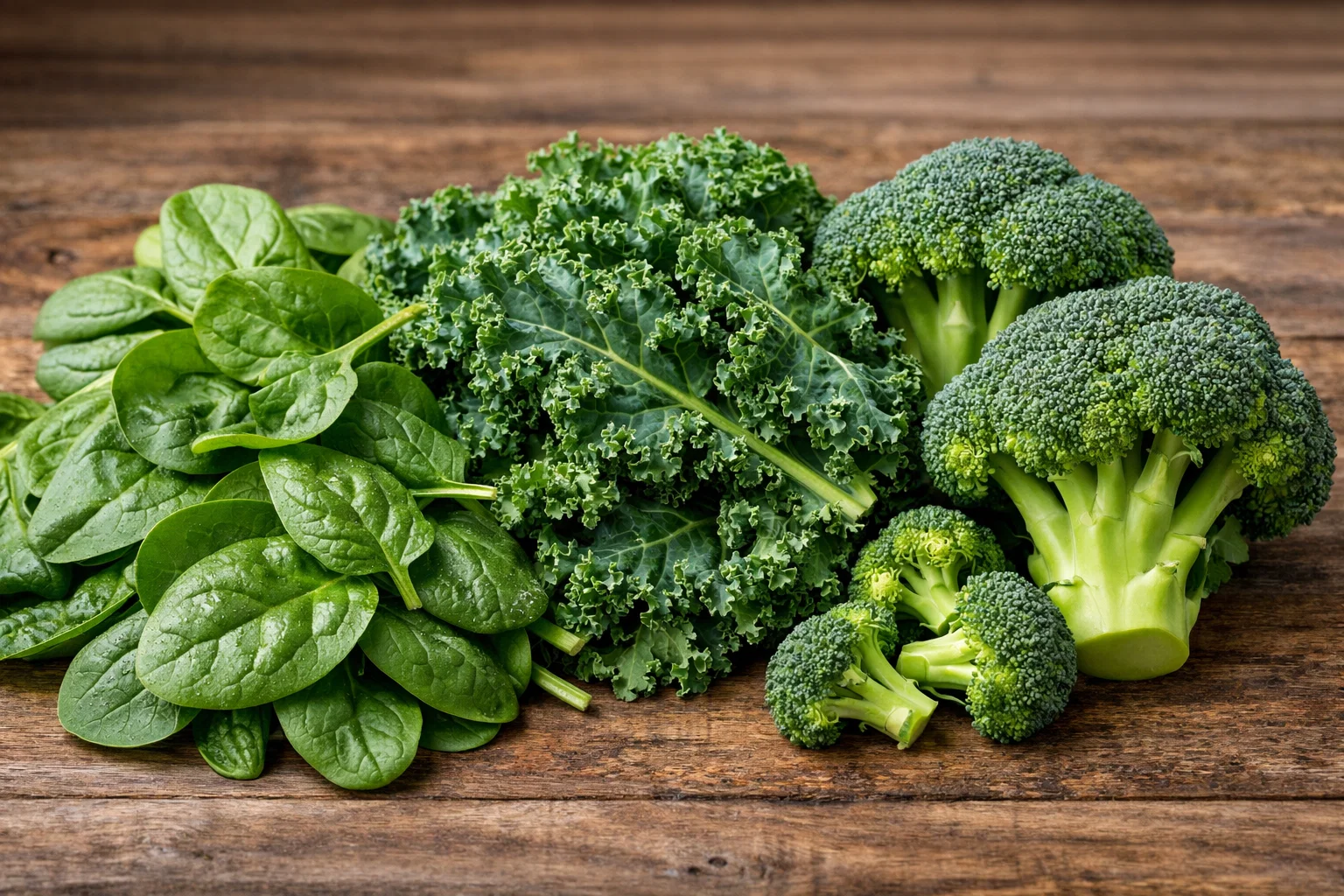
Spinach, kale, and Swiss chard are full of minerals that are good for hormone health. Magnesium in these veggies is key for making testosterone. Just one serving can offer big nutritional benefits.
- Spinach: Rich in magnesium and nitrates
- Kale: Packed with indole-3-carbinol
- Broccoli: Supports estrogen metabolism
- Swiss chard: High in essential minerals
Cruciferous veggies like broccoli, cauliflower, and Brussels sprouts have special benefits for men’s hormones. They contain indole-3-carbinol, which helps control estrogen levels. This can improve the testosterone-to-estrogen ratio.
Button mushrooms also help by blocking aromatase, an enzyme that turns testosterone into estrogen. It’s good to add these veggies to your meals through light steaming, roasting, or salads.
Pro tip: Eating these veggies in moderation is good for your health and might boost hormone production. They’re tasty and support your body’s natural testosterone levels.
Foods to Avoid for Healthy Testosterone Levels
To keep your hormones in check, it’s key to know what not to eat. What you choose to eat affects your testosterone levels. Some foods can harm your hormonal health.
It’s not just about adding good foods to your diet. You also need to avoid foods that can mess with your hormones.
Highly Processed Foods and Refined Sugars
Processed foods are bad for your hormones. They cause insulin spikes and inflammation, which can lower testosterone. Refined sugars also mess with your blood sugar and hormones.
- Packaged snacks with long ingredient lists
- Sugary beverages
- Instant meals with preservatives
- Refined white bread and pastries
Excessive Alcohol Consumption
Too much alcohol can hurt your testosterone. It messes with your hormones and can cause sexual problems.
Trans Fats and Fried Foods
Trans fats in fried foods and snacks harm your testicles and testosterone. Also, foods in plastic with bisphenol A (BPA) can mess with your hormones.
Soy Products and Phytoestrogens
Eating soy is usually okay. But too much soy can mess with hormones in some people.
| Food Category | Testosterone Impact | Recommendation |
|---|---|---|
| Processed Foods | High Negative Impact | Minimize Intake |
| Alcohol | Moderate to High Negative Impact | Limit Consumption |
| Trans Fats | High Negative Impact | Avoid Completely |
| Soy Products | Low to Moderate Impact | Consume in Moderation |
We want to help you make smart food choices. These choices will support your hormonal health and testosterone levels.
Eating Patterns That Support Hormone Health
Creating a good nutrition plan for hormone health is more than picking foods. It’s about looking at the big picture and how we eat. This affects our testosterone levels a lot.
Knowing how diet and hormones work together is key. Our bodies react to what we eat and how and when we eat it.
Caloric Balance: Precision in Nutrition
Getting the right amount of calories is key for a diet that boosts testosterone. Eating too little or too much can mess with hormone levels:
- Not eating enough lowers testosterone
- Eating too much leads to extra fat
- Eating right keeps hormones in check
Strategic Meal Timing
Our diet focuses on eating regularly throughout the day. Important tips include:
- Eating protein at every meal
- Never skipping breakfast
- Staying away from long fasts
Nutrient Combination Techniques
Boost nutrient absorption with smart food pairings. For example, eat foods high in vitamin D with healthy fats. Or pair plant-based iron with vitamin C to help your body absorb it better.
Our nutrition tips for hormone health are flexible. They fit into different lifestyles and help keep testosterone levels high.
Lifestyle Tips to Enhance Testosterone Naturally
Improving natural male vitality is more than just what we eat. Our lifestyle greatly affects our hormone levels and athletic performance. How we live, train, and take care of ourselves directly impacts our testosterone.
Strength Training and High-Intensity Workouts
Resistance training is a key way to naturally boost testosterone. Our bodies respond to hard physical activities by making more hormones. This kind of training helps grow muscles and supports hormone balance.
- Perform compound exercises like squats and deadlifts
- Incorporate high-intensity interval training (HIIT)
- Target major muscle groups with weight resistance
- Aim for 3-4 intense workout sessions weekly
Quality Sleep for Hormone Balance
Sleep is vital for keeping testosterone levels healthy. Most testosterone is made during deep sleep. Getting enough quality sleep helps with athletic performance and natural vitality.
- Maintain 7-9 hours of uninterrupted sleep
- Create a dark, cool sleeping environment
- Establish consistent sleep schedules
- Limit screen time before bedtime
Stress Management Techniques
Too much stress can lower testosterone by raising cortisol. Finding ways to reduce stress helps keep hormone levels balanced and improves overall health.
- Practice meditation and deep breathing
- Engage in regular physical activity
- Pursue relaxing hobbies
- Consider mindfulness practices
Hydration and Hormonal Health
Drinking enough water is crucial for hormone balance. Water helps our body’s metabolic processes and keeps it working well.
- Drink at least 8-10 glasses of water daily
- Monitor urine color for hydration levels
- Increase intake during intense workouts
- Consider electrolyte balance
Small, consistent lifestyle changes can lead to big improvements in testosterone levels and overall vitality.
2026 Trends in Testosterone-Boosting Diets
The world of men’s health supplements is changing fast. New ways to naturally boost testosterone are becoming popular. We’ll look at the latest trends in nutrition that can help improve hormone health.
Nutrition science is uncovering how diet affects testosterone. Natural testosterone supplements are now using more holistic and scientifically-backed methods.
Functional Foods and Superfoods for Hormone Support
Some foods are being seen as potential helpers for testosterone:
- Pomegranate: Research suggests it might boost testosterone
- Ginger: It could help with hormone production
- Onions: They might improve testosterone levels
Supplements vs. Natural Food Sources
The market for men’s health supplements is growing. But, we should be careful. A recent study found some important points:
- Only 25% of testosterone supplements have solid science backing
- Some supplements might have harmful ingredients
- Whole foods are still the best nutrition choice
Sustainable and Plant-Based Options for Hormone Health
Plant-based testosterone boosters are becoming more popular. They offer natural ways to support hormone health. Key options include:
- Nuts and seeds rich in zinc and healthy fats
- Legumes with nutrients that support hormones
- Fortified plant-based foods
We still recommend focusing on whole foods, balanced nutrition, and proven methods to naturally support testosterone.
Common Myths About Diet and Testosterone
Knowing the truth about diet and testosterone helps men make better choices. Many myths exist about foods and their effects on male hormones. This creates confusion and fear about what to eat.
Debunking Food Misconceptions
Let’s debunk some common diet and testosterone myths. Research shows whole eggs actually boost testosterone, not lower it. A 2021 study found that eating whole eggs after working out increases testosterone and strength better than egg whites alone.
Soy products are often thought to lower testosterone, but eating them in moderation doesn’t harm hormone levels. When planning a diet rich in testosterone, focus on balanced eating. Don’t cut out foods based on old myths.
Alcohol and Hormone Production
Alcohol’s effect on testosterone is more complex. While a little drinking is okay, too much can lower testosterone and hurt sex life. Men should drink in moderation and focus on a healthy diet for hormone health.
The main point is that what we eat affects our hormones. By knowing the truth, we can eat in ways that help testosterone and overall health.