Key Takeaways
- Albania offers a unique mix of Riviera beaches, mountain landscapes, historic towns, and low travel costs compared to Croatia or Greece.
- Top highlights include the Albanian Riviera, Tirana, Berat, Gjirokastër, the Albanian Alps, Butrint National Park, and the Blue Eye.
- A 7–10 day trip is enough to explore the main regions with good planning.
- The country is safe and welcoming, though the infrastructure can be inconsistent outside major cities.
Introduction
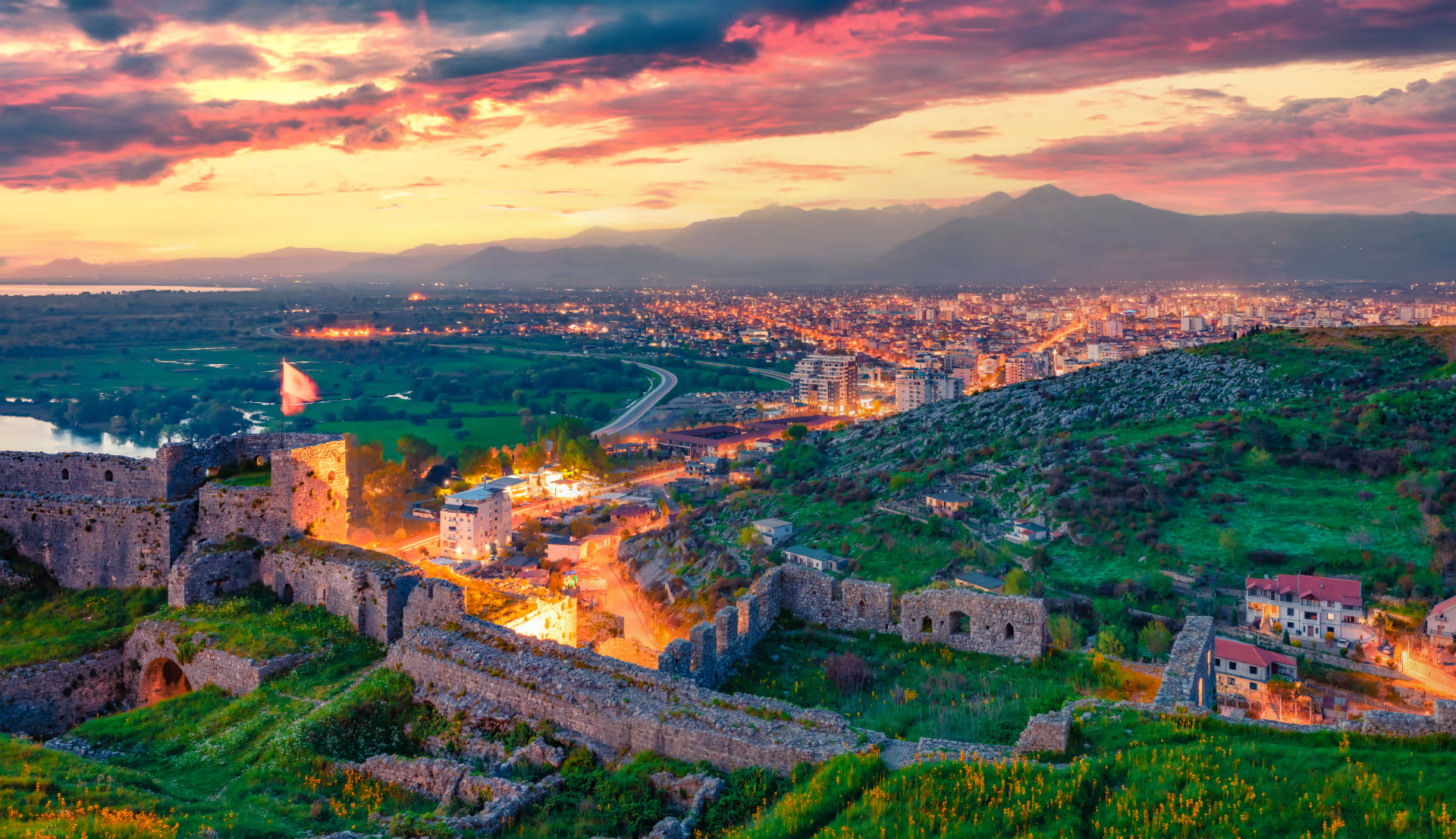
Albania has quickly transformed from one of Europe’s most isolated countries into a rising travel destination. Once closed off under a strict communist regime, it is now attracting travelers with its combination of natural beauty, authentic culture, and affordable prices.
What makes Albania stand out is its diversity in a compact area. You can swim in turquoise Ionian waters, hike dramatic alpine peaks, and explore Ottoman-era towns—all within a relatively short distance. Compared to neighboring destinations, it still feels less commercial and more raw.
This best things to do in Albania guide focuses on practical, experience-based recommendations, helping you plan a trip that balances nature, culture, and logistics.
1. Road Trip to the Albanian Riviera
The Albanian Riviera is one of the country’s biggest highlights. Stretching between Vlorë and Sarandë, this coastal road offers stunning views of cliffs, coves, and crystal-clear water.
The journey typically begins in Vlorë and climbs toward Llogara Pass, where panoramic views open up over the Ionian Sea. From there, the road descends toward beach towns like Dhërmi and Himarë, each offering a different vibe—from lively beach clubs to quiet coastal villages.
Further south, you’ll find Borsh, known for its long, uncrowded beach, and Sarandë, a more developed coastal hub with ferry access to Corfu. Nearby Ksamil is famous for its shallow turquoise waters and small islands.
A road trip is the best way to explore this region, giving you the flexibility to stop at hidden beaches and viewpoints. Plan at least 3–5 days to enjoy it properly.
2. Discover Albania’s Best Beaches
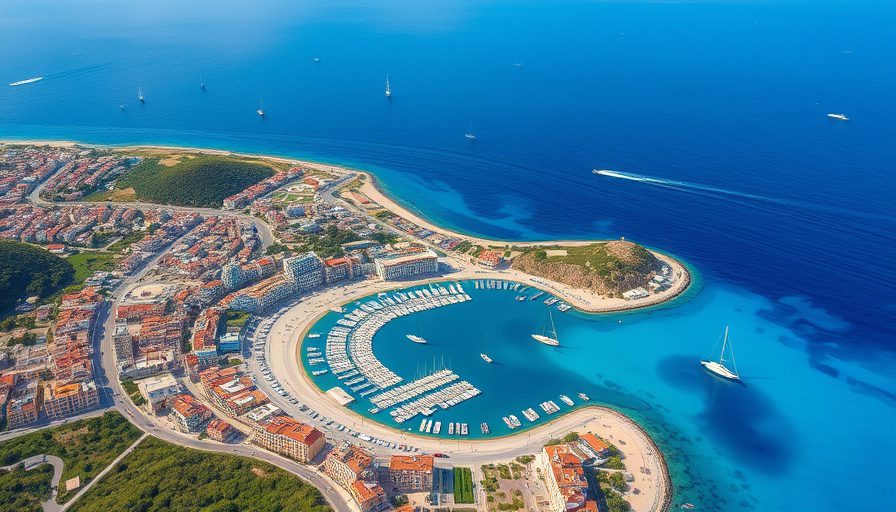
Albania’s beaches range from organized beach clubs to completely wild and untouched spots.
Ksamil is one of the most popular destinations, known for its clear water and small islands. However, it can get crowded in peak season. Dhërmi offers a balance between lively atmosphere and natural beauty, while Gjipe Beach provides a more secluded experience, accessible via hike or boat.
For quieter alternatives, Borsh and Livadhi Beach offer more space and fewer crowds. Mirror Beach is another scenic spot, ideal for photography thanks to its reflective waters.
The best time for swimming is from June to September, when sea temperatures are warm. Most beaches are pebbly, so water shoes are recommended.
3. Explore Tirana
Tirana, Albania’s capital, is vibrant, colorful, and full of contrasts. While not traditionally beautiful, it offers a unique mix of history, culture, and modern energy.
Skanderbeg Square sits at the heart of the city, surrounded by key landmarks such as the National History Museum and Et’hem Bey Mosque. The Pyramid of Tirana, once a communist monument, has been transformed into a modern cultural space.
Blloku, once restricted to political elites, is now the city’s trendiest area, filled with cafés, restaurants, and nightlife. For a deeper understanding of Albania’s past, the Bunk’Art museums provide insight into the country’s communist history.
Tirana also serves as the main gateway to Albania, making it a logical starting or ending point for your trip.
4. Visit Berat and Gjirokastër
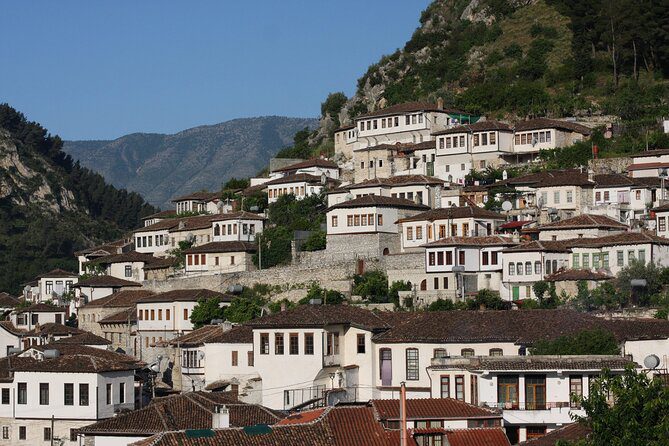
Berat and Gjirokastër are UNESCO-listed towns known for their well-preserved Ottoman architecture.
Berat, often called the “City of a Thousand Windows,” features white houses climbing up the hillside. The castle above the town offers impressive views and still houses local families. The area is also known for wine production, with local vineyards offering tastings.
Gjirokastër, known as the “City of Stone,” has a more dramatic look, with stone houses and a large fortress overlooking the valley. Its historic bazaar and castle make it one of the most atmospheric towns in the country.
Both towns are best experienced with an overnight stay, allowing you to enjoy the relaxed evening atmosphere and local hospitality.
5. Hike in the Albanian Alps
The Albanian Alps, also known as the Accursed Mountains, offer some of Europe’s most underrated hiking.
The most famous route is the Theth–Valbonë hike, a full-day trek through mountain passes and valleys. The journey often includes a scenic ferry ride on Lake Koman, considered one of the most beautiful boat trips in the Balkans.
The region is ideal for nature lovers looking to escape the crowds of the coast. Guesthouses provide simple accommodation and meals, creating a more authentic travel experience.
The best time for hiking is from June to early October, when trails are accessible and weather conditions are stable.
6. Visit Butrint and the Blue Eye
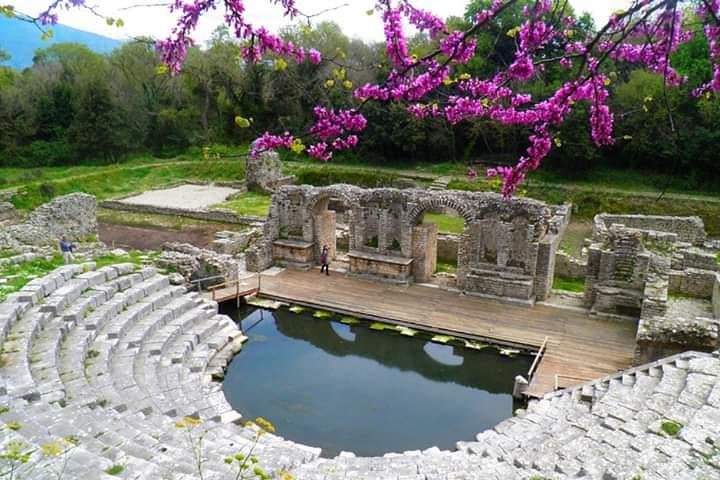
Butrint National Park is Albania’s most important archaeological site, with layers of history dating back over 2,000 years. Visitors can explore ancient ruins surrounded by nature, including a theatre, basilica, and fortifications.
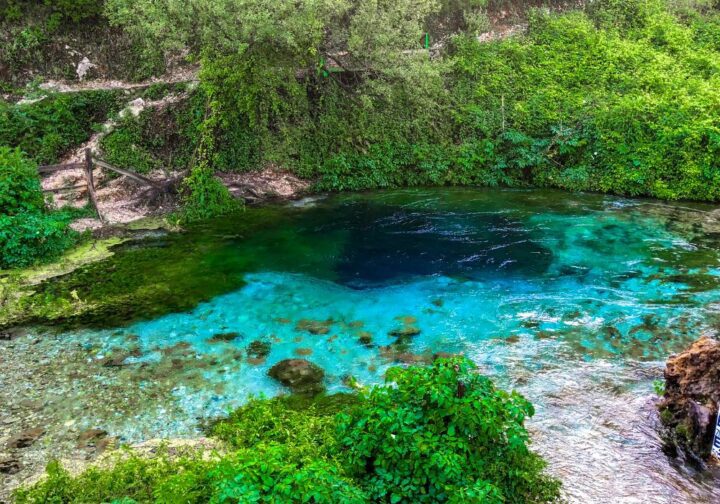
Nearby, the Blue Eye (Syri i Kaltër) is a natural spring with incredibly clear, deep blue water. While swimming in the main source is restricted, nearby areas allow visitors to cool off.
These destinations are easily accessible from Sarandë and can be visited in a single day.
7. Try Albanian Food
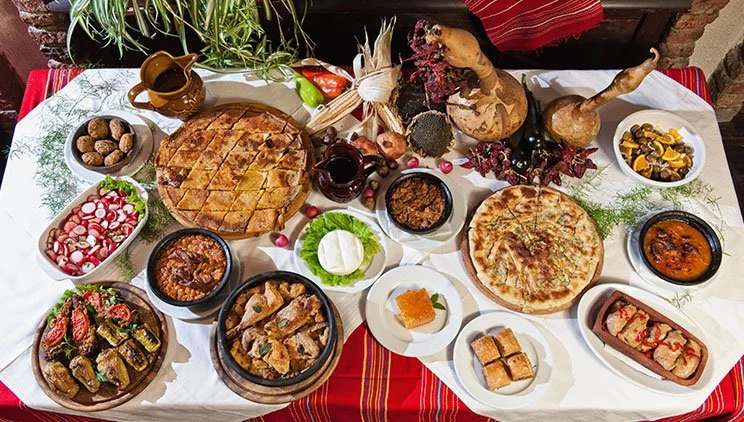
Albanian cuisine blends Mediterranean and Balkan influences, offering simple but flavorful dishes.
Popular options include:
- Byrek – savory pastry with cheese or meat
- Tavë kosi – baked lamb with yogurt
- Fërgesë – peppers, tomatoes, and cheese
- Grilled seafood along the coast
Local wine production has grown significantly, with native varieties like Shesh i Zi gaining attention. Raki, a traditional spirit, is also widely enjoyed.
Meals are affordable, and dining is an important social experience, especially in family-run guesthouses.
8. Experience Local Culture
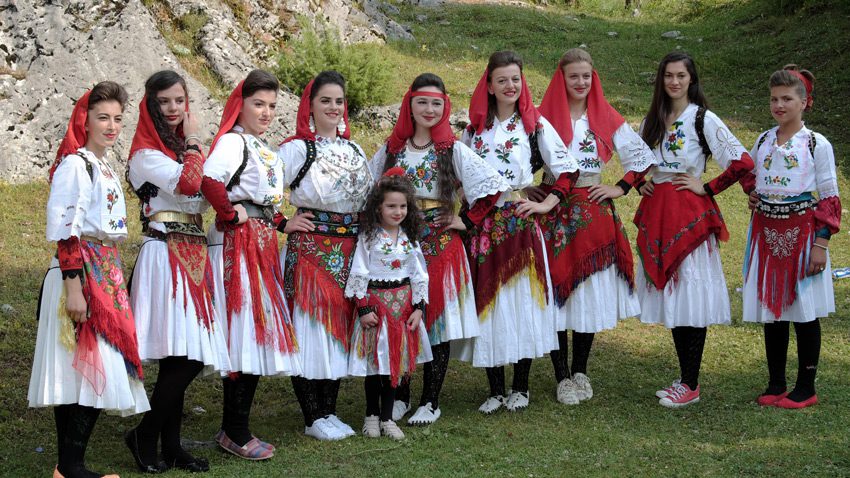
One of Albania’s biggest strengths is its people. Hospitality is deeply rooted in the culture, and visitors are often welcomed warmly.
A daily tradition called “xhiro” involves evening walks through town centers, where locals gather and socialize. Joining this ritual offers a glimpse into everyday life.
Learning a few basic Albanian phrases can enhance your experience, though many younger people speak English.
Albania is a secular country with both Muslim and Christian influences, and religious tolerance is part of its identity.
9. Practical Travel Tips
Best time to visit:
- June and September offer the best balance of weather and crowds
- July–August is peak season with higher prices
- Spring and autumn are ideal for hiking and sightseeing
Getting around:
- Renting a car provides the most flexibility
- Buses connect major cities, but can be slow
Costs:
- Accommodation: €25–40 per night
- Meals: €10–15
- Transport: relatively inexpensive
Safety:
Albania is considered safe for travelers, including solo visitors. Standard precautions apply, especially in crowded areas.
FAQ
How many days do you need?
7–10 days is ideal for seeing the main highlights without rushing.
Do you need a car?
Not essential, but highly recommended for flexibility, especially along the coast.
Is Albania expensive?
No, it remains significantly cheaper than most European beach destinations.
Can you combine it with other countries?
Yes, Albania pairs well with Greece, Montenegro, or North Macedonia.
Final Thoughts
Albania is one of Europe’s most exciting emerging destinations. It combines natural beauty, rich history, and affordability in a way that few countries can match.
Whether you’re exploring the Riviera, hiking in the mountains, or wandering historic towns, Albania offers a travel experience that feels both authentic and unforgettable.