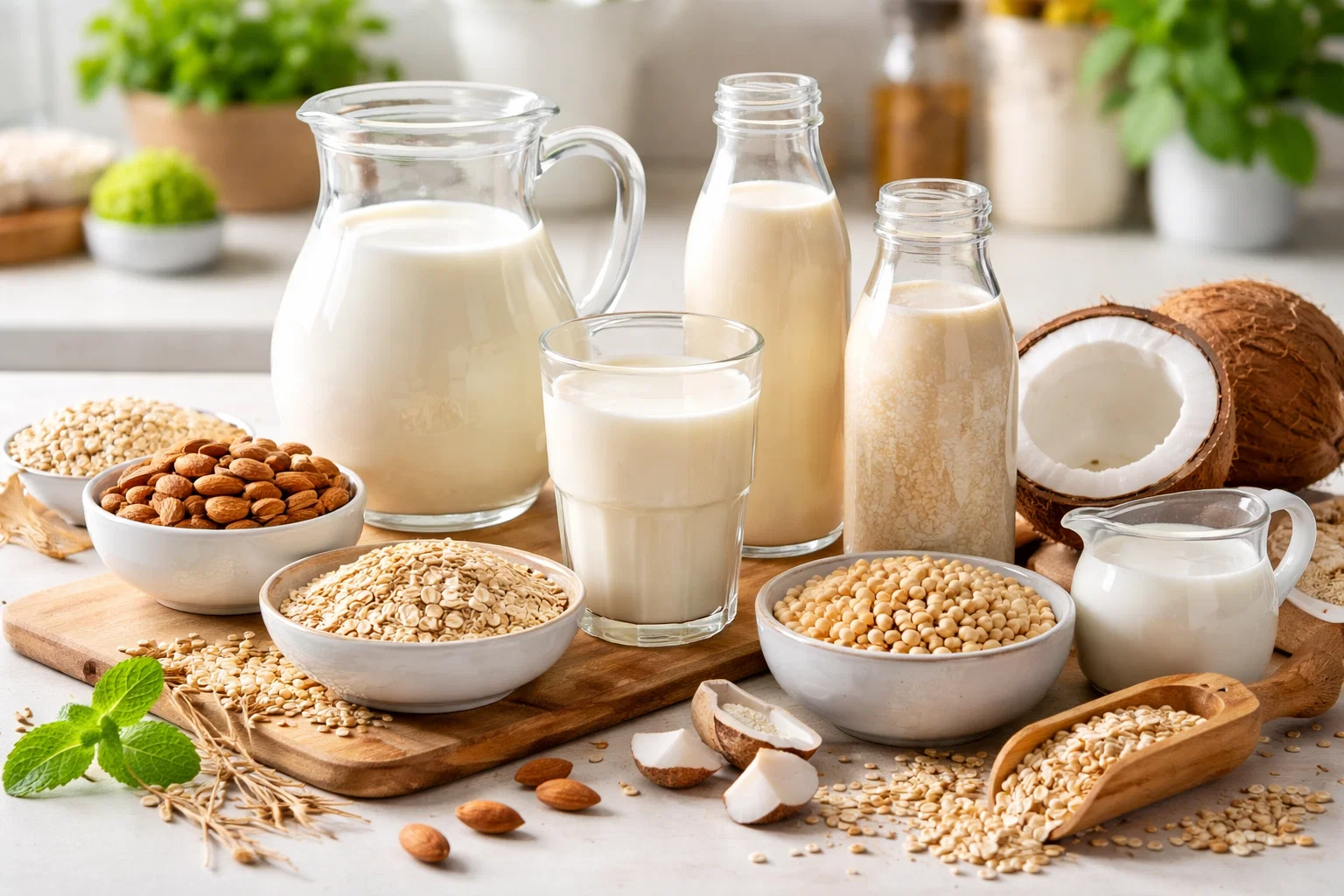
In 2026, selecting the right milk involves navigating a sea of milk options. From traditional dairy milk to a plethora of plant-based milk options, understanding the nuances of each choice is crucial for your overall health. This guide will help you in choosing the healthiest milk for your individual needs and preferences.
Why Milk Choices Matter More Than Ever
Evolving Health and Nutrition Trends in 2026
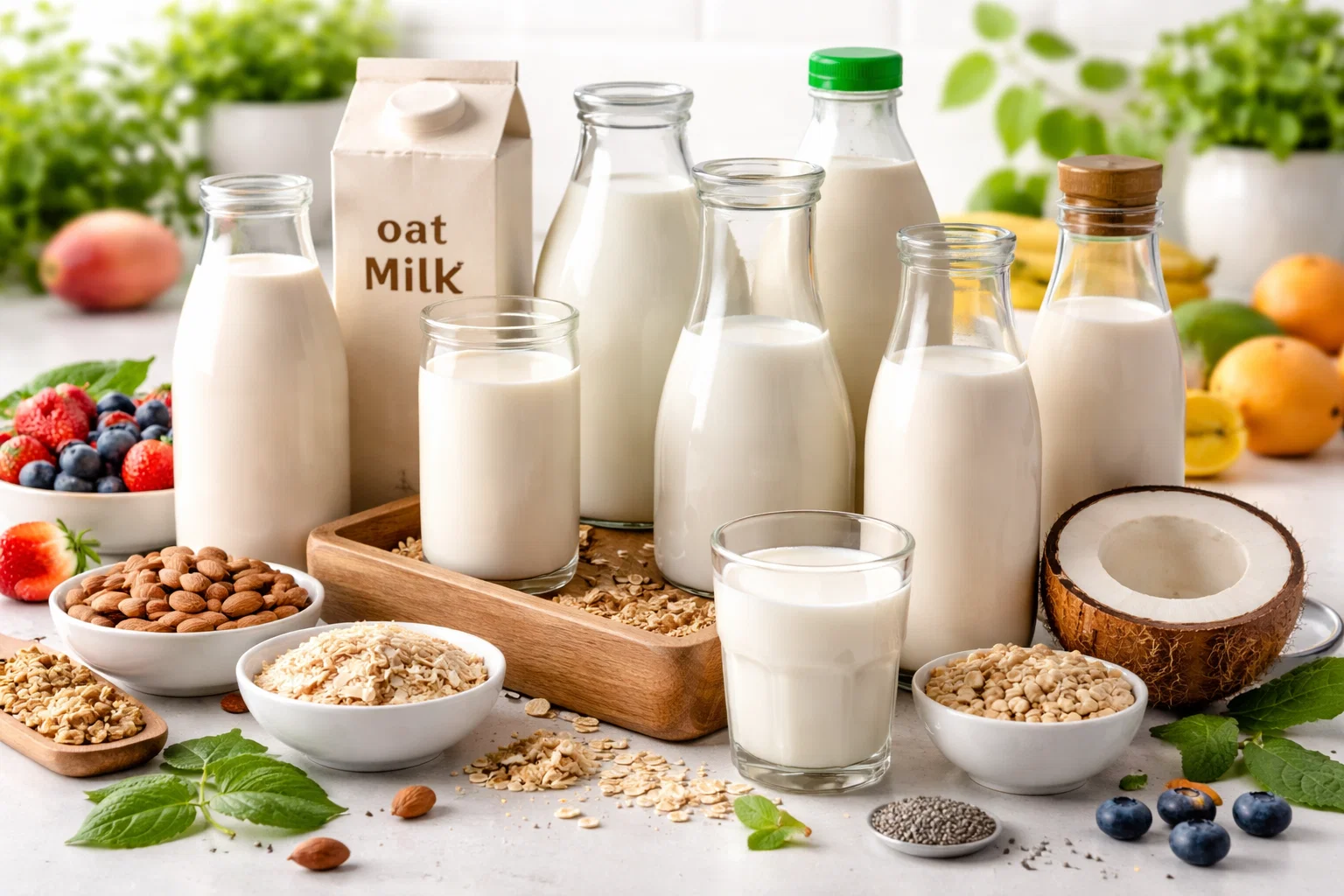
As we approach 2026, health and nutrition trends are constantly evolving. Consumers are more aware of the impact of dietary choices on overall health. This has led to an increased demand for healthier and more sustainable dairy products and milk alternatives available, making the milk choice more significant than ever.
How Milk Impacts Overall Health and Wellness
Milk, whether dairy or plant-based milk, plays a significant role in overall health and wellness. Milk is often fortified with vitamin D and calcium, vital for bone health. Choosing the right type of milk can support weight management, heart health, and provide essential nutrients, impacting your well-being significantly.
Understanding Different Types of Milk
Cow’s Milk: Benefits and Considerations
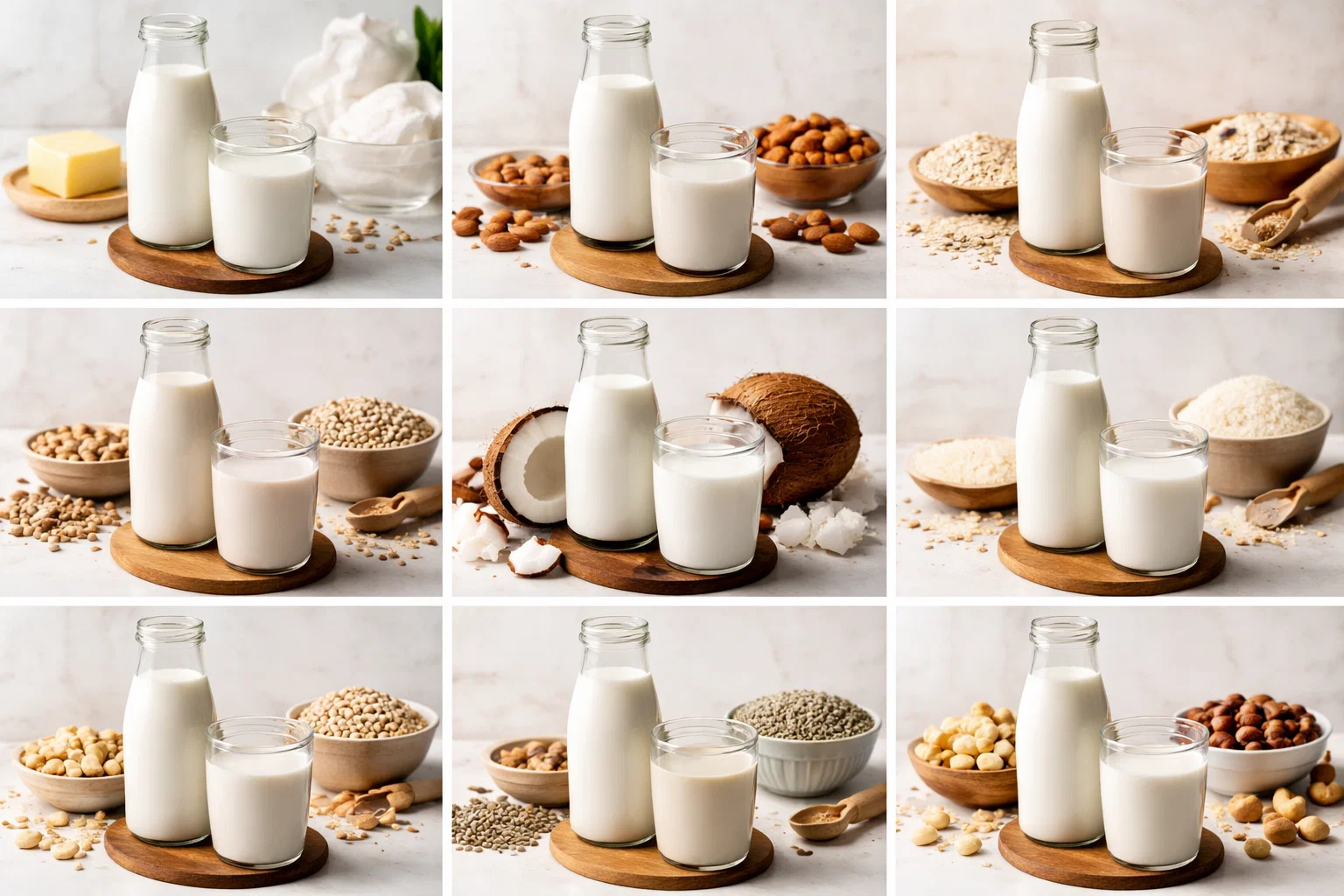
Cow’s milk, a traditional staple, offers several benefits. However, when choosing a type of milk, it’s important to consider factors such as:
- Saturated fat content
- Potential lactose intolerance
While regular milk remains a popular choice due to benefits like high protein and calcium content, it’s essential to balance these advantages with potential drawbacks for heart health. Available options include whole milk, skim milk and a2 milk.
Goat Milk: Digestibility and Nutrient Profile
Goat milk is known for its easier digestibility compared to cow’s milk, making it a suitable option for those with mild dairy sensitivities. Its unique nutrient profile offers a different balance of fats and proteins. Goat milk may also provide certain micronutrients in slightly different concentrations.
Plant-Based Milks: Almond, Soy, Oat, Rice, and Coconut
Plant-based milk options, such as almond milk, soy milk, oat milk, rice milk, and coconut milk, have surged in popularity. These milk alternatives cater to various dietary needs, offering options that are:
- Free from lactose
- Free from dairy and animal products
Each plant milk boasts a unique nutritional profile, impacting its role in your diet.
Specialty Milks: Lactose-Free, Organic, and A2 Milk Options
Specialty milks cater to various health needs, offering targeted benefits. Consumers can choose based on concerns such as:
- Lactose intolerance, addressed by lactose-free milk.
- Exposure to pesticides, minimized by choosing organic milk.
A2 milk is another option, marketed for its potential ease of digestion. These specialized choices simplify the process of finding milk that aligns with individual health priorities.
Nutritional Comparison: What to Look For
Protein Content and Quality
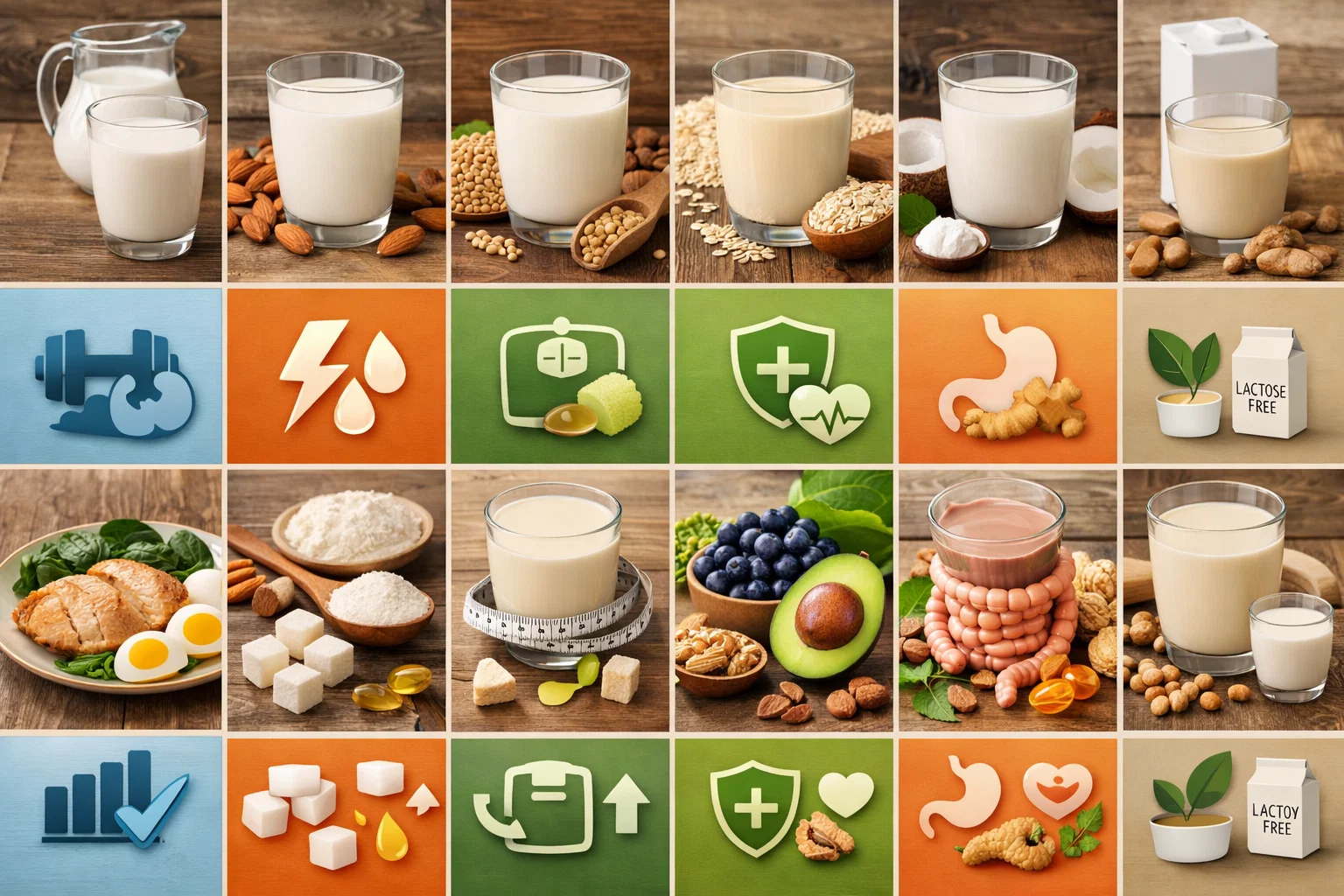
When comparing different types of milk, protein content and quality are crucial factors. Dairy milk generally boasts a complete protein profile, while plant-based milk, such as unsweetened soy milk, also offer significant protein. Knowing which milks contain the most protein helps with weight management and muscle health.
Calcium, Vitamin D, and Micronutrients
Calcium and vitamin D are essential for bone health, and many milk options are fortified with these nutrients. Comparing the levels of calcium, vitamin D, and other micronutrients across different milk options is important. This ensures you are meeting your daily nutritional needs, regardless of your milk choice.
Fat Content and Heart Health Implications
Fat content, especially saturated fat, is a key consideration for heart health. While some milk options, like whole milk and canned coconut milk, have higher fat content, others, like skim milk and unsweetened almond milk, are lower in fat. Understanding the fat content is crucial for making a heart-healthy choice.
Sugar Content: Natural vs Added Sugars
The sugar content in different types of milk can vary significantly. While dairy milk contains natural sugars (lactose), some plant-based milk options may have added sugar. Choosing the healthiest milk involves comparing the sugar content and opting for unsweetened varieties to minimize added sugar intake.
Choosing Milk Based on Health Goals
Bone and Muscle Health
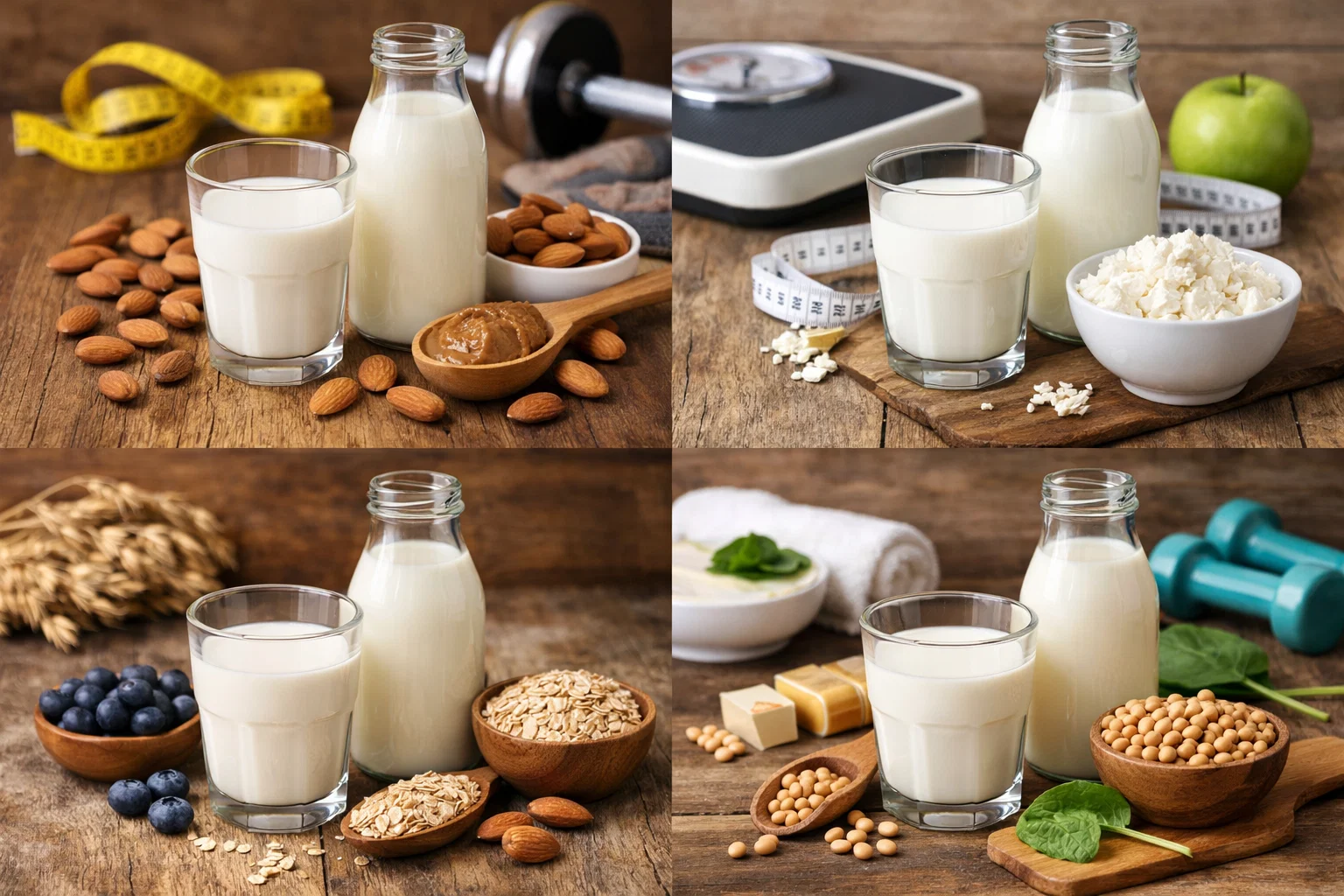
For bone and muscle health, selecting the right type of milk is essential. Dairy milk is often fortified with vitamin D and calcium, crucial for maintaining bone density. However, for those seeking milk alternatives, some plant-based milk options, like almond milk and soy milk, are also fortified with calcium, making them the healthiest milk alternatives for bone health.
Weight Management and Low-Calorie Options
If weight management is your goal, choosing the healthiest milk involves considering the fat content and calories. Skim milk and unsweetened almond milk are popular milk alternatives with lower fat content, making them ideal for weight loss.
On the other hand, canned coconut milk and whole milk are higher in fat, potentially impacting your weight management goals. When comparing milks for weight loss, it’s important to read nutrition labels and choose the type of milk that aligns with your dietary needs.
Heart Health and Cholesterol Considerations
For heart health, choosing the healthiest milk requires attention to saturated fat content. Dairy products like whole milk have higher saturated fat intake, potentially impacting cholesterol levels.
Healthier options include skim milk, unsweetened almond milk, and oat milk, which offer lower saturated fat content. Regular milk consumption with lower saturated fat is beneficial. Opting for these best milk choices can help maintain healthy cholesterol levels.
Digestive Health and Lactose Sensitivity
If you have lactose sensitivity, exploring different types of milk is crucial. Lactose-free dairy milk is an option, but plant-based milk options like almond milk, coconut milk, and rice milk are naturally lactose-free. Choosing the right milk based on your digestive health needs ensures you can enjoy milk without discomfort. Many people find that plant milk is best to avoid digestive upset.
Sustainability and Ethical Considerations

Environmental Impact of Animal vs Plant-Based Milks
The environmental impact varies significantly between animal and plant-based milk. Dairy milk production often requires more land and water compared to plant-based options like almond milk and soy milk. Considering the environmental footprint is essential when choosing the healthiest milk and supporting sustainable practices. These considerations are vital when evaluating milk products.
Organic, Pasture-Raised, and Ethical Sourcing
Opting for organic and pasture-raised dairy milk or ethically sourced plant-based milk supports better farming practices. Organic milk ensures fewer pesticides, while pasture-raised milk often comes from cows with better living conditions.
When choosing the healthiest milk alternatives, look for certifications that guarantee ethical sourcing and sustainable production methods. These choices are reflected in the different types of milk available.
Future Trends in Sustainable Milk Choices
Future trends in sustainable milk choices include innovative plant milk options like hemp milk and milks made from upcycled ingredients. Consumers are increasingly seeking milk alternatives that are not only healthy but also environmentally friendly.
Staying informed about these developments allows you to choose milk that aligns with your values and promotes a more sustainable food system. The best milk options will be both nutritious and sustainable.
Tips for Selecting the Right Milk in Stores
Reading Nutrition Labels Like a Pro
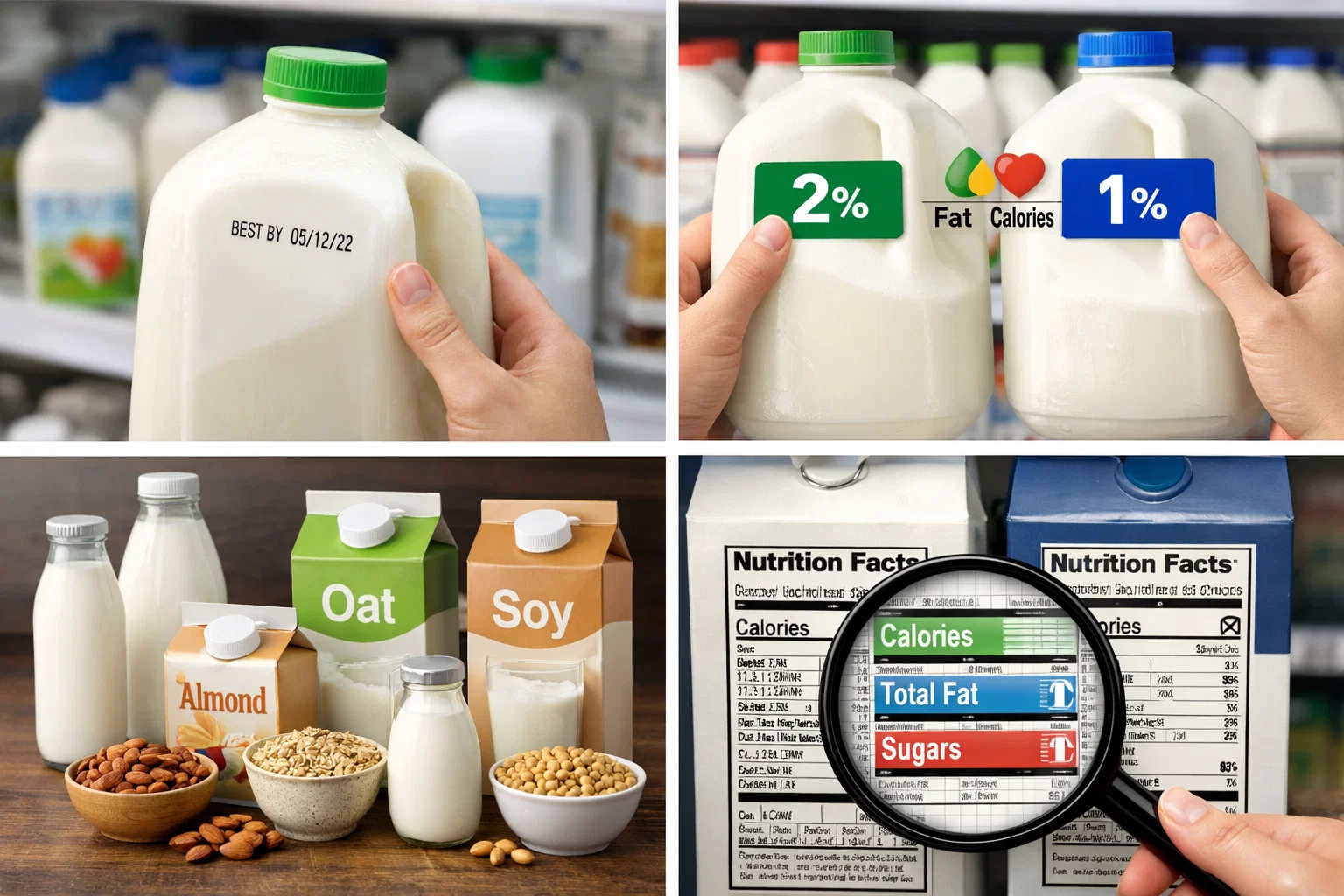
Reading nutrition labels is crucial when selecting the right type of milk. Pay attention to serving sizes, calories, fat content (especially saturated fat), sugar content (both natural and added sugar), protein, calcium, and vitamin D. Comparing these values across different milk options allows you to make an informed and healthy choice. Knowing how to interpret these labels is essential for finding the healthiest milk.
Choosing Fortified and Enriched Options
Choosing fortified and enriched milk options can help you meet your daily nutritional needs. Many milk options are fortified with vitamin D, calcium, and vitamin B12, which are essential for overall health. Comparing the levels of these nutrients in different types of milk ensures you are getting the most nutritional benefit from your milk choice. Fortified milk is often considered the healthiest milk.
Checking for Additives, Preservatives, and Sweeteners
When selecting milk, carefully check the ingredient list for additives, preservatives, and sweeteners. Some milk alternatives may contain added sugar or artificial ingredients that you may want to avoid. Opting for milk without unnecessary additives ensures you are making the healthiest milk choice for your dietary preferences. Avoid milk allergy causing additives.
How to Incorporate Milk Into Your Daily Diet

Best Milks for Smoothies, Coffee, and Cooking
The type of milk you choose can significantly impact the taste and nutritional value of your favorite recipes. For creamy smoothies, consider using whole milk, canned coconut milk, or oat milk. Unsweetened almond milk and skim milk are great low-fat options. Fortified with vitamin D, these healthiest milk options enhance your beverages. For coffee, the best milk depends on your preference.
Milk Pairings for Balanced Nutrition
Pairing milk with other foods can enhance your overall health. Combining dairy products or plant-based milk options, such as unsweetened soy milk with cereals fortified with vitamin D, boosts calcium and protein intake. Pairing a glass of whole milk with a high-fiber meal improves nutrient absorption. Such combinations ensure a healthy choice and balanced nutrition throughout the day.
Creative Recipes to Boost Nutrient Intake
Incorporating milk into creative recipes is a delicious way to boost nutrient intake and bone health. Use milk alternatives available like almond milk or rice milk as a base for overnight oats, adding fruits and nuts for extra vitamins and fiber. Blend plant milk into soups for a creamy texture and added nutritional value. Many recipes ensure regular milk can enhance any dish.
Common Myths About Milk Debunked
Plant-Based Milks Are Always Healthier Than Dairy
One common myth is that plant-based milk is always the healthiest milk compared to dairy milk. While milk alternatives available offer benefits like lower saturated fat content and being lactose-free, they may not always be nutritionally superior. Dairy milk is often fortified with vitamin D and calcium, essential for bone health, and many offer similar benefits.
High-Fat Milk Is Bad for Your Heart
Another misconception is that high-fat milk is bad for your heart health. While it’s true that saturated fat intake can raise cholesterol, recent studies suggest that the impact of dairy fat may not be as detrimental as once thought. Moderation is key, and the best milk choice depends on individual health goals. Skim milk is low fat.
Lactose-Free Milks Are Nutritionally Inferior
The idea that lactose-free milks are nutritionally inferior is a myth. Lactose-free milk is regular milk that has had lactose removed, retaining the same nutritional profile as its regular counterpart. So, lactose-free dairy products offer similar benefits, debunking the myth that those avoiding lactose must sacrifice overall health or miss out on the milk’s heart health benefits.
Conclusion: Making the Best Milk Choice for Your Health
Choosing the healthiest milk in 2026 involves understanding the nutritional profiles, health goals, and ethical considerations of different types of milk. Whether you opt for dairy products, canned coconut milk, or plant-based milk options, prioritize reading nutrition labels, checking for added sugar, and considering your dietary needs. Making an informed milk choice that aligns with your values.