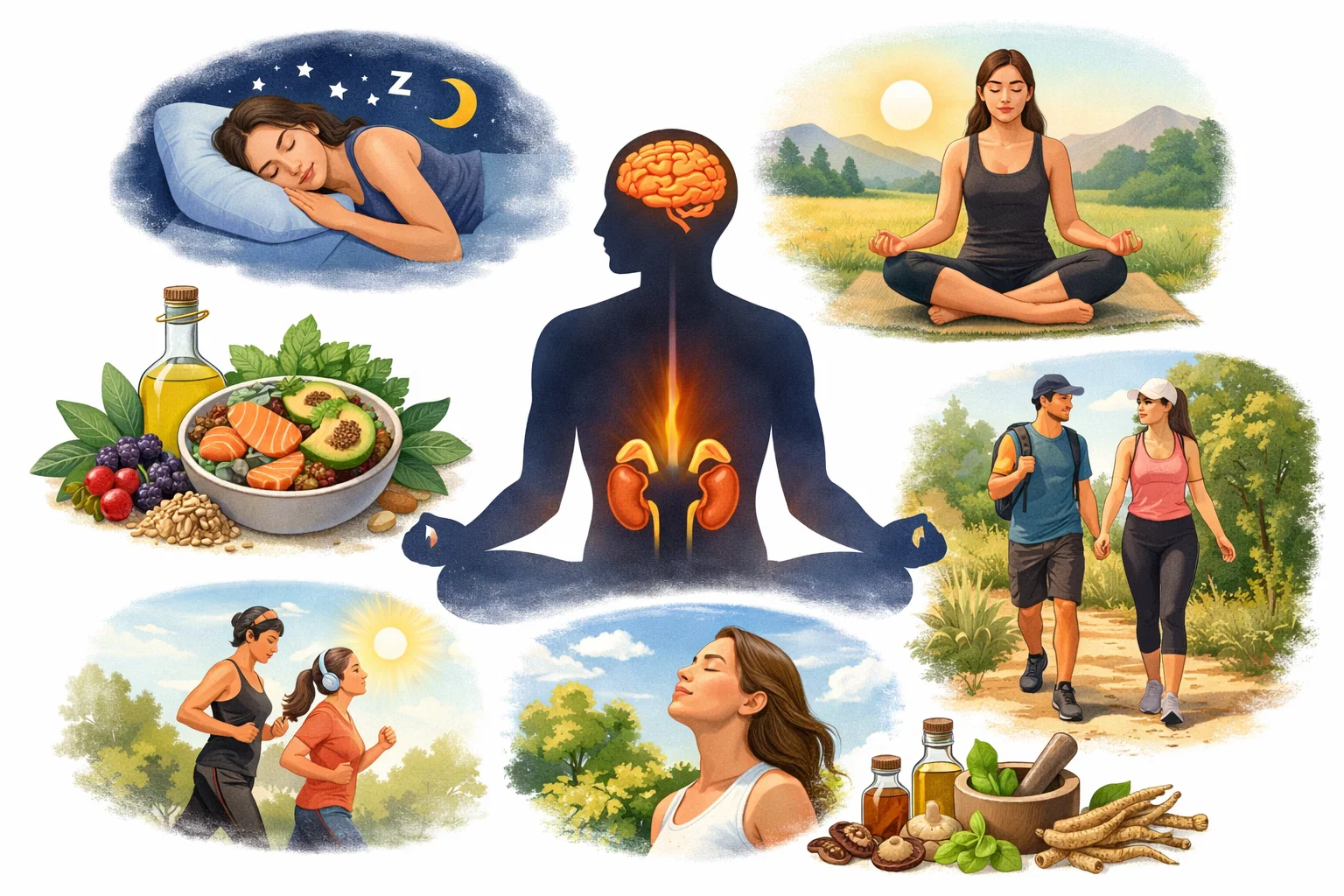
Embark on a journey to rediscover balance and vitality. This guide unveils proven strategies to naturally regulate your cortisol levels, empowering you to take control of your health and well-being.
Learn how to manage stress, optimize sleep, and adopt lifestyle habits that foster hormonal harmony.
Understanding Cortisol and Its Role in Your Health
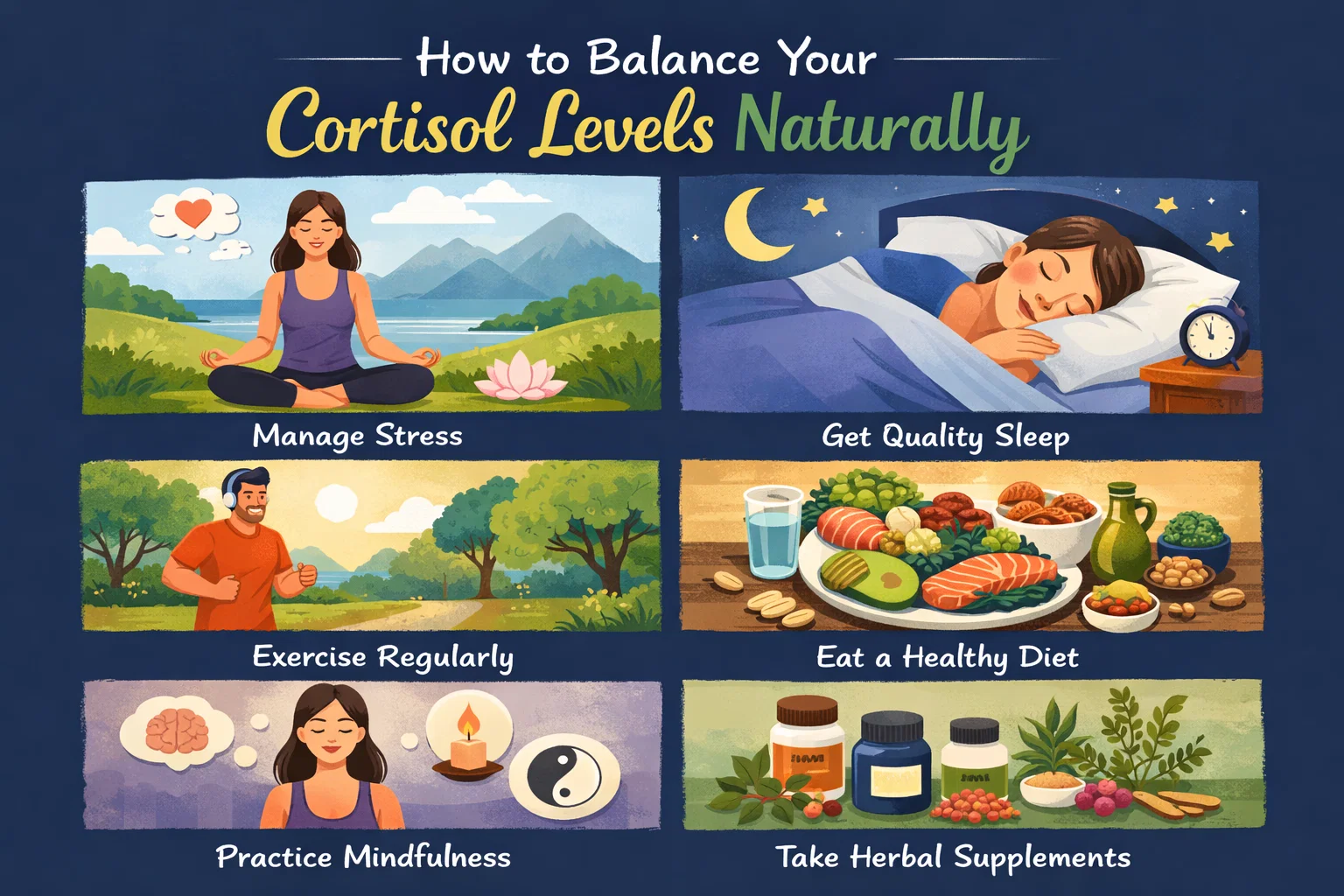
What Cortisol Is and Why It’s Called the “Stress Hormone”
Cortisol is a hormone produced by the adrenal glands, often dubbed the “stress hormone” because its release surges during stressful situations. Cortisol is a steroid hormone essential for various bodily functions, including regulating blood sugar, managing inflammation, and controlling blood pressure. Understanding its role is key to maintaining healthy cortisol levels.
Signs of Imbalanced Cortisol: High vs. Low Levels
Imbalanced cortisol levels manifest in various ways. Recognizing these signs is crucial for taking proactive steps to regulate your cortisol levels. These signs can include:
- High cortisol levels, which can lead to weight gain, high blood pressure, and a suppressed immune system.
- Low cortisol levels, which may cause fatigue, muscle weakness, and low blood pressure.
Why Balancing Cortisol Is Essential for Energy, Mood & Immunity
Balancing cortisol levels is vital for overall well-being. When cortisol balance is maintained, it helps regulate your cortisol levels and sustains consistent energy levels throughout the day. Healthy cortisol levels help in stabilizing mood, strengthen the immune system, and promote restful sleep. Effectively manage your cortisol levels for optimal health.
Stress Management Techniques to Regulate Cortisol

Mindfulness and Meditation for Daily Stress Reduction
Mindfulness and meditation are potent natural ways to reduce stress and cortisol. These practices help calm the mind, lower your cortisol levels, and promote a sense of inner peace. Incorporating even a few minutes of daily meditation can significantly impact your ability to manage stress and cortisol and promote healthy cortisol levels.
Yoga, Tai Chi, and Gentle Movement Practices
Engaging in yoga, tai chi, and other gentle movement practices is beneficial for lowering cortisol levels naturally. These activities combine physical postures, controlled breathing, and mental focus, promoting relaxation and reducing stress and cortisol. Regular practice can help regulate your cortisol levels and improve overall well-being.
Journaling, Cognitive Strategies & Relaxation Rituals
Journaling, cognitive strategies, and relaxation rituals provide effective tools to help lower cortisol levels naturally. Journaling allows you to process emotions and identify stressors, while cognitive strategies help reframe negative thoughts. Relaxation rituals, such as deep breathing, help reduce cortisol and promote a sense of calm.
Sleep Optimization for Healthy Cortisol Patterns

Establishing a Consistent Sleep Schedule
Establishing a consistent sleep schedule is essential for healthy cortisol levels. Aim to go to bed and wake up around the same time each day, even on weekends, to regulate your body’s natural circadian rhythm and help reduce cortisol. This consistency supports optimal hormone balance and reduces stress and cortisol.
Creating a Sleep-Friendly Environment
Creating a sleep-friendly environment is crucial for promoting healthy cortisol levels. Ensure your bedroom is dark, quiet, and cool to facilitate restful sleep. Use blackout curtains, earplugs, or a white noise machine to minimize distractions. A comfortable sleep environment helps regulate your cortisol levels naturally.
Nighttime Habits: Reducing Stimulants and Supporting Relaxation
Adopting healthy nighttime habits is key to reducing cortisol and promoting relaxation. Avoid stimulants like caffeine and nicotine close to bedtime, as they can increase cortisol and disrupt sleep patterns. Instead, engage in relaxing activities such as reading, taking a warm bath, or practicing deep breathing exercises to help lower cortisol levels.
Nutrition and Diet Tips to Support Cortisol Balance

Foods That Stabilize Blood Sugar and Hormones
Diet plays a pivotal role in regulating your cortisol levels. Prioritize foods that stabilize blood sugar, such as whole grains, lean proteins, and healthy fats. These choices prevent drastic spikes and drops in blood sugar, which can trigger the release of cortisol. A balanced diet supports stable blood sugar and aids in managing your cortisol levels effectively.
Adaptogens and Herbs: Ashwagandha, Holy Basil, Rhodiola
Explore the potential of adaptogens and herbs to help regulate your cortisol levels naturally. Ashwagandha, holy basil, and rhodiola are known for their stress-reducing properties. These natural remedies help your body adapt to stress, reduce cortisol, and promote overall hormonal balance and they are among the best ways to lower cortisol levels.
Hydration and the Role of Electrolytes in Hormonal Health
Proper hydration is essential for maintaining healthy cortisol levels. Dehydration can lead to increased stress and cortisol, so aim to drink plenty of water throughout the day. Electrolytes like sodium, potassium, and magnesium also play a crucial role in hormonal health. Balance cortisol levels with proper hydration.
Exercise Strategies for Optimal Cortisol Levels

Moderate Exercise vs. Overtraining: Finding the Balance
Regular exercise is beneficial for managing your cortisol levels. However, it’s crucial to find the right balance. Moderate exercise can help reduce cortisol, while overtraining can lead to elevated cortisol levels. Listen to your body and avoid pushing yourself too hard. Find the equilibrium for optimal benefits and to help lower cortisol levels.
Strength Training and Hormone-Friendly Workouts
Incorporate strength training into your fitness routine to support hormonal balance. Strength training can help regulate your cortisol levels and improve insulin sensitivity. Choose hormone-friendly workouts that focus on compound movements and proper form. These types of workouts can help lower cortisol levels naturally.
Recovery Techniques: Stretching, Foam Rolling, and Rest Days
Recovery is just as important as the workout itself. Incorporate recovery techniques like stretching, foam rolling, and rest days to help your body recover and reduce cortisol. Adequate recovery helps prevent overtraining and supports healthy cortisol levels. Remember that rest and rejuvenation are ways to lower cortisol.
Lifestyle Habits to Support Cortisol Regulation

Limiting Alcohol, Caffeine, and Nicotine
Certain substances can significantly impact your cortisol levels. Limiting alcohol, caffeine, and nicotine intake is essential for supporting healthy cortisol levels. These substances can stimulate the adrenal glands and cause an increase in cortisol, disrupting hormonal balance. Reducing these can lead to ways to lower your cortisol.
Exposure to Natural Light and Its Role in Circadian Rhythm
Exposure to natural light plays a vital role in regulating your circadian rhythm and cortisol patterns. Aim to spend time outdoors each day, especially in the morning, to help regulate your body’s natural sleep-wake cycle. Exposure to sunlight can help lower cortisol, support overall hormonal balance and is among the best ways to lower your cortisol levels.
Positive Social Interactions and Laughter as Natural Stress Relievers
Engaging in positive social interactions and laughter can be powerful natural stress relievers and ways to lower cortisol levels. Spending time with loved ones, sharing laughs, and fostering meaningful connections can help reduce stress and cortisol naturally. Nurturing social bonds contributes to overall well-being.
Supplements and Nutritional Support for Cortisol Health

Vitamins & Minerals: Vitamin C, B-Complex, Magnesium
Vitamins and minerals play a crucial role in supporting adrenal function and healthy cortisol levels. Several nutrients are particularly helpful, including:
- Vitamin C, known for its antioxidant properties and its ability to help reduce cortisol released during stress.
- B-complex vitamins and magnesium, which help regulate cortisol levels by supporting nervous system function.
These are among the best ways to lower cortisol levels.
Omega-3 Fatty Acids and Anti-Inflammatory Support
Omega-3 fatty acids, found in fish oil and flaxseed, offer significant anti-inflammatory benefits that can help regulate cortisol levels. Chronic inflammation can lead to elevated cortisol levels, so incorporating omega-3s into your diet can help reduce stress and cortisol, promote hormonal balance and help lower cortisol levels.
When to Consult a Healthcare Professional
While lifestyle changes and supplements can be beneficial, it’s essential to know when to seek professional help. If you experience persistent symptoms of high cortisol levels or low cortisol levels, or if your efforts to manage stress and cortisol are unsuccessful, consult a healthcare provider. They can assess your hormone levels and provide personalized treatment options.
Monitoring Cortisol Levels and Tracking Progress

Blood, Saliva, and Urine Tests for Hormonal Balance
Monitoring your cortisol levels through blood, saliva, or urine tests can provide valuable insights into your hormonal balance. These tests help assess if your cortisol levels are within a healthy range. Regular monitoring allows you to track progress and make necessary adjustments to your lifestyle and supplement regimen to help regulate your cortisol levels.
Signs of Improvement and Maintaining Long-Term Balance
As you implement strategies to help regulate your cortisol levels, watch for signs of improvement such as better sleep, improved mood, increased energy, and reduced anxiety. Maintaining long-term balance requires ongoing commitment to stress management techniques, healthy lifestyle habits, and regular monitoring of your cortisol levels to help reduce cortisol.
Tools and Apps to Track Stress, Sleep, and Lifestyle Habits
Utilize tools and apps designed to track stress, sleep, and lifestyle habits can be beneficial for maintaining healthy cortisol levels. These resources can help you monitor sleep patterns, track stress levels, and identify triggers that increase cortisol. Using these tools, you can make informed decisions to manage stress and cortisol and promote hormonal balance to help lower cortisol levels.
Creating a Daily Routine to Support Healthy Cortisol

Morning Rituals to Start the Day Energized
Establishing a consistent morning routine can set the tone for the day and help regulate your cortisol levels. Include activities such as gentle exercise, mindfulness, or a nutritious breakfast to start the day. A balanced morning can help manage stress and cortisol, prevent spikes, and support overall hormonal balance so that you help reduce cortisol.
Midday and Afternoon Practices to Prevent Spikes
Preventing cortisol spikes during midday and afternoon is crucial for maintaining stable energy and mood levels. Incorporate short breaks for deep breathing exercises, a healthy snack, or a brief walk to help reduce stress and cortisol levels. These practices can help you stay calm and focused throughout the day to help lower cortisol levels.
Evening Wind-Down Routine for Optimal Nighttime Cortisol
Creating a relaxing evening wind-down routine can promote optimal nighttime cortisol levels and improve sleep quality. Engage in activities such as reading, taking a warm bath, or practicing meditation to calm the mind and body. A consistent evening routine can help reduce cortisol levels naturally and prepare you for restful sleep and is among the best ways to lower cortisol levels.
Conclusion: Achieving Hormonal Harmony for Health and Wellbeing
Achieving hormonal harmony by balancing cortisol levels is essential for overall health and well-being. By adopting stress management techniques, optimizing sleep, making healthy dietary choices, and incorporating regular exercise, you can effectively regulate your cortisol levels. Embrace these strategies to unlock a healthier, more balanced life and help lower cortisol levels.