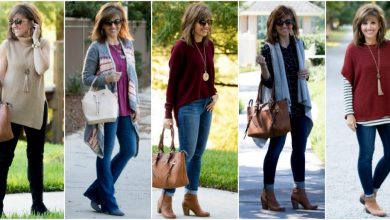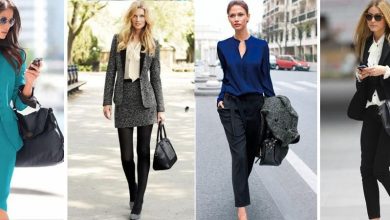
The fashion landscape is undergoing a seismic transformation. The days of chasing fleeting trends dictated by the fast fashion industry are waning as a new ethos takes hold. This shift is driven by a growing awareness of the unsustainable nature of fast fashion and a desire for more meaningful and enduring styles.
The Fashion Industry Is Going Through a Major Shift
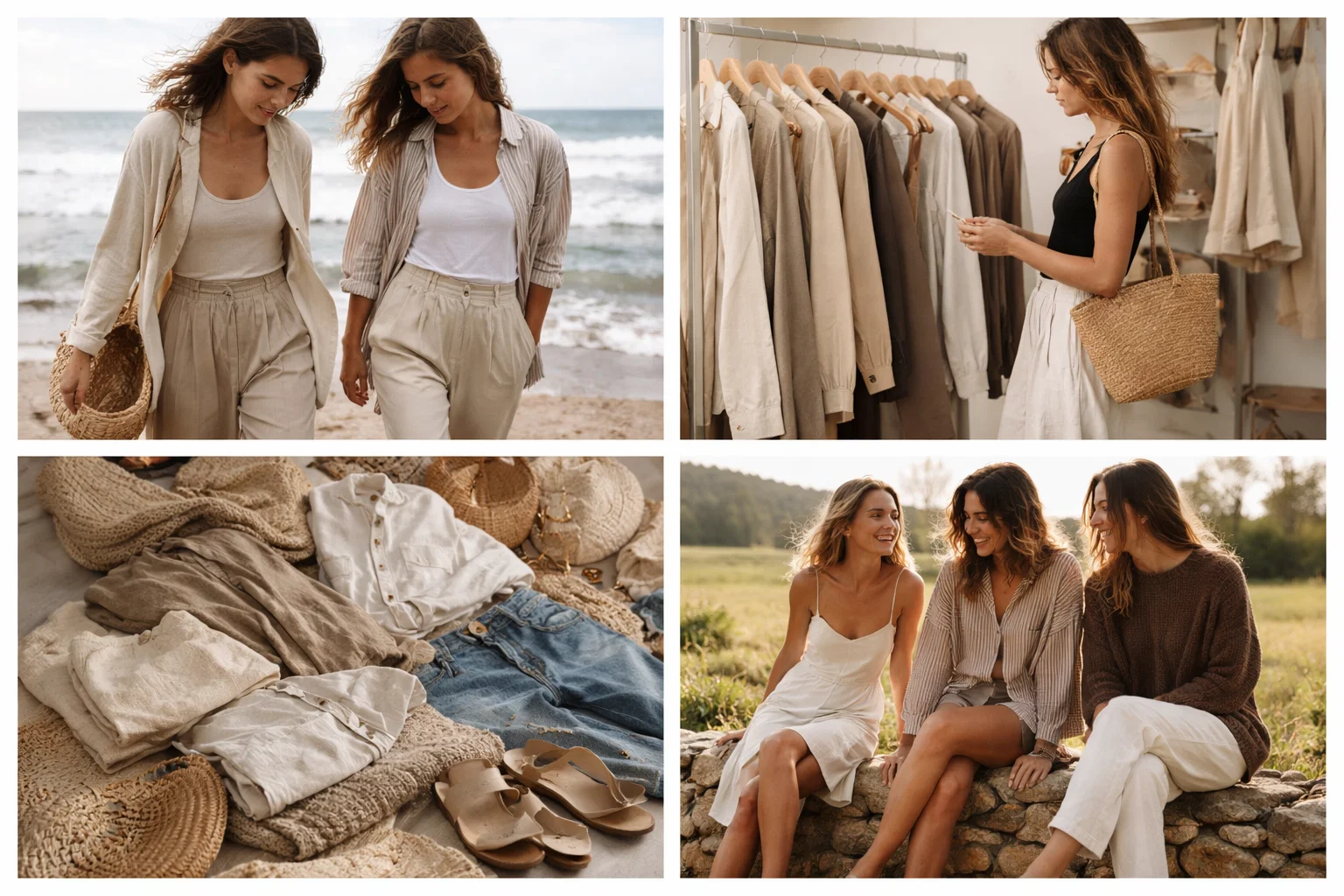
Why Fast Fashion Dominated for Years
The dominance of fast fashion stemmed from its enticing business model of offering fashionable clothing at low prices. This allowed consumers to indulge in fashion trends without significant financial strain. The fast fashion industry thrived on the allure of frequent new arrivals and the promise of staying on trend.
What Is Changing in Consumer Behavior Today
Consumer behavior is shifting from impulsive fast fashion purchasing to valuing sustainability awareness and durable fashion items. The impacts of fast fashion, like landfill waste, are prompting consumers to reconsider their clothing consumption habits. Consumers’ sustainability knowledge plays a crucial role in purchasing decisions.
What Is Anti-Trend Fashion? (Modern Definition Explained)
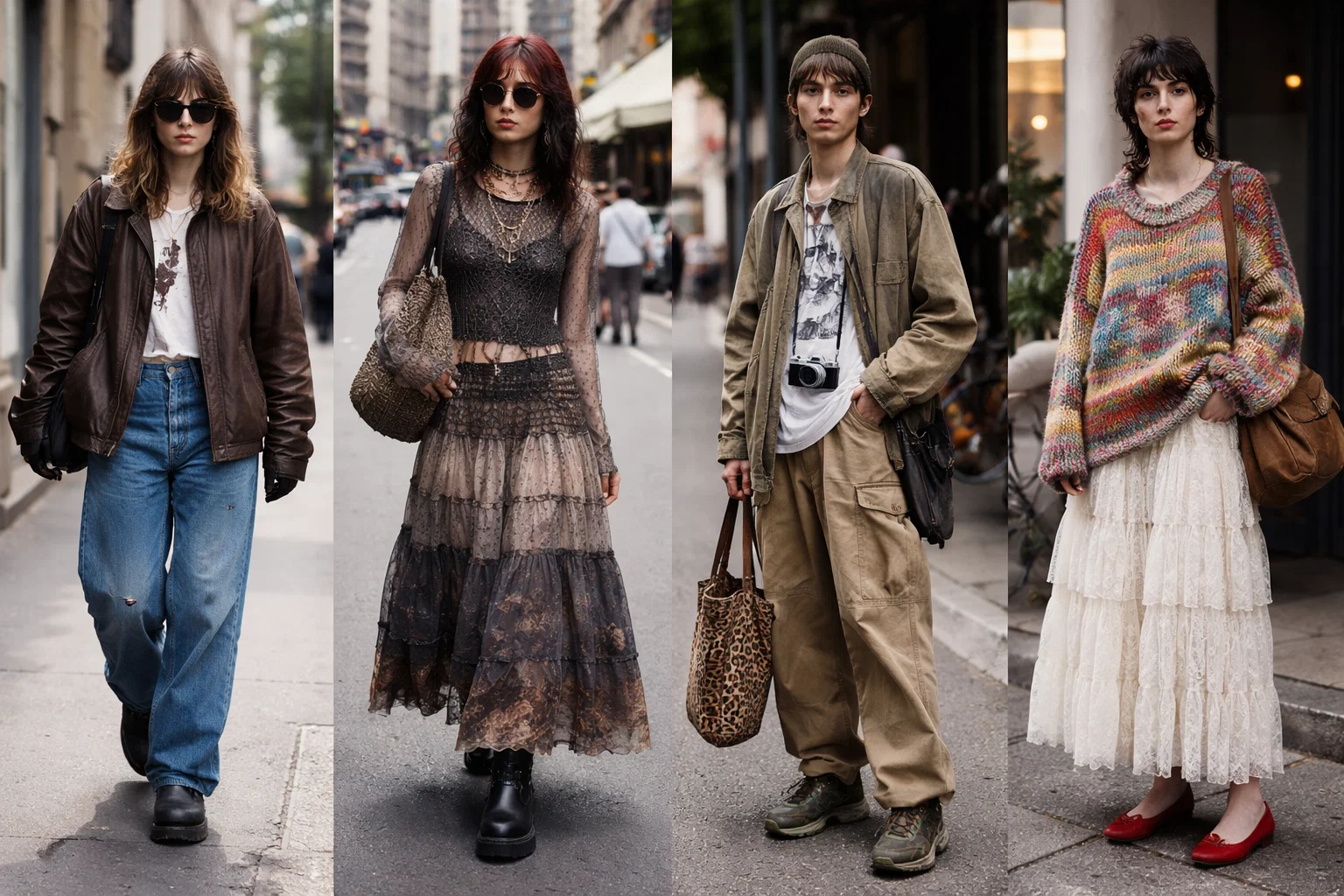
Moving Beyond Trends and Viral Aesthetics
Anti-trend fashion represents a conscious decision to step away from chasing fleeting fashion trends and viral aesthetics. Instead, it emphasizes:
- Personal style and timeless pieces that transcend short-lived fads.
- Individuality and enduring style over conformity to momentary fashion trends.
How Anti-Trend Fashion Differs From Minimalism and Slow Fashion
While anti-trend fashion shares similarities with minimalism and slow fashion, it distinguishes itself by focusing on personal expression rather than strict reduction or sustainability alone. It incorporates elements of both, aiming for a curated wardrobe that reflects individual tastes while minimizing overconsumption and environmental impact.
The Rise of Personal Identity-Based Style
The rise of personal identity-based style marks a departure from mass-market trends. Consumers are increasingly seeking fashionable clothing that reflects a number of personal aspects, including:
- Their unique personalities
- Their values
- Their lifestyles
This shift emphasizes self-expression and authenticity over adhering to what is deemed fashionable by fashion companies or influencers.
Why Fast Fashion Is Losing Its Grip
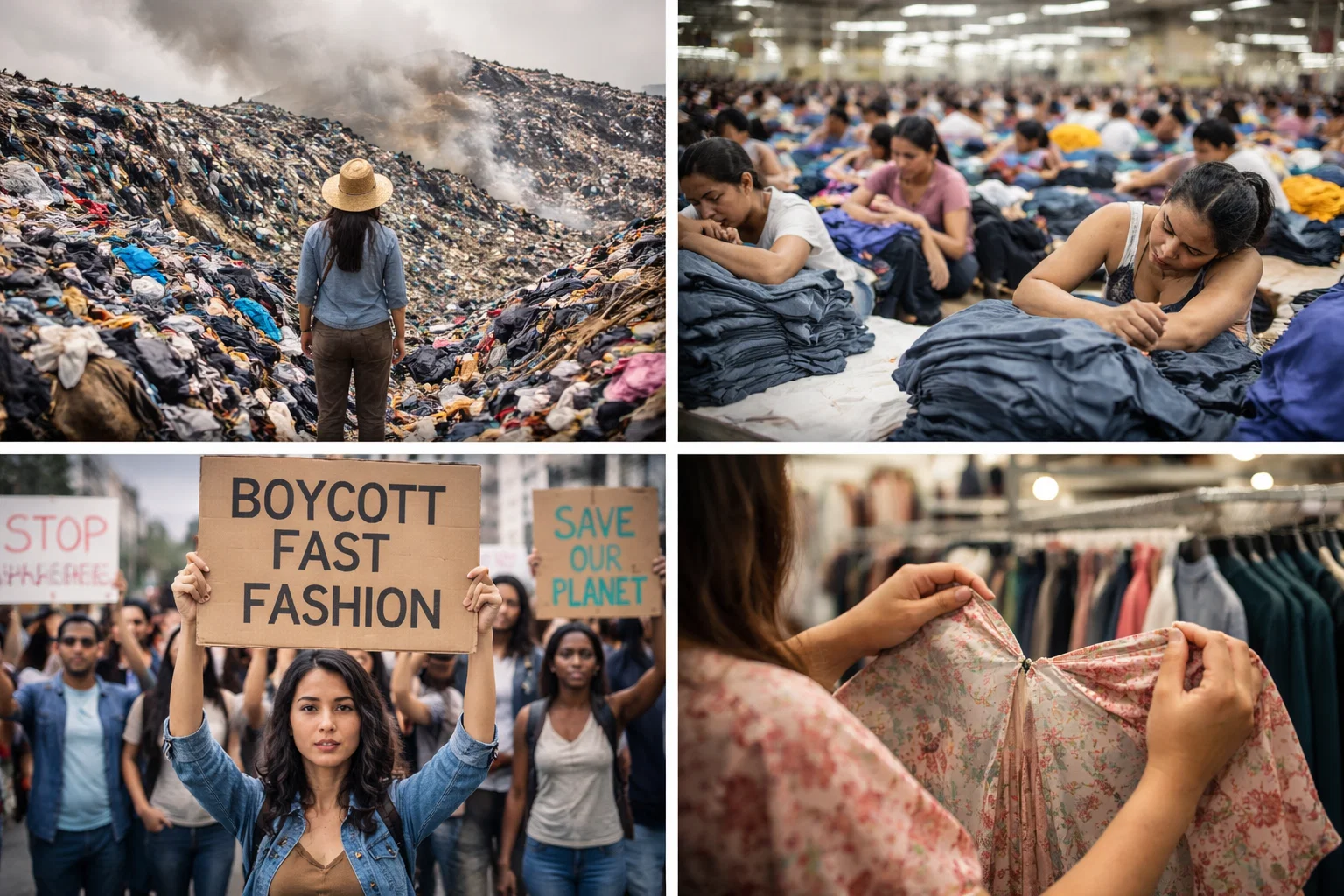
Overproduction and Environmental Impact Awareness
Growing environmental concern regarding the impacts of fast fashion is a major reason for its decline. Overproduction leads to immense textile waste and significant greenhouse gas emissions. This awareness is pushing consumers to seek more sustainable practices and alternatives to buying fast fashion.
Declining Quality and Consumer Dissatisfaction
The declining quality of fast fashion clothing contributes to consumer dissatisfaction. Garment durability suffers as fashion companies prioritize low prices over longevity. Consumers realize that buying fast fashion ultimately leads to more frequent replacements, making it a less economical and environmentally responsible choice.
Trend Fatigue and Social Media Burnout
Trend fatigue is exacerbated by social media’s relentless cycle of new aesthetics. Over-saturation of fashion trends leads to burnout, prompting consumers to seek more timeless and enduring style choices. Individuals are becoming weary of constantly chasing the next big thing dictated by fashion companies and online influencers.
The Rise of Slow Fashion
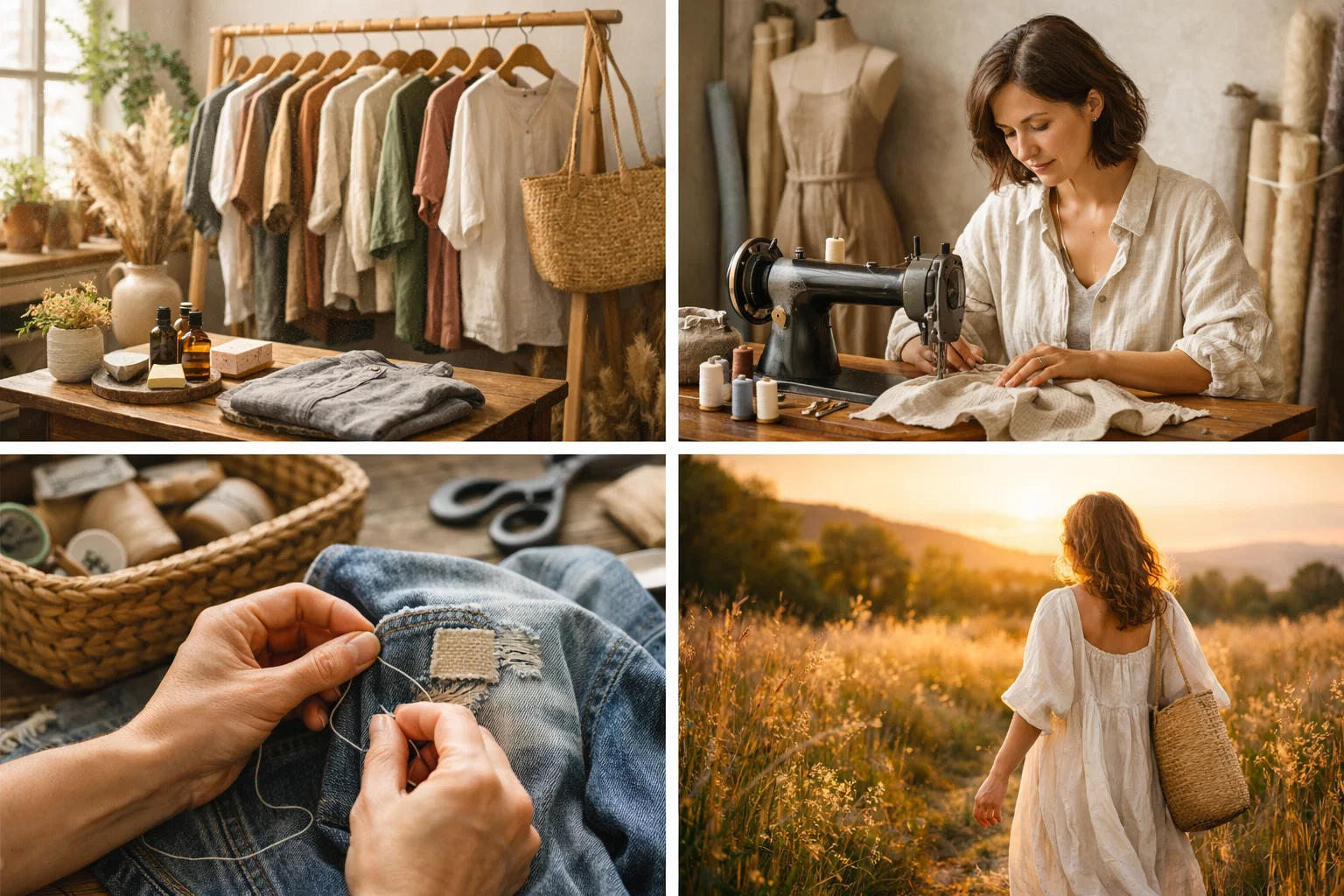
How Sustainability Became a Global Fashion Priority
Sustainability has transformed from a niche concept to a globally recognized priority in the fashion market. Consumers are increasingly aware of the ethical and environmental issues linked to fast fashion, driving the demand for sustainable fashion and responsible fashion companies.
Ethical Production and Transparency in Fashion Brands
Ethical fashion production and transparency are crucial for fashion brands seeking to appeal to conscientious consumers. Transparency in the supply chain, fair working conditions, and environmentally responsible textile production are increasingly valued. Brands are adapting to meet the rising demand for ethical fashion.
Why Consumers Are Buying Less but Choosing Better
Consumers are consciously shifting from overconsumption to making more thoughtful purchases. Instead of accumulating vast quantities of fast fashion clothing, they are investing in fewer, higher-quality items. This approach emphasizes several key aspects:
- Durability, ensuring their purchases last longer.
- Sustainable fashion, reflecting environmental consciousness.
This ultimately leads to timeless style over fleeting fashion trends.
The Psychology Behind Anti-Trend Fashion
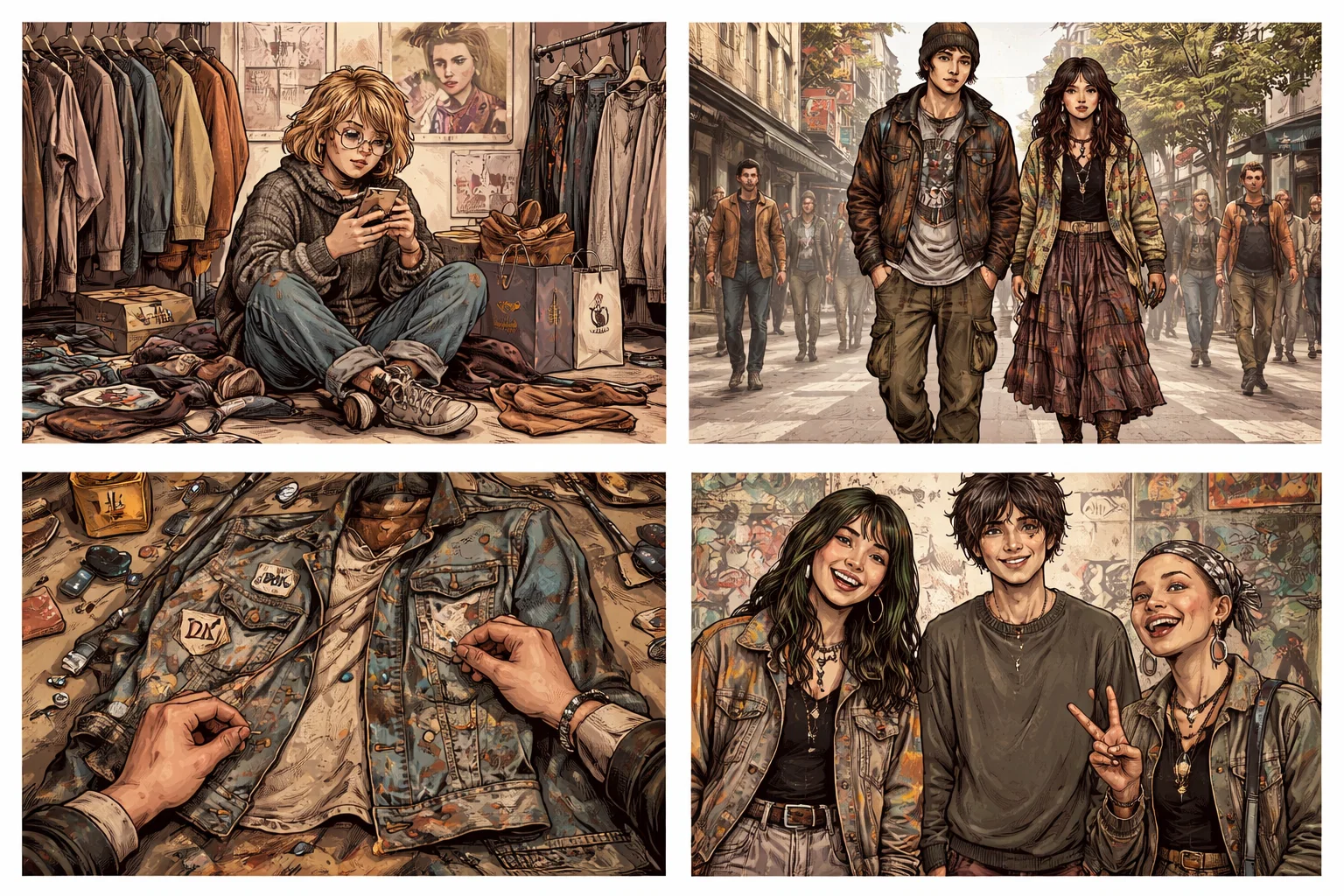
Identity Over Trends: Dressing for Self-Expression
Anti-trend fashion is deeply rooted in the psychology of self-expression, emphasizing personal identity over fleeting fashion trends. Consumers prioritize fashion clothing that reflects their values and individuality. By rejecting the pressure to buy fast fashion items, individuals curate wardrobes that resonate with their authentic selves.
Rejection of Social Media Pressure and Aesthetic Cycles
The rejection of social media pressure and aesthetic cycles is central to the anti-trend movement. Consumers are pushing back against the constant barrage of new fashion trends and influencers promoting fast fashion brands. This rebellion fosters a more mindful approach to clothing consumption, focusing on personal style.
Emotional Satisfaction From Timeless Wardrobe Choices
Timeless wardrobe choices provide lasting emotional satisfaction, contrasting with the fleeting high of chasing fashion trends. Investing in quality, sustainable fashion items creates a sense of security and contentment. This mindful approach to clothing consumption promotes a healthier relationship with fashion, reducing reliance on fast fashion.
How Social Media Created—and Broke—Fast Fashion Culture
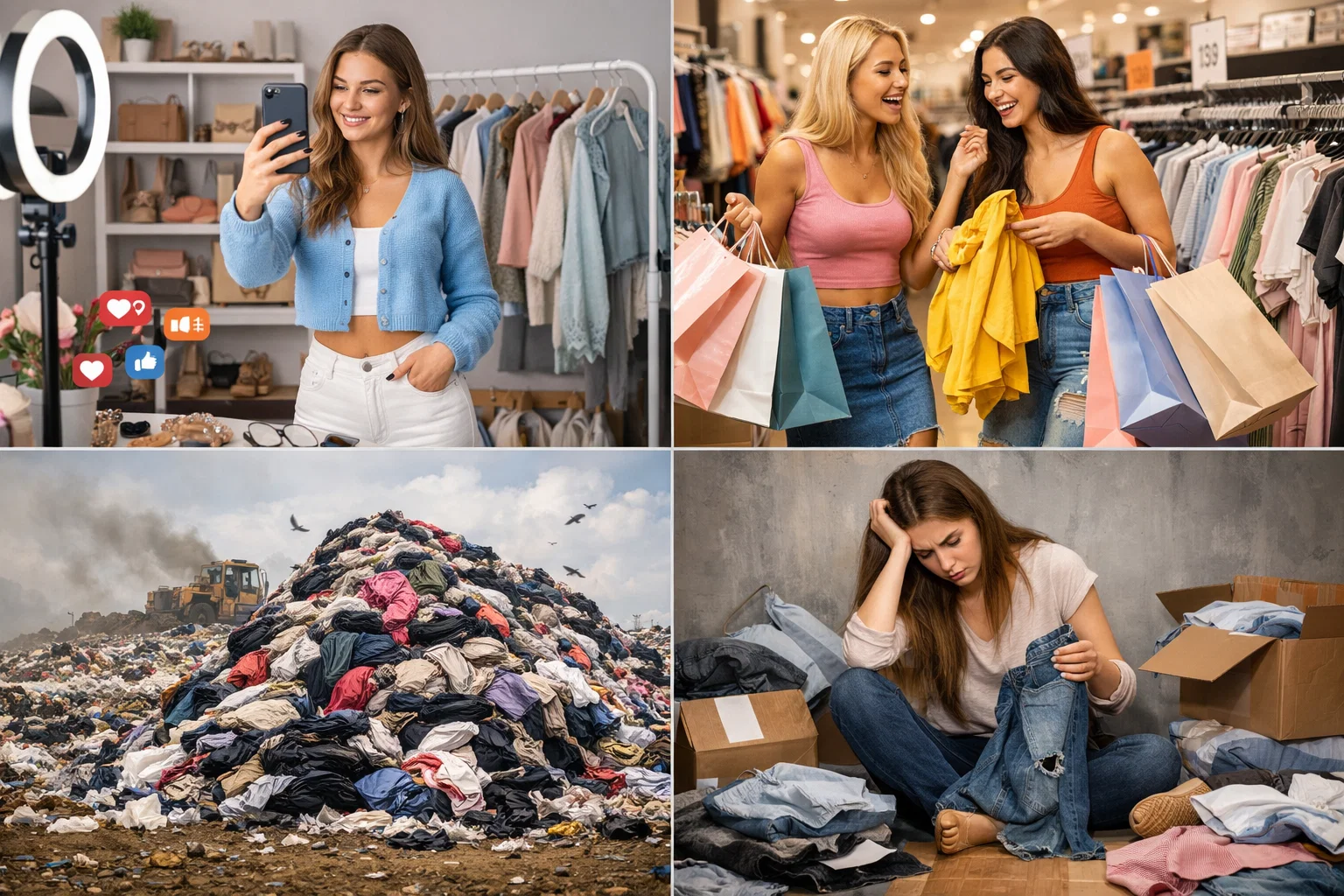
TikTok Micro-Trends and Fast Consumption Cycles
TikTok fueled fast consumption cycles through micro-trends, driving rapid shifts in apparel preferences. The platform’s algorithm promotes fast fashion clothing hauls and fleeting fashion trends. This cycle encourages overconsumption and contributes to the growing environmental impact of fast fashion brands and discarded fashion products.
Influencer Culture and Over-Saturation of Fashion Hauls
Influencer culture has significantly contributed to the over-saturation of fashion hauls, promoting fast fashion consumption. Many influencers showcase large quantities of cheap fashion clothing from fast fashion companies, encouraging their followers to buy fast fashion and participate in constant trend cycles. This fuels overconsumption and textile waste.
The Shift Toward Authentic, Repeatable Outfits
Consumers are now shifting toward authentic, repeatable outfits, resisting the pressure to constantly buy fast fashion clothing. This movement celebrates individuality and sustainable fashion, promoting a more conscious approach to building a wardrobe. This shift reduces the environmental impact associated with frequent online shopping.
What Anti-Trend Fashion Looks Like Today
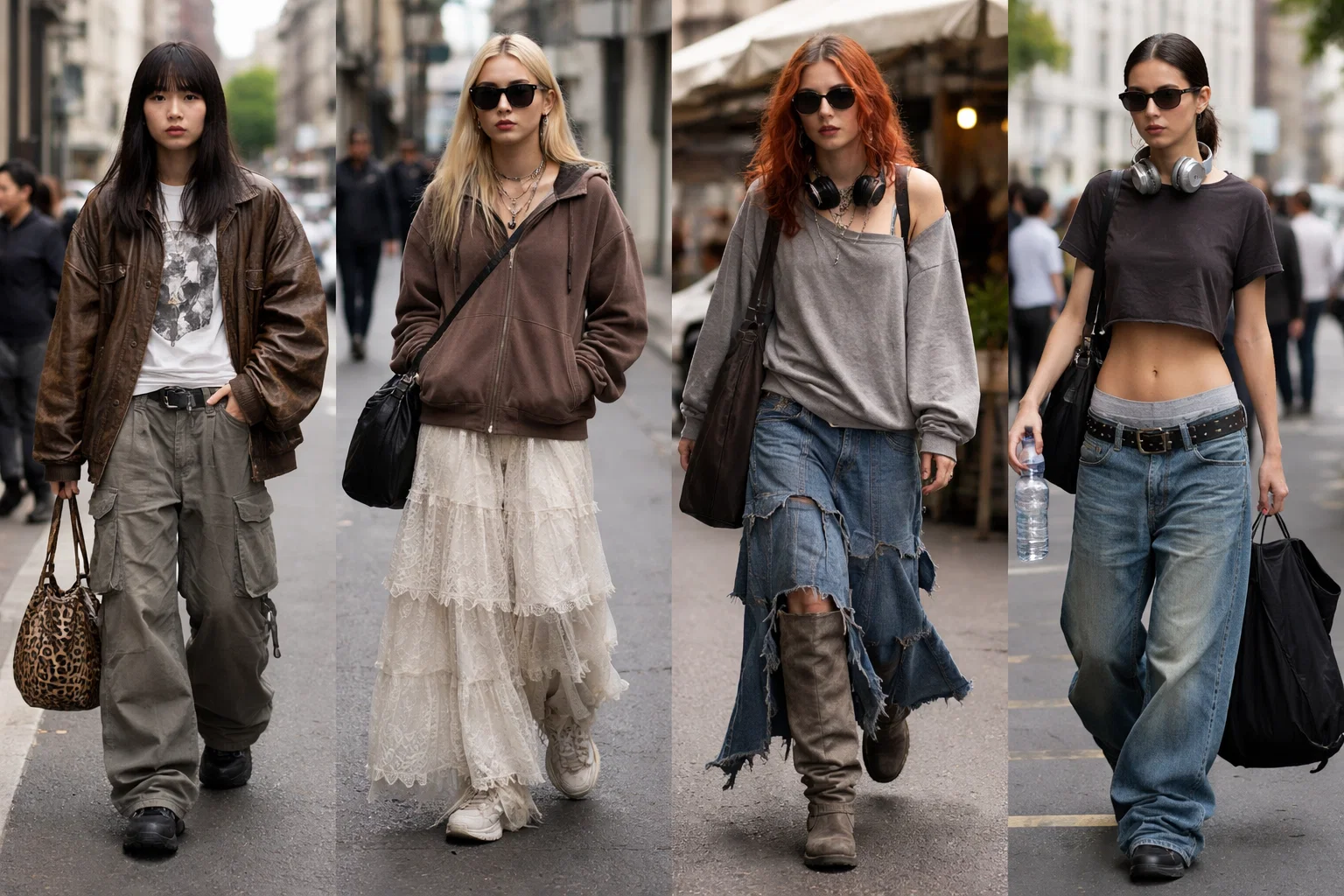
Capsule Wardrobes and Minimal Wardrobe Planning
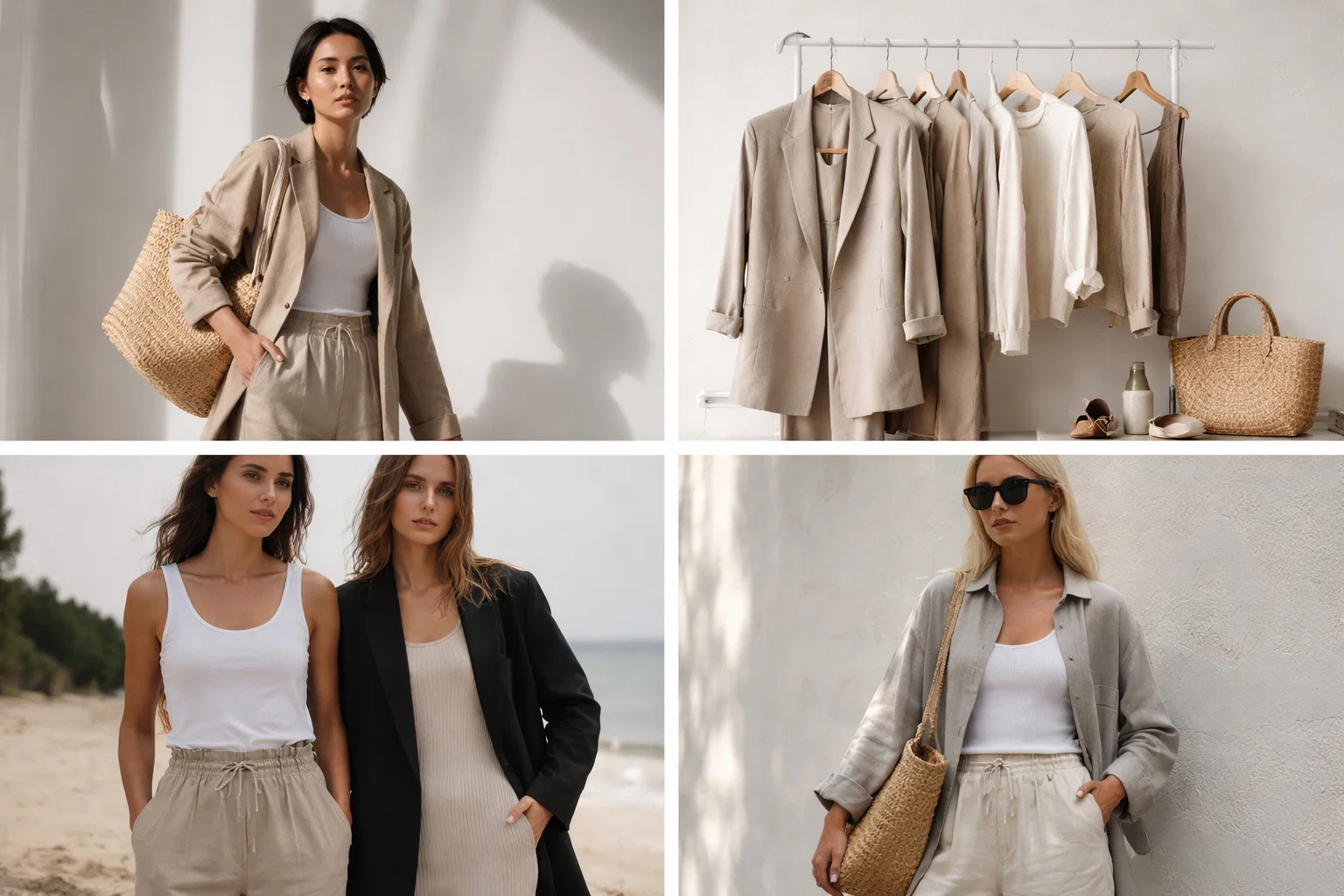
Capsule wardrobes embody the anti-trend aesthetic through minimal wardrobe planning. They consist of a curated selection of versatile, timeless fashion items that can be mixed and matched. This approach reduces clothing consumption and promotes sustainability by encouraging consumers to invest in fewer, high-quality pieces rather than buy fast fashion.
Vintage, Thrifted, and Second-Hand Fashion Revival
The revival of vintage, thrifted, and second-hand fashion aligns with anti-trend values by promoting sustainable practices. These avenues offer unique and affordable fashion clothing while reducing textile waste and the environmental impact of fast fashion brands. Embracing second-hand fashion is a powerful way to avoid fast fashion and support sustainability.
Mixing Timeless Pieces With Personal Expression
Mixing timeless pieces with personal expression allows individuals to create unique, anti-trend styles. By combining classic fashion items with personal touches, consumers curate wardrobes that reflect their individuality. This approach promotes a departure from fleeting fashion trends and encourages a more mindful approach to clothing consumption.
The Economic Shift Behind Fashion Behavior
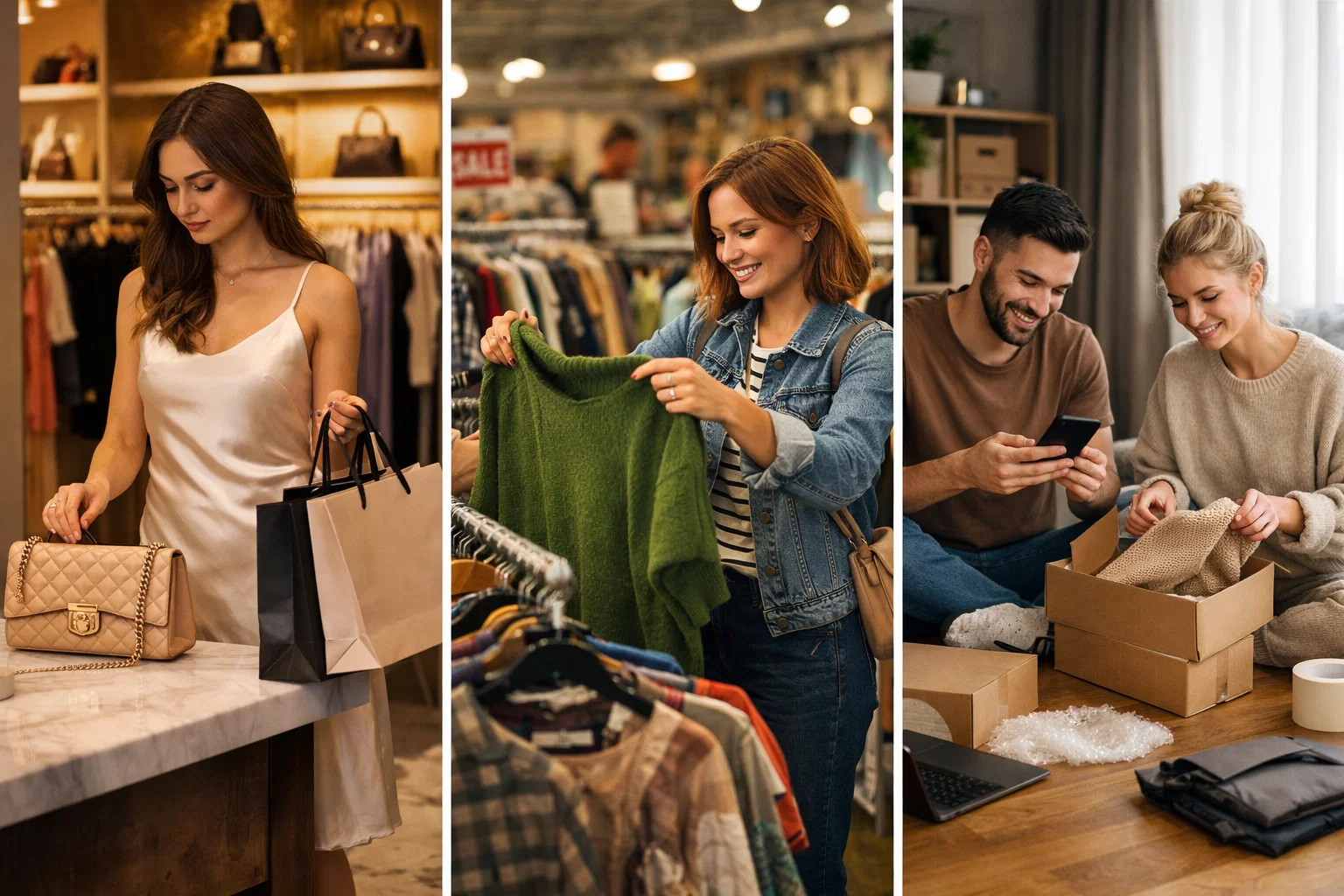
Why “Cheap Fashion” Is Becoming More Expensive Long-Term
“Cheap fashion” is becoming more expensive in the long term due to its poor quality and lack of durability. Consumers often find themselves replacing fast fashion clothing frequently, leading to higher overall costs. Investing in sustainable fashion items, although initially pricier, proves more economical and reduces environmental impact.
Value-Based Purchasing Instead of Impulse Buying
Value-based purchasing is replacing impulse buying as consumers prioritize ethical and sustainable considerations. This shift reflects a growing awareness of the environmental and social impacts of fast fashion consumption. Consumers are increasingly willing to invest in fashion clothing from ethical fashion brands, reducing their reliance on fast fashion.
The Rise of Quality-Over-Quantity Mindset
The rise of a quality-over-quantity mindset is transforming consumer behaviour in the fashion market. Individuals are now prioritizing durability, sustainability, and ethical production over low prices and fleeting fashion trends. This shift reduces the environmental impact associated with overconsumption and supports sustainable fashion practices.
Brands Adapting to the Anti-Trend Movement
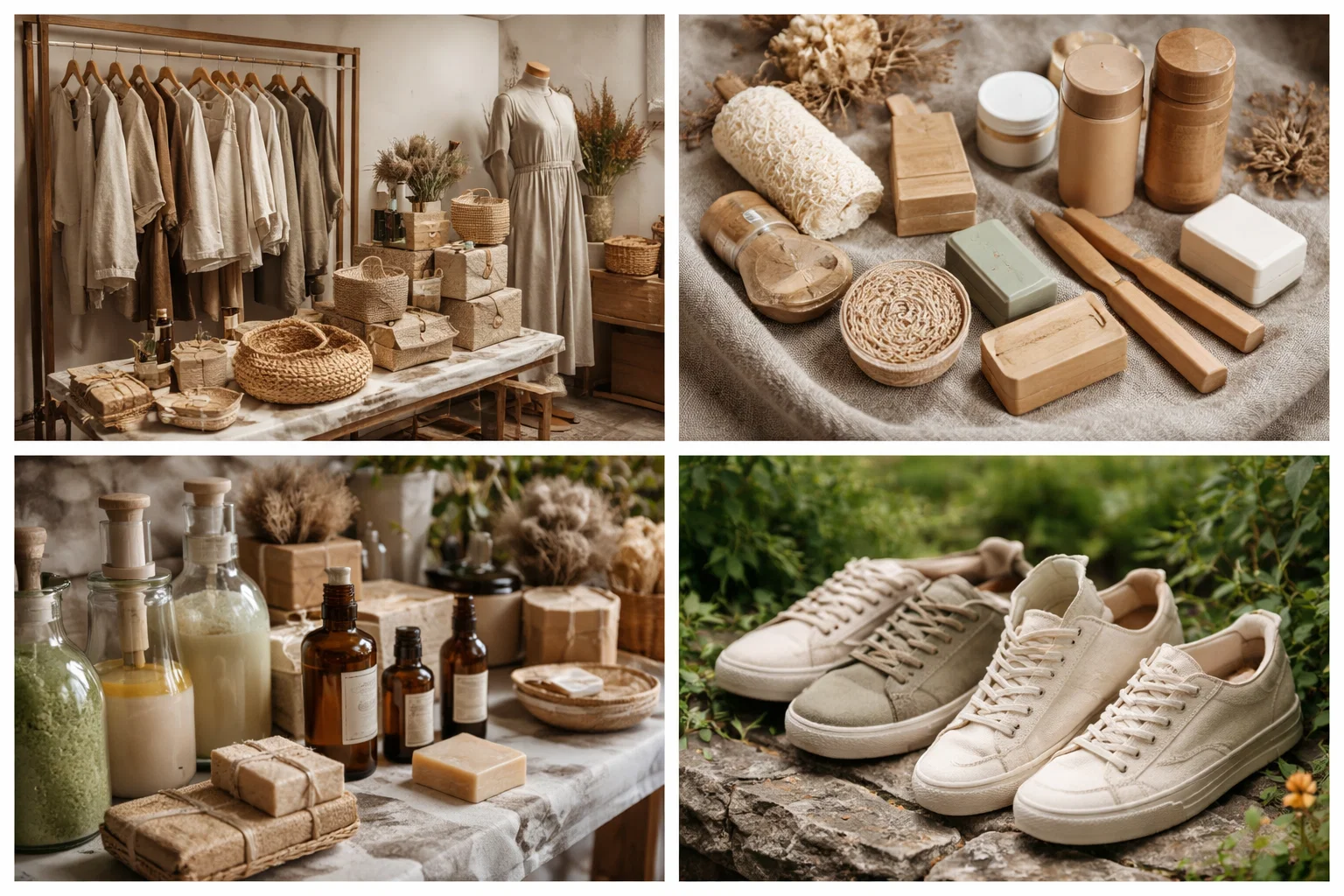
Slow Fashion Labels and Sustainable Collections
Many fashion brands are adapting by launching slow fashion labels and curating sustainable collections to cater to environmentally conscious consumers. These initiatives focus on ethical production, durable fashion clothing, and reducing the environmental impact. This shift towards sustainability allows fashion companies to align with changing consumer expectations, moving away from fast fashion practices.
Rental Fashion and Circular Economy Models
Rental fashion and circular economy models are gaining traction as alternatives to fast fashion purchasing. These models encourage the reuse and recycling of garments, reducing textile waste and overconsumption. By participating in circular fashion, consumers can access a variety of fashion clothing while minimizing their environmental impact and supporting sustainable practices beyond traditional shopping.
Transparency and Ethical Branding as Competitive Advantage
Transparency and ethical branding provide a competitive advantage for fashion companies. Consumers are increasingly seeking information about the supply chain, working conditions, and environmental impact of fashion clothing. Brands that demonstrate a commitment to ethical fashion attract customers who are wary of fast fashion’s negative implications, building lasting trust and loyalty through transparency.
Is Fast Fashion Really Dead? (Balanced Reality Check)
Where Fast Fashion Still Dominates
Fast fashion continues to dominate in certain segments of the fashion market, particularly among consumers who prioritize low prices and quick access to trendy apparel. The business model of fast fashion companies like Shein still attracts a significant customer base despite growing awareness of environmental and social concerns. The popularity of fast fashion persists in areas where affordability trumps sustainability.
Why It Will Not Disappear Completely
Fast fashion will likely not disappear completely due to its affordability and the desire for trend-driven fashion clothing among some consumers. Its ingrained business model and efficient supply chain continue to meet certain consumer needs. However, growing pressure for sustainability and ethical fashion will likely reduce its dominance as more sustainable options become accessible and appealing.
Coexistence of Fast Fashion and Slow Fashion Markets
The future likely involves the coexistence of fast fashion and slow fashion markets. While sustainable fashion and ethical brands gain traction, fast fashion companies may adapt by incorporating sustainable practices to some extent. This balance will cater to diverse consumer needs, with some prioritizing affordability while others opt for sustainability and value-based purchasing over fleeting fast fashion trends.
The Future of Fashion: Post-Trend Culture
From Viral Aesthetics to Personal Style Systems
The future of fashion involves a shift from chasing viral aesthetics to developing personal style systems. Consumers are becoming more intentional about creating wardrobes that reflect their individual identities and values. This approach reduces reliance on fast fashion trends and promotes more sustainable and meaningful clothing consumption patterns.
AI Influence on Personalized Fashion Choices
AI will increasingly influence personalized fashion choices by analyzing individual preferences, body types, and lifestyles. AI-driven platforms can recommend sustainable fashion items and ethical brands that align with personal values. This technology promotes mindful purchasing and reduces the environmental impact associated with impulse fast fashion buying and overconsumption.
The Rise of Digital Minimalism in Fashion Consumption
Digital minimalism in fashion consumption encourages consumers to curate smaller, more intentional online shopping experiences. This involves unfollowing fast fashion brands and influencers, opting for sustainable fashion content, and reducing exposure to constant trend cycles. By minimizing digital clutter, individuals foster a more mindful and sustainable approach to fashion clothing consumption.
Final Verdict: The Shift From Trend Culture to Intentional Dressing
The shift from trend culture to intentional dressing marks a significant evolution in the fashion market. Consumers are increasingly aware of the environmental and social impacts of fast fashion, leading to a desire for more sustainable and ethical choices. This movement emphasizes personal style, quality, and mindful consumption over chasing fleeting trends, reshaping the future of fashion towards greater responsibility.