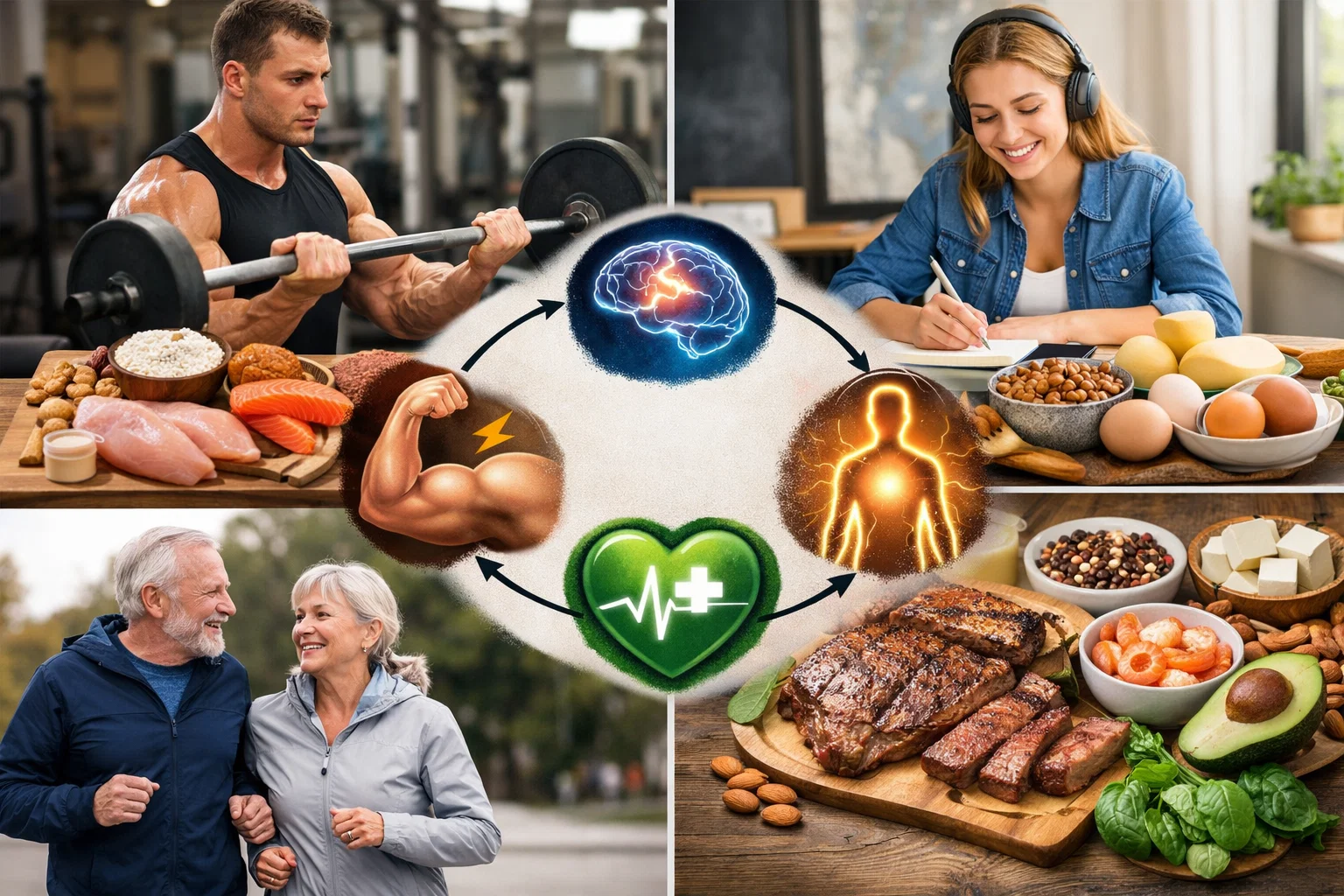
Embark on a journey to discover how 20 different amino acids are the unsung heroes of your health. This guide illuminates the profound impact of these essential nutrients on muscle development, cognitive function, and overall well-being. Learn how optimizing your intake of amino acid-rich foods can transform your health.
Why Amino Acids Are the Foundation of Human Health
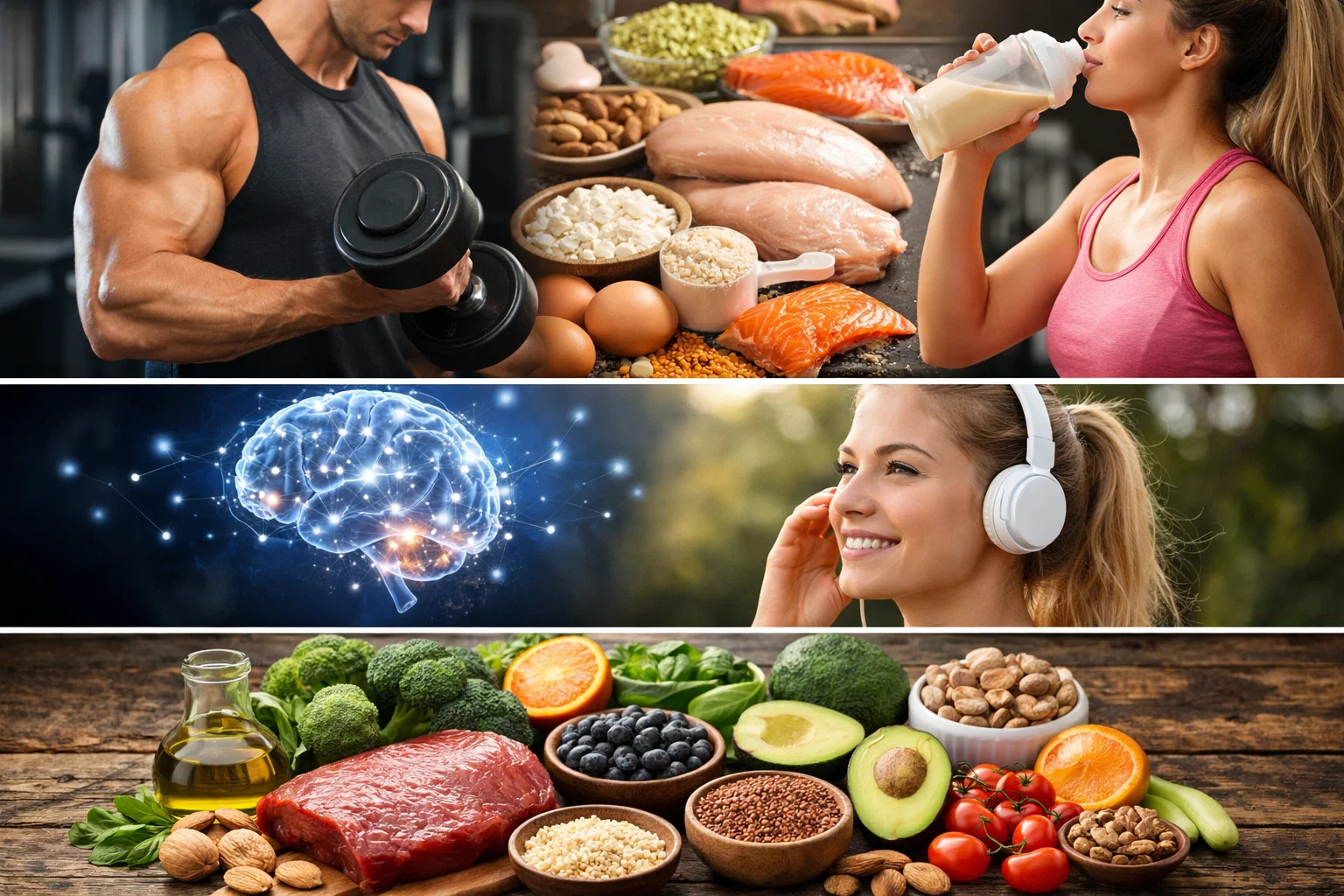
What makes amino acids essential for survival and daily performance
Amino acids are the building blocks of protein and are essential for life. The body needs them to create essential proteins. There are 20 different amino acids, nine of which are essential; these the body cannot produce and must get from food sources. These acids play crucial roles in everything from building muscle mass to supporting brain function.
Why modern diets often fall short in amino acid quality and balance
Many modern diets, often laden with processed foods, lack the necessary amino acids for optimal health. Without a balanced diet rich in protein sources, our bodies miss out on the essential amino acids needed for protein synthesis, leading to potential deficiencies that can impact muscle health, brain health, and overall bodily functions.
Understanding Amino Acids: The Building Blocks of Life
Essential vs non-essential amino acids explained simply
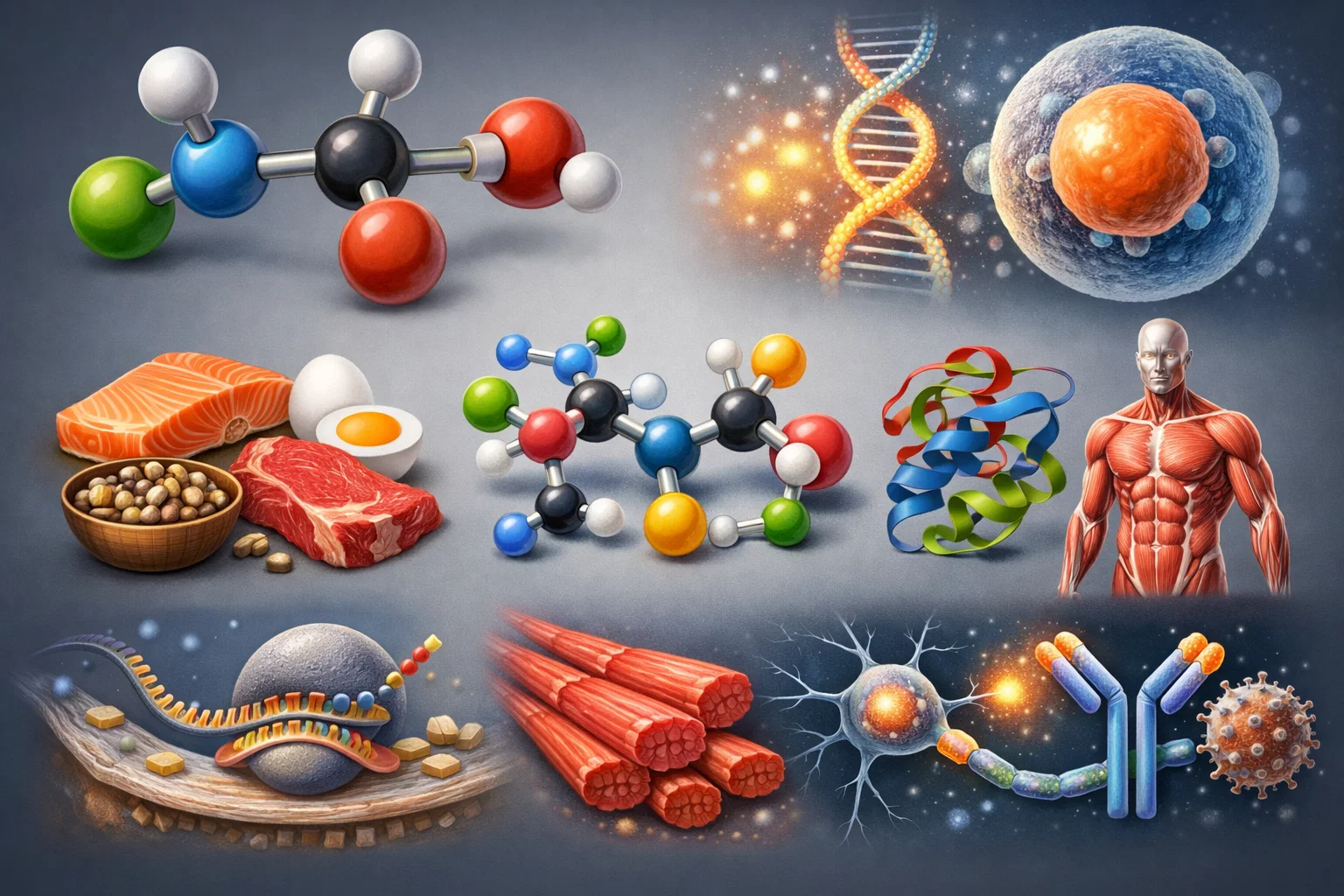
Of the 20 amino acids, nine are called essential amino acids because the body cannot produce them and must get them from food. Nonessential amino acids, on the other hand, can be synthesized by the body. Both types are crucial building blocks of protein and must be consumed through dietary sources to maintain optimal health.
Complete vs incomplete protein sources and why it matters
Complete protein sources contain all nine essential amino acids and are often contrasted with incomplete sources. These incomplete sources have the following characteristics:
- They often are plant-based.
- They lack one or more of the essential amino acids.
It’s important to combine foods to ensure a complete amino acid profile for optimal body function.
How amino acids are absorbed and used by the body
When you consume protein, your body breaks it down into individual amino acids, which are then absorbed into the bloodstream. These amino acids are then used to build and repair tissues, produce enzymes and hormones, and support various bodily functions. Efficient absorption ensures that your body can effectively utilize these building blocks of protein.
How Amino Acid–Rich Foods Build Strong Muscles
Muscle protein synthesis: the biological growth process
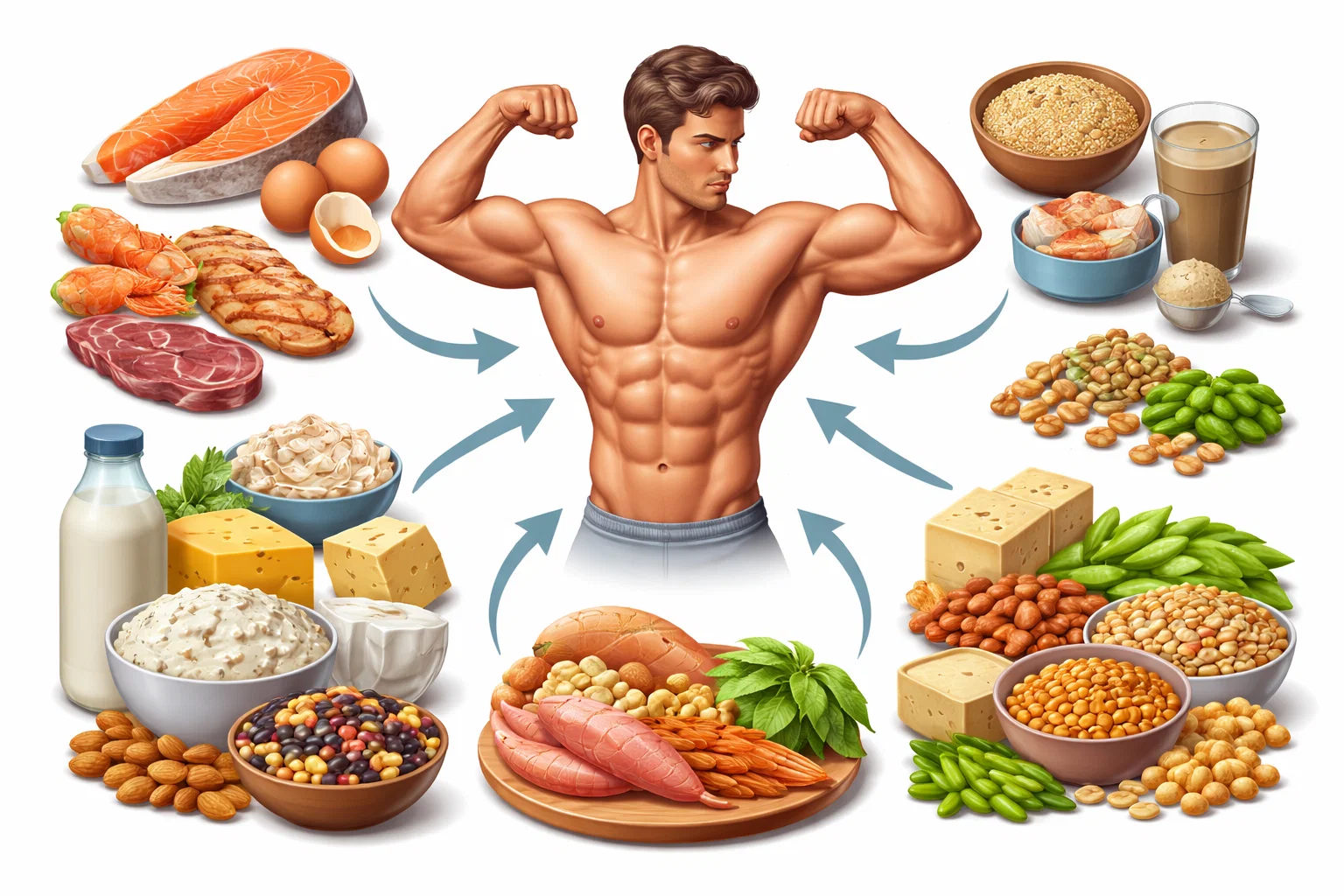
Muscle protein synthesis is the biological process where amino acids are used to repair and build muscle tissue. Consuming sufficient protein, especially foods rich in amino acids, after exercise provides the necessary building blocks for this process. A diet rich in essential amino acids ensures muscles receive the nutrients to grow stronger and larger.
Role of BCAAs (leucine, isoleucine, valine) in muscle recovery
Branched-chain amino acids (BCAAs), including leucine, isoleucine, and valine, play a crucial role in muscle recovery and growth. These essential amino acids are directly involved in protein synthesis and can help reduce muscle soreness and fatigue after intense exercise. Supplementation with branched-chain amino acids can further enhance muscle repair.
Best animal-based amino acid sources for muscle gain
For those looking to maximize muscle gain, animal-based sources are a superior choice as they are packed with all essential amino acids. Excellent options include:
- Eggs, which offer a complete protein profile
- Chicken, a lean source of high-quality protein
- Beef, which is rich in creatine and amino acids to support muscle metabolism
Best plant-based amino acid sources for muscle support
Plant-based diets can be highly effective for muscle growth when they include a variety of protein sources. Some excellent choices are:
- Quinoa, a complete protein with all nine essential amino acids.
- Lentils, which provide both protein and fiber.
Combining these with other foods, such as nuts and seeds, can help you ensure you get all the amino acids your body needs.
How timing protein intake affects muscle growth results
The timing of protein intake is crucial for muscle growth. Consuming protein and foods rich in amino acids shortly after a workout can optimize muscle protein synthesis. A consistent intake of dietary protein throughout the day, including before bedtime, ensures a steady supply of amino acids to support muscle repair and growth.
The Impact of Amino Acids on Brain Function and Mental Performance
How amino acids create neurotransmitters (dopamine, serotonin, etc.)
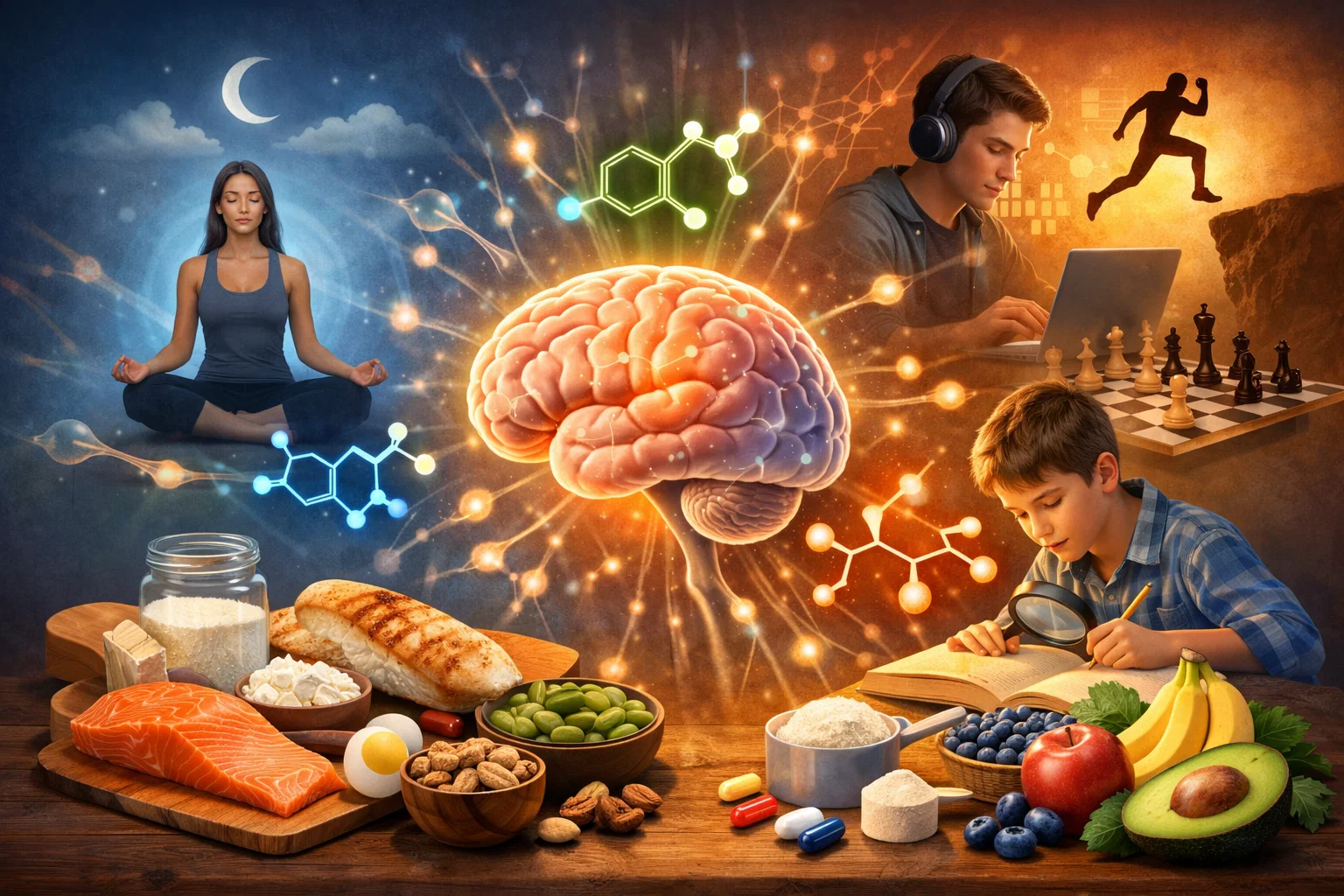
Certain amino acids are fundamental building blocks of neurotransmitters, influencing mood, focus, and overall brain function. For example, tryptophan is a precursor to serotonin, which helps regulate mood and sleep. Similarly, glutamic acid is involved in the synthesis of glutamine and other neurotransmitters essential for brain cells. Therefore, getting 20 different amino acids is essential for brain health.
Foods that improve focus, memory, and cognitive clarity
To enhance focus, memory, and cognitive clarity, incorporating amino acid-rich foods into your dietary routine is key. Foods that are high in omega-3 fatty acids and essential amino acids may help support brain health. A balanced diet rich in these nutrients can provide the building blocks of protein needed for optimal brain function and neurotransmitter synthesis.
The connection between amino acids and stress reduction
Amino acids play a significant role in managing stress levels. Certain amino acids, like tryptophan and glycine, have calming effects and can help reduce anxiety. Tryptophan helps synthesize serotonin. Ensuring you consume an adequate amount of essential amino acids through protein sources can support the production of these calming neurotransmitters and promote relaxation and mental well-being.
Amino acids and sleep quality: what the science shows
Scientific research indicates that amino acids are essential for sleep quality. Tryptophan, for instance, is converted into serotonin and melatonin, both crucial for regulating sleep patterns. Including foods with this essential amino acid, as well as glutamine, in your evening meals may improve your sleep. Thus, 20 different amino acids can help with improving sleep quality.
Amino Acids and Overall Body Health: Beyond Muscle and Brain
Immune system support and faster recovery from illness
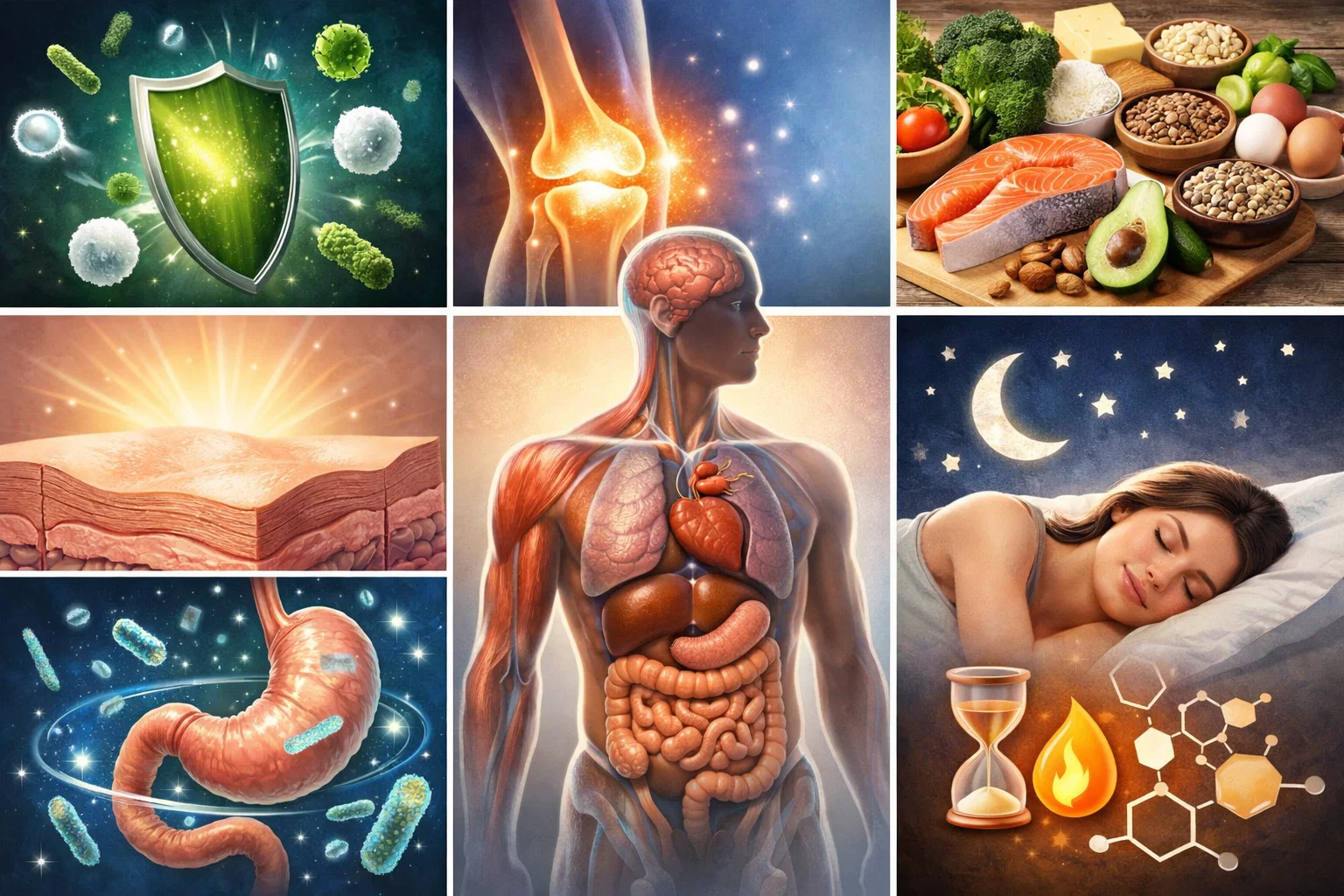
Amino acids play a vital role in supporting the immune system and promoting faster recovery from illness. As building blocks of protein, amino acids are essential for producing antibodies and immune cells that fight off infections. Foods rich in amino acids help maintain a strong immune system and aid in tissue repair and regeneration during recovery.
Skin, hair, and tissue regeneration through protein intake
Protein intake, which is broken down into amino acids, is essential for skin, hair, and tissue regeneration. Amino acids are the building blocks of collagen and elastin, proteins that provide structure and elasticity to the skin. A dietary intake of essential amino acids ensures the body has the necessary components to repair damaged tissues and maintain healthy skin and hair.
Hormone regulation and metabolic balance explained
Amino acids play a pivotal role in hormone regulation and maintaining metabolic balance. As building blocks of protein, amino acids are involved in the synthesis of various hormones that regulate essential bodily functions. Consuming foods rich in amino acids ensures the body has the necessary building blocks of protein to maintain a healthy hormonal and metabolic environment.
Role in enzyme production and digestion efficiency
Amino acids are critical for enzyme production, which in turn, enhances digestion efficiency. Enzymes, composed of proteins built from amino acids, facilitate the breakdown of food into smaller, absorbable components. Incorporating foods rich in amino acids ensures the body has the necessary amino acids for enzyme synthesis and optimized digestive processes and function.
Best Amino Acid–Rich Foods You Should Eat Daily
Animal-based sources: eggs, chicken, fish, dairy, beef
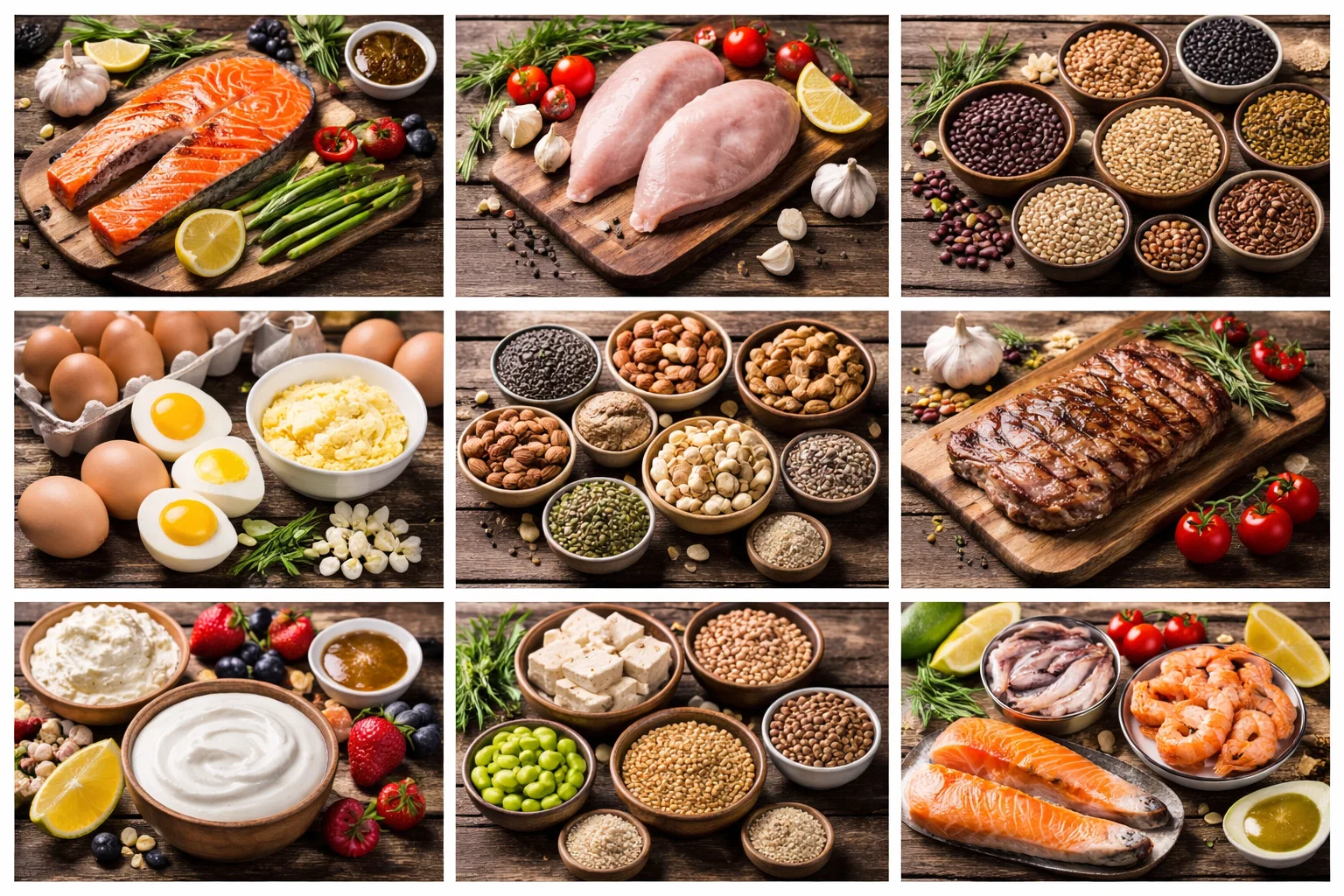
Animal-based sources are excellent for obtaining a complete profile of essential amino acids. Eggs, chicken, fish, dairy, and beef are rich in all nine essential amino acids that the body needs. Incorporating these foods into your balanced diet ensures you receive a high-quality essential amino acid which promotes various bodily functions, including muscle metabolism.
Plant-based sources: quinoa, lentils, soy, nuts, seeds
Plant-based sources, like quinoa, lentils, soy, nuts, and seeds, offer a wealth of amino acids that support muscle health. These foods are essential for vegetarians and vegans. Quinoa and soy are complete proteins, containing all nine essential amino acids, while combining lentils, nuts, and seeds can provide a complete amino acid profile, supporting muscle health.
Combining foods for complete amino acid profiles
Achieving a complete amino acid profile can be easily accomplished by combining different protein sources. For example, pairing legumes (like lentils) with grains (like rice) ensures you obtain all essential amino acids. A balanced approach to dietary protein sources, incorporating foods rich in amino acids, supports optimal protein synthesis. Thus, 20 different amino acids help with building protein.
Common Deficiencies and Signs Your Body Lacks Amino Acids

Physical symptoms (fatigue, weak muscles, slow healing)
Physical symptoms of an amino acid deficiency can manifest in various ways, impacting overall health. Common signs include persistent fatigue, unexplained muscle weakness, and slow wound healing. These symptoms often indicate that the body needs more dietary protein and essential amino acids, which are the building blocks of protein, to support its various functions.
Mental symptoms (brain fog, low mood, poor focus)
Mental symptoms associated with an amino acid deficiency can significantly affect cognitive function and emotional well-being. Individuals may experience brain fog, a persistent state of mental confusion and reduced clarity. In addition, low mood, irritability, and poor focus are common indicators that brain health may be suffering from a lack of building blocks of protein.
Who is most at risk of deficiency
Several groups are particularly at risk of amino acid deficiency. Vegans and vegetarians, who rely solely on plant-based protein sources, must eat a balanced diet to ensure they receive all nine essential amino acids. Elderly individuals, those with certain medical conditions, and athletes with high protein needs are also vulnerable and may need amino acid supplements.
How to Optimize Amino Acid Intake for Maximum Results

Protein timing strategies (morning, post-workout, night)
Strategic protein timing can significantly enhance the benefits of amino acid intake. Consuming protein and foods rich in amino acids in the morning helps kickstart metabolism and brain function. Post-workout intake supports muscle metabolism and muscle mass. A casein-rich protein source before bed promotes overnight repair, ensuring the body gets the amount required.
Balancing plant and animal protein for optimal nutrition
A balanced approach to protein intake involves incorporating both plant and animal sources to maximize nutritional benefits. Animal proteins offer a complete amino acid profile, while plant-based proteins often need strategic combining. Pairing foods rich in amino acids helps to ensure a comprehensive intake of all essential amino acids for building blocks of protein, supporting overall health.
Daily protein intake recommendations based on goals
Daily protein intake recommendations vary based on individual goals and activity levels. For sedentary individuals, 0.8 grams of protein per kilogram of body weight is generally sufficient. However, athletes and those looking to build muscle metabolism may require 1.2 to 1.7 grams per kilogram, and must get these amino acids.
Myths vs Facts About Amino Acids and Protein Foods
“You only need protein for bodybuilding” myth explained
The misconception that protein is only essential for bodybuilding is a myth. While bodybuilders benefit from high protein intake for muscle growth, dietary protein is crucial for various bodily functions. Amino acids play vital roles in hormone production, immune system support, and tissue repair, regardless of muscle mass or fitness goals, making it essential for overall health.
“Plant protein is always incomplete” misconception
The statement that “plant protein is always incomplete” is a misconception that needs clarification. While it’s true that many plant-based protein sources lack one or more essential amino acids, it doesn’t mean they are nutritionally inferior. Consuming a variety of plant-based proteins throughout the day can ensure a complete amino acid profile and balanced diet.
“More protein always means more muscle” truth
The idea that “more protein always means more muscle” is not entirely accurate. While adequate protein intake is essential for muscle growth, there’s a limit to how much the body can effectively utilize. Excess protein intake can lead to other nutrients being neglected and cause increased strain on the kidneys, potentially leading to health issues.
Advanced Insight: How Amino Acids Influence Longevity and Aging
Collagen production and anti-aging effects
As we age, collagen production naturally declines, leading to wrinkles and reduced skin elasticity. Adequate intake of amino acids is vital, since amino acids are the building blocks of protein, to support collagen synthesis. Foods rich in amino acids, particularly proline and glycine, can help promote healthier skin and overall anti-aging effects. These amino acids play a key role in keeping your skin young.
Cellular repair and mitochondrial health support
Amino acids play a crucial role in cellular repair and maintaining mitochondrial health, essential for longevity. As building blocks of protein, they facilitate the repair of damaged cells and support the function of mitochondria, the powerhouses of cells. Foods rich in amino acids ensure the body gets essential components for building blocks of protein and energy production, slowing down the aging process and increasing brain health.
Inflammation control and chronic disease prevention
Chronic inflammation is a major contributor to aging and various diseases. Certain amino acids possess anti-inflammatory properties that can help regulate the inflammatory response. Consuming foods rich in amino acids and branched-chain amino acids can promote a balanced diet. These essential amino acids play a crucial role in maintaining long-term health and preventing chronic conditions.
Practical Daily Meal Plan for Amino Acid Optimization
High-protein breakfast ideas for brain and energy boost
Start your day with a high-protein breakfast to boost brain function and energy levels. Consider options like eggs with avocado, Greek yogurt with berries and nuts, or a protein-packed smoothie. These choices provide essential amino acids and building blocks of protein necessary for neurotransmitter synthesis, supporting optimal cognitive function and sustained energy throughout the morning. These amino acids play a role in focus.
Balanced lunch for muscle recovery and metabolism support
For lunch, aim for a balanced meal that supports muscle recovery and sustains metabolism. Good choices include grilled chicken salad with mixed greens, quinoa with roasted vegetables and tofu, or a lentil soup with whole-grain bread. These options provide a mix of essential amino acids and building blocks of protein, supporting muscle repair and sustained energy levels. This intake may help boost brain health.
Recovery-focused dinner for overnight repair
A recovery-focused dinner should emphasize easy-to-digest protein and essential amino acids to support overnight repair. Consider options like baked fish with steamed vegetables, turkey meatballs with zucchini noodles, or a plant-based lentil pasta dish. Including foods rich in amino acids and tryptophan supports muscle recovery, promotes relaxation, and enhances sleep quality. These amino acids play a role in the recovery process.
Conclusion: Why Amino Acids Are the Core of a Healthy Body and Mind
Amino acids are fundamentally the core of a healthy body and mind, essential for everything from muscle metabolism and brain function to immune support and longevity. By prioritizing a balanced diet rich in foods rich in amino acids and branched-chain amino acids and these building blocks of protein, you can optimize your overall health and well-being. Ensure your body gets the essential nutrients!