European history is filled with remarkable events that have shaped the world we live in today. From the rise and fall of powerful empires to groundbreaking cultural movements, devastating wars, and revolutionary discoveries, the continent has witnessed some of the most influential turning points in human civilization. These events transformed political systems, changed national borders, introduced new ideas, and influenced societies far beyond Europe’s boundaries. Some marked the beginning of entirely new historical eras, while others brought centuries-old traditions and institutions to an end. Understanding these milestones helps us appreciate how modern Europe developed and why the continent holds such an important place in world history. In this article, we explore the Top 10 Most Important Events in European History, examining what happened, why each event was significant, and how its consequences continue to influence the modern world.
1. The Fall of the Western Roman Empire (476 AD)
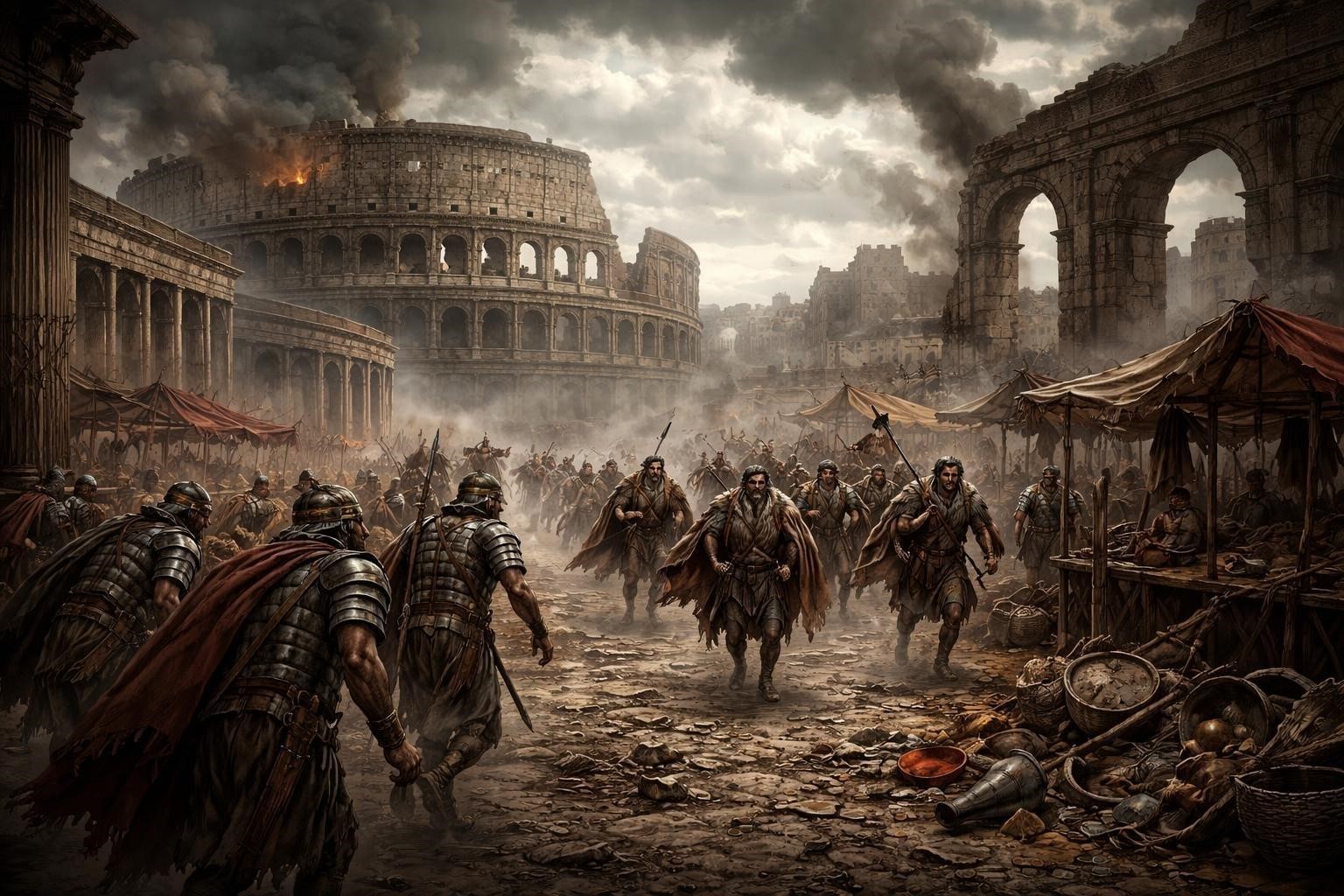
The collapse of a mighty empire stands as a monumental event in human history that permanently shifted power dynamics and restructured political boundaries throughout Western Europe.
How the Roman Empire Collapsed and What Caused Its Downfall
The central authority of the Roman emperor was weakened by several critical factors, leading directly to the disintegration of ancient administrative systems:
- Internal corruption
- Economic instability
- Relentless barbarian invasions
How the Fall of Rome Transformed Medieval Europe
As centralized rule dissolved, the Holy Roman Empire emerged alongside localized feudal structures, creating a fragmented society that defined the early medieval period.
2. The Renaissance (14th–16th Centuries)
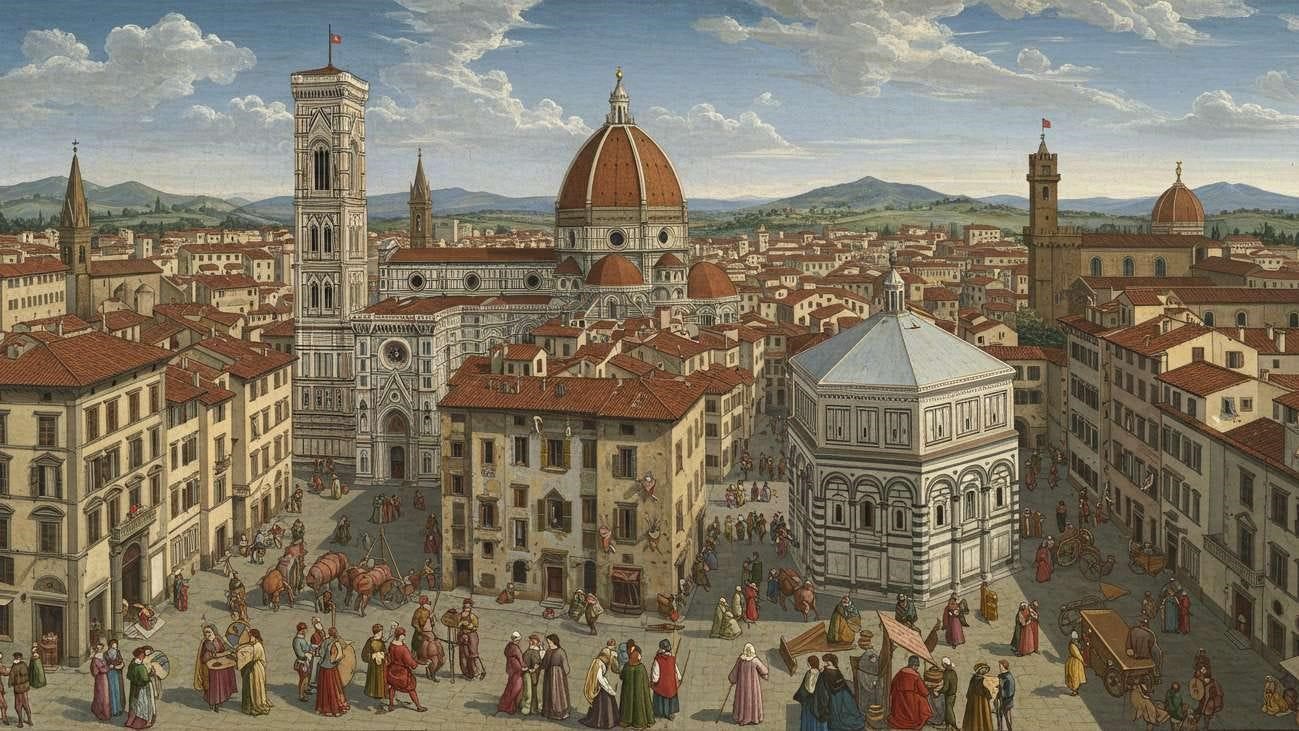
This cultural rebirth sparked an intellectual awakening that redefined art, science, and philosophy, leaving behind a legacy of famous historical events that inspired generations.
How the Renaissance Began in Italy and Spread Across Europe
Thriving Italian city-states fueled by trade fostered an environment where classical knowledge was rediscovered, eventually diffusing new ideas throughout neighboring European countries.
The Greatest Renaissance Artists, Thinkers, and Their Contributions
Visionary masters and scholars revolutionized creative expression and humanism, challenging traditional dogmas and establishing new standards for intellectual inquiry that resonated globally.
How the Renaissance Changed European Art, Science, and Education
Empirical observation and perspective transformed academic curricula and artistic output, laying the intellectual groundwork for modern scientific exploration and enlightened governance.
3. The Invention of the Printing Press (c. 1440)
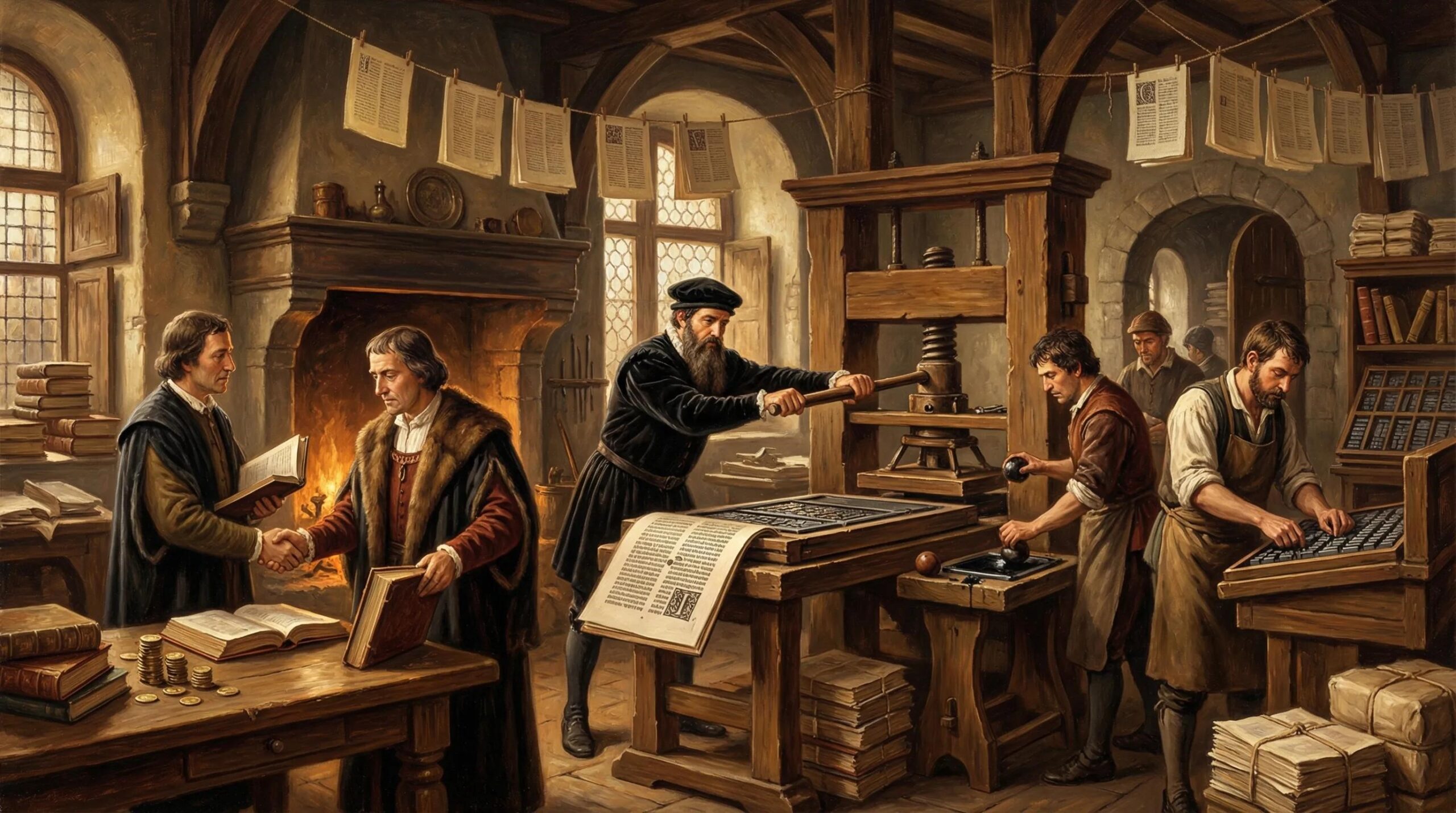
Mechanical movable type revolutionized information dissemination, ensuring that major events and scientific discoveries could be shared rapidly with a much wider audience.
Johannes Gutenberg and the Revolution in Printing
The ingenious craftsmanship of Gutenberg enabled mass production of texts, dismantling the monopoly on knowledge previously held by elite institutions and religious authorities.
How Printed Books Transformed Education, Religion, and Communication
Increased literacy rates and accessible scriptures empowered ordinary citizens, accelerating religious reform movements and transforming how societies communicated across vast distances.
4. The Fall of Constantinople (1453)
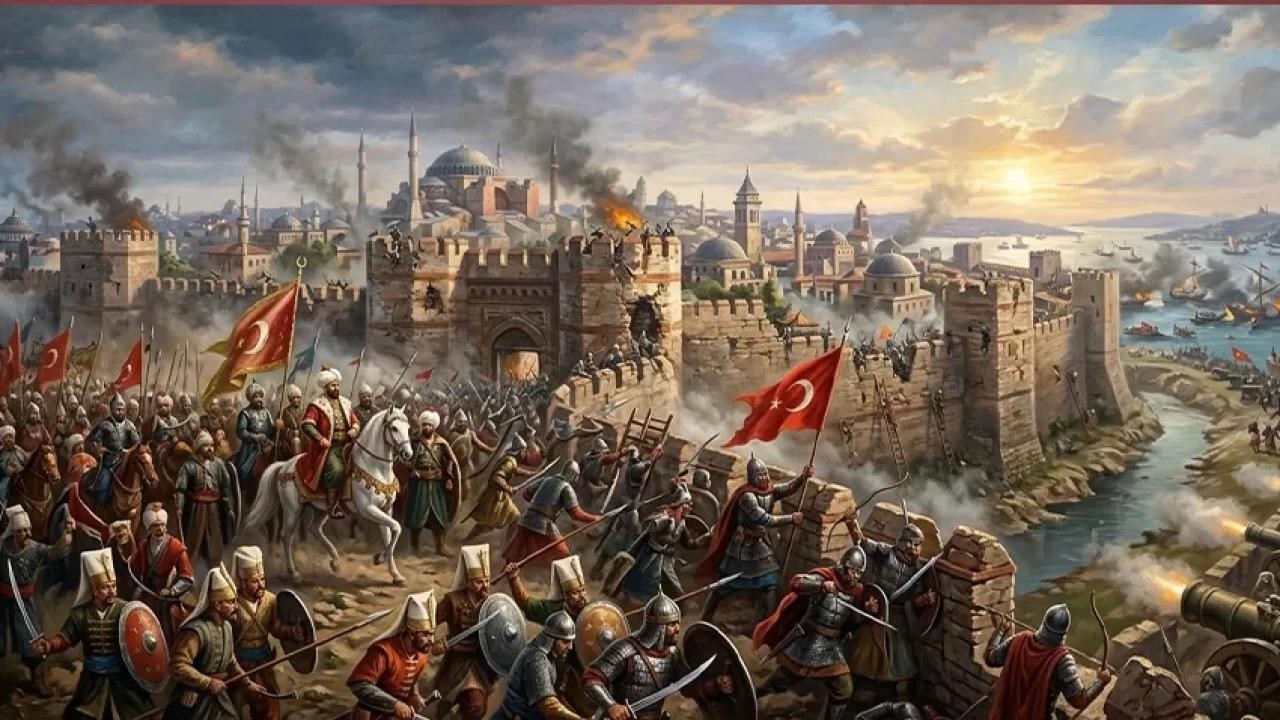
The historic siege in 1453 marked a geopolitical turning point that permanently altered trade routes and military strategies across both eastern and western territories.
Why the Ottoman Empire Conquered Constantinople
Strategic military superiority and advanced artillery allowed the formidable Ottoman Empire to breach the legendary Byzantine fortifications after a prolonged and brutal blockade.
The End of the Byzantine Empire and Its Historical Consequences
The fall of this ancient capital extinguished the remnants of classical antiquity, forcing European powers to seek alternative maritime trade routes toward Asia.
5. The Protestant Reformation (1517)
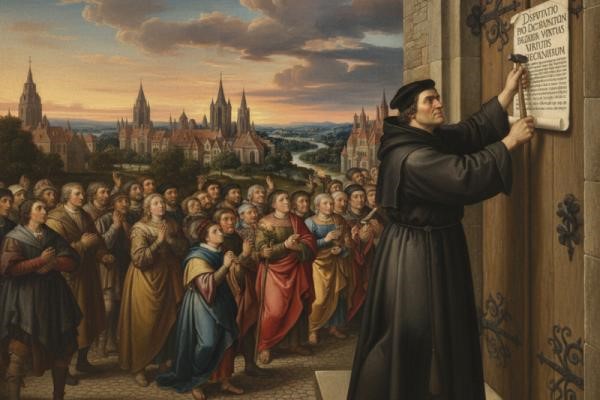
The religious reformation in 1517 shook the foundations of the Western world, as this profound spiritual uprising challenged traditional authorities and significantly changed the course of European history forever.
Martin Luther’s Challenge to the Catholic Church
A courageous German theologian posted his critical theses against corruption, sparking a massive religious revolution that questioned papal supremacy and inspired countless individuals across European countries to seek reform.
How the Reformation Divided Christianity and Reshaped European Politics
Diverging theological beliefs fractured religious unity across the continent, igniting bitter conflicts among rulers and altering the delicate balance of power within the developing modern nation-states.
6. The French Revolution (1789–1799)
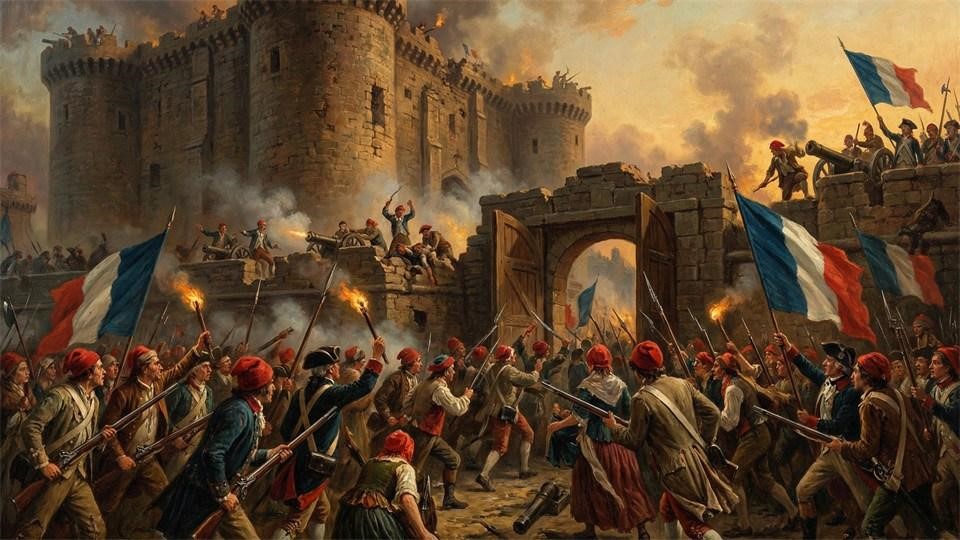
The dramatic upheaval of the French Revolution in 1789 dismantled absolute monarchy, profoundly transforming European history and inspiring countless liberty movements throughout the wider Western world.
The Causes of the French Revolution and the Storming of the Bastille
Desperate citizens were pushed into open rebellion, culminating in the historic storming of the Bastille fortress by angry revolutionaries due to:
- Severe economic hardship
- Widespread inequality
- Oppressive taxation
Key Figures and Major Events of the Revolution
Charismatic leaders rose to power during this chaotic era of major events, steering the National Assembly through radical transformations that permanently eradicated traditional feudal privileges in France.
How Revolutionary Ideas Changed European Governments and Society
Core democratic principles emphasizing liberty, equality, and fraternity spread rapidly across Europe, undermining traditional autocratic regimes and reshaping political ideologies for generations of future citizens.
7. The Industrial Revolution (18th–19th Centuries)
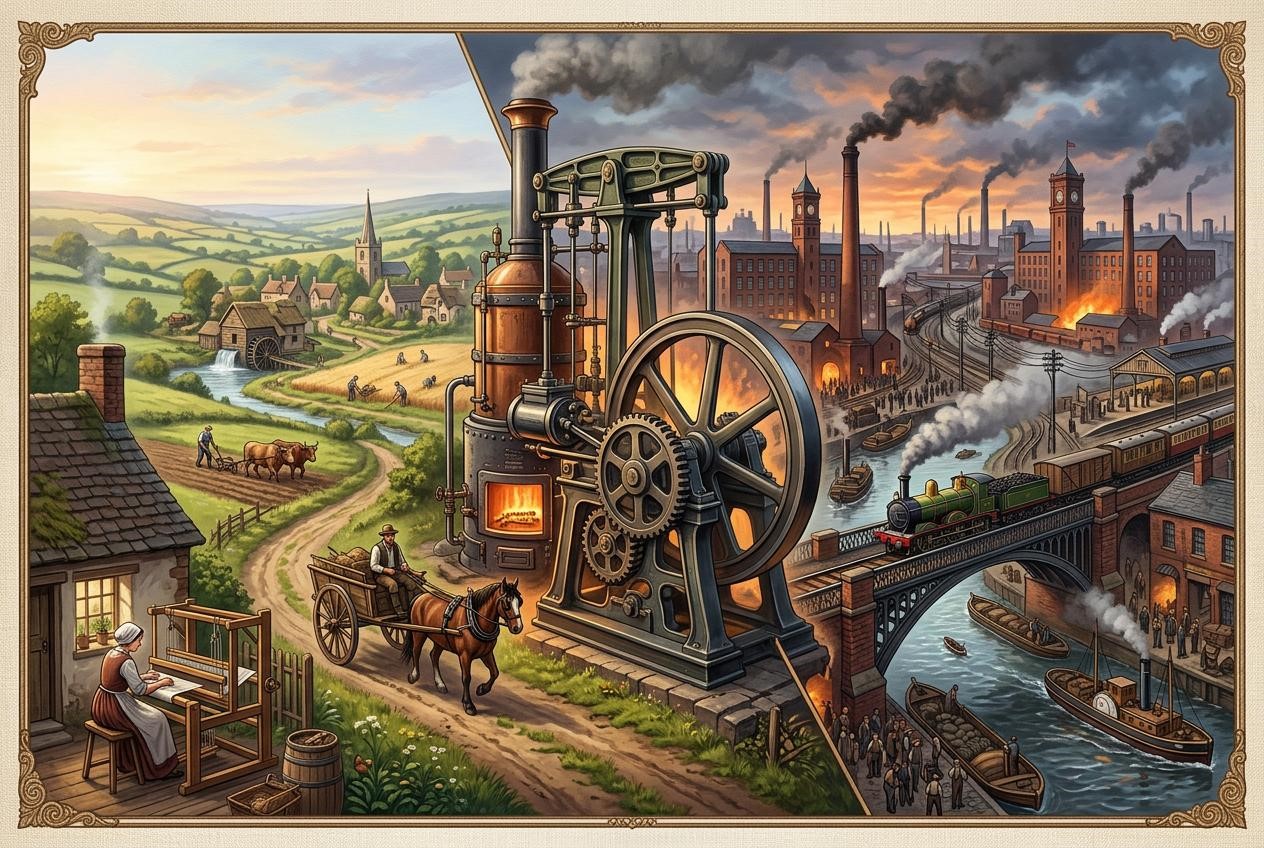
The monumental Industrial Revolution completely redefined human labor, manufacturing, and global economics, standing among the most important events in world history.
Why Industrialization Began in Britain
Abundant natural resources, technological innovation, and a stable financial system allowed Britain to pioneer industrialization, setting a transformative economic model that soon influenced much of the world.
The Inventions and Technologies That Transformed European Industry
European nations underwent a major shift as traditional agrarian practices were replaced by modern factory systems. This transformation was driven by several key developments, including:
- Revolutionary steam engines
- Advanced mechanization
- Improved transportation networks
Together, these innovations drastically increased production capacities across the region.
How Industrialization Changed Cities, Working Conditions, and Everyday Life
Rapid urbanization concentrated populations into crowded industrial centers, creating severe social challenges while simultaneously fostering new labor movements dedicated to improving difficult working conditions for everyday citizens.
8. World War I (1914–1918)
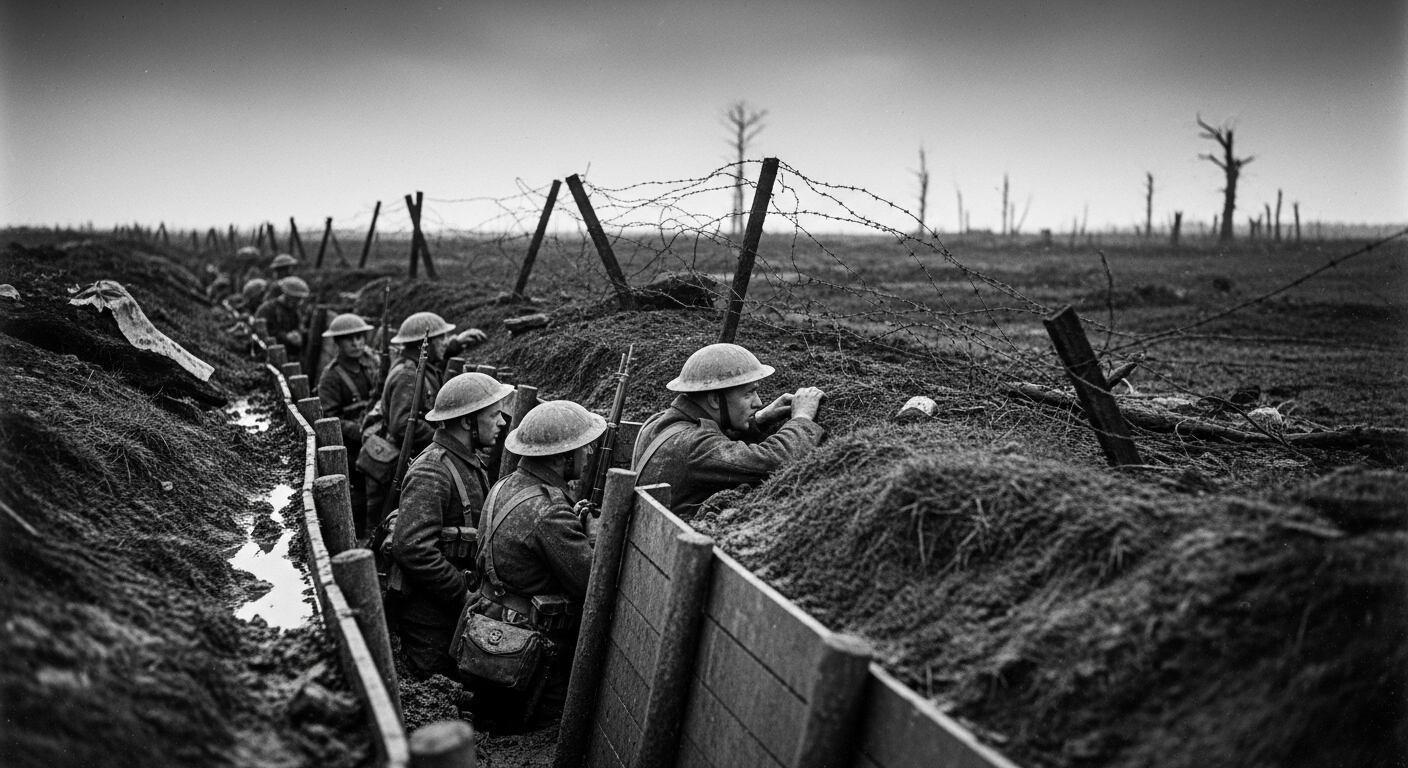
The devastating First World War represented a catastrophic global conflict that shattered enduring imperial dynasties and forever altered the trajectory of modern European history.
The Causes of World War I and the Assassination That Sparked It
Complex webs of secret alliances, aggressive nationalism, and intense militarism created a volatile political environment, which finally exploded following the tragic assassination of an archduke.
Major Battles, Alliances, and Turning Points
Stalemate trench warfare across blood-soaked battlefields drained the resources of participating nations, until decisive military interventions and shifting alliances ultimately concluded this immense tragedy of the modern era.
How the War Destroyed European Empires and Redrew National Borders
The collapse of four major empires reshaped the geopolitical map of Eastern Europe and Western Europe, establishing new sovereign states and planting the seeds for future international tensions.
9. World War II (1939–1945)
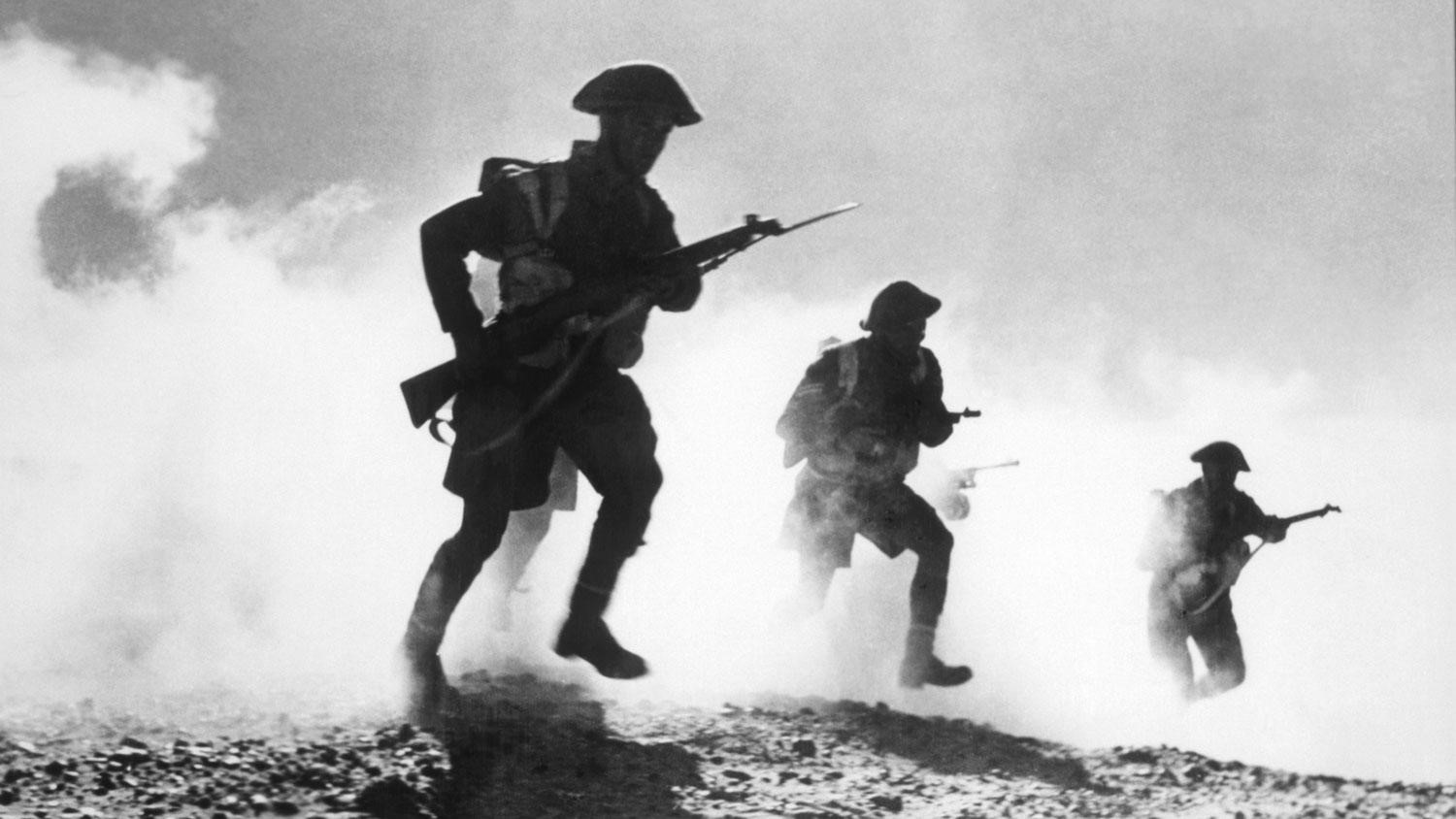
The Second World War engulfed the Western world in unprecedented devastation, ranking among the most defining events in world history that fundamentally reshaped global politics.
The Rise of Nazi Germany and the Causes of World War II
Aggressive nationalism and unchecked totalitarian ambitions fueled the rapid rise of fascism across European countries, directly triggering a catastrophic global conflict that altered European history forever.
The Holocaust, Major Battles, and the Liberation of Europe
Unimaginable atrocities marked this dark period of the history of the world, while immense military campaigns across Eastern Europe and Western Europe ultimately achieved liberation.
How World War II Reshaped Europe and the Global Balance of Power
The conclusion of this monumental event in human history dismantled traditional imperial structures, dividing the continent and establishing new geopolitical superpowers that dominated the twentieth century.
10. The Fall of the Berlin Wall (1989)
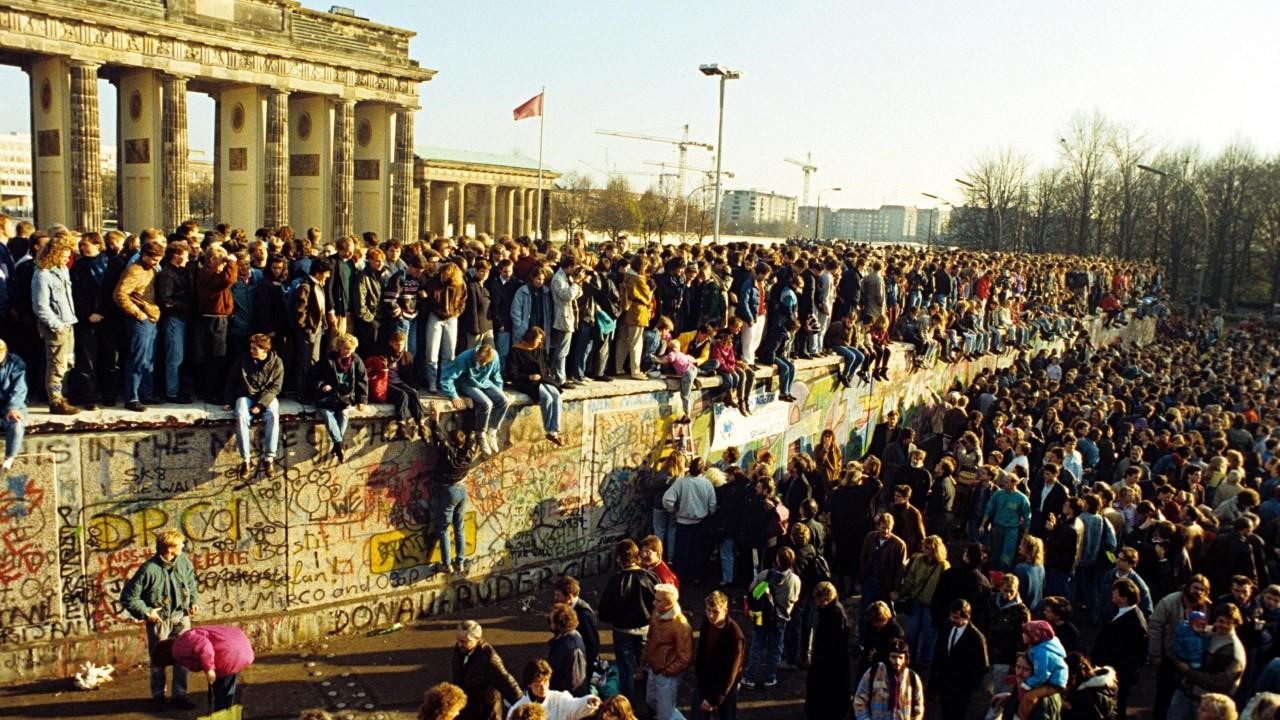
The peaceful dismantling of the Berlin Wall signified a miraculous turning point for the Western world, concluding decades of ideological division during a tense period of modern history.
Why Germany Was Divided After World War II
Post-war agreements partitioned the defeated nation into distinct zones of influence, turning Berlin into a major focal point of geopolitical rivalry between competing global superpowers.
The Events Leading to the Fall of the Berlin Wall
Growing public dissatisfaction, economic stagnation, and widespread protests against oppressive regimes galvanized courageous citizens across Eastern Europe to demand freedom and democratic political reforms.
German Reunification and the End of the Cold War
This historic breakthrough dissolved longstanding ideological barriers, successfully reuniting a fractured nation and signaling the definitive collapse of communist dominance throughout the European continent.
Other Major Events That Also Shaped European History
Numerous other important events contributed to the complex evolution of the Western world, stretching from early maritime voyages through the turbulent eras of modern political transformation.
The Age of Exploration and the Expansion of European Empires
Daring maritime expeditions driven by economic ambition enabled ambitious kingdoms to colonize distant territories, spreading European influence and reshaping global trade routes across the globe.
The Enlightenment and the Rise of Modern Political Ideas
Brilliant philosophers championed reason and individual rights, challenging absolute monarchy and inspiring revolutionary movements that fundamentally transformed governance across many different nations.
The Napoleonic Wars and the Unification of Germany
Brilliant military campaigns and shifting alliances altered traditional borders, eventually paving the way for intense nationalism and the ultimate unification of powerful central European states.
The Formation of the European Union (1993)
To ensure lasting peace and economic stability after centuries of devastating conflicts, neighboring nations united to establish a collaborative political and economic community.
How These Historical Events Shaped Modern Europe
The cumulative impact of these famous historical events created a deeply interconnected continent characterized by shared democratic values, economic cooperation, and enduring institutional frameworks.
The Evolution of European Politics, Democracy, and National Borders
Centuries of shifting power dynamics and popular uprisings replaced autocratic rule with representative governments, securing fundamental rights and defining stable national boundaries across the region.
The Influence of European History on Modern Science, Culture, and Technology
Intellectual revolutions and industrial advancements fostered a culture of continuous innovation, driving modern scientific progress that continues to influence societies across the entire world today.
A Timeline of the Most Important Events in European History
Examining this chronological progression highlights how transformative milestones, ranging from antiquity to modern integrations, successfully built the complex foundation of contemporary European society.