Choosing an engagement ring is a monumental decision, symbolizing a unique love story and commitment. While the traditional diamond engagement ring has long been the standard, a growing number of couples are exploring non-diamond engagement ring options, seeking something that truly reflects their individual style and values. This article will guide you through the exciting world of diamond alternatives, showcasing ten stunning non-diamond choices that offer beauty, symbolism, and distinctiveness for your special proposal.
Why Choose a Non-Diamond Engagement Ring?
Understanding the Appeal of Non-Traditional Engagement Rings
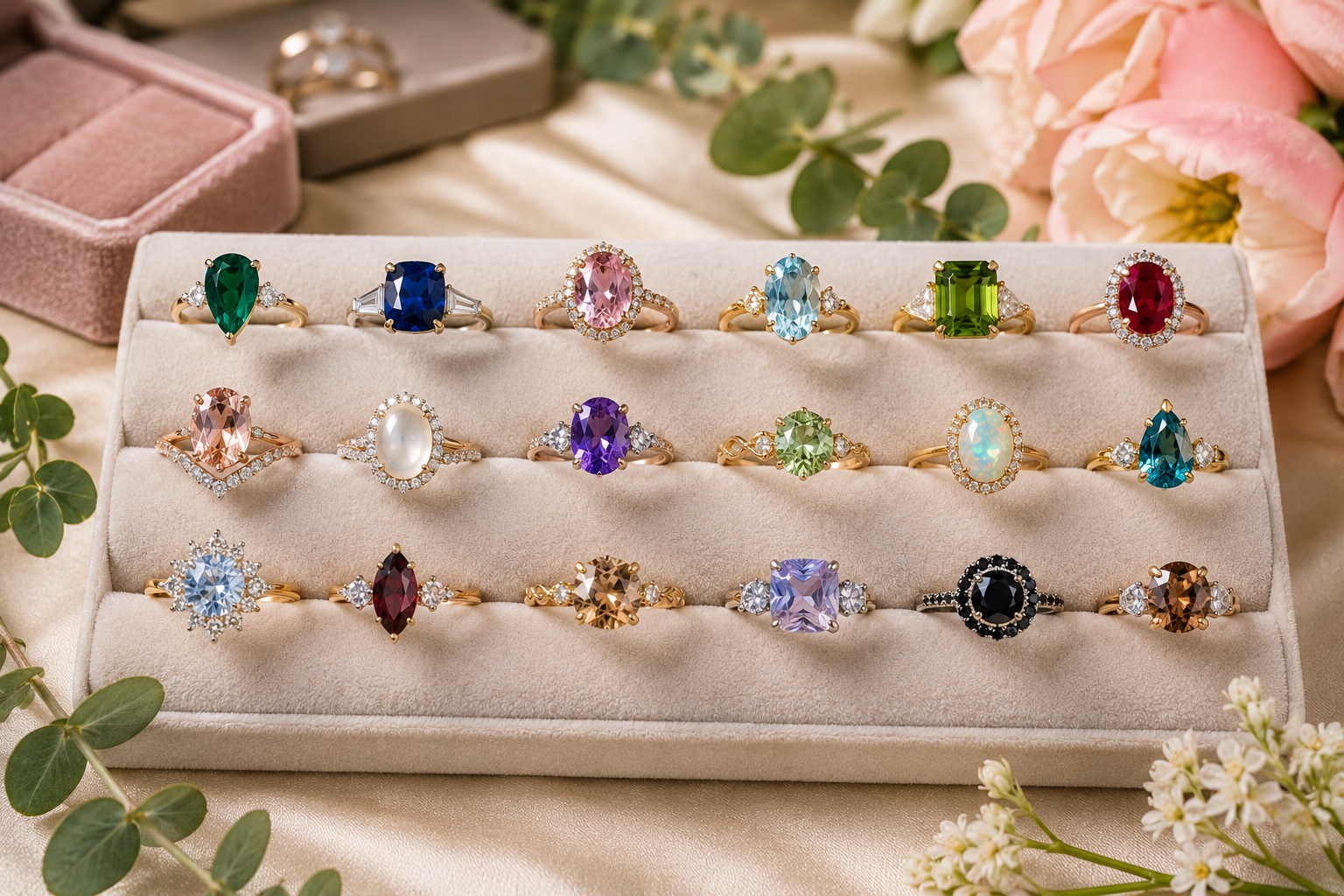
The appeal of a non-traditional engagement ring lies in its ability to stand out and offer a personal touch that a standard diamond ring might not. For many brides-to-be, the idea of a unique non-diamond center stone resonates deeply, allowing them to express their individuality and avoid the conventional path. These alternative engagement ring styles often carry rich symbolism and a storied history, making the choice even more meaningful for the couple. Opting for a non-diamond option is a wonderful way to begin a shared journey with a piece of jewelry that truly tells your love story.
Benefits of Choosing a Diamond Alternative
Choosing a diamond alternative offers numerous benefits beyond uniqueness; it often presents a more affordable engagement ring option without compromising on beauty or elegance. Many gemstones, such as sapphire, ruby, and emerald, provide a stunning sparkle and a vibrant hue that rivals traditional diamonds. Furthermore, a non-diamond engagement ring can be an ethical choice, as some couples prefer to avoid mined diamonds due to concerns about their origin. The wide variety of available gemstones means there are endless ring options to perfectly match any personal style and preference.
What to Consider Before Choosing a Diamond Alternative
Durability and Everyday Wear
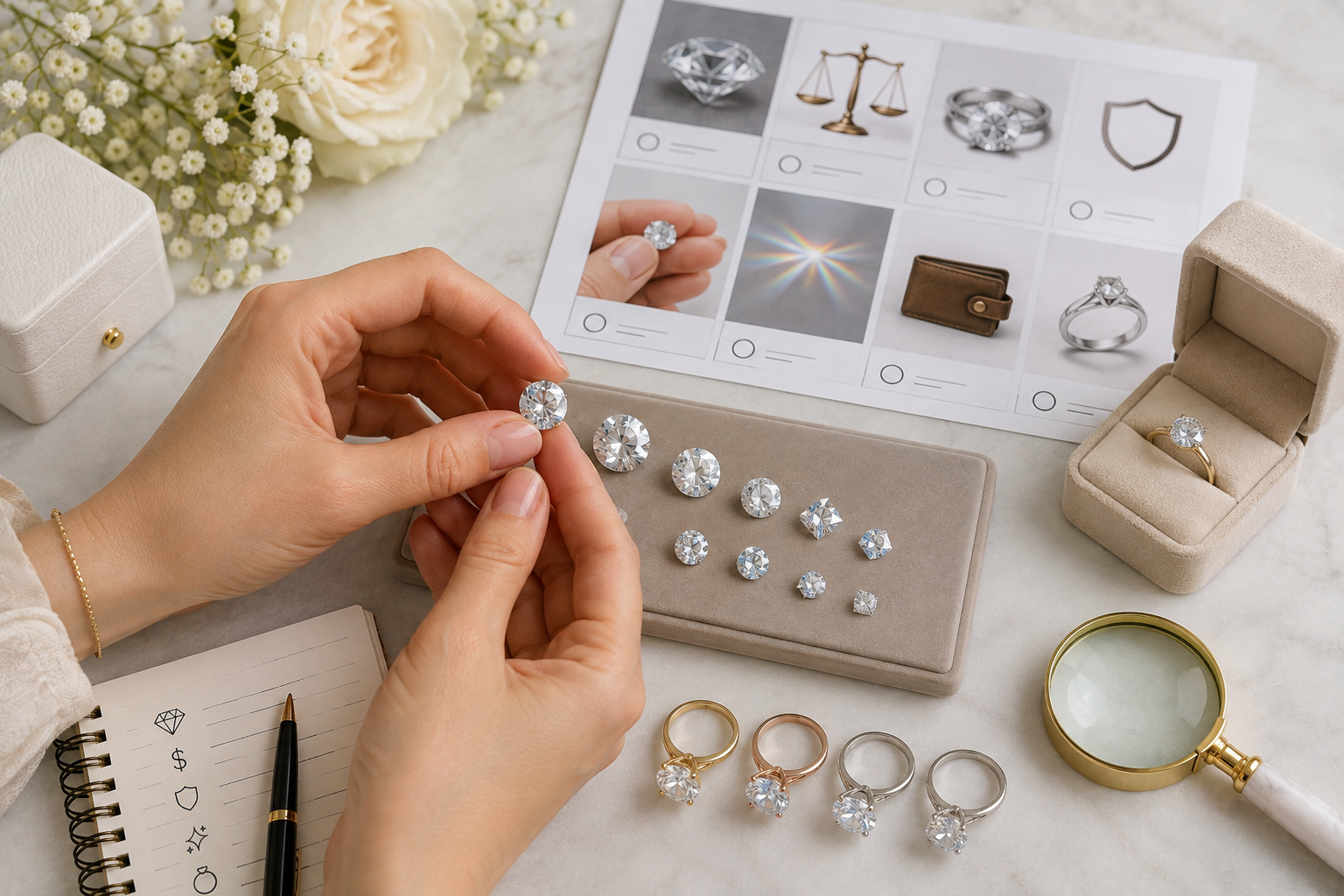
When selecting a non-diamond engagement ring, durability is a crucial factor, especially since this piece of jewelry will be worn every day. Gemstones vary widely on the Mohs hardness scale, which measures a gem’s resistance to scratching. For instance, sapphire and ruby score a 9, making them excellent choices for everyday wear, whereas other gemstones like opal or pearl require more careful handling. Understanding the hardness of your chosen center stone will ensure its longevity and maintain its beauty for years to come.
Color, Cut, and Personal Style
The color and cut of a non-diamond gemstone significantly impact its overall aesthetic and how it complements the bride’s personal style. Each gemstone boasts a unique hue, from the serene blue sapphire to the passionate ruby or the lush emerald, allowing for incredible customization. The cut also plays a vital role in how the stone reflects light and exhibits its sparkle. Considering the recipient’s preferences—whether they lean towards vintage-inspired, modern, or a classic three-stone setting—is essential to selecting a ring that truly resonates with them.
Budget and Long-Term Value
Budget is often a primary consideration when choosing an engagement ring, and non-diamond options typically offer a significant advantage here compared to diamonds of comparable size. While a diamond engagement ring can be quite costly, gemstones like moissanite, sapphire, or emerald provide exceptional beauty at a more accessible price point. It’s also important to consider the long-term value, as some precious gemstones can appreciate over time, making a non-diamond choice not only beautiful but also a wise investment.
1. Sapphire Engagement Rings
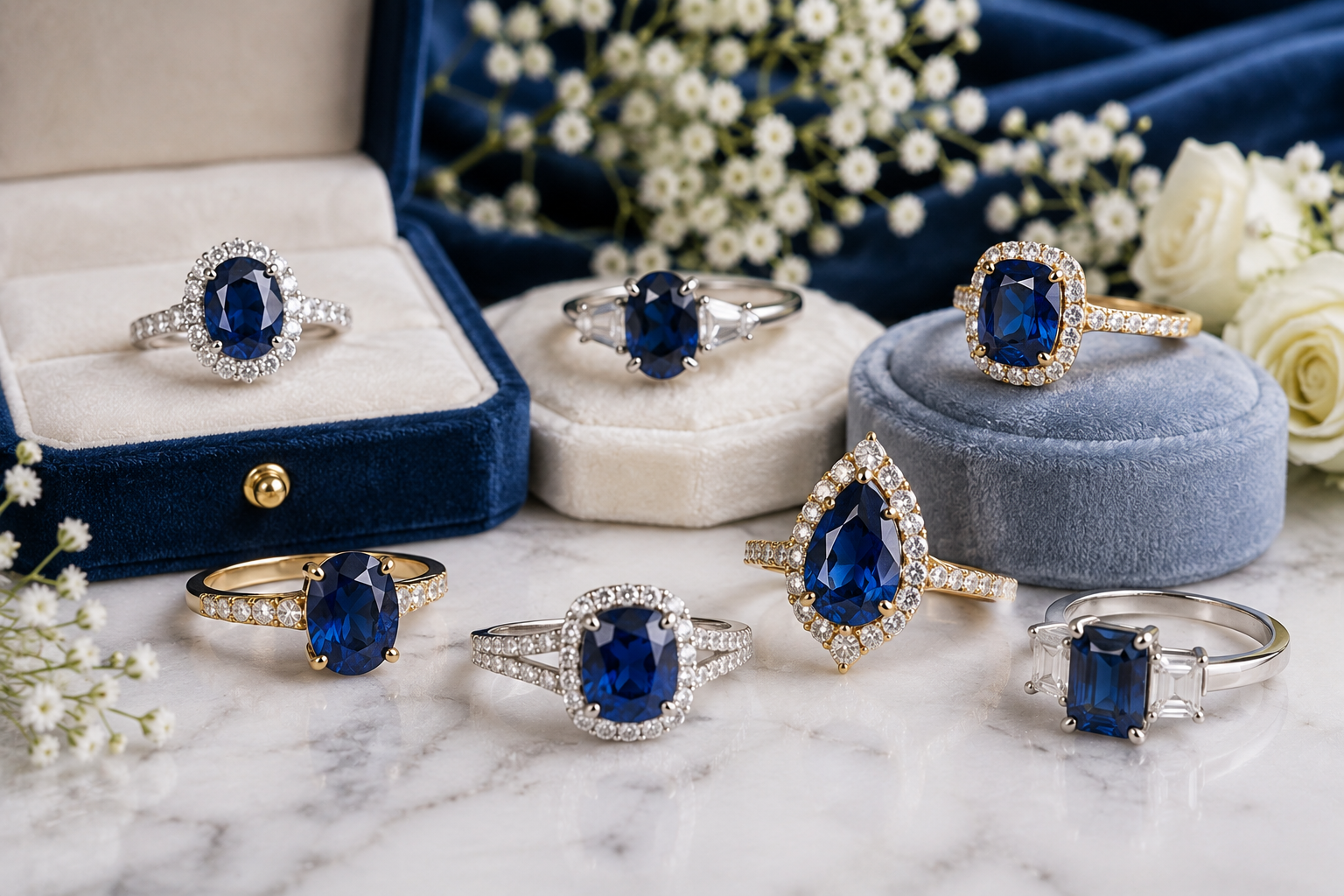
Why Sapphire Is a Classic Diamond Alternative
Sapphire engagement rings have long been revered as a classic diamond alternative, embodying elegance, timeless appeal, and significant symbolism. Their incredible hardness, ranking 9 on the Mohs scale, makes them an incredibly durable gemstone suitable for everyday wear, rivaling the resilience of diamonds. This precious gemstone is not only beautiful but also steeped in history, often associated with royalty and sincerity, making a blue sapphire engagement ring a profound and sophisticated choice for any bride-to-be seeking a distinct and lasting symbol of love.
Different Shades of Blue Sapphire
While the term “sapphire” often conjures images of deep, royal blue, blue sapphire engagement rings actually come in an impressive spectrum of blue hues. From light, sky-like blues to intense, inky indigos, the range allows for personalized expression. Factors such as origin, treatment, and the saturation of the color contribute to the unique appearance of each stone. Whether set in a yellow gold setting or white gold, the captivating shades of a blue sapphire ring offer incredible versatility, ensuring a perfect match for any personal style or preference.
2. Ruby Engagement Rings
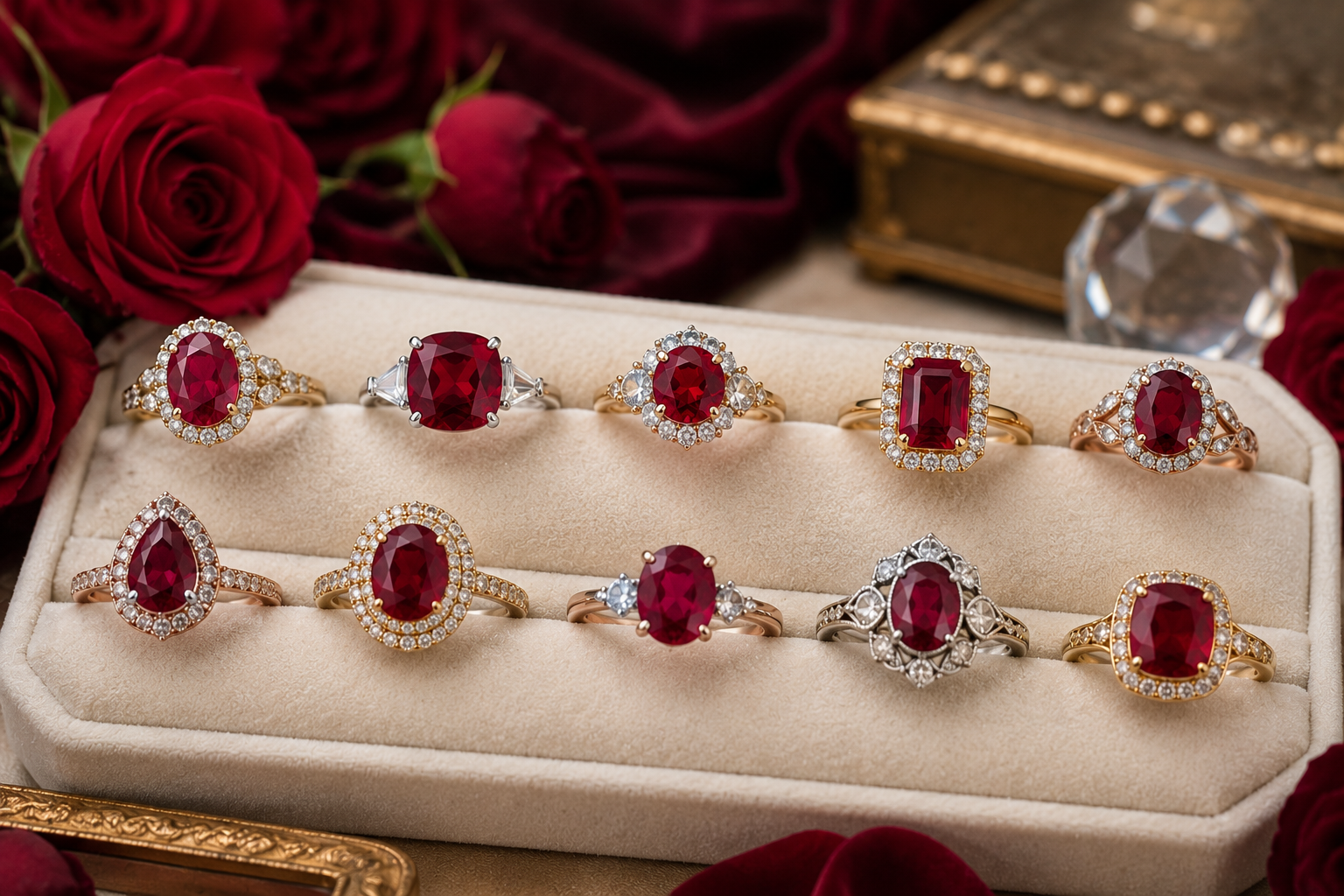
A Bold Symbol of Love and Passion
Ruby engagement rings are a truly bold and passionate choice, symbolizing deep love and enduring romance. This vibrant red gemstone, often referred to as the “king of gems,” stands out with its intense hue and fiery sparkle, making it an undeniable statement piece. With a hardness of 9 on the Mohs scale, rubies offer excellent durability for everyday wear, akin to sapphires. For a bride who wants her engagement ring to radiate confidence and an unwavering commitment, a ruby ring is an exquisitely powerful and meaningful selection.
Choosing the Right Ruby for Your Ring
When choosing a ruby for your engagement ring, several factors influence its beauty and value.
| Factor | Description |
|---|---|
| Color | The most prized rubies exhibit a vivid, pure red color with a slight purplish undertone, often referred to as “pigeon’s blood.” |
| Clarity | Some inclusions are acceptable as long as they don’t detract from the stone’s overall brilliance. |
| Cut | A well-cut ruby will maximize its natural sparkle, ensuring it truly captures the light. |
| Carat Weight | (Information not provided in the original text) |
Selecting a ruby that excels in these areas will ensure your ruby engagement ring truly captures the light and the heart.
3. Emerald Engagement Rings
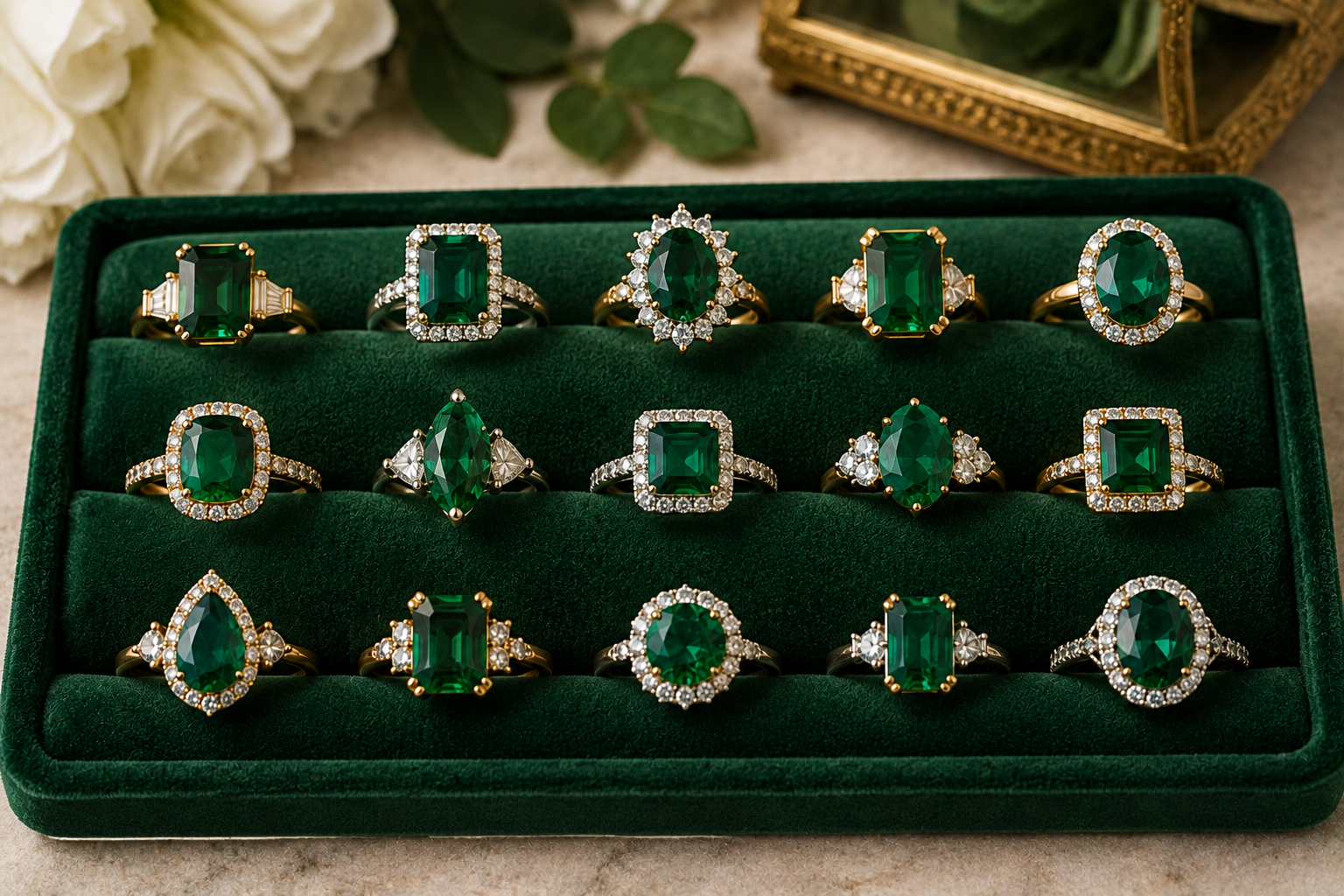
Elegant Green Color with Vintage Appeal
Emerald engagement rings offer a captivating elegance with their distinctive green color and an undeniable vintage appeal. This precious gemstone, celebrated for its rich, vibrant hue, evokes feelings of nature, renewal, and prosperity, making it a truly unique choice for an “engagement ring.” Often seen in antique and Art Deco ring designs, emeralds bring a sense of old-world charm and sophistication. For a bride who appreciates classic beauty with a touch of the unique, an emerald ring delivers an exquisite and memorable statement.
Factors to Consider When Buying Emeralds
When buying emeralds for an engagement ring, it’s crucial to consider their unique characteristics. Here’s a breakdown of key factors:
| Characteristic | Description |
| Color | The most desirable emeralds possess a vivid, intense green hue with a slightly bluish tint. |
| Clarity | Emeralds are often naturally included (“jardin”). These are typically accepted, but excessive inclusions can affect durability. |
| Treatment | Many emeralds undergo oiling or resin treatments to enhance clarity; this is a common and accepted practice. |
4. Morganite Engagement Rings
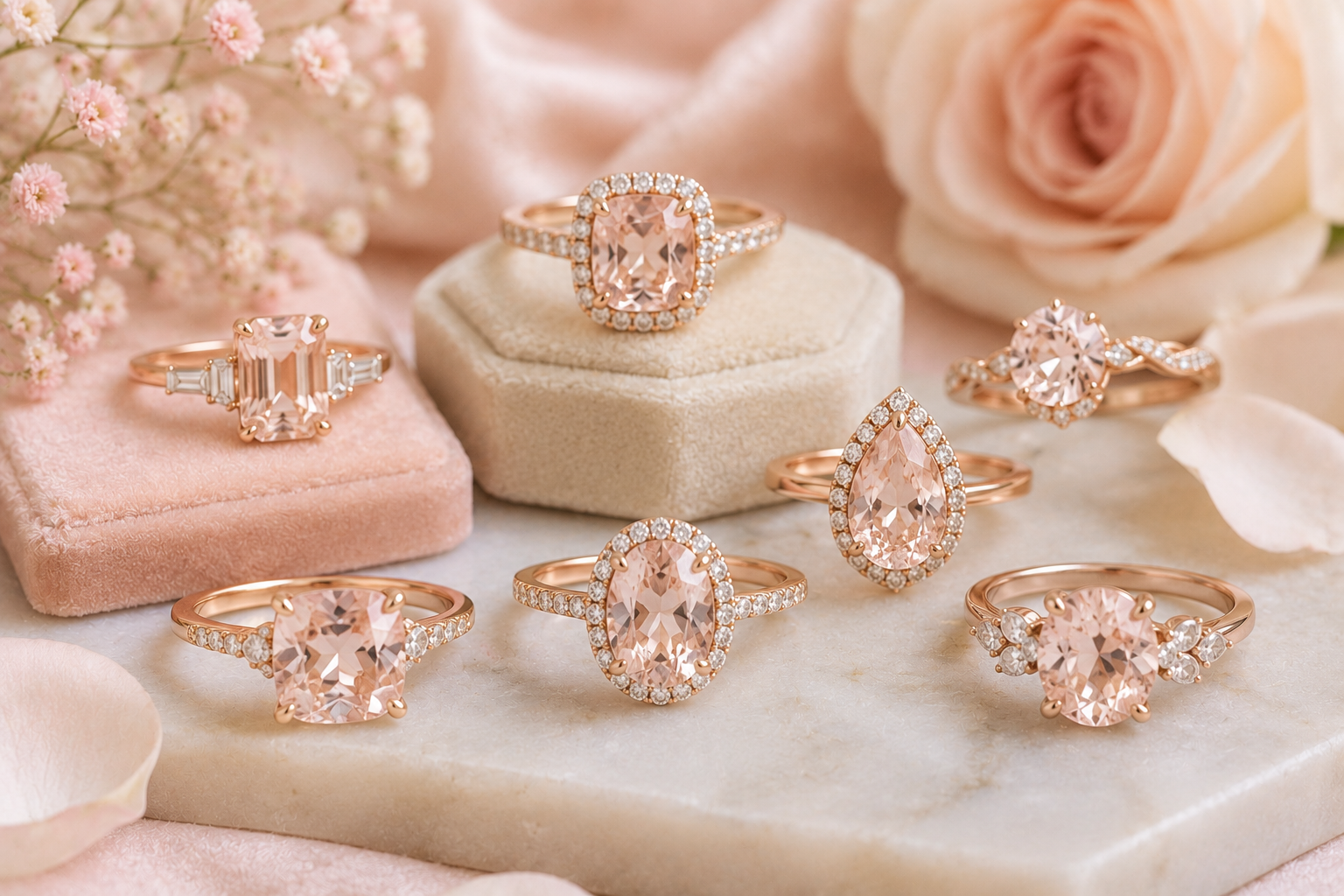
Soft Pink Beauty for a Romantic Proposal
Morganite engagement rings have emerged as a highly popular non-diamond option, cherished for their delicate, soft pink hue that exudes romance and elegance. This beautiful gemstone, a variety of beryl, offers a distinctive and feminine alternative to the traditional diamond engagement ring. Its gentle color, ranging from pale pink to a more salmon-pink, makes it a unique non-diamond center stone that captures light beautifully, providing a subtle yet captivating sparkle. For a bride seeking a romantic and understated ring design, a morganite engagement ring is an excellent choice, symbolizing love and tenderness.
Pairing Morganite with Different Settings
The versatility of morganite allows it to be beautifully paired with a variety of metal settings, enhancing its soft pink hue and overall appeal. The right setting will highlight the morganite’s elegance and charm, making it a truly timeless engagement ring, whether opting for a simple solitaire or an intricate vintage-inspired ring design with a diamond halo.
| Metal Setting | Effect on Morganite |
|---|---|
| Rose Gold | Complements warm tones, creating a cohesive and romantic aesthetic. |
| White Gold or Platinum | Provides stunning contrast, making the pink morganite center stone pop with brilliant clarity. |
5. Moissanite Engagement Rings
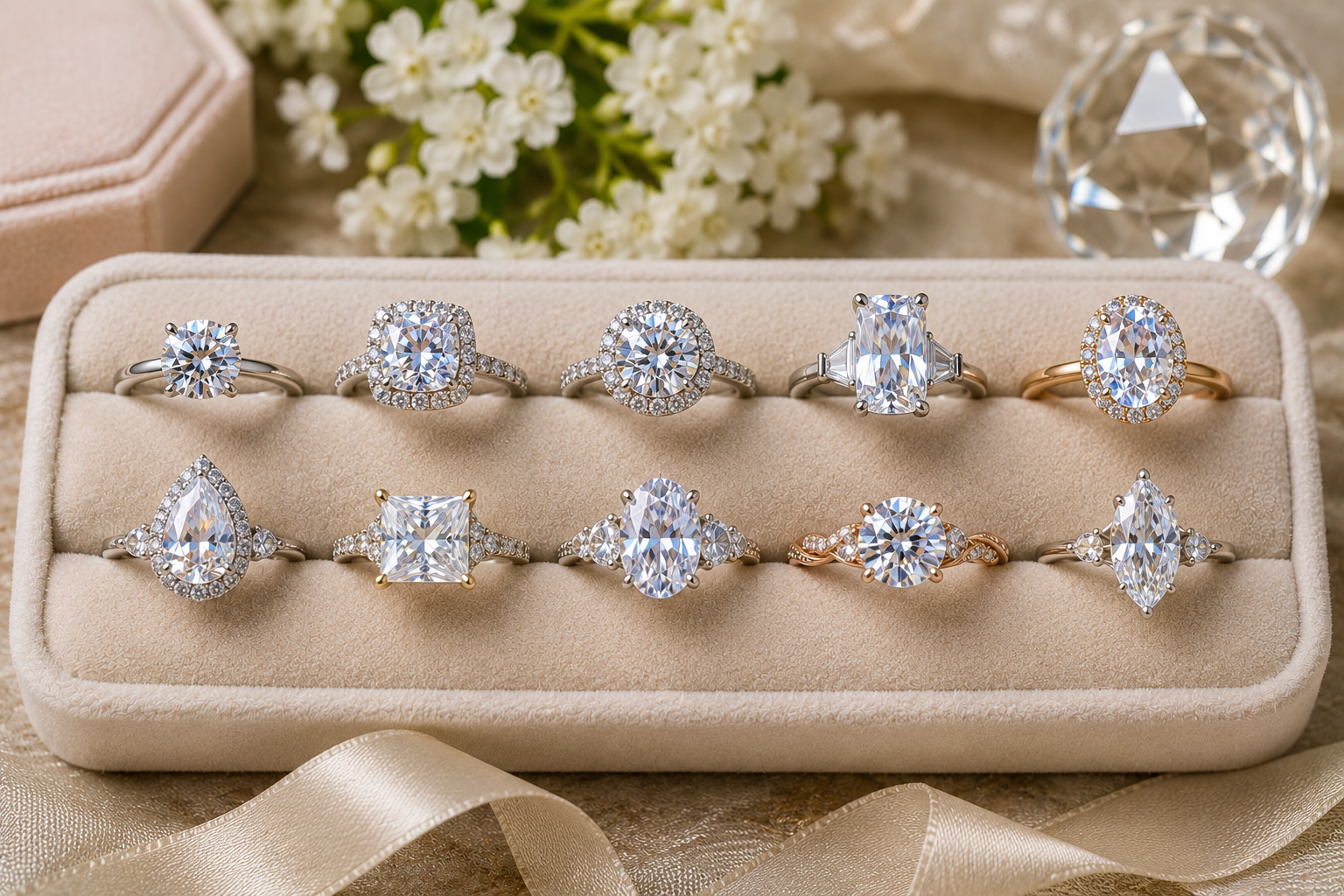
Brilliant Sparkle with Modern Appeal
Moissanite engagement rings are celebrated for their exceptional brilliance and fire, often surpassing that of a diamond, making them a top choice for those seeking maximum sparkle with modern appeal. This lab-grown gemstone is a superb diamond alternative, offering incredible durability and a stunning visual impact at a fraction of the cost. Its refractive properties allow moissanite to exhibit more flashes of color, creating a captivating display of light. For a bride who desires a brilliant and eye-catching ring without the traditional diamond price tag, a moissanite engagement ring is an increasingly popular and ethically conscious option.
Moissanite vs. Diamond: Key Differences
While moissanite is often mistaken for a diamond due to its similar appearance, there are key differences that set these two gemstones apart. Moissanite is a silicon carbide, whereas a diamond is pure carbon. On the Mohs hardness scale, moissanite scores 9.25, making it incredibly durable for everyday wear, just slightly below a diamond’s 10. However, moissanite exhibits a higher refractive index, resulting in more fire and a rainbow sparkle that distinguishes it from the more classic brilliance of a diamond. Its lab-grown origin also makes it a conflict-free and environmentally friendly diamond alternative, appealing to modern couples.
6. Aquamarine Engagement Rings
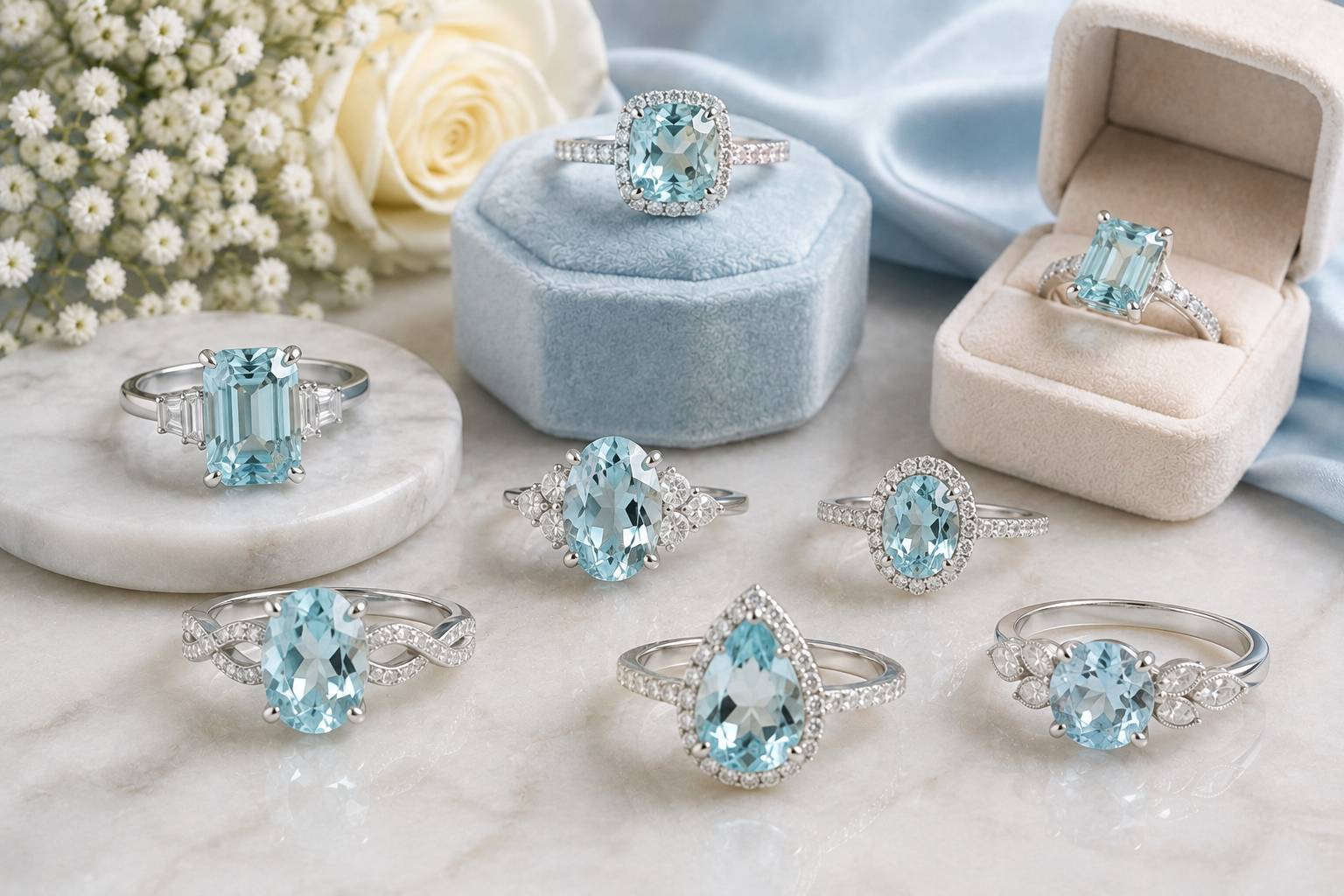
Serene Blue Beauty for a Fresh Bridal Look
Aquamarine engagement rings evoke a sense of serene blue beauty, offering a fresh and ethereal bridal look reminiscent of clear ocean waters. This captivating gemstone, a cousin to the emerald and morganite in the beryl family, ranges in color from a pale, icy blue to a deeper, more vibrant blue-green hue. Its delicate yet striking appearance makes it an ideal choice for a bride who desires a unique non-diamond engagement ring that symbolizes tranquility, clarity, and harmony. An aquamarine ring offers a refreshing departure from traditional options, providing a cool and sophisticated elegance.
Care Tips for Aquamarine Rings
While aquamarine is relatively durable, scoring between 7.5 and 8 on the Mohs hardness scale, proper care is essential to maintain the serene blue beauty of an aquamarine engagement ring. It is advisable to remove the ring during activities that could expose it to harsh chemicals or significant impact, as chipping or scratching can occur. Cleaning an aquamarine gemstone is best done with mild soap and warm water, using a soft brush to gently remove any buildup. Regular professional cleaning can also help preserve its sparkle and ensure your unique center stone remains as captivating as the day it was given.
7. Opal Engagement Rings
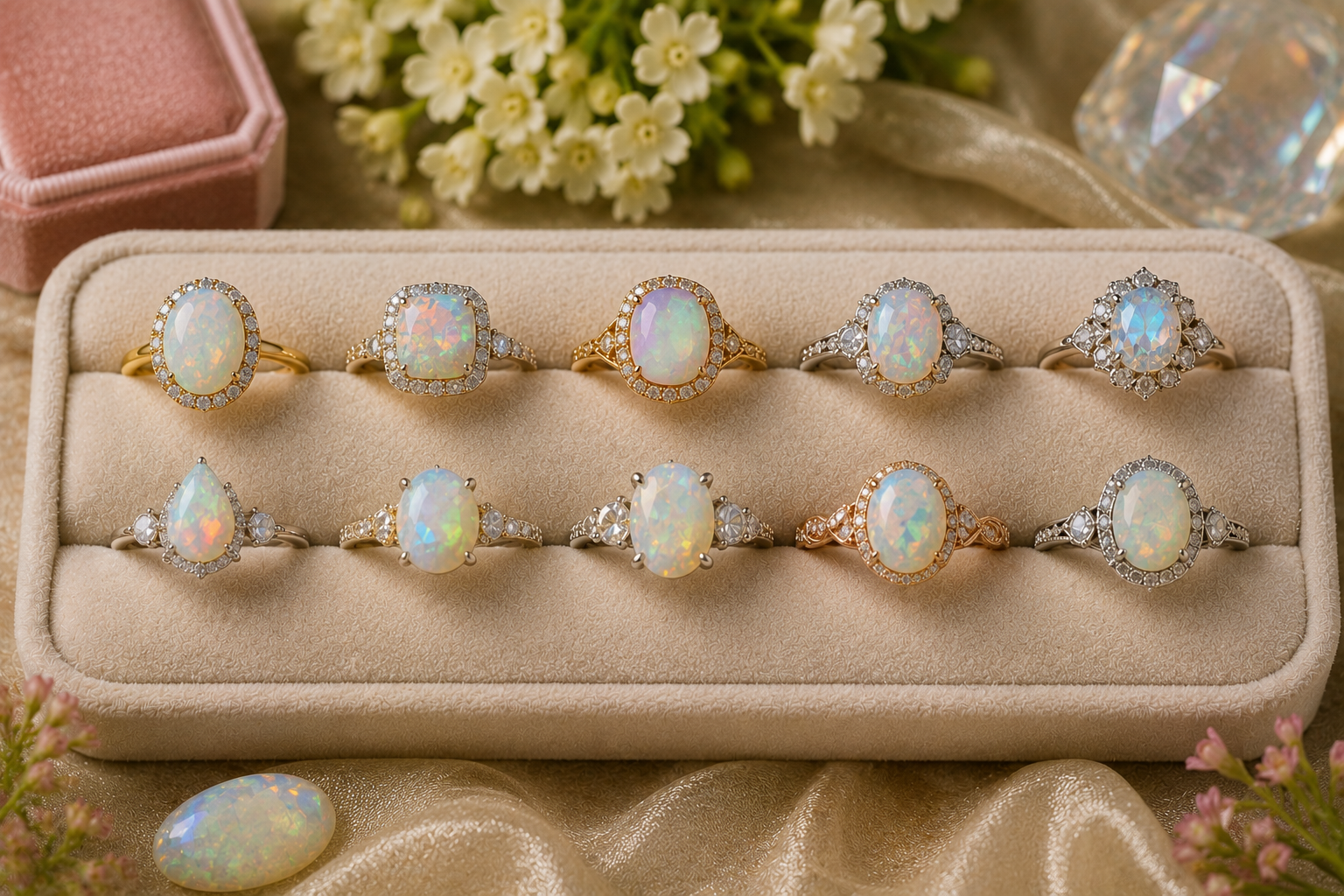
One-of-a-Kind Color and Iridescent Charm
Opal engagement rings are renowned for their one-of-a-kind color play and mesmerizing iridescent charm, offering a truly unique non-diamond center stone for those seeking something extraordinary. The internal structure of opal causes light to diffract, creating a stunning spectrum of colors that shift and dance with every movement, known as “play-of-color.” This enchanting visual phenomenon makes each opal gemstone distinct, ensuring that no two opal rings are exactly alike. For a bride who cherishes individuality and a touch of magic, an opal engagement ring is an incredibly personal and artistic choice.
Why Opals Make Unique Engagement Rings
Opals make incredibly unique engagement rings not only because of their inimitable play-of-color but also due to their rich symbolism, often associated with hope, purity, and truth. Unlike a traditional diamond, an opal gemstone possesses a softer appearance and a more ethereal sparkle, providing an alternative engagement ring that stands out from conventional options. While opals are softer, with a Mohs hardness of 5.5 to 6.5, making them more delicate for everyday wear, their unparalleled beauty and individual character make them a cherished choice for brides seeking a non-traditional engagement ring that truly reflects their distinctive personality and love story.
8. Tanzanite Engagement Rings
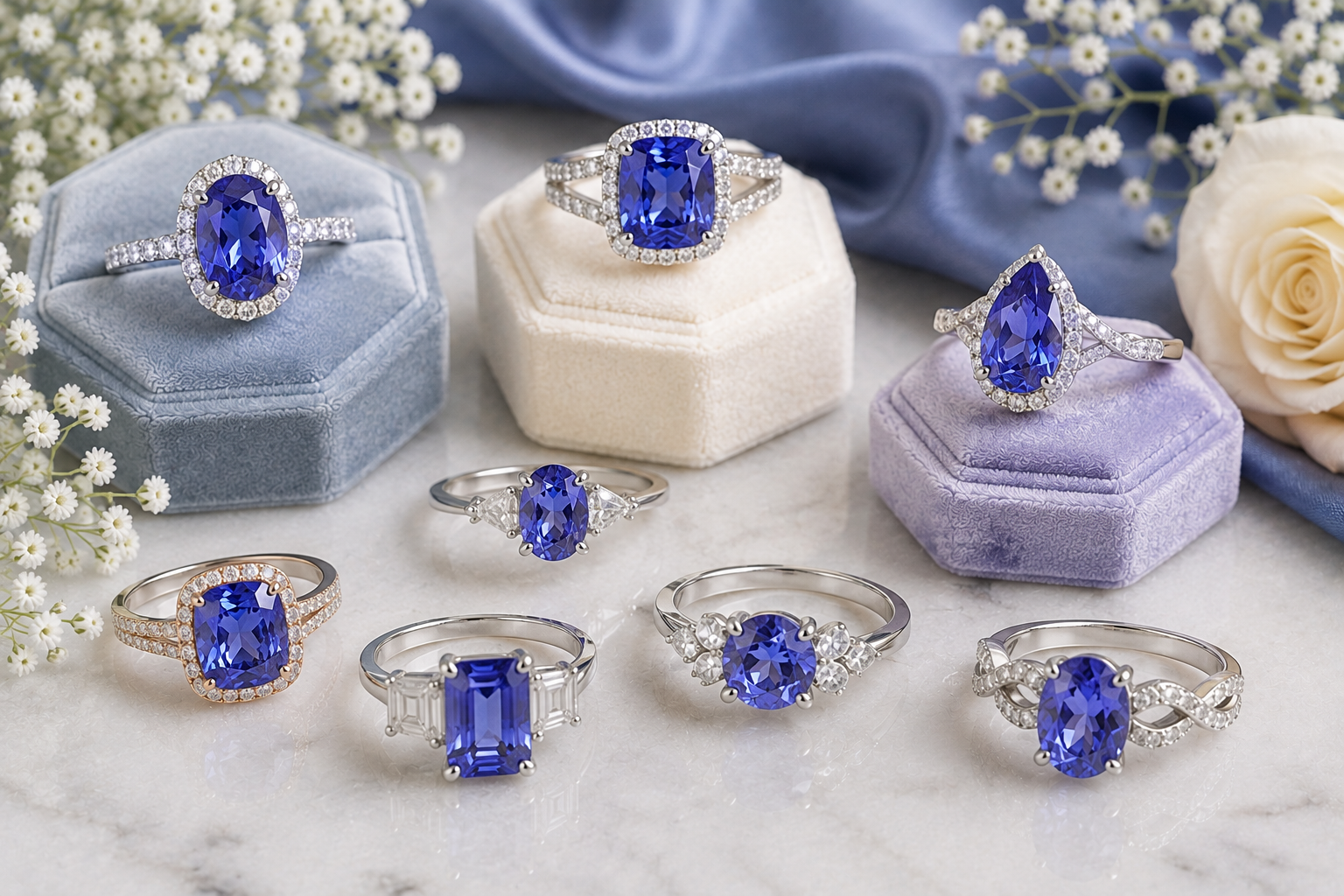
Rare Blue-Violet Color for a Distinctive Ring
Tanzanite engagement rings are cherished for their rare and mesmerizing blue-violet color, offering a truly distinctive ring for those seeking an exceptional non-diamond center stone. Discovered relatively recently, this precious gemstone is found exclusively in one small mining area near Mount Kilimanjaro in Tanzania, making it significantly rarer than diamonds. Its unique hue, which can shift between blue, violet, and even burgundy depending on the lighting, provides an unparalleled depth and elegance. For a bride who values rarity and a striking visual presence, a tanzanite engagement ring is a sophisticated and memorable choice.
Understanding Tanzanite’s Rarity and Value
Tanzanite’s rarity is a primary driver of its value, making it a compelling diamond alternative for an engagement ring. Its singular geological source means that its supply is finite, contributing to its status as a precious gemstone. On the Mohs hardness scale, tanzanite scores between 6 and 7, indicating it is suitable for everyday wear with proper care, though it is softer than sapphire or ruby. When considering a tanzanite engagement ring, the intensity of its blue-violet hue is paramount, as more saturated colors command higher value, ensuring a vibrant and cherished non-diamond option.
9. Tourmaline Engagement Rings
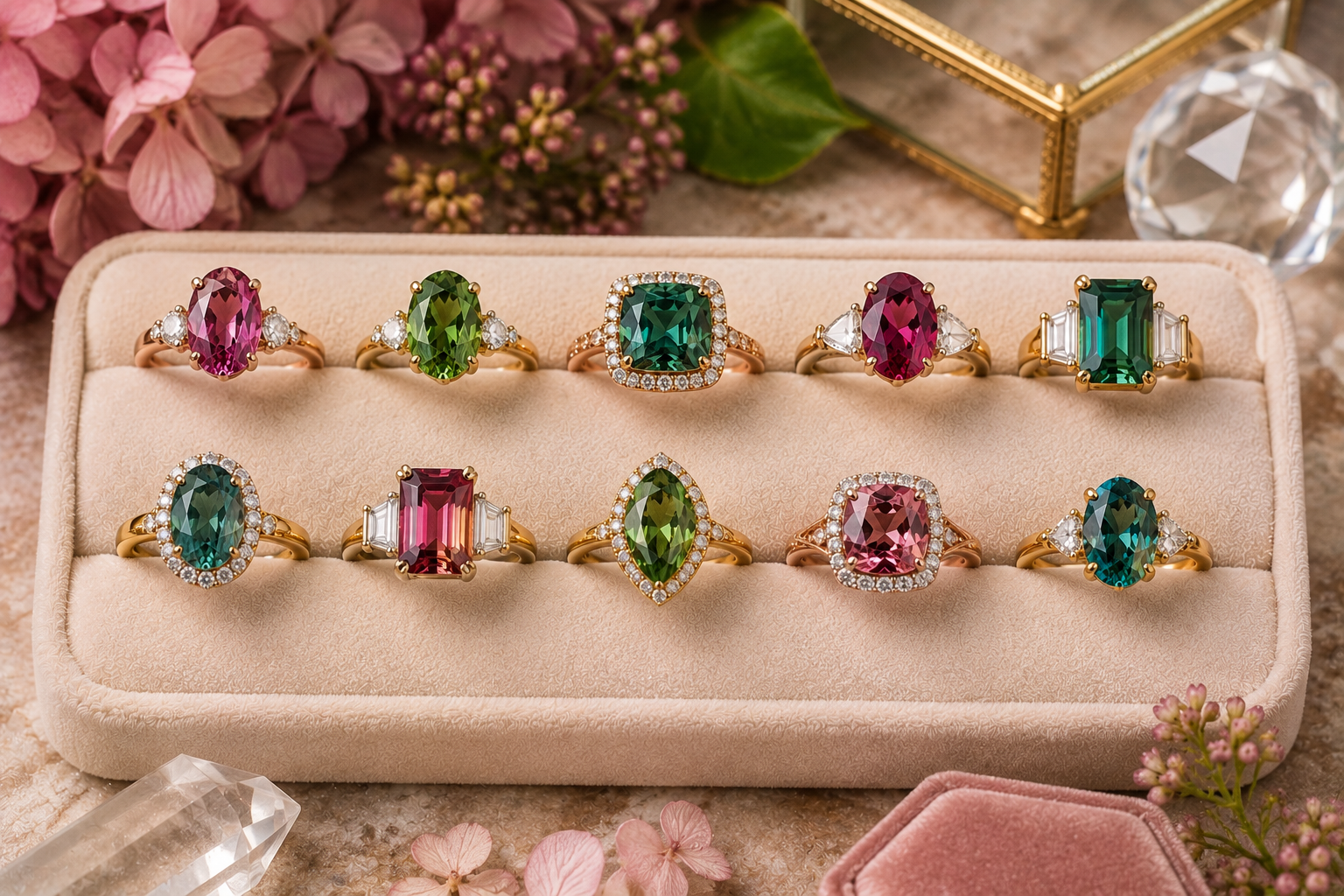
Incredible Color Variety for Creative Couples
Tourmaline engagement rings offer an incredible color variety, making them an ideal choice for creative couples seeking a truly personalized and unique non-diamond ring. This versatile gemstone comes in a vast spectrum of hues, including vibrant pinks, deep greens, stunning blues, and even multi-colored specimens known as “watermelon tourmaline.” This extensive palette allows for endless possibilities in ring design, enabling a bride to select a center stone that perfectly matches her personal style or holds a special symbolic meaning. A tourmaline engagement ring provides a refreshing and artistic alternative to traditional options.
Choosing the Right Tourmaline for Your Style
When selecting a tourmaline for an engagement ring, the most crucial factor is undoubtedly its color, given the gemstone’s expansive range. Whether you prefer the intense blue of an indicolite tourmaline, the vivid pink of a rubellite, or a unique bi-color stone, choosing a hue that resonates with the bride’s personal style is key. Tourmaline scores between 7 and 7.5 on the Mohs hardness scale, offering good durability for everyday wear, though it benefits from protective settings. Its adaptability and vibrant options ensure that a tourmaline engagement ring can be a truly expressive and cherished symbol of love.
10. Pearl Engagement Rings
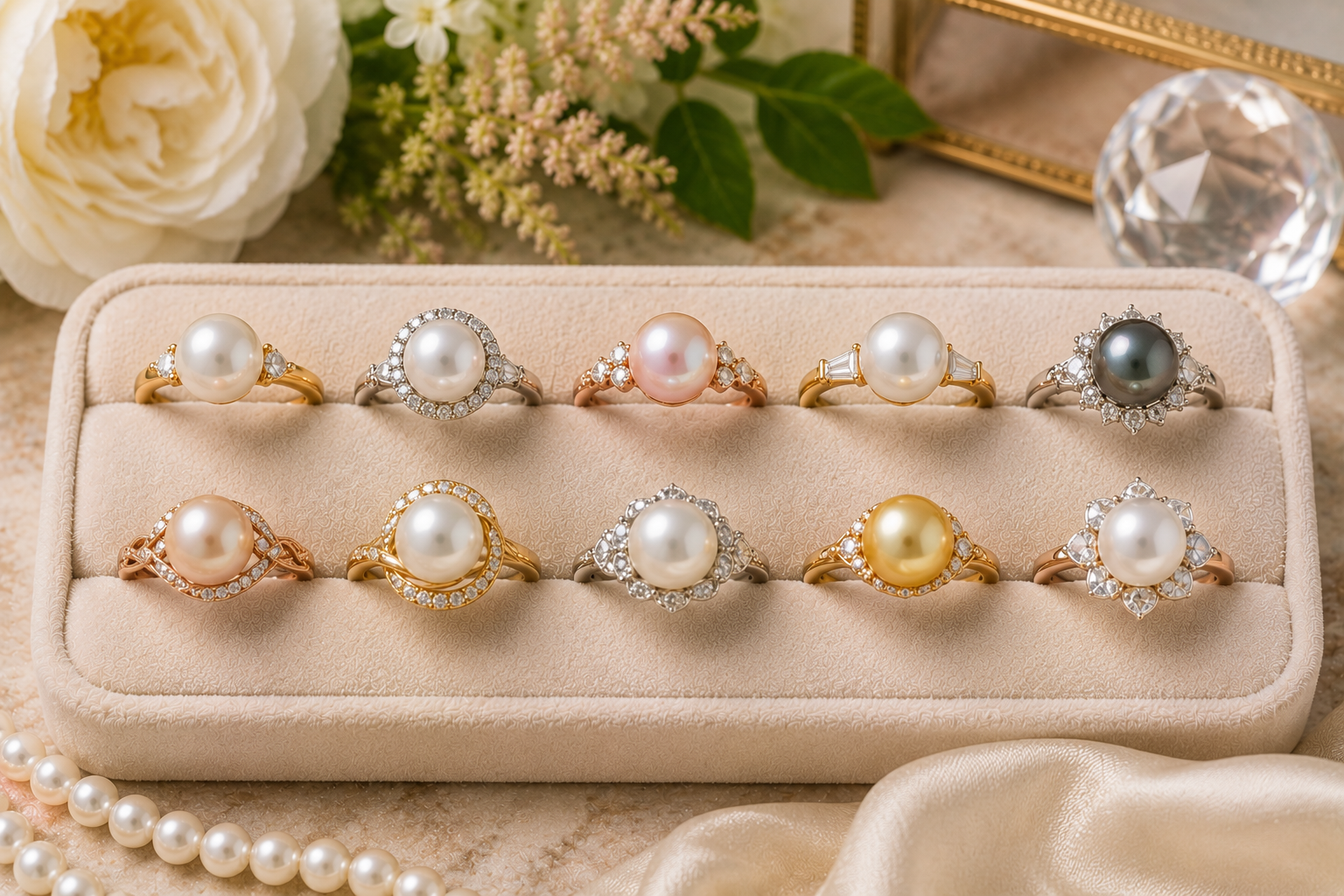
Timeless Beauty with a Vintage-Inspired Feel
Pearl engagement rings offer a timeless beauty with a distinctly vintage-inspired feel, providing a truly elegant and unique non-diamond option for brides-to-be. Unlike faceted gemstones, pearls possess a natural, soft luster known as orient, which gives them a delicate and ethereal charm. Historically, pearls have been associated with purity, wisdom, and new beginnings, making them a deeply symbolic choice for an engagement ring. For those who appreciate classic elegance and a connection to the past, a pearl engagement ring stands as a sophisticated alternative, exuding grace and understated luxury.
Tips for Caring for Pearl Engagement Rings
While the allure of a pearl engagement ring is undeniable, it’s important to understand that pearls require specific care to maintain their beauty and luster due to their softer nature. Pearls score between 2.5 and 4.5 on the Mohs hardness scale, making them more susceptible to scratches and damage from chemicals. It’s advisable to put on your pearl ring after applying makeup and perfume, and to remove it before engaging in activities like swimming, cleaning, or showering. Cleaning should be done gently with a soft, damp cloth, ensuring the timeless beauty and durability of your unique non-diamond center stone for years to come.
Best Non-Diamond Engagement Rings by Style
Best for Classic Brides
For classic brides who appreciate enduring elegance and traditional aesthetics with a modern twist, certain non-diamond engagement ring styles stand out as exceptional choices. Sapphire engagement rings, particularly those featuring a vibrant blue sapphire, offer a sophisticated and timeless appeal, often seen in royal and heirloom pieces. Similarly, ruby engagement rings provide a bold, classic statement with their rich red hue. These precious gemstones, known for their durability and deep symbolism, offer a refined alternative to the traditional diamond engagement ring, ensuring a polished and cherished look that transcends trends.
Best for Vintage-Inspired Brides
Vintage-inspired brides seeking a ring with historical charm and intricate details will find a wealth of beautiful non-diamond options. Emerald engagement rings, with their lush green color, are a perennial favorite for their Art Deco and Victorian appeal, often set in elaborate gold or platinum settings. Opal engagement rings also lend themselves wonderfully to vintage ring designs, their iridescent play-of-color adding a unique, ethereal quality reminiscent of bygone eras. These alternative engagement ring choices perfectly capture the romance and artistry of the past, offering a distinctive elegance that a modern diamond ring might not possess.
Best for Colorful and Unique Rings
For brides who desire a truly colorful and unique non-diamond engagement ring that reflects their vibrant personality, the options are incredibly diverse and exciting. Tourmaline engagement rings, with their stunning spectrum of colors from intense blues to vivid pinks, offer unparalleled personalization. Tanzanite engagement rings, known for their rare blue-violet hue, also provide a distinctive and captivating choice. These gemstones allow for a truly expressive ring design, moving beyond the conventional diamond and embracing a riot of color that speaks volumes about individual style and a willingness to stand out.
Best for Maximum Sparkle
If maximum sparkle and brilliance are at the top of a bride’s wish list, there are exceptional non-diamond engagement ring options that rival or even surpass the fire of a traditional diamond. Moissanite engagement rings are particularly celebrated for their dazzling brilliance and rainbow sparkle, making them an outstanding lab-grown diamond alternative that offers incredible visual impact. White sapphire, while less fiery than moissanite, can also provide a beautiful, subtle sparkle at an accessible price point. These gemstones are perfect for brides who want their center stone to truly catch the light and command attention.
How to Choose the Perfect Non-Diamond Engagement Ring
Match the Gemstone to Her Personality
Choosing the perfect non-diamond engagement ring often begins with matching the gemstone to her unique personality and style. For instance, a free-spirited bride might adore the mystical allure of a moonstone, while a bold and passionate individual might be drawn to the fiery intensity of a ruby. A blue sapphire might appeal to someone with a classic and sophisticated taste, symbolizing wisdom and loyalty. Considering her favorite colors, her overall aesthetic, and even her birthstone can guide you toward an alternative engagement ring that feels deeply personal and truly reflective of her character.
Choose the Right Metal and Setting
Once you’ve selected a beautiful non-diamond center stone, choosing the right metal and setting is paramount to completing the perfect engagement ring design. The metal, whether it’s classic yellow gold, elegant white gold, romantic rose gold, or durable platinum, can dramatically influence the overall look and feel of the ring. A protective setting, such as a bezel or halo, is particularly important for softer gemstones like opal or pearl, ensuring their durability for everyday wear. For harder stones like sapphire or moissanite, a prong setting can maximize their sparkle, making the alternative engagement ring truly shine.
Consider Lifestyle and Maintenance
Considering her lifestyle and the maintenance requirements of the chosen gemstone is a practical yet crucial step in selecting a non-diamond engagement ring. A bride with an active lifestyle might benefit from a more durable gemstone like a sapphire or moissanite, which rank high on the Mohs hardness scale and can withstand daily wear. Softer gemstones, such as emeralds or pearls, will require more careful handling and regular cleaning to maintain their beauty and luster. Understanding these factors ensures that the non-diamond ring remains a cherished and practical symbol of your love story for years to come.
How to Make a Non-Diamond Engagement Ring Even More Meaningful
Personalized Engravings
Making a non-diamond engagement ring even more meaningful can be beautifully achieved through personalized engravings. A hidden message, a significant date, or a special word etched into the band transforms the ring into an intimate treasure, known only to the couple. This thoughtful detail adds an unparalleled layer of sentimentality to any non-diamond engagement ring, whether it features a vibrant emerald, a serene blue sapphire, or a brilliant moissanite. Such a personal touch ensures that the alternative engagement ring not only symbolizes love but also carries a unique secret story, making it truly one-of-a-kind.
Birthstones and Meaningful Gemstones
Incorporating birthstones or other meaningful gemstones is another powerful way to imbue a non-diamond engagement ring with deeper significance. Choosing a center stone that is her birthstone, or perhaps a gemstone representing a shared memory or important date, makes the alternative engagement ring incredibly personal. For example, a July bride might adore a ruby, while a September bride would cherish a sapphire engagement ring. These choices infuse the ring with layers of symbolism, transforming a beautiful piece of jewelry into a powerful emblem of personal history and enduring love, far beyond the conventional diamond engagement ring.
Custom and Vintage Ring Designs
Opting for custom and vintage ring designs can elevate a non-diamond engagement ring into a truly extraordinary and meaningful piece. A custom design allows you to collaborate with a jeweler to create a one-of-a-kind alternative engagement ring that perfectly encapsulates her vision and your love story, from a unique setting to a combination of different gemstones. Alternatively, choosing a vintage ring, perhaps an heirloom or an antique piece, offers a rich history and unique aesthetic that cannot be replicated. These approaches ensure that the non-diamond ring is not just a piece of jewelry, but a personal work of art that stands out from the crowd.
Final Thoughts: Choosing a Unique Engagement Ring That Tells Your Love Story
Ultimately, choosing a unique engagement ring is about finding a piece that truly tells your love story, moving beyond the traditional diamond engagement ring to embrace something more personal and distinctive. The world of non-diamond engagement rings offers an incredible array of stunning options, from the timeless elegance of sapphire engagement rings to the brilliant sparkle of moissanite, and the romantic charm of morganite. By considering durability, personal style, budget, and the profound symbolism of each gemstone, you can select an alternative engagement ring that beautifully reflects your shared journey and creates a cherished symbol of your commitment for a lifetime.