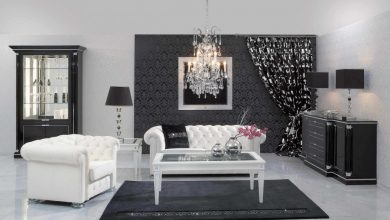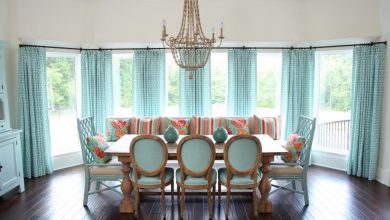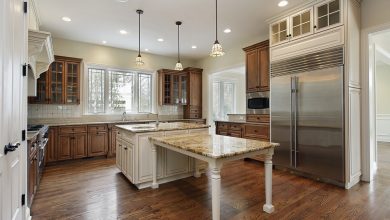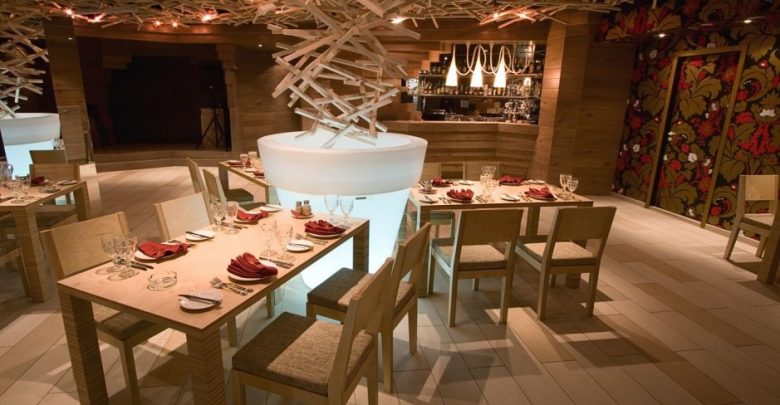
Restaurants are the place to which we go to eat some kinds of delicious food and as we care about the taste of the food, we also care about the interior design of the restaurant that makes us repeat our visit to it. We used to see traditional restaurants with ordinary designs for the chairs, ceiling, lamps and walls. The owners of the restaurants compete with each other to get the best decoration and design in their restaurant to attract larger numbers of customers. The designers also compete and seek for designing the best restaurant in an innovate.
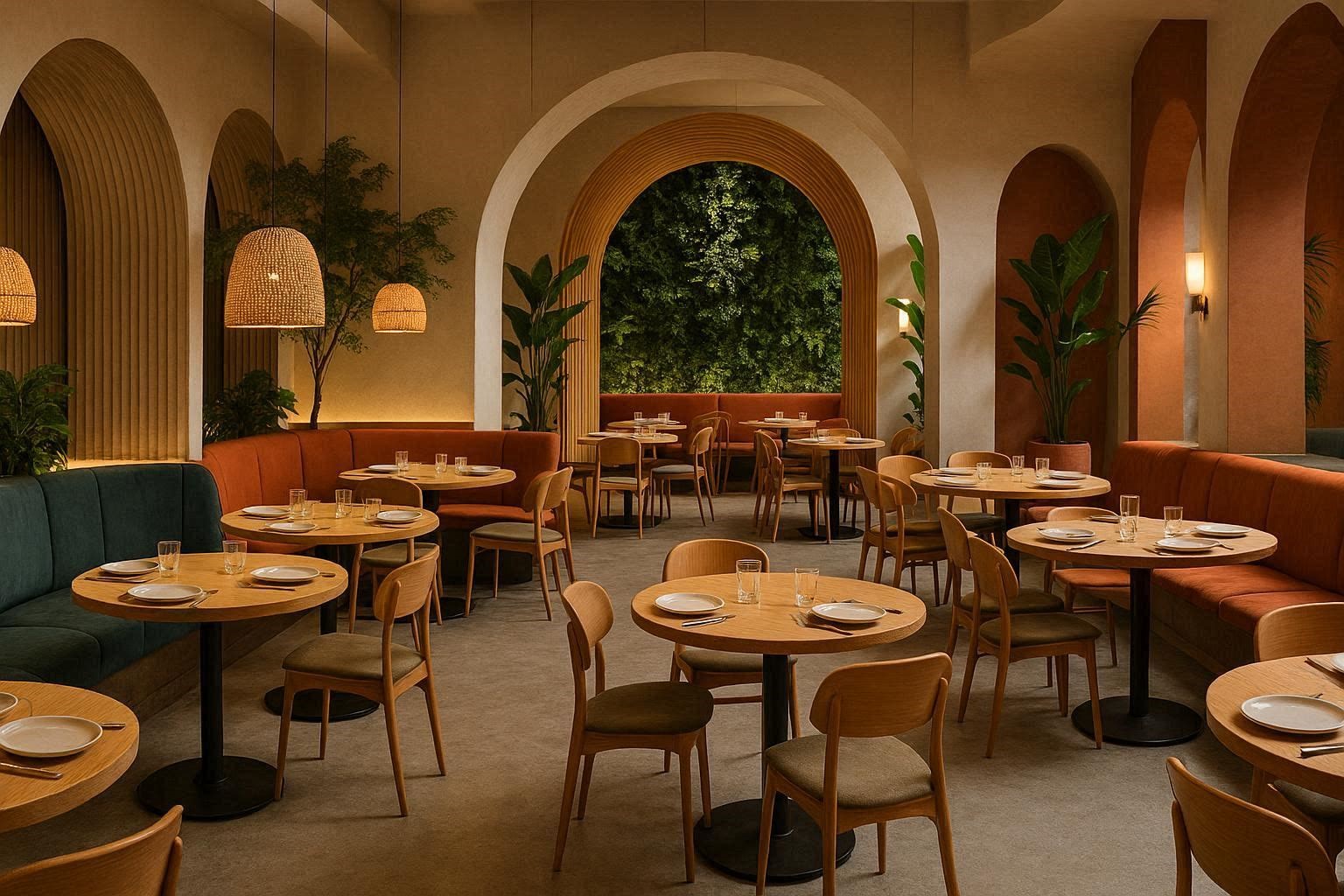
We always care about the innovative ideas and they attract us. We become curious about them and begin to think and ask ourselves about the way by which the idea is applied. The innovative designs of the restaurants do the same thing, so the restaurants’ owners try to apply innovative ideas in decorating and designing their restaurants to make them more attractive to the customers. To enjoy you, we brought you these innovative designs for restaurants.
Key Principles of Successful Restaurant Interior Design
Before exploring specific design concepts, it’s important to understand the fundamentals that contribute to successful restaurant interiors.
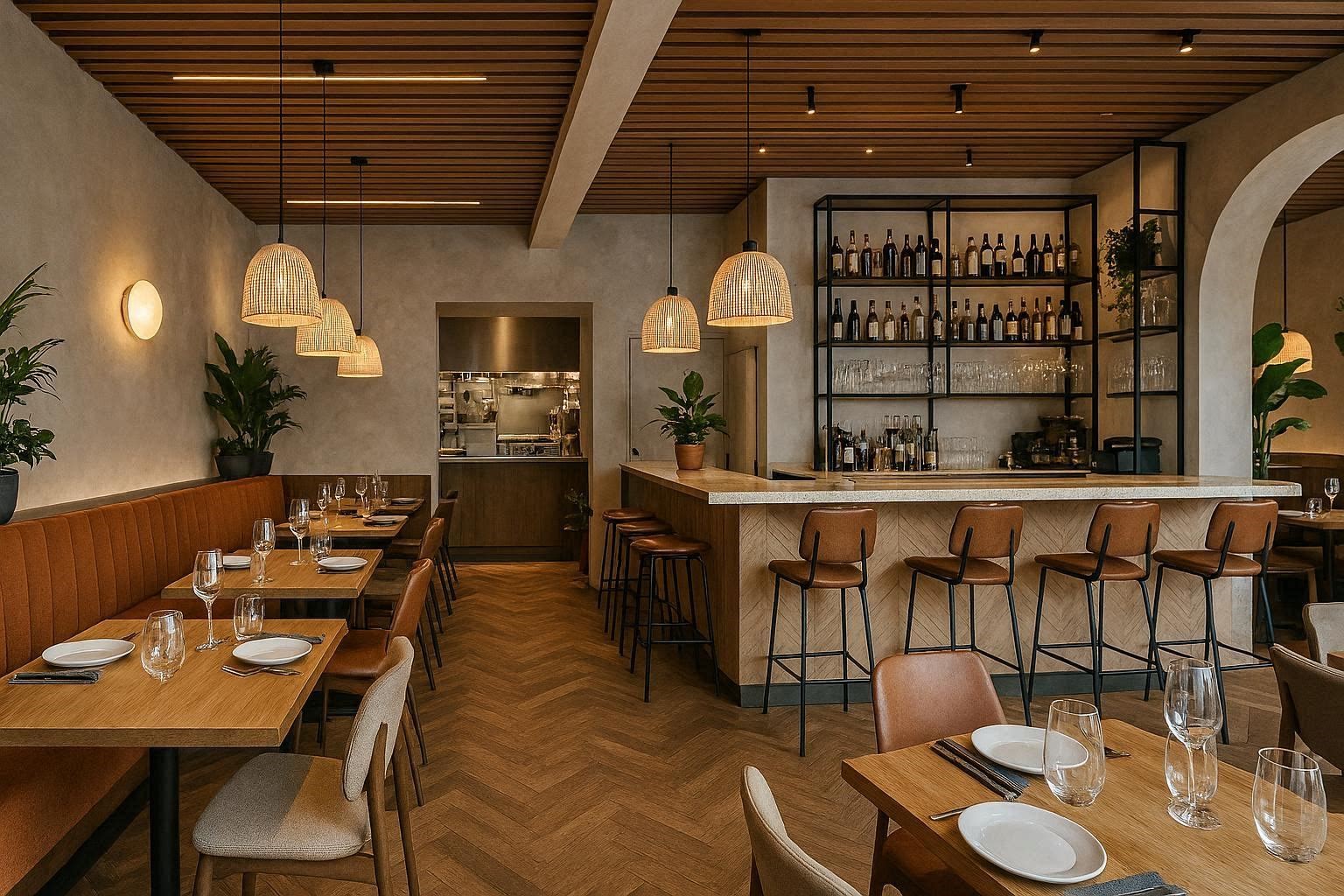
Balancing Aesthetics, Functionality, and Comfort
Beautiful spaces attract customers, but functionality ensures smooth operations. The most successful restaurant interiors strike a balance between visual appeal, staff efficiency, and guest comfort.
Understanding Your Target Audience and Brand Identity
Every design decision should reflect the restaurant’s brand and appeal to its intended audience. A luxury steakhouse, for example, requires a very different atmosphere than a family-friendly café or modern sushi restaurant.
Creating Memorable Dining Experiences Through Design
The goal is to create an environment that guests remember long after their meal is finished. Unique design features often become part of the restaurant’s identity and marketing strategy.
Design Idea #1: Biophilic Restaurant Interiors Inspired by Nature
Biophilic design focuses on connecting people with nature through interior environments.
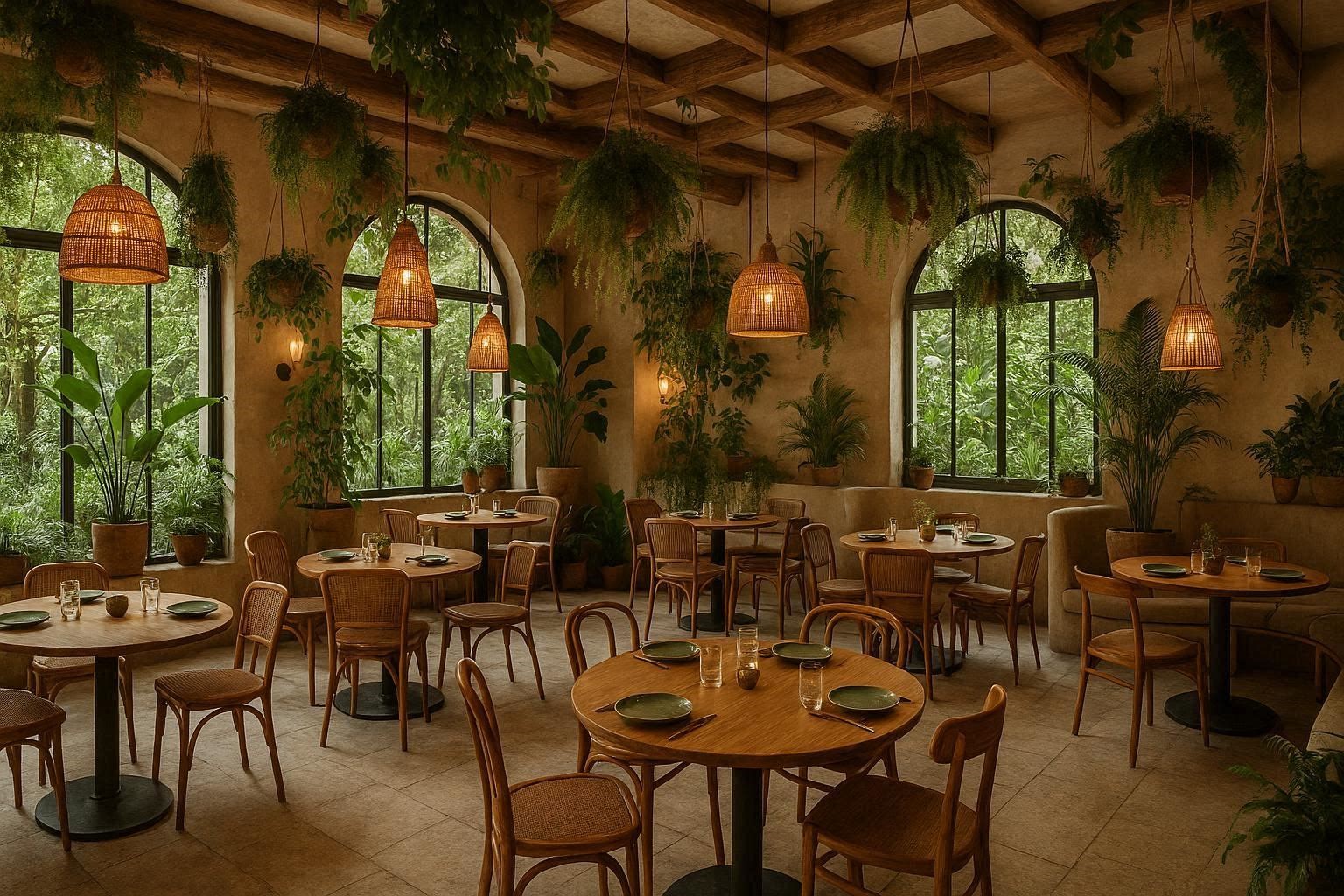
Living Walls, Indoor Gardens, and Natural Materials
Popular biophilic features include:
- Vertical garden walls
- Indoor trees
- Natural stone surfaces
- Wooden furnishings
- Abundant natural light
Benefits of Nature-Inspired Dining Spaces
Nature-inspired interiors create a calming atmosphere that encourages relaxation and longer dining experiences. They also improve air quality and enhance visual appeal.
#2: Industrial Chic Restaurant Concepts
Industrial design remains one of the most popular restaurant styles due to its versatility and urban appeal.
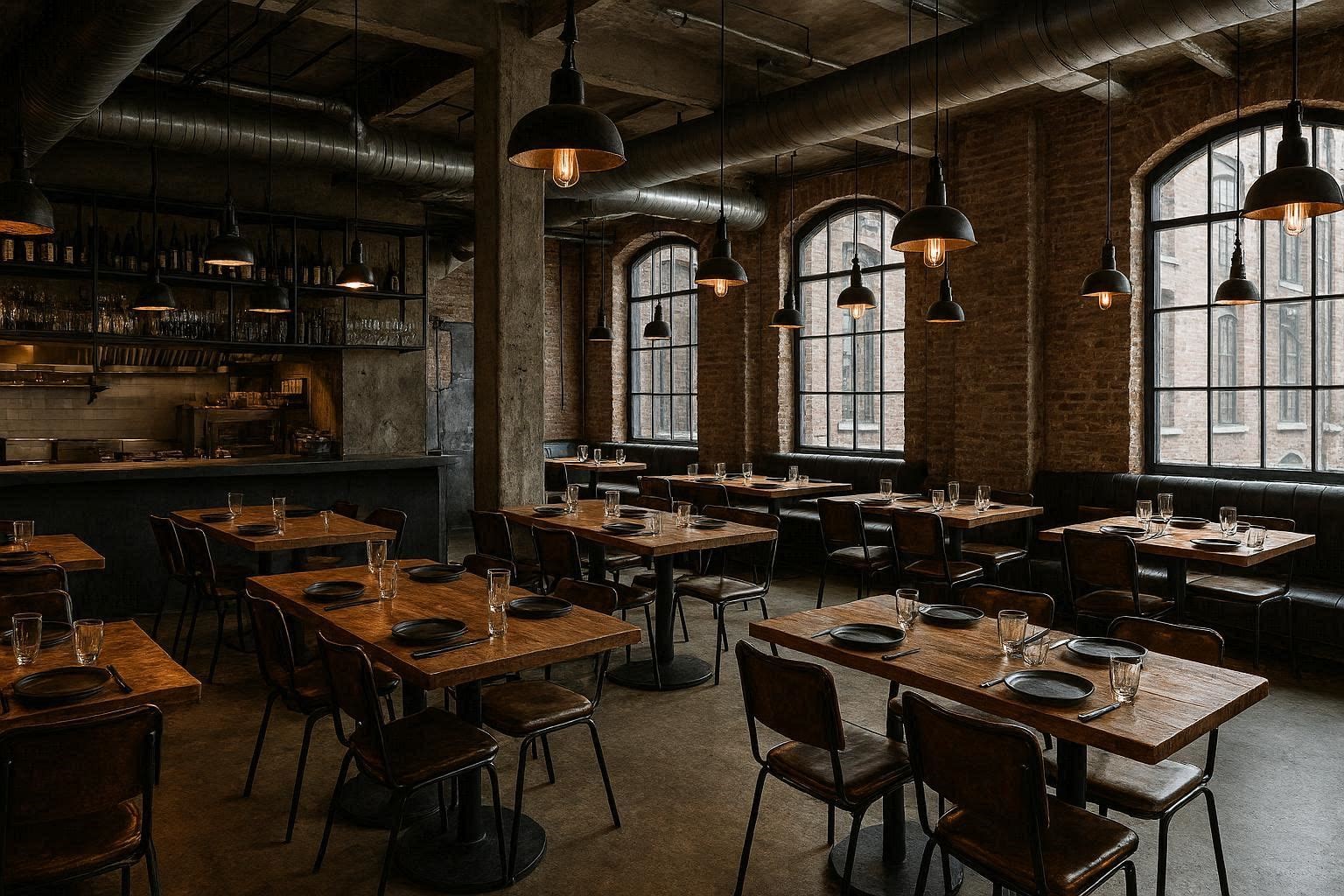
Exposed Architectural Elements and Raw Textures
Key features often include:
- Exposed brick walls
- Concrete flooring
- Steel accents
- Visible ductwork
- Edison-style lighting
Combining Industrial Style With Modern Comfort
Successful industrial spaces soften raw materials with comfortable seating, warm lighting, and thoughtful décor to create a welcoming atmosphere.
#3: Open-Kitchen Restaurant Layouts
Open kitchens have become increasingly popular because they bring transparency and entertainment into the dining experience.
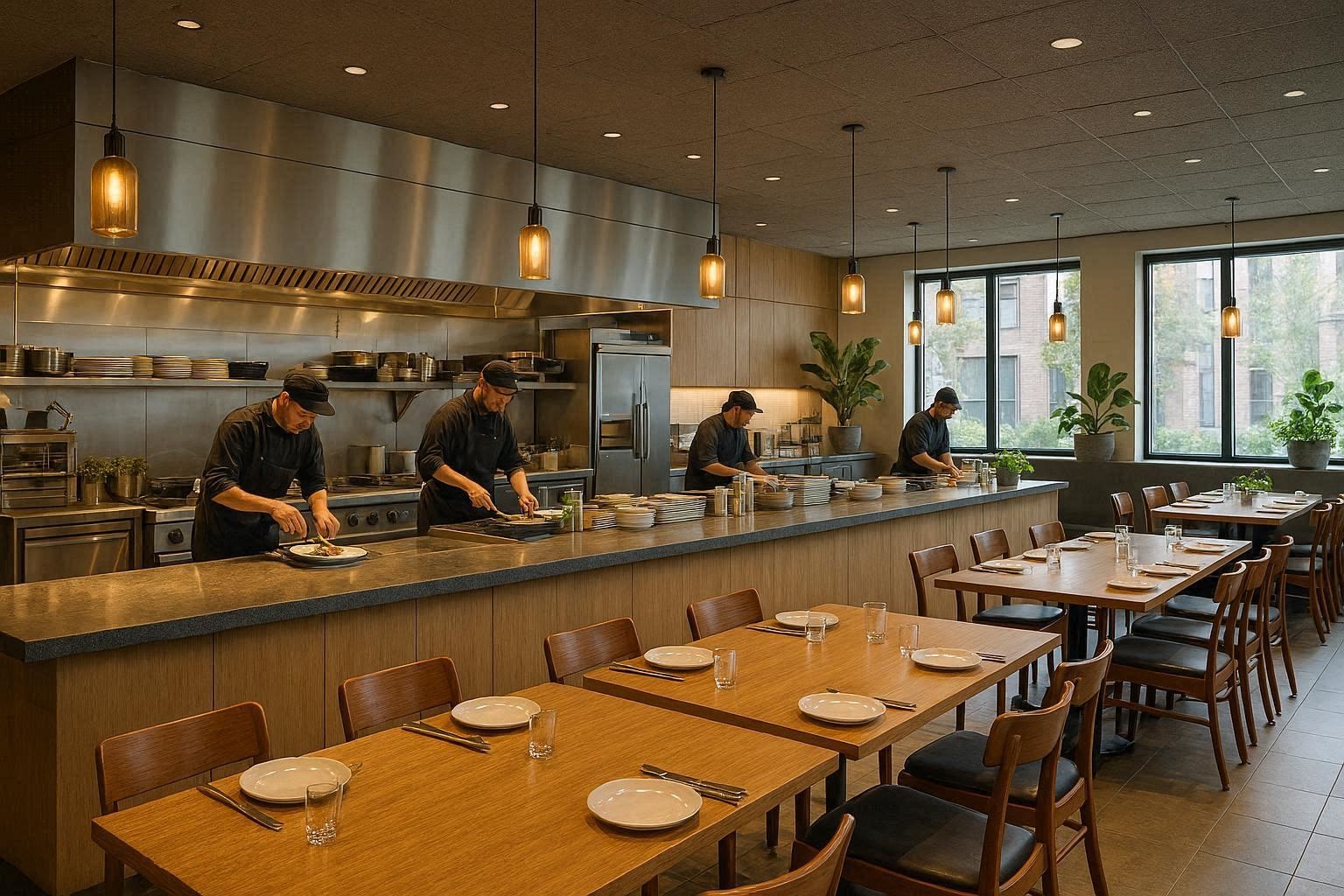
Creating Transparency and Customer Engagement
Guests enjoy watching chefs prepare meals, which builds trust and showcases culinary expertise.
Design Tips for Functional Open Kitchens
Careful planning is essential to ensure the kitchen remains visually appealing while maintaining efficiency and cleanliness.
#4: Smart Technology-Integrated Dining Spaces
Technology is reshaping modern restaurant interiors.
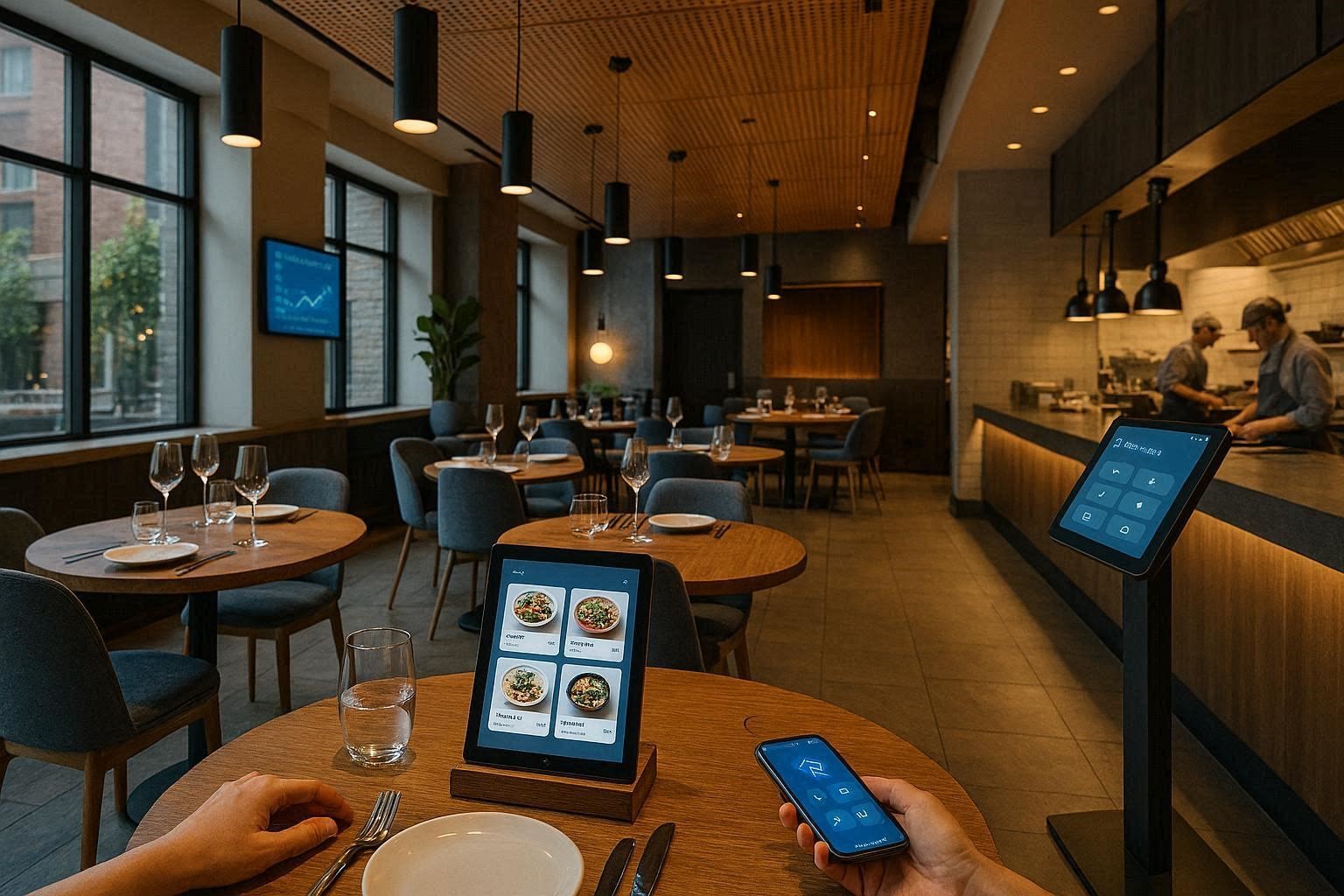
Digital Menus, Interactive Ordering, and Smart Lighting
Innovative technology features include:
- QR code menus
- Interactive ordering systems
- Smart lighting controls
- Automated reservations
- Digital displays
Enhancing Customer Convenience Through Technology
Technology can streamline operations, reduce wait times, and provide a more personalized dining experience.
#5: Sustainable and Eco-Friendly Restaurant Interiors
Sustainability has become a major priority for both restaurant owners and customers.
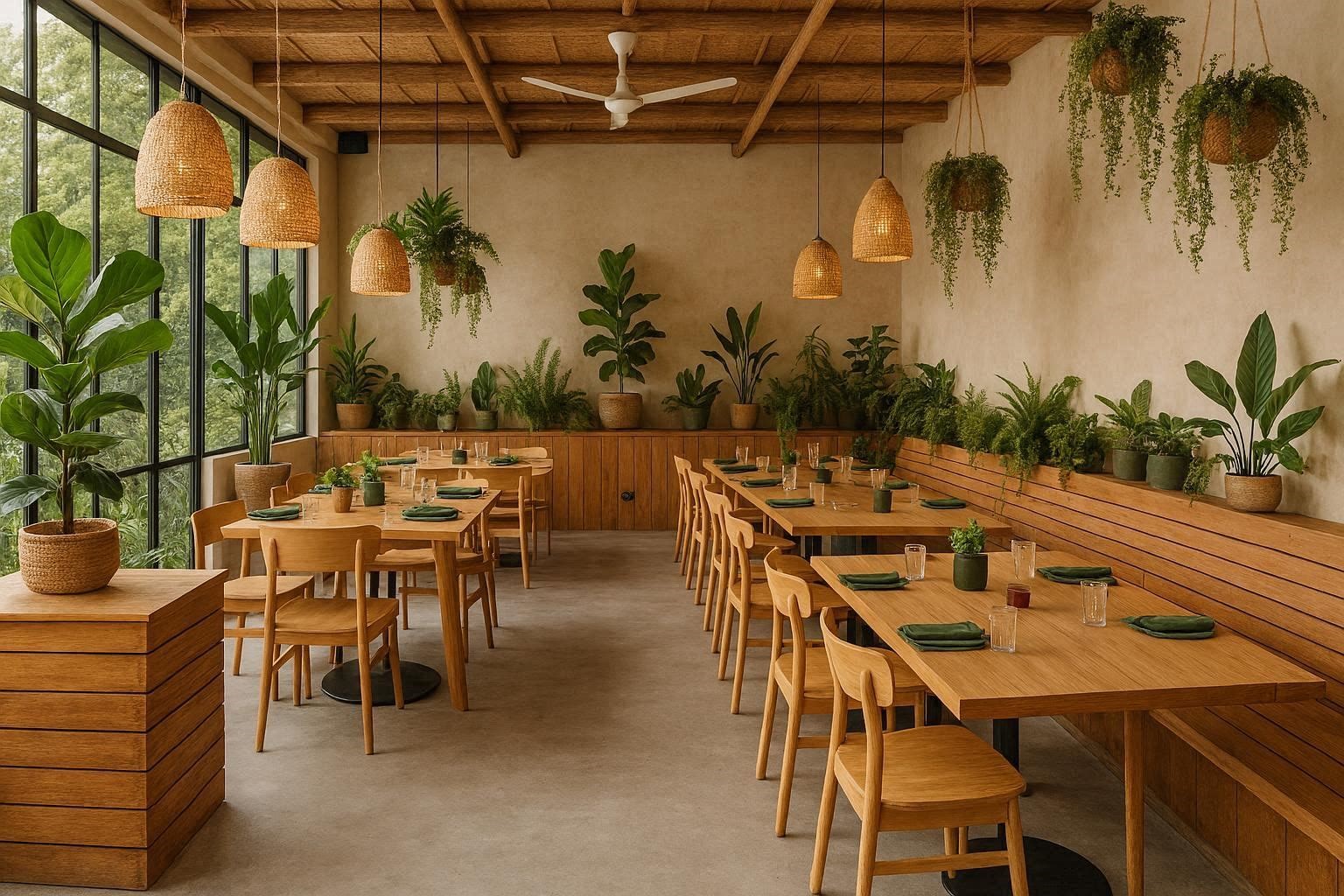
Environmentally Responsible Materials and Furnishings
Popular sustainable materials include:
- Reclaimed wood
- Bamboo
- Recycled metals
- Energy-efficient lighting
- Low-VOC finishes
Sustainable Design Trends That Customers Love
Eco-conscious interiors communicate environmental responsibility while often reducing long-term operating costs.
#6: Luxury Contemporary Restaurant Designs
Luxury contemporary interiors combine sophistication with modern design principles.
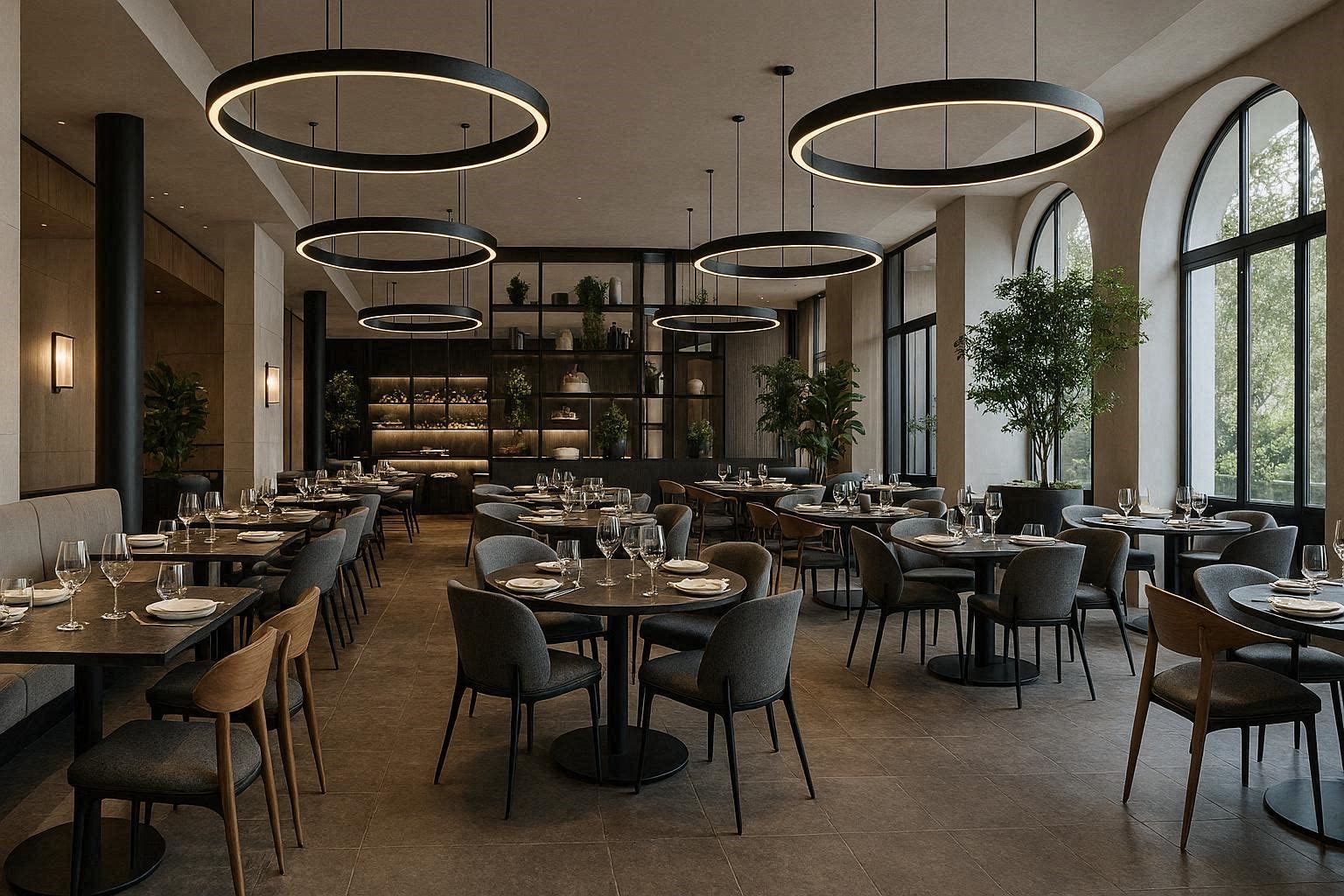
Premium Materials, Elegant Lighting, and Sophisticated Details
Common elements include:
- Marble surfaces
- Custom furniture
- Designer lighting
- Rich textures
- High-end finishes
Creating an Upscale Dining Atmosphere
Attention to detail helps create a premium experience that justifies higher menu prices and attracts discerning clientele.
#7: Multi-Sensory Dining Experiences
Modern restaurant design increasingly focuses on engaging multiple senses.
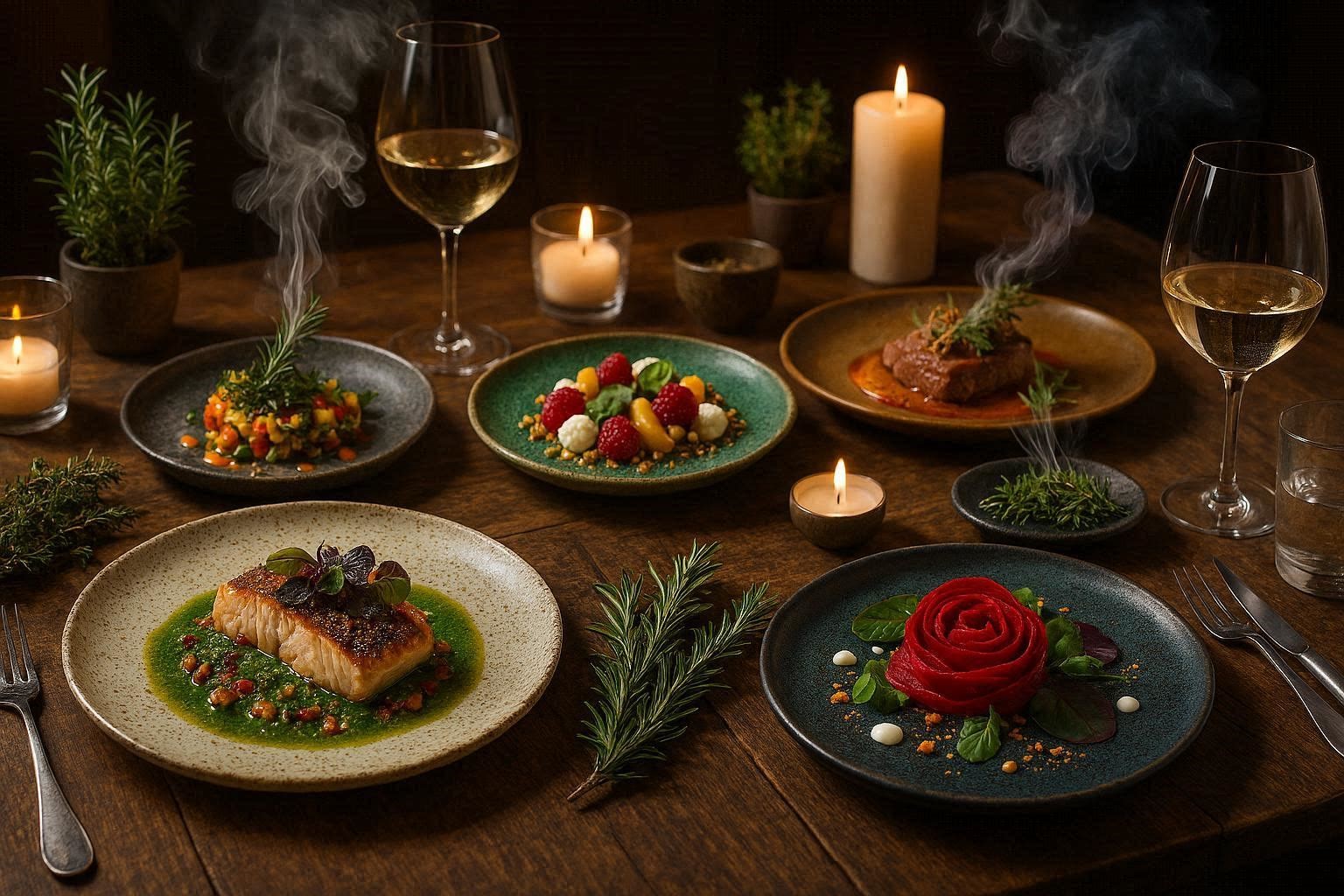
Using Lighting, Sound, and Visual Elements Creatively
Multi-sensory environments may incorporate:
- Dynamic lighting
- Curated music
- Interactive projections
- Artistic installations
Designing Spaces That Engage All the Senses
When visual, auditory, and tactile elements work together, the dining experience becomes far more memorable.
#8: Flexible and Modular Seating Arrangements
Restaurant layouts must adapt to changing customer needs.
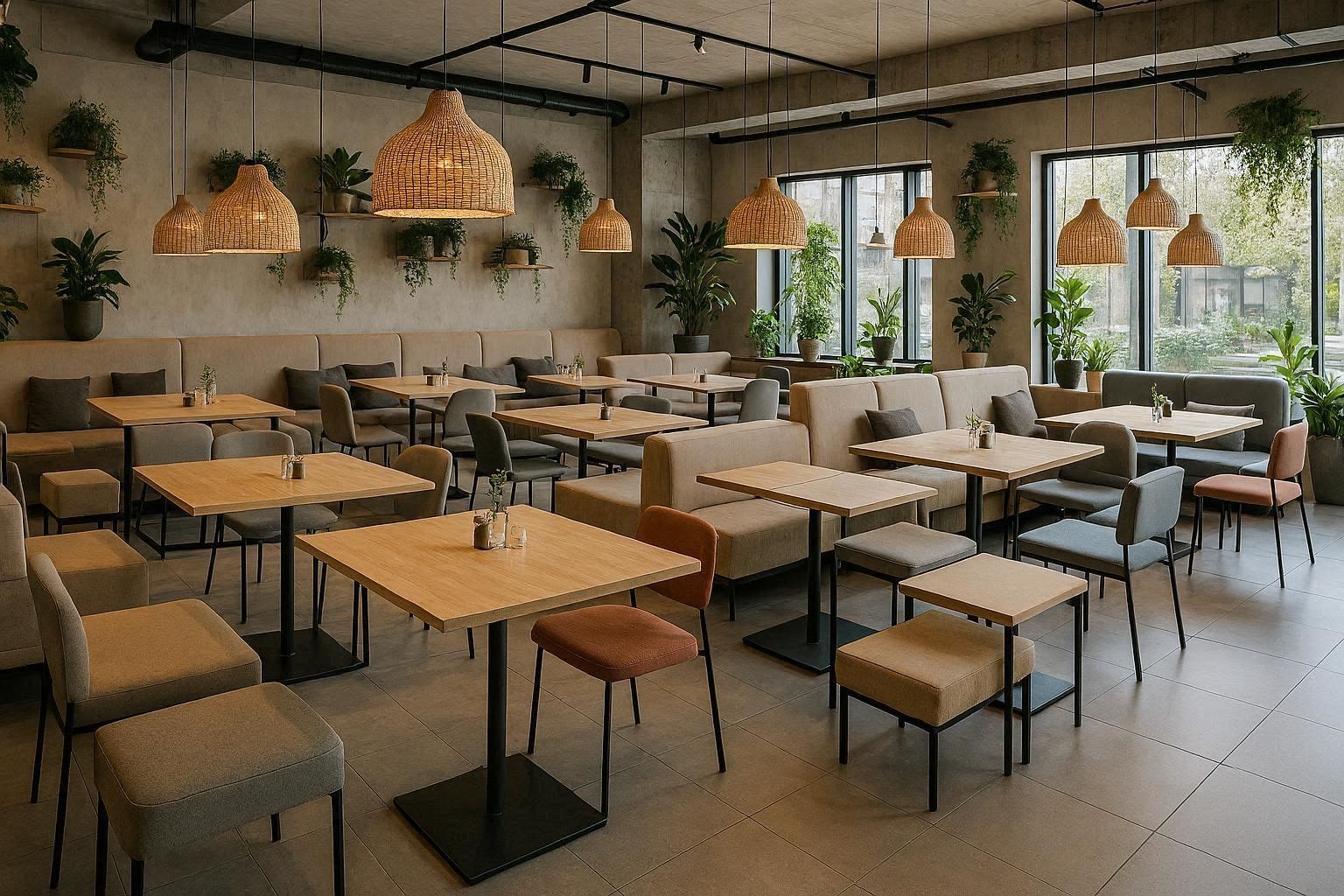
Adapting Spaces for Different Group Sizes
Modular seating allows restaurants to easily accommodate:
- Couples
- Families
- Large groups
- Private events
Maximizing Space Efficiency Without Sacrificing Comfort
Flexible layouts improve operational efficiency while enhancing customer satisfaction.
#9: Minimalist Modern Restaurant Interiors
Minimalism continues to influence restaurant design worldwide.
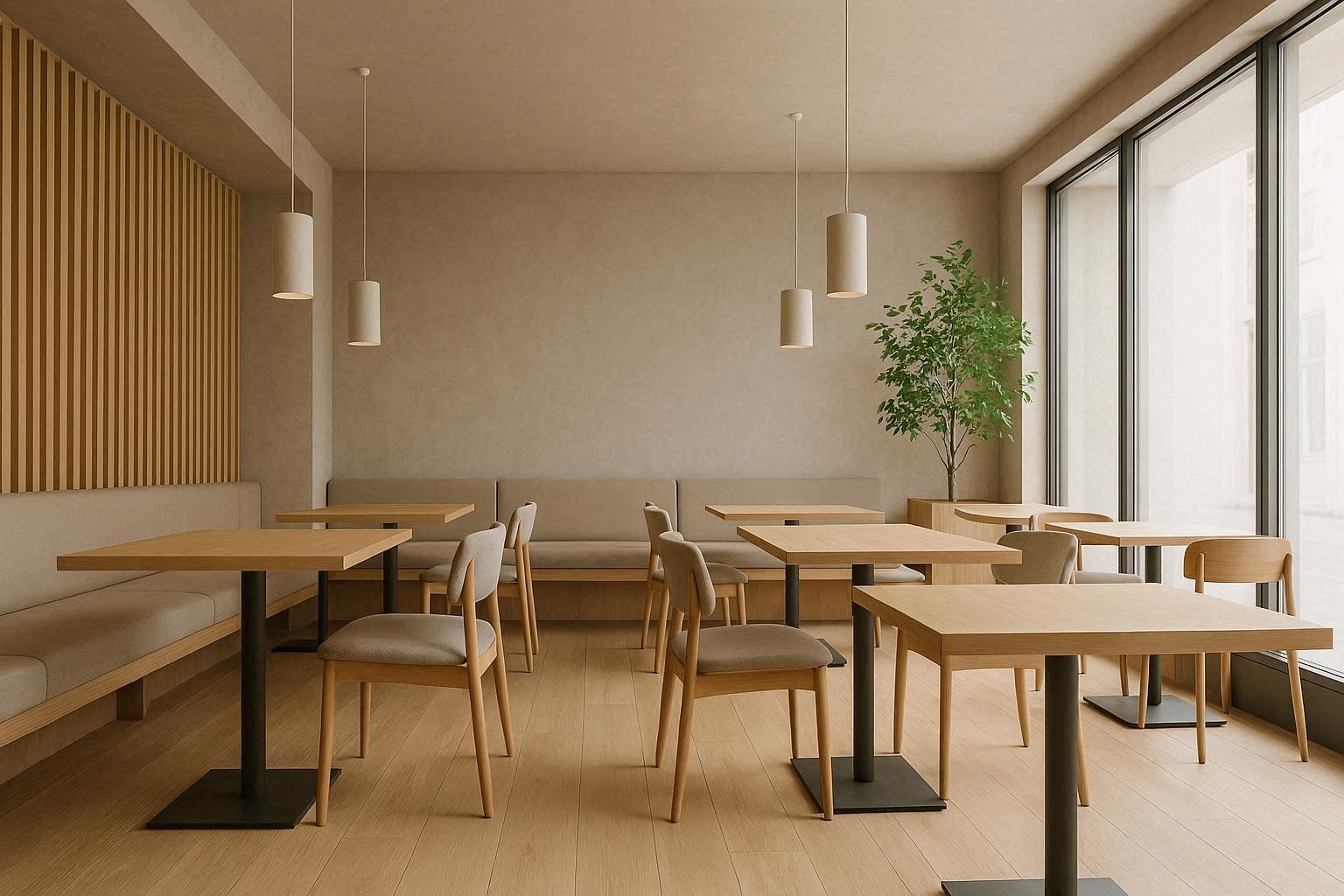
Clean Lines, Simplicity, and Functional Beauty
Characteristics include:
- Neutral color palettes
- Simple furniture
- Open spaces
- Minimal clutter
- Focus on quality materials
Why Minimalism Continues to Dominate Restaurant Design
Minimalist environments place greater emphasis on food presentation and create a calm, sophisticated atmosphere.
#10: Instagram-Worthy Feature Walls and Photo Spots
Social media has become a powerful marketing tool for restaurants.
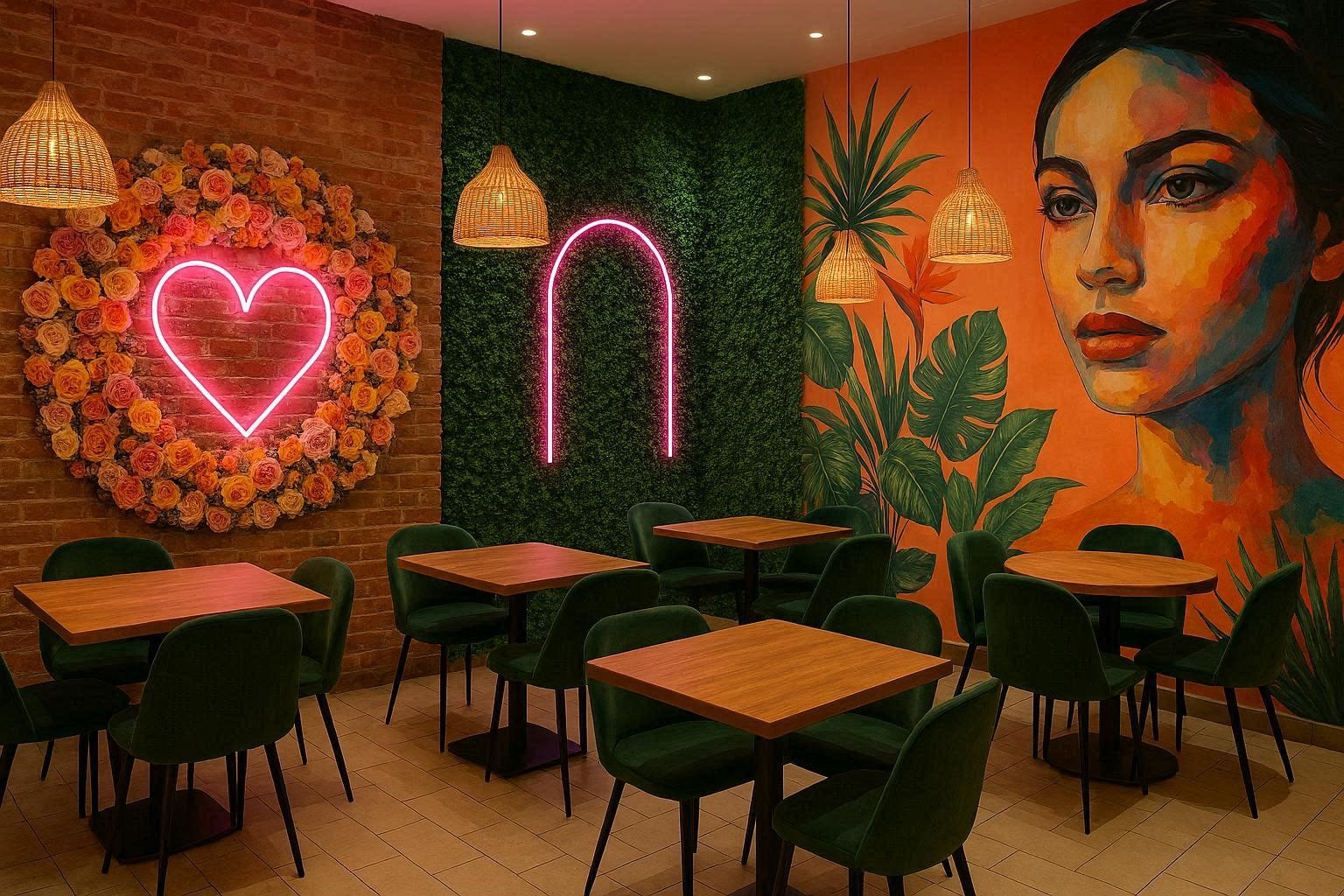
Creating Social Media-Friendly Design Elements
Popular photo-worthy features include:
- Neon signs
- Artistic murals
- Floral installations
- Statement lighting
- Unique backdrops
Turning Customers Into Brand Ambassadors
When customers share photos online, they provide valuable organic marketing that can significantly increase visibility.
#11: Cultural Fusion Restaurant Designs
Global influences are inspiring innovative restaurant interiors.
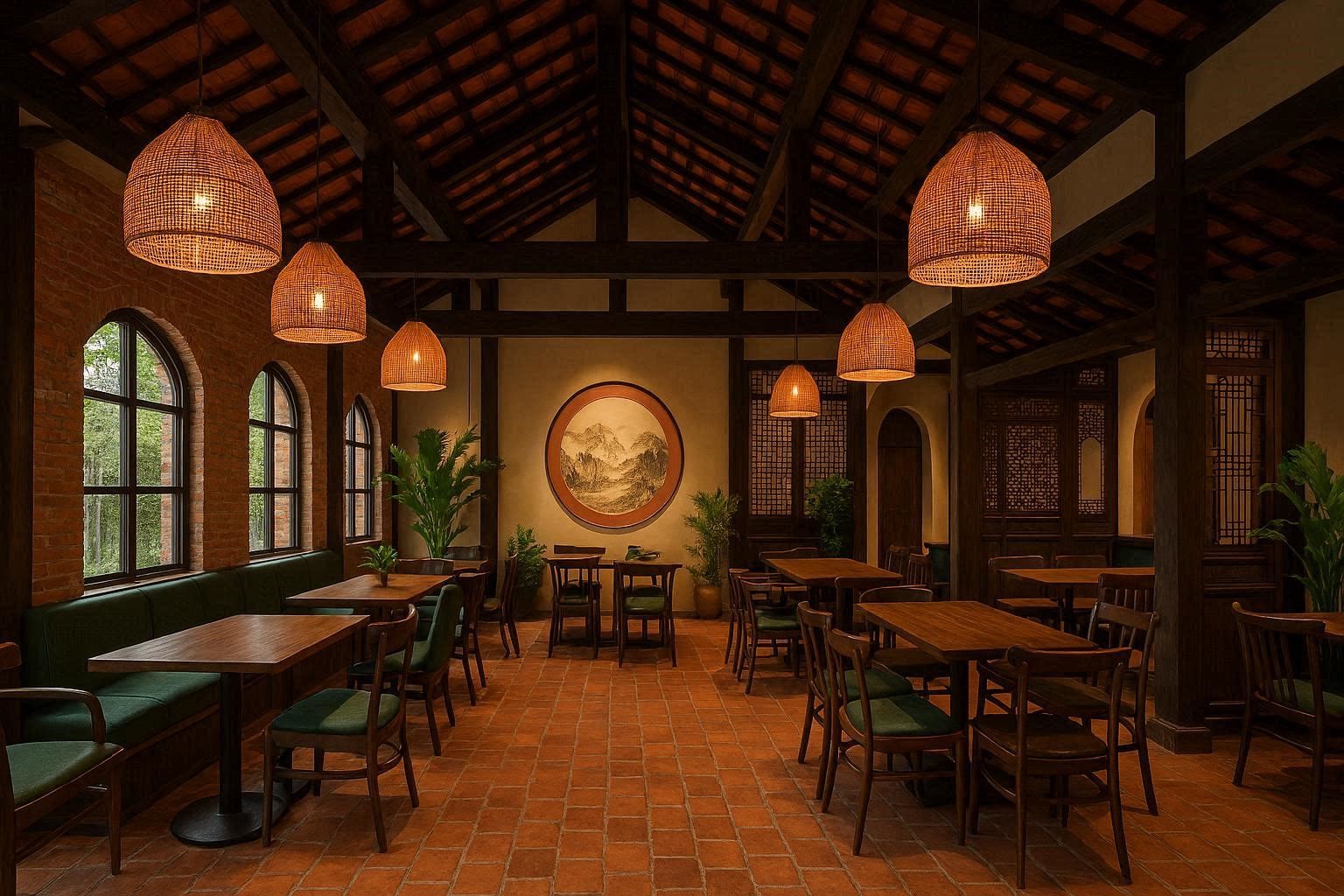
Blending Global Influences Into Unique Dining Spaces
Examples include:
- Japanese-Scandinavian fusion
- Mediterranean-modern concepts
- Asian-industrial combinations
- Contemporary ethnic interpretations
Maintaining Authenticity While Encouraging Creativity
The most successful fusion designs respect cultural influences while introducing fresh and innovative elements.
#12: Rooftop and Indoor-Outdoor Restaurant Concepts
Connecting indoor and outdoor spaces creates a dynamic dining environment.
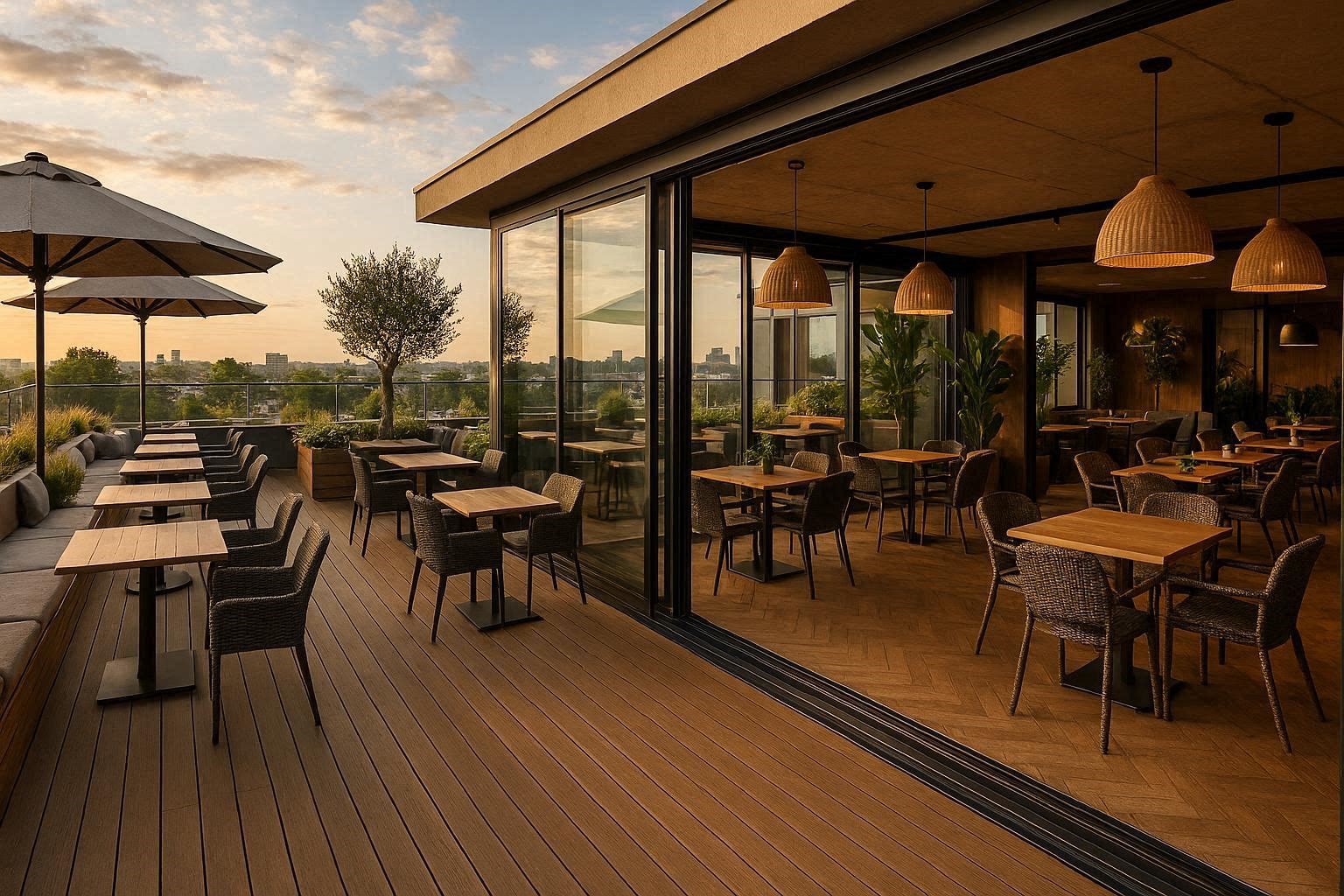
Connecting Diners With Open-Air Experiences
Features often include:
- Retractable walls
- Outdoor terraces
- Rooftop seating
- Courtyard dining
Design Strategies for Seamless Indoor-Outdoor Flow
Consistent materials, lighting, and furnishings help create a unified experience between interior and exterior spaces.
#13: Art Gallery-Inspired Restaurant Interiors
Art-focused restaurants provide guests with a cultural experience alongside their meal.
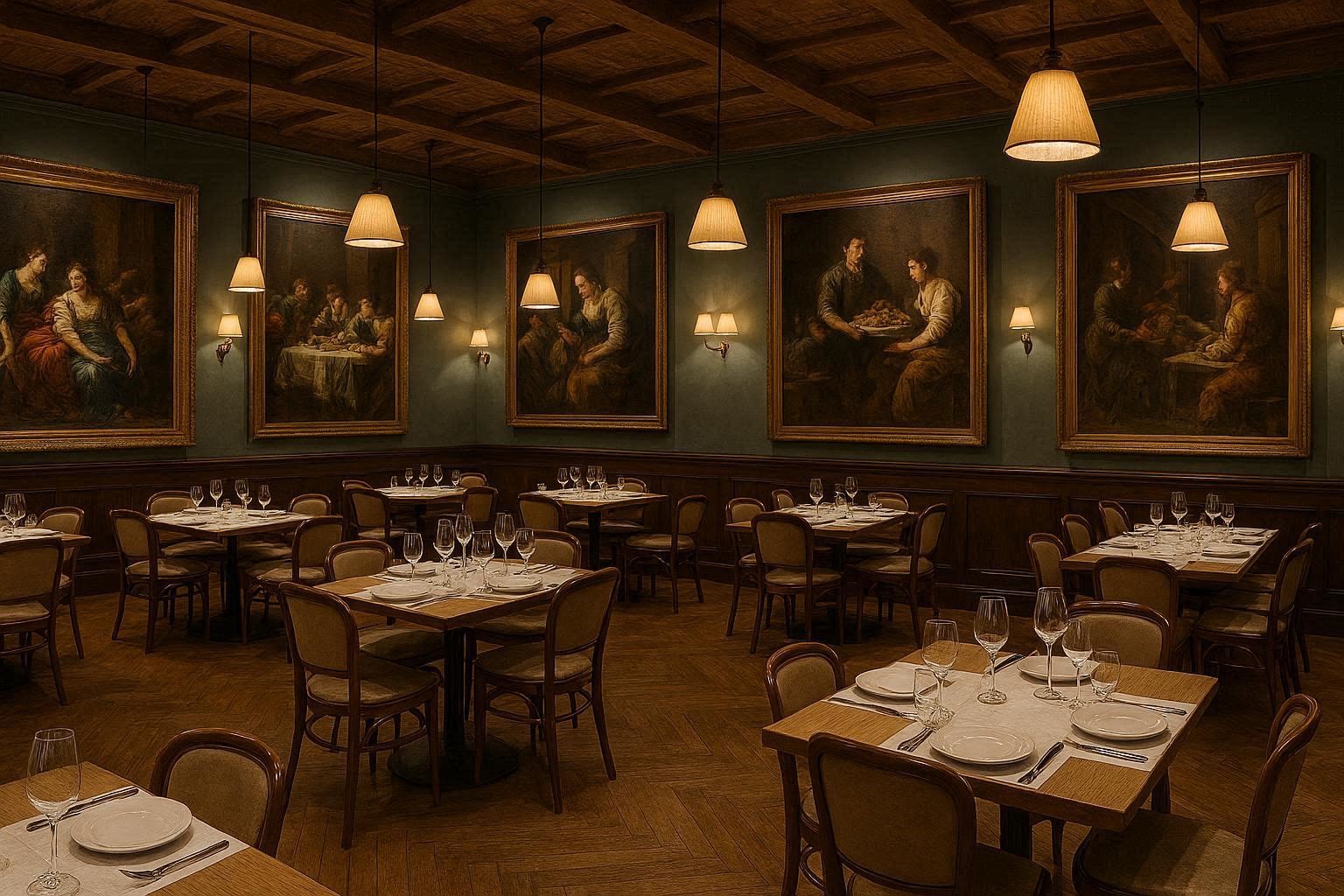
Incorporating Artwork as a Central Design Feature
Restaurants may showcase:
- Rotating exhibitions
- Local artists
- Sculptures
- Large-scale murals
- Interactive installations
Enhancing Atmosphere Through Creative Expression
Art can spark conversation and establish a unique identity that differentiates the restaurant from competitors.
#14: Vintage Meets Modern Restaurant Design
Combining old and new elements creates timeless appeal.
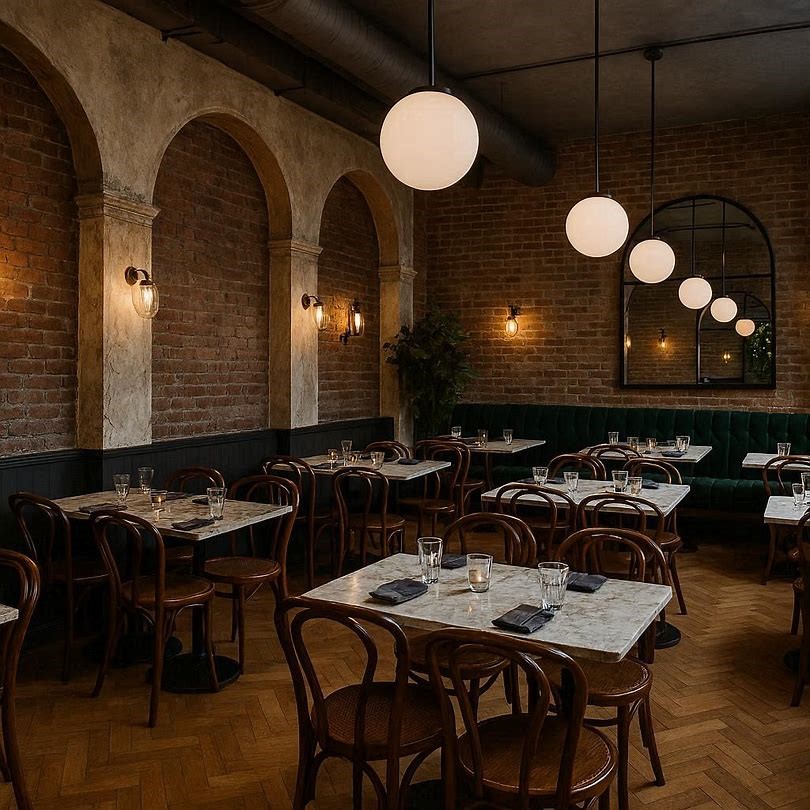
Combining Nostalgic Charm With Contemporary Elements
Popular combinations include:
- Vintage furniture with modern lighting
- Historic architecture with updated finishes
- Retro colors paired with sleek materials
Achieving Timeless Appeal Through Contrast
This design approach appeals to customers who appreciate both nostalgia and contemporary comfort.
#15: Immersive Themed Restaurant Experiences
Themed restaurants continue to evolve beyond traditional concepts.
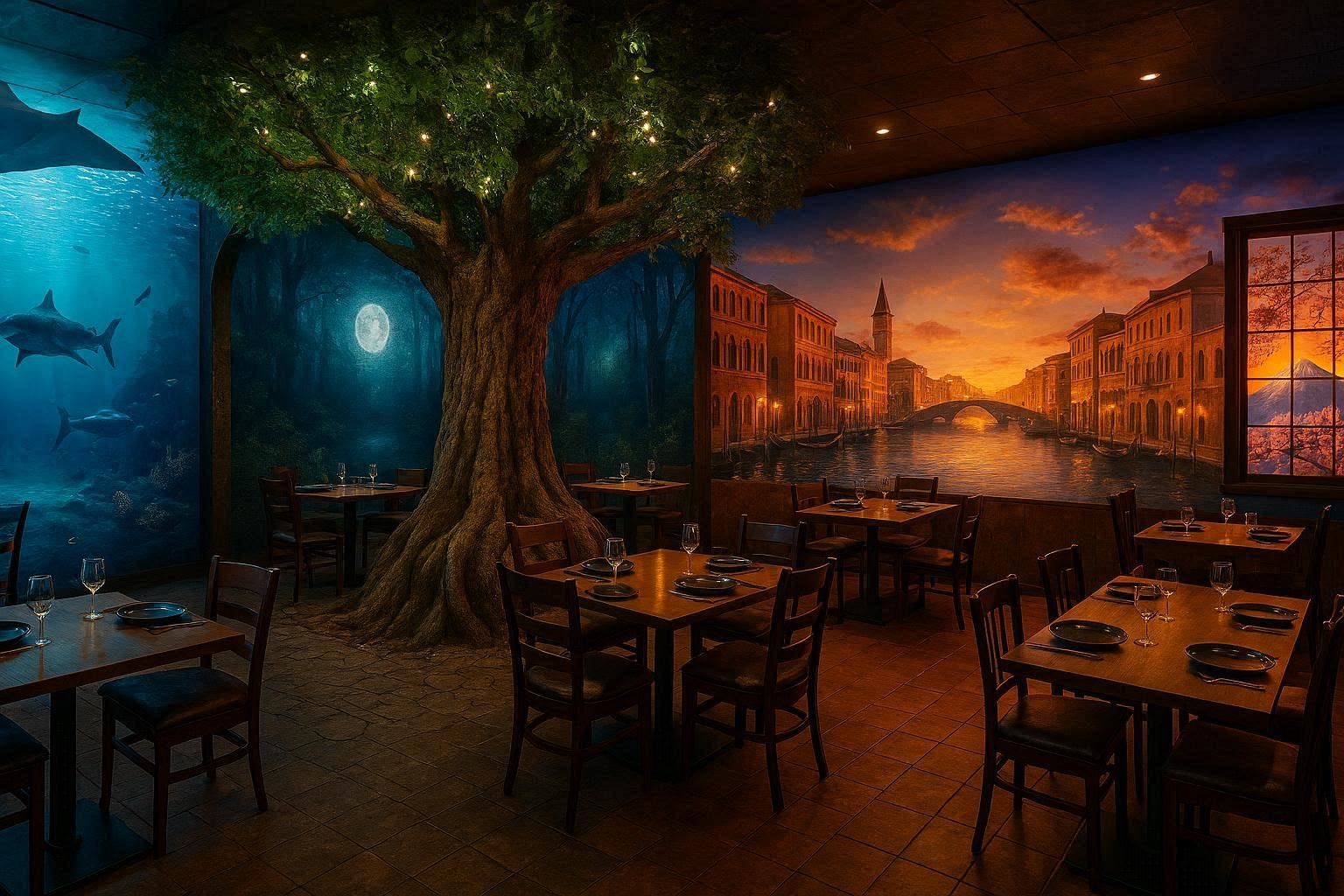
Storytelling Through Interior Design
Every element contributes to a cohesive narrative, including:
- Architecture
- Furniture
- Lighting
- Décor
- Staff presentation
Creating Memorable Destinations Rather Than Just Restaurants
Immersive environments transform dining into an experience that customers actively seek out and remember.
Restaurant Lighting Strategies That Enhance Interior Design
Lighting is one of the most influential elements in restaurant design.
Ambient, Task, and Accent Lighting Techniques
Successful lighting plans typically combine:
- Ambient lighting for overall illumination
- Task lighting for functionality
- Accent lighting for visual drama
Choosing Lighting That Matches the Restaurant Concept
Lighting should reinforce the restaurant’s personality, whether casual, romantic, luxurious, or energetic.
Selecting the Right Colors for Restaurant Interiors
Color significantly affects customer behavior and perception.
Color Psychology and Customer Behavior
Different colors evoke different emotional responses:
- Red stimulates appetite and energy.
- Blue promotes calmness.
- Green suggests freshness and health.
- Yellow creates warmth and optimism.
- Black conveys sophistication and luxury.
Popular Color Schemes for Different Restaurant Types
The most effective color palettes align with the restaurant’s cuisine, target audience, and brand identity.
Furniture and Layout Considerations for Restaurant Success
Furniture selection impacts both aesthetics and functionality.
Choosing Comfortable and Durable Seating
Restaurant furniture should be attractive, comfortable, easy to maintain, and capable of withstanding heavy daily use.
Optimizing Traffic Flow and Space Planning
Efficient layouts improve customer experiences while helping staff move smoothly throughout the restaurant.
Common Restaurant Interior Design Mistakes to Avoid
Even beautiful designs can fail if practical considerations are overlooked.
Prioritizing Style Over Functionality
A visually stunning restaurant must also operate efficiently for both customers and staff.
Poor Lighting and Acoustic Planning
Excessive noise and inadequate lighting can negatively affect the dining experience regardless of how attractive the interior appears.
Inconsistent Branding Throughout the Space
Every design element should support the restaurant’s overall concept and brand message.
Future Trends Shaping Restaurant Interior Design
Restaurant design continues to evolve as customer expectations change.
AI and Smart Dining Technologies
Artificial intelligence and automation are becoming increasingly integrated into restaurant operations and customer experiences.
Sustainable and Wellness-Focused Design
Future designs will continue emphasizing sustainability, health, and environmental responsibility.
Personalized and Experience-Driven Spaces
Restaurants are increasingly focused on creating unique experiences tailored to customer preferences.
Final Thoughts: Designing Restaurants That Guests Remember
Restaurant interior design has become one of the most important factors influencing customer satisfaction, brand recognition, and long-term business success. The most innovative restaurants understand that design is not simply about decoration—it is about creating meaningful experiences that connect with guests emotionally.
Whether through biophilic design, smart technology, luxury materials, immersive themes, or social media-friendly spaces, each of the 15 innovative concepts discussed in this guide offers opportunities to differentiate a restaurant from its competitors.
By combining creativity, functionality, comfort, and strong brand identity, restaurant owners can create memorable destinations that encourage repeat visits, generate positive reviews, and inspire customers to share their experiences with others. In an increasingly experience-driven marketplace, great design is no longer optional—it is a powerful competitive advantage.