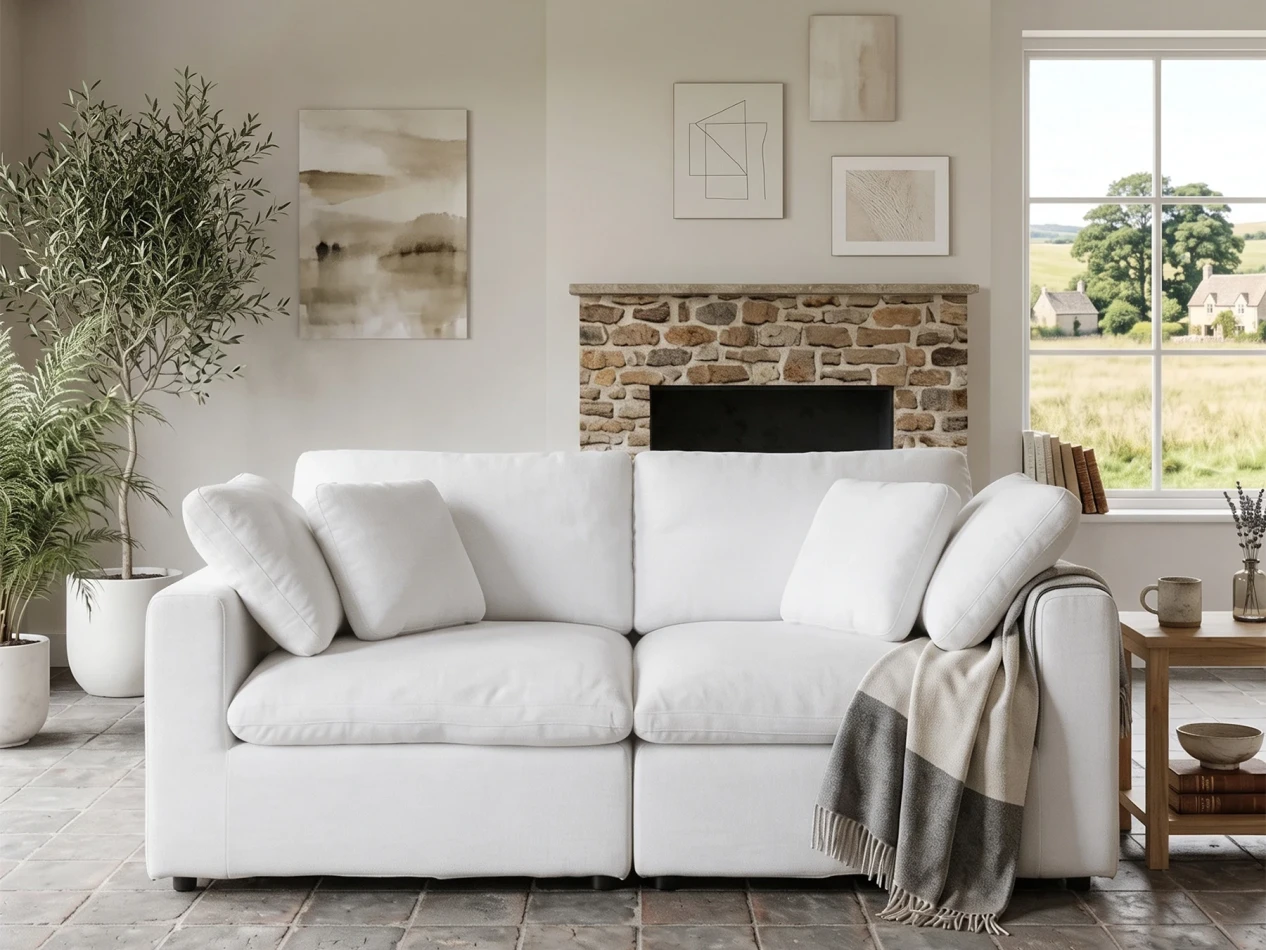
There’s a moment every small-living-room host knows too well: guests arrive, and you have to turn sideways to shimmy past the coffee table just to pour someone a drink. The sofa is right there, but somehow it’s in the way. The problem usually isn’t the room. It’s the shape of the sofa.The real challenge is finding furniture that fits your space without making it feel crowded.
A bulky traditional couch can quickly take over a room, leaving little space to move around. That’s why modular sofas are worth considering. With flexible seating arrangements and separate pieces, designs like this modular sofa from Intuition Decor make it easier to create a layout that works for your home without sacrificing comfort.
Choose the Right Shape for Your Layout
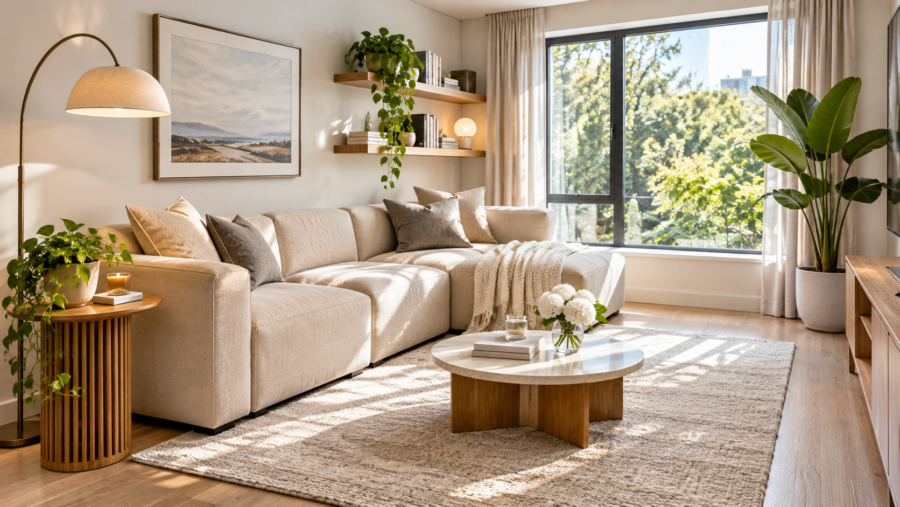
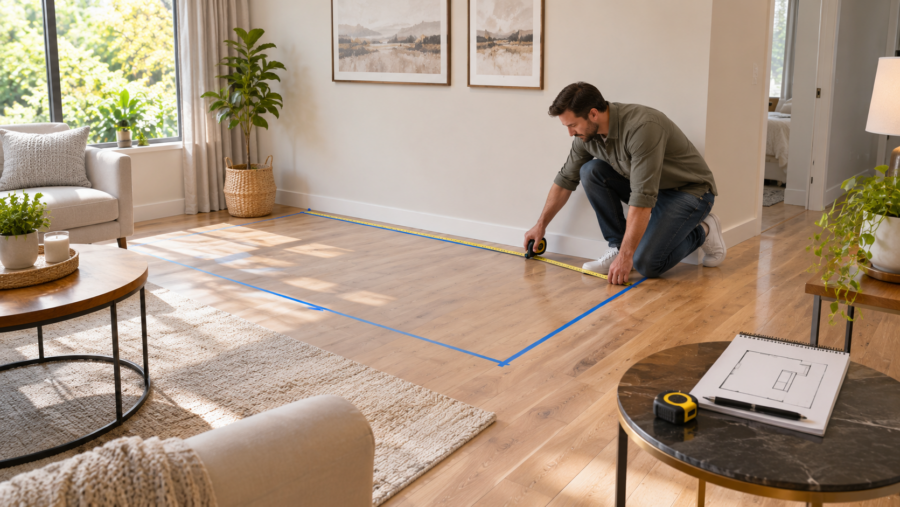
Before choosing a sofa, measure your living room and think about how you use the space. An L-shaped modular sofa can fit neatly into a corner, making good use of an often-overlooked area while keeping the center of the room open. Just make sure it doesn’t block doorways or walkways.
If you usually seat two people, a loveseat may be all you need. An ottoman is another practical option. Use it as a footrest, an extra seat when guests visit, or move it aside whenever you need more floor space.
Don’t forget to measure doorways, hallways, and staircases before ordering. Even modular sofas need enough room for their individual pieces to get inside.
Look Beyond Appearance
A sofa should feel as good as it looks, especially when it’s used every day. Pay attention to cushion construction and foam density, as these affect comfort and how well the cushions hold their shape over time. Foam density indicates durability, while firmness determines how the seat feels; overall cushion construction—foam, fiber, or mixed fillings—affects how well it keeps its shape.
Fabric choice matters, too. Removable, washable covers make everyday cleaning easier, particularly for households with children or pets. Tightly woven upholstery is often a practical choice because it’s generally less prone to snagging than loose-weave fabrics. Cleaning methods vary by fabric—check the manufacturer’s care instructions before machine washing .

Keep the Room Open and Functional
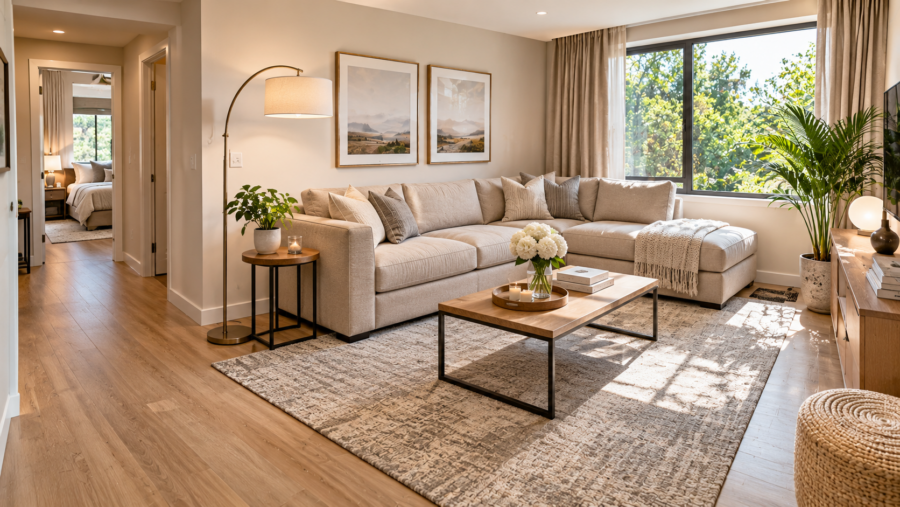
The right sofa can make a small living room feel more spacious, but the surrounding furniture matters just as much. Leave enough room between the sofa and coffee table for comfortable movement. If a traditional coffee table feels too bulky, try a smaller side table or nesting tables instead.
Low-profile sofas in lighter shades can also create a more open, airy appearance. Wall-mounted shelves are another smart way to add storage without taking up valuable floor space.
Most importantly, resist the temptation to fill every empty corner. A little breathing room can make a bigger difference than adding more furniture.
The Bottom Line
Choosing a modular sofa for a small living room comes down to balancing comfort, size, and flexibility. Measure carefully, choose materials that suit your lifestyle, and think about how the layout will work in everyday life. With the right sofa and a thoughtful arrangement, even a compact living room can become a comfortable and inviting place to relax.