Halloween costumes are designed to look memorable, but they are not always designed with sensitive skin in mind. Scratchy seams, stiff synthetic fabric, glitter, face paint and trapped heat can turn an exciting costume into something a child wants to remove before trick-or-treating begins.
Children with sensitive or eczema-prone skin do not have to skip dressing up. The key is choosing a costume that starts with comfortable clothing, minimizes direct contact with irritating materials and can be adjusted throughout the evening.
Little Sleepies: Best for a Pajama-Based Costume
Halloween pajamas can serve as a comfortable costume foundation for children who dislike stiff fabric, bulky layers or interior seams.
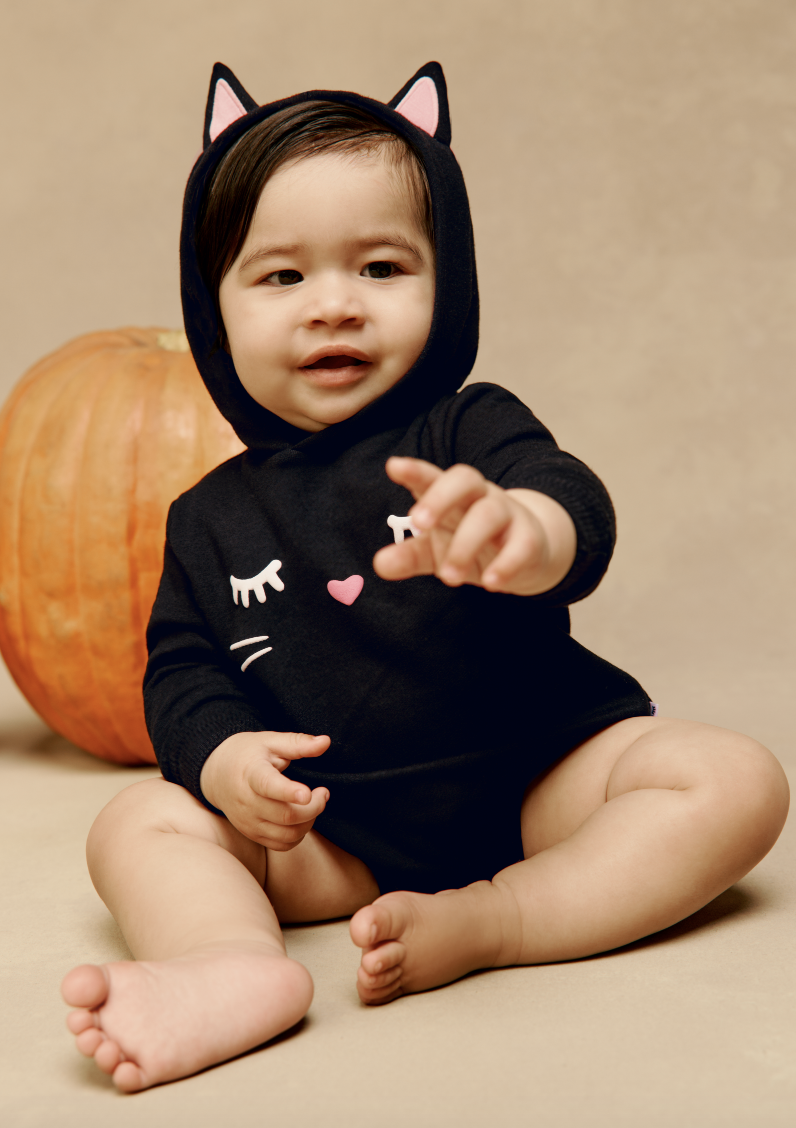
Little Sleepies makes its pajamas and Zippies from lightweight, stretchy Lunaluxe® Bamboo. The fabric is designed to feel soft against sensitive or eczema-prone skin, and the brand’s baby styles do not have interior tags that can rub against the body.
Source: Little Sleepies
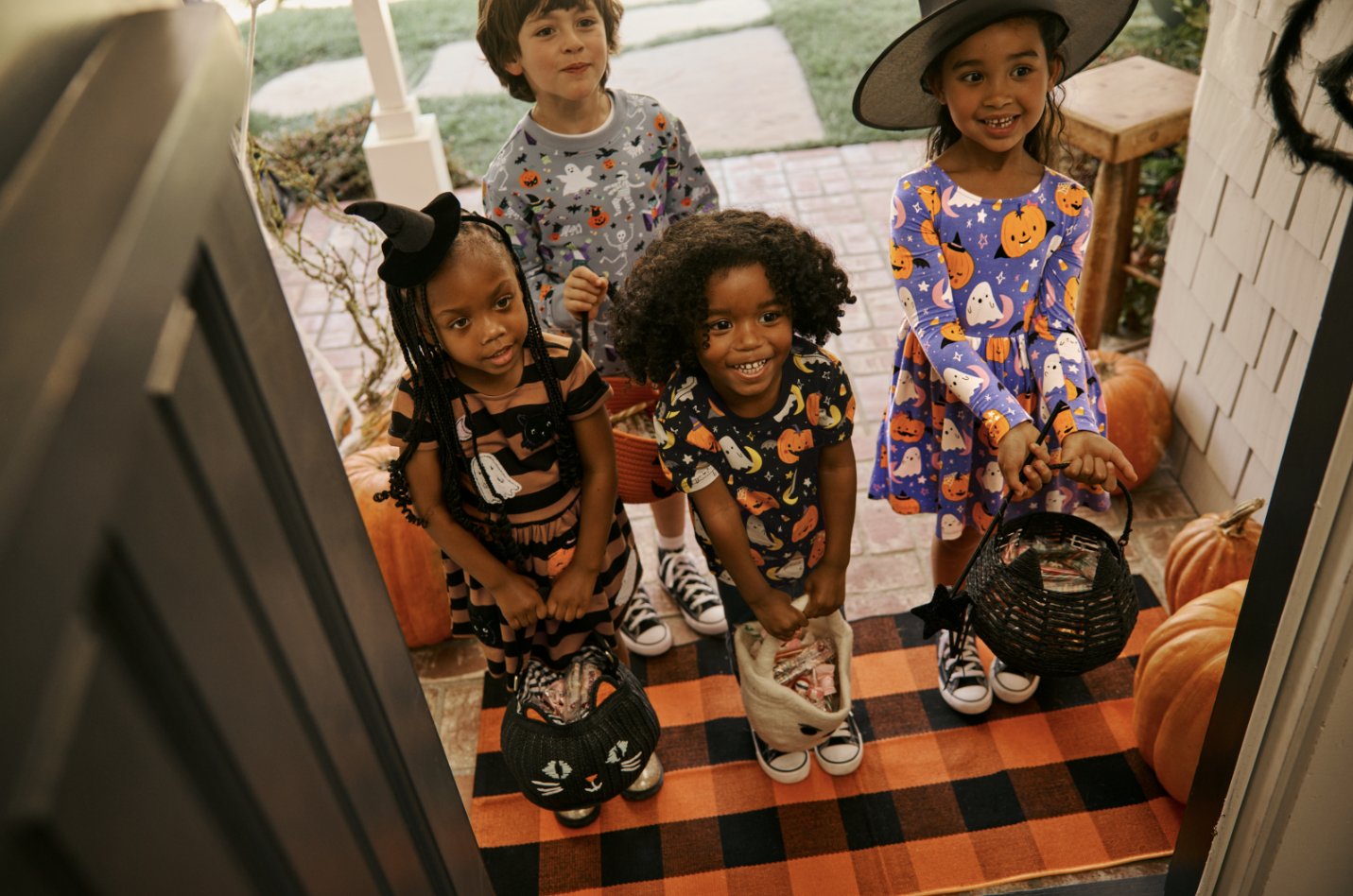
The Little Sleepies Halloween collection includes seasonal pajamas and clothing for babies, children and adults. A Halloween print can work as the complete outfit or become the base of a simple costume. Add a cape, ears or hat for photos and trick-or-treating, then remove the accessory if it becomes uncomfortable.
This approach also gives children something familiar to return to after the costume pieces come off. The pajamas can stay in their regular rotation instead of being worn for only one night.
Etsy: Best for Customizing the Fabric and Fit
Etsy can be helpful when a child needs a costume made with specific materials or without certain fasteners. Independent sellers offer personalized bodysuits, sweatshirts, cotton dresses, capes and embroidered Halloween outfits.
Read the full material description and contact the seller before ordering if the listing does not identify the fabric. Ask whether the design has exposed embroidery backing, glitter, appliqués or interior labels that could rub against the skin.
Because customized pieces may not be returnable, compare the seller’s measurements with clothing the child already finds comfortable.
Target: Best for Building a Costume From Everyday Basics
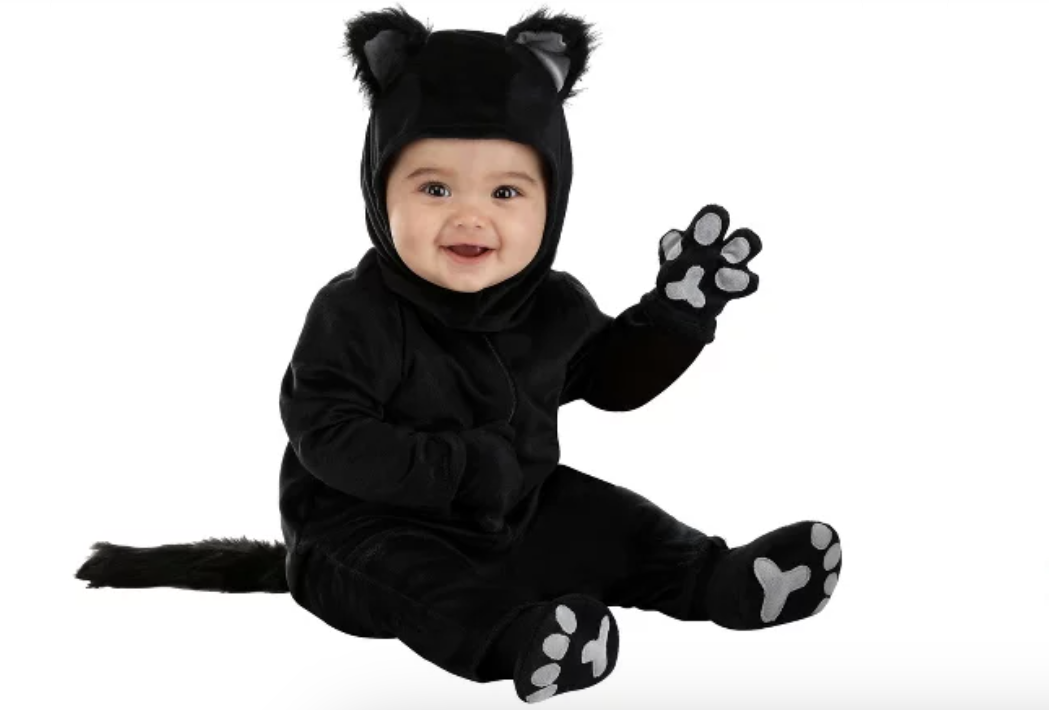
Some of the most comfortable costumes begin in the everyday clothing section. Target makes it relatively easy to combine solid-color shirts, leggings, sweatshirts and pajamas with one recognizable Halloween accessory.
Source: Target
Black basics can become a cat, bat or skeleton. An orange outfit can become a pumpkin. Green clothing can form the base of a dinosaur, frog or favorite storybook character.
This method gives parents greater control over the fabric touching the child’s skin. It also makes it easier to remove a cape, tutu or costume layer without losing the entire look.
Disney Store: Best for a Character-Inspired Look
Children who want to dress as a familiar character do not necessarily need a fully packaged costume. Disney Store can provide inspiration for recognizable colors, prints and accessories that can be paired with comfortable clothing from home.
Instead of choosing a heavily embellished dress or padded costume, recreate the character through a color palette and one signature detail. A soft blue outfit and removable cape may be enough to suggest a favorite ice queen, while red shorts and round ears can create a classic character look.
This is especially helpful for children who become uncomfortable in masks, wigs, gloves or multiple costume layers.
Spirit Halloween: Best for Traditional Costumes
Spirit Halloween offers a wide range of classic, licensed and themed costumes. When shopping for sensitive skin, focus less on how the costume feels in your hand and more on which parts will actually touch the child.
A soft base layer can create a barrier between the skin and rough seams, synthetic fabric or scratchy closures. Choose a thin, close-fitting layer that the child has worn comfortably before, then place the costume over it.
Have the child try on the complete outfit well before Halloween. Sitting, walking and playing in it for 20 minutes can reveal problems that are not obvious during a quick fitting.
How to Make Any Halloween Costume More Comfortable
Start With Familiar Fabric
Use a shirt, bodysuit or pair of pajamas the child already wears without irritation as the costume’s base. Avoid introducing several unfamiliar fabrics at once.
Wash Everything Before Halloween
The American Academy of Dermatology recommends washing new clothing before children with eczema wear it. This can help remove excess dye and fabric finishes. Use the child’s usual sensitive-skin detergent and skip scented fabric softener or dryer sheets.
Check Seams, Tags and Fasteners
Turn the costume inside out and feel every area that may touch the skin. Remove irritating tags when possible and cover rough seams or embroidery backing with a comfortable base layer.
Pay particular attention to the neckline, wrists, waist and backs of the knees, where friction and trapped sweat may become especially uncomfortable.
Prevent Overheating
Sweat and heat can contribute to itching. Choose breathable layers and avoid combining thick pajamas with a heavily padded costume unless the weather requires it.
Bring a change of comfortable clothing in case the costume becomes too warm or irritating during the evening.
Be Cautious With Face Paint
The American Academy of Pediatrics recommends testing face paint on a small area several days before applying it to a child’s face. Even products marketed to children may cause irritation or an allergic reaction.
For particularly sensitive skin, consider skipping face paint and creating the character with clothing, a hat or another removable accessory.
Check the Safety Label
The U.S. Consumer Product Safety Commission recommends looking for costumes, masks, beards and wigs labeled flame resistant. Costumes should also fit properly, allow clear vision and remain visible to drivers after dark.