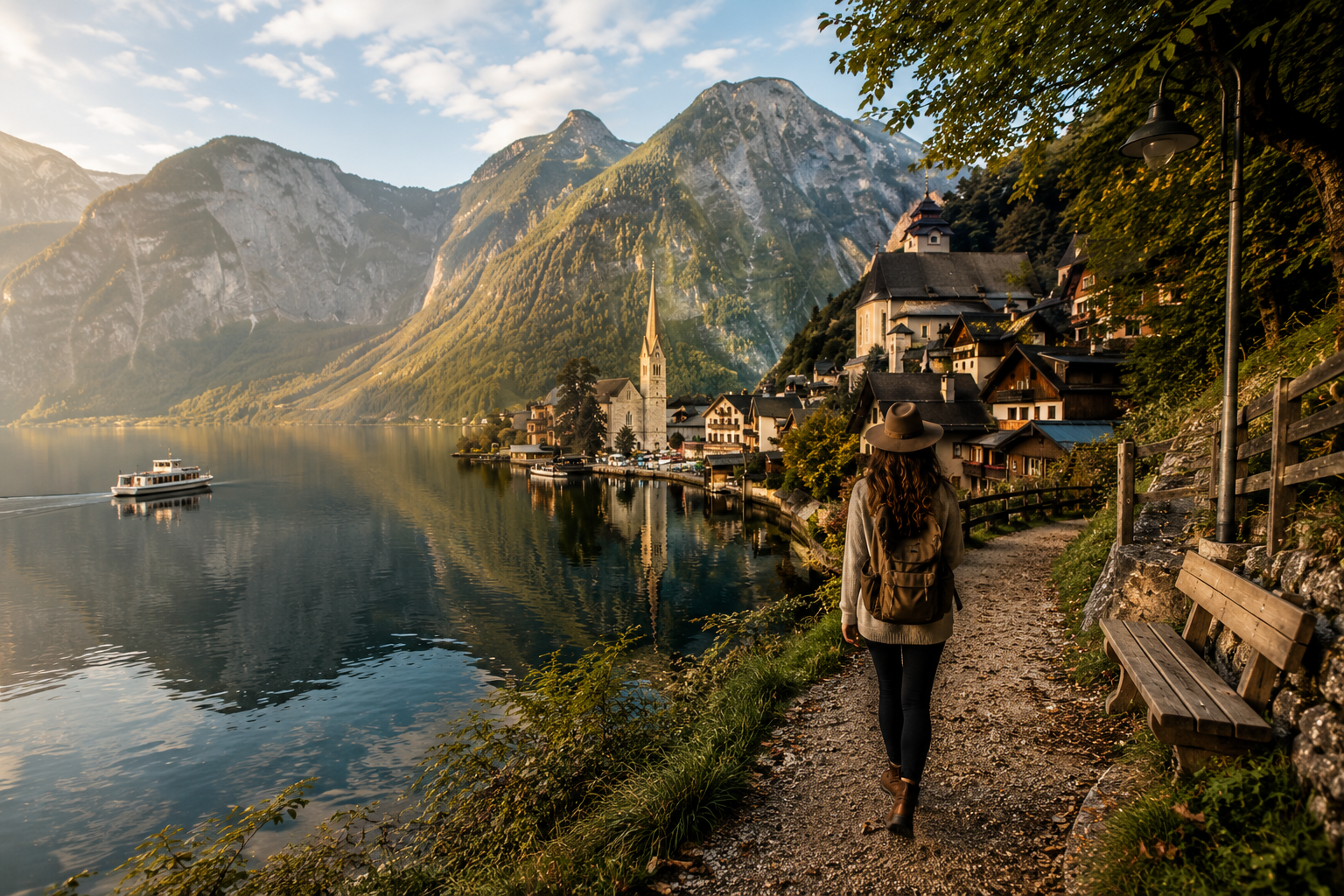
In an increasingly fast-paced world, a significant shift is occurring in how we choose to explore our planet. Travelers are seeking more profound connections and richer experiences, moving away from the superficiality of rapid-fire itineraries. This article delves into the captivating rise of slow travel and its growing appeal.
Why Travelers Are Slowing Down in 2026
As we navigate 2026, a remarkable transformation is evident in the global tourism landscape. Travelers are consciously opting to slow down, choosing to savor their journeys rather than race through them. This deliberate shift marks a new era in travel, emphasizing depth over breadth and genuine engagement over mere sightseeing.
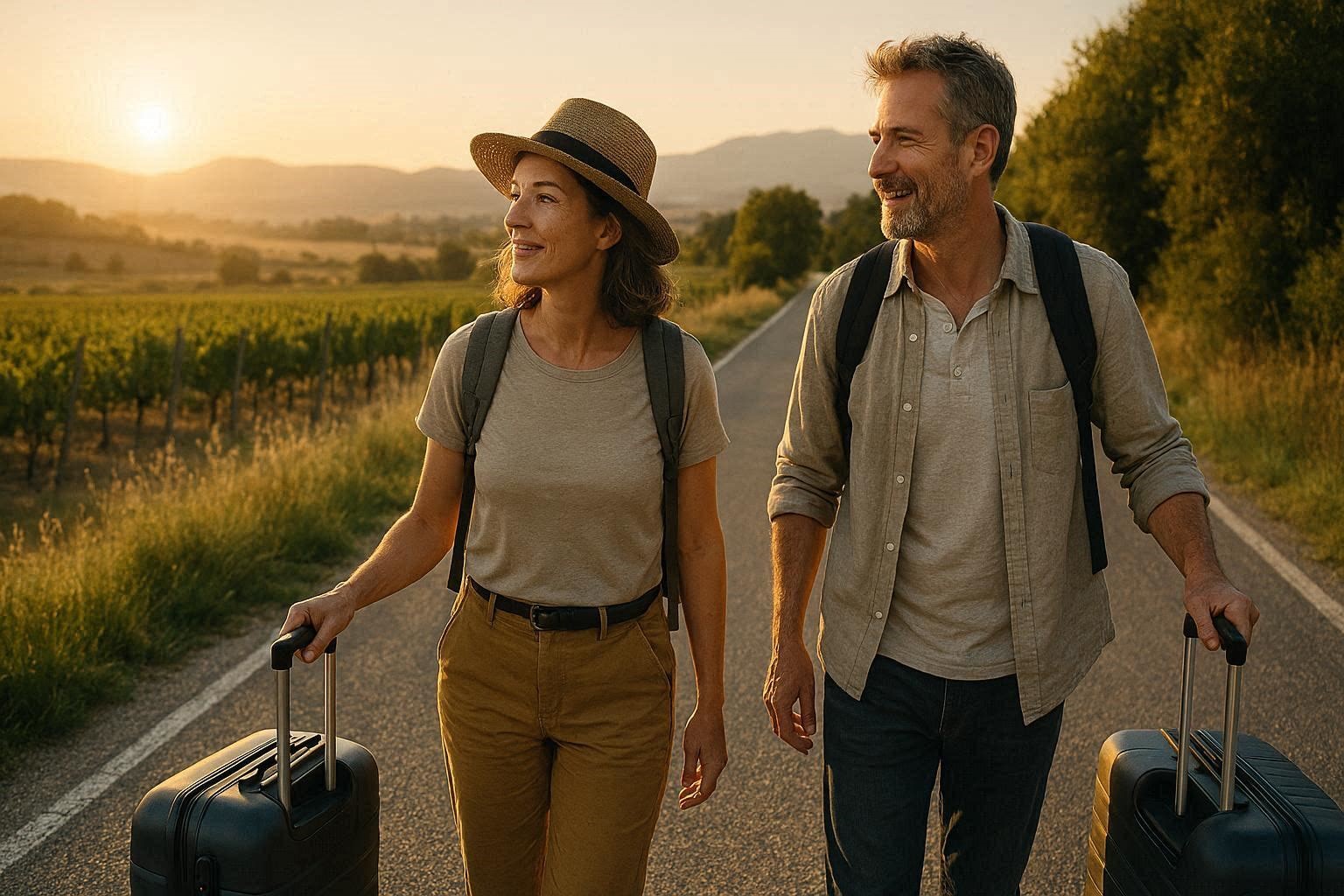
The Shift Away From Fast-Paced Tourism
The relentless pace of traditional tourism, often characterized by packed itineraries and a constant rush to sightsee numerous hotspots, is losing its allure. Many tourists are now realizing that this approach often leads to vacation burnout and superficial encounters, detracting from the true essence of a travel experience. The desire to truly immerse oneself in a destination is driving this change.
How Slow Travel Became a Global Trend
The rise of slow travel isn’t merely a fleeting fad; it has evolved into a global movement. This travel trend has gained momentum as more individuals seek meaningful journeys, rejecting the hurried pace of conventional vacations in favor of spending more time in one place. This deliberate approach allows for a deeper connection with the local culture and communities.
What Is Slow Travel?
Slow travel represents a profound philosophy that redefines the essence of exploration. It encourages travelers to truly connect with their chosen destination, fostering a sense of belonging and understanding. This approach moves beyond the superficial, allowing for a richer, more personal travel experience that emphasizes quality over the sheer number of places visited.
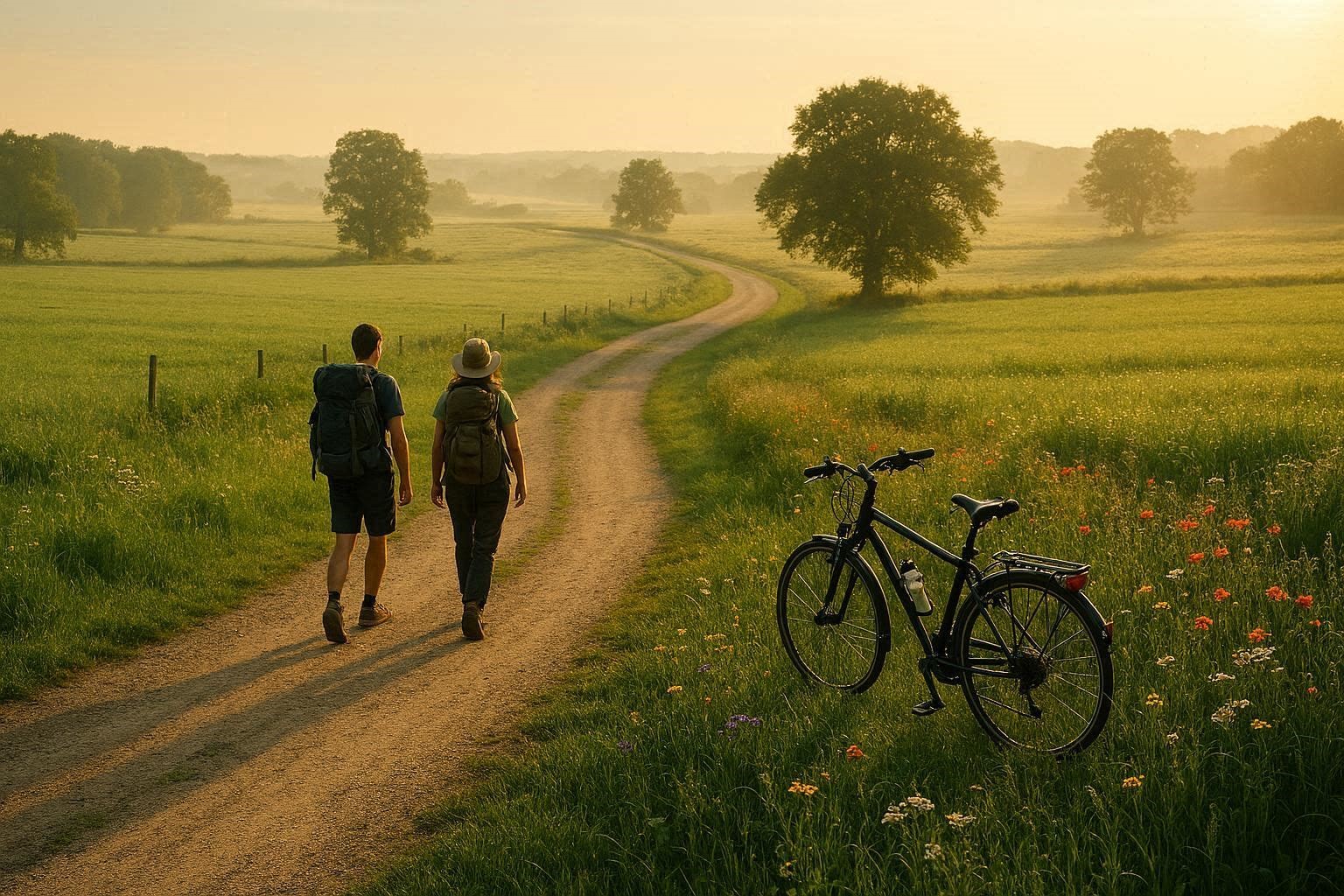
The Core Principles of Meaningful Travel
At its heart, the slow travel ethos is about intentional living and mindful exploration. It encourages travelers to stay longer in one place, fostering deeper cultural immersion rather than just ticking off tourist attractions. This practice allows for a more authentic engagement with the local culture and supports local communities, embodying a sustainable travel mindset.
Slow Travel vs Traditional Tourism
The distinction between slow travel and traditional tourism is stark. Traditional tourism often involves a rushed itinerary, jumping between multiple destinations with limited opportunity to truly engage.
Conversely, slow travel encourages a more deliberate pace, with key characteristics:
| Aspect | Description |
|---|---|
| Pace | More deliberate |
| Stays | Longer |
| Engagement | Commitment to understanding one place deeply |
| Environmental Impact | Reduced due to less constant movement |
Why More People Are Choosing Slow Travel
The increasing popularity of slow travel can be attributed to several compelling reasons. Travelers are actively seeking ways to enrich their lives and experiences, moving beyond the often-stressful nature of conventional vacations. This deliberate choice reflects a desire for more profound connections and a healthier approach to leisure.
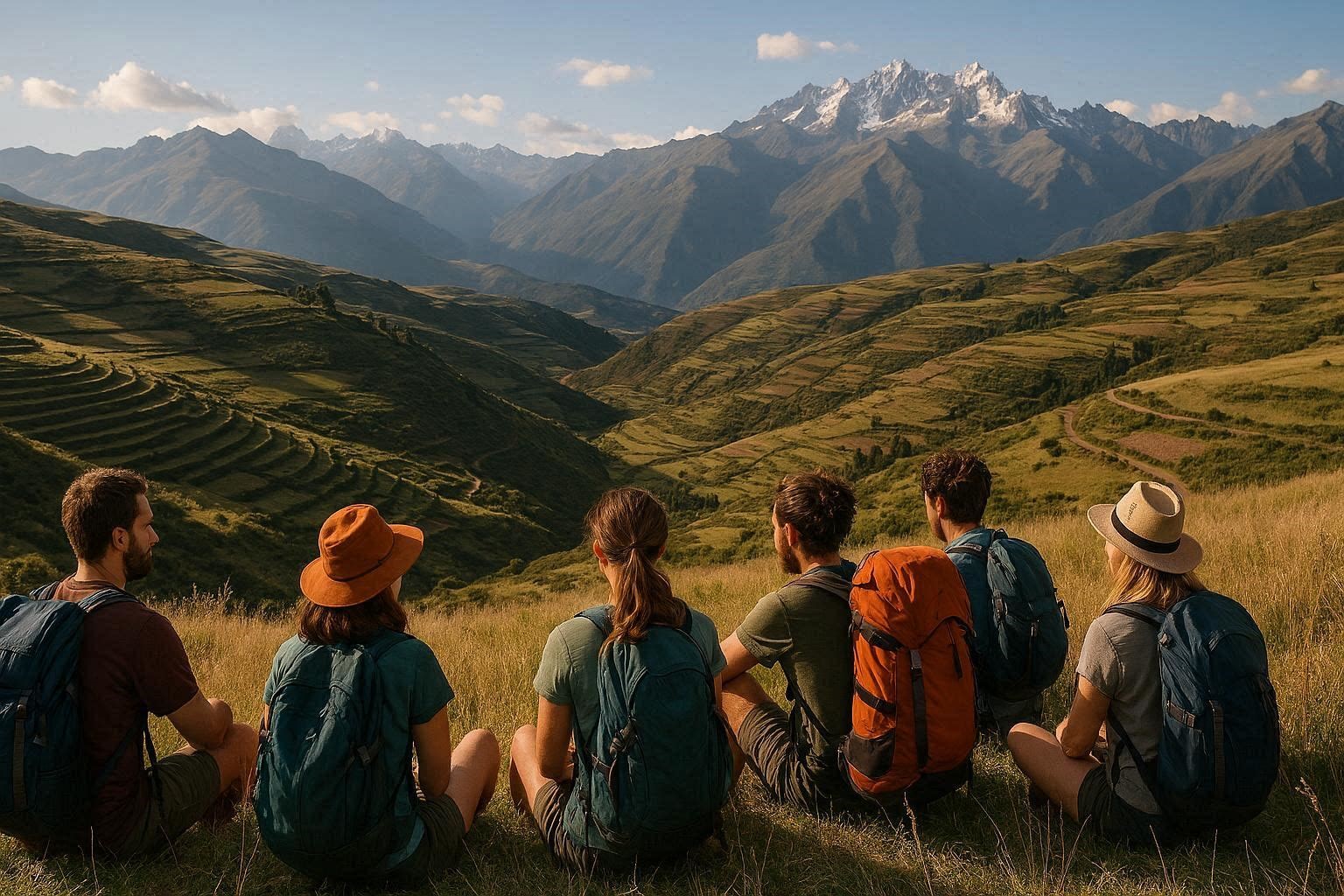
Escaping Vacation Burnout and Travel Stress
Many travelers are weary of the frantic pace associated with traditional vacations, which often result in vacation burnout and increased travel stress. The slow travel mindset offers a refreshing alternative, allowing for genuine relaxation and rejuvenation by encouraging longer stays and a more flexible itinerary, fostering a more satisfying travel experience.
The Desire for Authentic Experiences and Cultural Connection
Slow travelers are increasingly driven by a profound desire for authentic experiences and a deeper cultural connection. Instead of rushing from one hotspot to another, they actively seek opportunities to immerse themselves in local communities, understand the nuances of the local culture, and form genuine bonds that transcend typical tourist interactions.
The Influence of Wellness, Mindfulness, and Intentional Living
The growing trends of wellness, mindfulness, and intentional living significantly influence the rise of slow travel. People are seeking ways to reconnect with themselves and their surroundings, and slow travel allows for this by encouraging a more reflective and deliberate approach to exploration, contributing to better mental well-being and personal growth.
The Role of Remote Work and Flexible Lifestyles
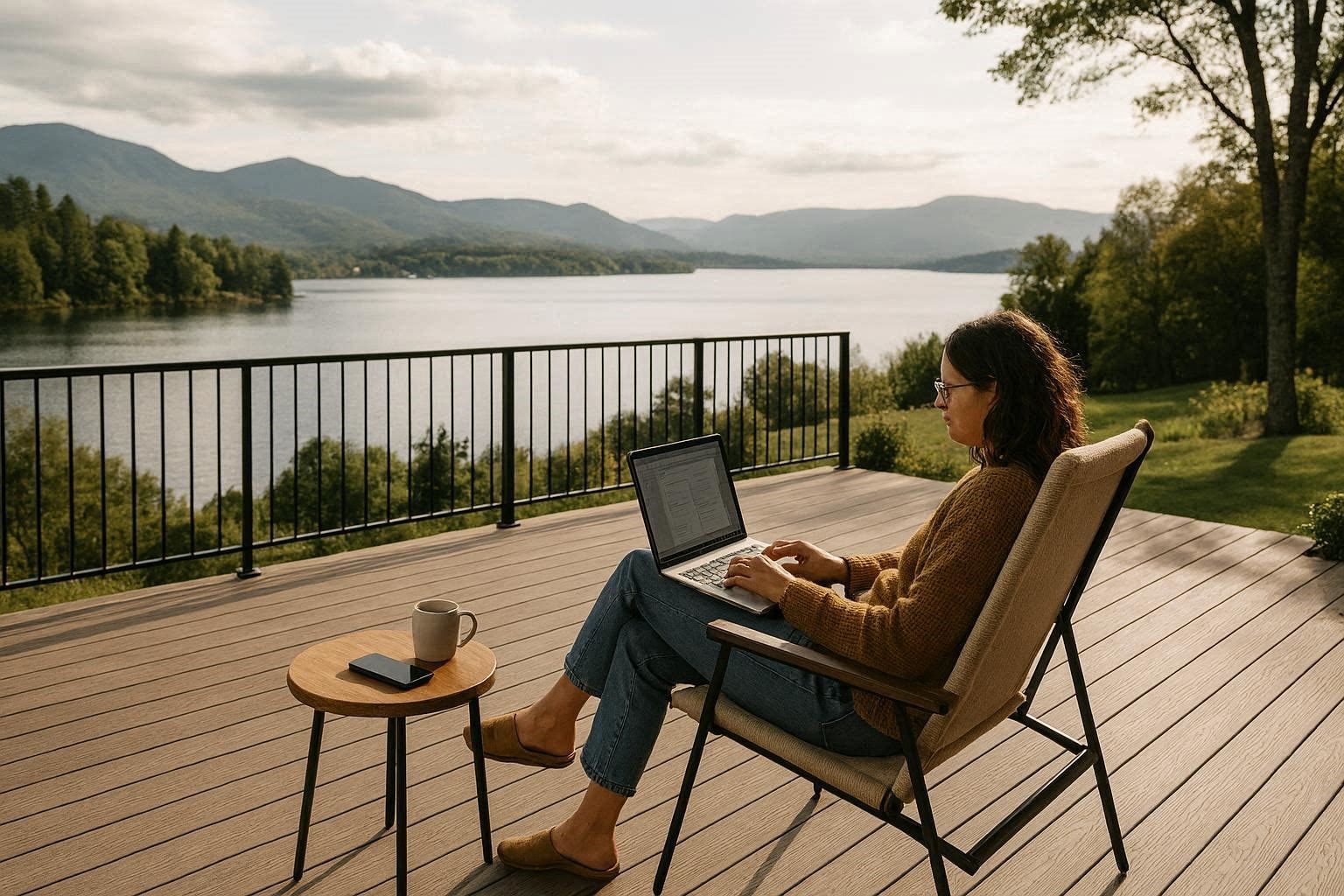
Workcations and Extended Stays
The proliferation of remote work has fundamentally reshaped the way many individuals approach their vacations, ushering in the era of workcations and extended stays. This innovative approach allows slow travelers to blend professional responsibilities with leisure, choosing to stay longer in one place. It significantly enhances the travel experience, enabling deeper cultural immersion and a more thorough exploration of their chosen destination, fostering a more balanced and fulfilling lifestyle.
How Digital Nomads Are Embracing Slow Travel
Digital nomads, by their very nature, are at the forefront of embracing slow travel, integrating it seamlessly into their nomadic lifestyles. Their flexibility allows them to prioritize spending more time in fewer destinations, truly immersing themselves in the local culture. This fosters stronger connections with local communities and reduces their carbon footprint, aligning perfectly with the principles of sustainable travel and intentional living.
The Benefits of Traveling Slower
Deeper Cultural Immersion and Local Experiences
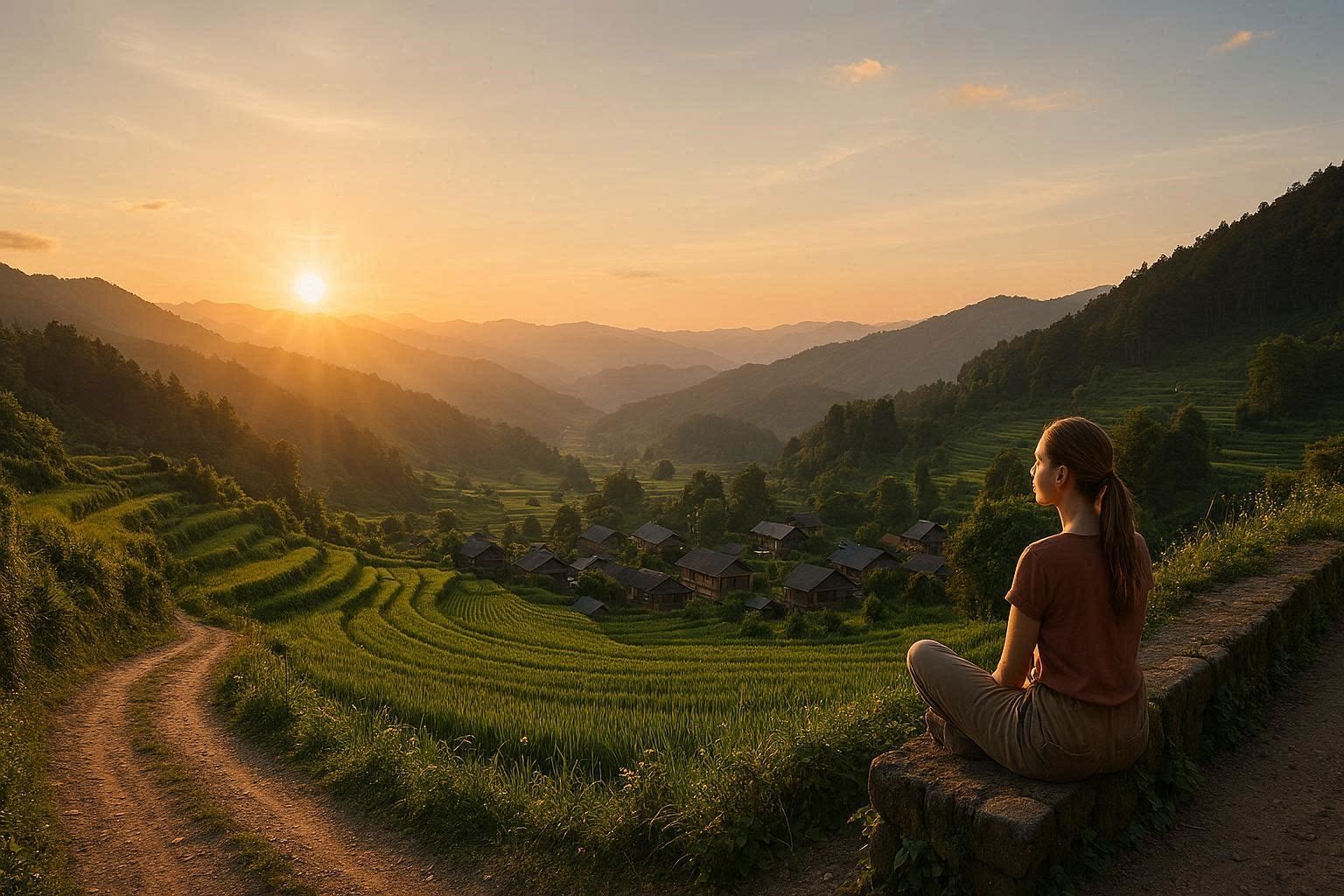
One of the most compelling benefits of slow travel is the opportunity for deeper cultural immersion and more profound local experiences. By choosing to stay longer in one place, slow travelers move beyond superficial tourist interactions. They have the time to truly immerse themselves in the local culture, engage with local communities, and uncover hidden gems that hurried itineraries often overlook, enriching their entire travel experience.
Better Mental Well-Being and Travel Satisfaction
The slow travel mindset is intrinsically linked to better mental well-being and overall travel satisfaction. Instead of rushing from one hotspot to another, which can lead to vacation burnout, slow travel allows for genuine relaxation and rejuvenation. This deliberate pace encourages mindfulness, reducing travel stress and fostering a more enjoyable and fulfilling journey, allowing travelers to truly reconnect with themselves and their surroundings.
More Meaningful Memories and Personal Growth
Opting for a slow travel trip invariably leads to the creation of more meaningful memories and significant personal growth. When travelers stay longer in one place, they forge deeper connections, learn new perspectives, and engage in experiences that transcend typical tourism. This allows for profound self-reflection and a richer understanding of the world, transforming a simple vacation into a transformative life experience.
Sustainability and Responsible Tourism
Reducing Environmental Impact Through Slower Travel
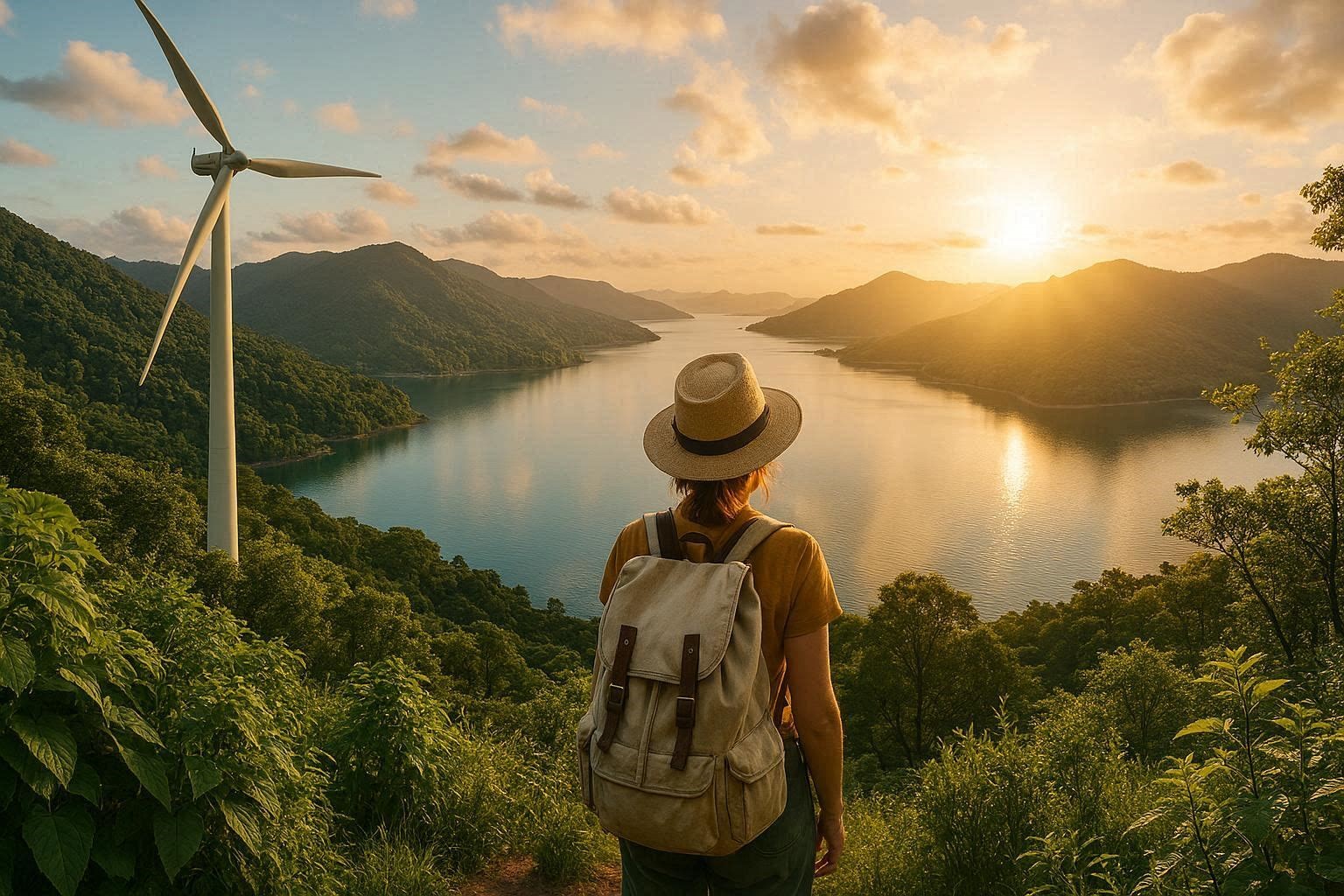
A core tenet of slow travel is its inherent contribution to reducing environmental impact, making it a powerful form of sustainable travel. By traveling slower and choosing fewer destinations, slow travelers significantly lower their carbon footprint associated with frequent air travel. This deliberate approach also encourages more eco-friendly modes of transportation and supports practices that protect the natural beauty of the destination.
Supporting Local Communities and Businesses
Slow travel actively fosters responsible tourism by championing the support of local communities and businesses. When travelers spend more time in one place, their economic contributions directly benefit the local economy rather than large, international corporations. This direct support helps preserve local culture, create employment opportunities, and ensure that the benefits of tourism are shared equitably among residents, creating a more sustainable and ethical travel experience.
Popular Slow Travel Trends in 2026
Long-Term Stays and Hidden Destinations
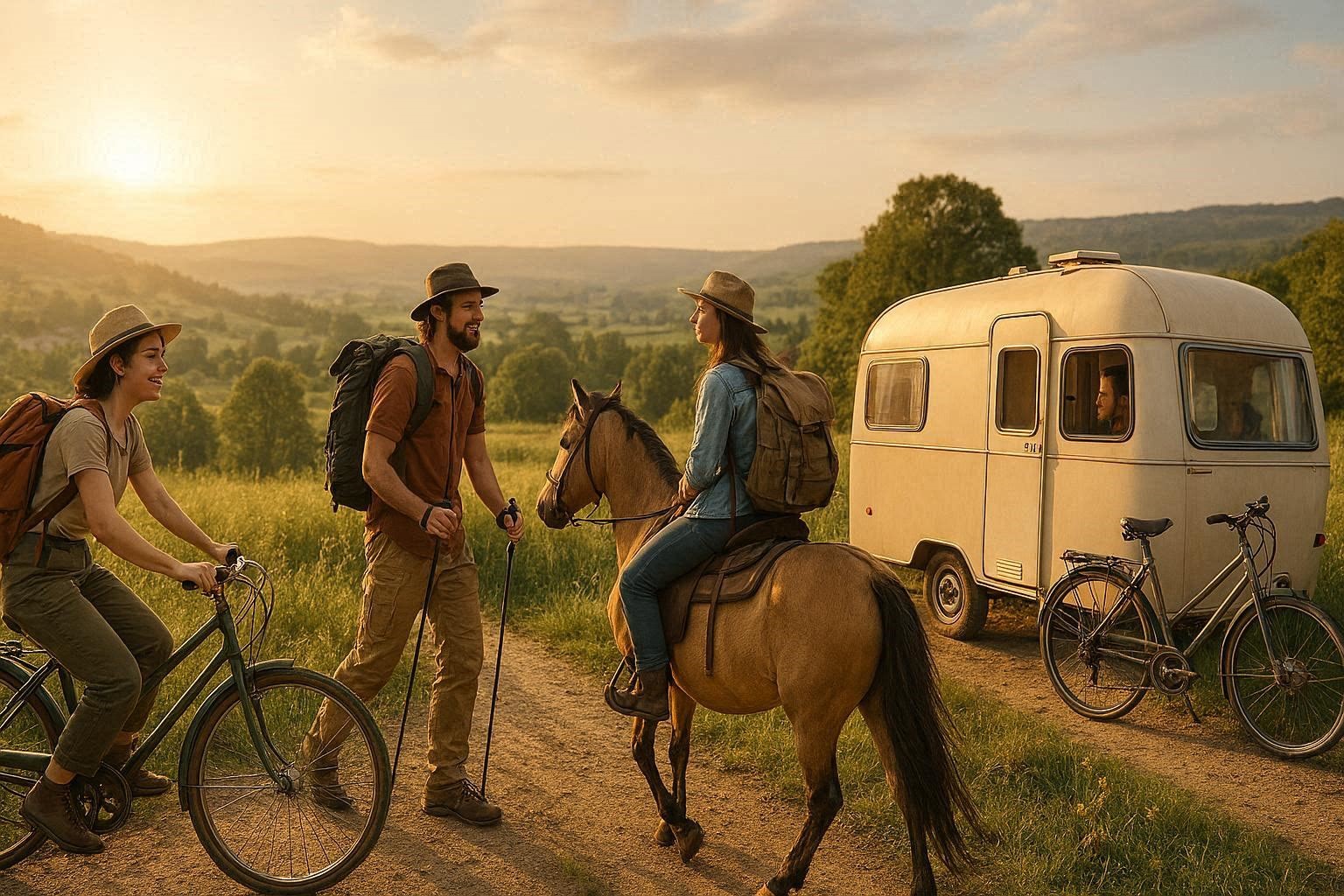
In 2026, the slow travel movement is characterized by a strong trend towards long-term stays and the exploration of hidden destinations. Travelers are increasingly seeking to escape overcrowded tourist hotspots in favor of uncovering less-trodden paths where they can truly immerse themselves in the local culture. This allows for a more authentic travel experience, fostering deeper connections with local communities and providing a unique perspective on their chosen destination.
Nature Escapes, Wellness Retreats, and Community-Based Travel
Popular slow travel trends in 2026 also heavily feature experiences that align perfectly with the slow travel ethos. These include:
- Nature escapes, encouraging travelers to reconnect with nature and minimize environmental impact.
- Wellness retreats, focusing on personal well-being and fostering personal growth.
- Community-based travel, promoting meaningful engagement with local communities and a deeper understanding of diverse cultures.
This allows for a transformative and immersive travel experience.
Challenges and Common Misconceptions
Is Slow Travel Only for Long Trips?
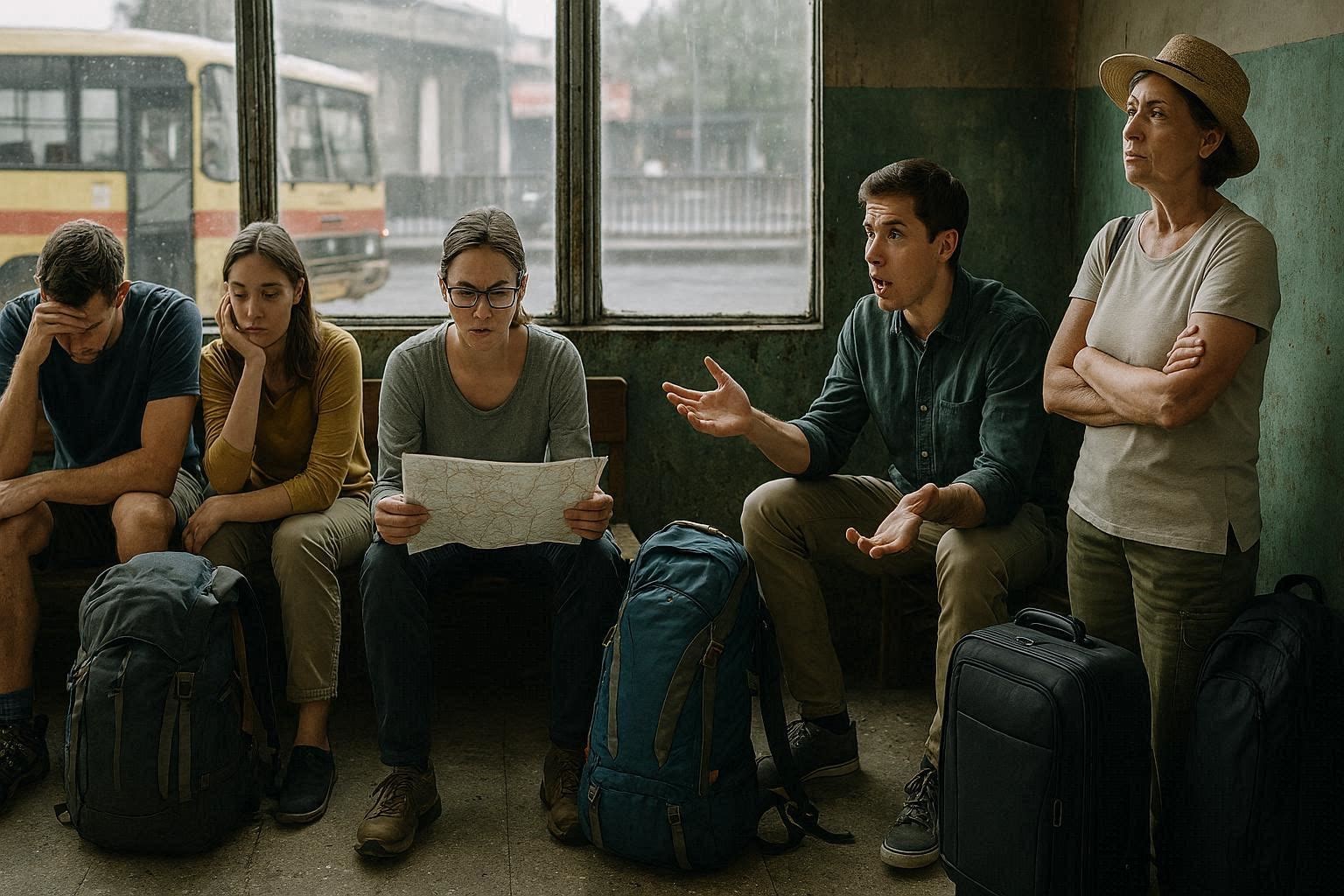
One prevalent misconception about slow travel is that it is exclusively reserved for extended trips or for those with flexible lifestyles, such as digital nomads. However, the slow travel ethos can be effectively applied to even shorter vacations. It’s not about the duration, but rather the mindset and approach. Even during a week-long trip, you can choose to stay longer in one place, delve deeper into the local culture, and prioritize immersive experiences over simply rushing to sightsee every possible hotspot.
Finding the Right Balance Between Exploration and Relaxation
Another challenge in embracing slow travel is striking the right balance between exploration and genuine relaxation. Some travelers fear that by opting for fewer destinations, they might miss out on certain sights. Yet, the core principle of slow travel encourages a more deliberate itinerary that allows for both in-depth discovery and ample time for rejuvenation. This means consciously deciding to stay longer in one place, which inherently provides opportunities for both enriching cultural experiences and truly unwinding.
How to Embrace Slow Travel on Your Next Journey
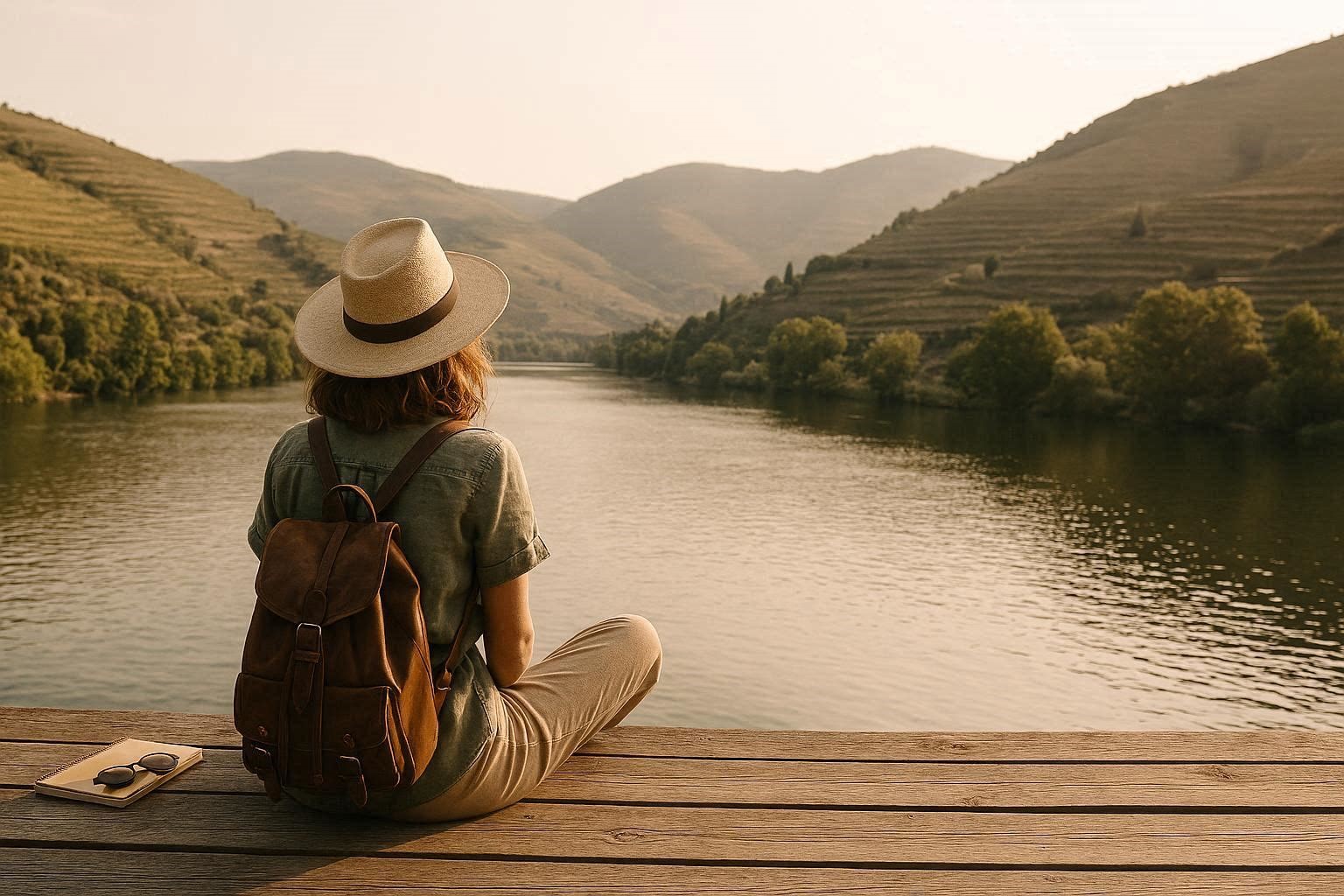
Staying Longer and Experiencing More
To truly embrace slow travel on your next journey, the most fundamental step is committing to staying longer in one place. Instead of rushing through multiple destinations, you should:
- Select one or two places and dedicate significant time to them.
- Allow yourself to deeply immerse in the local culture, uncover hidden gems, and truly connect with local communities.
This practice fundamentally transforms your travel experience, making it richer and more meaningful.
Creating Flexible, Experience-Focused Itineraries
Developing flexible, experience-focused itineraries is crucial for a successful slow travel trip. Unlike traditional tourism with its rigid schedules, slow travel allows for spontaneity and deeper engagement. Plan your journey around authentic experiences, such as cooking classes, local markets, or simply observing daily life. This approach encourages you to stay longer, fostering genuine connections and a more profound understanding of your chosen destination, ultimately reducing travel stress.
The Future of Travel: Why Slow Travel Is Here to Stay
The Continued Shift Toward Quality Over Quantity
The future of travel will undoubtedly see a continued shift toward quality over quantity, solidifying the rise of slow travel as a lasting movement. Travelers are increasingly valuing meaningful memories and personal growth over simply ticking off numerous destinations from a list. This profound change in perspective underscores a desire for richer travel experiences, where deeper cultural immersion and genuine connection supersede the superficiality of fast-paced tourism. The slow travel ethos is fundamentally reshaping expectations for future journeys.
How Slow Travel Reflects Changing Lifestyle Values
Slow travel is not just a trend; it reflects broader, changing lifestyle values that prioritize well-being, mindfulness, and intentional living. As more individuals seek to reduce stress and foster genuine connections in their daily lives, this philosophy naturally extends to their travel choices. The desire to stay longer in one place, engage with local communities, and minimize environmental impact aligns perfectly with a growing global consciousness, ensuring that slow travel remains a significant force in how people choose to explore the world.
Conclusion: Why Meaningful Journeys Are Replacing Busy Trips
In conclusion, the rise of slow travel signifies a profound evolution in how we approach global exploration. The days of busy, rushed trips are steadily being replaced by a desire for more meaningful journeys, where travelers actively seek deeper cultural immersion and genuine connection. This transformative travel movement, prioritizing quality over quantity and advocating for longer stays, offers immense benefits, from reducing environmental impact to enhancing personal well-being. As we move forward, the slow travel mindset will continue to shape how we experience the world, fostering richer, more sustainable, and truly unforgettable adventures for everyone.