
In an increasingly connected world, understanding modern etiquette is more crucial than ever. This article explores the evolving landscape of social graces, providing essential insights into the unwritten rules that govern our interactions today.
Why Modern Etiquette Has Changed
The landscape of human interaction has undergone a profound transformation, making traditional manners seem almost quaint. Modern etiquette has emerged as a crucial guide for navigating the complexities of our hyper-connected lives, addressing everything from texting to dinner parties.

From Traditional Manners to Digital Behavior Norms
Traditional manners, once focused on physical presence and formal rules of conduct, have evolved dramatically. Now, a significant portion of our social lives unfolds in digital spaces, necessitating a new set of modern etiquette rules that govern our online behavior and interactions with people in your life.
How Technology Redefined Respect and Communication
Technology has fundamentally redefined how we perceive respect and engage in communication. The ease with which we can send a text or share content has altered the specific kinds of interactions we have, demanding an updated understanding of social etiquette.
Why “Unwritten Rules” Matter More Than Formal Etiquette
In this new era, unwritten rules often carry more weight than formal etiquette. These unspoken understandings dictate the nuances of a social exchange, influencing everything from response times to how we split the bill, especially when many people don’t have Apple Pay.
What Is Modern Etiquette in Today’s World?
Modern etiquette in today’s world encompasses a dynamic set of principles that adapt to the ever-changing social and technological environment. It is about fostering respectful and considerate interactions across all aspects of life.

Definition of Modern Life Etiquette
Modern life etiquette is defined as the flexible framework of social graces and rules of conduct that guide respectful and effective interactions in contemporary society. It prioritizes consideration and clarity across diverse social settings, recognizing that the pandemic changed everything.
The Role of Emotional Intelligence in Social Behavior
Emotional intelligence plays a pivotal role in modern social behavior, enabling individuals to understand and manage their own emotions while empathizing with others. This skill is crucial for navigating sensitive conversations, especially when an argument isn’t everyone else’s concern.
Why Etiquette Is Now Context-Based, Not Fixed
Unlike rigid traditional rules, modern etiquette is highly context-based, recognizing that appropriate behavior varies depending on the situation. This means that:
- What is acceptable at a casual dinner party differs significantly.
- It varies from professional interactions, highlighting a shift in expectations.
Digital Communication Etiquette Rules Everyone Should Know
Digital communication has become an integral part of our daily lives, and with it comes a distinct set of modern etiquette rules. Mastering these is essential for clear, respectful, and effective interactions in the online realm.
Messaging Tone, Timing, and Response Expectations
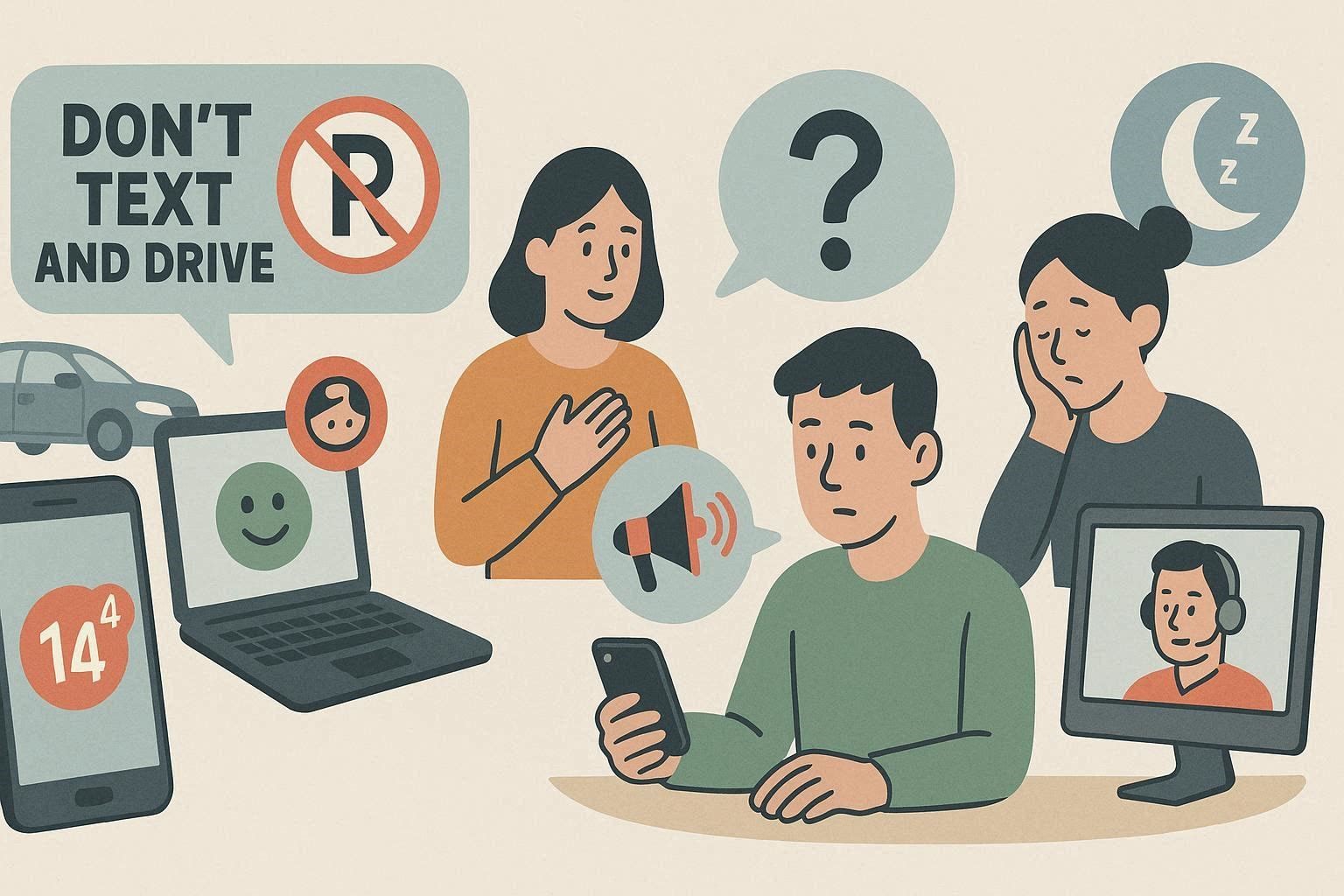
Understanding the appropriate messaging tone, timing, and response expectations is crucial for effective digital communication. A timely and well-phrased response can prevent misinterpretations, especially since thoughtful engagement is vital for several reasons:
- Many people never remember anyone’s birthday.
- It helps avoid misunderstandings in digital exchanges.
The Etiquette of Seen Messages and Delayed Replies
The “seen” message function and delayed replies have introduced new complexities to digital etiquette. It’s important to consider the recipient’s perspective and avoid creating anxiety by acknowledging messages appropriately, even if a full response isn’t immediately possible, demonstrating respect for the person’s proximity to power in the social exchange.
Avoiding Miscommunication in Text-Based Conversations
Avoiding miscommunication in text-based conversations requires careful attention to clarity and context. Since tone can be easily lost in text, here are some strategies to prevent misunderstandings:
- Use emojis to convey emotion.
- Employ explicit language to express feelings clearly.
Social Media Etiquette and Online Behavior
Posting Responsibility and Digital Footprint Awareness
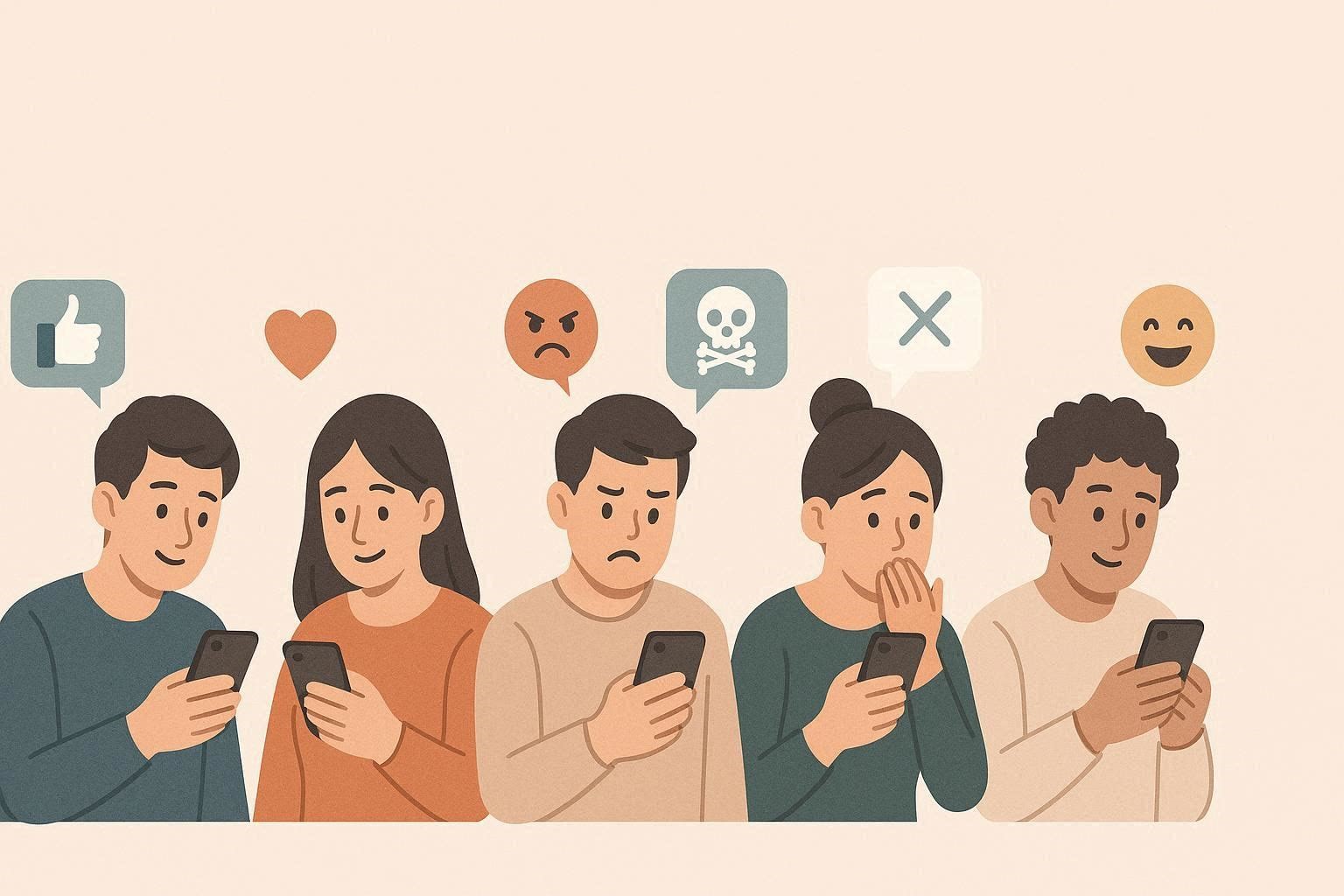
Posting responsibly on social media and maintaining an awareness of one’s digital footprint are fundamental aspects of modern etiquette. Every piece of content shared contributes to a lasting online identity, influencing how others perceive you in various social settings. Thoughtful consideration before posting reflects an understanding of the long-term impact on your social lives and reputation.
Commenting Culture: Respect vs. Reaction
The commenting culture on social media often blurs the line between respectful engagement and impulsive reaction. Modern etiquette encourages constructive and empathetic comments, even when opinions differ, fostering positive social exchanges. Avoiding inflammatory remarks and recognizing the potential for misunderstanding helps maintain polite and productive online interactions.
Privacy, Tagging, and Sharing Boundaries
Respecting privacy, tagging, and sharing boundaries is a crucial component of new etiquette. Before tagging others in photos or sharing their personal information, it is essential to seek consent, demonstrating respect for their personal space and preferences. Understanding these etiquette rules helps to navigate complex interactions with people in your life without causing discomfort.
Phone Etiquette in Real-Life Social Settings

When It’s Respectful to Put the Phone Away
Knowing when it’s respectful to put the phone away is a cornerstone of modern etiquette in real-life social settings. During face-to-face conversations or dinner parties, giving your full attention signals that you value the presence of others. Minimizing phone usage enhances the quality of interactions, preventing distractions from disrupting social graces.
Phone Use During Conversations and Gatherings
Appropriate phone use during conversations and gatherings requires careful consideration. While an occasional quick check might be necessary, prolonged engagement with a device can send a text message that you are disengaged. Modern etiquette rules dictate that active participation in the social exchange should take precedence over digital distractions, fostering genuine connection.
Balancing Digital Connection and Physical Presence
Striking a balance between digital connection and physical presence is a key challenge for modern etiquette. While staying connected is important, prioritizing in-person interactions cultivates stronger relationships. Thoughtful management of phone usage ensures that technology serves as a tool for connection, rather than a barrier to meaningful engagement in various social settings.
The Etiquette of Attention in Modern Life
Why Full Presence Is Now a Form of Respect
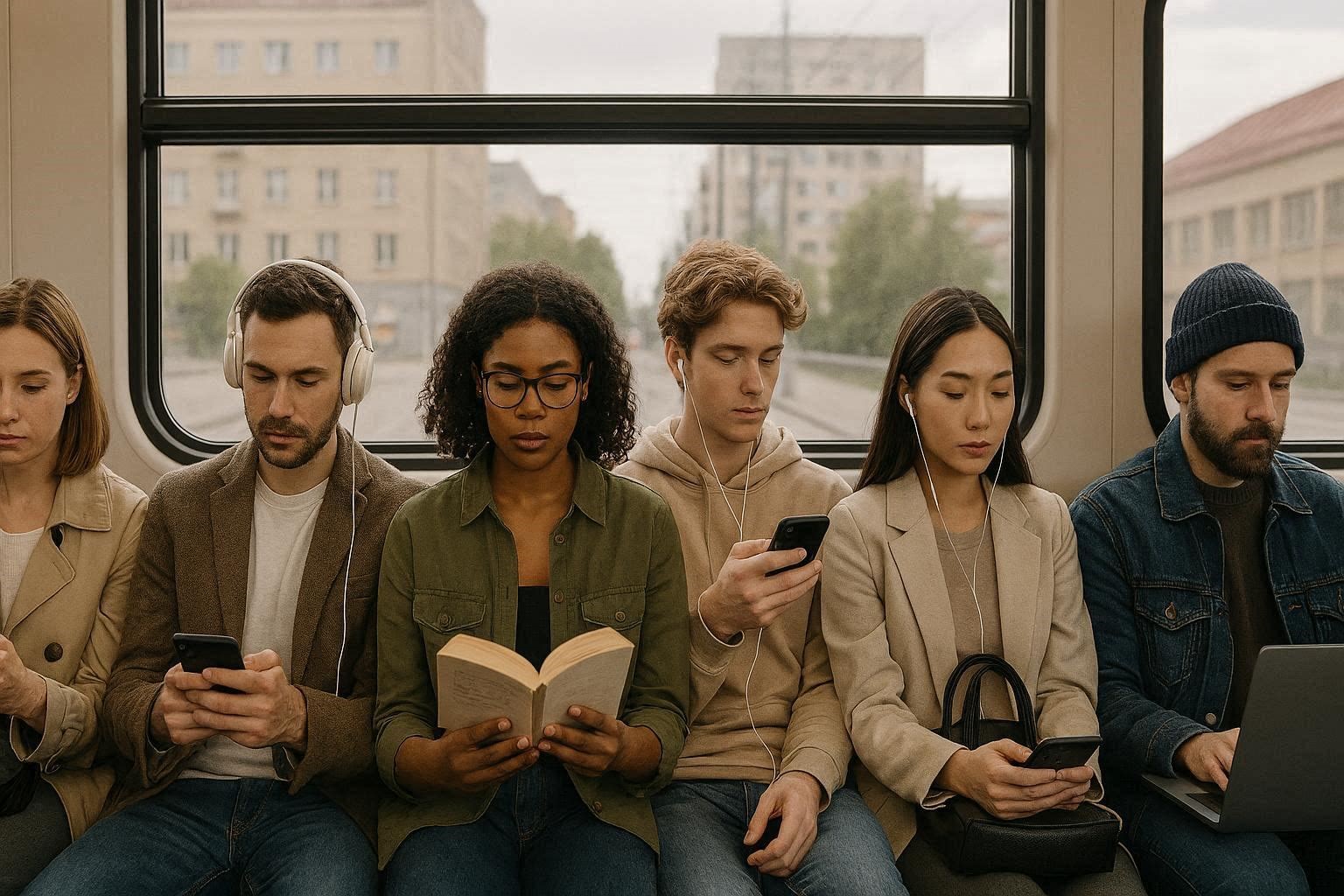
In an age of constant digital bombardment, offering one’s full presence has become a profound form of respect, embodying the new etiquette. When engaged in conversation or meetings, giving undivided attention demonstrates that you value the other person and the specific kinds of interactions taking place. This commitment to being present strengthens relationships and fosters deeper understanding.
Multitasking in Conversations and Meetings
Multitasking during conversations and meetings, though common, is often a breach of modern etiquette. Splitting your attention between a person and a device can signal disinterest and disrespect, diminishing the quality of the social exchange. True engagement requires setting aside distractions to focus entirely on the present moment, adhering to essential etiquette rules.
Active Listening in a Distracted World
Active listening is an essential component of social etiquette, particularly in a world rife with distractions. It involves fully absorbing and responding to what others are saying, rather than merely waiting for your turn to speak. This practice not only shows respect but also prevents misunderstandings, enhancing all aspects of your social lives.
Emotional Etiquette: The New Social Intelligence

Respecting Boundaries Without Pressure
Respecting boundaries without pressure is a crucial aspect of emotional etiquette and modern life, particularly when navigating complex interactions with people in your life. This involves understanding and honoring others’ comfort zones and personal limits, recognizing that a refusal is not a personal slight. Adhering to these new etiquette rules ensures that social exchanges remain positive and respectful, fostering healthier relationships and preventing unnecessary tension.
Understanding Emotional Availability
Understanding emotional availability is vital for effective communication and a cornerstone of social etiquette. It means recognizing when individuals are open and ready to engage in deeper conversations or when they need space. This awareness helps in setting realistic expectations for specific kinds of interactions and ensures that your approach is sensitive and considerate, improving all aspects of your social lives.
Communicating With Empathy and Awareness
Communicating with empathy and awareness is at the heart of modern etiquette and social intelligence. This involves actively listening, acknowledging others’ feelings, and choosing words carefully to ensure they resonate positively. By prioritizing empathetic communication, you can navigate various social settings more effectively, building stronger connections and demonstrating a sophisticated understanding of the new etiquette rules.
Workplace and Remote Etiquette in the Digital Era

Email, Chat, and Response-Time Expectations
In the digital era, mastering email, chat, and response-time expectations is paramount for professional modern etiquette. Clear and timely communication fosters efficiency and respect among colleagues, establishing clear rules of conduct for virtual interactions. Understanding when to send a text or an email, and the expected turnaround for replies, ensures smooth collaboration in diverse work settings.
Respecting Work Hours and Boundaries
Respecting work hours and boundaries is a critical component of modern etiquette, especially in hybrid work cultures where the lines between professional and personal life can blur. This means avoiding non-urgent communication outside established working times, recognizing that people in your life need downtime. Adhering to these etiquette rules supports a healthy work-life balance for everyone involved.
Professional Communication in Hybrid Work Culture
Professional communication in a hybrid work culture demands adaptability and adherence to new etiquette. Whether in virtual meetings or in-person collaborations, clarity, conciseness, and consideration for different working styles are essential. This modern etiquette ensures that every social exchange is productive and respectful, contributing to a harmonious and effective professional environment.
Privacy Etiquette and Personal Boundaries
Asking Before Sharing Photos or Information
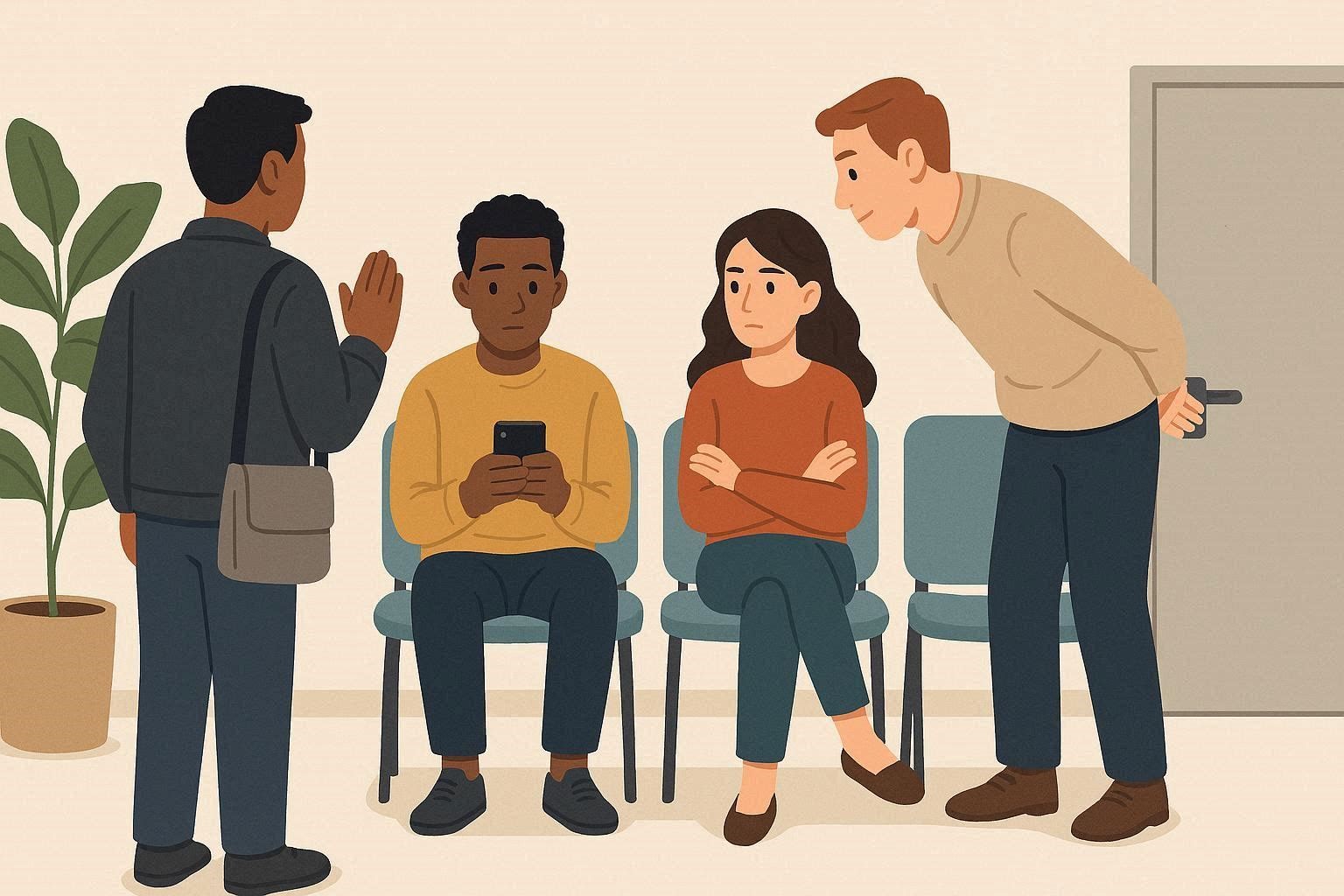
Asking before sharing photos or information is a fundamental new etiquette rule that underpins respect for personal boundaries. In the age of constant sharing, obtaining explicit consent from people in your life before posting their images or details online is crucial. This practice safeguards individual privacy and prevents discomfort, strengthening trust in all your social lives.
Respecting Digital Consent and Personal Space
Respecting digital consent and personal space extends beyond just asking before sharing; it involves a broader understanding of individual preferences online. Modern etiquette dictates that you consider how your online actions might impact others’ comfort and privacy, recognizing that not everyone has the same digital comfort levels. This thoughtful approach ensures respectful engagement across all platforms.
Avoiding Oversharing and Intrusive Questions
Avoiding oversharing and intrusive questions is an essential aspect of social graces in modern life. While openness can be positive, understanding the limits of what is appropriate to share or ask in different social settings prevents awkwardness and maintains respect. This new etiquette fosters comfortable and considerate specific kinds of interactions among people in your life.
Time Etiquette: Respecting People’s Schedules

Punctuality in Physical and Virtual Meetings
Punctuality in both physical and virtual meetings is a key element of modern etiquette, demonstrating respect for others’ time. Being on time for a dinner party or a video conference shows you value the social exchange and the collective schedule of those present. This simple yet crucial rule sets the tone for productive and harmonious interactions, improving all social lives.
Avoiding Time-Wasting Communication
Avoiding time-wasting communication is a critical aspect of modern etiquette, reflecting an understanding of efficiency and consideration. Whether it’s crafting concise emails or knowing when to send a text instead of a phone call, streamlined interactions benefit everyone. This approach minimizes disruptions and maximizes productivity, especially when navigating busy schedules and complex relationships with people in your life.
The Value of Clear and Efficient Planning
The value of clear and efficient planning is often underestimated in modern etiquette. Transparent agendas for meetings, well-defined timelines for projects, and clear expectations for social gatherings all contribute to respecting everyone’s time. This proactive approach prevents misunderstandings and demonstrates thoughtful consideration, enhancing the quality of all specific kinds of interactions.
Inclusivity and Respect in Modern Etiquette
Language Sensitivity and Social Awareness
Language sensitivity and social awareness are crucial components of modern etiquette, especially when interacting with diverse people in your life. The new etiquette demands careful consideration of terminology to ensure all specific kinds of interactions are respectful and inclusive. Being mindful of how words impact others fosters positive social graces and avoids unintentional offense, enhancing your social lives.
Respecting Different Backgrounds and Perspectives
Respecting different backgrounds and perspectives is fundamental to modern etiquette. This involves actively listening and valuing varied viewpoints, even if they differ from your own. Adhering to these etiquette rules promotes an environment of mutual understanding and reduces friction in social settings, reinforcing the idea that polite social exchange can thrive among individuals with diverse histories.
Why Inclusivity Is Now Part of Basic Manners
Inclusivity has transitioned from a progressive ideal to a core element of basic manners, making it a vital aspect of modern etiquette. Recognizing and celebrating diversity in all its forms ensures that every person feels valued and respected within any social exchange. This understanding of social etiquette is essential for navigating the complexities of modern life effectively.
Common Modern Etiquette Mistakes People Still Make
Overusing Phones in Social Situations
One of the most common modern etiquette mistakes is overusing phones in social situations, neglecting the people in your life right in front of you. This behavior often signals disinterest and can undermine the quality of a dinner party or any social exchange. The new etiquette emphasizes being present, reminding us that constant texting or checking a phone detracts from genuine connection.
Ignoring Boundaries in Digital Communication
Ignoring boundaries in digital communication is another frequent lapse in modern etiquette. This includes sending a text at inappropriate hours or sharing information without consent, disregarding the established rules of conduct. Such actions can strain relationships and create discomfort, highlighting the importance of understanding and respecting digital etiquette rules for healthy social lives.
Misreading Tone in Online Conversations
Misreading tone in online conversations is a significant modern etiquette challenge, leading to misunderstandings and unnecessary conflict. Without visual cues, it’s easy to misinterpret the intent behind a text message or email, which can inadvertently set the rules for a negative social exchange. The new etiquette encourages clarity and empathy to avoid such pitfalls and ensure smoother specific kinds of interactions.
How to Improve Your Modern Etiquette Skills
Building Awareness of Digital Behavior
Improving modern etiquette starts with building awareness of your digital behavior. Reflect on how often you send a text, your response times, and the content you share online. This self-assessment is the first step in refining your etiquette rules, helping you better understand your impact on people in your life and various social settings, thus improving your social lives.
Practicing Emotional Intelligence Daily
Practicing emotional intelligence daily is crucial for enhancing your modern etiquette. This involves recognizing and managing your own emotions while also empathizing with others’ feelings during a social exchange. Developing this skill allows for more thoughtful responses and helps navigate complex specific kinds of interactions with grace, aligning with the new etiquette.
Creating Healthier Communication Habits
Creating healthier communication habits is paramount for improving modern etiquette. This means being mindful of your tone, timing, and choice of words, whether you send a text or engage in face-to-face conversation. Consistent effort in these areas will strengthen your social graces, making all interactions more respectful and enjoyable for everyone, especially at dinner parties.
The Future of Etiquette in a Digital-First World
The future of etiquette in a digital-first world will continue to evolve, adapting to new technologies and changing social norms. As our social lives become increasingly intertwined with online platforms, modern etiquette will place greater emphasis on digital empathy, responsible AI interaction, and the seamless integration of virtual and physical social graces. Understanding these ongoing shifts will be crucial for navigating future social settings gracefully.
Conclusion: The New Definition of Respect in Modern Life
In conclusion, the new definition of respect in modern life is inextricably linked to our understanding and application of modern etiquette. It’s about more than just traditional manners; it’s a dynamic framework of social graces that prioritizes empathy, awareness, and thoughtful engagement in every social exchange, from dinner parties to digital interactions. Mastering these etiquette rules ensures harmonious and fulfilling relationships with people in your life, embodying true modern respect.