
The landscape of health and wellness is undergoing a profound transformation, moving away from restrictive diets and toward a more holistic approach. This article explores the demise of traditional diet culture and the rise of a philosophy centered on feeling good, emphasizing overall well-being over mere numbers on a scale.
A Major Shift in Modern Wellness Thinking
Modern wellness thinking is experiencing a significant paradigm shift, moving away from the rigid constraints of traditional diet culture and embracing a more intuitive and compassionate approach to health.

Why Diet Culture Dominated Health for Decades
For decades, diet culture dominated the health conversation, largely fueled by a relentless pursuit of weight loss and an often-unrealistic ideal of thinness. The promise of quick weight loss and the allure of fitting into societal body standards became powerful motivators for countless individuals, leading to a pervasive focus on calorie counting and stringent restriction.
This long-standing dominance was perpetuated by media, marketing, and a general societal belief that physical appearance directly correlated with health and self-esteem. Many people embarking on a weight loss journey were encouraged to adhere strictly to rules, often ignoring their body’s signals in the process.
The Rise of “Feeling Good” as a New Wellness Priority
However, there’s a significant cultural shift now prioritizing “feeling good” as the ultimate wellness goal, transcending mere physical appearance. This new emphasis focuses on genuine well-being, including energy levels, mood, and mental and emotional balance, rather than just how one looks.
This emerging perspective encourages individuals to listen to their bodies, make food choices that support their vitality, and engage in physical activity that brings joy, ultimately leading to a more sustainable and fulfilling approach to health that extends beyond the numbers on a scale.
How Social Media Is Accelerating the Change
Social media platforms are rapidly accelerating this profound change in wellness thinking by providing diverse perspectives and challenging long-held ideals. The proliferation of voices promoting body positivity, intuitive eating, and self-care is actively dismantling traditional diet culture narratives and fostering a more inclusive and empathetic approach to health.
Influencers and communities on these platforms are sharing real experiences, highlighting the emotional and psychological costs of constant restriction, and advocating for a focus on holistic well-being over unrealistic body standards. This widespread conversation is empowering many to redefine their understanding of health.
What Is Diet Culture and Why Is It Being Questioned?
Diet culture refers to a pervasive set of societal beliefs that prioritize weight loss, body size, and appearance above actual health and well-being. It’s being questioned because its restrictive nature often leads to negative physical and mental health outcomes, hindering a sustainable healthy lifestyle.
The Core Principles of Traditional Diet Culture
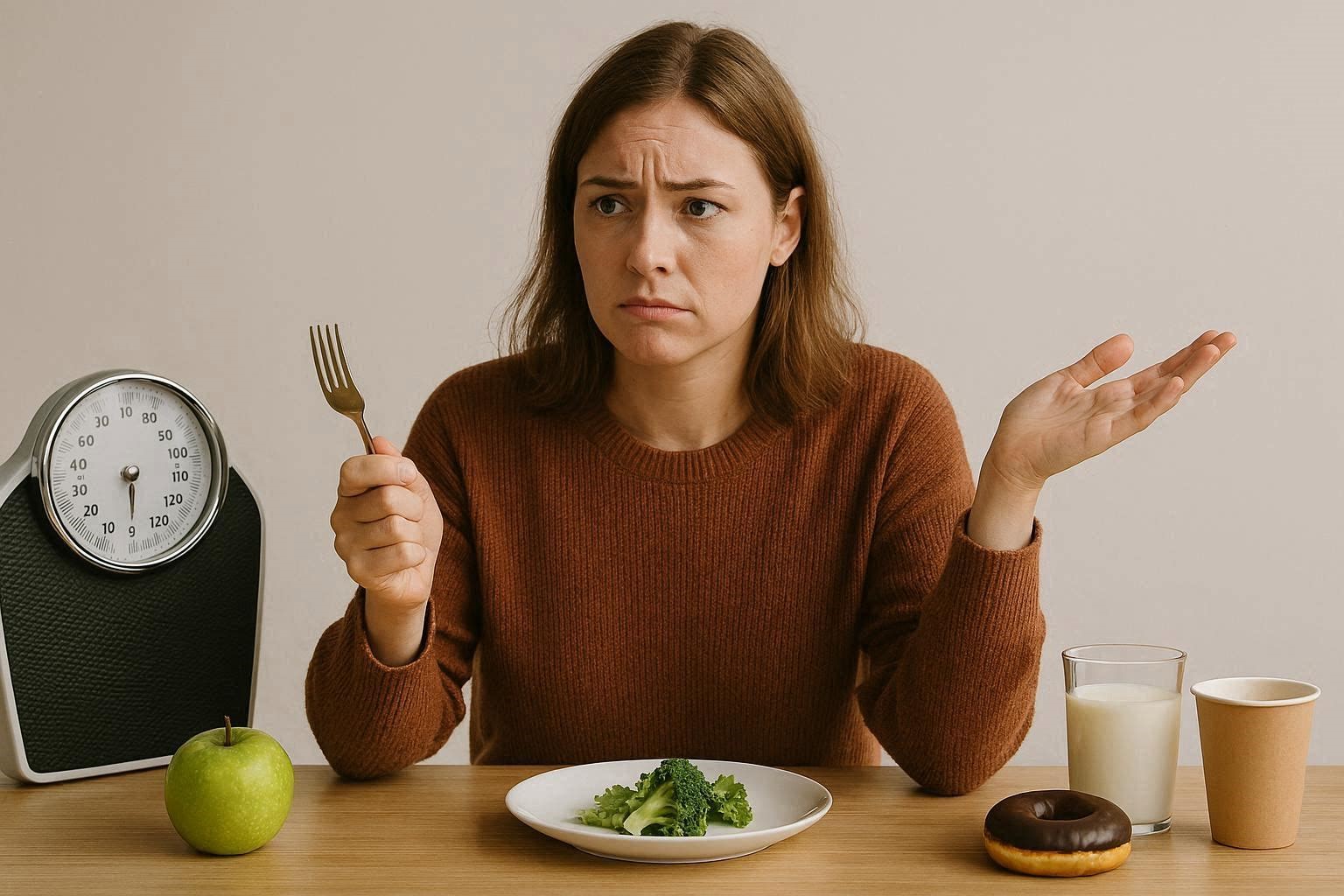
The core principles of traditional diet culture are deeply ingrained in our society, often dictating an ideal body type and promoting methods to achieve it. These principles frequently revolve around the belief that thinness equals health and moral superiority, encouraging constant vigilance over food choices and body size.
This ideology often promotes strict dietary rules, the vilification of certain foods, and an unwavering focus on the scale as the primary measure of success. The relentless pursuit of a specific body image can overshadow genuine efforts to maintain a healthy weight through balanced practices.
Calorie Counting, Restriction, and Body Standards
Traditional diet culture heavily relies on calorie counting, severe food restriction, and rigid body standards as primary methods for achieving a specific physique. This approach often dictates what, when, and how much one should eat, creating an environment ripe for feelings of deprivation and guilt.
These practices are typically aimed at encouraging weight loss, often without considering individual nutritional needs or the psychological impact of constant limitation. Adherence to these strict standards frequently leads to an unhealthy obsession with food and an unsustainable relationship with eating.
The Emotional and Psychological Cost of Diet Culture
The emotional and psychological cost of diet culture is profound, often manifesting as chronic stress, low self-esteem, and a disrupted relationship with food. The constant pressure to achieve an ideal body image and the perpetual cycle of restriction and “failure” can significantly erode one’s mental and emotional well-being.
Individuals frequently experience intense food shame, guilt over normal food choices, and a pervasive sense of inadequacy when they cannot maintain unrealistic body standards. This relentless focus on weight and appearance can detract from genuine health, leading to anxiety and depression.
Why Diet Culture Is Losing Popularity
Diet culture is rapidly losing its appeal as more people recognize its detrimental effects on both physical and mental well-being. The unsustainable nature of extreme restrictions and the constant pressure to conform to unrealistic body standards are driving individuals to seek more holistic and compassionate approaches to health.

The Rise of Burnout From Constant Restriction
The constant restriction inherent in diet culture has led to a widespread phenomenon of burnout, causing many to abandon traditional dieting methods. This relentless deprivation, often involving obsessive calorie counting and strict adherence to rigid meal plans, creates an unsustainable mental and physical toll on individuals.
People are increasingly realizing that such extreme measures are not only exhausting but also detrimental to their overall well-being, often leading to rebound weight gain and a negative relationship with food. This pervasive fatigue with restrictive eating is a major factor in diet culture’s decline.
Why Extreme Dieting Fails Long-Term
Extreme dieting consistently fails in the long-term because it is inherently unsustainable and often disregards the body’s natural physiological and psychological needs. These restrictive approaches typically lead to metabolic adaptations that make weight loss harder to maintain, often resulting in a cycle of weight gain and loss.
Moreover, the severe deprivation associated with extreme diets often triggers intense cravings and can foster an unhealthy relationship with food, making it nearly impossible to sustain the initial drastic changes. This consistent failure has disillusioned many, prompting a search for more balanced and effective methods.
The Mental Health Impact of Weight Obsession
The mental health impact of weight obsession, a hallmark of diet culture, is increasingly recognized as a significant concern, contributing to its decline in popularity. Constant preoccupation with body size, calorie intake, and the scale often leads to heightened anxiety, depression, and disordered eating patterns.
This relentless focus can severely undermine one’s self-esteem and overall mental well-being, creating a cycle of guilt and shame rather than fostering genuine health. Recognizing these profound negative effects, more people are seeking approaches that prioritize mental and emotional health over arbitrary weight goals.
What “Feeling Good” Actually Means in Modern Wellness
In modern wellness, “feeling good” transcends superficial appearance or numbers on a scale; it embodies a holistic state of well-being. This includes vibrant energy levels, a positive mood, effective daily function, and a harmonious balance across all aspects of one’s life, reflecting true health from within.

Energy, Mood, and Daily Function as Health Indicators
In modern wellness, energy, mood, and daily function have emerged as crucial health indicators, shifting focus away from mere physical appearance. A sustained feeling of vitality, a stable and positive mood, and the ability to perform everyday tasks with ease are now considered paramount signs of true well-being.
This perspective emphasizes how individuals genuinely feel in their bodies and minds, rather than solely on metrics like weight loss or BMI. Prioritizing these internal signals helps people make healthier food choices and engage in sustainable activities that genuinely enhance their quality of life.
Sleep Quality, Stress Levels, and Emotional Balance
Prioritizing certain aspects of life is now recognized as fundamental pillars of modern wellness. These elements collectively contribute to a person’s overall sense of feeling good, profoundly impacting physical and mental health. These include:
- Prioritizing sleep quality
- Effectively managing stress levels
- Cultivating emotional balance
Adequate restorative sleep is crucial for cellular repair and cognitive function, while balanced stress management helps mitigate the detrimental effects of cortisol, a stress hormone that can lead to weight gain. Achieving emotional equilibrium supports a more resilient and positive outlook, essential for genuine well-being.
Listening to the Body Instead of Fighting It
A core tenet of the “feeling good” philosophy is learning to listen to the body’s innate wisdom instead of constantly fighting against it. This involves recognizing and respecting internal cues such as hunger, fullness, cravings, and energy levels, fostering a more intuitive and harmonious relationship with oneself.
This approach moves away from rigid diet rules and encourages individuals to honor their body’s signals, making food choices that nourish and energize rather than restrict. By tuning into these subtle messages, one can make positive changes that support a healthy weight and overall well-being, free from guilt.
The Shift From Weight Loss to Holistic Health
The paradigm is shifting significantly from a narrow focus on weight loss to a comprehensive understanding of holistic health, where overall well-being takes precedence. This new approach acknowledges that health encompasses far more than just a number on the scale, encouraging individuals to pursue sustainable habits that foster genuine vitality.

Why Appearance Is No Longer the Only Metric
The emphasis in modern wellness has moved beyond appearance as the sole metric of health, challenging the long-held notion that a specific body image dictates well-being. Individuals are increasingly recognizing that true health encompasses internal feelings and capabilities, not just what is reflected in a mirror or on social media.
This shift encourages a focus on how the body functions, its strength, and overall vitality, rather than striving for an arbitrary aesthetic ideal often associated with the superficial aspects of weight loss. It promotes a healthier self-esteem rooted in genuine well-being rather than external validation.
Health Beyond the Scale: Strength, Energy, and Vitality
Modern health perspectives celebrate strength, energy, and vitality as true indicators of wellness, moving beyond the narrow confines of the scale. This holistic view acknowledges that a healthy body is one that feels good, functions optimally, and supports an active, fulfilling life, irrespective of specific weight.
People are prioritizing feeling robust and energetic, capable of engaging in daily activities with ease, and maintaining a vibrant physical and mental state. This approach to health encourages sustainable habits that enhance overall quality of life, rather than being solely preoccupied with weight change or weight loss success.
The Role of Sustainable Habits Over Quick Fixes
Sustainable habits are now championed over quick fixes, recognizing that lasting health is built on consistent, manageable practices rather than extreme, temporary measures. This philosophy encourages individuals to adopt lifestyle changes that can be maintained long-term, fostering genuine well-being without the burnout often associated with rapid weight loss diets.
Focusing on incremental, positive changes ensures that efforts to maintain a healthy weight and improve overall health are integrated seamlessly into daily life, promoting enduring physical and mental and emotional balance. This stands in stark contrast to the fleeting results offered by many restrictive programs, which often lead to weight gain down the line.
The Rise of Intuitive Eating and Balanced Nutrition
Intuitive eating and balanced nutrition are gaining prominence as people move away from rigid diet rules, embracing a more mindful approach to food. This shift emphasizes listening to internal body cues and making food choices that support overall well-being, rather than adhering to external restrictions.
Eating for Energy Instead of Restriction
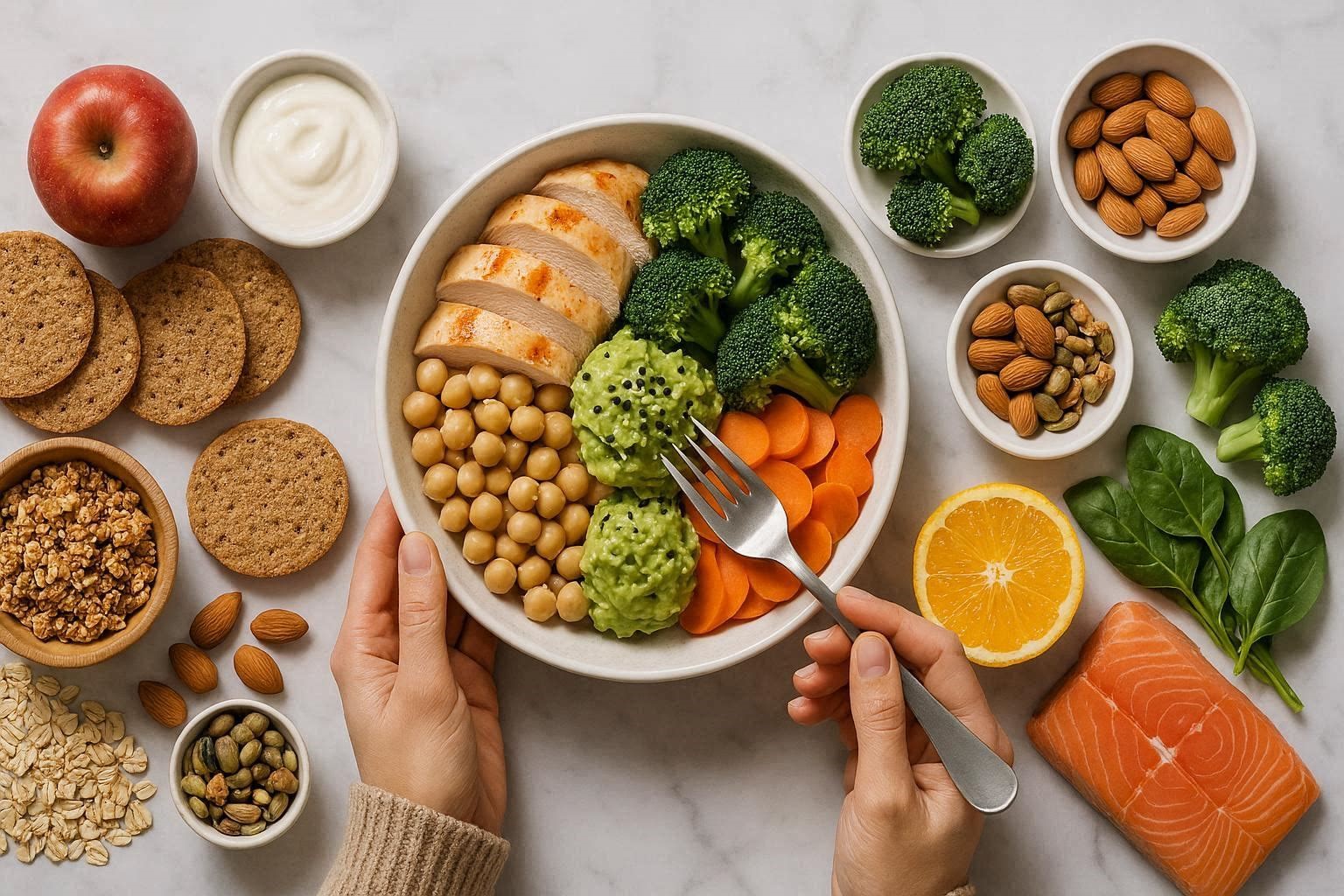
The focus on eating for energy instead of restriction is a cornerstone of modern wellness, prioritizing how food makes the body feel and function. This approach encourages individuals to select nutritious food choices that provide sustained energy levels, improve your mood, and support daily vitality, rather than simply aiming to lose weight.
By tuning into the body’s needs and opting for foods that genuinely nourish, people can avoid the pitfalls of deprivation, leading to a more positive relationship with eating. This mindful eating practice promotes consistent well-being and supports a healthy weight without the negative cycle of craving and guilt often associated with strict diets.
Understanding Hunger, Fullness, and Cravings
A fundamental aspect of intuitive eating involves deeply understanding and respecting the body’s signals. This practice encourages individuals to tune into their internal cues, allowing them to eat when truly hungry and stop when comfortably full, fostering a more natural and balanced relationship with food. These signals include:
- Hunger
- Fullness
- Cravings
Recognizing and addressing cravings without judgment helps to prevent overeating tendencies and reduce the likelihood of emotional eating, promoting a healthier body image. This mindful approach is crucial for maintaining a healthy weight and ensuring that food choices align with genuine physical and emotional needs, steering clear of the restrictive mindset that often accompanies trying to lose weight.
The Decline of Extreme Diet Plans
The decline of extreme diet plans signals a significant shift away from unsustainable and often unhealthy methods for weight change. People are increasingly wary of restrictive programs that promise rapid weight loss but often lead to nutrient deficiencies, metabolic imbalances, and a rebound weight gain.
This rejection of radical approaches reflects a growing awareness of the importance of long-term health and sustainable eating habits. Instead of drastic measures, there’s a preference for balanced nutrition and lifestyle adjustments that support overall wellness, ensuring that efforts to lose weight and improve health are both effective and enduring.
Movement and Fitness: From Punishment to Enjoyment
The perception of movement and fitness is transforming, shifting from a punitive chore to an enjoyable and integrated part of daily life. This change encourages individuals to engage in physical activity that brings joy and enhances overall well-being, moving away from intense, unsustainable workout regimens.

Exercise for Strength, Mood, and Mental Health
Exercise is increasingly viewed as a powerful tool for enhancing strength, improving mood, and supporting robust mental health, rather than solely for weight loss. Engaging in physical activity releases endorphins, which are natural mood boosters, helping to reduce stress and anxiety and promote a sense of well-being.
Consistent movement builds physical resilience and contributes significantly to mental and emotional balance, offering a healthy outlet for daily stressors. This holistic approach to fitness emphasizes how exercise makes one feel, providing energy levels and improving cognitive function, rather than focusing solely on calorie burn or achieving a specific body image.
Walking, Low-Impact Fitness, and Sustainable Movement
Walking, low-impact fitness, and sustainable movement practices are gaining immense popularity as accessible and enjoyable ways to stay active without excessive strain. These forms of exercise encourage consistent engagement, making it easier for individuals to integrate physical activity into their daily routines. They achieve this by:
- Making it easier to avoid feeling overwhelmed
- Helping prevent burnout
Emphasizing gentle yet effective movement helps maintain a healthy weight, improve joint health, and enhance overall energy levels without the high risk of injury associated with more intense workouts. This approach promotes a positive relationship with exercise, ensuring long-term adherence and a continuous sense of well-being, supporting physical and emotional health.
Why Consistency Matters More Than Intensity
In modern fitness, consistency is increasingly valued over intensity, recognizing that regular, moderate activity yields more sustainable and profound health benefits. Engaging in manageable workouts consistently fosters lasting physical and mental and emotional well-being, preventing burnout and reducing the risk of injury often associated with sporadic, high-intensity efforts.
This approach helps individuals stay on track with their fitness goals, cultivate better energy levels, and maintain a healthy weight over time, without the pressure to constantly push to extremes. Prioritizing consistency ensures that movement remains an enjoyable and integral part of a healthy lifestyle, rather than a demanding obligation.
Mental Health as the Center of Modern Wellness
Mental health has emerged as a central pillar of modern wellness, acknowledging its profound impact on overall well-being and physical health. This holistic perspective emphasizes cultivating emotional balance, reducing stress, and fostering self-compassion as essential components of a healthy life.
How Stress and Anxiety Impact Physical Health
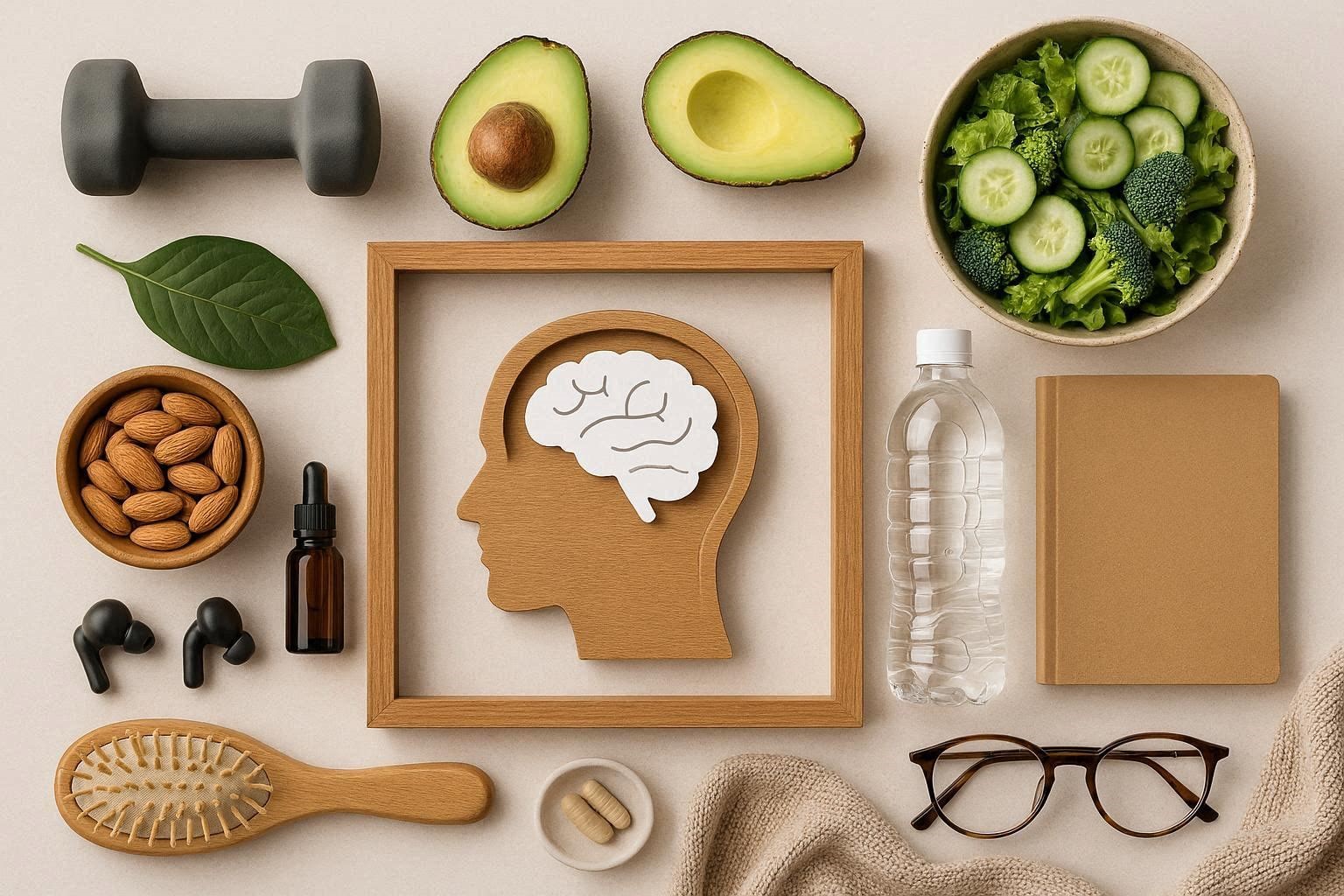
Stress and anxiety profoundly impact physical health, contributing to a range of issues from chronic inflammation to disrupted sleep patterns. When the body is under persistent mental strain, it releases cortisol, a stress hormone that can lead to weight gain, impair immune function, and exacerbate existing health conditions.
Recognizing this intricate connection, modern wellness emphasizes stress management techniques and mental health support as crucial for maintaining overall well-being. Addressing these emotional factors not only improves mental and emotional resilience but also directly contributes to a healthier body and balanced energy levels.
Self-Compassion and Body Neutrality Trends
Self-compassion and body neutrality are rapidly growing trends in wellness, fostering a healthier relationship with one’s body and mind. These philosophies encourage individuals to treat themselves with kindness and respect, regardless of body shape or size, moving away from harsh self-criticism and the relentless pursuit of an ideal body image.
Body neutrality, in particular, advocates for appreciating the body for what it can do rather than how it looks, reducing the constant pressure to conform to societal standards. This shift empowers individuals to cultivate a strong self-esteem and focus on actions that genuinely support their overall well-being, free from the dictates of diet culture.
Breaking the Cycle of Guilt and Food Shame
Breaking the cycle of guilt and food shame is a critical step towards genuine wellness, liberating individuals from the emotional burden of diet culture. This involves challenging the internalized beliefs that label certain foods as “good” or “bad” and recognizing that all foods can fit into a balanced diet when consumed mindfully.
Embracing self-compassion allows individuals to make food choices based on their body’s needs and desires, rather than out of fear or obligation. This mental and emotional liberation fosters a healthier relationship with food and weight, paving the way for sustainable positive changes and a more peaceful approach to eating, free from constant judgment.
How Social Media Changed the Health Conversation
Social media has profoundly transformed the health conversation, democratizing information and fostering diverse communities that challenge traditional narratives. It has become a powerful platform for sharing alternative perspectives, promoting inclusivity, and pushing back against unrealistic ideals that once dominated wellness discussions.

The Rise of Body Positivity and Body Neutrality
The rise of body positivity and body neutrality on social media has fundamentally reshaped the conversation around body image and health. These movements champion self-acceptance and respect for all body types, actively challenging the narrow beauty standards perpetuated by traditional media and diet culture.
Platforms are flooded with diverse voices celebrating different bodies, promoting a message that health is not confined to a specific size or shape. This shift has empowered countless individuals to cultivate a stronger self-esteem and a more compassionate relationship with their bodies, moving beyond the relentless pursuit of an often-unobtainable ideal.
Influencers Promoting Realistic Wellness Lifestyles
A new wave of influencers is actively promoting realistic wellness lifestyles, offering refreshing authenticity compared to the often-unattainable portrayals of health seen in previous eras. These individuals share relatable experiences, focusing on sustainable habits, balanced nutrition, and genuine mental and emotional well-being rather than extreme diets or perfect physiques.
Their content often includes discussions about managing stress, prioritizing sleep, and making positive changes that fit into real life, providing a much-needed antidote to the often-misleading promises of quick weight loss. This movement empowers followers to pursue health in a way that feels achievable and supportive of their overall vitality.
The Backlash Against Unrealistic Fitness Standards
There is a growing backlash against unrealistic fitness standards on social media, driven by a collective desire for authenticity and sustainability in wellness. Many users are tired of seeing highly curated images and extreme workout routines that promote an unattainable body image and often lead to feelings of inadequacy or failure.
This pushback highlights the detrimental impact of such standards on mental and emotional health, advocating instead for movement that fosters joy and well-being rather than obsession. The conversation is shifting towards celebrating diverse body types and promoting functional fitness, encouraging individuals to find activities that genuinely make them feel good and support a healthy weight, rather than striving for an arbitrary ideal.
Common Myths About the End of Diet Culture
“Health Doesn’t Matter Anymore” Myth
One pervasive myth regarding the decline of diet culture is the misconception that “health doesn’t matter anymore,” which is far from the truth. While the focus has shifted from arbitrary weight loss and restrictive food choices, the new wellness paradigm places an even greater emphasis on genuine well-being, including maintaining a healthy weight through sustainable practices.
This shift prioritizes holistic health—encompassing physical, mental, and emotional health—rather than just superficial appearance, encouraging positive changes that genuinely enhance one’s life and self-esteem without the pressures of traditional weight loss journeys.
“Feeling Good Means No Discipline” Misconception
Another common misconception is that “feeling good means no discipline,” suggesting a lack of effort or structure in a post-diet culture approach. In reality, pursuing a feeling-good lifestyle requires a different kind of discipline, one centered on self-awareness, mindful eating, and consistent positive changes.
This includes disciplined attention to energy levels, sleep quality, and stress management, all crucial for improving your mood and overall wellness. It’s about building sustainable habits that support a healthy weight and optimal function, rather than adhering to rigid, often unsustainable rules that ultimately lead to burnout or emotional eating.
“Weight Loss Is Always Bad” Clarification
It’s crucial to clarify that the end of diet culture does not imply that “weight loss is always bad.” For individuals whose health genuinely benefits from losing weight, a feeling-good approach supports this goal through sustainable, mindful practices rather than harmful restriction.
The difference lies in the motivation and methods: it’s about making positive changes to improve health and overall wellness, listening to the body, and fostering a healthy body image, rather than pursuing an arbitrary ideal dictated by societal pressures. This balanced perspective ensures that any weight change is approached with self-compassion and mental health support.
How to Transition Toward a “Feeling Good” Lifestyle
Building Sustainable Eating Habits
Transitioning toward a “feeling good” lifestyle starts with building sustainable eating habits that prioritize nourishment and satisfaction over strict calorie counting or deprivation. This involves mindful eating, where you pay attention to your body’s signals of hunger and fullness, making food choices that support your energy levels and improve your mood.
The goal is to develop a positive relationship with food, free from the guilt and shame often associated with diet culture, which ultimately helps maintain a healthy weight without resorting to extreme measures or contributing to emotional eating. Focus on balanced nutrition and consistent, enjoyable meal patterns.
Creating a Balanced Fitness Routine
Creating a balanced fitness routine is another essential step in moving towards a “feeling good” lifestyle, emphasizing movement that brings joy and enhances overall wellness. This means engaging in physical activities that you genuinely enjoy, whether it’s walking, dancing, or low-impact exercises, rather than feeling obligated to perform intense workouts solely for weight loss.
Prioritize consistency over intensity, ensuring that your routine is sustainable and contributes to your mental and emotional well-being. This approach helps to maintain a healthy weight and fosters a positive body image, while improving your mood and energy levels without pressure.
Prioritizing Sleep, Stress, and Recovery
Prioritizing sleep, managing stress effectively, and integrating recovery into your daily life are crucial for a truly “feeling good” lifestyle, extending beyond just food choices and exercise. Adequate sleep is vital for hormone regulation and energy levels, while chronic stress can lead to weight gain due to elevated cortisol.
Dedicating time for rest and mental health support allows your body to recover and reduces the risk of burnout, contributing significantly to overall wellness. These practices foster a resilient mindset, improve your mood, and support your physical and emotional health, creating a holistic foundation for lasting well-being.
Real-Life Benefits of This New Wellness Approach
Improved Energy and Daily Performance
Embracing the “feeling good” wellness approach brings significant real-life benefits, prominently featuring improved energy and daily performance. When individuals prioritize nutrient-dense food choices, consistent movement, and adequate rest, their bodies operate more efficiently, leading to sustained energy levels throughout the day.
This enhanced vitality translates into better focus, increased productivity, and the ability to engage more fully in daily tasks and activities. Moving beyond the restrictive mindset of trying to lose weight allows for a deeper connection with one’s physical and emotional needs, fostering genuine well-being without the constant fatigue often associated with diet culture.
Better Relationship With Food and Body
One of the most profound benefits of this new wellness approach is fostering a better relationship with food and body, moving away from cycles of guilt and deprivation. By practicing mindful eating and understanding hunger, fullness, and cravings, individuals develop intuitive food choices that nourish their bodies without judgment.
This shift cultivates a healthy body image and self-esteem, reducing the pressure to conform to unrealistic beauty standards and diminishing emotional eating patterns. It promotes a sense of peace and acceptance, ensuring that efforts to maintain a healthy weight come from a place of self-care, not self-criticism, and positively impacting mental and emotional health.
Long-Term Consistency Without Burnout
This new wellness approach promotes long-term consistency without the burnout often experienced in traditional diet culture, a key real-life benefit. By focusing on sustainable habits, gentle movement, and balanced nutrition, individuals are more likely to stay on track with their wellness goals over extended periods.
The emphasis on feeling good, improving your mood, and supporting overall mental and emotional well-being means that the journey is enjoyable and self-compassionate, rather than a punitive struggle. This sustained engagement naturally helps maintain a healthy weight and fosters lasting positive changes, ensuring continued wellness without the emotional toll of restrictive plans or the despair when weight loss isn’t linear.
Challenges in Moving Away From Diet Culture
Unlearning Years of Restrictive Thinking
Moving away from diet culture presents significant challenges, particularly in unlearning years of ingrained restrictive thinking regarding food and body image. Many individuals have been conditioned since childhood to view certain food choices as “good” or “bad” and to associate self-worth with weight loss or maintaining a specific body type.
Breaking free from this mindset requires conscious effort and patience, as it involves retraining the brain to trust internal cues like hunger and fullness, rather than external rules. This journey often necessitates significant mental health support to address the deeply rooted beliefs and emotional eating patterns.
Dealing With External Pressure and Comparison
Another substantial challenge in detaching from diet culture involves dealing with external pressure and constant comparison, especially amplified by social media. Despite the rise of body positivity, societal ideals still often promote an unrealistic body image, making it difficult to maintain a healthy self-esteem when surrounded by images of “perfect” bodies.
Friends, family, or even healthcare providers might inadvertently perpetuate diet culture narratives, pressuring individuals to lose weight or adhere to restrictive practices. Navigating these external influences while prioritizing internal well-being and mindful eating requires resilience and a strong commitment to one’s own wellness journey.
Staying Consistent Without Obsession
Staying consistent in a “feeling good” lifestyle without falling into obsession—a common pitfall of diet culture—is a nuanced challenge. The goal is to make positive changes and maintain a healthy weight through balanced food choices and enjoyable movement, without meticulously tracking every calorie or workout.
This delicate balance requires self-compassion and an understanding that occasional indulgences or missed workouts don’t signify failure. It’s about cultivating a sustainable mindset where wellness activities enhance life rather than consume it, ensuring that efforts to improve your mood and energy levels remain free from the anxiety and self-criticism that often accompany trying to lose weight.
Conclusion: The Future of Health Beyond Diet Culture
The future of health is undoubtedly moving beyond the confines of traditional diet culture, embracing a holistic and compassionate approach centered on feeling good. This paradigm shift prioritizes mental and emotional well-being, sustainable habits, and a respectful relationship with food and body, marking a profound evolution in wellness. By rejecting restrictive thinking and societal pressures, individuals are empowered to cultivate genuine vitality, improve their mood, and maintain a healthy weight through mindful practices. This new era of health promises long-term consistency, greater self-esteem, and a life lived with more energy and less obsession, truly making well-being the ultimate goal.